

You already know Singapore’s ecommerce market is massive and growing. The real question is: which online buying behaviour factors push a shopper to hit “add to cart,” engage with your brand, or leave your site without contributing to your lead generation funnel?
These aren’t vague trends. They’re concrete triggers that decide whether customers buy from you, your competitor down the street, or a global player like Amazon.
By 2028, ecommerce revenue in Singapore is expected to reach more than S$33 billion. Internet penetration is over 95%, one of the highest in Asia, and 8 in 10 Singaporeans shop online at least once a month.
That’s a huge opportunity, but also a brutal battleground. SMEs aren’t just competing with each other anymore. You’re up against Shopee, Lazada, Shein, Temu, and every other platform flooding the market.
The winners aren’t the ones with the biggest ads. They’re the ones who understand what drives Singaporeans to trust, click, and buy—and who use that knowledge to shape every part of the customer journey.
This article breaks down eight critical online buying behaviour factors in Singapore and shows you how to turn them into practical advantages for your business. Let’s dive in.
Key Takeaways
- Singapore’s online buying behaviour is shaped by unique local nuances, including a mobile-first shopping culture, strong government support for digitalisation, and the diversity of its multicultural consumer base.
- Price sensitivity, convenience, trust, personalisation, and sustainability are among the key behavioural factors that directly influence how Singaporeans evaluate and commit to online purchases.
- Businesses that succeed in this market are those that adapt their strategies with data-driven personalisation, culturally relevant messaging, seamless omnichannel experiences, and loyalty-driven retention initiatives.
Singapore Online Buying Behaviour: Local Nuances Matter
Before you break down the psychology of why people click “buy now,” you need to anchor your strategy in Singapore’s unique context. This isn’t just another Asian market. The mix of infrastructure, policy, and culture here changes how consumers shop and how brands win.
Mobile-First, Always Online Shopping Culture
First, consider penetration. Over 95% of Singaporeans are online, and mobile isn’t just a channel—it’s the default. Shoppers browse on the MRT, compare prices over lunch, and complete purchases with digital wallets in seconds. If your ecommerce journey isn’t optimised for mobile speed and convenience, you’re already losing ground.
Government Support for Digitalisation
Second, government support for digital adoption is unusually strong. Programmes like IMDA’s SME Go Digital give small and medium enterprises funding and toolkits to go online quickly. SkillsFuture subsidies also help marketers and business owners upskill in ecommerce and digital marketing.
In practice, this means the playing field is more level than you think. Even the corner bakery has access to resources that let them compete online against established brands.
Multicultural Society
Third, the multicultural fabric of Singapore shapes buying behaviour in ways global playbooks often miss. Chinese families might emphasise value and trust, Malay consumers often respond strongly to community-driven marketing, Indian shoppers may look for family-oriented bundles, and expats bring global expectations into the mix.
No single campaign works across the board. You can’t just copy-paste global creative and expect results. Localising your digital marketing—whether through language, cultural touchpoints, or even holiday-specific campaigns—isn’t optional. It’s what makes your brand resonate.
Importance of Localising Digital Marketing Messages
Finally, don’t underestimate how these local nuances interact. A mobile-first shopper with government-backed trust in online platforms and a cultural preference for community buying will respond very differently than a Western expat who’s used to Amazon Prime.
The businesses that thrive are the ones that read these signals, segment effectively, and design their customer journeys accordingly. With that context, let’s get into the first factor shaping online buying behaviour in Singapore: Price sensitivity and the relentless hunt for discounts.
1. Price Sensitivity and Discounts in Singapore’s Competitive Market
Price is often the first thing Singaporeans consider when shopping online. With one of the highest costs of living in Asia, Singaporeans are naturally value-conscious. Online shoppers are known to compare across multiple platforms before making a purchase, and discounts frequently serve as the tipping point.
Why this matters:
- Promotions and flash sales drive traffic. Platforms like Shopee and Lazada anchor their growth on mega sales events such as 11.11 Singles’ Day, 12.12, and Great Singapore Sale online editions.
- Loyalty programmes matter. Credit card points, GrabRewards, and Shopee Coins incentivise repeat purchases.
- Bundle deals are attractive. Singaporeans often see value in “buy more, save more” campaigns.
Case studies:
- GrabFood’s “$0 delivery fee” promotions significantly increased order volumes during off-peak hours.
- NTUC FairPrice Online saw a spike in grocery orders with time-limited e-vouchers.
- Foodpanda’s “Pau-Pau Deals” combine bundle offers with rewards for repeat orders, appealing to families.
Key learnings:
- Don’t just compete on price — compete on perceived value.
- Offer exclusive member-only discounts, tiered loyalty rewards, or time-limited vouchers to nudge hesitant buyers.
2. Trust, Security, and Online Reviews
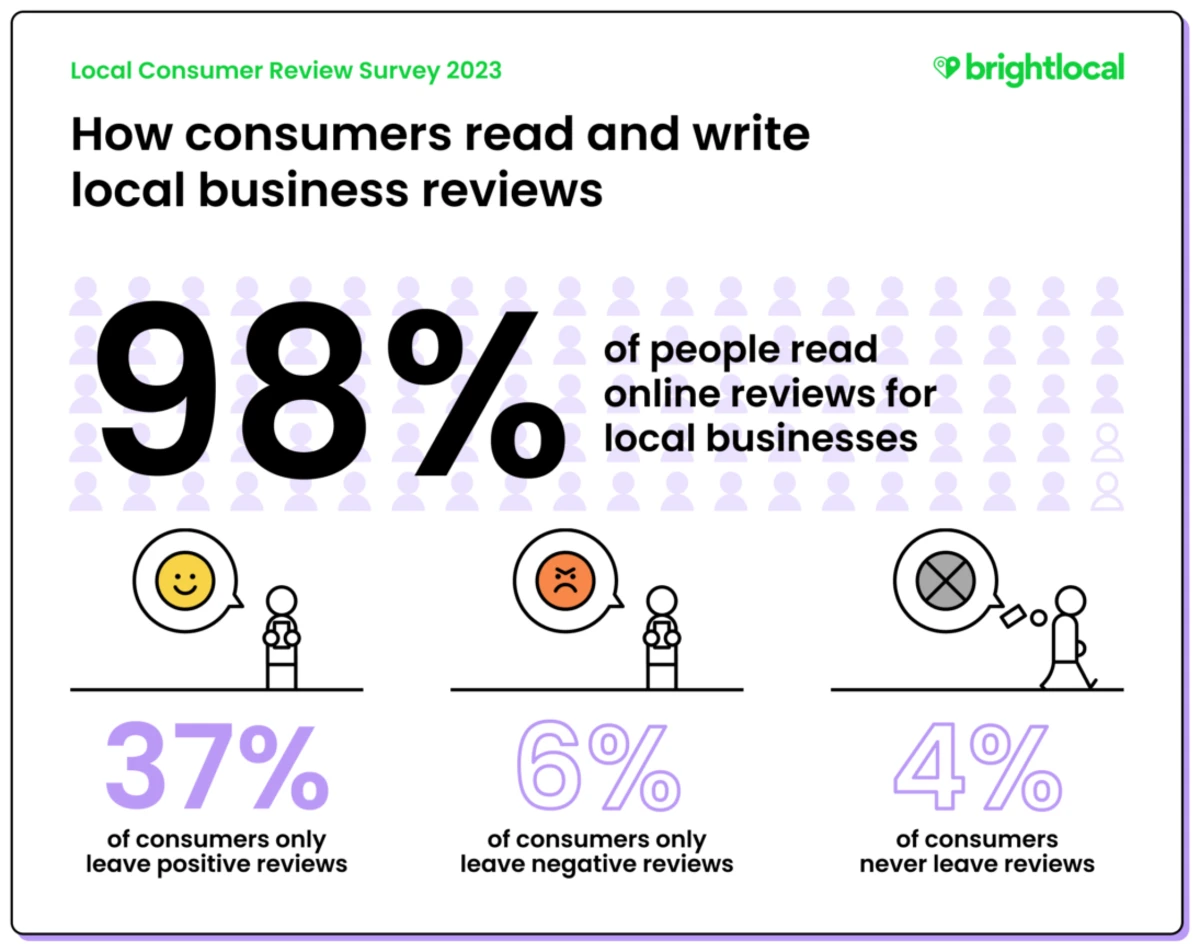
Image Credit: BrightLocal
Even with rising ecommerce adoption, trust remains a deciding factor in Singapore’s online buying behaviour. Consumers here are cautious — they want to ensure their money and personal data are safe.
Trust factors influencing purchases
- Secure payment gateways. Shoppers look for familiar options like PayNow, PayLah!, and trusted credit card processors.
- Buyer protection policies. Platforms such as Carousell introduced Carousell Protection, where payment is held in escrow until goods are received.
- Authentic reviews. Peer opinions matter. Over 90% of consumers check product reviews before buying online.
Case studies:
- Qoo10’s robust review system allows buyers to upload photos of products, making reviews feel authentic.
- Carousell’s “Verified” seller badges and escrow payment gave users peace of mind.
- Zalora’s transparent return policies built confidence in online fashion shopping, an area where sizing issues often discourage buyers.
Key learnings:
- Showcase customer testimonials.
- Enable review uploads.
- Be transparent about return or refund policies.
- Consider partnering with trust badges (e.g., Norton Secured, Google Trusted Store) to reassure hesitant buyers.
3. Convenience and Mobile Shopping Habits
Singapore is a mobile-first nation. With 179% mobile penetration (many own more than one device), convenience is central to online buying behaviour.
Why does convenience drive purchases?
- Mobile apps dominate. Consumers prefer intuitive, app-based online shopping experiences over clunky desktop e-commerce websites.
- Frictionless checkout is essential. Cart abandonment rates soar when checkout requires too many steps.
- Payment flexibility. “Buy Now, Pay Later” (BNPL) options like Atome, GrabPay Later, and Pace are increasingly popular among younger buyers.
Case studies:
- RedMart (Lazada’s grocery arm) nailed convenience with saved shopping lists, one-click reorder, and flexible delivery slots.
- Watsons Singapore uses “Scan & Go” tech, allowing customers to shop seamlessly in their physical and online stores.
- Grab integrates food, transport, and shopping into one app, making it the go-to for quick, convenient purchases.
Key learnings:
- Optimise your mobile app or responsive site for speed, one-click checkout, and digital wallet integration.
- If you sell repeat-purchase products, enable autoship or subscription models.

Image Credit: Degordian
In Singapore, brand reputation and social proof are king. With so many competing online options, consumers often gravitate towards brands they perceive as credible — or those recommended by peers.
Key influences in brand reputation and social proof:
- Influencer marketing. KOLs (Key Opinion Leaders) and micro-influencers have strong sway, especially in fashion, beauty, and food.
- Social media presence. Shoppers discover new brands through popular social media platforms like Instagram, TikTok, and Facebook ads.
- Word of mouth. Peer recommendations remain one of the strongest buying triggers.
Case studies:
- Love, Bonito built a strong community by blending influencer collaborations with authentic user-generated content (UGC).
- Charles & Keith leveraged TikTok virality to boost global visibility while reinforcing trust at home.
- Chope, a dining reservation platform, relies heavily on customer reviews and user-shared photos to attract diners.
Key learnings:
- Leverage influencers in Singapore strategically.
- Encourage UGC.
- Maintain consistent social media marketing and branding.
- Remember: A single viral TikTok review can outsell weeks of paid advertising.
5. Payment Preferences in Singapore
While trust and convenience are crucial, payment preferences deserve their own spotlight. How Singaporeans prefer to pay online shapes online customer behaviour significantly.
Popular payment methods:
- Credit and debit cards. Still dominant, especially for higher-value purchases.
- PayNow and PayLah! Widely adopted thanks to MAS-backed QR code payment infrastructure.
- BNPL (Buy Now, Pay Later). Atome, Pace, and GrabPay Later are gaining traction with younger buyers who want flexibility without credit card debt.
- E-wallets. GrabPay, ShopeePay, and FavePay are integrated into daily routines.
Case studies:
- Singtel Dash aggressively promoted cross-border QR payments, appealing to frequent travellers.
- Atome partnered with Zalora and Sephora to allow instalment payments, increasing basket sizes.
- Shopee incentivises ShopeePay use with exclusive discounts, building wallet stickiness.
Key learnings:
- Offer multiple payment options — especially PayNow and BNPL.
- For SMEs, integrating with local wallets can reduce cart abandonment and appeal to Gen Z buyers.
6. Cultural Preferences and Localisation
Singapore’s multicultural society shapes how people shop online. Businesses that respect cultural nuances often outperform those that treat Singapore as a “generic Asian market.”
Examples of cultural consumer behaviour:
- Festive shopping is huge. Chinese New Year, Hari Raya, Deepavali, and Christmas all trigger spikes in ecommerce sales.
- Language and tone matter. Localised campaigns using Singlish (“Shiok Deals!”, “Steady Lah”) often resonate with younger buyers.
- Food and tradition. Seasonal products like CNY pineapple tarts or Hari Raya hampers see massive pre-festive demand.
Case studies:
- Lazada’s “CNY Super Show” combines celebrity performances, flash deals, and live streaming, merging culture and commerce.
- Shopee integrates Singlish phrases into ad campaigns, making promotions feel more relatable.
- Local SMEs like Old Seng Choong successfully sell festive cookies by leveraging heritage-based branding.
Key learnings:
- Localise your campaigns.
- Tie promotions to Singapore’s cultural calendar, experiment with Singlish-tagged ads for youth, and highlight heritage-driven products where relevant.
7. Delivery Speed and Return Policies
In a city where everything is fast-paced, delivery and return experiences make or break a sale. Singaporeans expect reliability and speed — anything less can kill brand loyalty.
What shoppers expect:
- Same-day or next-day delivery. Especially for essentials, electronics, and fashion.
- Transparent tracking. Buyers want to know where their package is in real-time.
- Hassle-free returns. Strict or costly return policies discourage repeat purchases.
Case studies:
- Amazon Prime Now offered 2-hour delivery windows, setting new benchmarks.
- Zalora simplified returns with free pick-up services, building customer trust in online fashion.
- Ninja Van rose quickly by offering SMEs affordable same-day courier options.
Key learnings:
- Partner with local courier services that offer same-day options, and keep your return policies customer-friendly. Don’t treat returns as losses — they’re opportunities to build long-term trust.
8. Sustainability and Ethical Shopping
Singaporean consumers, especially Millennials and Gen Z, are increasingly conscious about sustainability. They want their purchases to align with their values.
Trends driving ethical buying behaviour:
- Eco-friendly packaging. More shoppers choose brands with minimal or biodegradable packaging.
- Ethical sourcing. Concerns around fair trade, carbon footprint, and cruelty-free products are rising.
- Corporate responsibility. Consumers notice when brands support local causes or sustainability campaigns.
Case studies:
- SaladStop promotes its “Eat Wide Awake” philosophy, sourcing responsibly and using eco-friendly packaging.
- UnPackt, Singapore’s first zero-waste grocery store, gained traction among eco-conscious consumers.
- Shopee launched a “Shopee Eco” campaign highlighting sustainable product categories.
Key learnings:
- Highlight your sustainability initiatives clearly — from packaging to sourcing.
- Singaporean buyers are willing to pay a premium for brands that align with their environmental and social values.
Marketing Strategies to Leverage Online Buying Behaviour Factors
Understanding online buying behaviour factors is only half the equation. The real question is: how do you turn those insights into marketing strategies that drive sales in Singapore’s hyper-competitive landscape? Here are five practical approaches you can apply immediately.
1. Personalisation with Data-Driven Offers
Singaporean consumers expect relevance. Generic promotions get ignored, while targeted offers based on browsing or purchase history, purchase frequency, or even time of day can move the needle. For instance, if you know lunchtime is when your mobile app sees spikes, push exclusive midday deals through SMS or app notifications.
AI-powered recommendation engines can also surface products that align with a shopper’s past purchases, reducing friction and boosting conversion rates.
2. Localised Content that Resonates
You can’t market to Singapore with a one-size-fits-all global campaign. Messaging that works in New York or London won’t automatically land here. Localisation goes beyond simply switching currency to SGD—it means weaving cultural cues into your copywriting, offering multilingual support, and recognising major festive periods across different ethnic groups.
Running a Chinese New Year bundle, a Hari Raya discount, or a Deepavali-themed local content marketing campaign signals respect and relevance. Even subtle adjustments—like using local slang or highlighting Singaporean customer stories—can increase trust and relatability.
3. Social Proof as a Conversion Driver
Singaporean shoppers are discerning, often cross-checking reviews before committing. This makes social proof an essential lever. Display verified customer ratings prominently on product pages. Share authentic testimonials in both text and video formats.
Partner with micro-influencers who carry credibility within specific niches rather than chasing celebrity endorsements that may feel staged. Local consumers also respond well to peer-driven communities—think Facebook groups or Telegram channels—where they can see real-life feedback before making a purchase.
4. Creating an Omnichannel Experience

Image Credit: Pravaah
Despite the strength of ecommerce, Singapore’s compact geography means offline retail still matters. The smartest brands are blending online and offline seamlessly. Offer click-and-collect services so customers can pick up online orders in-store, saving delivery fees.
Create showroom-style experiences where customers can touch and feel products before buying them online. Integrate loyalty programmes across both channels so shoppers build rewards regardless of how they purchase. This hybrid approach reduces barriers and expands choice, appealing to both convenience seekers and experience-driven buyers.
5. Customer Satisfaction and Retention Through Loyalty and Remarketing
Acquiring a customer in Singapore can be costly, which makes retention strategies vital. Loyalty programmes that offer tangible benefits—like bonus points, tiered rewards, or exclusive access—encourage repeat purchases.
Subscriptions are also gaining ground, particularly in food, beauty, and household goods. Beyond these, remarketing campaigns help re-engage browsers who abandoned carts or visited specific product pages. A well-timed reminder WhatsApp or email marketing message can tip them over the edge.
Case study:
A standout local example is SaladStop!, Singapore’s homegrown healthy food chain. They combine personalisation with eco-conscious branding to appeal to digital-first, values-driven consumers. Their app tracks customer preferences and suggests customised meals, while rewards encourage repeat orders.
They also lean into sustainability—a key behavioural factor—by promoting their reusable bowl initiative and transparent sourcing. By aligning personalisation with ethical values, SaladStop! was able to foster customer loyalty and build advocacy, showing exactly how behavioural insights translate into long-term growth.
Adapting to Online Buying Behaviour Factors in Singapore
Understanding online buying behaviour factors in Singapore isn’t just about theory — it’s about applying these insights to create better customer journeys.
- Singaporeans are price-conscious but also value trust and ease (consumers seek convenience always).
- Social proof, payment preferences, and localisation can make your brand stand out in a crowded market.
- Delivery speed and sustainability are no longer “nice-to-haves” — they are deal-breakers.
The question is: How will your business adapt? At MediaOne, we help businesses like yours decode online consumer behaviour and translate insights into SEO-driven, conversion-focused strategies. Call us today to start reaching Singapore’s online buyers with precision.
Frequently Asked Questions
How does age affect online buying behaviour?
Younger consumers in Singapore tend to embrace mobile-first shopping, impulse purchases, and social media-driven discovery, while older consumers focus more on trust, payment security, and clear value propositions. Tailoring messaging and user experiences by age group helps capture both demographics effectively.
What role does delivery speed play in online buying behaviour?
Fast, reliable delivery often makes or breaks a purchasing decision. Many Singaporean shoppers abandon carts if shipping takes too long or costs too much, making same-day or next-day options critical in this market.
How do online reviews influence buying behaviour?
Reviews serve as digital word-of-mouth, significantly shaping trust and credibility. Positive testimonials, verified ratings, and peer recommendations often tip undecided buyers toward completing a purchase.
What psychological factors impact online buying behaviour?
Scarcity (“only 2 left”), urgency (countdown timers), and social proof all create psychological triggers that nudge consumers to act. These factors work by reducing hesitation and amplifying the fear of missing out.
How does brand loyalty affect online buying behaviour?
Shoppers with strong brand loyalty are less price-sensitive and more likely to repeat purchases. Effective loyalty programmes and consistent value delivery keep these customers engaged over the long term.