
If you’re a small business owner in Singapore, you already know the struggle of competing against larger players with deep marketing budgets. Search Engine Marketing, or SEM, gives you a way to level the playing field — reaching customers exactly when they’re searching for your products or services.
Unlike organic SEO, SEM lets you appear at the top of Google almost instantly, driving clicks that convert into leads and sales.
But here’s the reality: rising cost-per-clicks (CPCs), aggressive competition, and limited budgets make trial-and-error campaigns expensive and frustrating. The key isn’t just running ads — it’s running strategically optimised campaigns that maximise ROI.
This guide walks you through the techniques as well as show SEM campaign examples for small businesses like yours to follow. By the end, you’ll understand how to stretch your budget, reach the right audience, and get measurable results — just like the outcomes an SEM agency would deliver for you.
Key Takeaways
- Small businesses achieve the highest ROI by focusing on intent-driven keywords and tightly structured ad groups that match user search behaviour rather than chasing high-volume terms.
- Crafting high-converting ad copy and landing pages that align with your campaigns, combined with strategic bidding and geo-targeting, maximises click-through rates and lowers wasted spend.
- Implementing negative keywords, retargeting strategies, and ongoing performance tracking ensures that every dollar of your SEM budget is spent efficiently and delivers measurable business results.
Targeting Keywords That Convert Instead of Keywords That Cost

When planning any SEO or SEM campaign, your priority should not be ranking for the biggest keywords — it should be ranking for the keywords that bring in buyers, not browsers.
Why Intent Beats Volume
Not all keywords are created equal, and this is where many small businesses burn through their budgets. Chasing high-volume, generic terms often looks attractive because these keywords appear to promise visibility and traffic.
However, volume does not equal conversions. A phrase like “best accounting services” may generate thousands of searches per month, but the intent behind those searches varies widely. Many users at this stage are researching, comparing, or simply exploring. They are not necessarily ready to hire, book an appointment, or initiate a consultation.
Intent-driven keywords, on the other hand, attract searchers who are closer to taking action. These keywords fall into three core categories:
- Commercial intent: Searchers ready to buy or hire (e.g., “hire residential cleaning service Singapore”)
- Informational intent: Searching for knowledge (e.g., “what is a residential cleaning service”)
- Navigational intent: Looking for a specific brand (e.g., “MediaOne SEM agency Singapore”)
By focusing on high-intent terms, you reduce wasted ad spend, improve CTR, and generate leads who are far more likely to convert.
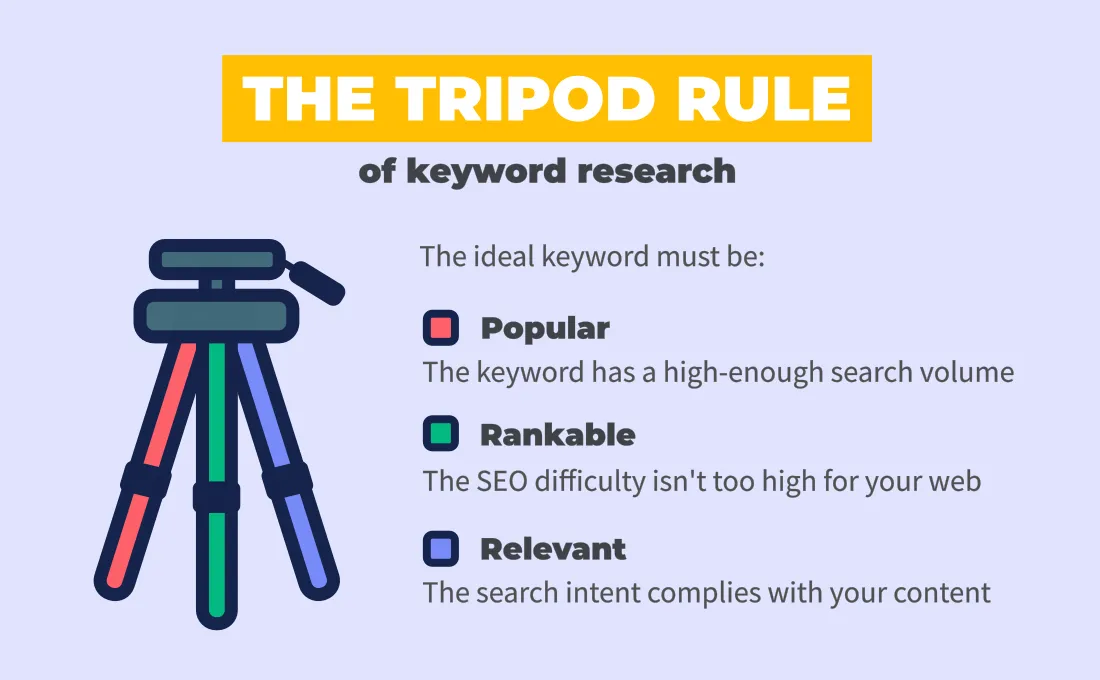
Image Credit: Mangools
Framework for Selecting High-Intent Keywords
To ensure every dollar works hard, build keyword clusters that combine:
- Branded + niche product terms: Pair your brand or product name with service-specific keywords to capture warm leads already familiar with you.
- Geo-qualified queries: Adding local modifiers (“Singapore,” “Orchard,” “Tampines”) helps you reach users looking for nearby services, increasing both relevance and conversion likelihood.
- Action-oriented modifiers: Words such as “buy,” “hire,” “price,” “quote,” “service,” or “consultation” signal transactional readiness and should be prioritised in both SEO and SEM.
Real-World SEM Campaign Example of Targeting High-Converting Keywords
A small accounting firm in Singapore faced rising ad costs and low-quality leads while using broad, high-volume keywords like “accounting services” and “tax help.” Although these keywords generated traffic, most visitors were not ready to engage or convert, resulting in wasted ad spend and a low return on investment.
To address this, the firm shifted its SEM strategy to focus on intent-driven keywords. Terms such as “hire tax consultant Singapore,” “business audit service quote,” and “SME accounting services” were prioritised, capturing users actively looking for accounting solutions and ready to engage.

The results were striking. Within six months, the firm doubled its leads, while the cost per click dropped by over 30%, reflecting better keyword relevance and improved Quality Scores. Conversions increased markedly, proving that targeting high-intent searchers drives not only traffic but meaningful revenue growth, making every advertising dollar more effective.
Building Tight, Theme-Focused Ad Groups to Lower CPC and Improve Quality Score


One of the fastest ways to improve paid search performance is to refine how your keywords and ads are organised — because structure directly influences cost, relevance, and conversion efficiency.
Why Structure Matters
Google rewards relevance. When your keywords, ads, and landing pages align closely, Google assigns a higher Quality Score.
This not only lowers your CPC but also improves your ad rank, allowing you to appear in better positions without increasing your budget. Conversely, a fragmented ad structure with loosely related keywords forces your ads to work harder, increases your costs, and weakens user engagement. A well-organised account is therefore not just cleaner — it’s more profitable.
How to Structure Your Ad Groups
- Single Keyword Ad Groups (SKAGs). Each ad group targets one high-intent keyword. This gives maximum control over ad messaging, match types, and landing page alignment. SKAGs are ideal when precision and performance matter most.
- Small Keyword Clusters. If SKAGs feel too granular or time-consuming, group 2–3 closely related terms into a small cluster. This maintains strong relevance while making campaign management more efficient.
- Match Types. Use phrase match when you want more control and tighter targeting. Use broad match with smart bidding when your campaign already has conversion data and you want to scale reach without losing efficiency.
| Structure Type | Advantages | Ideal Use Case |
| SKAG | High relevance, improved CTR | Small campaigns, high-value keywords |
| Small Cluster | Easier management, still targeted | Medium campaigns with 10–20 keywords |
| Broad Match + Smart Bidding | Scales quickly | Well-performing campaigns with conversion data |
Real-World SEM Campaign Example of Building Ad Groups
A Singapore-based e-commerce brand specialising in eco-friendly kitchenware faced high costs and low engagement from its Google Ads campaigns. Initially, their ad groups were organised around broad keyword clusters, which resulted in mismatched ad copy, lower relevance, and wasted spend.
To address this, the team restructured their campaigns into lean, theme-focused ad groups, grouping highly related keywords together and aligning each group with tailored ad copy and landing pages.
The impact was immediate. Click-through rates (CTR) jumped from 3% to over 7% within a single quarter, demonstrating that more relevant ad messaging resonated strongly with users. At the same time, cost per click (CPC) dropped by more than 20%, reflecting improved Quality Scores and reduced wasted spend.
This case highlights how strategically organising ad groups around tight themes not only improves campaign performance but also maximises ROI for small businesses with limited SEM budgets.
Write High-Performance Ad Copy That Hooks Users in 2 Seconds

In a crowded search results page, your ad copy has only a couple of seconds to capture attention and convince users that your business is the most relevant and trustworthy option — which is why every word must work hard.
Crafting Headlines That Convert
Your headline is the most valuable real estate in your ad. It must instantly attract attention, signal relevance, and create enough curiosity or urgency to drive the click. To achieve this, always include your primary keyword so users immediately see that your ad matches their search intent. A strong example would be: “Hire Residential Cleaning Service Singapore – Trusted & Affordable.”
This type of headline hits all three goals: it’s direct, clear, and action-oriented. Including benefit-driven phrasing (“Trusted,” “Affordable,” “Fast,” “Rated 5 Stars”) can further strengthen your messaging and improve CTR.
Using Value Propositions That Set You Apart
Once your headline pulls users in, your value propositions should differentiate you from competitors. Strong value props may include:
- Price advantages: “Packages from SGD 120 per month”
- Unique expertise: “Over 10 Years Serving Singapore Homes”
- Social proof: “Rated 4.9 on Google Reviews”
These statements give users concrete reasons to choose you. In high-competition markets like Singapore, clarity and credibility in your value proposition can make or break performance.
Boosting CTR With Extensions
Google Ads extensions expand your ad and increase the chances of engagement. They not only add more information but also make your ad more visually prominent:
- Sitelinks: Guide users to top service pages or time-limited promotions.
- Callout & structured snippets: Highlight unique offerings such as “Eco-Friendly Products” or “24/7 Support.”
- Call & promotion extensions: Enable one-tap enquiries and highlight discounts, reducing friction for conversions.
When combined, strong headlines, clear value propositions, and strategic ad extensions produce high-performance ads that hook users in seconds and drive measurable results.
Real-World SEM Campaign Example of Writing Cleaner, Benefit-Led Ad Copy
Extra Space Storage, a leading self-storage operator in the U.S., faced the challenge of engaging millions of potential customers with relevant messaging during high-demand periods like the holidays.
By segmenting its audience and using Google Ads’ ad customizers, the company dynamically inserted key information — such as unit availability, pricing, and promotions — into its ad copy in real time.
This approach allowed Extra Space Storage to tailor ads to specific demographics and locations without manually creating millions of unique ads. The results were impressive: overall CTR increased by 32%, and in the company’s second-highest volume ad group, CTR jumped 113%.
According to Cameron Urry, Senior Interactive Acquisition Manager, “The ability to create and test an ad at the customer level has been a game changer.”
This case shows that highly relevant, benefit-driven, and dynamically tailored ad copy can dramatically increase engagement — a key principle for small businesses aiming to capture attention in competitive search results.
Smart Bidding vs Manual Bidding: What Works for Small Budgets

Choosing the right bidding strategy is critical for small businesses because it determines how efficiently your budget is spent and how quickly you can achieve meaningful results.
When Smart Bidding Works
Smart bidding uses Google’s machine learning to automatically optimise bids for conversions or target ROAS.
- It performs best when your campaign already has enough data for the algorithm to learn from.
- Ideally, you should have 30 or more conversions per month, clear performance goals such as a target cost per lead of SGD 50, and stable traffic patterns.
- In these conditions, smart bidding can outperform manual bidding by reacting to real-time signals you cannot manually adjust for.
When Manual or Enhanced Manual CPC Is Better
Manual bidding is more suitable for:
- New campaigns with limited conversion data, where Google’s algorithm does not yet understand your audience.
- Seasonal businesses where CPCs fluctuate heavily and require closer human control.
Practical Recommendation
Start with manual CPC to build reliable baseline data. Once your best keywords consistently convert, gradually test smart bidding. This hybrid approach gives you control early on and automation when it’s most effective.
Real-World SEM Campaign Example of Improving Conversions with Smart Bidding
A Singapore-based e-commerce store selling eco-friendly kitchenware initially ran campaigns using manual CPC bidding. With limited historical data, the team could carefully control bids for high-intent keywords like “buy bamboo cutting board Singapore” and “eco-friendly kitchen utensils.”
After collecting consistent conversion data over two months (around 40–50 conversions per month), they switched to Smart Bidding with a target ROAS goal.
The result: conversions rose by more than 25%, cost per acquisition dropped by over 10%, and the system dynamically optimised bids to capture high-intent searches in real time. This hybrid approach — starting with manual CPC, then gradually testing Smart Bidding — allowed the brand to balance control and automation, maximising ROI while staying within a limited budget.
Geo-Targeting and Local SEM Campaigns for Maximum ROI

For small businesses, reaching the right audience in the right location is essential to getting the most value from every advertising dollar.
Location Targeting Nuances
Geo-targeting allows you to focus your ads on users who are most likely to convert.
- Use radius targeting around your business or service area to capture nearby prospects efficiently.
- You can also target by postal code or neighbourhood to exclude irrelevant clicks from areas you don’t serve. This reduces wasted spend and ensures your ads reach a qualified audience.
Local Service Extensions
Leverage Google Ads’ local features to boost engagement and conversions. Options include:
- Local inventory or call ads, which make it easier for users to contact you directly
- Map integrations, which help drive in-store visits or appointments
These extensions make your ads more actionable and user-friendly, increasing ROI for local campaigns.
Real-World SEM Campaign Example of Geo-Targeting
A cleaning service in Bukit Timah was struggling with wasted ad spend from clicks outside its service area. To improve ROI, the business implemented geo-targeting strategies in Google Ads:
- Radius targeting: Focused on a 5km residential area around Bukit Timah.
- Exclusion zones: Removed industrial areas and locations outside their service range.
- Local service extensions: Added call buttons and map integrations for easier customer contact.
The results were clear: 40% fewer wasted clicks and a 30% lower cost per acquisition. Click-through rates increased by 25%, and more enquiries came from genuinely interested residents.
By combining precise geo-targeting with local ad features, the business maximised its budget and delivered highly relevant ads. This approach demonstrates how small businesses in Singapore can leverage local SEM campaigns to attract qualified leads, reduce wasted spend, and drive measurable conversions efficiently.
Build High-Converting Landing Pages Built for SEM Traffic

Your landing page is where clicks turn into conversions, so every element must be strategically designed to capture intent and guide users toward action.
Why Landing Page Alignment Matters
Every click on your ad represents interest, and the landing page must immediately reinforce the promise made in that ad. Misaligned pages confuse users, increase bounce rates, and lower Quality Score, which can raise CPC and reduce ad performance. When headlines, messaging, and design are consistent with the ad, visitors feel reassured and are more likely to convert.
What Every SEM Landing Page Must Include
- Headline that mirrors the ad: Reinforces relevance and confirms users are in the right place.
- Benefits, trust signals, testimonials, proof points: Build credibility and demonstrate why your service or product is the right choice.
- Clear CTA above the fold: Make it easy for users to take the next step without scrolling.
- Mobile-first web design with fast loading speed: Ensures seamless user experience on smartphones and tablets, which make up a significant portion of traffic.
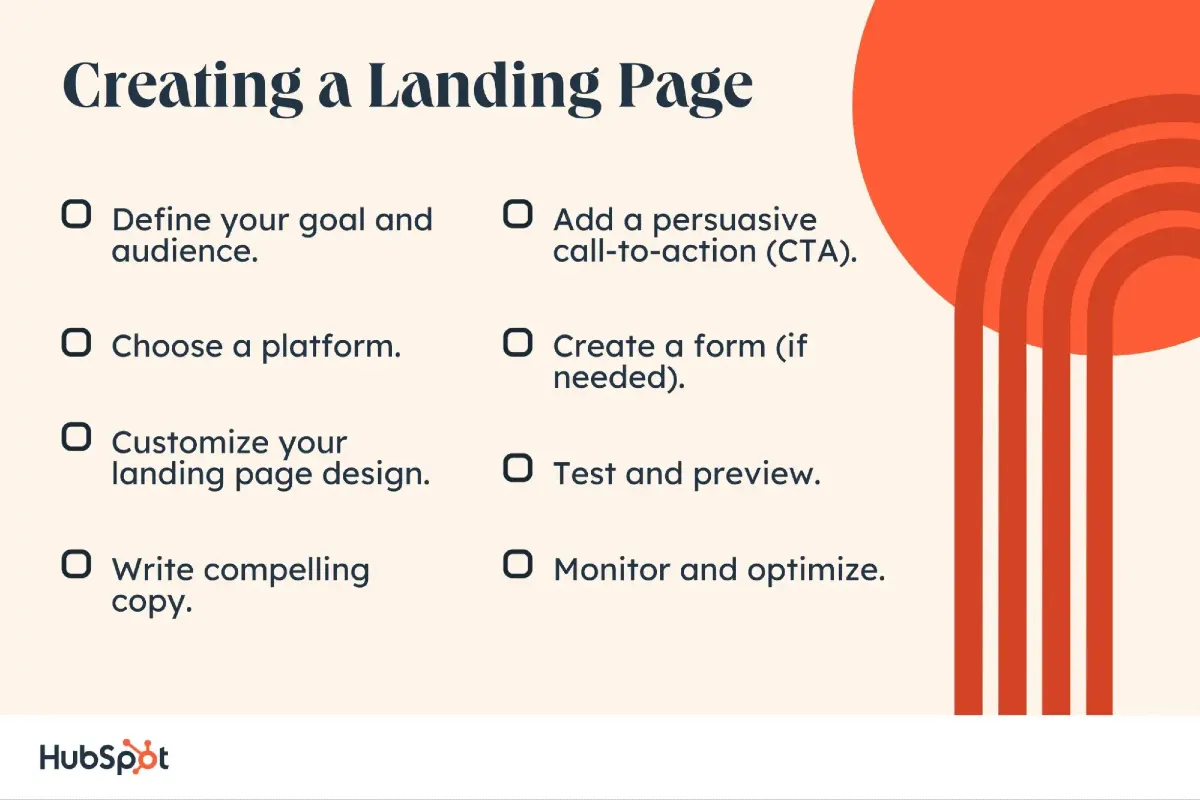
Image Credit: HubSpot
Real-World SEM Campaign Example of Landing Page Improvement
An online tutoring business in Singapore reworked its landing pages to match ad copy, included student testimonials, and optimised CTA buttons for clarity and visibility. These improvements led to a jump in conversion rate from 3.5% to 5.2%, while cost per lead dropped by 30%.
This case demonstrates that aligning landing pages with SEM campaigns doesn’t just improve engagement — it directly impacts ROI and makes every ad dollar more effective. By following these principles, businesses can turn clicks into measurable conversions and maximise the efficiency of SEM spend.
Use Negative Keywords to Protect Your Budget

Small businesses often operate with tight SEM budgets, so it’s crucial to prevent wasted spend on irrelevant traffic — and negative keywords are the most effective way to do this.
Why Negatives Are Critical for Small Budgets
Negative keywords block searches that are unlikely to convert, ensuring that your ads only show to users with genuine intent. Without them, campaigns can attract clicks from job seekers, students, or casual browsers, quickly draining your budget without delivering leads.
Types of Negative Keywords
Some common categories include:
- Job seekers: Terms like “careers” or “internship” attract candidates rather than paying customers.
- DIY queries: Phrases like “DIY cleaning tips” or “how to fix” often indicate people looking to solve problems themselves.
- Student research: Searches such as “best accounting project ideas” are informational and unlikely to convert.
Workflow
Implement a structured approach:
- Review weekly search term reports.
- Continuously prune irrelevant queries.
Over time, this ensures your SEM campaigns remain efficient, focused, and cost-effective, protecting your budget while reaching high-intent audiences.
Real-World SEM Campaign Example of Using Negative Keywords
A Singapore-based school was running SEM campaigns for “math tuition” but noticed many clicks came from students searching for “free math resources” or “math project ideas.” These clicks were draining their budget without generating enrolments.
By implementing negative keywords such as “free,” “project,” “DIY,” and “worksheet,” the school prevented ads from appearing for non-converting queries. They also reviewed search term reports weekly to add new negatives, ensuring only high-intent prospects saw their ads.
The results were significant: cost per lead dropped by more than 25%, and the conversion rate increased by over 30%, as the remaining traffic consisted of genuinely interested parents and students ready to enrol.
This demonstrates how negative keywords help small businesses protect limited SEM budgets while driving more qualified leads.
Retargeting and Remarketing: Low-Cost, High-Intent Conversions

For small businesses, retargeting provides an opportunity to reach users who have already shown interest, making it one of the most cost-effective ways to increase conversions.
Why Retargeting Works for Small Businesses
Visitors who have interacted with your website or ads are already familiar with your brand. They are more likely to convert compared with cold prospects. Additionally, CPC is typically lower for retargeting campaigns, while conversion rates tend to be higher, making it a highly efficient use of a limited marketing budget.
Retargeting Options
- Display remarketing: Show visual ads to past visitors across the Google Display Network.
- Remarketing Lists for Search Ads (RLSA): Target previous site visitors when they search for related keywords.
- YouTube remarketing: Re-engage users who watched your videos with tailored ads.
Strategy: Create Sequenced Remarketing Ads
Sequencing ads in stages maximises impact:
- Awareness: Educate users about your service or brand.
- Offer: Highlight your unique value proposition.
- Urgency: Introduce limited-time promotions to drive immediate action.
This structured approach ensures your retargeting campaigns are both cost-effective and conversion-focused.
Real-World SEM Campaign Example of Retargeting
A fitness studio in Jurong noticed that while many users visited their website to check class schedules and membership plans, few completed sign-ups. To convert these interested visitors, the studio implemented a retargeting campaign using Google Display ads and RLSA.
They segmented audiences based on behaviour: visitors who viewed class schedules saw ads highlighting flexible timings, while those who checked membership pricing received offers with limited-time discounts. Additionally, YouTube retargeting re-engaged users who watched the studio’s workout videos with ads promoting a free trial class.
The results were impressive: sign-ups increased by over 40%, and CPC dropped by more than 20% compared with cold traffic campaigns. This case illustrates how retargeting lets small businesses re-engage warm prospects efficiently, turning prior interest into measurable conversions.
Track the Right KPIs to Drive Smart SEM Decisions

Measuring the right key performance indicators (KPIs) is essential for small businesses to ensure every dollar spent on SEM delivers real results rather than just traffic.
Metrics That Matter
To optimise campaigns effectively, focus on metrics that directly impact conversions and revenue:
- Cost per acquisition (CPA): Tracks how much you spend to acquire a customer.
- Return on ad spend (ROAS): Measures revenue generated relative to ad spend.
- CTR, Quality Score, Impression Share: Indicate ad relevance and visibility.
- Conversion rate: Shows the percentage of visitors taking desired actions.
Where Small Businesses Go Wrong
Common mistakes include:
- Focusing on clicks rather than actual conversions
- Under-tracking important actions like form submissions or phone calls
- Ignoring insights from search term reports that highlight what users are actually looking for
Tools to Use
Leverage platforms that provide visibility and actionable insights:
- Google Ads for campaign performance metrics
- Google Analytics 4 for tracking user behaviour and conversions
- Looker Studio dashboards for consolidated, visualised reporting
By tracking the right KPIs, small businesses can make data-driven decisions that maximise ROI and avoid wasted spend.
Real-World SEM Campaign Example of Tracking the Right KPIs
A local online electronics retailer was running SEM campaigns focused primarily on clicks and impressions. While traffic increased, conversions remained low, and ad spend felt inefficient. The team decided to shift focus to meaningful KPIs: cost per acquisition (CPA), conversion rate, and return on ad spend (ROAS).
Using Google Ads and Google Analytics 4, they tracked form submissions, product purchases, and phone enquiries. They also created Looker Studio dashboards to visualise performance trends and identify underperforming keywords.
By reallocating budget to high-converting keywords and ad groups and optimising landing pages for better conversions, the retailer reduced CPA by over 25% and increased ROAS by more than 30% within three months.
This SEM campaign example shows that tracking the right KPIs allows small businesses to make data-driven SEM decisions, ensuring every ad dollar drives measurable results rather than just traffic.
Bringing It All Together: A Practical SEM Campaign Action Plan for Small Businesses
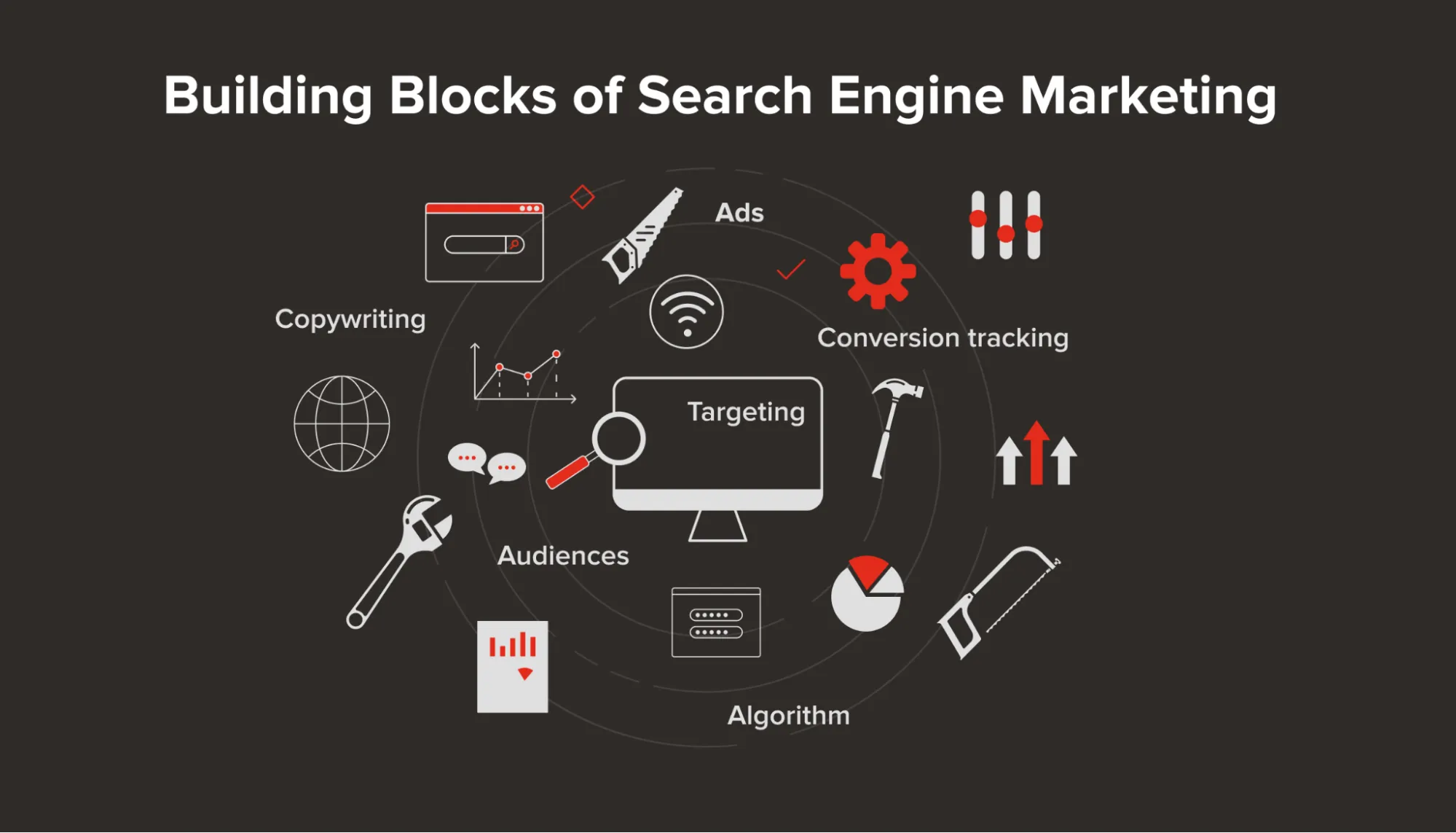
Image Credit: The HOTH
30-Day SEM Campaign Checklist:
- Keyword audit – focus on high-intent terms
- Ad group restructure – SKAGs or small clusters
- Write ad copy with strong value propositions
- Create or optimise landing pages with clear CTA
- Set up smart or hybrid bidding
- Implement negative keywords
- Activate geo-targeting and local extensions
- Launch remarketing campaigns
- Track conversions and optimise weekly
Budget Guidance: If you have SGD 500–2,000 per month, prioritise high-intent keywords and retargeting campaigns for maximum ROI. Avoid spreading your budget too thin across multiple campaigns.
Take Control With a Winning SEM Campaign
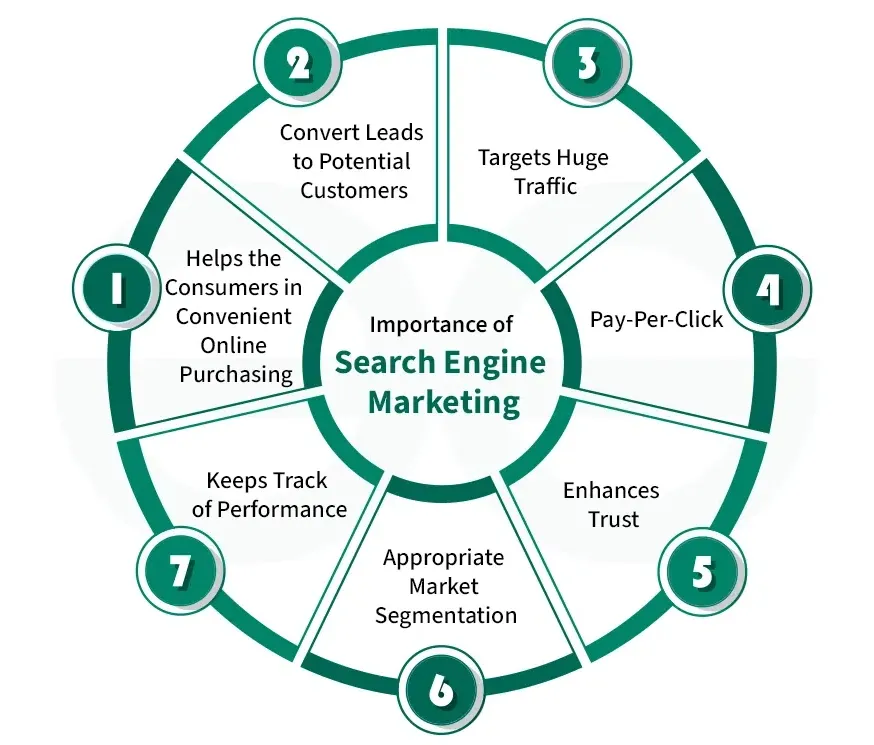
Image Credit: Geeks For Geeks
A successful SEM campaign isn’t about spending more — it’s about spending smarter. By focusing on intent-driven keywords, optimised ad groups, high-converting landing pages, and retargeting, you can stretch every dollar, improve lead generation, and achieve measurable results.
Small businesses in Singapore that implement these SEM campaigns often see higher ROI, better-quality leads, and more predictable growth. The future of SEM will include AI-driven bidding, localised ad personalisation, and advanced audience segmentation — all tools you can leverage today with the right approach.
If you want to accelerate results without guesswork, partner with MediaOne, an innovative SEM agency in Singapore. Contact us today to ensure your campaigns are data-driven, targeted, and designed to convert from day one.
Frequently Asked Questions
What is the ideal budget for a small business SEM campaign?
The ideal budget depends on your industry, target keywords, and goals, but small businesses in Singapore often start with SGD 500 to SGD 2,000 per month. Focus on high-intent keywords and local targeting to maximise ROI rather than spreading the budget too thin across broad campaigns.
How often should I review and optimise my SEM campaigns?
You should review campaigns at least weekly for keyword performance, negative keyword opportunities, and ad copy effectiveness. Monthly or quarterly in-depth analysis is recommended to adjust bidding strategies, landing pages, and audience targeting based on conversion trends.
Can social media campaigns complement SEM campaigns?
Yes, social media campaigns can reinforce SEM efforts by building brand awareness and retargeting users who have engaged with your ads. Integrating platforms like Facebook or LinkedIn with Google Ads allows you to create sequenced messaging that increases conversion rates.
How do seasonal trends affect SEM campaigns?
Seasonal demand impacts search volumes and CPCs, so you may need to adjust bids, ad scheduling, and budgets during peak or off-peak periods. Monitoring historical data helps anticipate these changes and avoid overspending while capturing high-intent traffic at the right time.
What role does competitor analysis play in SEM campaign?
Competitor analysis identifies which keywords, ad copy, and bidding strategies your rivals are using successfully. By benchmarking against competitors, you can uncover gaps, refine your messaging, and identify high-value opportunities to outperform them in search results.