
Paid search remains one of the most powerful tools in digital marketing. In 2025, global spend on search advertising is projected to reach around USD 351.5 billion, underscoring the centrality of SEM for businesses aiming to reach high-intent customers at the right moment.
With so much investment flowing into search, having a clear SEM campaign strategy is essential. In this guide, we’ll walk you through a 2026-ready SEM approach.
You’ll get a clear breakdown of everything, from keyword research and ad creation to budgeting, tracking and optimisation. Follow these steps and you won’t just be spending budget; you’ll be running campaigns that actually drive results and real ROI.
Key Takeaways
- A solid SEM strategy makes sure every click actually counts.
- Zero in on high-intent and long-tail keywords and use negative keywords to cut out wasted spend.
- Pair compelling ad copy with fast, mobile-friendly landing pages to boost conversions.
- And don’t forget the upkeep. Consistent tracking, A/B testing and data-driven tweaks keep your campaigns running at their best.
What Is SEM?
Search Engine Marketing (SEM) is a digital marketing strategy that involves promoting your website through paid advertising on search engines such as Google and Bing. Unlike SEO, which focuses on organic traffic, SEM allows businesses to appear at the top of search results almost immediately by bidding on relevant keywords.
An effective SEM campaign strategy ensures that your ads reach the right audience at the right time, helping drive traffic, generate leads, and boost sales. With the right approach, SEM can deliver measurable results and a high return on investment (ROI) for your business.
Understanding SEM Fundamentals
Before launching any campaign, it’s crucial to grasp the fundamentals of SEM. This includes understanding the key components that make up a successful paid search strategy:
- Paid Search Platforms: The most common platforms are Google Ads and Microsoft Ads. These platforms allow advertisers to create text, display, and shopping ads that appear when users search for specific keywords.
- Keywords and Match Types: Keywords are the terms or phrases your target audience searches for. Choosing the right keywords is vital for your SEM campaign strategy. Broad, phrase, and exact match types determine how closely a user’s search query must match your keyword.
- Bidding and Budgeting: SEM works on a pay-per-click (PPC) model, where you pay for each click on your ad. Your bid determines how competitive your ad placement is, while setting a clear budget ensures you manage costs effectively.
- Quality Score: Search engines assign a Quality Score to ads based on relevance, click-through rates (CTR), and landing page experience. Higher scores lead to better ad placements at lower costs.
- Ad Extensions and Formats: Enhancing your ads with sitelinks, callouts, and structured snippets can improve visibility and encourage more clicks.
Mastering these fundamentals lays the groundwork for an effective SEM campaign strategy that maximises visibility, clicks, and conversions.
Steps for A Good SEM Campaign Strategy
A clear SEM strategy is basically your roadmap for turning clicks into real conversions. It helps you target the right audience, spend your budget wisely and track the metrics that actually matter. Without it, your campaigns can get messy, costly and underwhelming fast. The six steps below break down the essentials you need to get meaningful, measurable results.
1. Keyword Research and Targeting
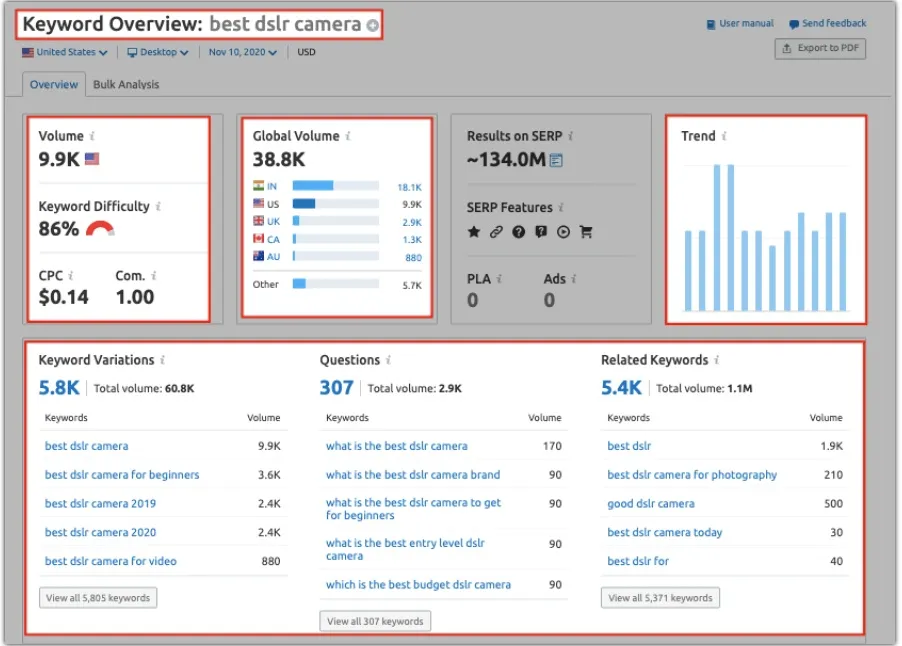
Image Credit: 99signals
Keywords are the foundation of any SEM campaign and getting them right can make or break your performance. Focus on high-intent keywords, as these are the terms users type when they are ready to take action, whether that’s purchasing a product, signing up for a service, or requesting a quote.
Pair these with long-tail keywords, which are more specific phrases that often have lower competition and higher conversion rates. For example, instead of targeting “coffee,” try “organic fair-trade coffee beans online.”
Tools like Google Ads Keyword Planner, SEMrush and Ahrefs help identify keywords with substantial search volume, manageable competition and commercial potential. While targeting the right keywords, don’t forget negative keywords.
These prevent your ads from showing for irrelevant searches, saving your budget and improving campaign efficiency. For instance, if you sell premium gym equipment, adding “cheap” or “second-hand” as negative keywords prevents unqualified clicks.
A smart keyword strategy also involves continuous review. Search trends change and competitor behaviour shifts, so revisiting your keyword list regularly ensures your SEM campaign strategy stays relevant and competitive.
2. Crafting Compelling Ads

Image Credit: Libautech
Even the best keywords won’t deliver results without persuasive ad copy. Focus on headlines that immediately catch attention and clearly communicate what your product or service offers.
The description should highlight the benefits rather than just the features and address the user’s needs. A strong call to action (CTA) such as “Get Started Today” or “Claim Your Free Trial” can guide the audience toward conversion.
Make full use of ad extensions, such as sitelinks, call buttons and structured snippets. These not only provide additional information but can also increase your ad’s click-through rate (CTR) by making it more visible and informative. A/B testing is critical. Test multiple variations of headlines, descriptions and CTAs to see which combination resonates most with your audience.
Even small changes, such as swapping “Buy Now” for “Shop Today,” can make a noticeable difference in performance. Over time, iterative testing ensures your ads stay optimised and effective.
3. Landing Page Optimisation
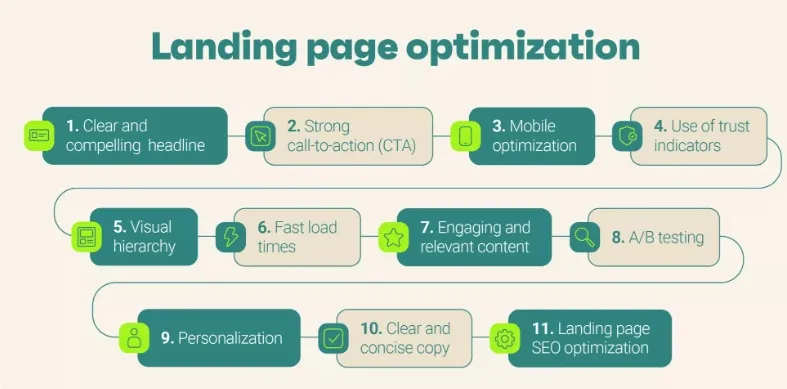
Image Credit: Omnisend
Your landing page is where clicks convert into action. Ensure consistency between ad copy and landing page. Users should find what they expect immediately upon arrival. A slow-loading page or confusing layout can drastically reduce conversions, so page speed and mobile optimisation are essential.
Highlight key information above the fold, make your CTA clear and prominent and remove unnecessary distractions. Consider using directional cues, contrasting buttons, or concise forms to guide users naturally toward conversion. Even minor improvements, like reducing form fields or simplifying checkout steps, can have a significant impact.
A well-optimised landing page not only improves conversions but also boosts your Quality Score in Google Ads, which can reduce costs per click and improve ad placement, which are benefits that compound over time.
4. Budgeting and Bidding Strategies

Image Credit: DataFeedWatch
Budget management is a delicate balance between cost control and opportunity maximisation. Decide whether manual bidding (for more granular control) or automated bidding (which leverages Google’s machine learning to optimise for conversions) fits your goals best.
Allocate budget strategically: invest more in campaigns, ad groups, or keywords with higher ROI, while reserving some spend for testing new opportunities.
Monitor your bids regularly and adjust based on performance, competition and seasonal trends. For example, if specific keywords perform exceptionally well during peak shopping periods, increasing bids can capture additional conversions. A smart bidding and budgeting approach ensures you get the most value from your spend while maintaining the flexibility to test and optimise.
5. Tracking, Analytics and Optimisation
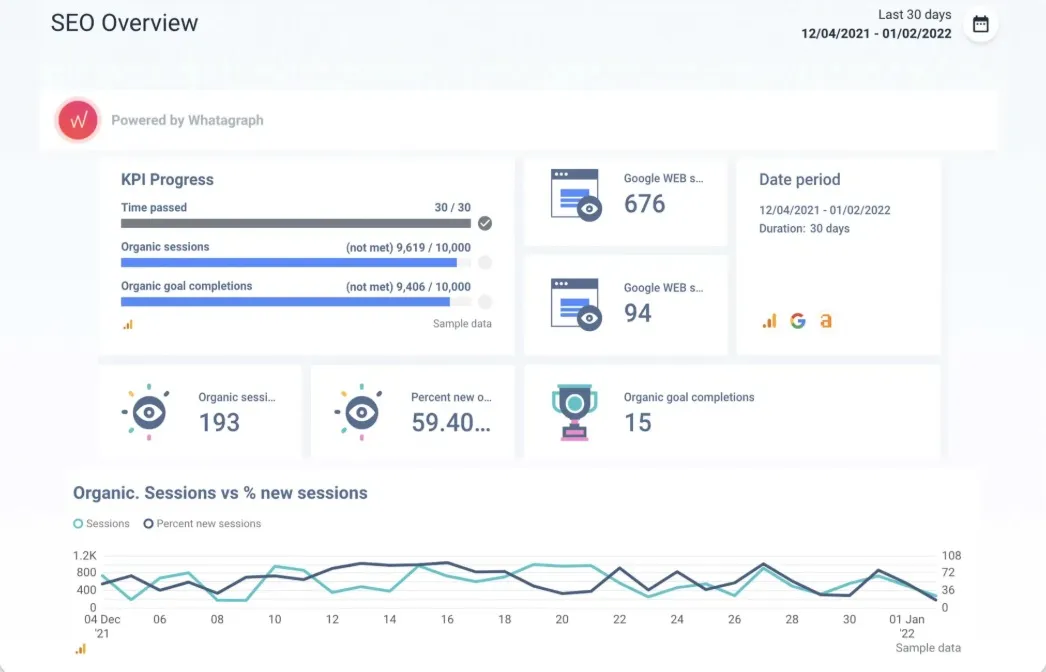
Image Credit: What A Graph
Tracking is where good campaigns become great. Set up conversion tracking in Google Ads to monitor specific actions, whether that’s a purchase, form submission, or newsletter signup. Combine this with Google Analytics to see the full user journey post-click. Analyse metrics like CTR, conversion rate, cost per conversion and bounce rate. Look for trends: which keywords drive the most qualified traffic? Which ads are underperforming?
Use these insights to make data-driven adjustments, whether it’s pausing underperforming ads, testing new creatives, or reallocating budget. Optimisation is an ongoing process. SEM campaigns require continuous monitoring and refinement to stay competitive and cost-efficient.
6. Advanced SEM Tips
For marketers looking to go beyond the basics, advanced strategies can provide a real edge. Remarketing allows you to target users who have already interacted with your site, gently nudging them toward conversion.
Audience targeting, based on demographics, interests, or behaviour, ensures your ads reach the most relevant prospects. Leverage AI and automation to streamline bidding, uncover new keyword opportunities and even suggest optimised ad copy.
Finally, combining search and display campaigns helps capture users at multiple points in the buying journey, reinforcing brand awareness and boosting overall performance. These advanced tactics, while optional, can significantly enhance the efficiency and ROI of your SEM campaigns, especially in competitive industries.
5 Common SEM Campaign Strategy Mistakes to Avoid

Image Credit: Generated by Gemini
Even the most carefully planned SEM campaigns can stumble if common mistakes aren’t avoided. Being aware of these pitfalls can save you wasted budget, lost clicks and lower ROI.
- Ignoring Negative Keywords: Failing to use negative keywords can result in your ads showing to irrelevant audiences. This waste is spent on clicks that are unlikely to convert. Always review search term reports and add negative keywords regularly.
- Poor Landing Page Experience: A compelling ad is wasted if the landing page is slow, confusing, or irrelevant. Ensure your pages load quickly, are mobile-friendly and deliver on the promise of your ad copy.
- Neglecting Mobile Users: More than half of search traffic comes from mobile devices. Not optimising ads and landing pages for mobile can significantly reduce conversions.
- Overlooking Ad Testing: Running the exact ad copy indefinitely can cause performance to plateau. Regular A/B testing of headlines, descriptions and CTAs is essential to discover what resonates best with your audience.
- Unmonitored Budget and Bids: Without monitoring spend and adjusting bids, campaigns can burn through budget on low-performing keywords or miss opportunities on high-converting ones.
Avoiding these common mistakes sets the stage for a more effective and profitable SEM campaign. With a clear strategy and careful optimisation, every click can deliver real value. Let’s recap the key steps and see how you can put this into action.
SEM Trends to Watch Out For in 2026
As digital advertising continues to grow, understanding the trends shaping search marketing is essential for an effective SEM campaign strategy in 2026.
1. Continued Growth in Digital Ad Spend
Global digital advertising spend is projected to reach around US $835.8 billion by 2026, with some sources estimating it as high as US $854.9 billion. This massive investment highlights the ongoing importance of digital channels and signals that search advertising will remain a cornerstone of marketing performance.
For SEM professionals, this means increased competition for high-value keywords, making optimised bidding, precise targeting, and high-quality ad copy more critical than ever.
2. AI and Automation Become Mainstream
Around 75 % of PPC professionals now use some form of AI when creating ads, and this number is expected to rise in 2026. AI-powered tools can automate bidding, generate ad copy, and optimise targeting, improving efficiency and campaign performance. Integrating AI into your SEM campaign strategy allows marketers to manage complex campaigns at scale, while also freeing time for strategic planning and testing.
3. Mobile and Voice Search Dominate
Mobile continues to drive the majority of search traffic, with over 50 % of PPC clicks coming from mobile devices. Additionally, voice search is becoming increasingly common, requiring advertisers to optimise for conversational, long-tail keywords. A mobile-first approach to ad copy, landing pages, and user experience is essential to capture these audiences.
Turn Your SEM Strategy into Results
Did you know businesses using paid search often earn $2 for every $1 spent? When implemented thoughtfully with the right keywords, persuasive ads, optimised landing pages and smart budgeting, your SEM campaigns can deliver strong results.
SEM thrives on regular check‑ins, A/B tests and tweaks based on real data. Skipping negative keywords or neglecting mobile optimisation? That’s the budget going down the drain.
If you’re ready to get real results, why not let MediaOne help? Whether you want a solid SEM campaign template, expert consultancy, or ongoing optimisation, MediaOne is ready to support you. It’s time to turn your paid search efforts into reliable, revenue‑driving results. Contact us now!
Frequently Asked Questions
How long does it take to see results from an SEM campaign?
Paid search can start driving traffic immediately, but measurable ROI often takes a few weeks as campaigns are optimised and bids adjusted.
What is the difference between Google Ads and Bing Ads and should I use both?
Google Ads dominates search volume, but Bing Ads often has lower competition and costs. Using both can expand reach and diversify traffic sources.
How often should I review and update my SEM campaigns?
Weekly for bids, budget allocation and negative keywords; monthly for ad copy and landing page adjustments; quarterly for full strategy review.
Can SEM work alongside SEO, or do they compete?
SEM and SEO complement each other. SEM provides immediate traffic while SEO builds long-term visibility and insights from one can inform the other.
What budget should I start with for an SEM campaign?
The budget depends on the industry, competition and goals. Start small to test keywords and ads, then scale up as performance data becomes available.