If your business shows up in search engines with accurate info, you might get that customer. If not, you could be missing out. In fact, 8 out of 10 people search online for a local business at least once a week. That means most of your potential customers are turning to search engines to find services nearby.
That’s where a local SEO agency comes in. Any public mention of your business’s name, address, and phone number is more than just a directory listing.
It acts as a trust signal for both search engines and real people. Done right, citations help you rank higher in local searches, get featured on maps, build credibility, and drive more calls and visits.
No matter if you run a café, law firm, retail shop, or home service business, getting local citations right can make it much easier for customers in your area to find you.
In this guide, you’ll learn everything you need to know, from the basics to advanced tips, to help your business stand out in local search.
Key Takeaways
- Accurate online mentions of your business NAP help search engines verify your legitimacy and improve local search rankings.
- Duplicate listings, inconsistent NAP information, and outdated categories can harm your visibility and credibility.
- Focus on authoritative platforms like Google Business Profile, Bing Places, Yelp, TripAdvisor, and relevant industry-specific sites.
What Are Local Citations?

Image Credit: Moz
A local citation is any online mention of your business that includes your name, address, and phone number (NAP). These can be structured—like listings on directories—or unstructured, such as mentions in articles, blogs, or social media posts. Structured citations are crucial for search engines because they make it easier to verify your business information.
For example, a structured citation could be your business listing on Google Business Profile, Yelp, or TripAdvisor. Unstructured citations might show up in a blog post or a news article. Both types help boost your visibility and authority online.
Why Local Citations Matter for SEO

Image Credit: Embed Social
Local citations are more than just online mentions of your business. They are a cornerstone of effective local SEO listings. They provide search engines and customers with verified information about your business, helping establish credibility and improving your visibility in local search results. Here’s why they are so important:
1. Improved Local Rankings
Search engines such as Google, Bing, and Apple Maps rely on accurate, consistent data to determine which businesses to show in local search results. When your business is consistently listed across multiple platforms with the same name, address, and phone number (NAP), it signals to search engines that your business is legitimate and trustworthy.
Consistent citations act like checkpoints for search engines. The more reliable your listings, the more confidence Google and others have in your business details. So even if your website is new or doesn’t have much authority yet, strong local citations can help you rank higher in local searches.
2. Increased Online Visibility
Local citations make your business easier to find for potential customers. Local citations make it easier for customers to find you when they search for local services.
Even if your website isn’t on page one of Google, having your business listed on trusted directories can still send people straight to your profile or site. They may find your business on Google Maps, Yelp, or an industry-specific directory before they even visit your website.
By appearing in multiple online locations, your business builds a broader digital footprint, increasing the likelihood that local customers will discover you.
3. Influence on Map Pack Results
The Google Map Pack (the box with three local businesses at the top of search results) is prime real estate. Accurate, consistent citations help you get a spot there. Google cross-references multiple sources of information, including your website, local directories, and social profiles, to verify your business.
If your NAP details are missing or inconsistent, you could get skipped over. But if your citations are in order, you’re more likely to get featured and bring in more website visits and real-world customers.
4. Enhanced Customer Trust
People are more likely to trust and contact businesses that show up the same way across different directories. When someone sees your info match on Google, Yelp, and TripAdvisor, it reassures them you’re the real deal.
Trust is crucial for local searches, where users are often making quick decisions based on convenience and credibility. Consistent citations not only signal professionalism but also reduce confusion, making it easier for customers to contact or visit your business.
5. Support for Reviews
Many citation sites also let customers leave reviews. When your listings are accurate, it’s easier for people to leave feedback and read what others have said—giving you valuable social proof.Give reviews combined with consistent citations amplify your business’s credibility. Even a single well-placed citation on a review site can lead to more customer engagement, increased clicks to your website, and higher conversion rates.
Additionally, search engines factor review signals into local rankings, meaning that citations indirectly contribute to improved SEO performance by enhancing your overall reputation online.
Top Local SEO Sites for Business Listings
Not all citation sites are worth your time. It might be tempting to add your business everywhere, but more isn’t always better. Focus on high-authority local SEO sites to really boost your rankings. Low-quality or irrelevant directories might not help at all and could even hurt your SEO. Here are the top platforms to focus on first:
1. Google Business Profile (GBP)

Google Business Profile is the most important listing for any local business. It controls how you appear in Google Search and Google Maps. With a complete, optimised profile, you can:
- Display your business name, address, phone number, and website.
- Share opening hours, photos, and services.
- Collect and respond to customer reviews.
- Feature in the coveted Google Map Pack for local searches.
Since Google relies on this info to rank local businesses, having an optimised Google Business Profile is a must for your local SEO.
2. Bing Places for Business

Bing might not be as big as Google, but it’s still important. Bing Places for Business helps you show up in Bing’s local search and maps, plus Microsoft products like Cortana and Windows Search. It’s especially useful if your customers use Microsoft devices or alternative search engines. Make sure your NAP and other details match your Google listing to build stronger citation authority.
3. Yelp

Yelp is still one of the top review and business directories, especially for hospitality, retail, and service businesses. With a well-managed Yelp profile, customers can:
- Read and leave reviews.
- Browse photos, menus, or service lists.
- Access contact details and directions.
An accurate Yelp profile boosts your visibility and credibility, since many people check Yelp reviews before deciding where to go.
4. TripAdvisor

If you’re in tourism, hospitality, or entertainment, TripAdvisor is a must. Accurate listings here help you attract both local and international customers. You can:
- Showcase photos and descriptions of services or properties.
- Display ratings and respond to reviews.
- Offer booking or reservation options directly from the platform.
TripAdvisor also helps your search rankings for travel-related searches, so it’s a key part of your local listings strategy.
5. Industry-Specific Directories
General directories are important, but industry-specific directories can give you more targeted exposure. For example:
- Dentists should appear on health-focused directories such as Healthgrades or Doctify.
- Legal professionals may benefit from sites like Avvo or Law Society directories.
- Automotive businesses can list on platforms such as Cars.com or AutoTrader.
Listing your business in directories relevant to your industry helps you reach the right audience, drive more referral traffic, and build credibility.
How To Choose the Right Citation Sites
Choosing the right platforms for your local citations is key to maximising your local SEO. Not every directory is worth your time, some help your rankings, others don’t. Stick with high-quality, trusted sites to see real results.
Here are the three key factors to consider when choosing citation sites:
1. Relevance
Make sure the directories you use actually fit your business or industry. Listing your business on unrelated sites wastes time and won’t help your SEO.
Why it matters:
- Search engines value context: citations on industry-relevant sites carry more authority than generic or unrelated directories.
- Relevance attracts targeted customers who are actively searching for your type of service.
Start by making a shortlist of directories that match your industry, location, and target customers. Focus on the places your ideal clients are most likely to look.
2. Domain Authority

Image Credit: Moz
Domain Authority (DA) shows how credible a website is. Listings on high-authority sites carry more weight with search engines, so they’re more valuable for your local SEO.
Why it matters:
- Citations on high-authority sites help Google and other search engines verify your business as trustworthy.
- They can improve your local search rankings more effectively than listings on low-quality directories.
Check the DA of directories with tools like Moz, Ahrefs, or SEMrush. Prioritise sites with higher scores to maximise the SEO value of your listings.
3. Accuracy of Listing Features
The features a directory offers affect how well you can showcase your business. Look for sites that let you include:
- Complete NAP (Name, Address, Phone Number) information
- Website link
- Categories and business type
- Opening hours and services offered
- Photos, videos, or other media
Why it matters:
- More detailed listings provide better information to search engines, improving your visibility and ranking potential.
- Detailed listings also enhance user experience, making it easier for potential customers to engage with your business.
Before you create a listing, check what info you can add. Skip directories that don’t let you show off your services or business details.
How to Manage Local SEO Listings Effectively

Image Credit: Generated by Gemini
Managing your local SEO listings isn’t just about setting up a few profiles. You need to keep them up to date, accurate, and easy to find. Here’s how to stay on top of your local SEO listings:
1. Audit Existing Listings
Before adding new listings, check where you already show up. Do a quick audit to find:
- Existing listings across all directories, review sites, and industry-specific platforms.
- Inconsistencies in NAP (Name, Address, Phone Number) details.
- Duplicate listings that may confuse search engines or customers.
- Outdated or incomplete information, such as old opening hours or missing categories.
A good audit gives you a clear starting point and shows which listings need fixing first. Tools like BrightLocal or Moz Local can scan lots of directories and flag any errors or mismatches.
2. Standardise Your NAP
After your audit, make sure your NAP is the same everywhere. Even small differences—like “Joe’s Plumbing” on one site and “Joe’s Plumbing Ltd” on another, or missing a suite number—can confuse search engines and hurt your rankings. Consistency builds trust and helps Google see your business as legit. Use your business name exactly as it appears on your official documents, your full address, and your main phone number.
If you have more than one location, keep the format the same across all branches, but make sure each listing includes the correct address and contact info.
3. Claim and Verify Listings
Claim and verify your listings to stay in control of your business info. On big sites like Google Business Profile, Bing Places, and Yelp, unclaimed listings can contain outdated or incorrect details.
Verification allows you to:
- Update your business information.
- Add photos, services, and descriptions.
- Respond to customer reviews.
- Protect your listing from unauthorised edits.
Verification usually means getting a call, postcard, or email from the platform. Don’t skip this step—it’s how you take full control of your online presence.
4. Regular Updates
Don’t treat your listings as a one-and-done job. As your business changes, so should your citations. Keep them updated by:
- Adding new services, products, or categories.
- Updating opening hours, especially during holidays or seasonal changes.
- Including promotions, special offers, or events.
- Uploading new images to showcase your business.
When you keep your listings fresh, it shows both search engines and customers that your business is active. This can improve your rankings and get more people to click through.
5. Monitor and Respond
Keep an eye on your listings to make sure everything stays accurate. Watch out for:
- Duplicate listings that may have appeared over time.
- Incorrect or outdated information submitted by third parties.
- Customer reviews, questions, or complaints that require responses.
Replying to reviews, good or bad, shows you care and builds trust. Fix mistakes fast to avoid SEO problems like lower visibility or lost customers.
6. Use Tools to Simplify Management
If you have lots of locations or listings, managing them by hand can get overwhelming. As mentioned previously, tools like Moz Local, BrightLocal, and Yext can help by:
- Automating citation audits and updates.
- Tracking consistency across hundreds of directories.
- Highlighting opportunities for new citations.
- Providing reports on ranking improvements and listing performance.
Using these tools keeps your local SEO management efficient and accurate, so your business stays visible online without all the manual work.
Common Mistakes in Local Citation Management

Image Credit: Generated by Gemini
Even one mistake in your listings can hurt your local SEO. Search engines need accurate, consistent info to rank your business, so errors can lower your visibility, confuse customers, and damage trust.
Here are some of the most common pitfalls and why correcting them is essential:
Using Outdated Categories
Most directories ask you to pick a category. If your business changes but you don’t update your listing, or if you picked a category that’s too broad, you could end up in the wrong spot.
Outdated categories are problematic because they:
- Mislead customers searching for specific services, causing them to overlook your business.
- Reduce search engine relevance, lowering your chances of appearing in targeted local searches.
- Limit visibility for niche search queries to avoid capturing the right audience.
For example, if you list a modern café as a “Restaurant” instead of a “Coffee Shop,” you might miss out on people searching for specialty coffee. Check and update your categories regularly to make sure your listings match what you offer.
Poorly Written Descriptions
Some directories let you add a business description. Leaving it blank or using generic text means you’re missing a chance to show what makes you different.
Poor descriptions are problematic because they:
- If you don’t highlight your main services or what sets you apart, your business won’t stand out.
- You also miss the chance to add keywords that could help you rank higher in local searches.
- Bland descriptions don’t encourage people to click or engage with your business.
A strong description helps your brand and makes you more visible. For example, instead of saying “We serve food and drinks,” a café could say: “Specialising in hand-crafted specialty coffees and artisanal pastries, Café Aroma is a cosy spot for coffee lovers in central London.”
Keep your descriptions up to date so they stay accurate, interesting, and help your local SEO.
Incorrect Geocoordinates
Some map directories let you set your exact location with a pin. Mistakes happen if the pin is dropped in the wrong place or the address isn’t double-checked.
Incorrect geocoordinates are problematic because they:
- Place your business in the wrong location on Google Maps, which can confuse potential customers.
- Reduce foot traffic from local customers who rely on accurate directions.
- Lower your chances of appearing in the Google Map Pack for relevant nearby searches.
Double-check your pin using GPS or a mapping tool, and update your location everywhere to ensure customers can find you.
Failing to Optimise Images
Images in your listings help with engagement and local SEO. Common mistakes are using low-quality or stock photos, skipping alt text, or leaving old pictures up.
Unoptimised images are problematic because they:
- Fail to engage potential customers, resulting in lower click-through rates.
- You also miss out on adding descriptive text that can help your SEO.
- Outdated or poor images can make your business look unprofessional.
Optimised images make your business look professional and improve user experience. Keep your photos fresh, use high-quality visuals, and add alt text to improve search results.
Not Managing Multi-Location Listings Properly
Businesses with multiple branches sometimes merge all locations into one. If you have more than one branch, don’t merge them into one listing or let duplicates pile up. Make sure you update each location separately. Then, rank each branch individually in local searches.
- Confuses search engines and customers, reducing visibility and engagement.
- Leads to inconsistencies in NAP, categories, or reviews across different locations.
Set up and maintain a separate, optimised listing for each branch so they all show up correctly in local searches. Tools like Yext or BrightLocal can make managing multiple locations much easier.
Advanced Tips for Maximising Local Citation Benefits
Once you’ve nailed the basics of local citation management, you can use a few advanced strategies to boost your visibility and credibility even more. These tips help you stay ahead in crowded local search results.
1. Leverage Reviews with Citations


Image Credit: One Thing Marketing
Customer reviews go hand-in-hand with citations. Ask happy customers to leave feedback on the sites where you’re listed to:
- Boost credibility and trust, as potential customers often rely on reviews before making purchasing decisions.
- Enhance local search rankings, since Google and other search engines consider review signals as part of their local ranking algorithms.
- Provide fresh content that keeps your listings active and engaging.
How to do it:
- Request reviews via email, SMS, or in-person interactions, focusing on platforms where you have citations.
- Respond promptly to both positive and negative reviews to demonstrate professionalism.
- Feature reviews on your website or social media to amplify their impact.
2. Integrate with Content Marketing
Unstructured citations, which are mentions of your business outside formal directories, can be highly valuable for SEO. Incorporating your business information into blogs, press releases, and articles can:
- Increase the number of online references to your business, signalling authority to search engines.
- Expand your reach to audiences who may not use traditional directories.
- Provide contextual relevance, linking your services to local topics, events, or trends.
How to do it:
- Include your business name, address, and phone number naturally within blog posts or news articles.
- Collaborate with local publications or niche blogs to create guest posts or features.
- Use local events, promotions, or case studies to create content that naturally mentions your business.
3. Monitor Emerging Platforms
New local directories, apps, or industry-specific platforms are continually emerging. Early adoption can give your business a competitive advantage by:
- Capturing attention in less crowded spaces.
- Building authority on platforms before competitors establish a strong presence.
- Reaching new segments of your target audience.
How to do it:
- Stay updated on new local SEO sites through industry newsletters or monitoring tools.
- Evaluate each platform for relevance, domain authority, and potential traffic before investing time.
- Ensure new listings are fully optimised with accurate NAP, images, categories, and descriptions.
4. Use Schema Markup
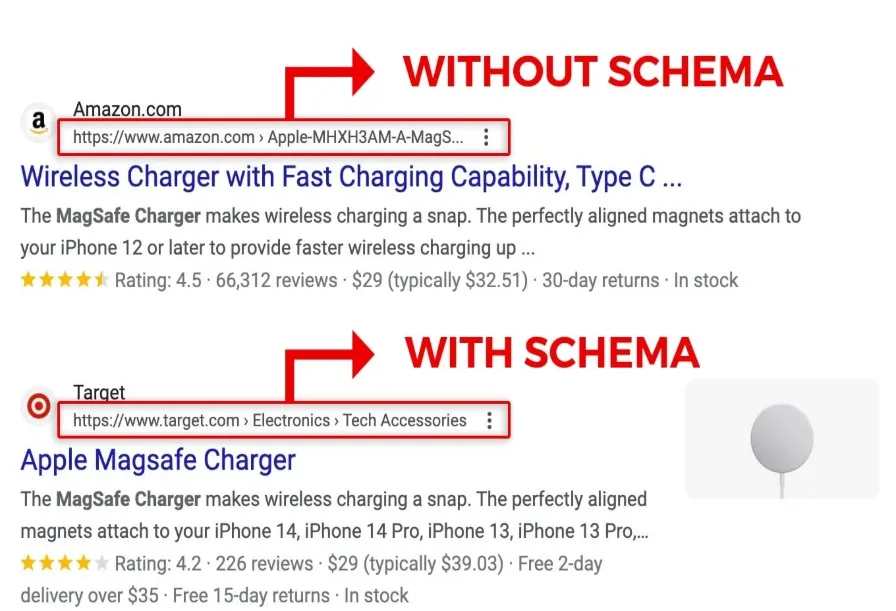
Image Credit: wordlift
Schema markup, or structured data, is a type of code you add to your website that helps search engines understand your business information more accurately. Implementing a schema can:
- Verify your NAP details and associate them with your citations.
- Enhance your appearance in search results with rich snippets, potentially increasing click-through rates.
- Increase the likelihood of appearing in local features such as Map Packs, knowledge panels, and voice search results.
Actionable tips:
- Implement the LocalBusiness schema on your website, including name, address, opening hours, and social profiles.
- Use the JSON-LD format, which Google recommends.
- Test your structured data with Google’s Rich Results Test to ensure accuracy.
5. Regularly Review and Optimise
Managing citations at a high level is an ongoing job. Regularly review and update your listings to keep your business performing well in local search.
How to do it:
- Conduct quarterly audits to verify NAP consistency, listing accuracy, and ranking performance.
- Update images, services, and descriptions to reflect any changes in your business.
- Monitor competitors’ citations to identify opportunities for new listings or enhancements.
Using these advanced strategies makes your citations work harder for you. You’ll see better local SEO, greater customer trust, and a stronger online presence.
Making Local Citations Work for Your Business
For marketers, managing local citations can feel like juggling a dozen little tasks. Updating addresses, checking reviews, and claiming listings everywhere.
The good news? When you get it right, citations are one of the best ways to boost your local SEO, build trust, and bring in real customers. The breadcrumbs that guide both search engines and customers to your business. Each accurate listing, optimised description, or verified review is a vote of confidence in your brand.

The more consistent and high-quality your citations, the easier it is for potential customers to find you, and for search engines to reward your business with higher visibility in local searches.
With regular audits, attention to detail, and the right mix of reviews, schema markup, and niche directories can turn citations from a boring checklist into a real growth engine for your business.
Want listings that are accurate, optimised, and performing at their best? MediaOne can manage your citations, monitor reviews, and help your business dominate local search results. Contact us today!
Frequently Asked Questions
Can local citations affect voice search results?
Yes. Voice assistants like Google Assistant or Siri rely on accurate business information from citations to provide users with correct local results. Consistent NAP across directories increases the likelihood that your business is suggested for voice queries.
How often should I audit my local citations?
While ongoing monitoring is ideal, a comprehensive audit every 3–6 months is recommended. Frequent audits help detect new duplicates, outdated information, or missing listings, keeping your local SEO strategy healthy.
Are social media profiles considered local citations?
Yes. Platforms like Facebook, Instagram Business profiles, and LinkedIn can serve as citations because they publicly display NAP information. Optimising and maintaining consistency on social media supports local SEO.
Do local citations help if my website is new?
Absolutely. Even if your website has little authority, citations on high-quality directories help search engines recognise your business as legitimate, improving visibility in local search results while your website builds authority.
Can incorrect citations hurt my business beyond SEO?
Yes. Inaccurate listings can mislead potential customers, resulting in lost calls, visits, or enquiries. They can also harm your online reputation, as inconsistent information may make your business appear unprofessional or untrustworthy.