Inbound marketing has long been a favourite strategy for businesses looking to attract, engage, and delight customers. By creating relevant, helpful content, brands have built trust and long-term relationships.

But with the rise of artificial intelligence, inbound marketing is entering a new era. For example, 80% of marketers now leverage AI for content creation and lead generation, allowing them to produce content faster and discover targeted leads more efficiently. Additionally, 94% plan to incorporate AI into their processes by 2026 to further improve these outcomes.
AI is reshaping how marketers and a GEO agency approach content creation, personalisation, and customer engagement, enabling the automation of tasks, the analysis of vast amounts of data, and the delivery of experiences at scale.
Using AI, inbound marketing enhances every touchpoint from content creation to lead nurturing. This shift enables more meaningful interactions and improved outcomes. This blog explores AI’s role in making inbound marketing more efficient, personalised, and effective.
Key Takeaways
- AI is revolutionising content creation by automating repetitive tasks, freeing up marketers’ time to focus on strategy and enhancing personalisation. By providing AI-driven insights, marketers can now scale content production while ensuring content is tailored for different audience segments, increasing engagement and relevance.
- AI-powered automation streamlines lead capture, qualification, and nurturing. Predictive analytics help businesses target high-potential prospects, boosting conversion rates and efficiency.
- Personalisation at scale is now achievable with AI, enabling the delivery of highly targeted content informed by individual customer preferences and behaviour. This powerful level of personalisation helps businesses engage their audience effectively, driving improved results in inbound marketing.
What is Inbound Marketing?

Inbound marketing is a strategy centred on attracting customers by creating and sharing valuable content that solves their problems and addresses their needs. Rather than relying on intrusive outbound methods like cold calls and ads, inbound marketing focuses on building long-term relationships with customers through:
- Content Creation: Blogs, videos, eBooks, and more to provide answers and education.
- SEO (Search Engine Optimisation): Making content easily discoverable by the target audience.
- Lead Generation: Capturing leads via forms, landing pages, and CTAs.
- Social Media: Extending content reach and engaging with potential customers.
- Email Marketing: Nurturing leads with personalised communication.
In essence, inbound marketing aligns with today’s buying behaviour—customers seek solutions that meet their challenges, and inbound marketing helps guide them along their buyer’s journey.
How AI is Transforming Content Creation in Inbound Marketing
To understand the practical impact of AI in inbound marketing, it’s important to explore how content creation has evolved dramatically in this new context. AI technologies now enable marketers to automate, optimise, and scale content creation, making it more personalised. Here’s how AI is transforming content creation in inbound marketing:
1. Automating Content Generation
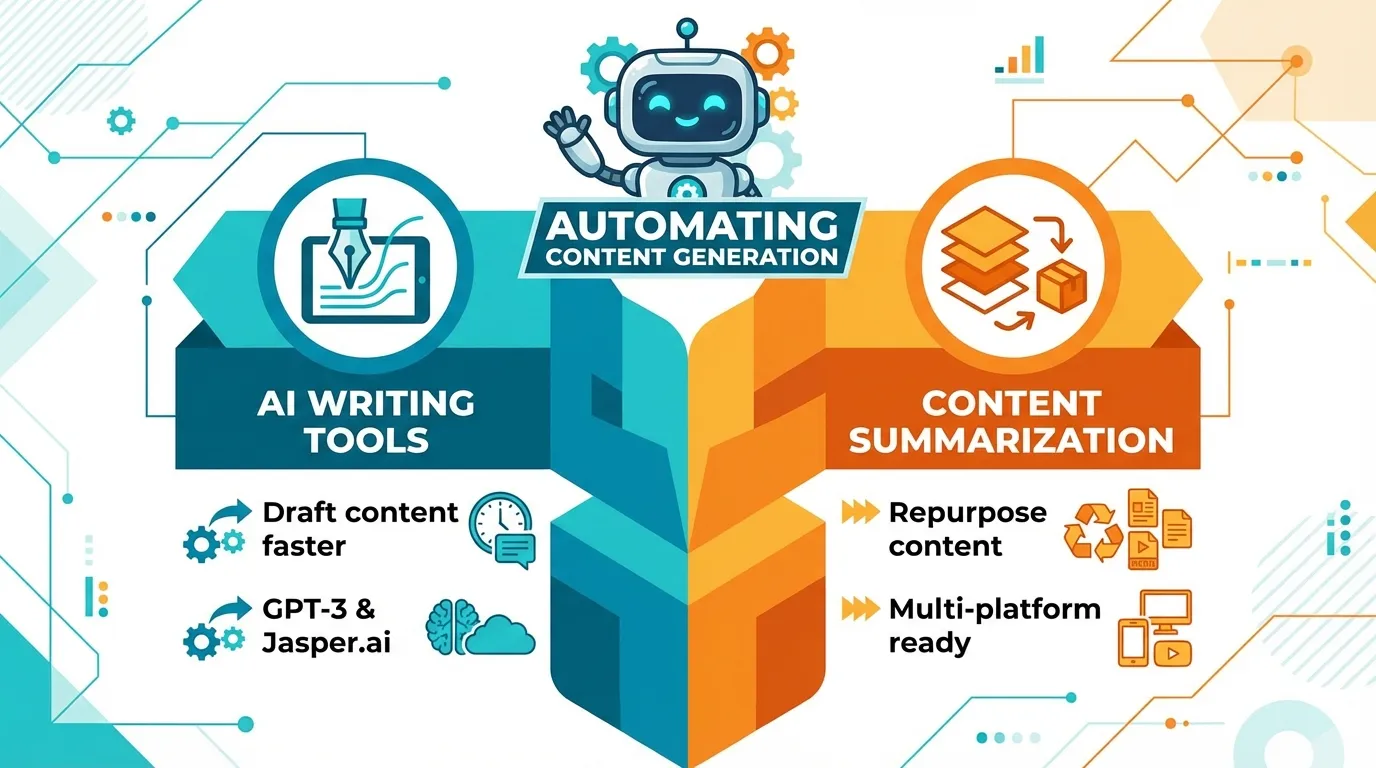
AI-powered tools can automate content generation, saving marketers valuable time while ensuring consistency and scalability. These tools use natural language processing (NLP) to analyse existing content, identify trends, and create content that resonates with the audience.
- AI Writing Tools: Platforms like GPT-3 and Jasper.ai can help draft blog posts, product descriptions, and social media captions. These tools can create high-quality content in a fraction of the time it would take a human writer.
- Content Summarisation: AI can help condense long-form content into bite-sized summaries or create variations of the same content for different platforms (e.g., turning a long blog post into a series of social media posts).
2. Personalisation at Scale
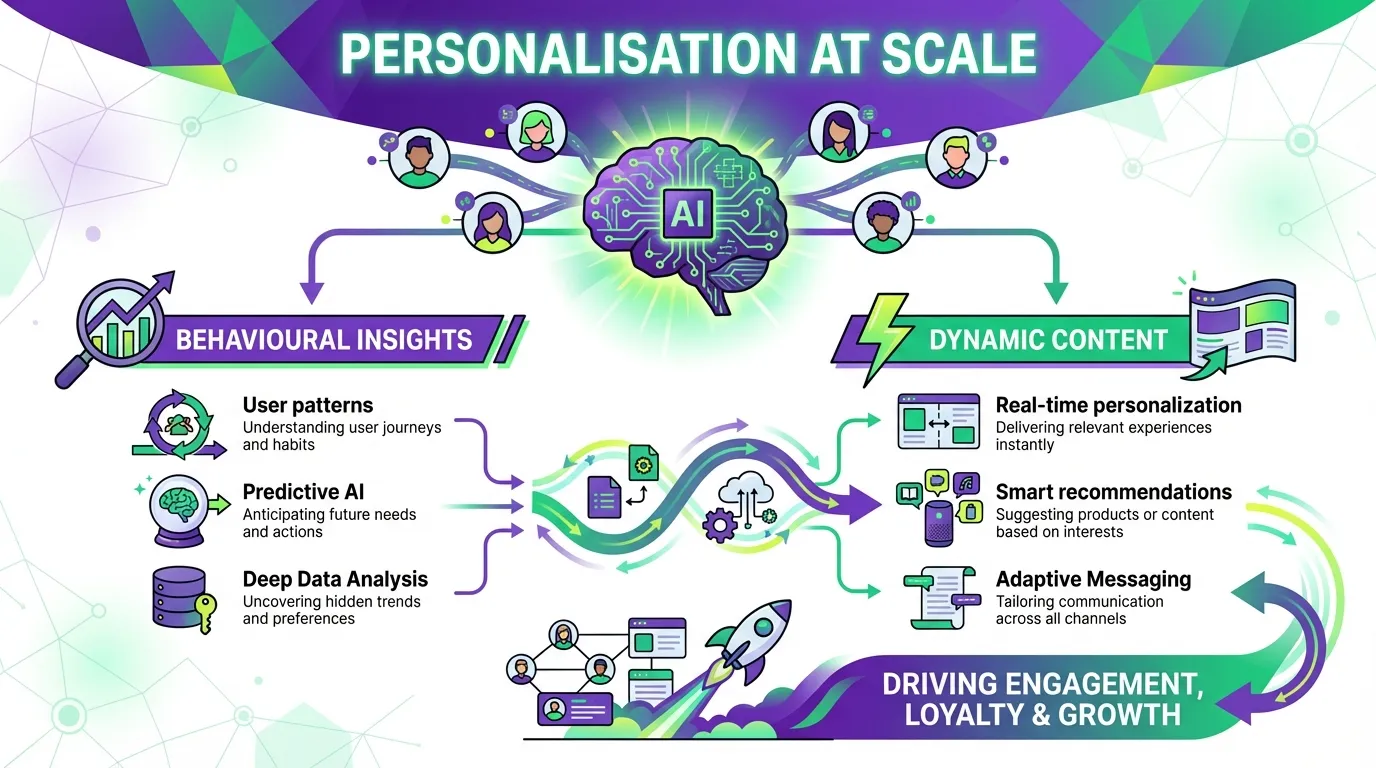
One of the main strengths of inbound marketing is its ability to tailor content to individual user needs. With AI, personalisation reaches a new level, allowing marketers to deliver hyper-targeted content to specific audience segments at scale.
- Behavioural Insights: AI analyses user behaviour, interactions, and engagement patterns to predict which content a user is likely to respond to. This allows businesses to serve content that aligns with each individual’s preferences and interests.
- Dynamic Content: AI enables websites and email campaigns to display dynamic content. For example, if a user has previously shown interest in a specific product category, AI can recommend related blog posts, offers, or products in real time, increasing the likelihood of conversion.
3. Optimising Content for SEO
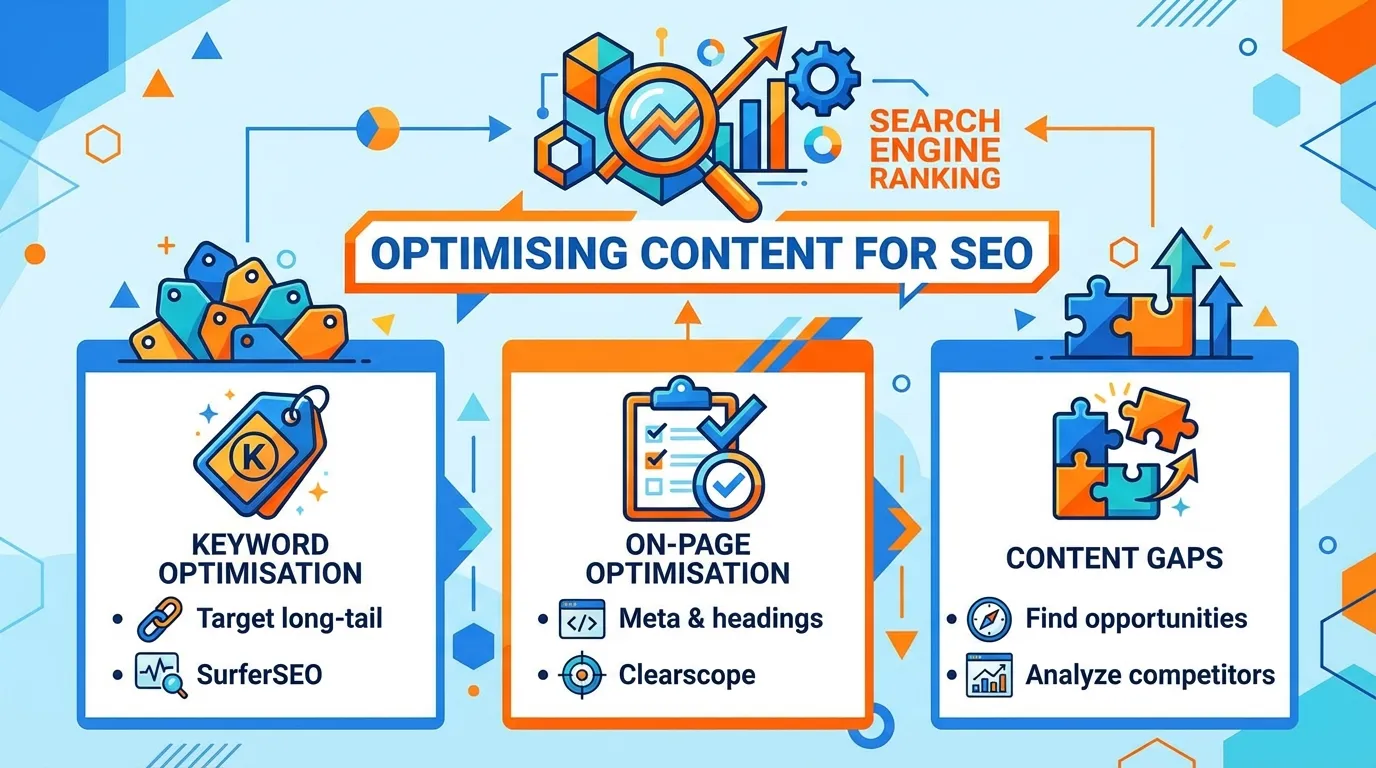
SEO is crucial for inbound marketing, and AI helps optimise content to improve rankings and visibility.
- Keyword Optimisation: AI-powered SEO tools can recommend the best keywords to target based on search volume, competition, and relevance. These tools help marketers find long-tail keywords they might otherwise miss.
- On-Page Optimisation: AI assists in creating SEO-friendly content by optimising headings, meta descriptions, and alt text. Tools like SurferSEO and Clearscope analyse top-ranking pages and suggest improvements to increase organic reach.
- Content Gaps: AI can also identify gaps in existing content by analysing competitors and customer queries, offering ideas for new topics that can drive traffic.
4. Content Curation with AI
AI can help marketers curate relevant content from various sources to keep their audience engaged with a continuous stream of valuable information. This is especially useful in inbound marketing strategies where providing useful, educational content is key to nurturing relationships with prospects.
- Content Discovery: AI tools can scan the web for trending topics, articles, and content in your industry. This helps inbound marketers stay on top of the latest trends and share timely, relevant content with their audience.
- Content Aggregation: AI tools can aggregate and personalise third-party content for email newsletters, blogs, and social media posts, making it easy for brands to stay connected with their audience.
5. Enhancing Creativity and Content Ideas
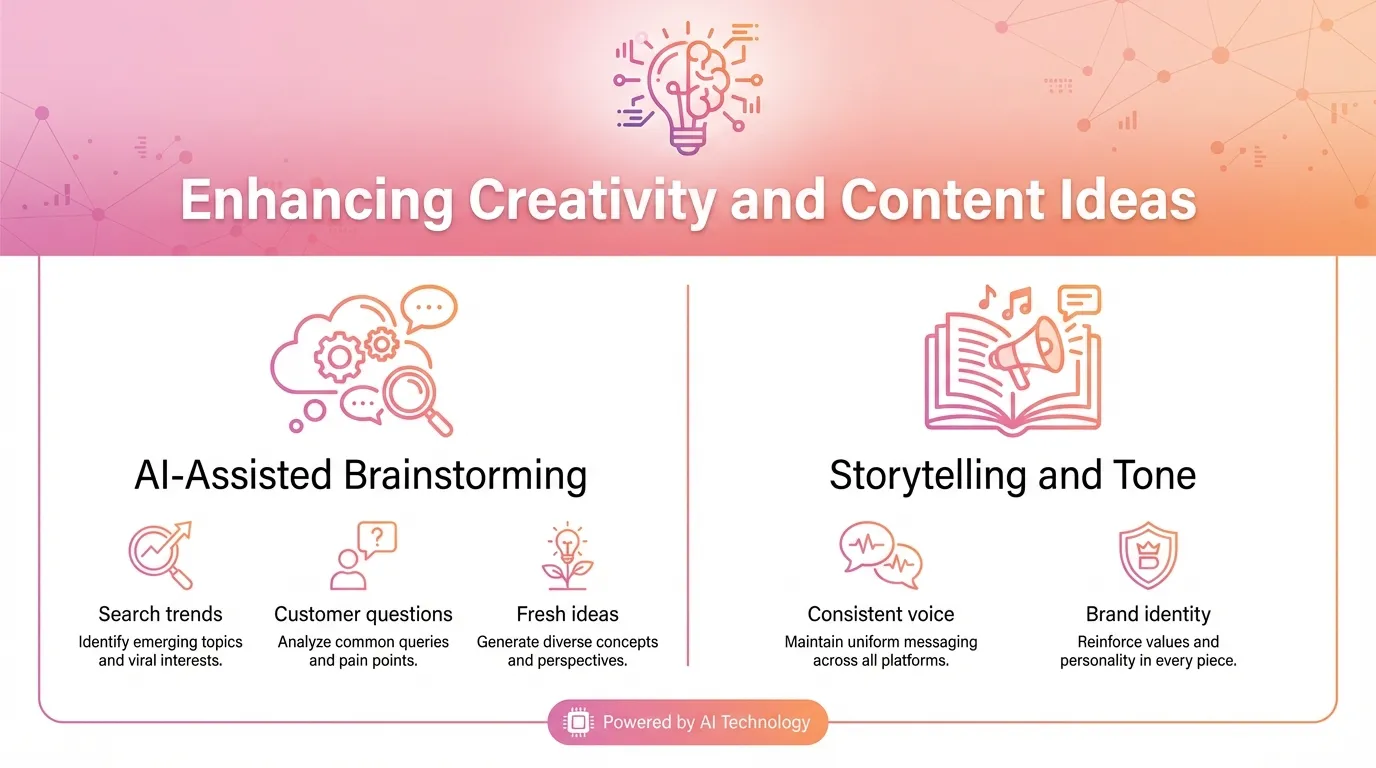
While AI can automate content creation, it also helps marketers by offering fresh ideas and inspiration, overcoming writer’s block, and fostering creativity in inbound marketing strategies.
- AI-Assisted Brainstorming: AI tools can analyse search trends, customer questions, and social media discussions to generate new content ideas that will resonate with your audience.
- Storytelling and Tone Adjustments: AI can help maintain a consistent voice and tone across all content, ensuring that every piece reflects your brand’s identity, whether it’s formal, casual, or conversational.
6. AI-Powered Analytics for Content Performance
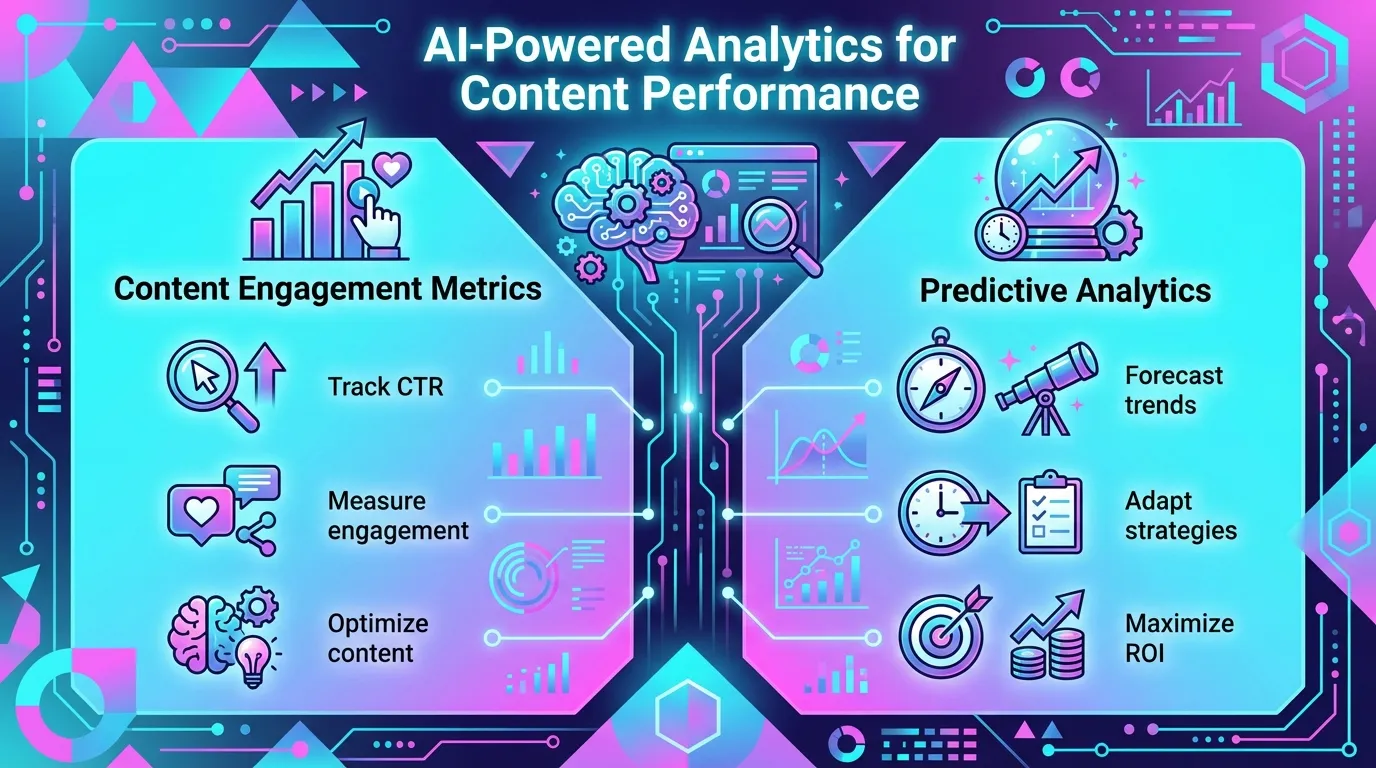
Once content is published, AI-driven analytics can rapidly provide insights into how it’s performing, helping marketers understand audience engagement and quickly adapt content strategies for better outcomes.
- Content Engagement Metrics: AI tools can track how users engage with content, analysing metrics like click-through rates (CTR), time on page, and conversion rates.
- Predictive Analytics: AI uses data to predict which types of content will perform best in the future. This helps marketers adjust their content strategy before trends fully emerge.
Marketers will be able to craft even more nuanced, hyper-targeted content that adapts in real-time to audience behaviour. The future of inbound marketing will see AI playing a central role in ensuring content not only meets SEO and engagement goals but also speaks directly to each customer’s needs.
How AI is Transforming Lead Generation in Inbound Marketing
Lead generation is central to inbound marketing, and AI improves this process through greater efficiency, personalisation, and data-driven strategies.
1. Automating Lead Capture
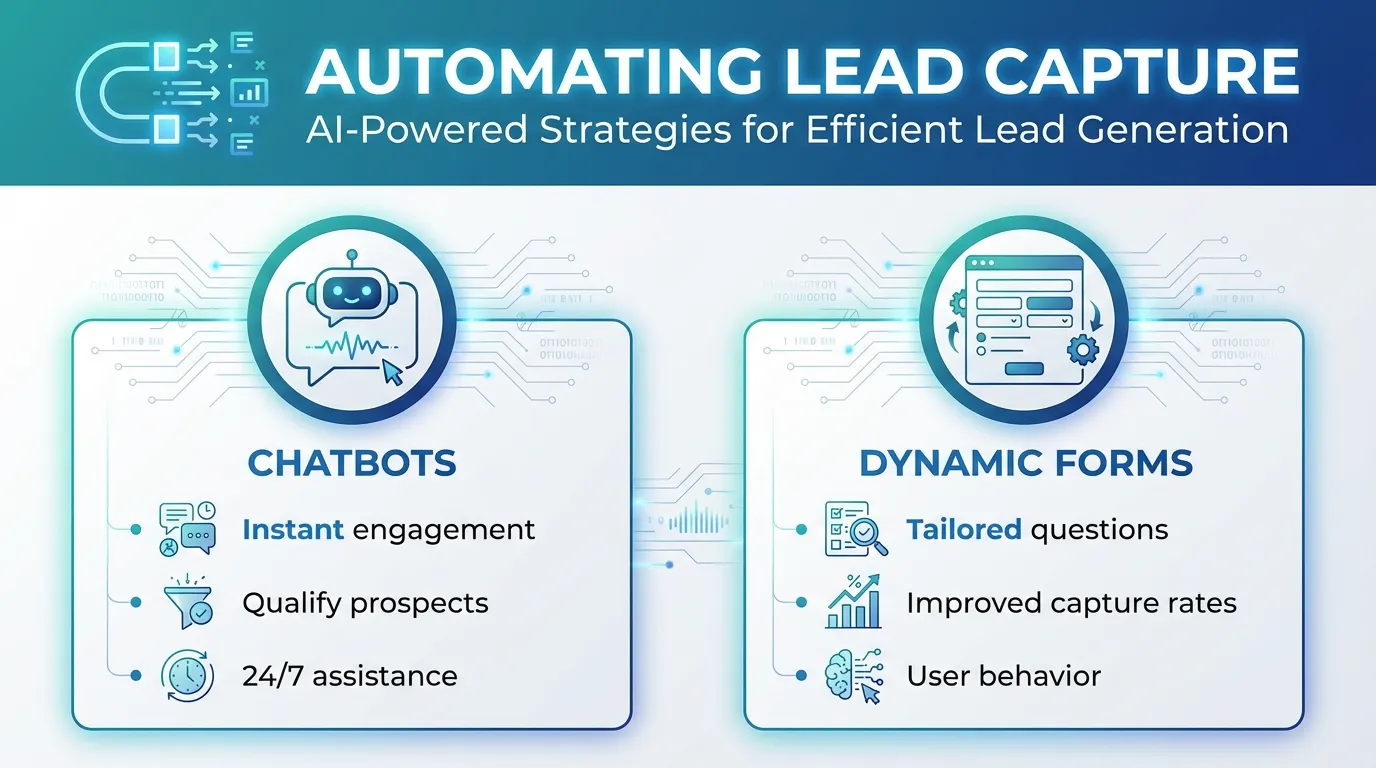
AI-powered tools are streamlining lead capture by automatically identifying, qualifying, and organising potential customers. This automation reduces manual effort, improves data accuracy, and enables businesses to capture valuable lead information in real-time through intelligent forms, chatbots, and dynamic landing pages.
- Chatbots: AI chatbots engage visitors as soon as they land on a website, answering questions, offering assistance, and capturing lead details without human intervention. This allows businesses to instantly qualify prospects and direct them through the sales funnel.
- Dynamic Forms: AI-driven forms adapt to user behaviour, asking relevant questions based on the information already provided. This improves lead capture rates by creating a more engaging, tailored experience for users.
2. Smart Lead Scoring and Qualification
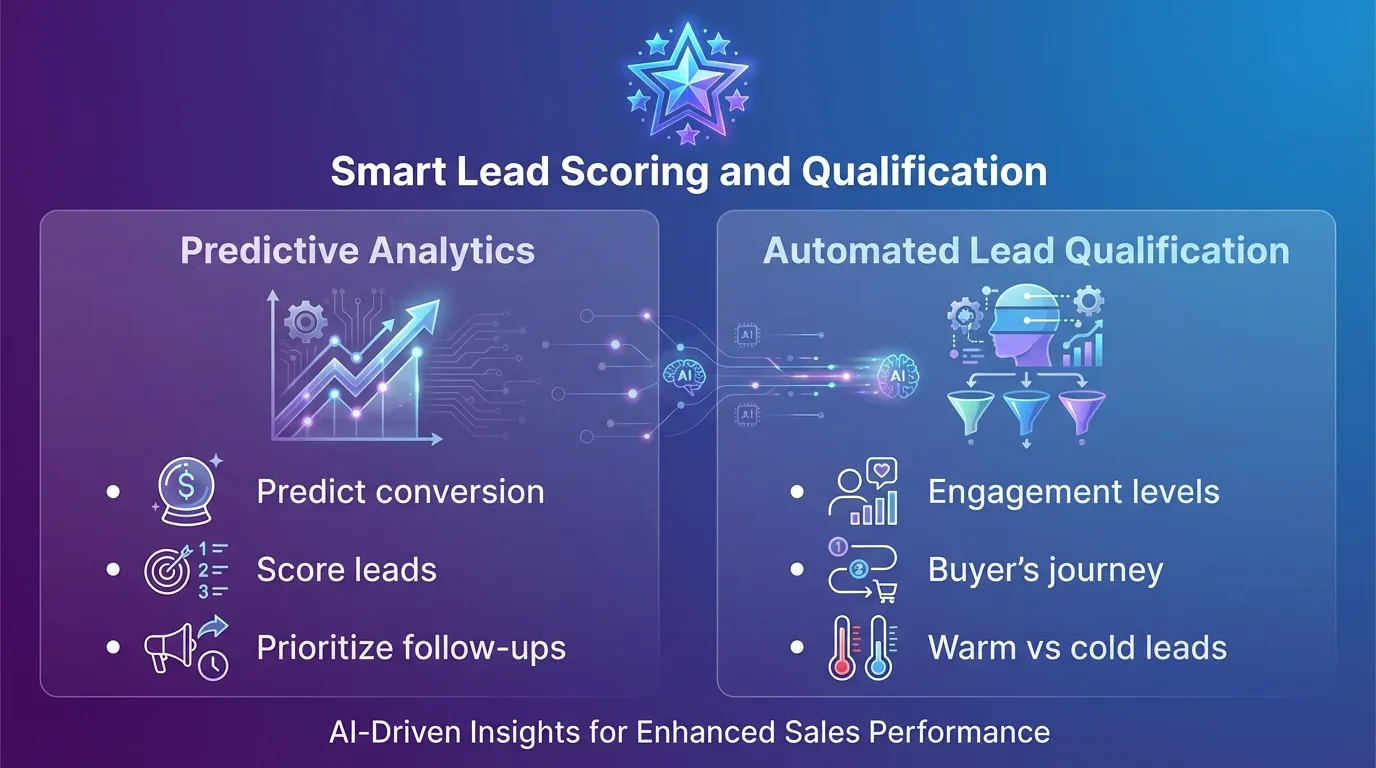
AI’s predictive capabilities enhance lead scoring by analysing customer data and identifying behavioural patterns, which helps prioritise prospects based on their likelihood to convert. This ensures that sales teams focus on high-quality leads, improving conversion rates, and optimising resources.
- Predictive Analytics: AI tools analyse past interactions and behaviours to predict which leads are most likely to become customers. By scoring leads based on this data, businesses can prioritise follow-ups and offer timely, relevant content or offers.
- Automated Lead Qualification: AI can assess each lead’s engagement level and determine their position in the buyer’s journey. By analysing factors such as website activity, content consumption, and email engagement, AI can segment leads into categories like “warm” and “cold,” allowing businesses to tailor their follow-up strategies accordingly.
3. Personalised Lead Nurturing Campaigns
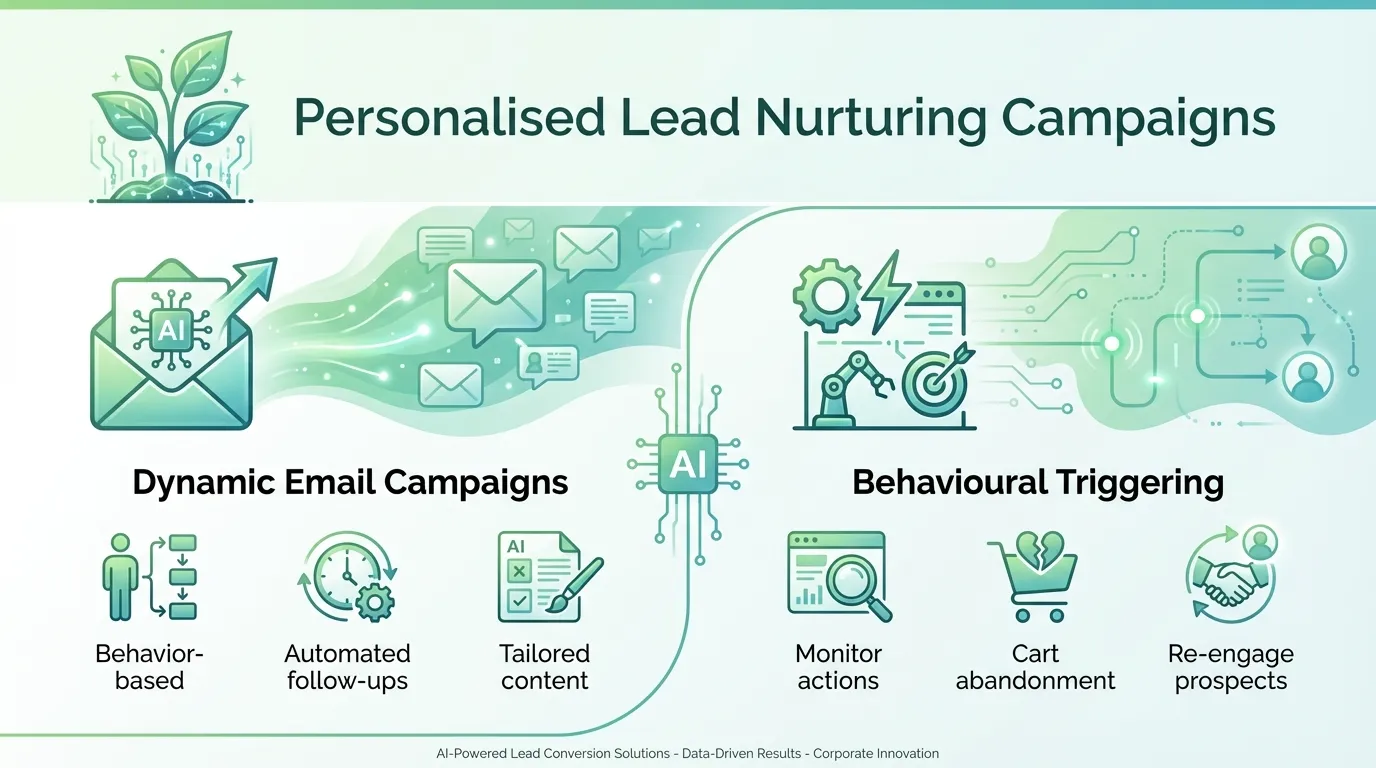
One of the most powerful aspects of AI is its ability to deliver highly personalised experiences at scale. AI enables businesses to create automated yet tailored lead-nurturing campaigns that guide prospects through the sales funnel.
- Dynamic Email Campaigns: AI can help businesses send personalised, automated email campaigns that adapt based on each lead’s behaviour. For example, if a lead downloads a specific eBook, AI can trigger a follow-up email with related content or a special offer.
- Behavioural Triggering: AI monitors customer actions (such as website visits, social media interactions, or email clicks) and uses this data to trigger specific actions. For instance, if a lead abandons a cart or interacts with specific content, AI can automatically send a targeted message to re-engage the prospect.
4. AI for Predicting Customer Intent
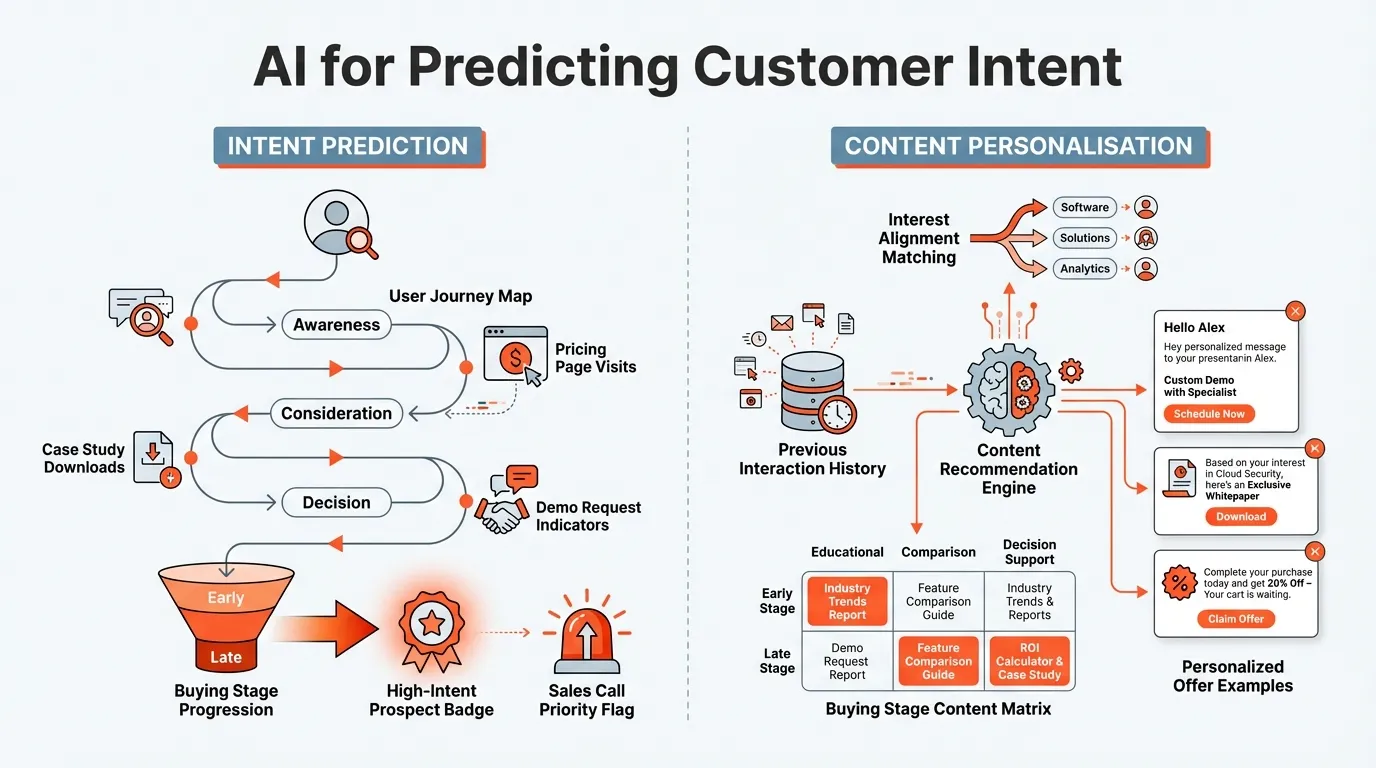
Understanding a lead’s intent is crucial for delivering the right content at the right time. AI uses behavioural data to predict what a lead is likely to do next, whether it’s scheduling a demo, making a purchase, or seeking more information.
- Intent Prediction: By analysing patterns in user activity, AI can predict what stage of the buying journey a lead is in. For example, if a lead frequently visits the pricing page or downloads case studies, AI can identify them as a high-intent prospect and prioritise them for a sales call or personalised offer.
- Content Personalisation: AI tools recommend relevant content based on a lead’s previous interactions, ensuring the content they receive aligns with their interests and buying stage.
5. AI-Enhanced Follow-Ups and Retargeting
AI can help businesses optimise their follow-up strategies by automating retargeting campaigns based on user actions. Whether through email, social media, or paid ads, AI ensures leads continue to engage with the brand even after their initial interaction.
- Email and Social Media Retargeting: AI-powered platforms can automatically retarget leads who have shown interest in a product or service by sending them personalised offers or retargeting ads. This keeps your brand top of mind and encourages prospects to take the next step in the buyer’s journey.
- Optimised Lead Engagement: AI continuously monitors how leads engage with your content, adjusting follow-up timing and messaging based on the individual’s actions. For example, if a lead hasn’t interacted with your brand in a while, AI can trigger an email or offer to re-engage them.
AI is fundamentally transforming lead generation in inbound marketing by automating repetitive tasks, personalising interactions, and improving the efficiency of lead nurturing efforts. With AI, businesses can better qualify leads, deliver tailored content, and ultimately drive more conversions.
Enhancing Customer Engagement Through AI in Inbound Marketing
Traditional inbound marketing methods are evolving, and AI-driven tools are at the forefront of this transformation, enabling businesses to offer more personalised, relevant, and real-time interactions with customers. Here’s how AI is enhancing customer engagement in inbound marketing:
1. AI-Powered Chatbots for Instant Customer Interaction
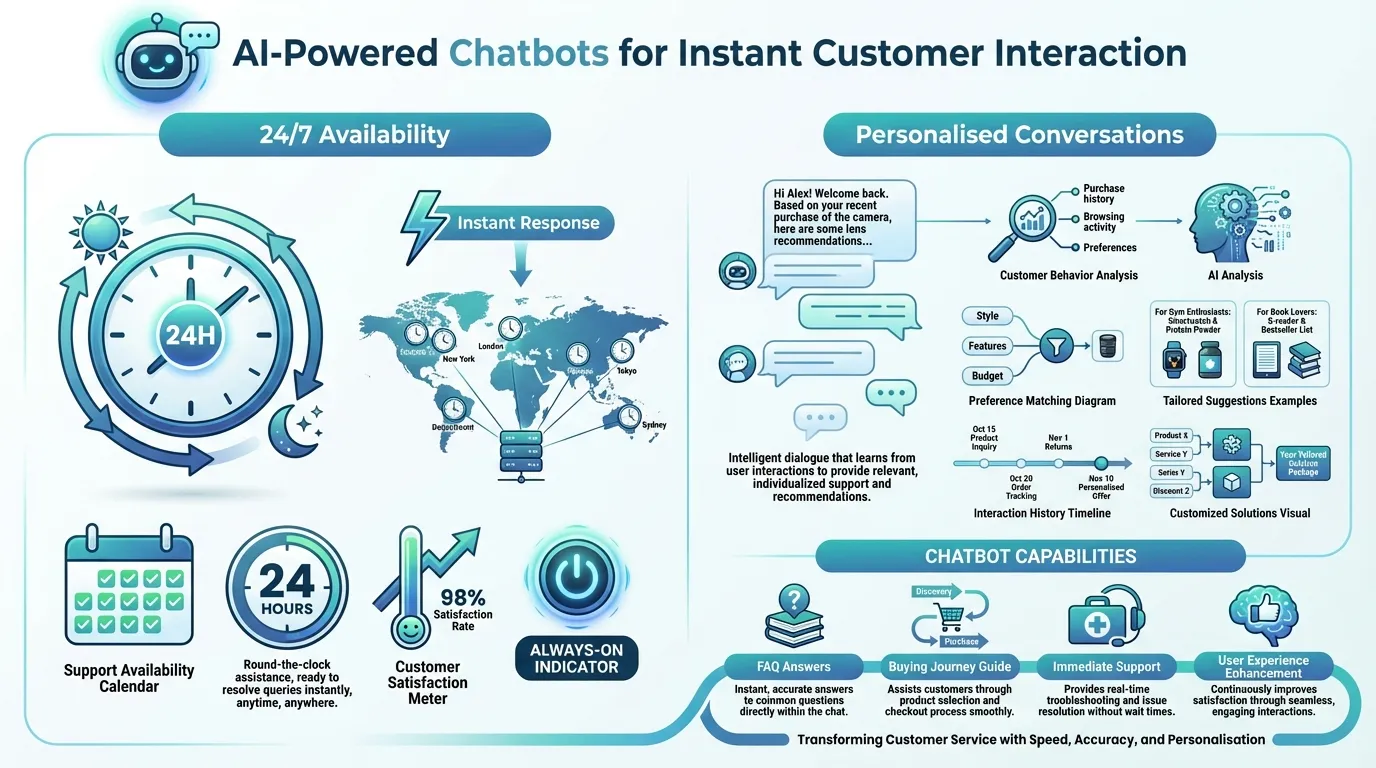
Chatbots powered by AI are becoming a cornerstone of customer engagement, offering immediate and personalised responses around the clock. These chatbots can handle a range of tasks from answering frequently asked questions to guiding users through the buying journey.
- 24/7 Availability: AI chatbots ensure customers get immediate answers and support, no matter the time of day, enhancing user experience and satisfaction.
- Personalised Conversations: AI chatbots use previous interactions to personalise conversations, offering tailored suggestions or solutions based on customer behaviour and preferences.
2. Predictive Analytics: Understanding and Anticipating Customer Needs
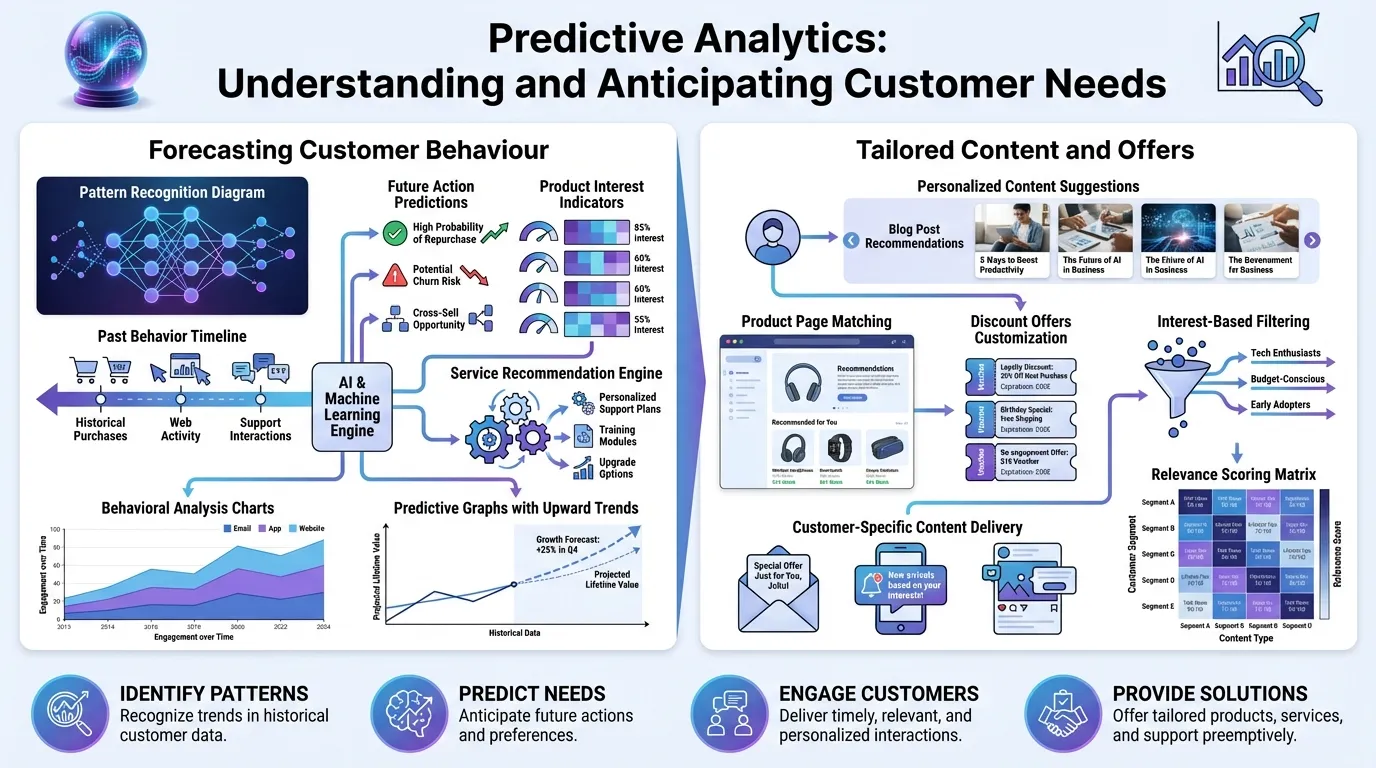
AI uses predictive analytics to identify patterns in customer data, helping businesses understand their customers’ needs before they explicitly express them. This allows companies to proactively engage customers and provide relevant content or solutions.
- Forecasting Customer Behaviour: By analysing past behaviours, AI can predict future actions, such as which products or services a customer may be interested in, and recommend content or offers accordingly.
- Tailored Content and Offers: Based on predictions, AI can suggest specific blog posts, product pages, or discounts, ensuring customers receive only the most relevant content to their interests.
3. Hyper-Personalisation at Scale with AI
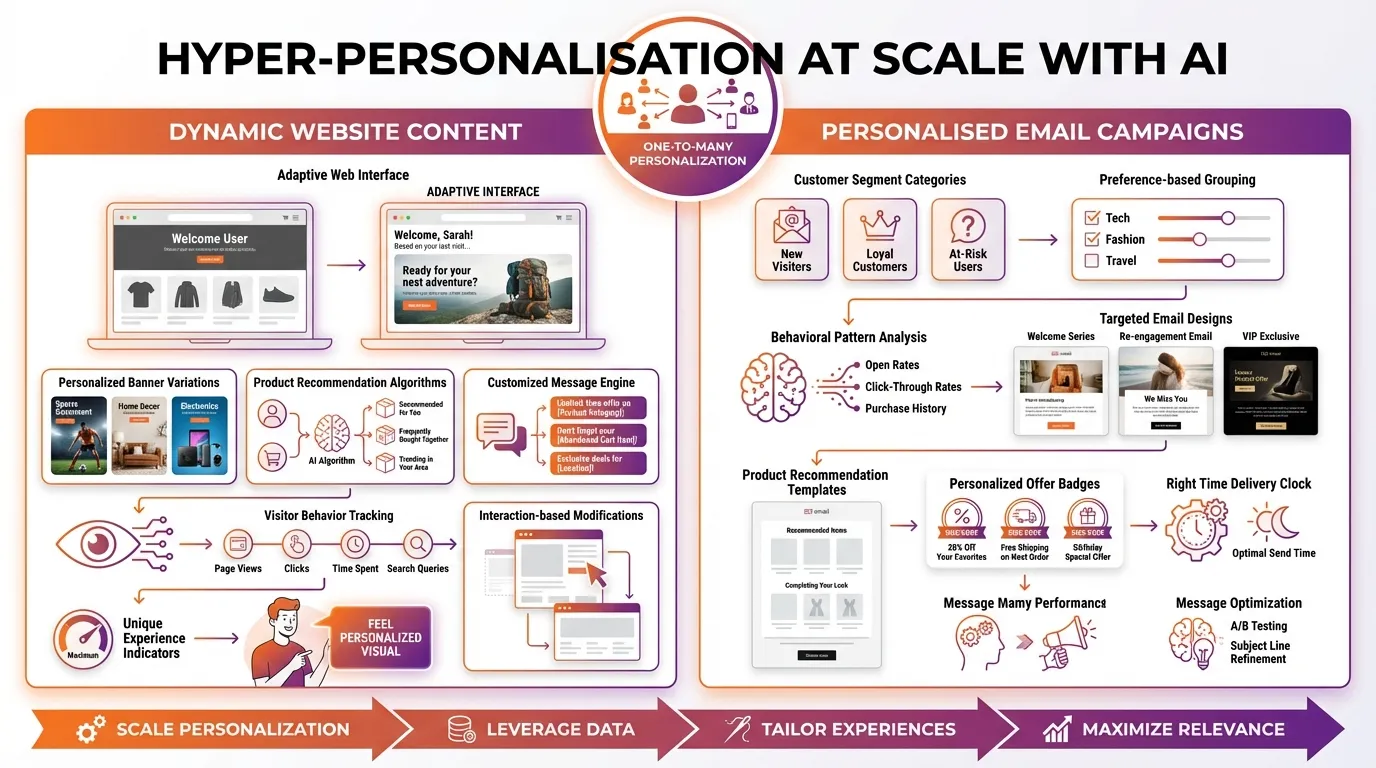
One of the greatest advantages of AI is its ability to create hyper-personalised experiences at scale. Through AI, businesses can deliver tailored content and recommendations based on individual customer data, ensuring that each interaction feels unique and relevant.
- Dynamic Website Content: AI can modify website content, such as banners, product recommendations, or messages, based on the visitor’s previous interactions with the brand, making the site feel personalised to each user.
- Personalised Email Campaigns: AI can segment customers based on their preferences and behaviour, ensuring email content is highly targeted. From product recommendations to personalised offers, AI helps marketers send the right message at the right time.
4. AI-Driven Customer Feedback Analysis
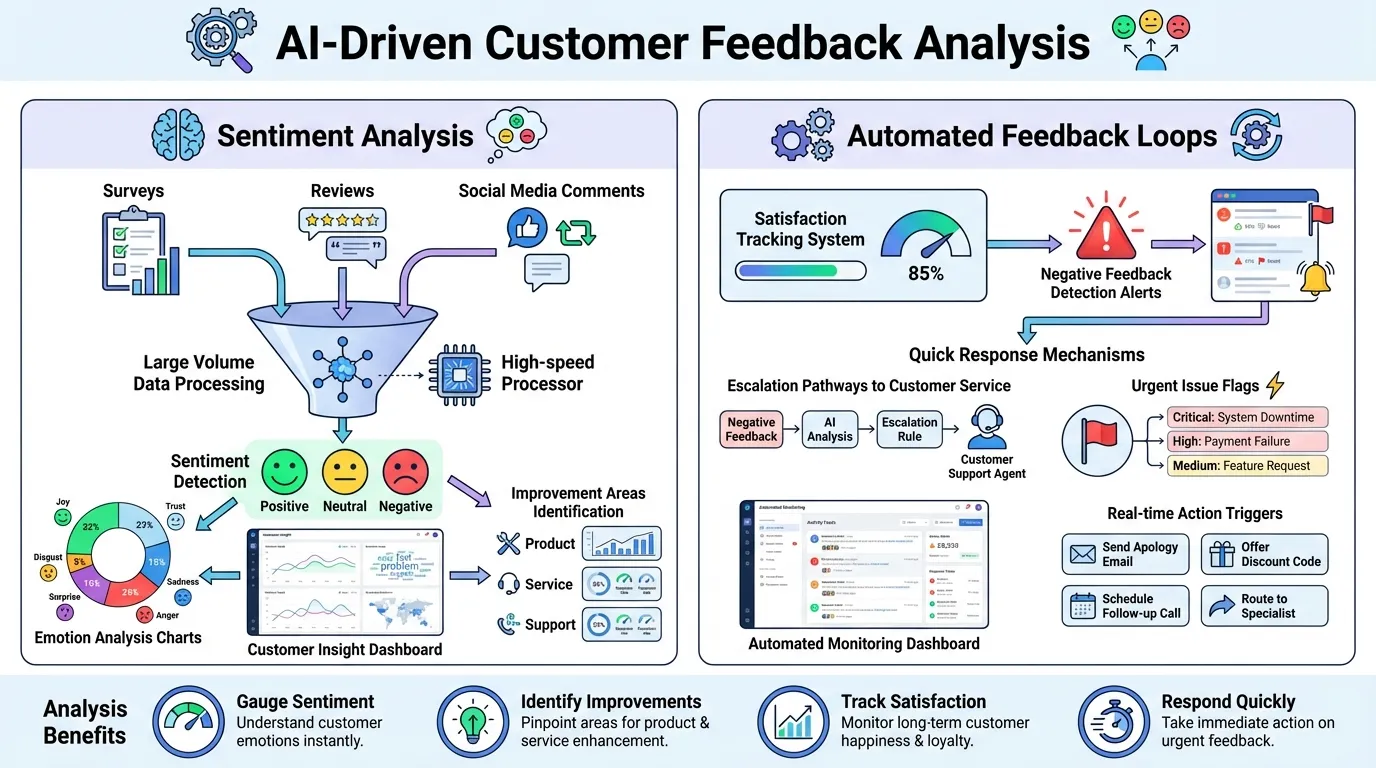
AI tools can analyse customer feedback from various channels, including surveys, reviews, and social media comments, to gauge sentiment and identify areas for improvement.
- Sentiment Analysis: By processing large volumes of customer feedback, AI can detect customer sentiments (positive, neutral, negative) and provide businesses with valuable insights on how to improve products, services, or customer support.
- Automated Feedback Loops: AI can automatically track customer satisfaction, respond quickly to negative feedback, and escalate urgent issues to customer service teams for immediate action.
5. Automating Customer Journey Mapping and Engagement
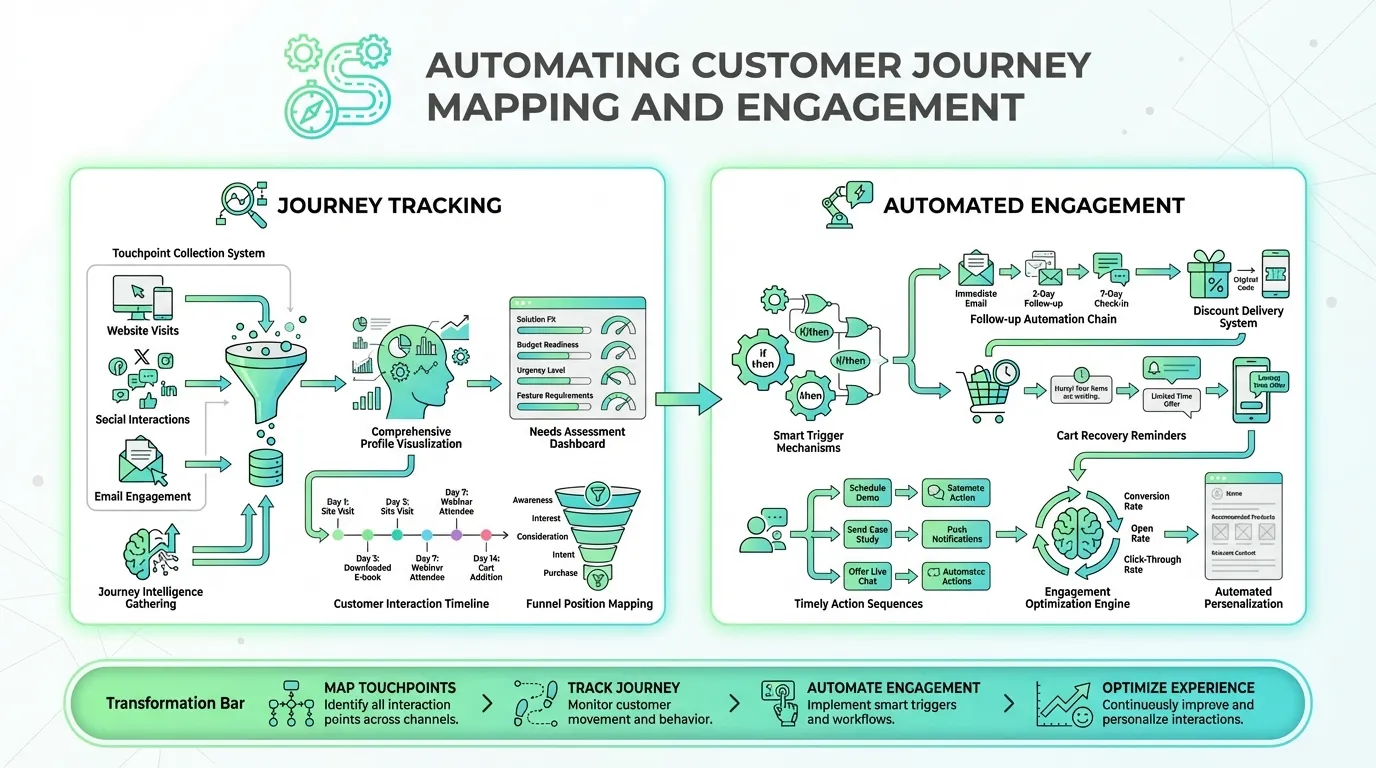
AI can map out and automate a customer’s journey, ensuring that every touchpoint is optimised for engagement. This helps businesses to deliver timely content or offers based on where a customer is in their buying process.
- Journey Tracking: AI tracks customer interactions across various touchpoints (e.g., website visits, social media interactions, email clicks), building a comprehensive profile of where the customer is in the funnel and what their needs are.
- Automated Engagement: Using this data, AI can trigger specific actions, such as sending follow-up emails, offering discounts, or reminding customers about abandoned carts, in an automated, timely manner.
6. Social Media Engagement with AI
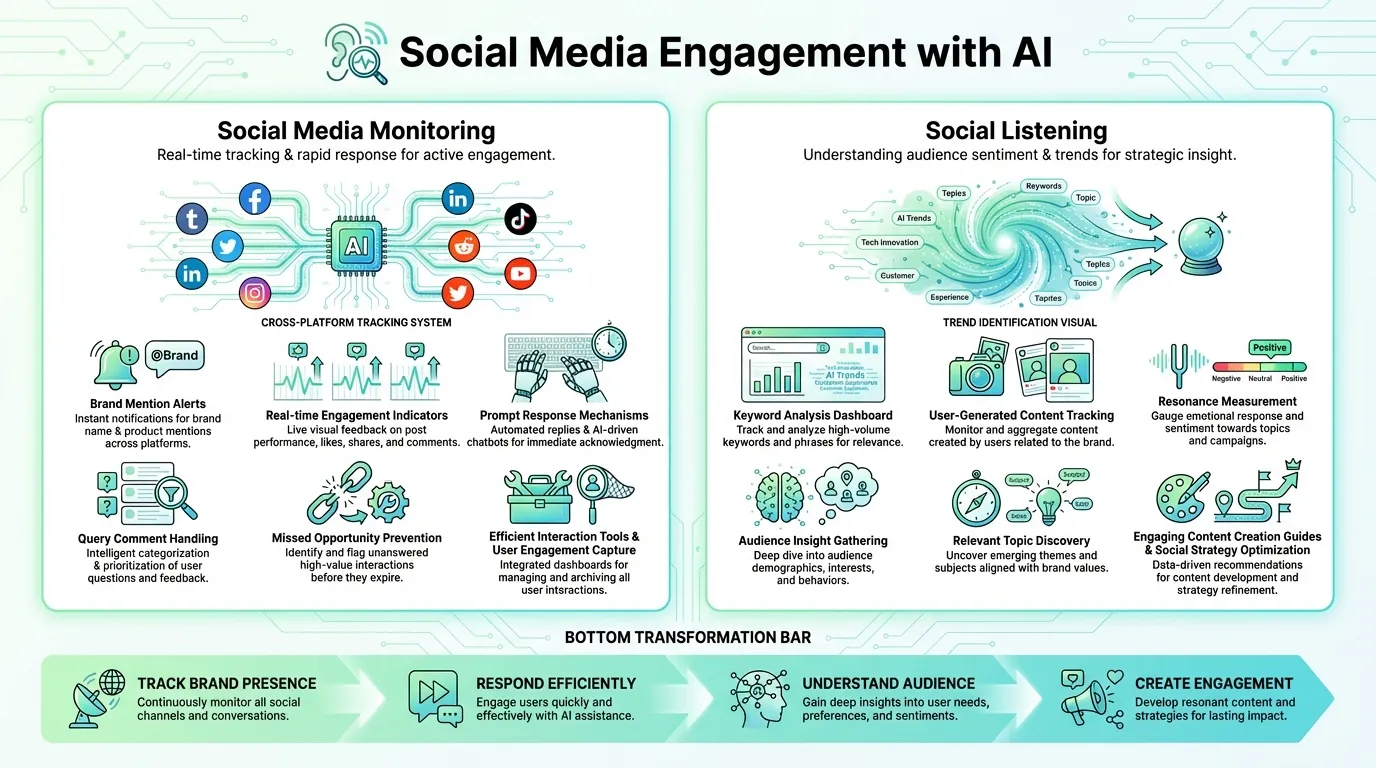
AI-powered tools are helping businesses engage with customers on social media platforms more efficiently, responding to queries, comments, and mentions in real time and identifying opportunities for engagement that might otherwise be missed.
- Social Media Monitoring: AI can track brand mentions across social media platforms, enabling businesses to respond promptly and engage with users in real time.
- Social Listening: By analysing trends, keywords, and user-generated content, AI helps businesses understand which topics resonate with their audience, enabling them to create more relevant and engaging social media content.
7. AI and Real-Time Customer Engagement
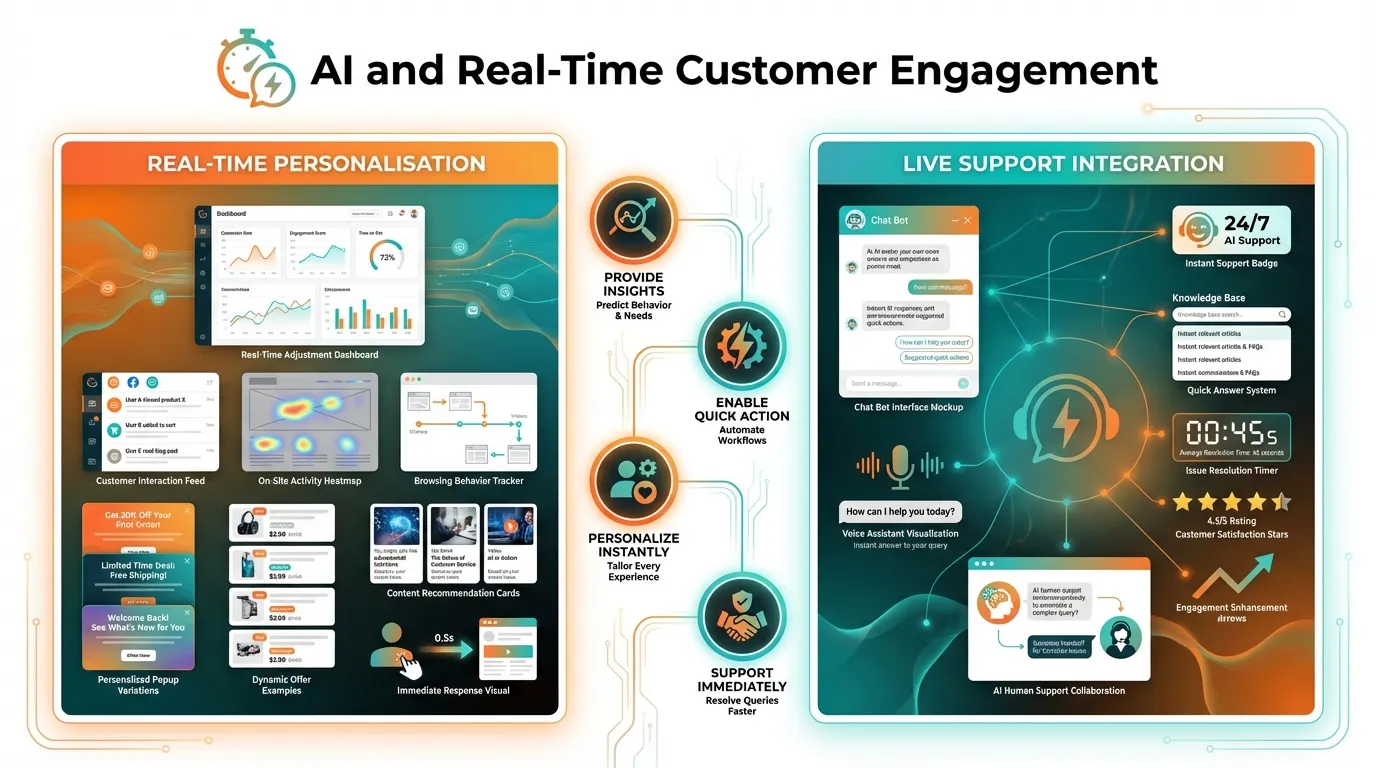
AI enhances real-time engagement by providing marketers with actionable insights on customer interactions, enabling them to act quickly and effectively.
- Real-Time Personalisation: AI enables businesses to make immediate adjustments to their approach based on how a customer interacts in real time, whether through on-site activity or browsing habits. This can include personalised pop-ups, offers, or content recommendations.
- Live Support Integration: AI-powered live chat or voice assistants provide immediate support to customers, answering questions or resolving issues within seconds, enhancing customer satisfaction and engagement.
As AI continues to evolve, it will only become more integral to inbound marketing and customer engagement. The key to success lies in combining human creativity with AI’s efficiency to create seamless, engaging experiences for every customer.
Challenges of AI in Inbound Marketing
While AI is revolutionising inbound marketing by automating processes, personalising customer experiences, and providing valuable insights, its integration presents several challenges that businesses must navigate.
From ethical concerns to technical limitations, here’s a look at the key hurdles in leveraging AI for inbound marketing:
1. Balancing Automation with Human Touch
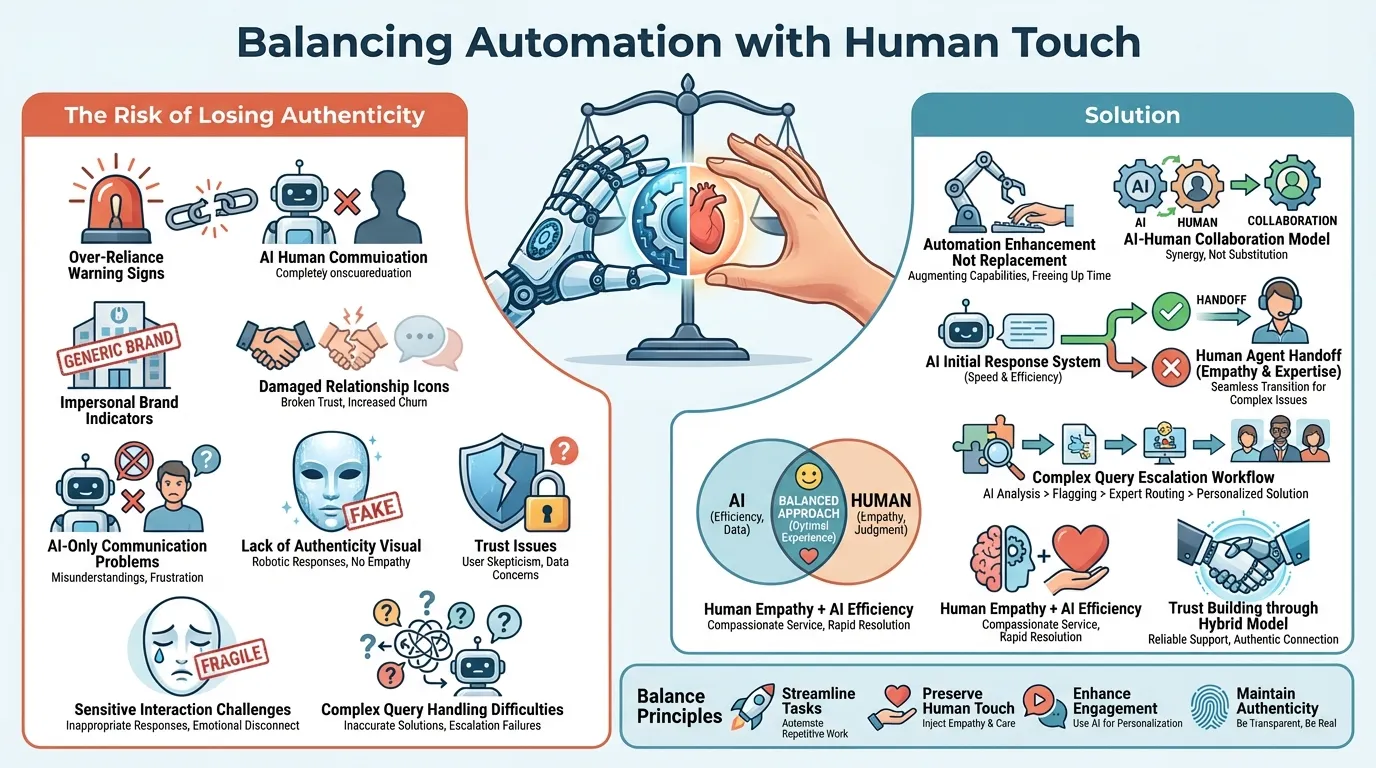
One of the biggest concerns with AI in inbound marketing is striking the right balance between automation and human interaction. AI excels in streamlining repetitive tasks, but it cannot replicate the emotional intelligence, empathy, or nuanced understanding that humans bring to customer relationships.
- The Risk of Losing Authenticity: Over-reliance on AI-driven content and communication can make a brand feel impersonal, potentially damaging customer relationships. While AI can deliver targeted messages, it might lack the authenticity needed to establish trust, especially in sensitive or complex interactions. Marketers must ensure that AI is used to enhance human engagement, not replace it entirely. For example, using AI to automate initial responses, followed by human agents for more complex queries, can strike the right balance.
2. Data Privacy and Ethical Concerns
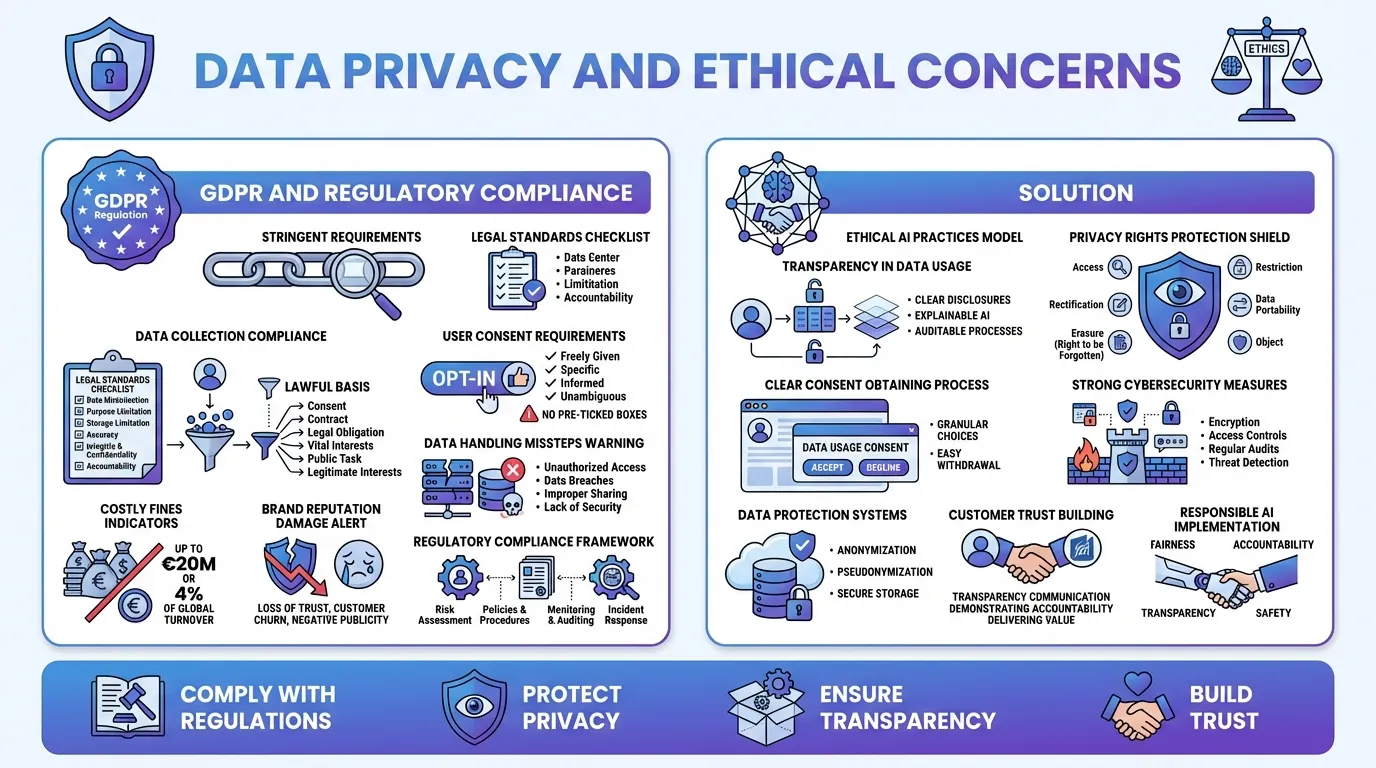
Given AI’s reliance on data to drive decision-making, issues surrounding data privacy and the ethical use of AI have become increasingly significant. Collecting, processing, and storing vast amounts of customer data raises concerns about how that data is used, shared, and protected.
- GDPR and Regulatory Compliance: As regulations like GDPR become more stringent, companies must ensure their AI systems comply with legal standards for data collection and user consent. Missteps in data handling can lead to costly fines and damage to brand reputation. Businesses must adopt ethical AI practices, ensuring transparency in how data is used and protecting customers’ privacy rights. This includes obtaining clear consent for data usage and implementing strong cybersecurity measures.
3. Data Quality and Bias in AI
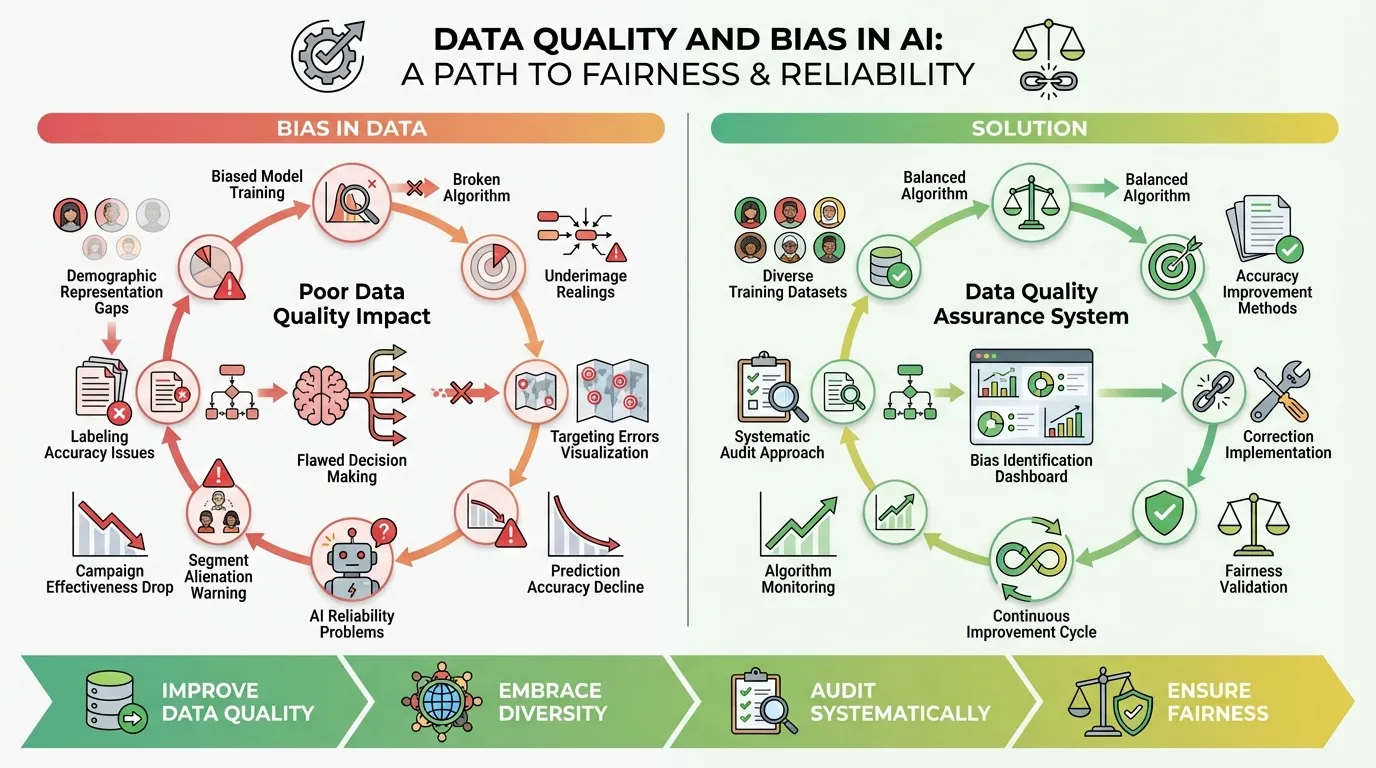
AI systems rely heavily on data quality to make accurate predictions and decisions. However, poor-quality data or biased datasets can lead AI systems to make flawed recommendations or target the wrong audience.
- Bias in Data: If the data fed into AI models is biased, whether through demographic imbalances or incorrect labelling, the resulting insights and automated actions will be flawed. This can lead to mis-targeting, ineffective campaigns, or even alienation of certain customer segments. Businesses must prioritise data accuracy and dataset diversity when training AI models. Regular audits of AI algorithms should also be conducted to identify and correct any biases that may arise.
4. Integration with Existing Systems
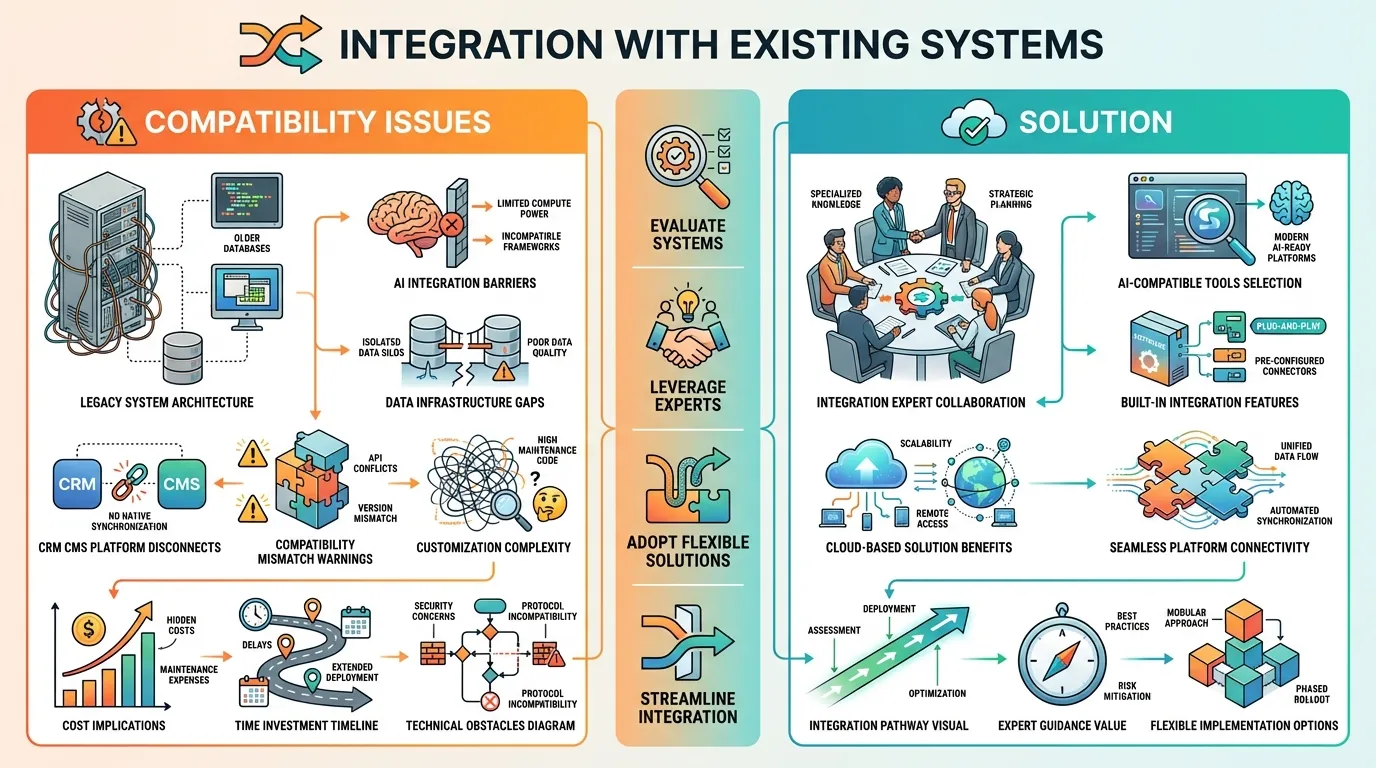

Integrating AI into existing inbound marketing systems can be technically challenging, particularly for businesses with legacy systems. AI tools often require robust data infrastructures and seamless connections with CRM, CMS, and other marketing platforms.
- Compatibility Issues: Integrating AI tools into existing platforms might lead to compatibility issues or require extensive customisation, which can be costly and time-consuming. Businesses should work with AI integration experts to ensure their marketing tools are AI-compatible. Adopting AI tools with built-in integration capabilities or opting for more flexible cloud-based solutions can ease the process.
5. High Initial Investment and Maintenance Costs
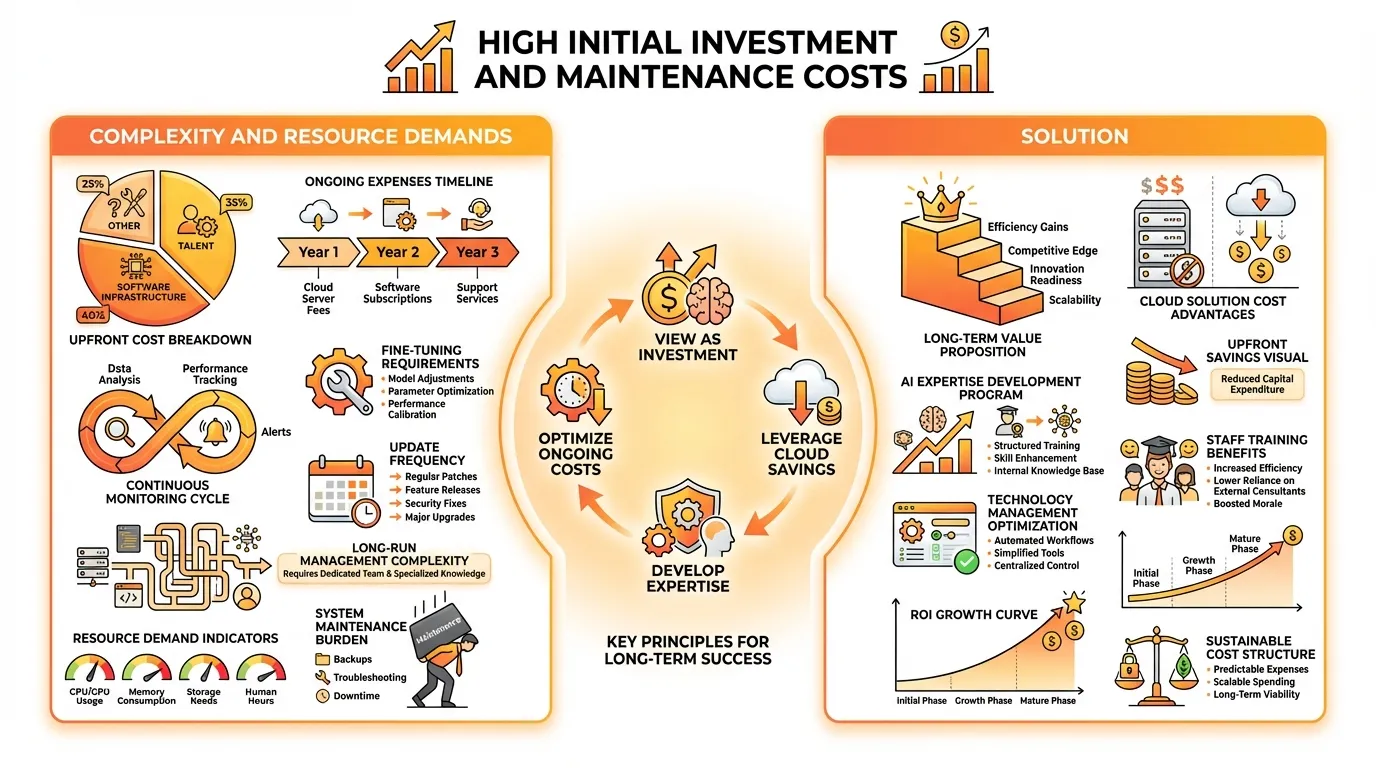
Implementing AI-driven inbound marketing strategies often requires a significant upfront investment in software, infrastructure, and talent. Additionally, the maintenance and regular updates needed for AI systems can add ongoing costs.
- Complexity and Resource Demands: AI systems require continuous monitoring, fine-tuning, and updates to remain relevant and efficient. Without proper resources, businesses may find it challenging to manage and maintain these systems in the long run. While the initial investment can be steep, businesses should view AI as a long-term investment. Opting for cloud-based AI solutions can reduce initial costs, and hiring or training staff with AI expertise can help manage and optimise the technology over time.
Despite its immense potential, AI in inbound marketing does present several challenges that businesses must address.
From maintaining the human touch to ensuring data privacy and dealing with system integrations, these challenges require careful planning, the right technology, and ongoing optimisation.
The Future of Inbound Marketing
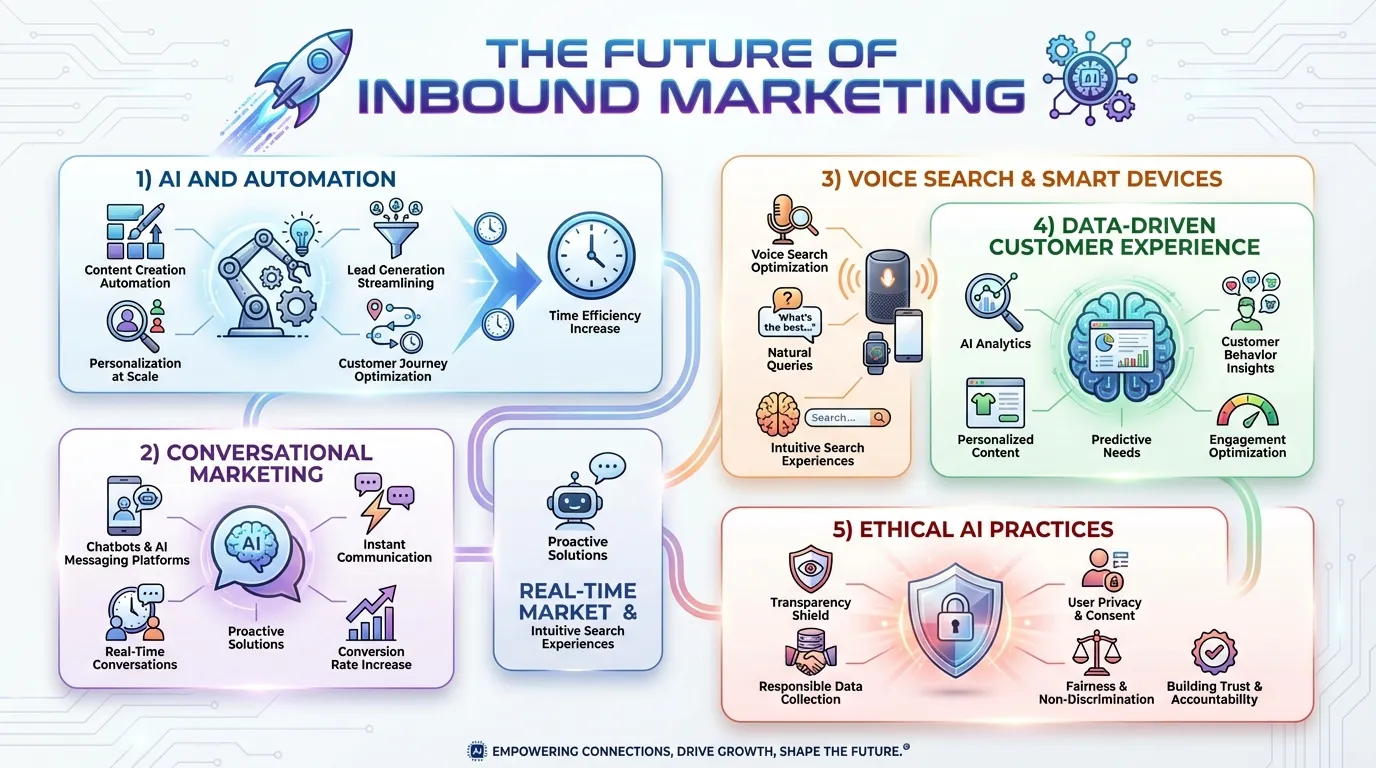
The future of inbound marketing is rapidly evolving, driven by the integration of AI technologies that are reshaping how businesses engage with their customers. To stay competitive, businesses must adapt to these changes while ensuring transparency and ethical use of data.
- AI and Automation: AI-driven automation will continue to streamline content creation and lead generation, allowing businesses to personalise at scale. Marketers will use AI tools to optimise customer journeys, automate responses, and deliver tailored content, all while saving time and improving efficiency.
- Conversational Marketing: Chatbots and AI-powered messaging platforms will take customer engagement to new heights by providing instant, personalised communication. Real-time conversations powered by AI will enable businesses to deliver timely responses and proactive solutions, increasing conversion rates.
- Voice Search and Smart Devices: As smart device adoption grows, optimising for voice search will become essential. AI will enable businesses to fine-tune their content for voice queries, providing users with more natural, intuitive search experiences.
- Data-Driven Customer Experience: AI-powered analytics will offer deeper insights into customer behaviour, helping businesses craft personalised content and experiences. Inbound marketing will rely on data to predict customer needs, optimise engagement, and improve conversion rates.
- Ethical AI Practices: As AI becomes more ingrained in marketing, businesses will need to prioritise transparency in how they collect and use customer data. Ethical considerations around AI and data privacy will be crucial to maintaining consumer trust and brand reputation.
As AI continues to revolutionise inbound marketing, businesses must embrace these advancements to stay ahead of the curve. The future will require a balance between automation and human connection, with a strong focus on data-driven insights and ethical practices.
Harness the Power of AI in Your Inbound Marketing Strategy
The future of inbound marketing is here, and AI is at its heart. From automating repetitive tasks to creating personalised experiences that speak directly to your audience, AI allows marketers to do more in less time while delivering exceptional results.

With AI-driven tools, you can enhance content creation, optimise lead generation, and engage customers in real time, ensuring every touchpoint feels relevant. It’s time to harness AI to drive more qualified leads, increase conversions, and ultimately boost your bottom line.
But integrating AI into your inbound marketing strategy can be overwhelming, especially when you’re not sure where to start. That’s where MediaOne comes in.
Our team of SEO and AI experts is ready to help you leverage AI technologies to the fullest, ensuring your marketing efforts are smarter, faster, and more effective.
Whether it’s optimising your content for better search rankings or automating lead nurturing, we’ve got you covered.
If you’re ready to step into the future of inbound marketing, MediaOne can build an AI-powered strategy that accelerates your growth and drives results. Contact us today!
Frequently Asked Questions
How can small businesses implement AI in their inbound marketing strategy?
Small businesses can start by integrating affordable AI tools for content creation, lead scoring, and customer engagement, gradually expanding their use of AI as they grow.
What are the best AI tools for content creation in inbound marketing?
Popular AI tools for content creation include Jasper.ai, Copy.ai, and Writesonic, which help automate blog writing, social media posts, and product descriptions.
How does AI help in identifying customer pain points?
AI uses customer data from various touchpoints (website, social media, email interactions) to detect patterns, enabling businesses to better understand their audience’s challenges and tailor content accordingly.
Can AI improve SEO performance in inbound marketing?
Yes, AI tools can assist with keyword optimisation, content recommendations, and on-page SEO improvements, helping businesses achieve higher rankings and organic traffic.
What are the ethical considerations when using AI for inbound marketing?
Businesses must ensure transparency in AI use, protect customer data privacy, and avoid bias in AI algorithms to maintain trust and comply with regulations such as GDPR.