
Social media influencer marketing has shifted from a trend to a core growth channel for brands across industries. Whether you are launching a new product, entering a competitive market, or building brand authority, the success of your social media influencer marketing strategy depends largely on one factor. Choosing the right influencers.
Many campaigns fail not because influencer marketing doesn’t work, but because brands select creators based on vanity metrics rather than strategic alignment. A large following does not automatically translate into trust, engagement, or conversions. The right influencer, on the other hand, can drive measurable results, build long-term credibility, and create content that continues to perform well beyond the initial campaign window.
In this guide, you will learn how to identify, evaluate, and partner with influencers who truly align with your brand goals. And if you are looking for a social media marketing agency to manage influencer partnerships end-to-end, our team can help you build a data-driven strategy that delivers consistent results.
Key Takeaways:
- Align influencer selection to clear commercial objectives and target audience behaviours.
- Evaluate creators based on engagement quality, audience relevance, and platform fit.
- Build measurement structures that tie influencer outcomes to revenue and ROI.
- Avoid common errors such as prioritising reach, ignoring compliance, and skipping contracts.

Social media influencer marketing is a strategic collaboration between a brand and a content creator who has built a loyal, engaged audience on a specific platform. The value lies not in reach alone but in the transfer of credibility.
Below is a structured classification table with well-known Singapore examples that are publicly recognised for operating within these follower tiers. Follower ranges are based on publicly available platform data and industry reporting as of the time of writing. You should verify current counts before final campaign decisions, as numbers change frequently.
| Influencer Category | Follower Range | Singapore Examples |
| Nano Influencer |
|
|
| Micro Influencer |
|
|
| Macro Influencer |
|
|
| Celebrity Influencer |
|
|
Engagement matters more than scale. According to HubSpot, micro-influencers generate up to 60% more engagement than larger influencers, with their niche appeal driving higher audience interaction.
In Singapore, this is especially relevant. Consumers are digitally savvy and sceptical. According to the Edelman Trust Barometer 2023, trust in personal connections remains high, with 73% of respondents trusting their coworkers and 63% trusting their neighbors—significantly higher than trust in institutions like government (50%) and media (50%). This positions influencers in a critical trust layer between brands and consumers.
You are not renting attention. You are borrowing trust. That distinction should shape every decision you make.
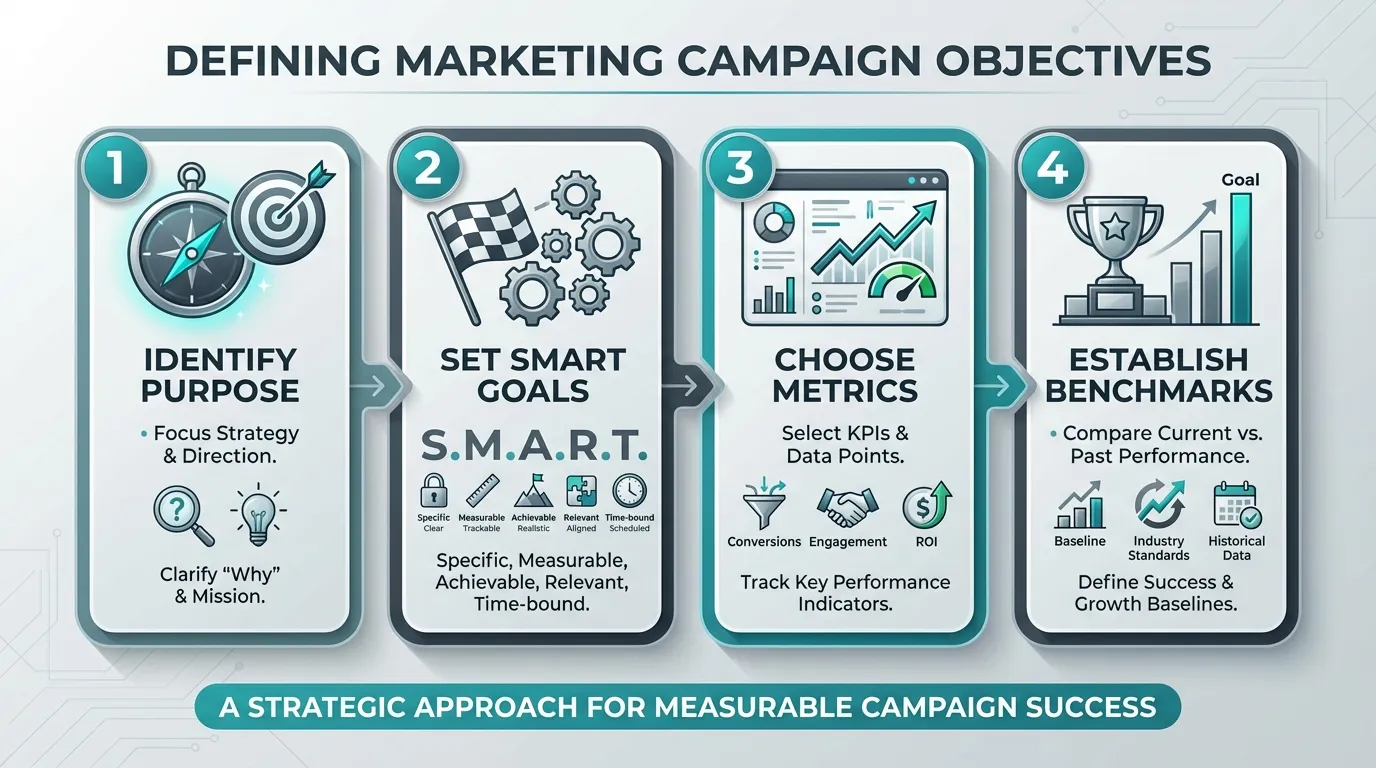
Before you evaluate a single profile, you need commercial clarity. If you do not define the outcome, you will default to measuring what is easy rather than what matters.
Ask yourself what you are actually trying to move. Are you launching a skincare brand in Bugis and need awareness? Driving demo sign-ups for a SaaS platform in One-North? Increasing weekday foot traffic to a café in Tiong Bahru?
Your objective will usually sit in one of four buckets:
- Brand awareness
- Lead generation
- Sales conversions
- Community or authority building
Each one requires different metrics and different types of influencers.
| Objective | Primary KPI | Influencer Type That Typically Performs Best |
| Awareness |
|
|
| Leads |
|
|
| Sales |
|
|
| Authority |
|
|
If your goal is revenue but you are celebrating impressions, you are not measuring performance. You are measuring noise.
Set benchmarks before launch. Define target cost per lead. Define target revenue per influencer. Define acceptable cost per acquisition in SGD. When you start with numbers, you protect your budget from emotional decisions later.
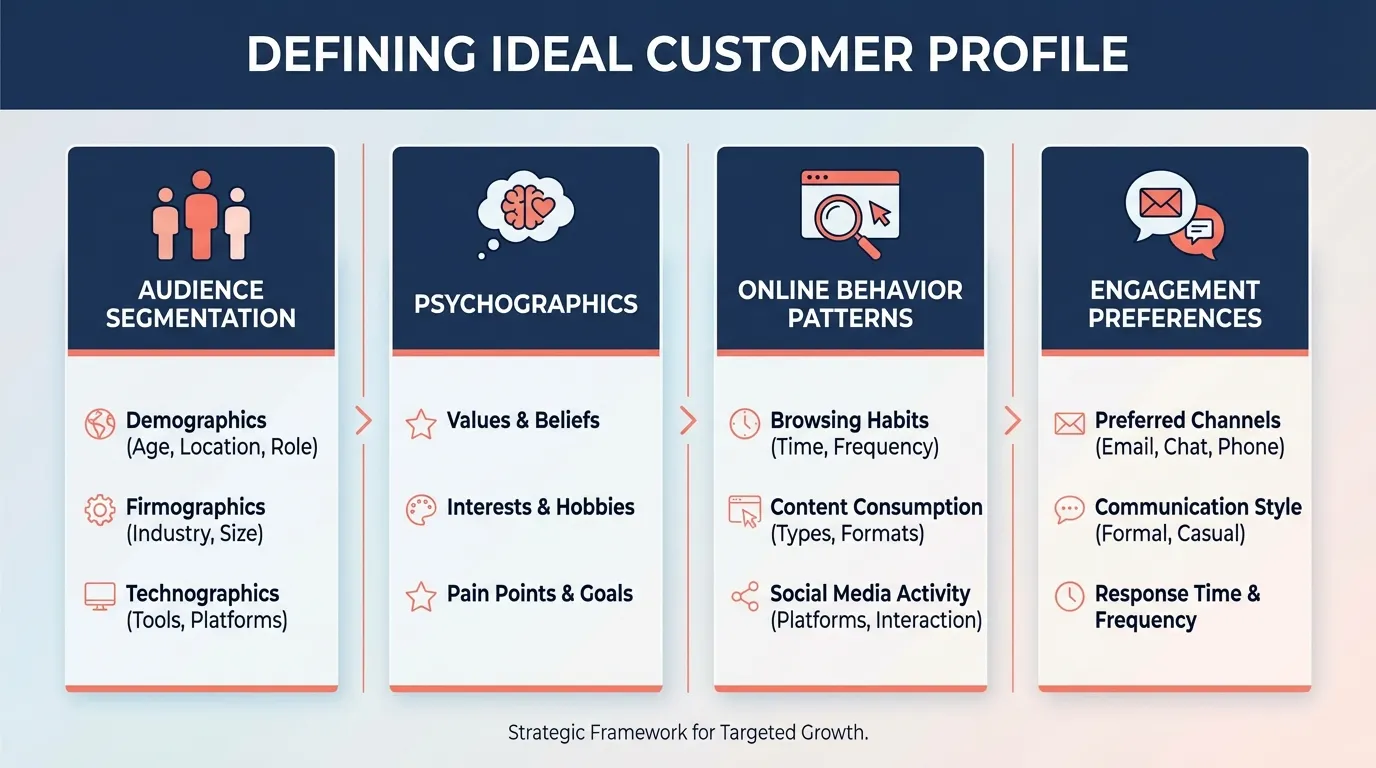
You cannot delegate audience clarity to an influencer. Start with structure. Define your audience across three layers:
- Demographics: Age, income level, location within Singapore
- Psychographics: Values, lifestyle, aspirations, objections
- Behaviour: Buying triggers, content consumption habits, device usage
According to DataReportal’s Digital 2023 Singapore report, internet penetration in Singapore exceeds 92 percent. Your customers are online. The real question is what drives them to act?
If you run a premium gym in Holland Village, a broad lifestyle influencer might generate visibility. But a fitness-focused micro-influencer whose followers actively purchase supplements and book personal training sessions is more likely to deliver measurable ROI.
Audience overlap is not a small optimisation detail. It is the foundation of profitability. When reviewing an influencer, request audience insights. Look at:
- Percentage of Singapore-based followers
- Age brackets
- Gender distribution
- Interests reflected in comments
If their audience is 70 percent outside Singapore and you operate locally, the partnership may look impressive but fail commercially.
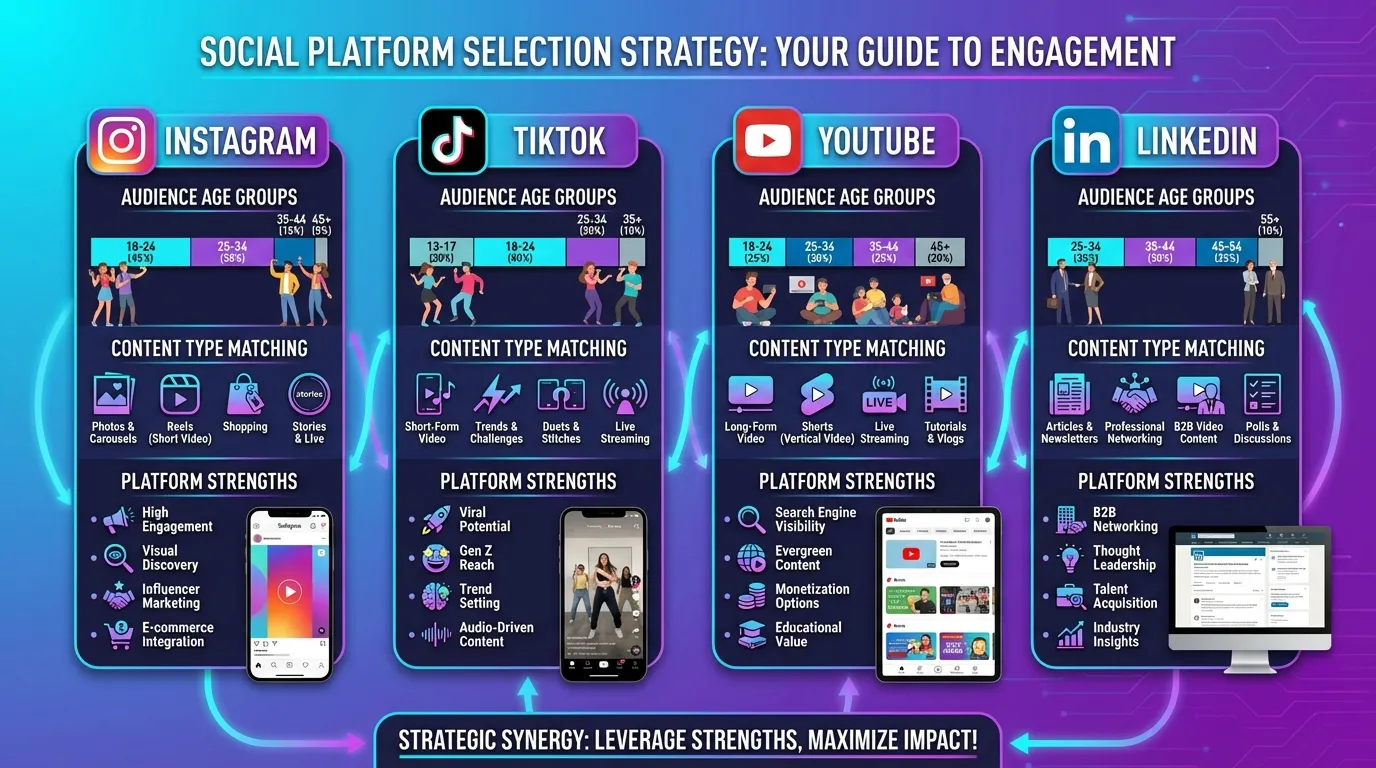
Not all platforms influence behaviour in the same way. Treat them as different commercial channels, not interchangeable media placements.
- Instagram excels in lifestyle positioning and aesthetic-driven purchasing.
- TikTok drives impulse discovery and trend-based sales.
- YouTube supports high-consideration decisions through reviews and tutorials.
- LinkedIn works for B2B influence and thought leadership.
If you are selling a premium device, investment product, or service that requires explanation, YouTube may outperform short-form content. Match platform strength to your sales cycle:
- Short buying cycle: TikTok or Instagram Reels
- Medium buying cycle: Instagram plus remarketing
- Long buying cycle: YouTube or LinkedIn thought leadership
Do not default to Instagram because it is familiar. Choose based on commercial logic.
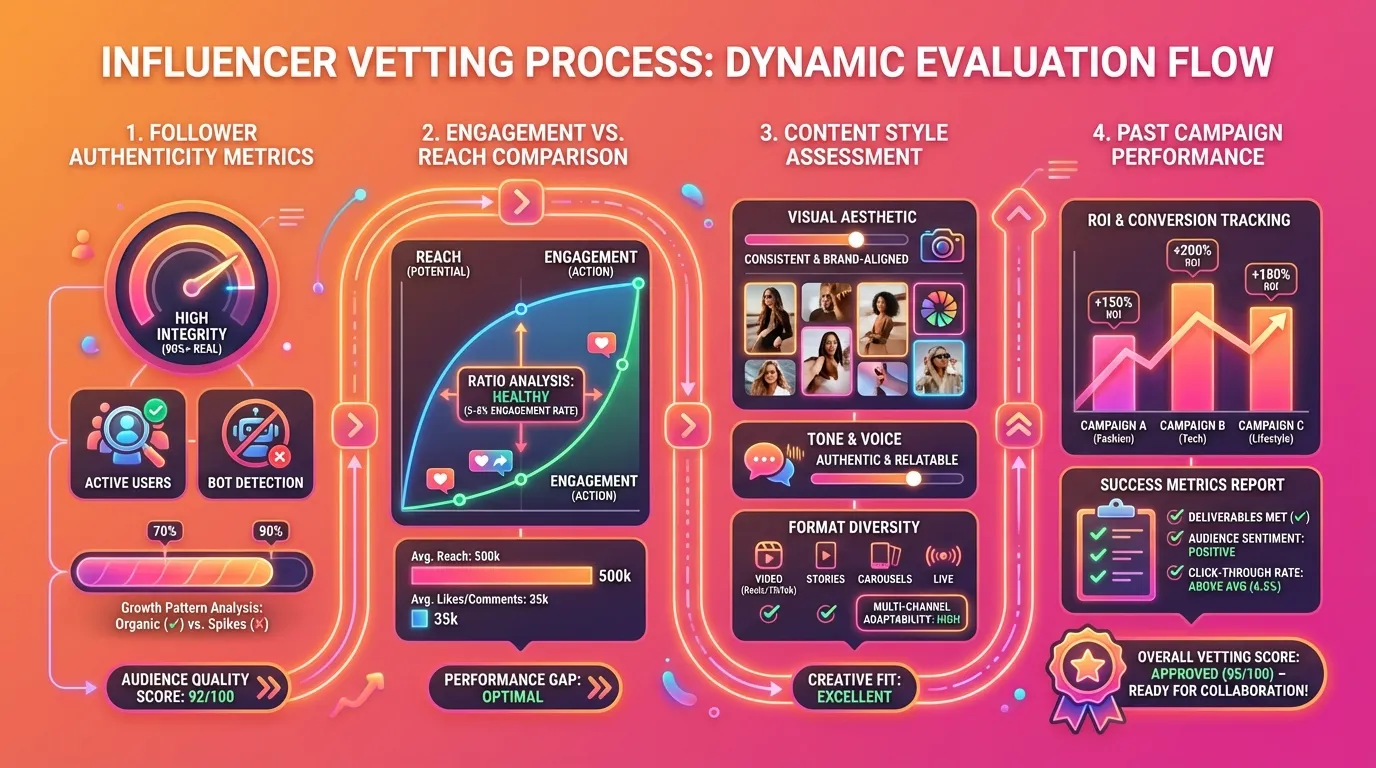
This is where discipline separates professional marketers from hobbyists.
1. Engagement Rate vs Follower Count
A large following means nothing if engagement is weak. Calculate engagement rate using likes, comments, shares, and saves divided by follower count. Compare it against industry norms. High followers combined with low engagement can indicate inflated audiences.
2. Audience Authenticity
Use third-party platforms such as HypeAuditor or Modash to assess the authenticity of followers. Fake followers distort performance data and waste spend.
Look for:
- Sudden follower spikes
- Generic comments
- Low comment depth
3. Content Quality and Consistency
Review at least 20 recent posts.
Ask:
- Is branded content integrated naturally?
- Are captions persuasive or generic?
- Does visual quality align with your brand positioning?
4. Brand Alignment
Audit previous collaborations. If a creator promotes five competing skincare brands within three months, credibility erodes.
Real-World Example
In 2019, the Singapore Tourism Board (STB) and Economic Development Board (EDB) jointly launched its “Passion Made Possible” initiative, collaborating with influencers to showcase authentic personal narratives rather than scripted endorsements to position Singapore as a destination brand.
The emphasis was storytelling aligned with the national brand identity. The lesson for you is clear. Narrative alignment drives credibility. Reach alone does not.
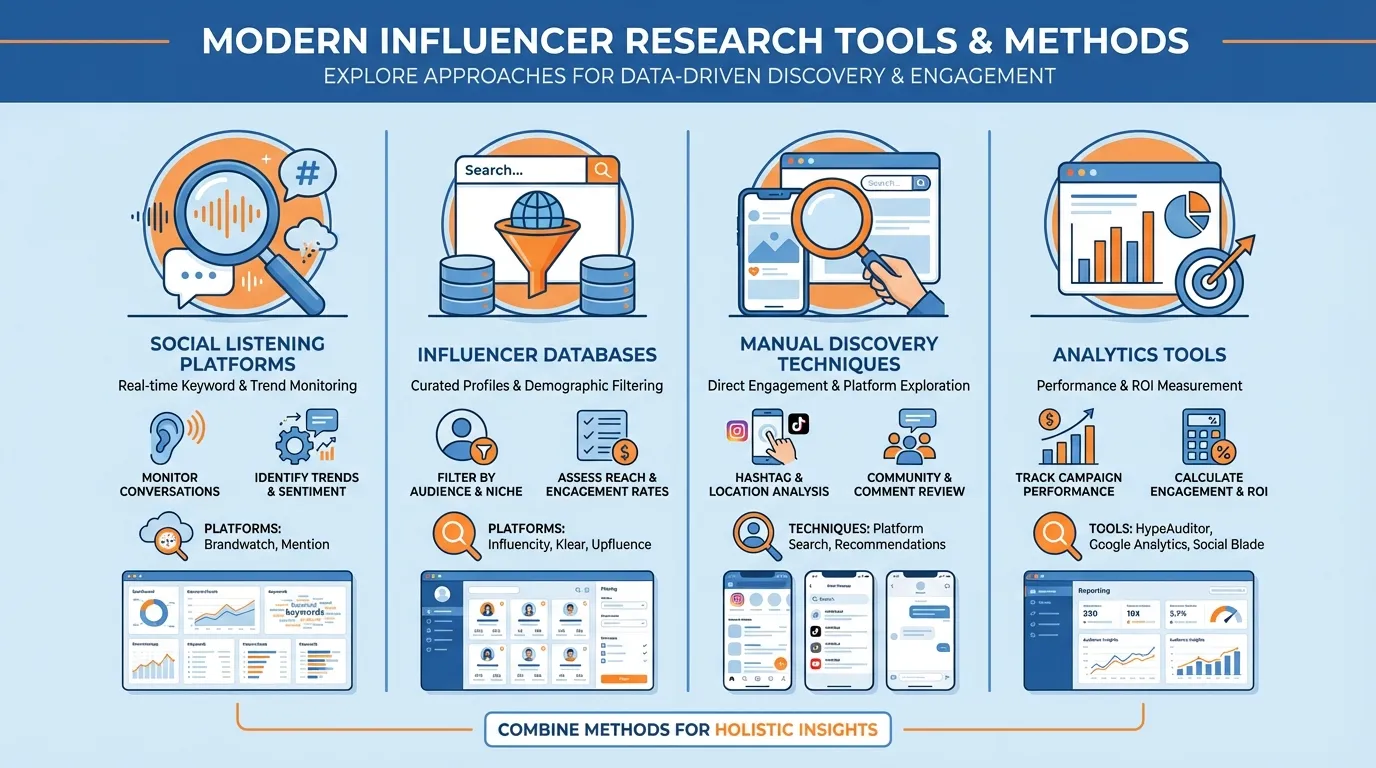
Research is not glamorous. It is systematic. Start with:
- Native search using niche keywords
- Hashtag analysis relevant to your sector
- Reviewing competitor influencer partnerships
- Social listening to track brand mentions
Influencer databases aggregate performance metrics, but software cannot replace human evaluation. Manually read comment sections. Are followers asking pricing questions? Are they tagging friends? Are there genuine product discussions?
When comments reflect buying intent, you are looking at commercial influence rather than surface engagement.
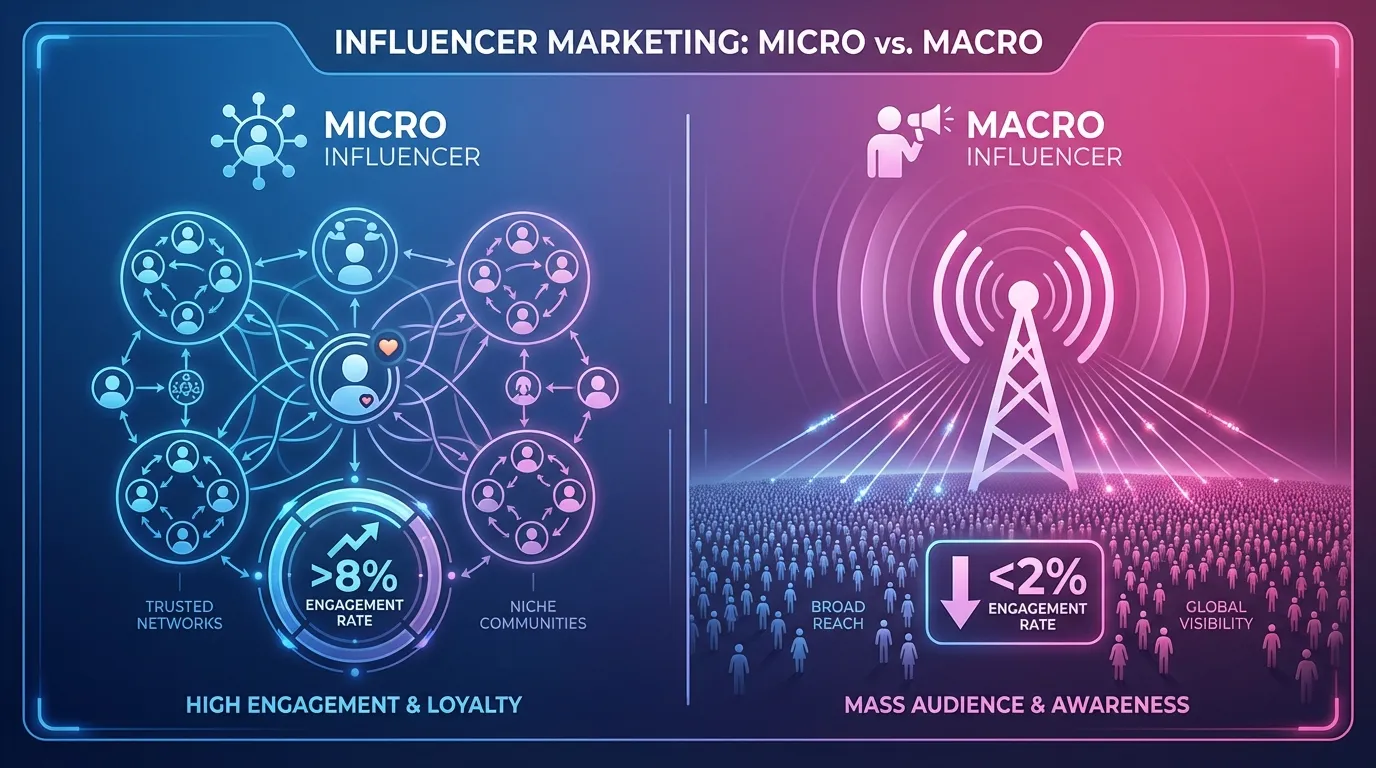
Micro-influencers often deliver stronger engagement relative to their size. Macro influencers deliver reach at speed.
Here is a structured comparison:
| Criteria | Micro Influencer | Macro Influencer |
| Typical Cost | Lower SGD investment | Higher campaign fees |
| Engagement | Often higher percentage | Lower relative engagement |
| Trust | Strong niche credibility | Broader awareness |
| Ideal For | Conversion-driven campaigns | Large-scale brand launches |
If your marketing budget is SGD 20,000, allocating it across several high-performing micro influencers may yield stronger sales than placing it with a single macro account.
Scale is visible. Conversion is measurable. Your decision should prioritise measurable impact.
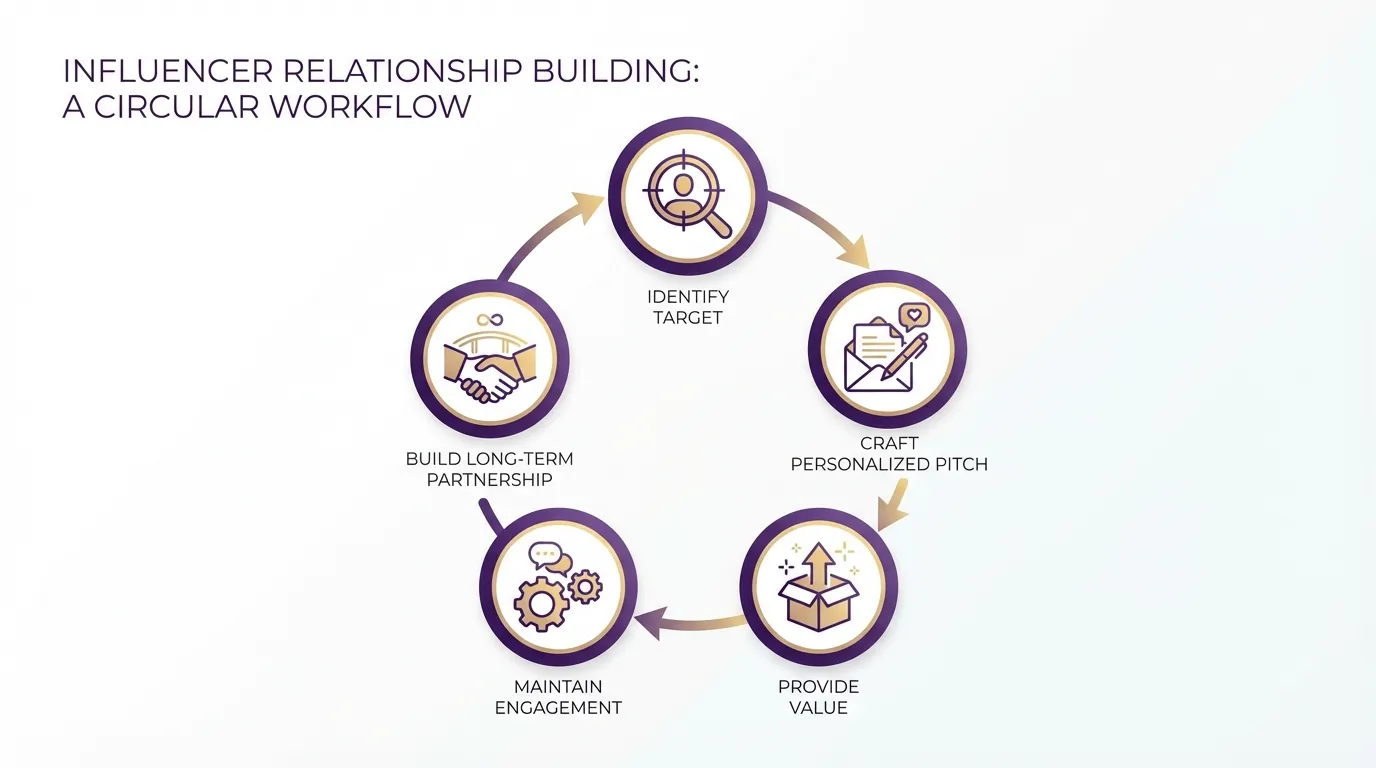
Generic outreach signals that you value distribution, not partnership. When pitching:
- Reference specific content you admire
- Explain why your product fits their audience
- Outline campaign objective and KPIs
- Define deliverables and timeline
- Clarify the compensation model
Compensation may include:
- Flat fee in SGD
- Affiliate commission
- Performance-based bonus
- Product seeding
Long-term ambassador relationships often outperform one-off posts because repeated exposure builds trust. Plan partnerships across quarters, not single posts. Consistency compounds influence.
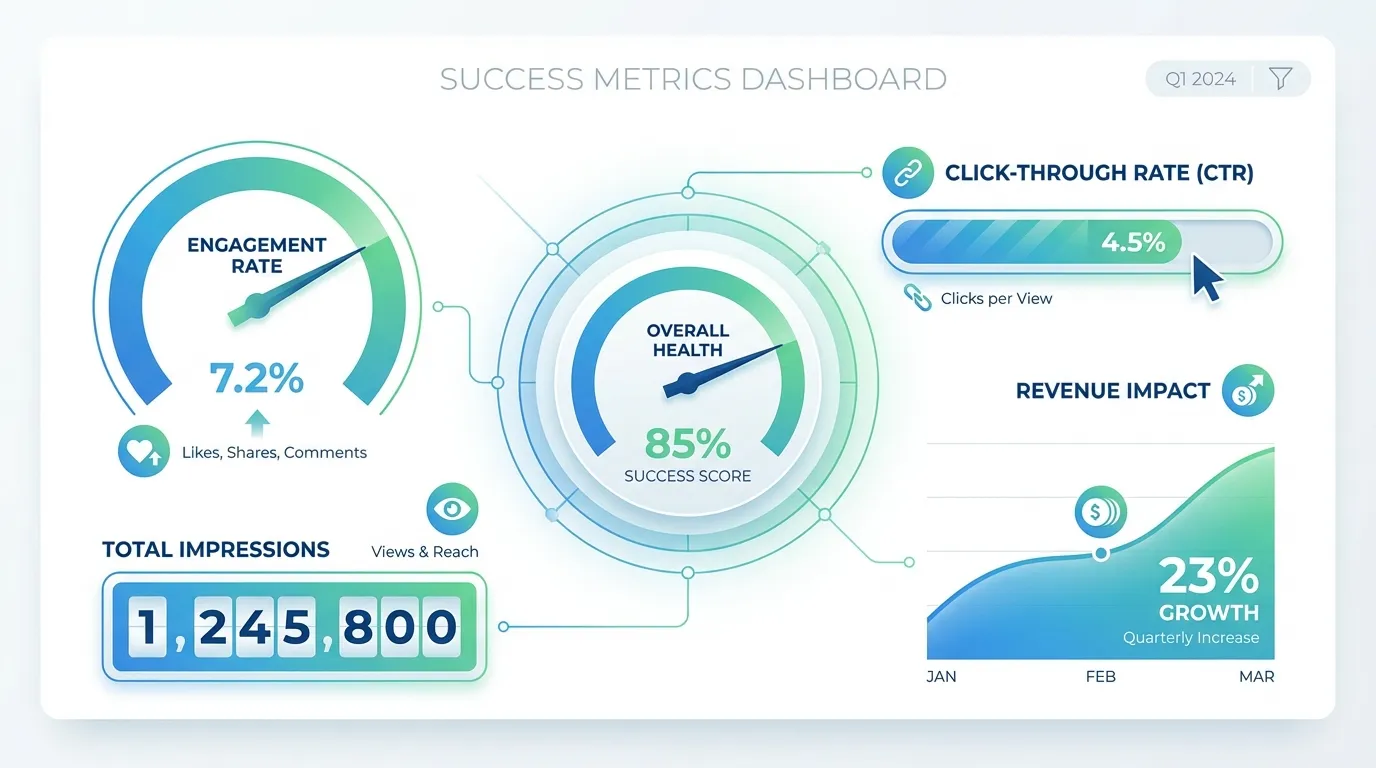
Trust influences purchasing decisions. According to Nielsen’s 2015 Global Trust in Advertising report, 83 percent of consumers completely or somewhat trust recommendations from friends and family.
However, trust without tracking is a liability. Track performance using:
- UTM parameters
- Unique discount codes
- Cost per acquisition
- Revenue per influencer
- Lifetime value of acquired customers
Calculate ROI by dividing total revenue generated by total campaign spend, including influencer fees and management costs.
Then optimise. Pause underperformers. Scale profitable partnerships. Refine creative briefs. Iterate based on data rather than assumption.
Influencer strategy becomes powerful when it operates like any other performance channel. Structured. Measured. Improved continuously.
When you approach it this way, social media influencer marketing shifts from experimental spend to a predictable revenue driver.
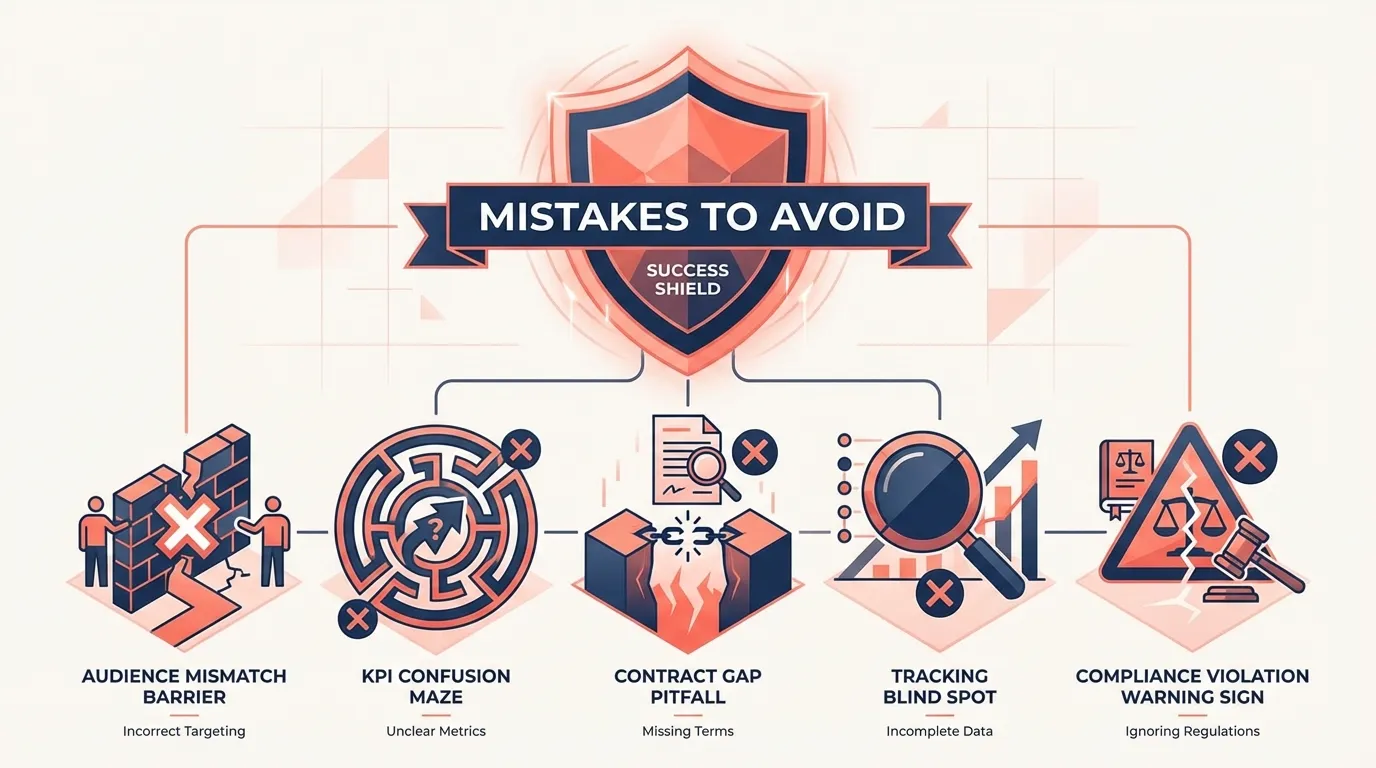
You already understand that follower count alone does not determine success. Yet many brands still make decisions based on visibility rather than viability. That disconnect is where budget leaks happen.
If you want your influencer marketing campaigns to drive measurable business outcomes instead of surface-level engagement, you need to avoid the following strategic errors.
Mistake 1: Ignoring Audience Mismatch
An influencer can have impressive engagement and still be completely wrong for your brand. Audience mismatch happens when:
- The influencer’s followers fall outside your target age group
- Their content attracts aspirational viewers but not buyers
- Their geographic audience is global when you operate locally in Singapore
- Their values or tone conflict with your brand positioning
If you are a premium clinic in Orchard targeting high-income professionals, partnering with a mass-market lifestyle creator whose audience skews teenage will not convert. You may see likes. You will not see revenue.
Before you sign any agreement, request audience insights. Look at:
- Top audience locations
- Age brackets
- Gender split
- Past sponsored performance
Relevance beats reach every time.
Mistake 2: Failing to Define Clear KPIs
Without defined metrics, you cannot evaluate performance objectively. You end up debating opinions instead of analysing data. Start by tying influencer activity to business outcomes. That means choosing KPIs aligned with your campaign objective.
For example:
- If your goal is awareness, measure reach, impressions, and branded search lift
- If your goal is traffic, track click-through rate and session duration
- If your goal is sales, measure conversions, revenue, and cost per acquisition
Set benchmarks before launch. Define what success looks like in concrete numbers. If you are spending SGD 15,000 on a campaign, you should know exactly what return justifies that investment.
Structure replaces guesswork. That is how you turn influencer marketing into a predictable growth channel.
Mistake 3: Skipping Contracts and Deliverable Clarity
Influencer partnerships are commercial agreements. Treat them that way. Too many brands rely on informal WhatsApp discussions and vague email confirmations. When expectations are not documented, misunderstandings follow.
A proper agreement should outline:
- Deliverables and format, including posts, stories, reels, or videos
- Posting timeline
- Usage rights for repurposing content in paid ads
- Exclusivity clauses
- Payment terms in SGD
- Cancellation or revision conditions
Clarity protects both parties. It also ensures your marketing team can repurpose high-performing content across paid social, landing pages, and email campaigns.
If you do not control usage rights, you may be forced to pay again to use content that was already funded by your campaign budget.
Mistake 4: Not Tracking Conversions Properly
Engagement metrics feel good. Revenue metrics pay salaries. You should always implement:
- UTM parameters
- Unique promo codes
- Affiliate tracking links
- Dedicated landing pages
Without tracking infrastructure, you cannot attribute performance accurately. That leads to either overestimating impact or prematurely abandoning a channel that may actually be profitable.
Sophisticated brands treat influencer campaigns like performance marketing. They test, measure, refine, and scale what works. If you are not doing this, you are running awareness experiments rather than business campaigns.
Mistake 5: Overlooking Disclosure and Compliance Requirements
Influencer marketing operates within advertising regulations. Ignoring this is not just risky. It damages trust.
Clear labelling such as “#ad” or “#sponsored” is not optional. It protects consumers and protects your brand from reputational fallout.
Consumers are increasingly savvy. If they detect hidden sponsorships, credibility erodes quickly. Compliance is not a box-ticking exercise. It is part of brand stewardship.
The Strategic Perspective
The common thread across these mistakes is a lack of discipline. When brands choose influencers based on popularity rather than alignment, skip performance tracking, or neglect contractual clarity, they undermine their investment.
Influencer marketing is not informal marketing. It is partnership-driven media distribution powered by trust.
Approach it with the same rigour you apply to paid advertising, SEO, or CRM automation. Define outcomes. Vet partners thoroughly. Track everything. Protect your brand legally and ethically.
Do that consistently, and influencer marketing becomes an asset that compounds over time instead of a budget line that quietly underperforms.
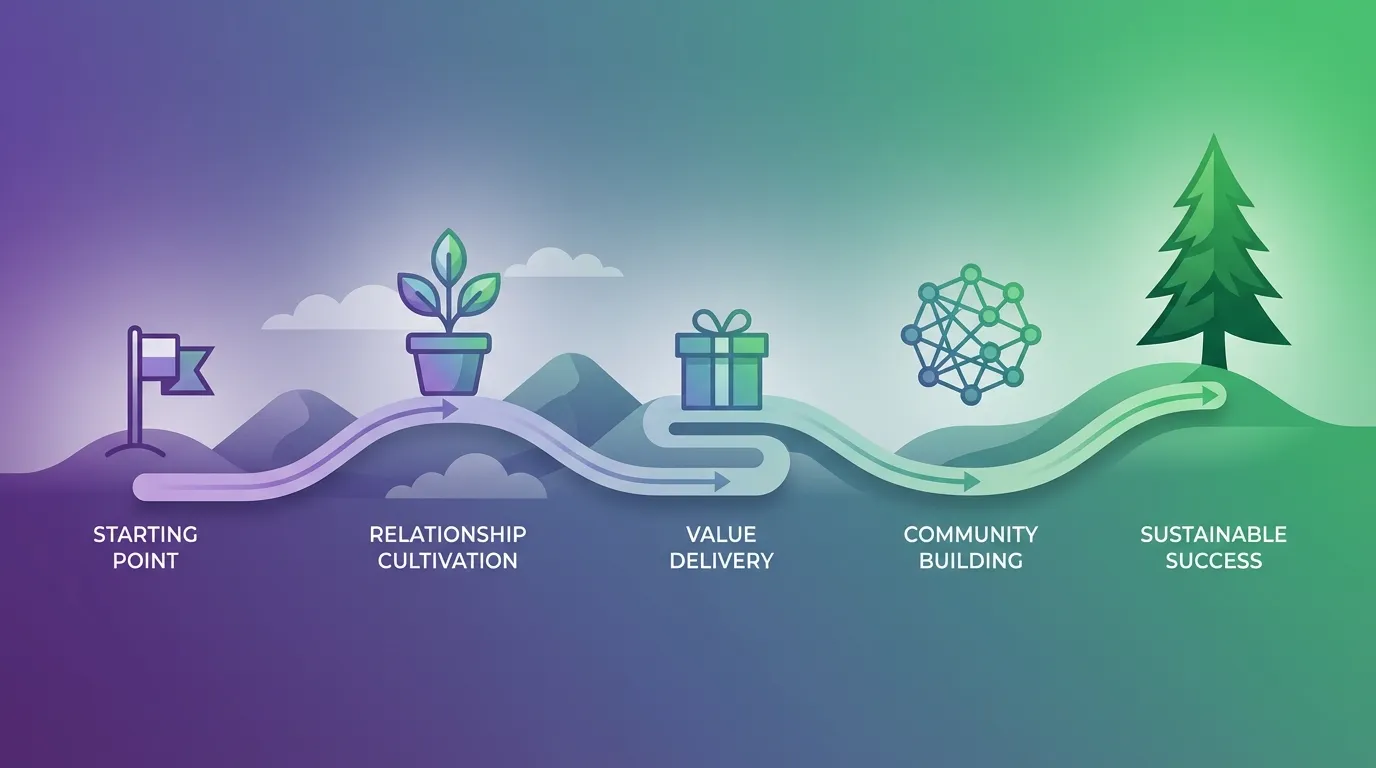
Influencer partnerships should not exist in isolation. They should sit inside a structured marketing system that connects brand positioning, content strategy, paid amplification, and measurable revenue targets.
When you approach influencer selection with clarity on audience, performance benchmarks, compliance, and long-term relationship building, you stop running campaigns and start building assets.
The brands that win in Singapore are not the ones chasing the loudest creators. They are the ones aligning the right voices with the right commercial objectives, then optimising relentlessly. That requires data, negotiation experience, platform expertise, and a clear performance framework.
If you want your next move to be strategic rather than experimental, speak with MediaOne. Our team designs and manages performance-led partnerships that turn influence into measurable growth.
Call us today to explore how a structured, accountable approach to social media influencer marketing can support your wider social media marketing goals and deliver consistent business returns.
Frequently Asked Questions
What legal requirements should brands follow for influencer marketing disclosures in Singapore?
In Singapore, influencer marketing content must meet transparency standards set by the Advertising Standards Authority of Singapore. Influencers are expected to disclose commercial relationships clearly so that audiences can distinguish paid endorsements from organic content.
Transparency is not optional because consumer trust and compliance protect brand reputation. Reviewing guidelines before campaign launch ensures you adhere to local regulatory expectations.
How does the ROI of influencer marketing compare to other digital channels?
Influencer marketing often delivers strong ROI because influencers embed your messaging into authentic content that their audience already engages with. A 2025 Singapore market overview shows influencer campaigns can return an average of 5.8× investment, often outperforming traditional display ads that may only drive awareness without measurable conversion.
Consumers acquired through influencer partnerships tend to exhibit higher lifetime value and retention than those acquired through paid social alone.
What roles do short-form video platforms play in influencer marketing performance?
Short-form video platforms such as TikTok and Instagram Reels dominate current engagement metrics. Singapore brands report that interactive and short-form video content drives particularly high engagement and discovery. While TikTok often leads awareness, Instagram Reels and YouTube Shorts can also drive traffic and conversions when integrated into broader campaign strategies.
How should brands approach B2B influencer marketing compared to B2C?
For B2B influencer marketing, platforms like LinkedIn and YouTube often outperform visually focused networks. B2B audiences rely on thought leadership, educational content, and expert credibility when evaluating products and services. Collaborating with industry experts or business-focused creators can enhance brand authority and lead nurturing, rather than simply driving quick purchases.
Can nano and micro influencers outperform macro influencers for niche campaigns?
Yes. In Singapore, nano- and micro-influencers frequently outperform larger creators in engagement and cost efficiency. Brand partnerships with smaller influencers often produce higher engagement rates because their audiences perceive recommendations as more authentic and personal. For niche audiences or budget-constrained campaigns, working with multiple smaller creators can yield better ROI than a single macro influencer.