

If you have ever wondered how some brands seem to dominate Google for every long-tail query in their niche, you are about to learn their real edge. Within the first 100 words of this article, here it is plainly: studying programmatic SEO examples is one of the simplest ways for small businesses in Singapore to understand how to scale traffic without scaling headcount or budget.
Programmatic SEO is the practice of turning structured data into hundreds or even thousands of high-intent pages at once. Instead of writing one article per keyword, you create a template, feed it with real data and let the system generate pages that each answer a specific search query.
This matters because SMEs usually lose three battles at once. You do not have the content output of an enterprise team, you cannot cover as many keywords as your larger competitors, and you often lack the technical bandwidth to build complex content hubs. Programmatic SEO levels that playing field by helping you multiply your reach without multiplying work.
Done correctly, it lets you compete head-to-head with brands that spend more and publish more. It is also one of the first strategies business owners in Singapore explore when they work with an SEO agency that knows how to build scale without sacrificing quality.
Key Takeaways
- Programmatic SEO gives small businesses in Singapore a practical way to compete with larger brands by turning structured data into hundreds of useful, intent-matching pages at scale. It helps you cover more keywords without increasing content production costs or headcount.
- The strongest programmatic SEO strategies work because they follow a disciplined framework built on reliable data, consistent templates and genuinely valuable content that aligns with Google’s quality guidelines. Brands like Zapier, NerdWallet, Tripadvisor, Indeed, Canva and AirDNA prove that structured, repeatable search patterns can drive significant organic traffic.
- Small businesses can start quickly by creating scalable templates for service plus location pages, product attributes, comparisons, resource libraries and glossary-style queries, then expand once early results validate the approach. With the right structure and quality controls, programmatic SEO becomes a long-term, compounding growth channel.
What Makes Programmatic SEO Work: The Core Framework
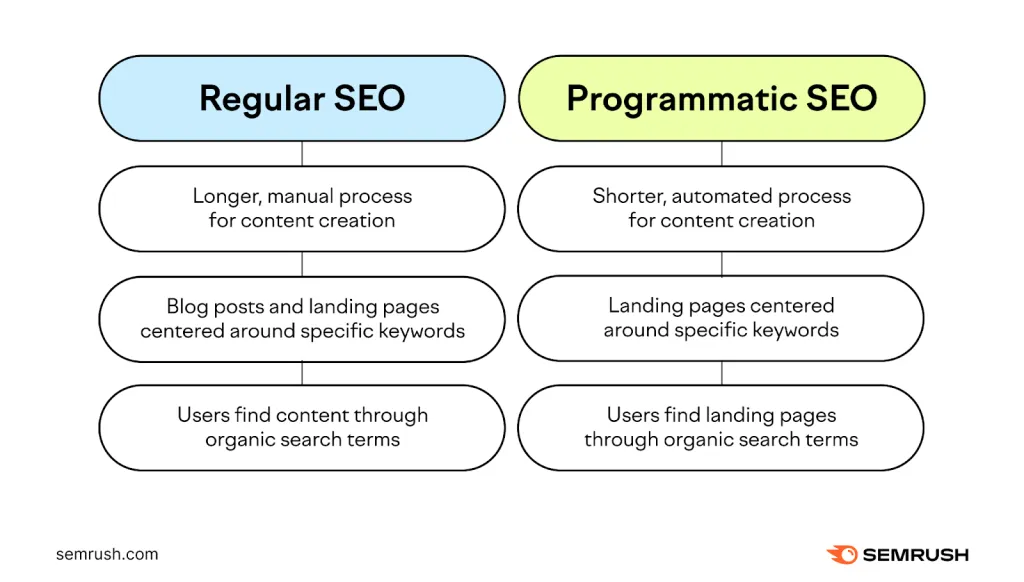
Image Credit: Semrush
You do not win with programmatic SEO by blasting out thin, low-value pages. Google’s own guidelines make it clear that useful, people-first content is what ranks. The brands winning with programmatic SEO are disciplined. They follow a structured workflow built on E-E-A-T and user value.
Here is the simplified version:
The Programmatic SEO Workflow
- Identify scalable search patterns. Look for repeatable keyword structures such as “service + location” or “tool A + tool B”.
- Build a data set. Trusted internal or third-party data powers each page. The quality of this data determines the trustworthiness of the output.
- Create page templates. Templates ensure consistency across hundreds of pages, so every visitor experiences the same quality.
- Generate pages dynamically. This is where scale happens. You feed your data into a template and let it produce unique, search-matching, user-helpful pages.
- Ensure UX and content quality. Images, formatting, internal links, FAQs and CTAs must all be optimised. E-E-A-T is real and well documented in Google’s guidelines.
At every stage, the question remains constant: Does this page provide enough genuine value to earn its place in Google’s index?
Example 1: Zapier – High-Volume Integrations That Drive Intent-Rich Traffic
Zapier is one of the clearest programmatic SEO success stories on the internet today. The company lists more than 10,000 app integrations on its platform and it turns those integrations into thousands of “X + Y integration” pages.
Each page targets a query with existing demand. People genuinely search for “Slack + Google Sheets integration” or “HubSpot + Shopify integration”. Zapier simply meets them with a page that answers the query better than anyone else.

Why This Works
- Zapier’s pages match user intent precisely.
- Every page has functional data about how the integration works.
- The template remains consistent, which Google rewards with strong topical authority.
What You Can Learn
- Map out workflows your customers commonly combine.
- Build pages around “how to connect”, “how to compare” or “how to use” queries.
- Use your support queries or CRM notes to identify real integration patterns.
Example 2: NerdWallet – Scalable Local and Long-Tail Financial Queries
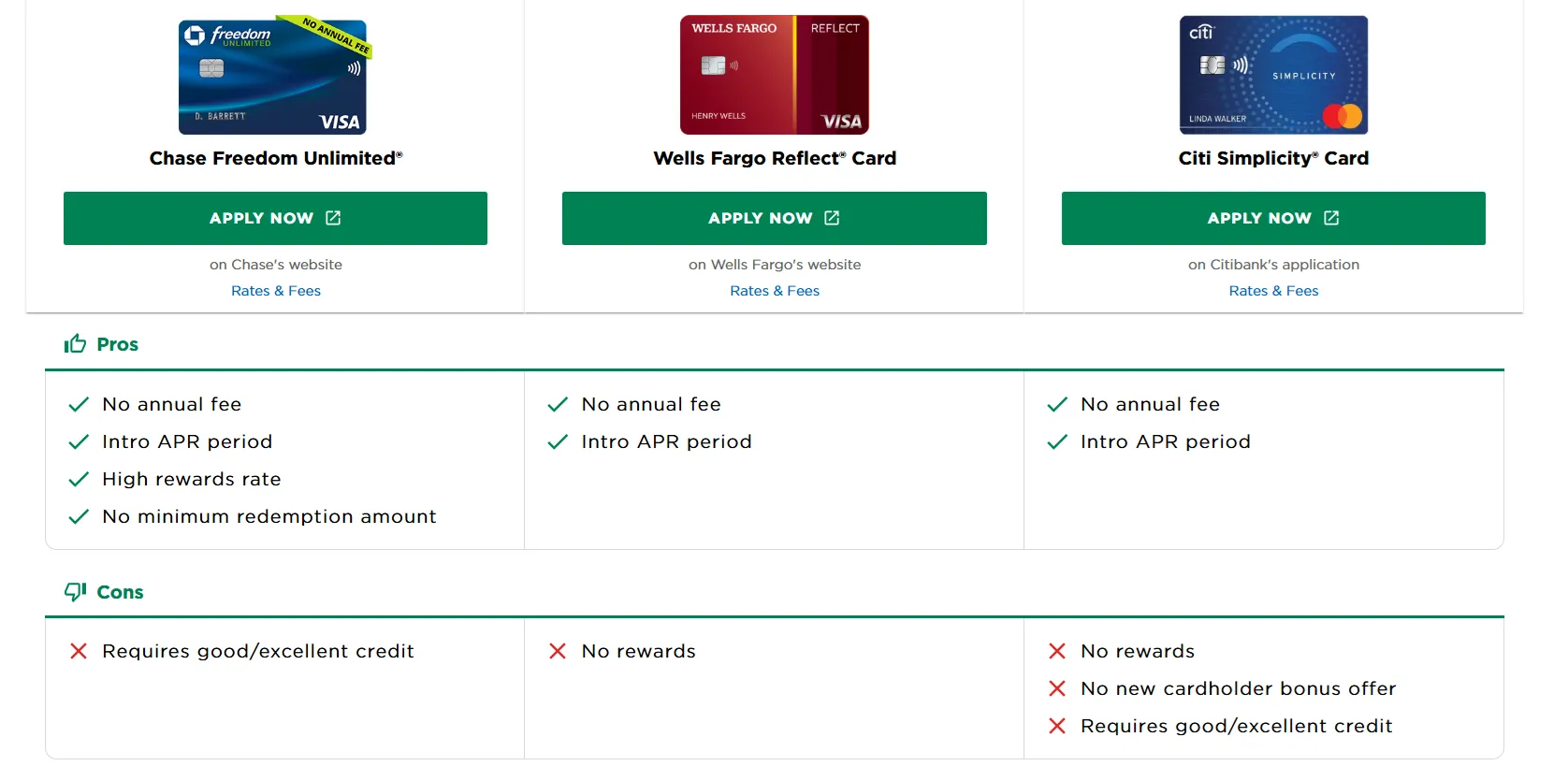
NerdWallet is known for high-quality financial advice, but what most SMEs overlook is the scale behind it. The brand uses programmatic SEO to publish structured comparison pages for credit cards, loans, insurance and more. Each page uses consistent data, sourced from publicly available financial information and verified by subject-matter experts.
Why This Works
- Searchers want structured comparisons.
- Financial data is highly standardised, which lends itself to templates.
- Google rewards trustworthy, expert-reviewed information.
Learnings
- Use structured data from your own pricing, features, reviews or availability.
- Standardise your comparison formats so each page is reliable and predictable.
- Build clusters of content that Google can easily crawl and understand.
Example 3: Tripadvisor – Location + Intent Pages
Tripadvisor ranks for thousands of “Best restaurants in CITY” and “Things to do in AREA” searches. It achieves this through a powerful mix of templates, location data and user-generated content. Because each page is backed by real reviews, verified ratings and live availability, Google sees these pages as credible.

Why This Works
- Location data is inherently structured.
- User-generated content creates depth and variety.
- Each page aligns with strong local intent.
Learnings
- Build programmatic content around neighbourhoods in Singapore such as Bukit Timah, Sengkang, Tampines or Jurong.
- If you are a restaurant, clinic, retail shop or service provider, create intent-based local pages.
- Use reviews and ratings responsibly while respecting Google’s review policies.
Example 4: Indeed – Job + Location + Role
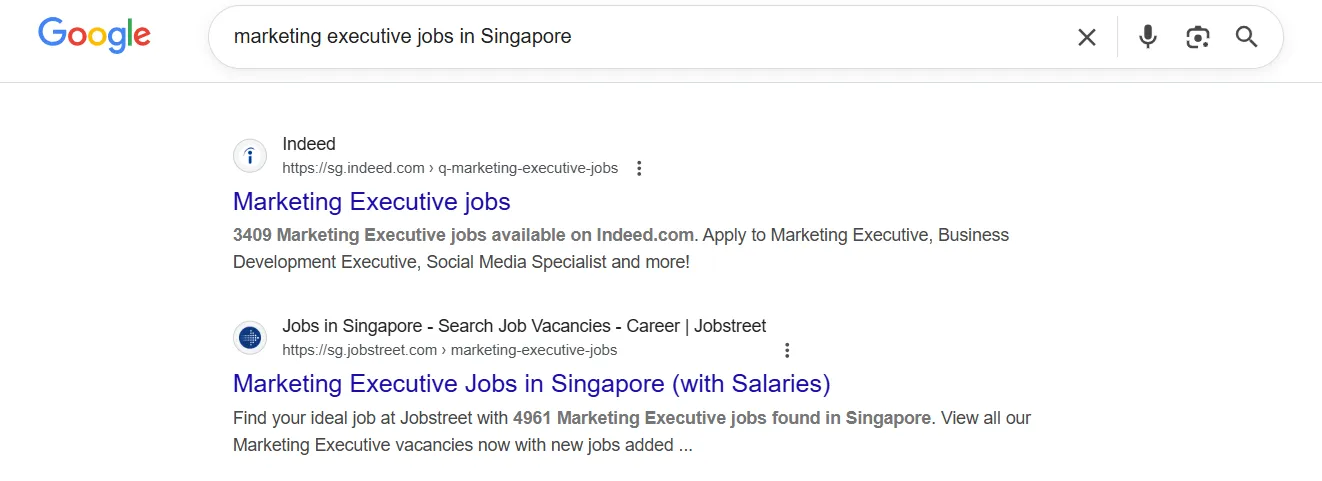
Indeed publishes millions of “role + location” pages. Each page targets jobseekers with extremely specific intent, such as “marketing executive jobs in Singapore” or “admin assistant jobs in Tampines”. This is a textbook programmatic strategy because job listings are inherently structured.
Why This Works
- Job classifications repeat across industries and cities.
- Each listing carries unique employer data.
- Indeed’s templates help ensure consistent user experience.
Learnings
- Build your content marketing strategy around repeatable patterns such as:
- SKU + location
- Service + location
- Problem + audience
- Ensure every page has a clear CTA such as “contact us”, “book now”, “enquire” or “schedule consultation”.
Example 5: Canva – Templates as Programmatic SEO Engines
Canva ranks for thousands of template queries because templates are naturally searchable content objects. Whether users search “birthday invitation template”, “CV templates” or “logo maker”, Canva has pages ready.

Why This Works
- Templates can be scaled consistently.
- Search demand is evergreen and continuous.
- Internal linking drives users deeper into Canva’s ecosystem of resources.
Learnings
- Turn repeatable content into downloadable resources such as:
- Guides
- Checklists
- Calculators
- Recipes
- Sample documents
- Add clear actions such as “download now”, “generate”, “view options” to convert traffic into leads.
Example 6: AirDNA – Data-Driven Programmatic Pages
AirDNA provides Airbnb and short-term rental analytics. It builds geographically segmented pages using market data such as occupancy rates, rental demand and average pricing. Because the data is updated frequently, Google sees these pages as fresh and relevant.
Why This Works
- AirDNA’s data-driven insights demonstrate expertise.
- Regular updates maintain freshness signals.
- Geographic segmentation captures long-tail local queries.
Learnings
- Use your internal data to create dynamic pages such as:
- Price trends
- Availability
- Product specifications
- Service variations
- Refresh data regularly to keep Google’s quality signals high.
Practical Programmatic SEO Ideas for Small Businesses
You do not need a development team or a six-figure budget to get started with programmatic SEO. The key is to identify repeatable patterns in the questions your customers ask and turn those into structured, templated pages. Below are practical, low-lift strategies SMEs in Singapore can launch within weeks, even with lean resources.
a. Service + Location Pages
These are ideal for home services, clinics, fitness studios, cleaning companies, tuition centres or retail outlets with multiple branches. By pairing each service with a specific neighbourhood, you create hyper-relevant pages that match how Singaporeans search.
For example:
- Plumber in Tampines
- Hair salon near Jurong
- Physiotherapy in Woodlands
Each page should follow a consistent template:
- Service overview
- Pricing ranges in SGD
- FAQs
- Trust signals such as reviews or certifications
- Strong CTA to drive enquiries
b. Product Attribute Pages
Ecommerce brands can scale visibility by targeting combinations of features, use-cases and user needs.
Examples:
- Black running shoes for flat feet
- Gluten-free buffet catering
- Ergonomic chairs for home offices in Singapore
Attribute-driven templates make it easy to cover dozens of variations at once.
c. Comparison Pages
If you have multiple products, plans or service tiers, use internal data to generate comparison hubs. These can feature:
- Software feature comparisons
- Product model differences
- Package or plan breakdowns
These can be valuable for high-intent users deciding between options.
d. Resource Libraries
Build predictable content variations such as:
- Checklists
- Calculators
- Templates
- Sizing guides
- Planning frameworks
These resources position your brand as helpful and drive long-tail search traffic.
e. Industry Glossaries or Definitions
Evergreen glossary pages target high-volume, “What is…” keywords like What is PPC or What is on-page SEO. With tight editorial templates, you can scale these definitions quickly and reliably.
How to Execute Programmatic SEO Without Hurting Rankings
Programmatic SEO can deliver massive scale, but it only works when executed with discipline. The goal is to generate high-quality, structured content at volume—not hundreds of thin or repetitive pages that harm your site’s credibility.
For SMEs in Singapore, getting programmatic SEO right means combining automation with strong editorial judgement. Below is a practical execution checklist to ensure your pages add value, align with search intent and stay compliant with Google’s quality expectations.
Execution Checklist
- Avoid thin pages. Every page must serve a real purpose and provide meaningful information. Even if pages follow a template, each one should include unique data points, FAQs, local context or product details that address genuine user needs.
- Conduct SERP sampling. Before building a template, review the top-ranking pages for your target pattern. Analyse their content depth, formatting, media usage and the questions they answer. This helps you identify what Google rewards and ensures your template meets or exceeds the competitive baseline.
- Control indexing. Do not publish hundreds of pages and allow all of them to index immediately. Use noindex tags to keep untested or incomplete templates out of Google’s crawl path until you confirm quality and usefulness. This prevents your domain from being diluted by unfinished content.
- Add internal linking and hub structures. Programmatic pages perform better when Google can easily understand how they fit into your site. Build hubs, link related pages together and ensure each template includes contextual links.
- Track performance through templated dashboards. Monitor impressions, clicks and conversions for each page type. This helps you refine templates, improve underperforming clusters and scale what works.
Case Study: A Small Business Using Programmatic SEO Successfully
Imagine a Singapore-based home services SME with three core offerings: aircon servicing, plumbing and electrical work. Instead of writing one generic page per service, the business creates a structured set of 300 pages covering:
- Service + location
- Service + issue
- Service + property type
For example:
- Aircon servicing in Ang Mo Kio
- Plumbing repair for HDB flats in Pasir Ris
- Electrical troubleshooting for condos in Clementi
The business uses consistent templates, real pricing ranges in SGD and well-researched FAQs based on actual customer enquiries.
Outcome After 6 Months
- Higher visibility for long-tail local queries
- Lower reliance on paid ads
- More inbound leads from organic traffic
- Reduced content production cost compared to writing every page manually
This is a realistic and achievable programmatic win for SMEs without requiring complex engineering.
How to Get Started with Programmatic SEO Today
If you want to use programmatic SEO effectively, the key is to start small and build smart. You don’t need hundreds of pages on day one—you need one strong template and a clear understanding of what your audience is searching for. A focused, iterative approach helps you avoid mistakes, preserve quality and gain early traction without overwhelming your site.
Your Starting Roadmap
- Begin by performing keyword pattern discovery using tools like Google Keyword Planner or Ahrefs. Identify repeatable structures that can support programmatic efforts and local SEO, such as service + location pages or neighbourhood-based queries.
- Next, audit your internal data sets to uncover any structured information you can turn into scalable content.
- Resist the urge to build too much too fast; create one solid template first instead of twenty.
- Launch a small batch of pages to test quality, indexing and early rankings.
- Only after this initial cluster performs should you begin to scale.
The brands winning with programmatic SEO aren’t guessing—they rely on structure, repeatability and genuine user intent.
Learn From These Programmatic SEO Examples To Plan Your Next Move

Image Credit: Search Engine Land
You have seen how big brands scale search using structure, data and intent. The takeaway is simple. Programmatic SEO is one of the most scalable ways for SMEs in Singapore to compete meaningfully with bigger players without bigger budgets.
When you study these programmatic SEO examples, you learn how to build search visibility that compounds over time and drives stronger lead generation results.
Start with high-intent, structured, repeatable queries that help customers find you faster. And when you are ready to execute this with precision, partner with MediaOne, an innovative SEO agency in Singapore. Contact us today and let’s work together to make your business scale smarter, not harder.
Frequently Asked Questions
What is the difference between programmatic SEO and automated content generation?
Programmatic SEO uses structured data and controlled templates to produce high-quality pages at scale, whereas automated content generation typically relies on generic or AI-produced text with little structure or oversight. Programmatic SEO is intentional, pattern-driven and aligned with clear search demand, which makes it far more reliable for ranking.
Is programmatic SEO safe to use after Google’s Helpful Content updates?
Yes, as long as the pages provide genuine value and are not thin or purely machine-generated. Google’s Helpful Content guidance focuses on usefulness and expertise, which means programmatic pages must offer real insights, structured information and clear relevance to the search query.
Does programmatic SEO require coding or a developer team?
Not always. Many SMEs use low-code tools, spreadsheets, site builders or no-code platforms to create scalable templates without heavy engineering work. A developer helps with automation, but most businesses can launch small programmatic clusters without complex technical builds.
How long does it take for programmatic SEO pages to rank?
Most programmatic pages follow the same timeline as traditional SEO, often taking 3 to 6 months to stabilise in rankings. Performance depends on template quality, competition and how well the pages match existing search intent.
Can programmatic SEO work for niches with low search volume?
Yes, because programmatic SEO excels at capturing many low-volume, high-intent queries that competitors usually ignore. When aggregated, these long-tail pages can drive substantial cumulative traffic and conversions for smaller businesses.