If you are learning SEO marketing basics, you may have likely heard that keywords drive traffic. That is true, but traffic alone does not guarantee results. What truly determines whether visitors stay, engage, or convert is keyword intent. Understanding why someone searches is just as important as knowing what they search.

Search engines no longer rank pages based only on keyword placement. They analyse user behaviour, content structure, and search patterns to determine whether a page satisfies intent. When your content aligns with intent, rankings improve naturally because the page answers the real question behind the query.
If you are trying to grow sustainably and feel unsure about implementing intent-driven strategies, partnering with an experienced SEO agency can accelerate results. Expert guidance often helps businesses avoid costly misalignment and wasted traffic.
In this guide, you will learn how keyword intent fits into SEO basics, how to identify different types of intent, and how to optimise your content to improve traffic quality.
Key Takeaways
- Understanding keyword intent transforms how you plan, write, and optimise content within SEO marketing basics; it aligns visibility with user goals rather than just keyword volume.
- Conducting detailed intent analysis helps ensure content matches what people actually want when they search.
- Mapping intent types to stages of the marketing funnel improves engagement and conversion quality.
- Effective optimisation combines intent alignment with technical SEO, content structure, and user experience improvements.
What Is Keyword Intent in SEO Marketing Basics?

In SEO marketing basics, keyword intent sits at the centre of every effective strategy. It goes beyond the words typed into a search bar and focuses on the purpose behind them.
When someone enters a query, they are trying to achieve something specific. They might want to learn, compare options, solve a problem, or complete a purchase. Keyword intent captures that underlying goal.
Consider how different searches reveal different needs:
- “How to optimise a blog post” signals a desire for step-by-step guidance.
- “Best SEO software for small business” suggests comparison and evaluation.
- “Buy SEO audit package” reflects readiness to take action.
Although each query includes “SEO,” the mindset behind each one differs. Treating them as identical leads to content that feels misaligned and unsatisfying.
Why Keyword Intent Is Critical in SEO Marketing for Better Traffic
When people begin learning SEO marketing basics, search volume often becomes the main focus. A keyword with thousands of monthly searches looks like an obvious opportunity. More searches appear to mean more visitors, and more visitors appear to mean more growth.
That logic feels sound. In practice, it rarely delivers the expected results.
Search volume only reflects how often a phrase is typed into a search engine. It says nothing about the mindset behind the query. Keyword intent explains that mindset. It reveals whether someone wants information, comparisons, or a direct purchase.
Without understanding intent, even well-optimised pages attract the wrong audience. Over time, that mismatch weakens performance.
What Intent Alignment Actually Changes
Content that matches user intent creates a different kind of engagement. Visitors stay longer because the page answers the question they came with. They scroll, click, and explore related sections. Engagement metrics improve naturally rather than through manipulation.
When content matches user intent, you may observe improved engagement metrics such as longer time on page and increased interaction with internal links. However, bounce rate is a nuanced metric—a high bounce rate isn’t always negative.
For informational queries where users quickly find answers, high bounce rates can indicate satisfaction rather than failure. What matters most is whether users found what they sought, not the bounce rate itself
Search engines interpret these behavioural patterns as signals of satisfaction. Pages that consistently meet expectations tend to hold rankings more steadily than pages that generate curiosity clicks but fail to deliver clarity.
This dynamic sits at the core of SEO marketing basics. Rankings reflect usefulness, not keyword density.
Why High Volume Alone Can Mislead
Take the query “best SEO tools comparison.”
The phrasing suggests evaluation. The searcher likely wants side-by-side comparisons, feature breakdowns, and practical insights. They are weighing options.
A page that promotes a single tool without comparison feels incomplete in that context. The reader leaves to find broader analysis elsewhere. Over time, pages that provide structured comparisons replace the promotional page in search visibility.
The issue is not keyword targeting. The issue is failing to recognise the investigative intent embedded in the phrase.
High volume can create a false sense of opportunity. Without intent alignment, traffic numbers increase while business outcomes remain flat.
Intent Shapes Traffic Quality
There is a meaningful difference between attracting attention and attracting alignment.
Consider an informational query such as “What is technical SEO?” The person asking that question may be learning fundamentals. They may not be ready to hire a consultant or purchase a service package.
A sales-focused page targeting that query often generates visits but limited conversions. Meanwhile, a well-structured educational guide builds credibility and positions the brand as a trusted source. That trust influences future decisions, even if no immediate transaction occurs.
SEO marketing basics involve recognising where each keyword sits in the decision journey. Informational searches build awareness. Comparison queries support evaluation. Transactional searches indicate readiness.
When content respects that progression, traffic becomes structured rather than scattered.
Intent Transforms Visibility Into Value
Traffic without relevance inflates analytics dashboards. Traffic aligned with intent builds measurable growth.
Intent alignment:
- Connects users with the content format they expect
- Guides readers naturally toward the next logical step
- Strengthens authority across funnel stages
- Improves conversion efficiency over time
Rather than chasing every high-volume phrase, an intent-driven strategy prioritises precision. The focus shifts from quantity to fit. That shift turns organic visibility into sustained engagement and revenue potential.
Within SEO marketing basics, understanding keyword intent is not an advanced tactic reserved for specialists. It is a foundational principle that shapes every effective content decision.
The Four Types of Keyword Intent in SEO Marketing Basics
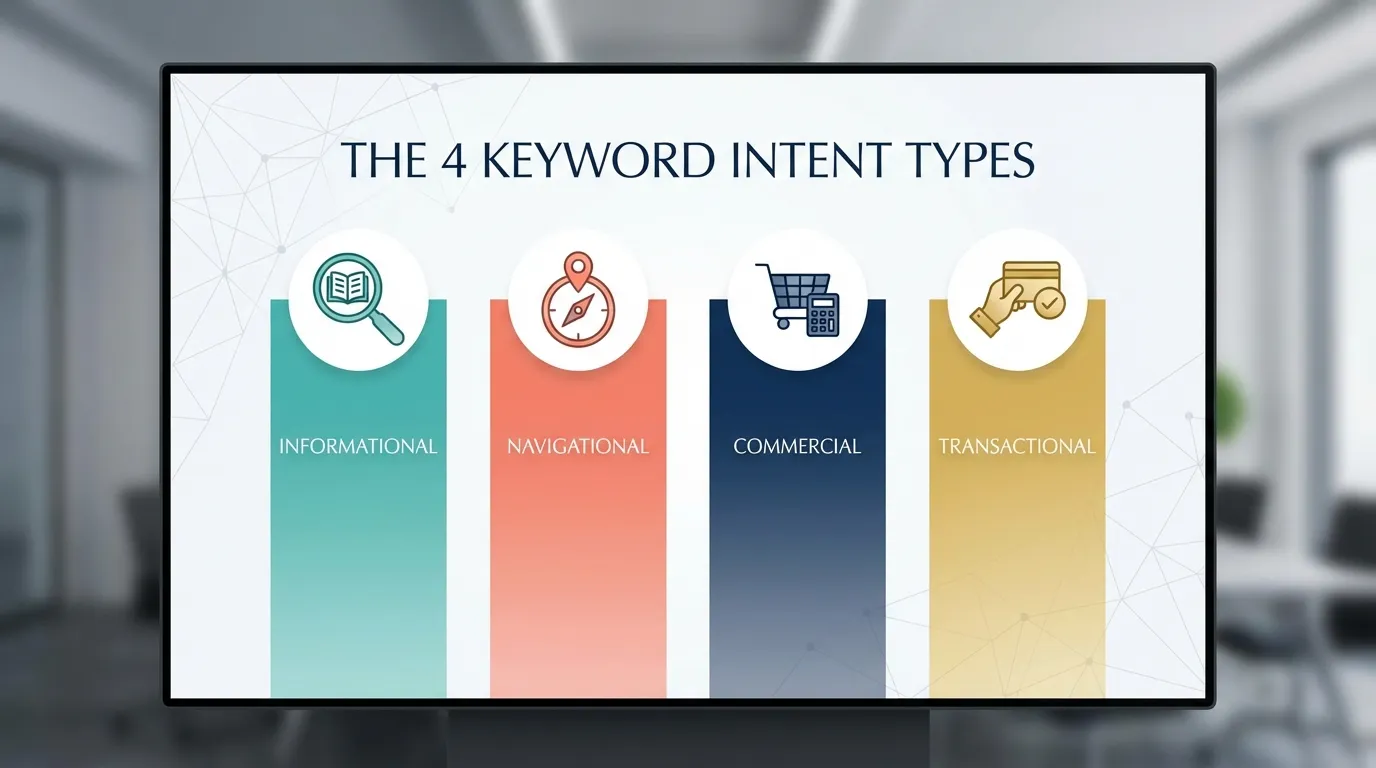
To understand SEO marketing basics at a practical level, you need to look beyond keywords as strings of text. Every search reflects a purpose. Some searches are driven by curiosity. Others are motivated by comparison or urgency.
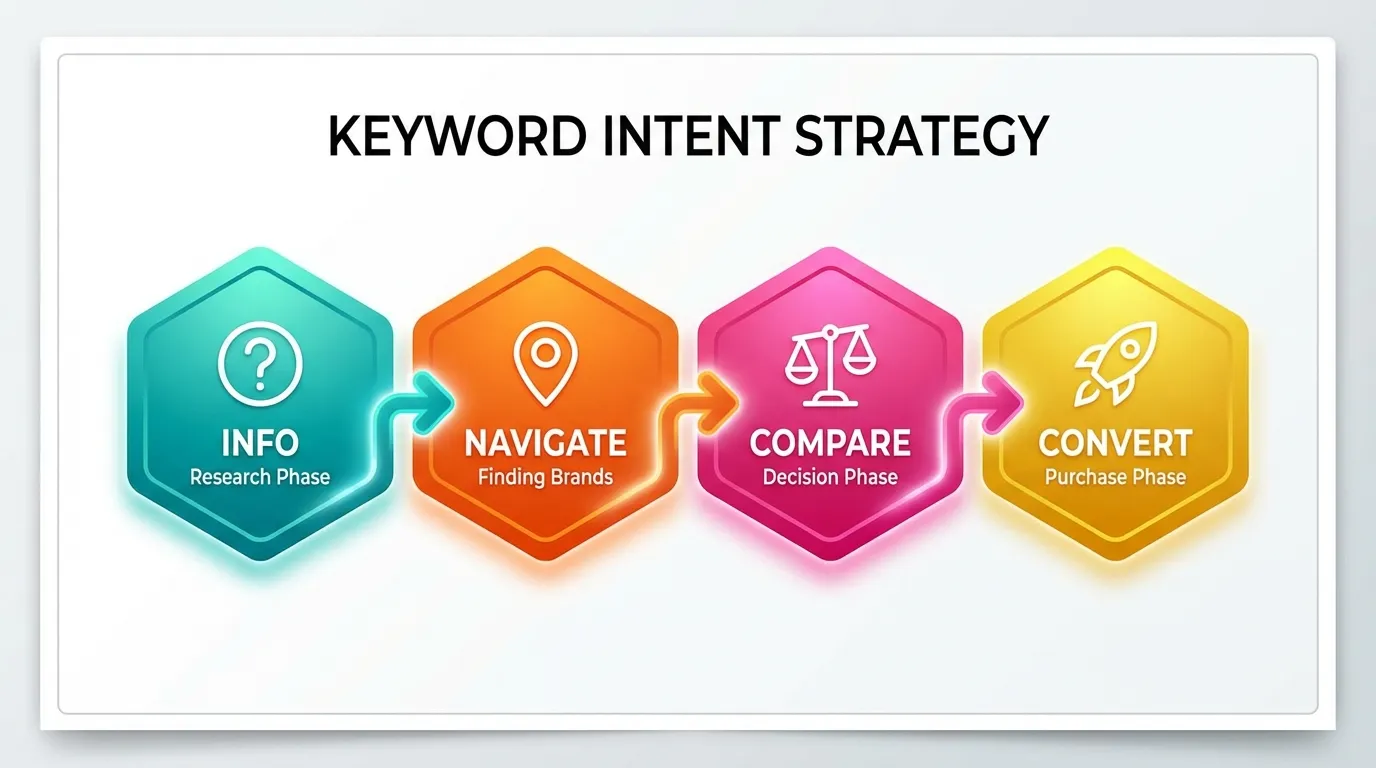
Recognising that purpose allows you to shape content that fits what the user actually wants. Most queries fall into four core intent categories: informational, navigational, commercial investigation, and transactional.
Real searches sometimes overlap, but these classifications provide a reliable framework for planning content and structuring pages.
Informational Intent
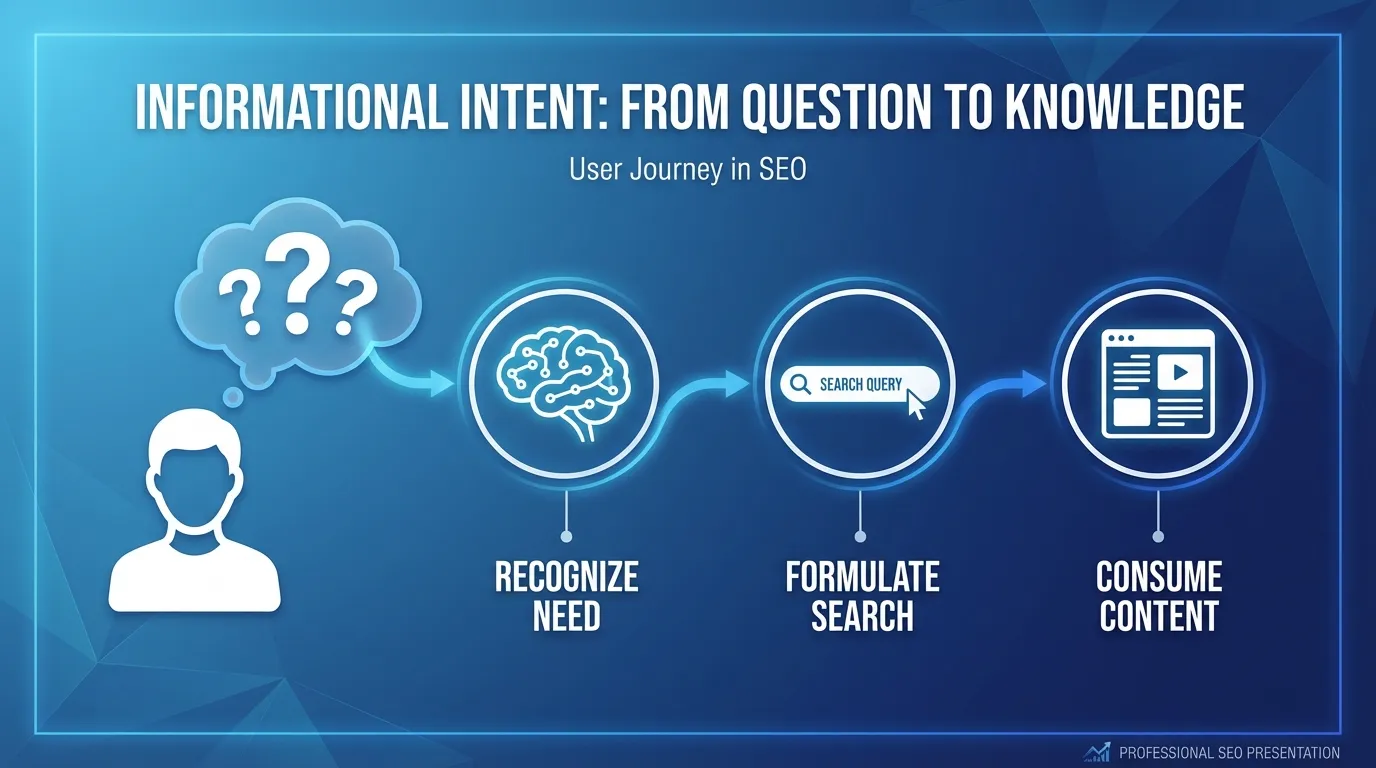
Informational intent forms the backbone of SEO marketing basics. These searches revolve around learning, clarification, and exploration.
Common modifiers include:
- How
- What
- Why
- Guide
- Tips
- Examples
- Tutorial
Examples of informational queries:
- “What are SEO marketing basics?”
- “How to improve organic traffic”
- “SEO content strategy guide”
At this stage, the searcher wants insight. They are not evaluating vendors yet. They are building understanding.
Effective content formats for informational intent include:
- In-depth blog articles
- Step-by-step tutorials
- Long-form guides
- Educational videos
- FAQ-driven explainers
Strong informational pages share certain traits. They move logically from simple concepts to more advanced points. They use structured headers so readers can scan easily. They include examples that clarify the theory. Internal links connect related topics without overwhelming the reader.
Calls to action should feel aligned with the reader’s stage. Offering a related resource or downloadable checklist works well. Heavy sales messaging disrupts the learning experience and weakens engagement signals.
Informational content builds trust. It also feeds later stages in the funnel through thoughtful internal linking.
Navigational Intent
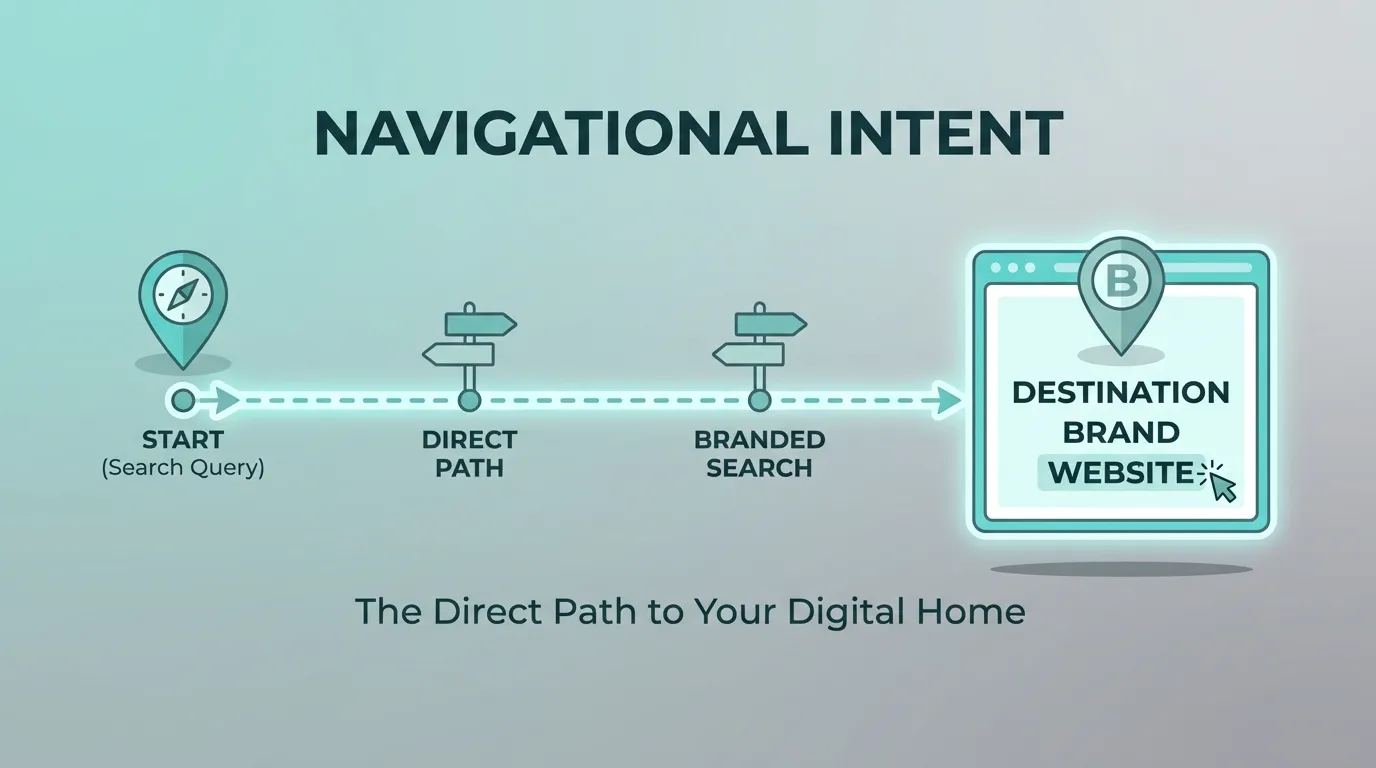
Navigational searches are direct. The user already knows where they want to go and uses the search engine as a shortcut.
Examples include:
- “Google Search Console login”
- “HubSpot SEO tools”
- “Ahrefs pricing page”
These queries focus on specific brands or platforms. Within SEO marketing basics, navigational optimisation centres on visibility and technical clarity rather than content expansion.
Key priorities include:
- Ensuring branded pages rank for your company name
- Maintaining accurate metadata
- Keeping site architecture clean
- Monitoring brand-related search results
Brand authority plays a central role here. When users search for a company and see unrelated pages ranking above the official site, it signals an issue with visibility or authority.

Navigational intent is less about persuasion and more about access. The user has already decided where they want to land.
Commercial Investigation Intent
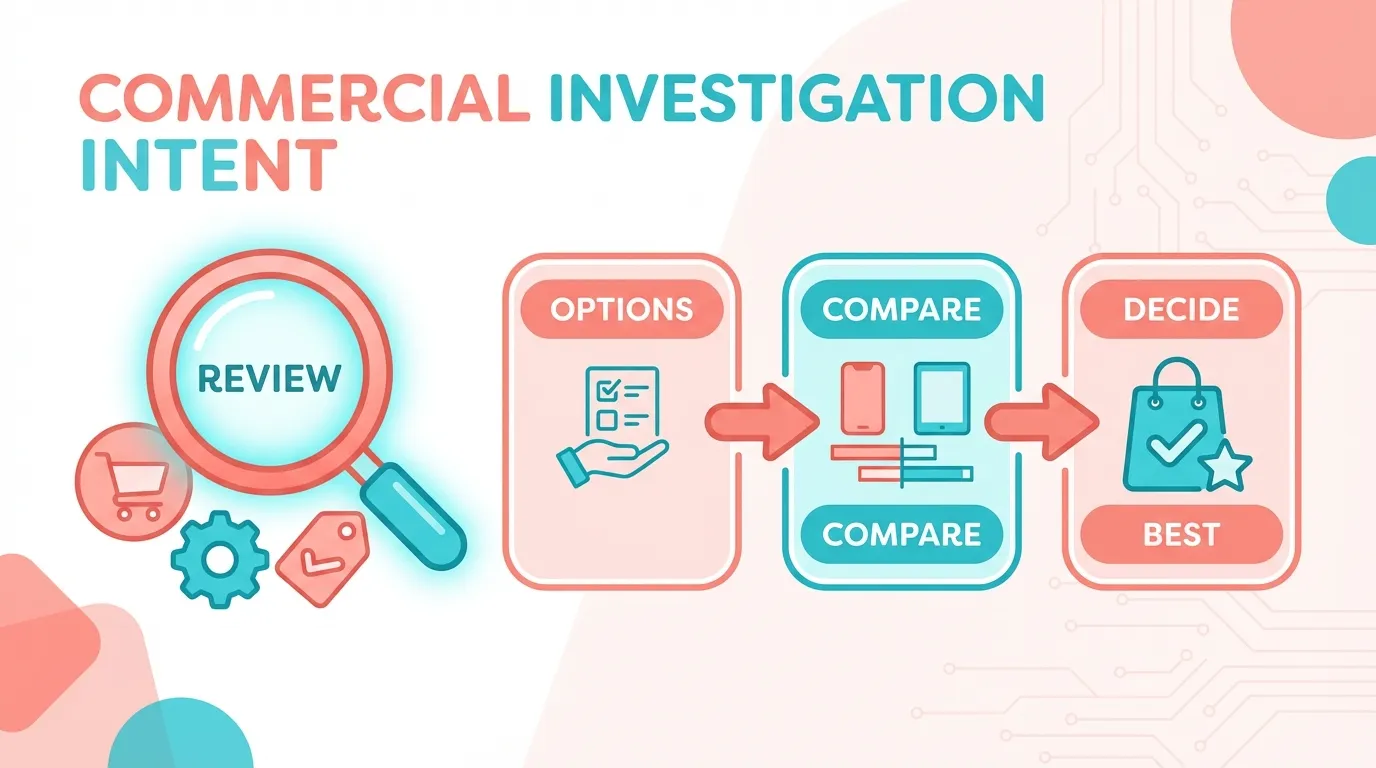
Commercial investigation represents a transitional stage. The user is evaluating options and gathering evidence before committing.
This category often includes modifiers such as:
- Best
- Top
- Review
- Compare
- Alternatives
- Pricing
Examples:
- “Best SEO agency for startups”
- “SEO software comparison 2026”
- “Top SEO services pricing”
- “Ahrefs vs SEMrush”
The searcher here is serious about solving a problem. They are narrowing choices and weighing trade-offs.
Content targeting this intent performs best when it balances objectivity with guidance. Effective formats include:
- Comparison articles
- Roundup lists
- Case studies
- Feature breakdowns
- Structured reviews
Authority matters significantly at this stage. Readers expect transparency, not vague claims. That means presenting strengths and limitations clearly. Pricing details, use cases, and real-world examples add credibility.
Commercial investigation pages often attract high-quality leads. They connect educational research with purchasing readiness.
Transactional Intent
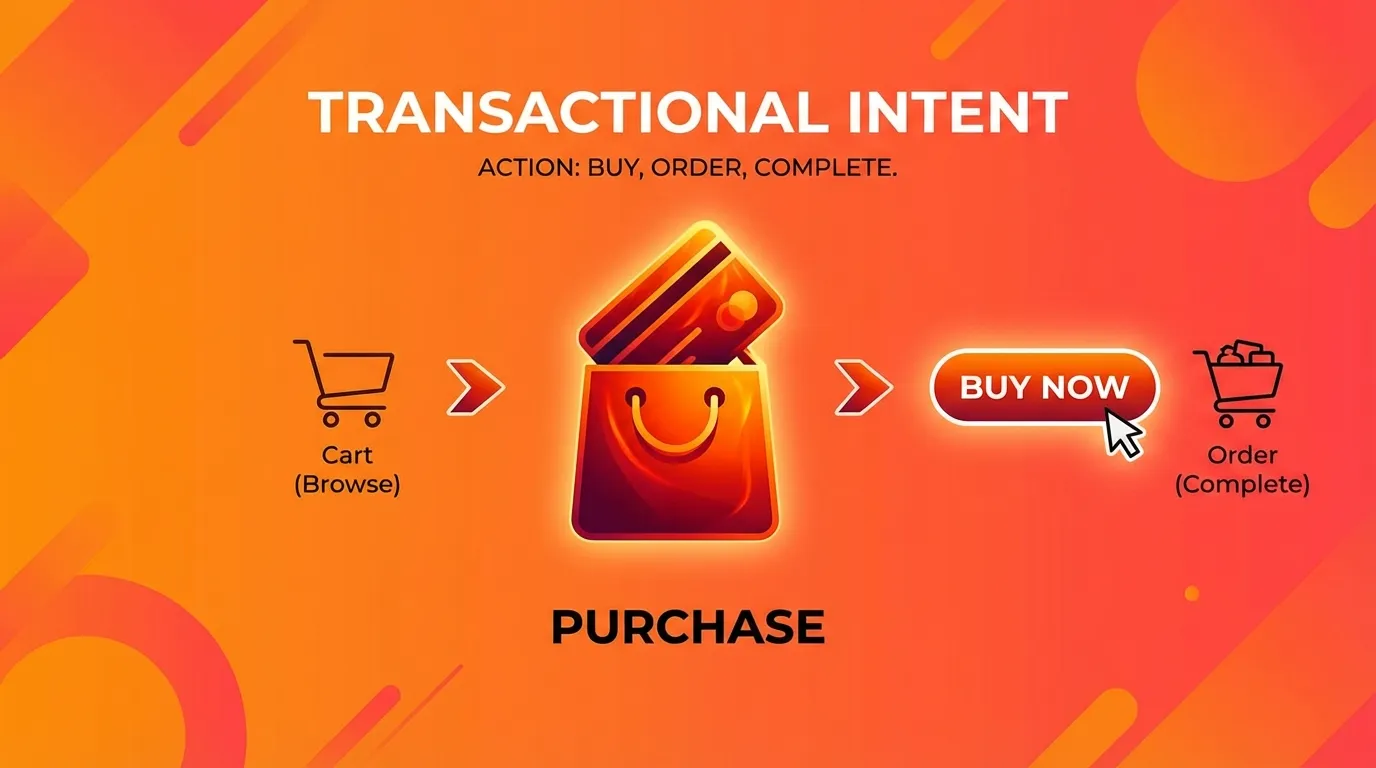
Transactional intent reflects readiness to act. The searcher wants to hire, buy, book, or subscribe.
Common modifiers include:
- Buy
- Hire
- Get
- Order
- Near me
- Quote
- Discount
Examples:
- “Hire SEO consultant”
- “Buy SEO audit package”
- “Affordable SEO services near me”
- “SEO agency pricing”
Pages targeting transactional queries should focus on clarity and confidence. Visitors do not need long theoretical explanations at this stage. They need reassurance and direction.
Effective transactional pages typically include:
- A clear value proposition near the top
- Benefit-focused messaging
- Straightforward navigation
- Visible calls to action
- Testimonials or case studies
- Trust indicators such as certifications
Many businesses dilute conversions by sending ready-to-act visitors to general blog content. A service-focused landing page provides a smoother experience and removes friction.
Transactional intent requires precision and simplicity.
How Search Engines Interpret Intent
Search engines interpret intent by analysing patterns at scale. Over time, algorithms learn which content formats satisfy specific queries based on user interaction.
These signals include:
- Click behaviour
- Time spent on page
- Engagement patterns
- Return searches
You can observe intent directly by reviewing the search results page.
When analysing a keyword, examine:
- The top-ranking pages
- The dominant content format
- Featured snippets
- AI-generated summaries
- People Also Ask sections
- Video or image integrations
The composition of the results page reveals how search engines classify the query. A results page filled with guides and tutorials signals informational intent. A page dominated by service listings or product pages reflects transactional demand.
SERP analysis remains one of the most practical skills within SEO marketing basics. Instead of guessing what content should rank, you study what already performs well and identify consistent patterns.
In some cases, intent appears mixed. When that happens, look for the most common format among the top results. That dominant structure usually represents the primary intent.
Understanding how search engines interpret queries allows you to align content more accurately. Over time, this alignment strengthens authority, improves engagement metrics, and supports sustainable organic growth.
Mastering these four intent types and learning how search engines interpret them changes how you approach keyword research. You stop chasing volume blindly and start building structured content aligned with real user goals. That shift is what transforms basic optimisation into strategic SEO marketing basics that produce meaningful traffic.
Step-by-Step Guide to Optimising Content for Keyword Intent in SEO Marketing Basics
If keyword research tells you what to target, intent tells you how to build the page. This is where many businesses struggle. They identify strong keywords, publish content, and still fail to rank or convert. The gap is almost always intent alignment.
In practical terms, optimising for keyword intent within SEO marketing means shaping every visible and structural element of a page around the user’s goal. That includes the headline, layout, depth of explanation, calls to action, and even technical markup.
Let’s break this down in a structured, usable way:
Step 1: Analyse the Search Results Page First
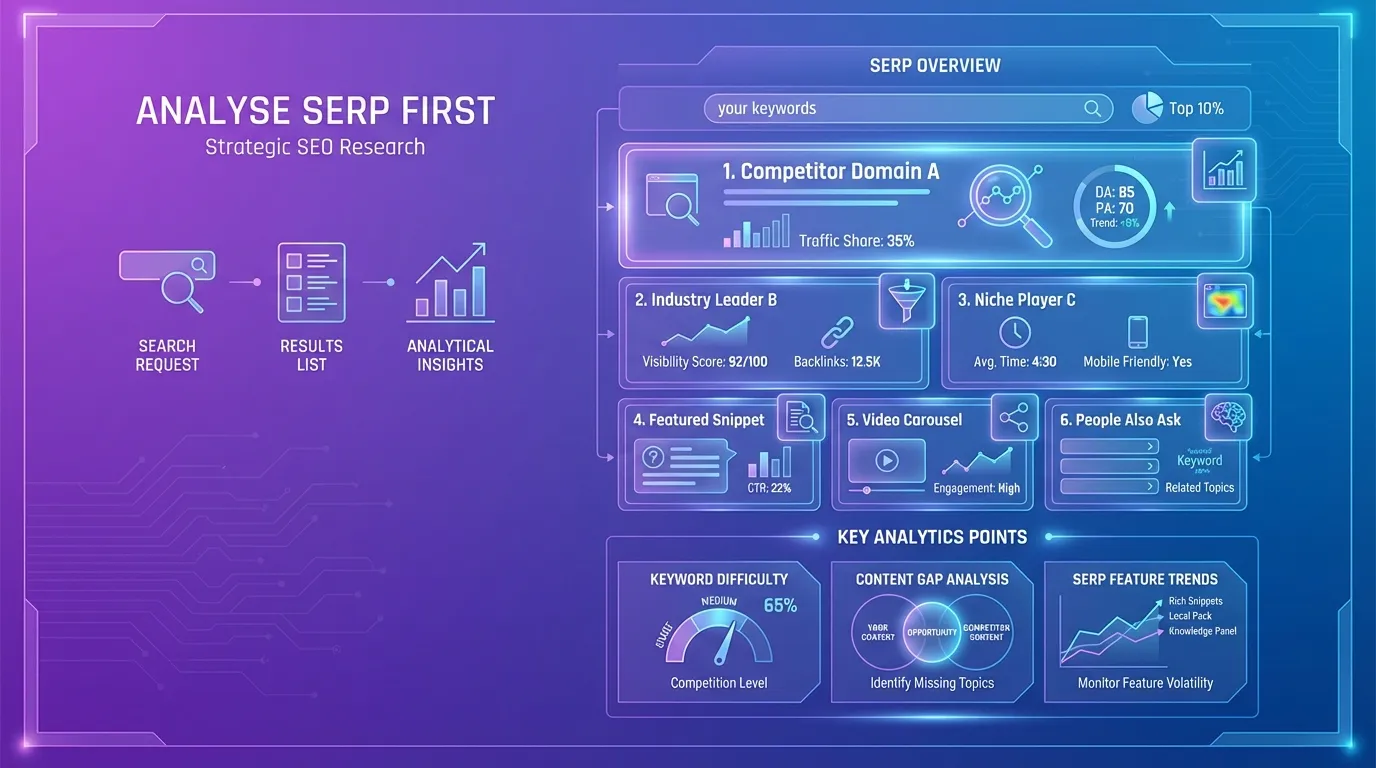
The search results page offers the clearest signal of how Google interprets a query. Before relying on keyword tools, review what already ranks.
Look closely at the first page:
- Are the top results detailed blog posts?
- Do service pages dominate?
- Are there comparison listicles such as “Top 10” roundups?
- Do product listings appear with pricing information?
The ranking format reveals what users expect. For example, a query that consistently returns educational guides signals informational intent. A query dominated by service landing pages suggests transactional behaviour.
SERP features also provide context:
- Featured snippets usually reflect informational intent.
- Shopping results and product carousels indicate transactional activity.
- “People Also Ask” boxes highlight common follow-up questions.
- Review stars often appear in commercial investigation searches.
Within SEO marketing basics, reviewing the SERP prevents strategic misalignment. It grounds your decision-making in real search behaviour rather than assumption.
Step 2: Study Keyword Modifiers Carefully
Modifiers provide subtle but useful clues about the user’s mindset. Certain words frequently appear at different stages of the search journey.
Informational Modifiers
These suggest learning or research:
- How
- What
- Why
- Guide
- Tutorial
- Tips
- Examples
Searches such as “how to improve organic traffic” or “SEO marketing basics guide” reflect curiosity and a desire for explanation.
Commercial Investigation Modifiers
These indicate evaluation:
- Best
- Top
- Review
- Compare
- Alternatives
- Vs
Queries such as “best SEO agency for startups” or “SEO tools comparison” reflect decision-making in progress.
Transactional Modifiers
These signal readiness to act:
- Buy
- Hire
- Pricing
- Quote
- Near me
- Book
Searches like “hire SEO consultant” or “SEO services pricing” point to clear action intent.
Modifiers simplify classification, but they are not absolute. Some keywords lack obvious signals, which makes SERP analysis even more important.
Step 3: Use SEO Tools Thoughtfully
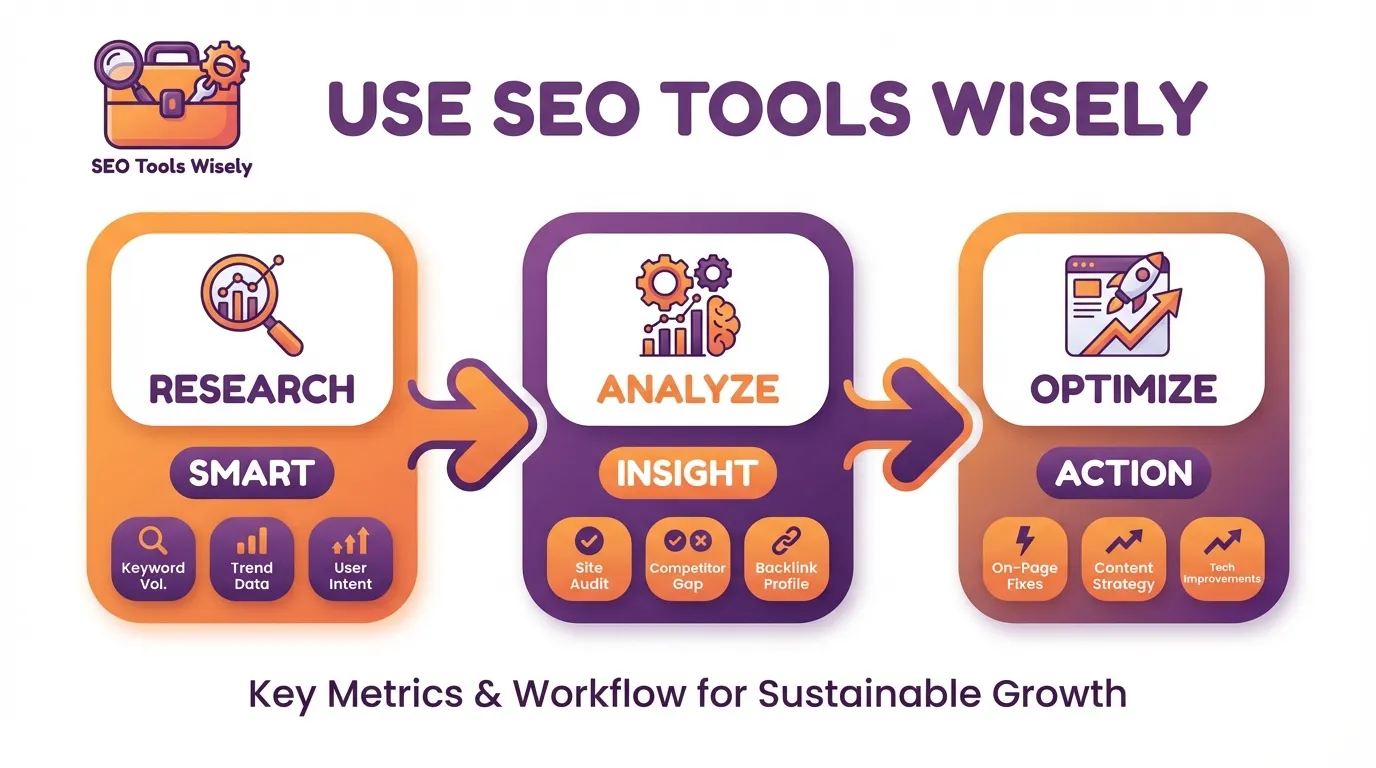
Keyword research tools often automatically assign intent categories. These classifications help organise large keyword lists quickly, especially during content planning.
However, automated labels sometimes misrepresent real-world behaviour. Intent can shift over time as industries evolve and user expectations change.
When reviewing tool data:
- Compare intent labels with actual search results.
- Examine the titles and meta descriptions of ranking pages.
- Identify consistent content patterns in the top positions.
SEO marketing basics prioritise validation over automation. Tools support efficiency, but direct SERP review refines accuracy.
A practical workflow involves generating keyword lists from tools, grouping them by suggested intent, then manually reviewing high-priority terms to confirm alignment. This approach balances scale with precision.
Step 4: Map Each Keyword to a Funnel Stage
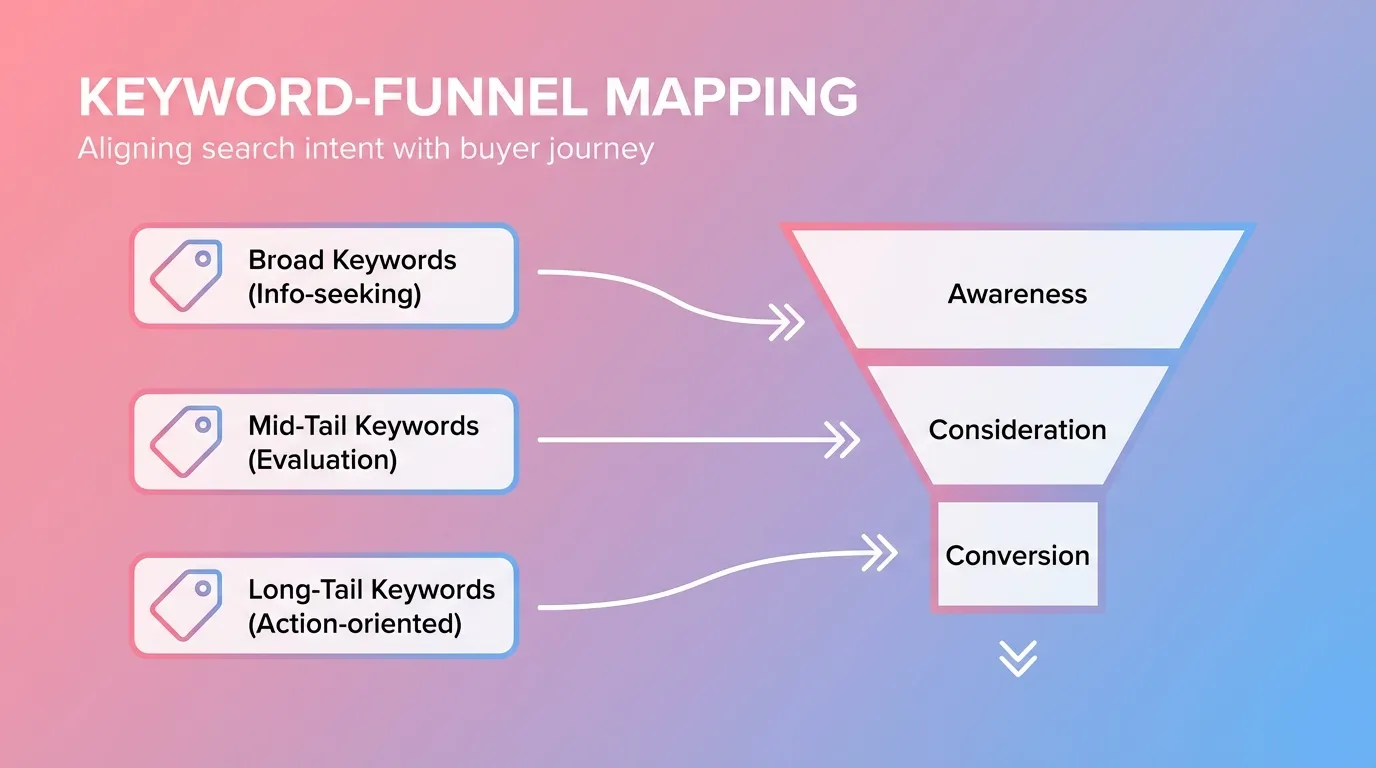
Intent analysis gains real value when applied to site structure and internal linking. Think of your website as a connected journey rather than a collection of unrelated pages.
Top of Funnel Content (ToFu)
Educational resources that introduce foundational concepts are here. An in-depth article explaining SEO marketing basics would typically belong at this stage.
These pages should:
- Provide thorough explanations.
- Introduce related topics naturally.
- Link to deeper evaluation resources.
The purpose is to educate and build trust.
Middle of Funnel Content (MoFu)
Comparison and evaluation content support readers who are narrowing options.
These pages often:
- Highlight differences between solutions.
- Provide transparent comparisons.
- Include testimonials or supporting data.
The goal is informed evaluation.
Bottom of Funnel Content (BoFu)
Service pages, pricing pages, and booking forms represent the final stage.
Effective pages at this stage:
- Present benefits clearly.
- Reinforce authority and credibility.
- Reduce friction with visible calls to action.
The goal is confident decision-making.
Step 5: Align Headlines With Intent
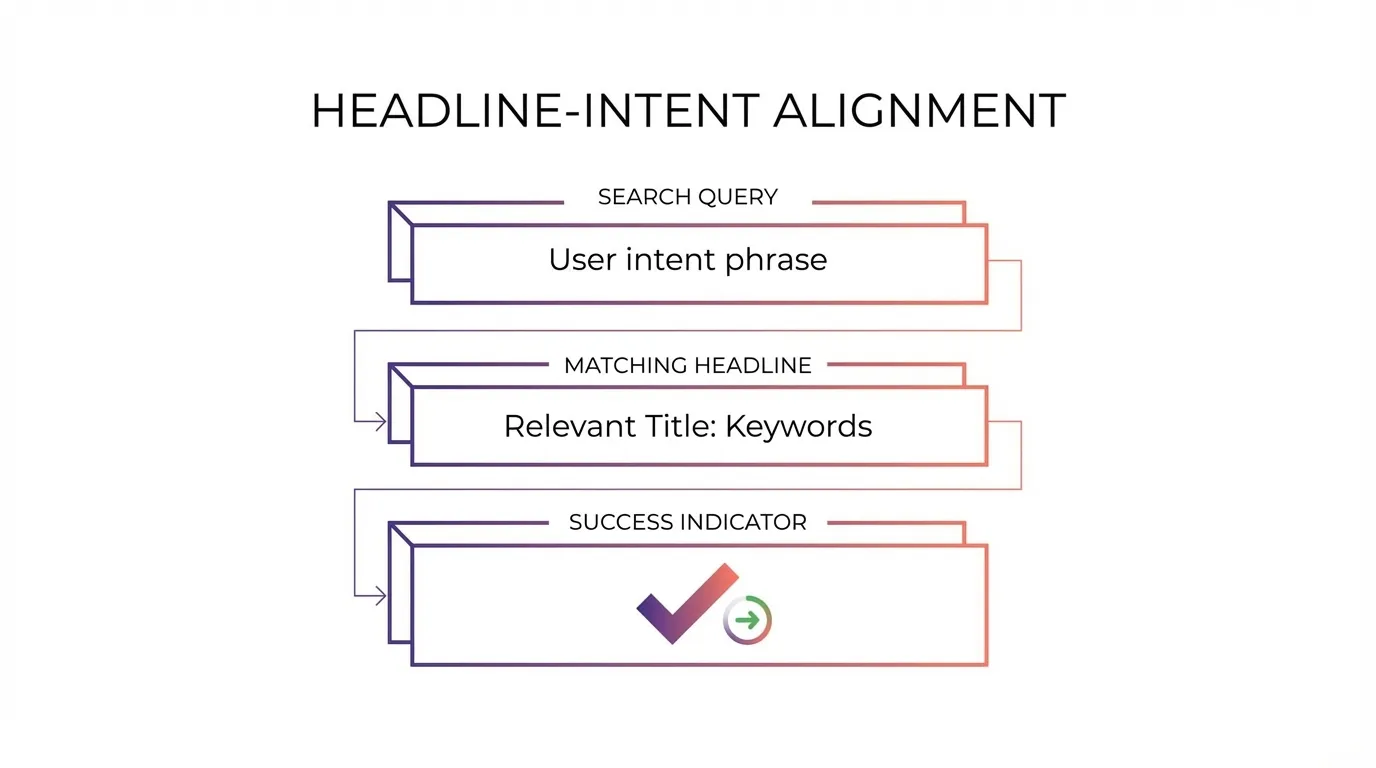
Your headline sets the contract with the reader. If it promises one thing and delivers another, search engines notice. Users leave. Rankings drop.
When aligning headlines with intent, focus on:
- The stage of the user journey
- The specific outcome they expect
- The format that best answers the query
For example:
- Informational intent: “What Are SEO Marketing Basics? A Beginner-Friendly Guide”
- Commercial investigation intent: “Best SEO Tools Compared: Features, Pricing, and Use Cases”
- Transactional intent: “Affordable SEO Services for Small Businesses”
A common mistake is writing clever or vague titles that chase clicks rather than clarity. A headline should make the page’s purpose obvious. Search engines increasingly evaluate whether users return to results quickly. When expectations are not met, engagement signals weaken.
Within SEO marketing basics, clarity outperforms creativity almost every time.
Step 6: Structure Content According to Intent
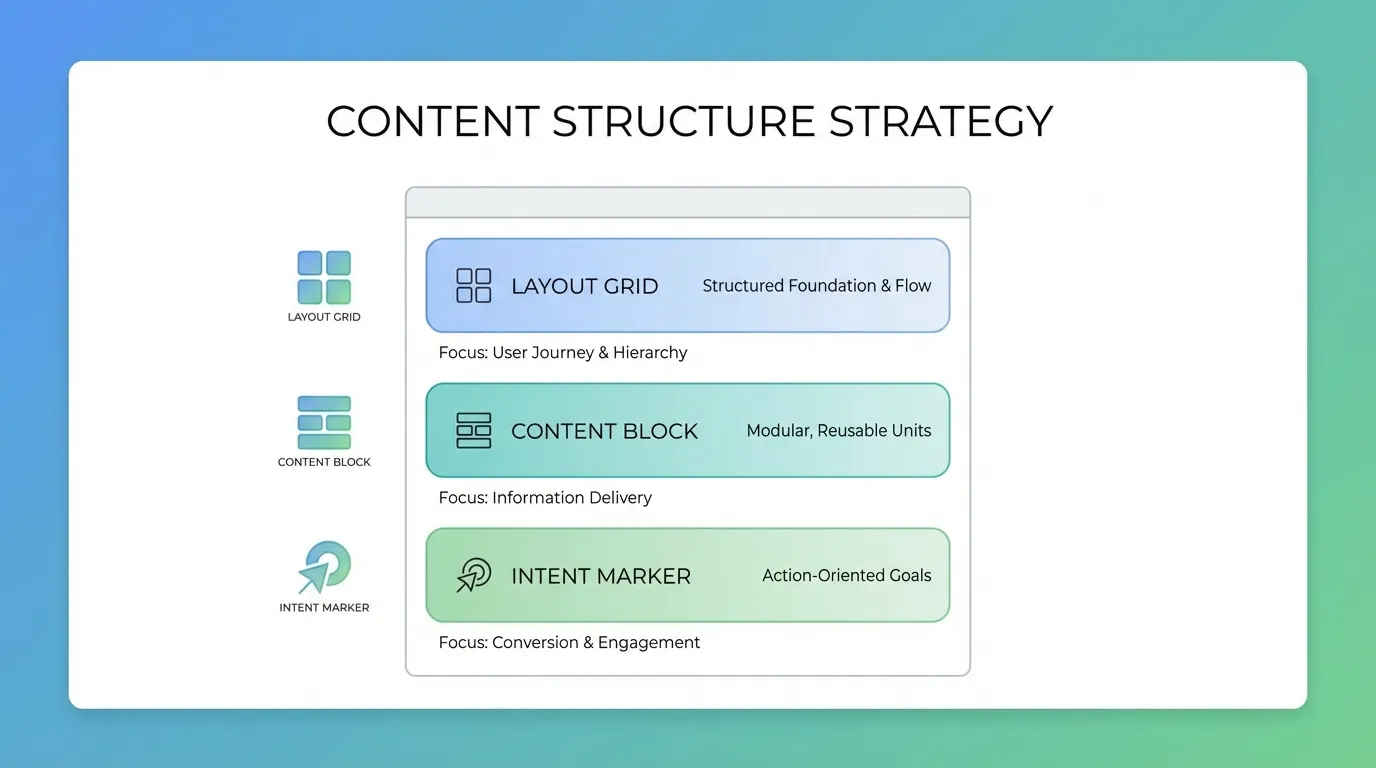
Once the headline aligns with intent, the structure must follow through. A mismatch between format and user goal often explains why well-written content underperforms.
Informational Pages
Informational queries demand depth and organisation. Users are looking to understand something clearly, not to be sold to.
Effective informational pages include:
- Clear subheadings that mirror common follow-up questions
- Logical progression from definition to application
- Detailed explanations that unpack concepts step by step
- Supporting examples that make abstract ideas concrete
- Internal links to related learning resources
For instance, a page explaining SEO marketing basics should move from definitions to frameworks, then to implementation. It should anticipate questions such as “Why does this matter?” or “How do I apply this?” and answer them within the content.
Avoid thin summaries. If search engines consistently rank long-form guides for a query, that is a signal that depth satisfies intent.
Transactional Pages
Transactional queries operate differently. The user already understands the problem. They are evaluating providers or ready to act.
These pages should prioritise:
- A strong value proposition near the top
- Clear benefits before long explanations
- Evidence of expertise, such as case studies or testimonials
- Transparent pricing or process information
- Direct and simple next steps
Cluttering a transactional page with excessive theory can dilute conversion. The structure should remove friction rather than introduce complexity.
In SEO marketing basics, understanding this distinction prevents a common error: sending purchase-ready visitors to educational blog posts with no conversion pathway.
Step 7: Strengthen the Journey Through Internal Linking
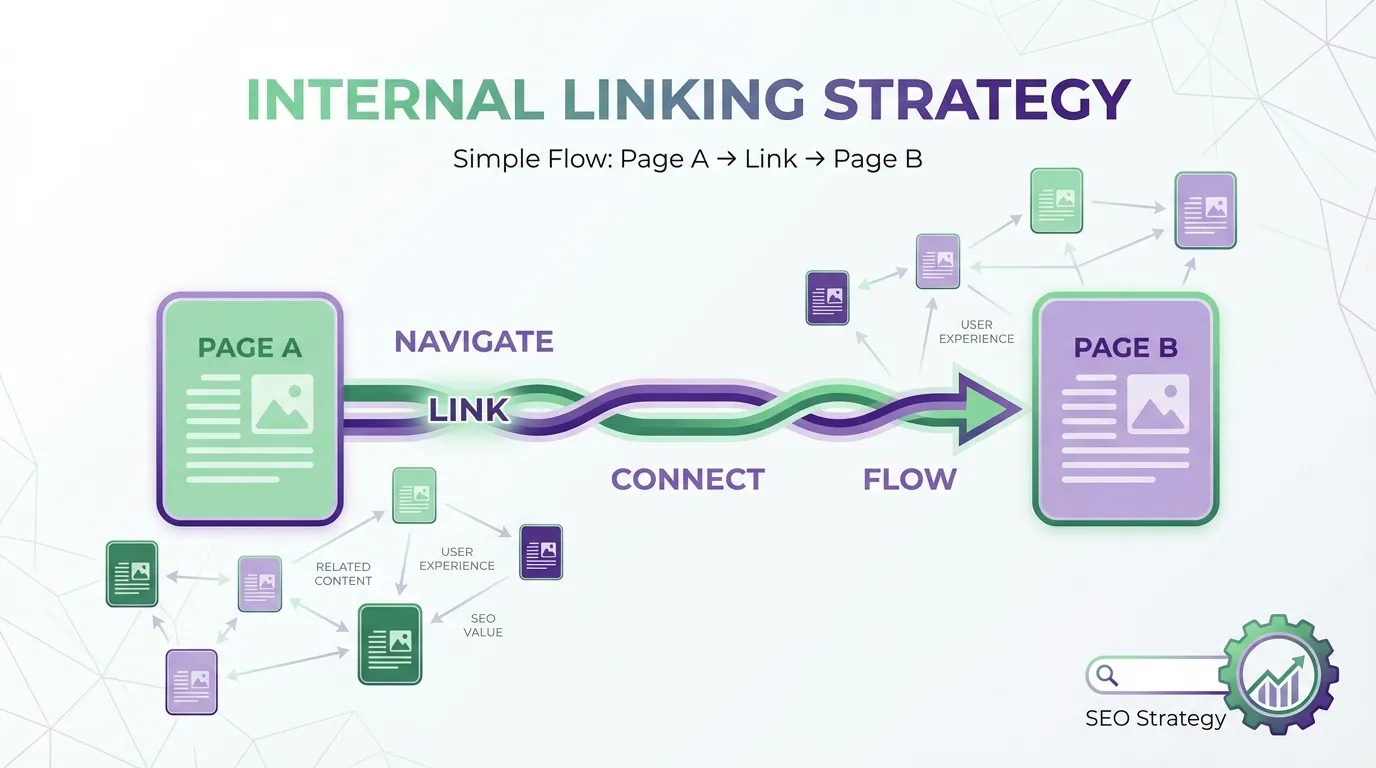
Internal linking connects these stages into a logical pathway.
For example:
- An informational guide links to a comparison article.
- The comparison article links to a service page.
- The service page references supporting educational resources.
This structure anticipates user progression. It also signals topical depth to search engines.
Within SEO marketing basics, this alignment between intent, funnel stage, and site architecture improves engagement metrics and supports long-term authority growth.
Step 8: Improve User Experience to Reinforce Intent
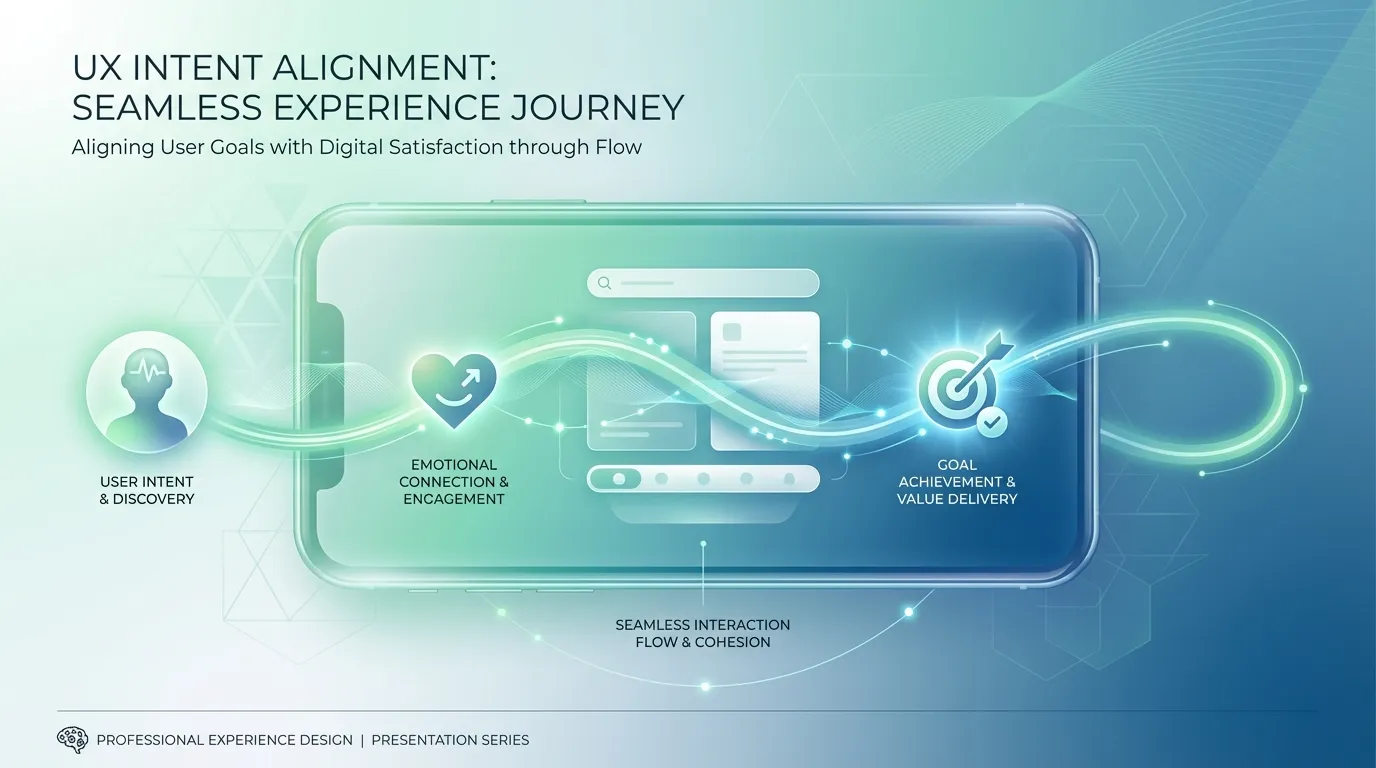
Intent optimisation extends beyond text. Search engines measure user behaviour signals, including dwell time and interaction patterns. A page that technically answers a question but loads slowly or feels cluttered still underperforms.
Key user experience elements include:
- Fast page load speed
- Mobile responsiveness
- Clear visual hierarchy
- Readable font sizes and spacing
- Logical navigation
Consider a user searching for “hire SEO consultant.” If the page loads slowly or hides contact information, frustration sets in quickly. Even strong content cannot compensate for friction.

In SEO marketing basics, user experience is not separate from content strategy. It strengthens intent alignment by making answers easy to access.
Step 9: Use Schema Markup to Reinforce Intent
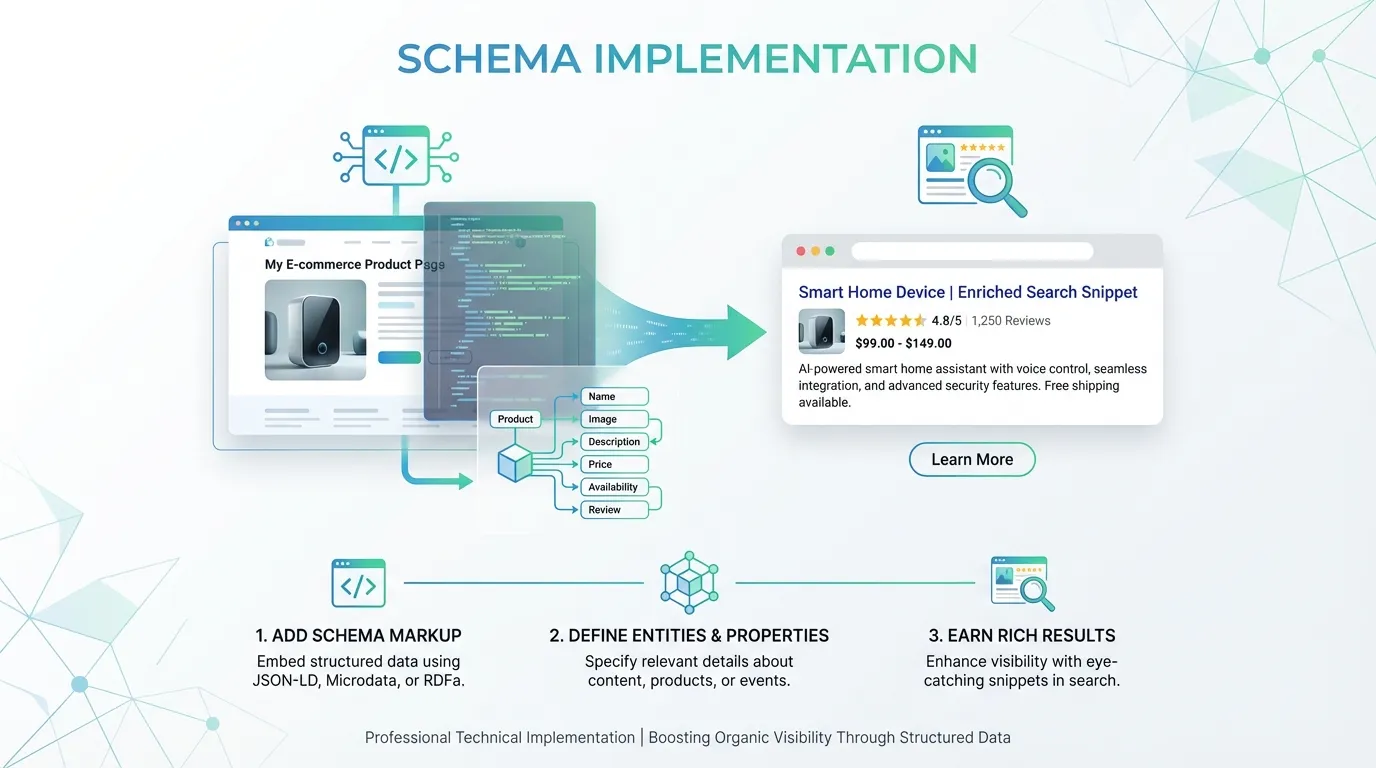
Structured data helps search engines categorise content more accurately. While schema does not override poor content, it clarifies context.
Different types of schema support different intents:
- FAQ schema supports informational content by highlighting question-and-answer sections.
- Product schema reinforces transactional pages by clarifying pricing, availability, and reviews.
- Review schema strengthens commercial investigation content by surfacing ratings and feedback.
When search engines generate AI summaries or enhanced search results, structured data increases the likelihood that your content is interpreted correctly.
Within SEO marketing basics, schema should not be treated as an advanced add-on. It functions as a reinforcement layer that supports the intent you have already aligned through content and structure.
Putting These SEO Marketing Basics Into Action
Keyword intent analysis is not a one-time task. Search behaviour shifts. Industries evolve. Search results pages change as new formats, competitors, and AI-generated summaries enter the landscape. What worked twelve months ago may not reflect how users search today.
Revisiting intent alignment on a consistent basis allows you to:
- Update outdated content formats so they match current search expectations
- Refine underperforming pages that attract traffic but fail to engage
- Identify gaps across awareness, consideration, and decision stages
- Strengthen internal linking and conversion pathways
When intent, structure, and content work together, traffic quality improves. Visitors stay longer because the page answers what they actually wanted to know. Engagement increases because the journey feels logical. Over time, these behavioural signals support stronger rankings and greater stability in organic performance.
SEO marketing basics often emphasise technical optimisation and keyword placement. Those elements matter, but without intent alignment, they operate in isolation. When you treat keyword intent as the strategic foundation, technical SEO, content structure, and conversion optimisation reinforce each other. The result is not just more visitors, but more relevant opportunities.
If you are reviewing your strategy and want a more structured approach to intent-driven optimisation, it may be time to bring in experienced support. MediaOne works with businesses that need clarity, execution, and measurable outcomes from their SEO services.
For a focused discussion about how intent analysis can strengthen your organic performance, call us today to explore your options and next steps.
Frequently Asked Questions
What role does local search intent play in SEO marketing basics?
Local search intent refers to users seeking products or services in a specific location. It matters because people often use phrases like “near me” or include a city or landmark in their search query, which signals they want locally relevant results.
Aligning pages with local intent helps search engines prioritise your content for relevant geographic searches and improves chances of appearing in local packs and map results. Incorporating localised keywords, structured data, and location-specific content can strengthen intent relevance and traffic quality.
How does search analytics support SEO marketing basics?
Search analytics is the process of reviewing search data to understand how users interact with search results and your content. It reveals trends in search volume, queries driving clicks, and user behaviour after reaching your site. Applying these insights within SEO marketing basics helps refine keyword targeting, improve relevance, and adjust content to better match user intent.
Over time, search analytics informs decisions that can reduce waste and focus effort where intent signals are strongest.
What is keyword clustering, and why is it useful for SEO marketing basics?
Keyword clustering groups related search terms based on how they appear together in search results. It moves beyond single keyword targeting to identify topic clusters that reflect how users actually search. Using keyword clusters within SEO marketing basics helps you create comprehensive pages that cover related concepts, boosting topical relevance and reducing the likelihood of content cannibalisation.
Clusters also guide internal linking and help search engines understand the breadth of your coverage on a theme.
How is search intent affected by AI-generated search experiences?
AI-powered search experiences influence how search engines interpret queries and present answers. These systems prioritise content that directly satisfies user questions, often in conversational or snippet formats rather than traditional ten blue links. In the context of SEO marketing basics, this shift means businesses must structure content to answer likely questions clearly and succinctly.
AI-centric formatting, such as paragraphs that serve direct queries and schema that clarifies context, improves the chance of appearing in summary sections of search results.
What is the difference between search intent and user intent in SEO marketing basics?
Search intent describes what a user wants based on their query text, while user intent recognises the broader purpose behind that search, including emotional and decision-making factors. Search intent categories, such as informational, navigational, and transactional, predict the type of content a query requires. User intent adds context, such as whether the person is ready to buy, researching options, or seeking a deeper understanding.