User-generated content (UGC) has evolved into one of the most influential marketing tools available today.
Whether it’s a five-second TikTok review, a tagged Instagram photo, or a detailed YouTube unboxing, UGC creates brand credibility, nurtures communities, and drives conversions.
For marketers serious about building trust and improving engagement, UGC for marketing is no longer optional. It’s essential.
This guide explores what UGC means in a commercial context, how it supports marketing goals, and how your business can develop a UGC content strategy that converts.
But how do you make it work without turning your brand into an echo chamber of random mentions?
Let’s walk through a structured, tactical approach to using UGC that actually supports your KPIs, enhances SEO, and improves long-term brand loyalty.
Key Takeaways
- Understand what qualifies as UGC and why it drives real marketing value
- Discover where and how to collect quality UGC that aligns with your brand
- Learn the difference between UGC and influencer content
- Apply tested best practices to activate UGC in campaigns that convert
- Avoid legal risks and manage rights appropriately
- Explore tools that streamline UGC sourcing, tracking, and publishing
What is User Generated Content?
User-generated content refers to any form of content (text, videos, images, and reviews) created by people rather than brands. It typically lives on social media, forums, review sites, or directly in your own branded platforms (like product review sections or community pages).
It’s the foundation of many modern digital strategies and has emerged as a core part of any high-performing UGC marketing strategy. Unlike brand-authored content, UGC feels more trustworthy because it’s unsolicited and emotionally driven.
In an age of ad fatigue, customers often believe a real customer more than your marketing team. This authenticity factor makes UGC particularly valuable for content marketing strategies seeking genuine audience engagement.
Types of User-Generated Content
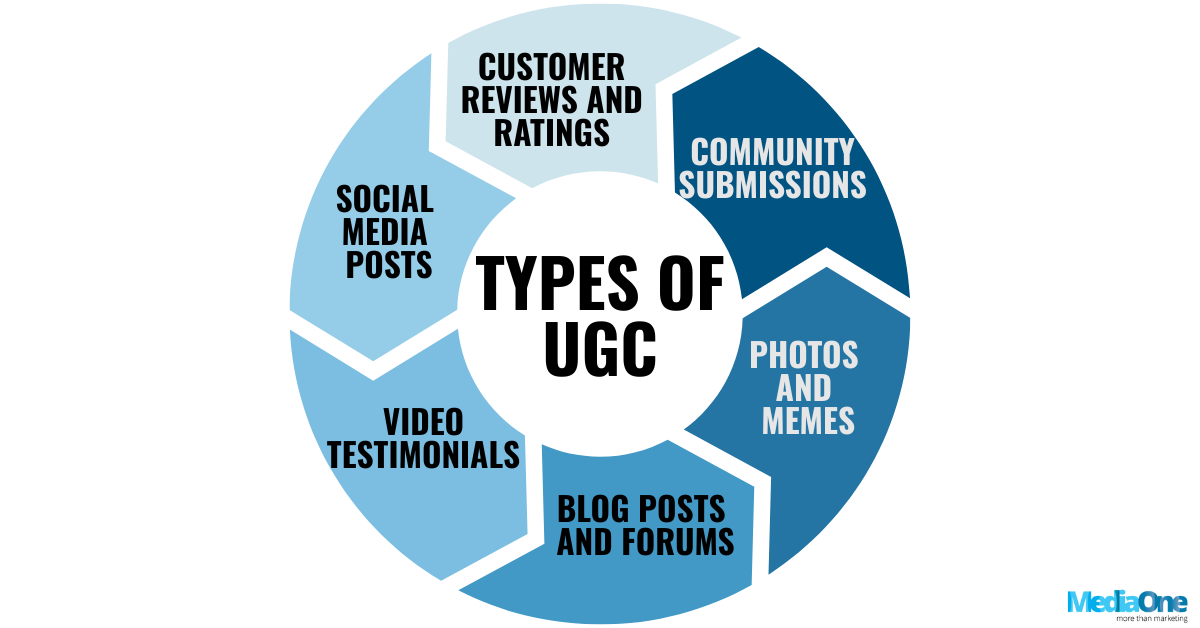
UGC appears in a variety of formats across different platforms. Understanding the different types helps marketers plan more effectively.
- Customer Reviews and Ratings: These customer-generated reviews support both top-funnel discovery and bottom-funnel conversion — a key differentiator for businesses looking for scalable, ROI-driven UGC marketing campaigns. These often appear on ecommerce sites, Google Reviews, or Facebook business pages. They influence buying decisions at critical moments. They also improve SEO by generating structured review schema (star ratings).
- Social Media Posts: These also form the backbone of many successful UGC marketing platforms, where content is curated for brand-safe repurposing. Instagram Reels, TikTok reviews, and X (formerly Twitter) threads often carry more weight than official brand content. They’re rich with hashtags, tags, or geo-location data. This drives brand discovery among peer networks.
- Video Testimonials: These could be YouTube unboxings, “how I use it” clips, or even silent ASMR-style demos. They’re excellent for retargeting ads and email nurture sequences. They also provide raw, real social proof that resonates with audiences.
- Blog Posts and Forums: UGC isn’t always short-form. Reddit threads, Quora answers, or user-submitted Medium posts can contain valuable brand mentions. Long-form storytelling adds context. It also adds third-party SEO value when backlinked.
- Photos and Memes: Customers sharing how they use your product in funny, unique, or beautiful ways. They’re highly effective among Gen Z and Millennial audiences. They’re perfect for building community rapport and increasing engagement rates.
- Community Submissions: Entries via contests, testimonials, surveys, or brand storytelling initiatives. This brings out an emotional connection. It makes users feel part of the brand journey, which is essential for social media content marketing success.
No matter the format, what defines UGC is its origin: the user. And that’s what gives it power.
Benefits of UGC for Marketing
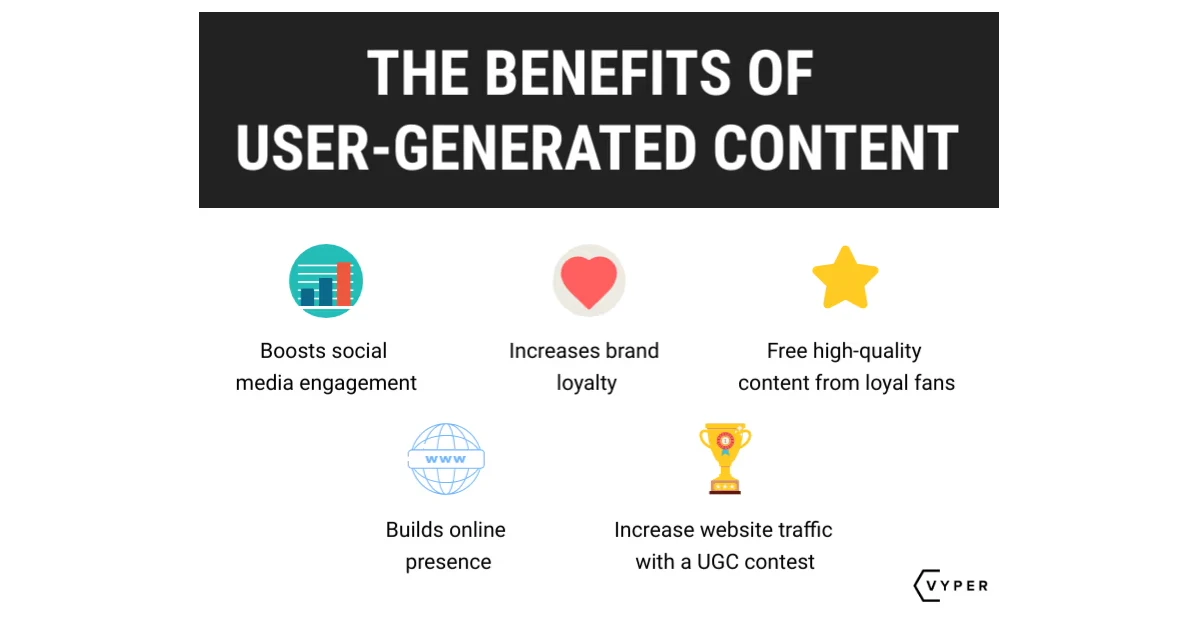
Image Source: VYPER
UGC delivers both measurable performance and intangible value. Here’s how it benefits your marketing stack:
- Authenticity: 84% of consumers trust peer recommendations more than traditional advertising. This trust factor is crucial for Singapore businesses competing in a crowded digital marketplace.
- Higher Engagement: UGC drives up to 6.9x more engagement than brand-created visuals. This increased engagement translates directly to improved brand visibility and reach.
- Improved Conversions: UGC results in 29% higher web conversions than campaigns or websites without it. This statistic demonstrates the tangible ROI impact of implementing UGC strategies.
- Cost Savings: Your audience does the content creation. You focus on curation and strategic implementation.
- Brand Affinity: Featuring real people builds community and repeat interaction.
- Commercial Differentiation: Brands that implement structured UGC strategies stand out during vendor evaluations and attract more qualified leads.
A Stackla survey showcases that 79% of people say UGC strongly influences their buying choices. This data reinforces why building a UGC for marketing strategy is critical for commercial success.
Whether you’re a D2C startup or a B2B SaaS firm, UGC introduces trust into the buying process, and trust converts.
Best Examples of UGC in Marketing
If you’re evaluating UGC platforms, marketing software, or planning a user-submitted campaign, these brand examples show how to align execution with tangible goals:
1. Apple – #ShotOniPhone
Apple’s iconic campaign encourages users to share high‑quality photos taken with iPhones. The best entries are showcased across Apple’s global billboards, social channels and website galleries.
Apple’s strategy also highlights the value of pairing UGC with commercial placements (billboards and in-store features), which increases customer loyalty and repeat interaction.
This turns iPhone owners into brand ambassadors and consistently fuels Apple’s content pipeline with visually stunning, authentic imagery.
2. GoPro – “Million Dollar Challenge”
GoPro hosts ongoing competitions that invite users to submit their most adventurous photos and videos. Winners are featured across GoPro’s channels, social media and product campaigns.
These user submissions help reinforce GoPro’s identity in the action and sports space while generating enormous engagement. The strategy demonstrates how contest-driven UGC can sustain long-term content creation.
3. Coca‑Cola – “Share a Coke” Reboot
Users shared personalised virtual bottles and selfies, which were aggregated on social walls at events and retail outlets. This blend of nostalgia and digital engagement made it a standout UGC campaign.
The use of augmented reality demonstrates how UGC can evolve with digital formats and enhance campaign engagement across both online and offline channels.
4. Calvin Klein – #MyCalvins
Calvin Klein’s #MyCalvins campaign invites users (from everyday customers to celebrities) to share photos wearing CK apparel. The brand curates these posts into a shoppable gallery on its website.
Launched in 2014, the campaign remains active and continues to generate massive volumes of authentic content across TikTok, Instagram, and more. This longevity showcases the sustainability of well-executed UGC campaigns.
5. Lush Cosmetics – Colourful UGC Gallery
Lush customers (aka “Lushies”) regularly share vibrant bath‑bomb selfies and unboxing videos. Lush integrates this content into its product pages, social feeds, and marketing campaigns to reflect authentic usage and build community loyalty.
The strategy shows how brands can leverage passionate customer communities to create consistent content streams.
6. ASOS – #AsSeenOnMe Stream

Image Credit: Weez
ASOS invites customers to tag their fashion posts using #AsSeenOnMe. These real‑world outfits are featured on ASOS’s Instagram feed and product pages.
This provides shoppers with honest styling ideas and drives conversion through social proof. The approach demonstrates how UGC can serve both inspiration and sales functions.
7. Tourism Australia – #SeeAustralia Travel Sharing

Tourism Australia’s #SeeAustralia hashtag has generated over 141 million views on TikTok alone. Millions of photos have been shared on Instagram representing visitor experiences.
The organisation curates and reposts these visuals across official channels and its website, effectively using authentic travel content to inspire future visitors.
Why These Examples Work Well
- Authenticity & Engagement: Real customers drive the conversation, creating trust and emotional appeal. This authenticity resonates particularly well with Singapore’s diverse consumer base.
- Scalability: Campaigns like GoPro Awards and #ShareACoke run continuously or recur seasonally, supplying fresh content. This sustainable approach ensures long-term content pipeline success.
- Multi‑Channel Reach: Brands integrate UGC into emails, websites, billboards, and paid ads—not just social media. This comprehensive approach maximises content value across touchpoints.
- Inclusive & Relatable: Campaigns like Aerie and ASOS represent real people rather than polished models. This relatability factor is crucial for modern consumers who value authenticity.
- Community & Movement: Hashtags like #SeeAustralia or #GoByBike foster a sense of belonging and sustainability. These campaigns transcend traditional advertising to create genuine movements.
Where to Source UGC
UGC doesn’t just appear out of thin air. You need a strategy to attract, curate, and amplify the right content.
- Social Media: Search branded hashtags or location tags to discover organic mentions. Repost Stories or carousel posts (with permission) to amplify positive content. Respond to mentions and direct submissions to encourage future participation. This engagement builds relationships that fuel ongoing UGC creation.
- Product Review Sites: Collect feedback from platforms like TripAdvisor, Yelp, and Google My Business for service-based businesses. Integrate positive reviews into landing pages and sales decks to build credibility. These third-party validations carry significant weight in purchasing decisions. They’re particularly valuable for Singapore businesses building local trust.
- Ecommerce Platforms: Lazada, Shopee, and Amazon: encourage customers to upload photos and videos alongside their reviews. Use follow-up emails to ask for visual reviews post-purchase. This is particularly useful for product-focused businesses looking to increase conversion rates with relatable, localised visuals across Shopee, Lazada or Amazon storefronts.
- Forums and Communities: Reddit, Facebook Groups, or industry-specific forums can contain rich insights about your brand. Ask for re-post rights if you’d like to use their quotes publicly. For B2B marketers, industry-specific platforms (like LinkedIn Groups or Quora Spaces) also provide user insights that can be adapted into content — with the proper rights request.
- Branded Microsites: Run creative contests where customers submit visuals or stories directly. Make it easy to upload directly through web forms or mobile-optimised interfaces. This controlled environment allows for better quality management while encouraging participation.
UGC vs Influencer Marketing: What’s the Difference?
While both can be powerful, the motivations and outcomes differ significantly.
| Feature | UGC | Influencer Marketing |
| Creator Type |
|
|
| Cost |
|
|
| Authenticity |
|
|
| Control |
|
|
| Best For |
|
|
Pro tip: Combine both — feature influencer-generated content as part of your UGC showcase to stretch your content pipeline further.
If you’re comparing UGC campaigns with influencer partnerships, consider testing both on separate funnel stages. UGC builds depth and trust, while influencer content is best suited for initial reach.
How to Encourage High-Quality UGC
You can’t just ask for content and expect your audience to respond. Structure is everything for successful UGC generation.
- Create Unique Hashtags: Branded hashtags help you track and group content easily while building campaign awareness.
- Offer Incentives: Run seasonal contests or giveaways to motivate participation and increase submission quality.
- Show Appreciation: Publicly acknowledge contributions (tag, comment, share) to encourage ongoing participation. Recognition often motivates more than monetary rewards.
- Give Guidance: Suggest themes, formats, or product use cases to help users create relevant content. Clear direction improves both quality and brand alignment.
- Embed Submission Prompts: Ask for photos during review requests or follow-up emails to integrate UGC collection into existing touchpoints.
A good user experience increases the volume and quality of your UGC. When planning a UGC campaign, map out desired submission formats in advance — whether video, text, or image.
This ensures that your collected content aligns with your paid campaigns, sales goals, or product launches. Consider how your UGC strategy integrates with your broader content marketing guide to maximise impact.
Best Practices for Using UGC in Campaigns
It’s not just what you collect — it’s how you use it that counts.
- Align UGC with Campaign Goals: Map content to your funnel stages strategically. A review might work best at conversion, while lifestyle imagery suits top-of-funnel ads. This alignment ensures your UGC serves specific business objectives rather than generic social proof.
- Prioritise Content Quality: Low-res photos may look “real,” but quality still matters for professional campaigns. Use clear criteria before featuring UGC in paid advertising or official channels. Balance authenticity with brand standards to maintain credibility across all touchpoints.
- Always Tag Creators: Whether it’s a Story repost or a website gallery, credit matters for legal and relationship reasons. It also increases the likelihood of ongoing contributions from satisfied customers. This acknowledgement builds goodwill and encourages repeat participation in future campaigns.
- Use It Across Channels: Repurpose UGC for your email headers, paid social, product pages, and even out-of-home materials. For ecommerce retailers, adding UGC to product detail pages improves session time and click-to-cart ratio. For service businesses, integrating testimonials into landing pages boosts quote requests and call bookings.
- Maintain Brand Fit: Not every submission is usable for your brand standards. Stay true to your brand voice and aesthetic while celebrating authentic customer expressions. Consider creating a UGC guidelines PDF for contributors. This helps set quality expectations and brand alignment — especially useful in seasonal or influencer-seeded campaigns.
- Track What Performs: Use tracking URLs and dashboards to analyse which UGC drove clicks, sales, or engagement. This data-driven approach helps optimise future UGC selection and placement strategies. Regular analysis ensures your UGC efforts contribute meaningfully to business objectives.
Legal Considerations When Using UGC
Using UGC without permission can expose your brand to significant legal risks. Here’s how to stay compliant:
- Get Explicit Consent: Even if content is public, always ask before commercial reuse. This protects both your brand and the content creator.
- Don’t Modify Without Approval: Avoid cropping or captioning unless you’ve received specific permission from the original creator.
- Adhere to Platform Rules: Each network has its own policies regarding content reuse and commercial applications.
- Use UGC Rights Management Tools: Platforms like TINT or Rightsify help with automated permission requests and tracking.
- Handle Sensitive Content Carefully: Anything involving minors or medical claims needs legal clearance before any commercial use.
A safe UGC workflow builds trust both with your creators and your audience.
Tools to Manage and Scale UGC
As your brand grows, managing UGC manually becomes a significant challenge. These tools help you organise, approve, and analyse content at scale.
| Tool | Use Case | Key Features |
| TINT |
|
|
| Yotpo |
|
|
| Stackla |
|
|
| Later |
|
|
| Brandwatch |
|
|
Each platform offers different integrations — choose one that aligns with your current tech stack. For businesses comparing UGC marketing software, consider which platforms integrate directly with your CMS, CRM, or e-commerce stack.
Tools like Yotpo and Stackla now offer Shopify integrations, while Brandwatch syncs with Salesforce for full-funnel analytics.
How UGC Improves SEO and Conversion Rates
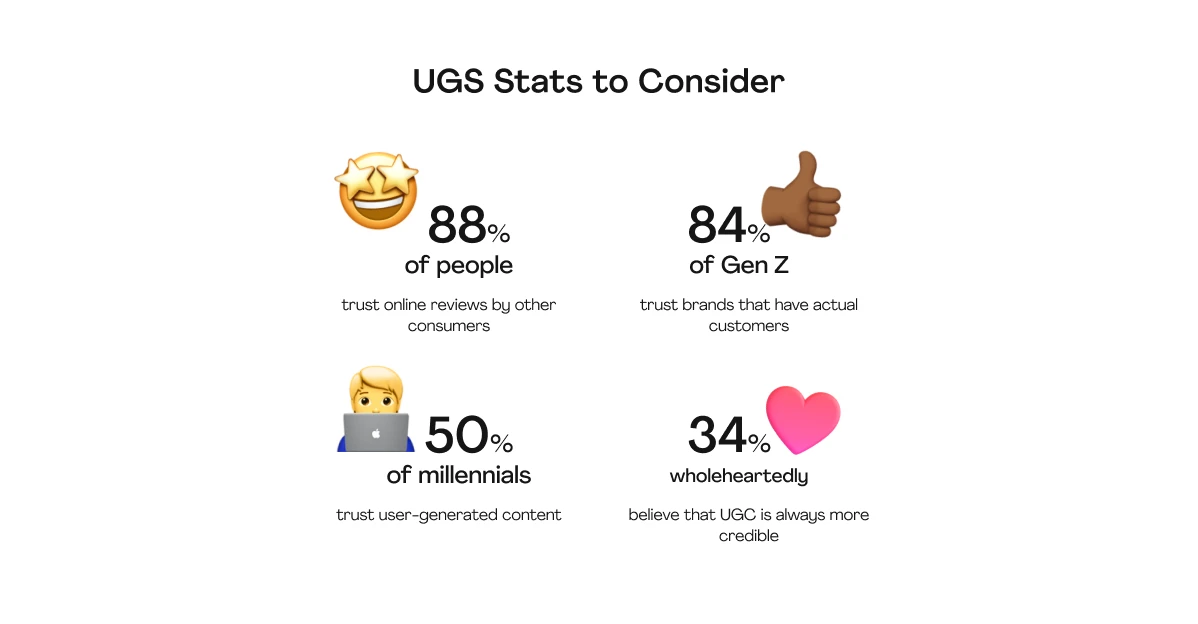
Image Credit: Mageworx
UGC plays a significant role in organic visibility and buyer journey progression:
- Search Visibility: Review content helps populate Google’s rich snippets, improving click-through rates from search results.
- Keyword Depth: Users describe your product in ways you wouldn’t, adding valuable long-tail keyword coverage.
- Increased Dwell Time: Browsers stay longer when they read authentic reviews or watch genuine testimonials. This signals content quality to search engines.
- Content Freshness: New reviews and posts keep product pages active and signal ongoing relevance.
- Higher Conversion Rates: Real experiences provide the social proof modern buyers actively seek.
- Voice Search and Semantic Expansion: UGC introduces conversational phrasing and question-based keywords that align with how users search — especially in voice search queries.
With strong implementation, UGC for marketing becomes both a creative and data-driven asset — enhancing discoverability, content velocity, and brand reach.
UGC for Marketing: Turning Customers into Advocates
User-generated content reflects what your customers actually think, say, and share. And that’s what makes it so powerful for modern marketing strategies.
When implemented strategically, it supports brand storytelling, drives conversions, and fuels scalable engagement. The goal isn’t just to collect UGC — it’s to build a system where advocacy becomes automatic.
With the right mix of technology, incentives, and alignment, your audience can become your loudest and most effective voice. This approach complements traditional marketing efforts and creates sustainable competitive advantages.
Ready to implement UGC for marketing that drives ROI? Speak with MediaOne’s content strategists to develop a UGC strategy tailored to your brand — from content sourcing and rights management to campaign integration and analytics.
A properly executed UGC for marketing approach helps transform your customer base into your most powerful growth engine; one authentic voice at a time.
Frequently Asked Questions
Can UGC work in heavily regulated industries like finance or healthcare?
Yes, with the right oversight and compliance measures. Ensure UGC is vetted, anonymised where needed, and compliant with industry regulations before publishing.
How can small brands collect enough UGC to make a difference?
Start small and be consistent. Ask every new customer to leave a review, tag you on social, or submit a photo. Volume will grow over time, especially if you showcase early contributors.
Is it okay to use UGC in paid advertising?
Only with the creator’s explicit permission for commercial use. Include this in your rights request — especially for ads, which require commercial licensing. Many UGC content platforms have built-in rights workflows to streamline this process.
Should I pay customers to submit UGC?
You can, but incentives don’t need to be monetary. Recognition, early access, and community status are often just as effective at encouraging participation.
How can I measure brand sentiment through UGC?
Use listening tools like Brandwatch or Sprout Social to gauge emotional tone, keyword usage, and volume of mentions across UGC posts. This data helps inform broader UGC content strategy decisions and guides campaign adjustments.