Customers expect instant access to reliable information and businesses are only a click away. An online directory list has now become an indispensable tool for boosting brand visibility. These platforms act as comprehensive databases, providing users with quick access to contact information, locations, services, opening hours and customer reviews.
The importance of a strong online presence is evident: as of 2025, 70% of websites have adopted mobile-friendly designs to improve local search rankings and meet user expectations. This highlights how consumers increasingly rely on online platforms, including directories, when searching for local businesses.
Many business owners still wonder if listing their company on these platforms is worth the effort. The short answer is absolutely. In this guide, you’ll discover why online directories remain a powerful tool for expanding your reach and improving your online visibility.
Key Takeaways
- Listing your business on directories improves discoverability, provides essential information to customers and strengthens your online reputation through reviews and ratings.
- Yellow Pages, review sites, niche directories, geo-location directories and job boards each target specific audiences and business goals, so choose strategically.
- Paid listings offer extra features like higher visibility, photos and analytics, while free listings still provide exposure. Selecting the right option depends on your audience and budget.
What’s an Online Directory?
An online directory is a submission-based website that compiles and displays businesses, usually organised by industry and location. It acts as a convenient one-stop resource for users seeking specific products or services in their local area.
Think of it as the modern equivalent of the Yellow Pages, but with the added advantage of being accessible at any time from any internet-connected device. Typically, these directories allow businesses to create a profile or listing that includes essential information about the company and its offerings.
Many directories also offer advanced features, such as customer reviews, ratings and photo and video uploads, helping businesses showcase themselves more effectively.
Key Information Typically Found in an Online Directories List

Image Credit: Generated by Gemini
Online directories provide users with basic business information, making it easier for potential customers to find and engage with you. The information usually includes:
- Business name
- Address
- Phone number
- Website
- Operating hours
- Accepted payment methods
- A brief description of the business
- Social media links
- Photos and videos
- Products or services offered
Online directories are sometimes called citation sites or citations. That’s because they serve as a reference for your business, providing customers with the information they need to contact or visit your establishment.
How do Online Directories Work?
Types of Online Directories List
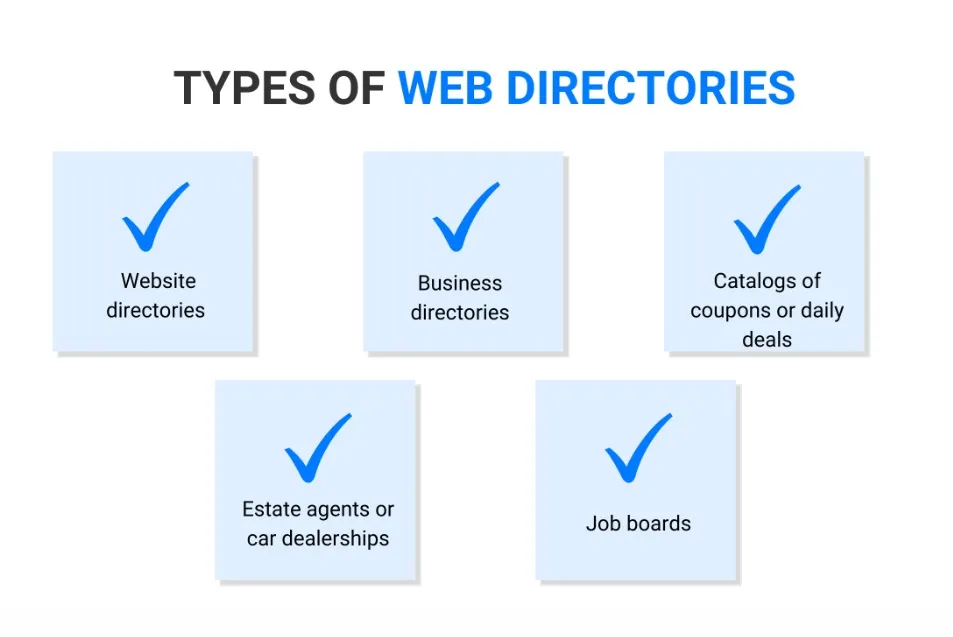
Image Credit: Code & Care
Not all online directories are created equal. Some are specific to certain industries, while others are more general and span multiple categories.
- Yellow Pages: Originally a printed telephone directory, it has been fully digitised and made accessible online. Unlike traditional phone books, online Yellow Pages are organised by business type and location rather than alphabetically, making it easier for users to find local services quickly.
- Classifieds: Classified directories allow users to post advertisements for goods and services. These can range from selling second-hand items to promoting professional services. They provide a flexible platform for both individuals and businesses to reach their target audience effectively.
- Review Sites: Online directories where customers can leave feedback and rate businesses they have used. These reviews not only guide prospective customers in making informed decisions but also help companies to build credibility and trust within their industry.
- Niche Directories: Niche directories focus on a specific industry, sector, or category. For instance, a directory listing only restaurants in a city would be considered a niche directory. These directories attract highly targeted audiences, making them valuable for specialised businesses seeking qualified leads.
- Job Boards: Job boards function as directories for employment opportunities. Employers can post job openings, while job seekers can search for positions that match their skills and location. Some job boards cover all industries, while others are tailored to specific sectors or professions.
- Geo-Location Directories: Geo-location directories leverage GPS and mapping technology to provide location-based listings. This type of directory is beneficial for users seeking businesses or services in their immediate vicinity, enhancing convenience and local discovery.
Each directory type offers unique advantages depending on your business goals and target audience. Understanding these different online directories is the first step toward creating a strategic listing approach that maximises your visibility and reach.
Top Web Directories for Your Online Directories List
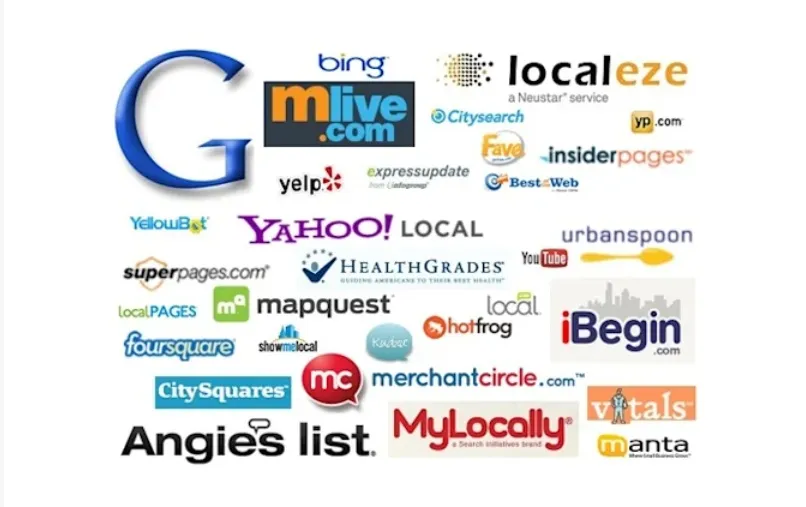
Image Credit: Fiverr
Some popular directories include Google Business Profile, Bing Places for Business, Yelp and Yellow Pages. These directories are well-known and widely used by consumers, making them a great place to start when considering listing your business.
Let’s take a closer look at some of these popular directories and how they can benefit your business:
- Google Business Profile: This directory, owned by Google, allows businesses to create a profile with information such as their address, contact details, website link and business hours. It also allows customers to leave reviews, significantly impacting a business’s reputation and search engine ranking. Having a Google Business Profile can also improve your chances of appearing in the “local 3-pack” on Google’s search results page.
- Bing Places for Business: Similar to Google Business Profile, Bing Places allows businesses to create a profile with important information and customer reviews. Microsoft owns this directory, making it an essential platform for businesses targeting Bing’s search engine market.
- Yelp: This directory is primarily used for reviewing and discovering local businesses. It allows customers to leave reviews, post photos and interact with other users. Your business needs a positive presence on Yelp to attract potential customers and improve your overall reputation.
- Best of the Web: Since 1994, Best of the Web (BOTW for those in the know) has continued its reign as a credible online directory, boasting over 16 million businesses under its digital umbrella. The directory receives between 60K and 70K visits per month. The directory charges $24.95/month or $397/ one-time fee to be listed.
- Foursquare: This directory is unique in combining business listings with social media. Customers can check in and leave reviews, while businesses can post updates and promotions. With over 55 million monthly active users, having a presence on Foursquare can significantly increase your visibility. About Us, initially established as a directory for business domains, has broadened its horizons. It now opens its arms to a diverse range of websites, providing a platform for them to be submitted and engaged in meaningful discussions. On average, the site attracts approximately 100,000 visitors each month.
- Spoke: Spoke serves as a vibrant digital hub for exploring and discussing business entities, key industry figures, current events and more. On this platform, you can create a web listing for a business or an individual, an opportunity to connect, converse and collaborate on a grand scale. Spoke’s digital directory includes about 1.4 million businesses and 5 million individuals. Each month, the site attracts more than 100,000 visitors, underscoring its substantial reach and popularity.
- Facebook Page: Indeed, our conventional thinking categorises Facebook (or Meta) as a social media platform. But wait, there’s more to it than just tagging friends and sharing memes. First, Facebook pages are indexable by search engines, increasing their chances of appearing in search results. Additionally, these pages allow businesses to post updates, build an online community and even sell products directly through the platform.
- LinkedIn Company Pages: With over 706 million users worldwide, LinkedIn has become the go-to platform for professional networking. The site offers company pages for businesses to showcase their products and services, share industry insights and connect with potential clients. Additionally, LinkedIn’s algorithm prioritises content from company pages in users’ feeds, making it an excellent tool for brand awareness and engagement.
- Chamber of Commerce: ChamberOfCommerce.com essentially serves as the digital counterpart of your local Chamber of Commerce, which is a place you should definitely consider getting yourself listed in. This online platform enables businesses to connect, converse and collaborate just as they do in its physical counterpart. Since 1998, this website has set its ambitions high, striving to be the most comprehensive online directory for small businesses.
- Hot Frog: Each month, HotFrog’s directory boasts a listing of a staggering 69 million businesses. The platform is now a search destination for approximately 80,000 individuals seeking various services and products. Businesses of all sizes, solo professionals and entities conducting business from a specific location can take advantage of the cost-free listing opportunity.
Tips for Choosing the Best Directory in Your Online Directories List
Your business doesn’t have to be listed in every online directory. You have to be strategic and choose the ones that best align with your target audience and business values. Here are a few tips to help you find the correct directories for your company:
#1. Research the Company
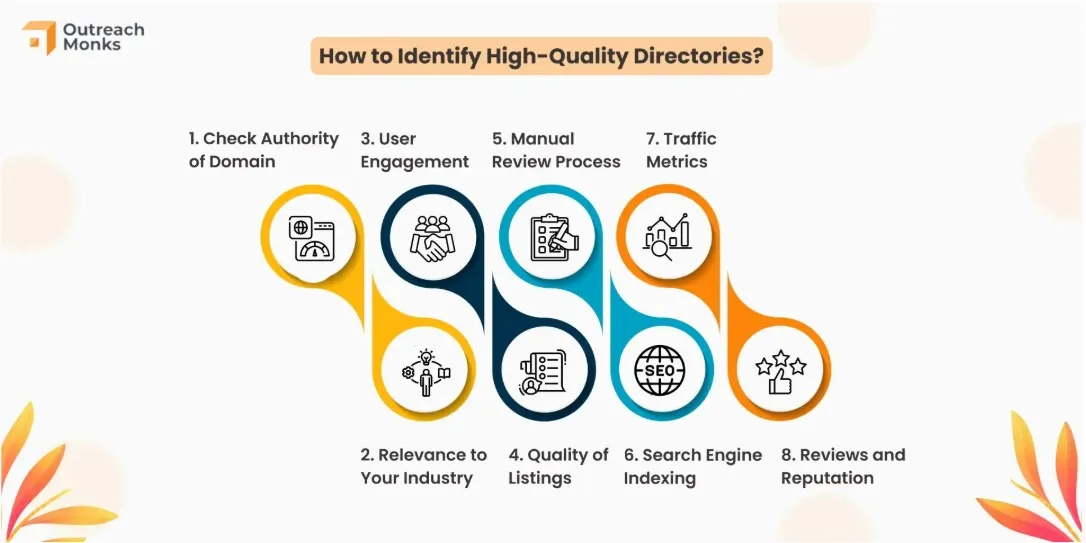
Image Credit: Outreach Monks
Before adding your business to any directory, it’s essential to research the company behind it. Check out their reputation, the types of information they ask for in listings, their pricing plans (if any) and how easy their website is to use.
Ask yourself: is this a well-known, trusted directory like CheckATrade or Yahoo Local, or is it a smaller, niche platform that focuses on a specific industry or location? Understanding the directory’s background will help you decide whether it’s worth your time and effort to include your business in its online directory.
Here are a few other checkboxes to tick off:
- Does the directory have a good reputation among its users?
- Are there any red flags regarding pricing or hidden fees?
- How user-friendly is the website? Can you easily navigate and update your listing?
You also want to check the following:
- The website’s domain authority: a metric that measures a website’s domain name strength and its ability to rank on search engine result pages. A higher domain authority can potentially lead to more visibility for your business listing.
- The website’s spam score: This metric estimates the likelihood that a website is spammy or contains low-quality content. A high spam score may indicate that the directory’s website is not reputable or trustworthy.
- The traffic to the directory’s website: You want your business listing to be seen by as many people as possible, so naturally, you’d like to choose a directory with a good traffic flow.
- The type of businesses listed on the directory: Is your competition already listed on the directory? If so, how much visibility do their listings have? That can give you an idea of the potential reach and impact of your listing on the directory.
#2. Check Directory Listings
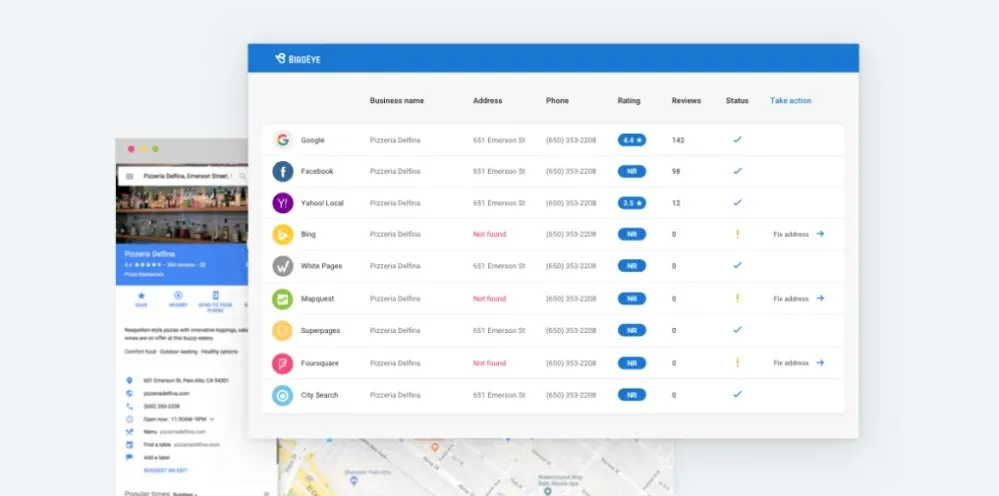
Image Credit: Information Transformation Services
Go through the directory listings and see if you recognise any businesses. Take note of the companies already listed. Are they similar or complementary to yours? That will give you an idea of the type of audience that visits the directory and whether it aligns with your target market.
Here’s what you specifically want to look for:
- Category or industry: Listings in the same category as your business suggest that the directory reaches the right audience.
- Location: Consider whether the directory features mostly local businesses or includes national or international companies, which helps gauge its geographic reach.
- Reviews and ratings: High numbers of positive reviews signal that customers and other businesses trust the directory.
- Top listings: Observe the highest-ranked or featured businesses. Detailed descriptions, quality images and special offers can reveal what makes a listing successful and guide how to optimise your own profile.
Analysing existing listings in this way helps you make informed decisions about your online directories list and ensures your business stands out to potential customers.
#3. Take Note Of Listed Business Types
Image Credit: Peak Freameworks
While browsing the directory, take note of the types of businesses listed and any restrictions on industry, business size, or location. Some directories have strict guidelines for listings, while others accept a wider range of companies.
Directories that carefully vet which businesses can be listed are often premium platforms. Being listed on such a directory can boost your credibility, giving potential customers more confidence and ultimately attracting higher-quality leads for your business.
#4. Look for Advertising Opportunities
Aside from being listed, some directories offer advertising opportunities for businesses to further promote themselves. That can be in the form of sponsored listings or banner ads on the directory’s homepage. If you’re interested in additional exposure for your business, consider investing in these advertising opportunities. They can help increase visibility and attract more potential customers to your listing.
However, make sure to carefully evaluate the costs and benefits of each opportunity before making a decision. Some directories may charge high advertising fees but have insufficient traffic or a relevant audience for your business.
#5. Check if the Directory’s Layout and Visuals Reflect Your Brand
Before adding your business to a directory, spend some time exploring the site’s overall design and visual style. Look for a professional, well-organised layout and check whether the images, colours and typography align with your brand.
A directory with a polished and visually appealing website reflects positively on the businesses it lists, signalling quality and professionalism and creating a strong first impression. Conversely, a poorly designed directory can undermine credibility, making potential customers less likely to trust the businesses featured.
#6. Make Your Site Mobile-Friendly
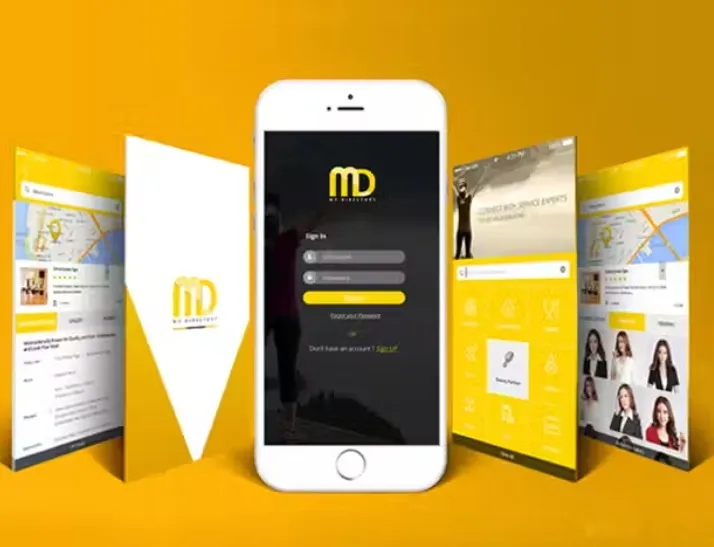
Image Credit: Code Market
We live in a mobile-first world, with the majority of internet users accessing websites on their phones or tablets. Always make sure that any directory you consider is fully responsive and easy to navigate on smaller screens, whether through a responsive design or a dedicated mobile version.
Mobile-friendly directories not only provide a better experience for potential customers but also rank higher in search engines. Listing your business on a mobile-optimised directory boosts your online visibility and reach.
#7. Reviews and Ratings in Your Online Directories List Reflect Positively on Your Business
Reviews and ratings are a key reason customers use online directories. Before adding your business, take a close look at the directory’s review system and overall sentiment. Check whether companies are rated overall or for specific aspects, such as customer service or product quality.
It’s also important to consider how the platform moderates reviews and handles fake or biased feedback. Ensure your business can respond to reviews and engage with customers directly. Reading existing reviews can provide valuable insights into how potential customers may perceive your business and help you maintain a positive reputation in your online directories.
#8. Directory Offers Useful Additional Features
While a basic listing may be enough for some businesses, many can benefit from the extra features directories offer. Some directories allow targeted advertising to reach specific audiences or locations, while others let you create promotions and special deals for your listing.
Advanced search filters can help potential customers find your business more easily and some directories even allow bookings or reservations directly through the platform. Exploring these additional features enables you to decide whether the directory is a good fit and offers opportunities to boost your online presence and attract more customers.
#9. Directory Is Part of a Larger Network

Image Credit: Sumellist
Some directories belong to broader networks or platforms that can offer additional benefits for your business. Being part of a larger network can increase your online visibility and provide opportunities for cross-promotion or collaboration with other companies listed on the same platform.
For instance, if your business is listed on a directory specialising in event planning services, you could partner with the platform to offer discounts or promotions to customers who book through the directory. Choosing directories that are part of a reputable network can maximise your reach and attract more potential customers.
How to Choose Between Paid and Free Listings in Your Online Directories List
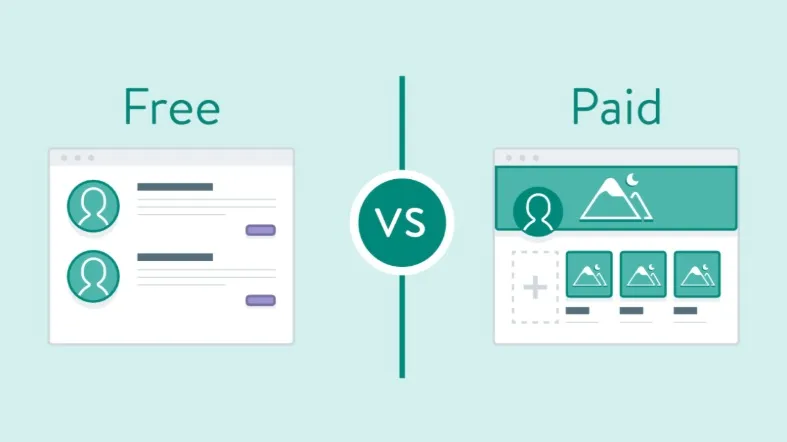
Image Credit: LinkedIn
When you make a list of online directories for your business, you’ll notice some charge money to be listed, while others are entirely free.
Paid listings give your business extra attention, like showing it higher up in search results, letting you add photos or videos, or giving you special tools to track how many people see your listing. Free listings don’t have all those extras, but they can still help people find your business online.
Before you decide which one to use, think about who your customers are and where they’re most likely to look. If many of your customers use a paid directory, it might be worth spending a little to see. But if you want to get your business out there and you’re on a tight budget, free directories can work too.
Some directories even let you start with a free listing and upgrade later to a paid one if you want more features. The key is to pick the directories that make the most sense for your business and your budget so that more people can find you online.
Get to Know Each Directory Before Advertising in Your Online Directories List
Before you add your business to any online directory, it’s essential to do a little homework. Not all directories are created equal and you want to make sure you’re picking the ones that will actually help people find your business.
First, check how popular the directory is. One way to do this is to look at its domain authority, which indicates how well it ranks on search engines like Google. The higher it ranks, the more people will see your listing.
Next, see how much traffic the directory gets. The more visitors it has, the better chance your business has of being noticed. You should also make sure the directory is easy to use and looks trustworthy. Please spend some time browsing it. Look at other listings, see if they’re organised and professional and check whether they fit your business style and values.
Doing this simple research before you list your business in an online directory can make a big difference in helping the right customers find you.
Maintain Your Online Directories List For Your Business
Listing your business in online directories is just the first step. To truly benefit, you need to maintain and update your listings regularly. Accurate information, fresh photos and timely responses to reviews help build trust with potential customers and improve your search engine visibility.
A well-managed online directory list ensures your business remains discoverable, credible and competitive in your local market. By strategically choosing directories, optimising your listings and engaging with customers, you can expand your online presence and attract more high-quality leads over time.
For expert guidance and support in managing your online directories and boosting your business visibility, contact MediaOne today and let their team help you get noticed online.
Frequently Asked Questions
How often should I update my online directories list?
Keeping your listings up to date with accurate contact information, business hours and services ensures potential customers can reach you easily and helps maintain your search engine rankings.
Can multiple listings of the same business harm my SEO?
Duplicate listings can confuse search engines and customers. It’s best to claim and manage a single listing per directory, ensuring consistent information across your online directories list.
Are there industries that benefit more from online directories than others?
Local service-based businesses, restaurants, retail shops and professional services often see the most significant gains because customers actively search for nearby options in directories.
Do online directories help with mobile search results?
Yes. Many directories are mobile-optimised, making it easier for users to find your business on the go. A complete and responsive listing improves your chances of appearing in local mobile searches.
How can I measure the effectiveness of my online directory list?
Track metrics such as website traffic, calls, directions requests and customer reviews for each directory. This data helps identify which directories generate the most engagement and leads for your business.