
Singaporeans aged 25 and above may have SkillsFuture credits to spend. Spend your credits only on SkillsFuture courses that close a specific gap in your education, training or experience. This guide covers eligibility, base credit versus top-up, and how to assess a course before you pay.

Key Takeaways
- Spend credits on gaps. Pick SkillsFuture courses that close a named skill gap in your target role.
- Opening credits do not expire. No need to rush a weak fit.
- The $500 top-up has closed. Its 31 Dec 2025 cut-off has passed; the $4,000 Mid-Career credit (aged 40 and above) does not expire.
- Score before you pay. Rate fit and net cost from 1 to 3. Enrol if the total is at least 5 of 6 and the net fee fits your balance.
Checking Eligibility and Credit Balance on the SkillsFuture Portal
Before you shortlist any course, confirm what you can spend. On the SkillsFuture Singapore portal, log in with Singpass, confirm your eligibility details, and note your SkillsFuture Credit balance. Check the top-up status too, because it can change. Confirm it on the day you enrol. Claims are submitted through MySkillsFuture within 60 days before the course starts, with no separate application.
What SkillsFuture Credits Are and Who Qualifies
The SkillsFuture Credit does not expire and works on any eligible course. Use it on SkillsFuture courses that close a specific gap in your career path, not on whatever is cheapest. Professionals who treat the credit as a form of lifelong education should pick courses that build a real skill, whether that is a marketing certificate or a technical module.
Who qualifies. Singapore citizens aged 25 and above qualify. Permanent residents do not receive SkillsFuture Credit — eligible PRs can instead claim a 50% SkillsFuture Singapore course-fee subsidy on supported courses, and NTUC members can apply UTAP support on top.
Base credit and top-ups. The opening credit of S$500 does not expire. The one-off $500 top-up given to citizens aged 25 and above as at 31 December 2020 expired on 31 December 2025. Citizens aged 40 and above as of 1 January 2024 received a SkillsFuture Credit (Mid-Career) top-up of $4,000 from May 2024, which does not expire but applies to selected courses with better employability outcomes. Confirm current figures on the official portal. This guide was checked on 16 October 2026.
|
Item |
Status |
Who it applies to |
|
Opening SkillsFuture Credit ($500) |
Does not expire |
Singapore citizens aged 25 and above |
|
$500 top-up (2020) |
Expired 31 December 2025 |
Those who qualified as at 31 Dec 2020 (unspent balances for ages 40+ were merged into the Mid-Career credit) |
|
SkillsFuture Credit (Mid-Career) ($4,000) |
Does not expire; selected courses only |
Singapore citizens aged 40 and above as of 1 Jan 2024 |
|
Eligible courses |
Must carry SkillsFuture-eligible approval |
All credit holders |
For permanent residents: no SkillsFuture Credit, but eligible PRs receive a 50% SSG course-fee subsidy on supported courses, and NTUC members can claim UTAP (up to S$250 a year under 40, S$500 at 40 and above) after completion.
Course choice. Courses do not have to be WSQ-approved to qualify — WSQ is one category among several. The credit pays for a wide range of approved skills-related courses: those subsidised or approved by SkillsFuture Singapore (including online courses), selected courses from MOE-funded institutions, courses supported by lead agencies, SkillsFuture@PA courses and selected National Silver Academy courses. Confirm course and provider approval on the portal before you pay. Check the course duration and whether a provider’s own listing matches the official portal, then review the course’s data protection notice and how it handles personal data before enrolling.
Choosing and Signing Up for SkillsFuture Courses
Start with the gap, not the catalogue. Pick your target role, read three recent job postings, and note the skills they repeat. A SkillsFuture course that matches none of those skills is a weak buy, however cheap. Working professionals can use this approach to make their personal learning budget count — our digital marketing course guide applies the same logic to marketing roles.
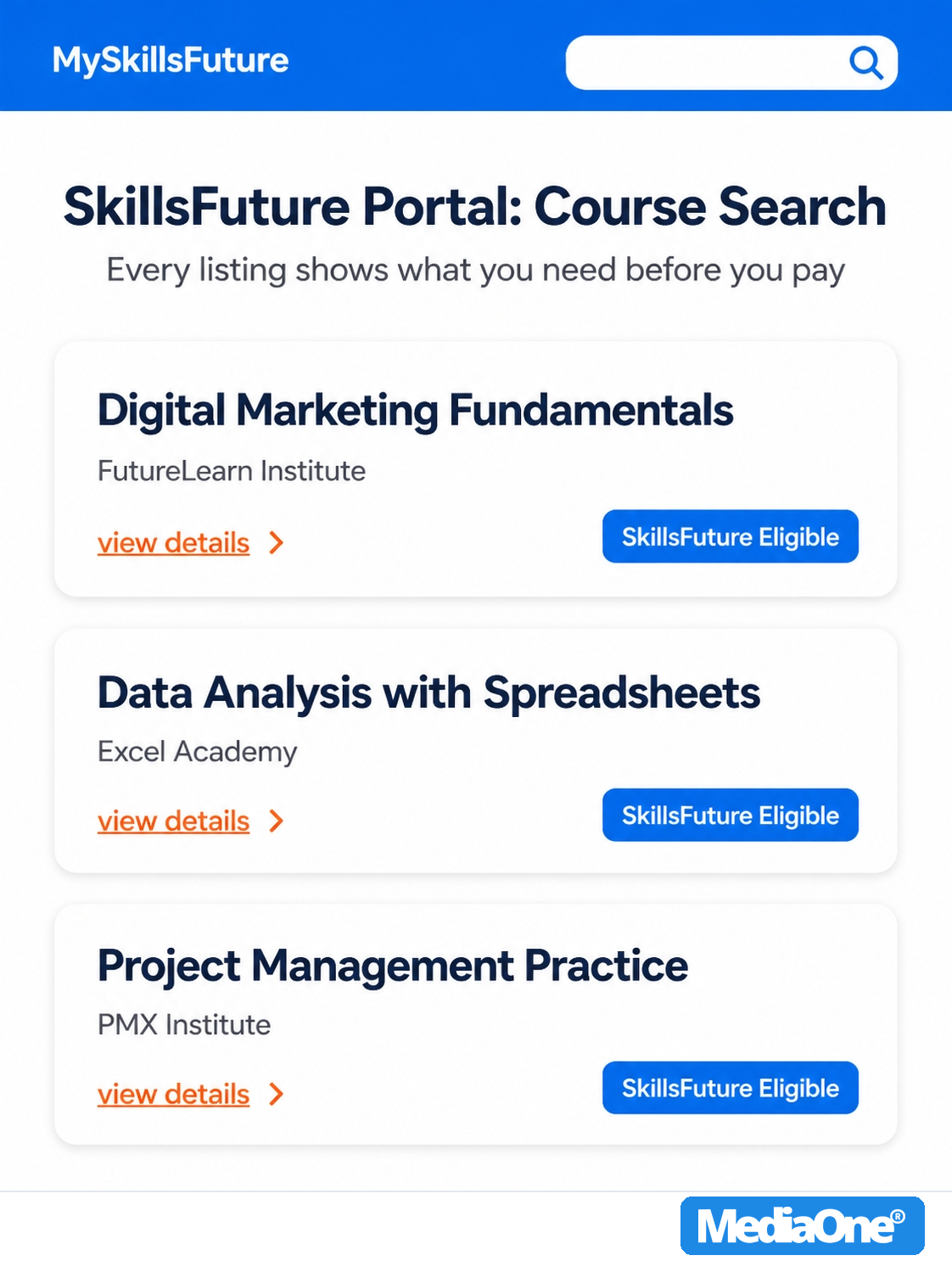
Figure 1: What a filtered portal search should show before you shortlist anything.
Shortlisting Courses by Goal

Group candidates by goal, such as project management or data analysis. Keep only SkillsFuture courses whose named outcomes match a skill from your job postings. The Smart Local lists lifestyle courses from $96, so fit matters more than price. Compare each shortlisted option against a salary guide for your field — our digital marketing salary guide is one example — to judge whether the expected career gain justifies the cost.
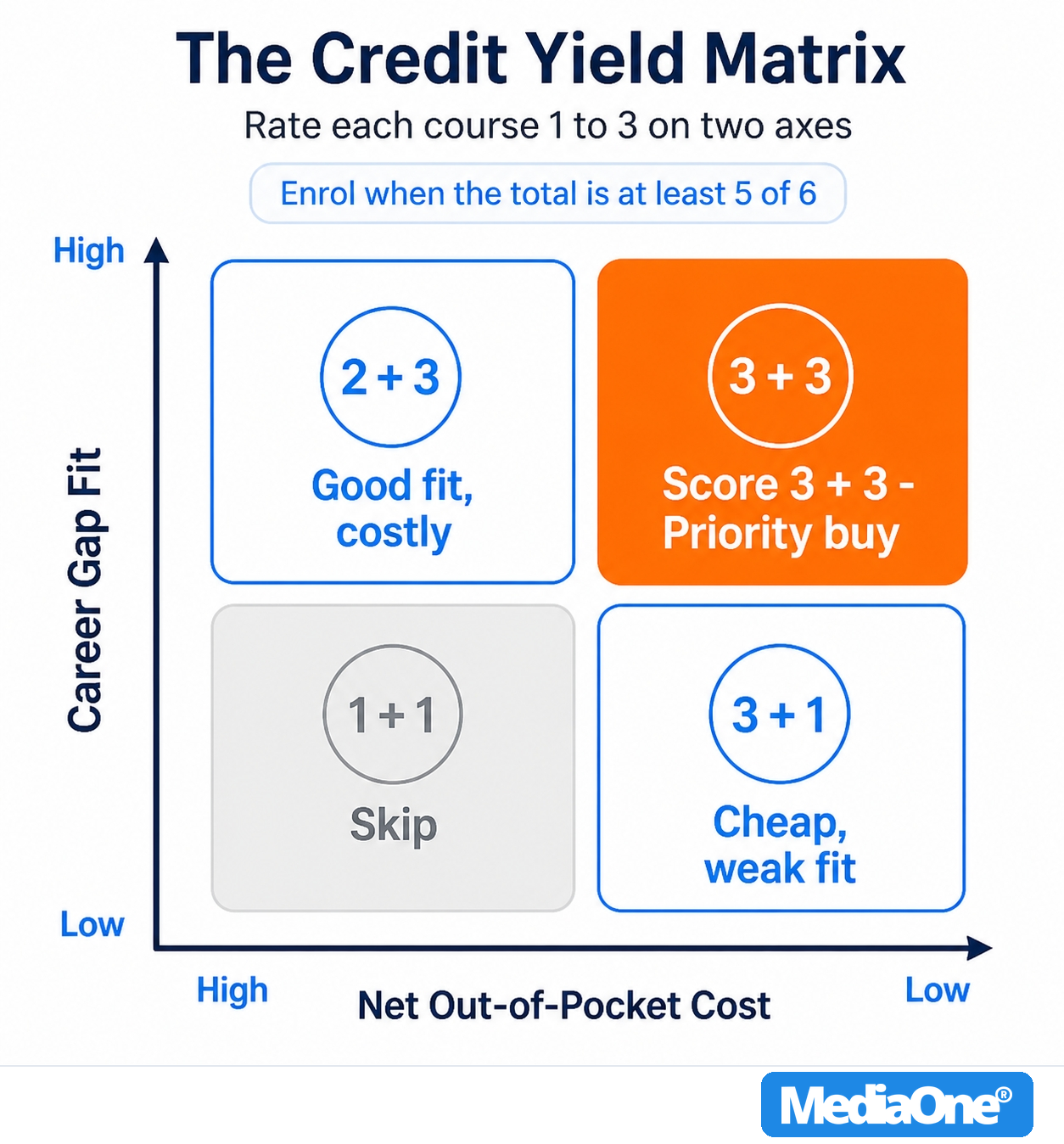
Figure 2: The Credit Yield Matrix: enrol when a course totals at least 5 of 6.
Step-by-Step Sign-Up Checklist
1. Confirm eligibility: Singapore citizen, aged 25 or above.
2. Check your credit balance on the SkillsFuture portal.

3. Score each course in the Credit Yield Matrix.
4. Open the listing, click ‘view details’, and confirm it is SkillsFuture-funded before you pay.
5. Enrol, then keep your receipt and completion record.
How to Verify a Provider and Course
Before paying:
- Confirm the listing carries the SkillsFuture-eligible badge.
- Check that the provider is listed as registered on the same portal, and that it operates as a pte ltd or another legally registered entity.
- Compare the duration and mode of training with the listing details.
- Screenshot the course page and funding line.
- If anything is unclear, ask the provider in writing for the course reference.
A non-approved course will not draw down credits, so this check protects your balance. If a provider’s terms are unclear, review the protection notice or refund policy in writing before you pay.
Worked Example: Scoring Three Listed Courses
Use the Credit Yield Matrix to compare candidates. Resume Writer lists a Project Management Practice course at $2,000.00 after SkillsFuture funding, conducted by Singapore Management University, full-time over 5 days.
|
Course |
Career Gap Fit (1 to 3) |
Net Out-of-Pocket Cost (1 to 3) |
Total (out of 6) |
|
Project Management Practice ($2,000 after funding) |
3, if posting names it |
1, after the $2,000.00 fee |
4 |
|
Lifestyle course listed from $96 |
1, if no posting matches |
3, low net fee |
4 |
|
Brand Yourself Online ($210 after funding) |
3, if it closes a named gap |
2, moderate net fee |
5 |
The cheap course ties on total but fails the gap test. The $210 course clears the threshold of 5 because it closes a named gap at a manageable cost. Many training courses are offered in short modules, so check whether a single module can take you toward your goal before you commit to the full programme.
Using Your Credits to Build a Career Path
Credits are finite, and the old top-up is gone, so treat each course as a targeted purchase. Score each candidate on Career Gap Fit (1 to 3: does a target job posting name this skill?) and Net Out-of-Pocket Cost (1 to 3: what you pay after credits). Priority buys score 3 on both.
Course Categories and What They Are For
- Project management: planning, scheduling and stakeholder control, for mid-career staff moving toward team lead roles.
- Data analysis: spreadsheets, reporting and dashboards, for early-career staff and anyone whose postings ask for Excel.
- Coding: programming basics, for career changers aiming at technical roles.
- Digital marketing and accounting basics: revenue-facing skills, for business owners and small teams — our social media marketing courses guide covers the funded options.
Search each category on the portal, then click view details to confirm the courses available, the programmes offered and the course duration. Check the hours of each course too, since time commitment matters when you are also working.
Matching Courses to Career Stages
Early-career staff usually need hard, role-specific skills such as Excel data analysis. Mid-career staff often gain more from project management or leadership training courses. Business owners should prioritise revenue-linked courses and sign up only for learning that a target role clearly needs.
Building Online Presence Alongside Training
Recruiters look for proof on the platforms they already use. According to the Resume Writer blog, 90% of recruiters use LinkedIn to search for candidates. Add each completed course to your profile’s licences and certifications section the week you finish it, and keep your personal data on the profile limited to what recruiters need — our LinkedIn SEO guide shows how to make the profile findable.


Conclusion
Choose a course that closes a specific gap in your target role. The SkillsFuture Credit does not expire. The 31 Dec 2025 top-up expiry has passed, but the $4,000 Mid-Career credit does not expire either — check the SkillsFuture website for current top-ups before you plan around one.
Frequently Asked Questions
Who is eligible for SkillsFuture credits?
Singapore citizens aged 25 and above qualify. Permanent residents do not receive SkillsFuture Credit, though eligible PRs can claim a 50% SSG course-fee subsidy on supported courses and UTAP support as NTUC members. Confirm your eligibility on the portal before you shortlist SkillsFuture courses.
Do SkillsFuture credits expire?
The opening $500 credit does not expire. The one-off $500 top-up given in 2020 expired on 31 December 2025. The SkillsFuture Credit (Mid-Career) of $4,000 for citizens aged 40 and above does not expire, but it applies only to selected courses with better employability outcomes.
Do courses have to be WSQ-approved?
No. WSQ courses are one eligible category, but the credit also covers other SSG-approved courses including online programmes, selected MOE-funded institution courses, SkillsFuture@PA courses and selected National Silver Academy courses. Look for the SkillsFuture-eligible badge on the MySkillsFuture listing.