| AI Summary
Singapore businesses can choose digital marketing tactics based on where they lose sales. Local SEO and search ads help businesses reach people who are already looking. Content and social posts help customers compare options. Email, sales follow-up and loyalty offers give interested people a reason to take the next step. Partnerships can introduce a business to a new audience. A small team can start with one goal, run one test and track the result in enquiries, bookings or sales. |
The best digital marketing tactics for Singapore businesses include content marketing, local SEO, social media, paid search, email automation, earning links, affiliate marketing, joint promotions, sales follow-up and loyalty offers. The best place to start depends on whether the business needs more people to find it, more enquiries to turn into sales or more customers to buy again.
Key Takeaways
- A Google Business Profile gives local customers a place to check opening hours, read reviews and find contact details before they visit or call.
- A paid search test needs a page that matches the ad and a way to count enquiries or orders.
- A welcome email can answer a buyer’s first question before the team adds a longer email series.
- A joint promotion works best when both businesses serve the same type of customer and agree on how to count results.
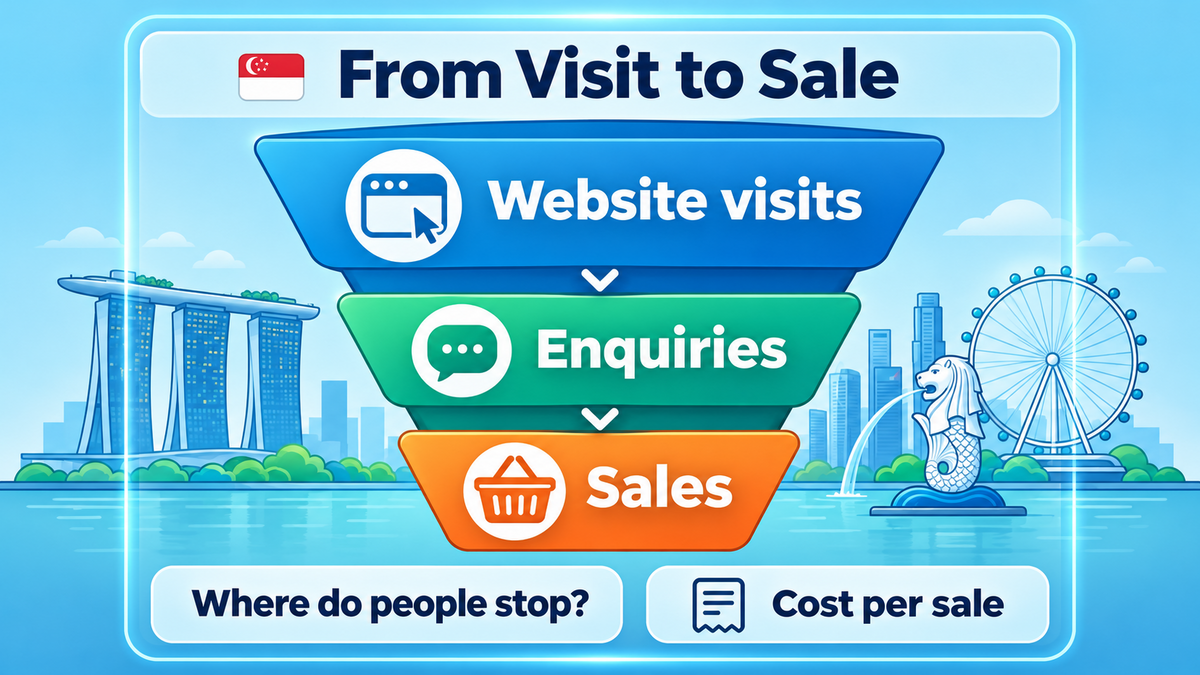
- A campaign report can show where people stop. More visitors may help a page with little traffic, while a page with plenty of visits and few enquiries needs a closer look.
A bakery in Tampines and a payroll firm in the CBD can both need more sales. The bakery might need more people to find its weekend opening hours. The payroll firm might need prospects to understand what happens when they switch providers. Both have a marketing problem, but each needs a different first move.
The best digital marketing tactics help buyers take the next step they already want to take. The examples below show how a small team can put each tactic to work and what to count afterwards.
1. Get Found When Customers Are Looking
Publish content that answers buying questions
Content marketing gives customers information they can use before they call, book or buy. A question that comes up in sales calls makes a good starting point. When customers keep asking what a service includes, one page can explain the work, show an example and outline what happens after an enquiry.
A home cleaning company could compare one-off and weekly cleaning. The page could cover which rooms the team cleans, what customers need to provide and how the company prices extra work. Someone who has never hired a cleaner can use those details to decide what to book. That kind of content marketing also gives staff a page they can share when the same question comes up again.
- First piece to make. A service comparison, a price explainer or a page that shows how the work gets done.
- Details to include. A real example the business has permission to share, a sample order or a short list of what the buyer needs to prepare.
- Result to count. Enquiries or orders from the page. Search clicks can show whether people are finding it in the first place.
A page also needs a title that describes its subject. Google’s SEO Starter Guide explains how titles and links help people and search engines understand a page.
Keep local business details up to date
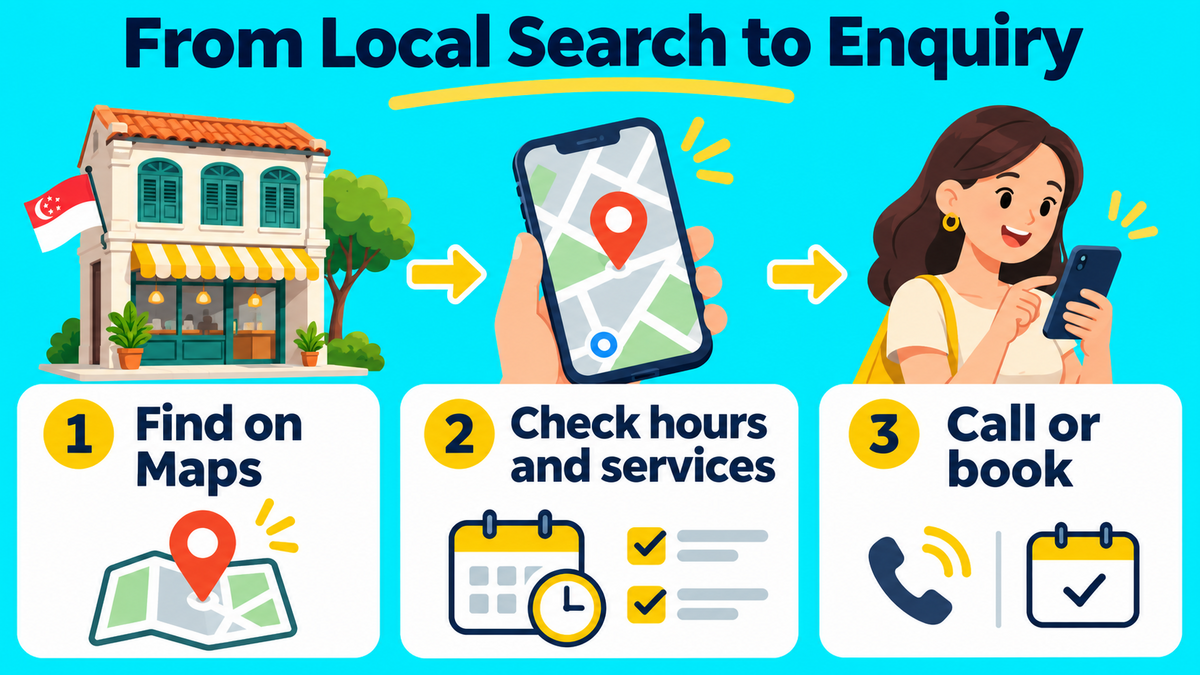
Local SEO helps people find businesses that serve their area. An eligible shop or service business can start with its Google Business Profile. A customer searching for a bicycle repair shop may want to know whether it opens on Sunday, where to leave the bike and whether a booking is needed.
Google says local search results mainly depend on how well a business matches the search, how far away it is and how well known it is. Correct business details help Google understand what the business offers and help customers plan their visit. Google also allows businesses to ask for reviews based on real experiences and prohibits rewards in exchange for reviews.
For a business with a few outlets, local SEO also means giving each branch its own accurate details. A page for a Bishan outlet could include its hours, the nearest MRT exit and the services available there. The owner can then check whether calls or bookings reach the right branch. A spike in calls about opening hours may be a sign that the profile and website show different times.
2. Reach New Customers With Social Media and Search Ads
Social media gives customers a quick look at how a product works or what a service feels like. One short video can answer a question that takes several lines to explain. A furniture shop could show how far a dining table extends and how much room people need to walk around it. The caption can point to the exact model and state whether customers can see it in the showroom.
A business can build its social media marketing around one format its team can make often. A florist might film a bouquet being packed. A business software company might use a short screen recording to show how someone approves an invoice. The platform is worth testing when the customers the business wants already spend time there.
- Post to try. A demo, a side-by-side comparison or a staff member answering one buying question.
- Next step for the buyer. The product page, a showroom booking or a message about stock.
- Result to count. Product visits, booked demos or enquiries tied to the post. Comments can show what the next post should explain.
A post can earn plenty of views because people enjoy watching it. A smaller post may bring more sales because it answers a question buyers have just before they order. Both results tell the team something different about what to make next.
Test search ads for one offer
Google Search campaigns can reach people who are actively searching for the products or services a business offers. A repair company could test ads for one service in the parts of Singapore it covers. An ad for washing machine repairs should lead to a page about that service, with the brands covered and a way to book or ask for a quote.
A small Google Ads test can centre on one offer and one goal. The team might cap what it spends and review the searches that led to clicks. If many clicks come from people looking for spare parts the company does not sell, those searches help explain why the campaign brings few calls.
The test also depends on whether the business can handle the enquiries it brings in. A team that can reply during office hours can say when customers should expect a reply. If calls go unanswered, the owner can fix the booking process before spending more to send people to it.
3. Use Email to Follow Up and Bring Customers Back
Give subscribers a reason to open the next email
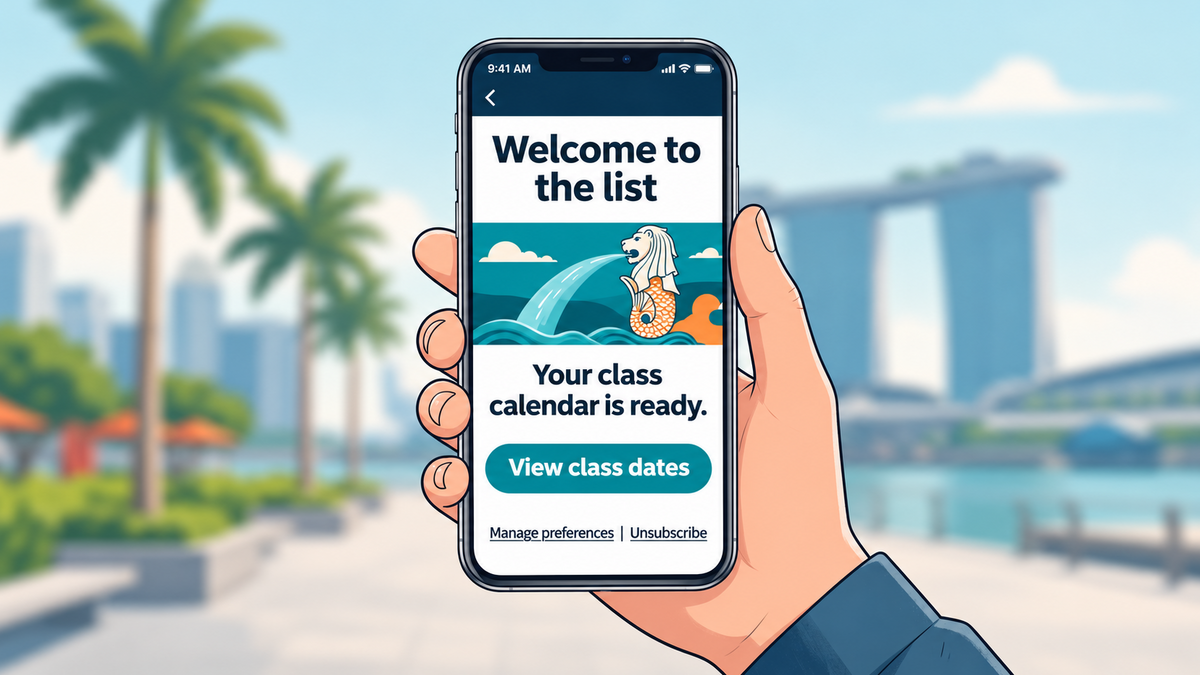
Email works well when customers have a reason to hear from the business again. A cooking school could offer a class calendar to people who sign up. Its first message could share the calendar, explain what beginners need to bring and link to the class list. The message is helpful even when someone needs time to pick a date.
An email marketing lifecycle separates people by what they have done. A new subscriber might need an introduction. Someone who just booked a class needs the arrival details. A past student might be interested in the next class. The business can start with these basic groups and add more only when it has a reason to send different messages.
A sign-up form can say what people will receive, and each marketing email can give them a way to unsubscribe. Singapore’s Personal Data Protection Commission explains how it treats consent for marketing purposes.
Automate one message at a time
Marketing automation sends a message or creates a task after something happens. A new sign-up can trigger a welcome email. A quote request can send a note to the person who replies. A completed order can start a reminder when it makes sense for that customer to buy again.
A team can run through the first message on a phone and check three things before it goes live.
- The trigger. The email goes out after the intended action, such as joining the list.
- The message. The subject, links and contact details are correct, and the next step is easy to find.
- The stopping rule. A customer who already booked stops receiving prompts to make that booking.
Content can feed the email list. A shop that sells coffee equipment could add an email sign-up to a page on caring for an espresso machine. The first message could share a cleaning checklist. Later emails might help the reader choose supplies for the model they own. Clicks to the right products and repeat orders give the shop a way to see what happened after the send.
4. Reach More People Through Links and Partnerships
Earn links by making something worth sharing
A backlink is a link from another website to yours. A publisher or trade group may link to a page because it helps its readers. A supplier could publish a checklist that helps small shops measure shelving before they order. A retail association could then cite the checklist in a member newsletter or link to it from a page for new shop owners.
A useful link starts with a reason for the other website to share the page. A fact sheet with original figures, a public template or an example that explains a common task gives editors something they can point to. A business looking to increase website traffic can start with the pages that already answer questions well. Google’s spam policies list buying or selling links to affect search rankings as link spam.
Pay affiliates for agreed results
Affiliate marketing gives a creator or publisher a way to earn a fee when a tracked action takes place. A creator could show how they use a kitchen scale, then share a link or code for buyers who want the same model. The shop can count the orders that came through that link or code.
A short written agreement can cover the fee, how long the offer runs and how the shop handles cancelled or returned orders. It can also state what the creator should say about the relationship. The Advertising Standards Authority of Singapore’s social media guidelines address how marketing content should be identified.
A test can start with one creator whose audience already asks about the product. The business can compare sales after returns and commission with the time it took to run the test. An order count alone leaves out both costs.
Run a joint promotion with another business
Co-marketing is when two businesses share the work of reaching an audience. A neighbourhood gym and a sports shop could host a session for people preparing for their first 5 km run. The gym could cover warm-ups, the shop could explain how to try on running shoes and both could invite people through their own channels.
The two businesses can agree on who owns the sign-up page, what each partner will share and what success looks like. One may want trial bookings while the other wants shoe fittings. Each can offer its own booking link at the end of the session and count the results it receives. A modest first event gives both teams a chance to see how much work they can share before they plan another.
5. Turn More Enquiries Into Sales and Repeat Orders
Help the sales team answer common questions
Sales enablement means giving the people who handle enquiries the tools to help buyers decide. A price sheet, a sample quote or a short page about delivery can save a buyer from waiting for three separate replies. The first item to make is the one the team already needs most often.
A payroll company might notice that prospects go quiet after asking about switching providers. Its team could make a one-page outline of what information it needs, who handles each task and when the buyer will get an update. A salesperson can send it after a call, and the marketing team can use the same outline to improve the service page.
The team can also record why an enquiry stopped. A lead who needs weekend service is different from a lead who asked for a quote and never received it. The first tells marketing that the page could explain when the business operates. The second tells the sales team to fix the handover.
Give existing customers a reason to return
A loyalty offer works best when it matches how people already buy. A pet shop could offer a simple reward on items customers buy often. A salon could offer a small extra to customers who book their next visit before leaving. Both can explain what customers earn, how to use it and when it expires in a few lines.
The cost of a loyalty offer includes the reward and the time staff spend running it. A shop can compare orders from a group that received the offer with orders from a similar group that did not. A busy offer may attract repeat customers who would have bought anyway. The comparison helps the owner decide whether it makes sense to keep running the offer.
A business with a long gap between purchases can take a different approach. A company that installs window blinds might send care tips after installation and include contact details for repairs. The next sale could come from service or a referral, even if the customer does not need new blinds for years.
6. Choose and Measure Your First Tactic
The first test should address a problem the business can point to. The owner can look at what people do before they buy and find the step where the team loses the most opportunities. A broader digital marketing strategy helps set the goal. The table connects that goal to an action the team can try.
| What the business sees | First tactic to test | Result to count |
| Nearby customers struggle to find a branch | Update the Google Business Profile | Calls or bookings for that branch |
| Buyers keep asking the same question before they order | Publish one answer or product demo | Enquiries from the page or demo |
| People search for the service, but few reach the site | Test one paid search campaign | Enquiries the team can serve |
| Prospects ask for a quote and then go quiet | Improve the quote and follow-up | Quotes that turn into orders |
| Customers buy once and rarely return | Try a reminder or loyalty offer | Repeat orders and reward cost |
Set a baseline before making changes
A baseline is the number the team starts with. If the website brought in 12 enquiries last month and seven matched the services the company offers, both numbers are worth keeping. The team can then compare results over a similar period and look at whether the extra enquiries were worth its time. In Google Analytics, actions such as a completed enquiry form can be marked as key events. A call or a sale that happens offline can still go into the same weekly record.
A simple cost check can put the numbers in context. Suppose a service business spends S$300 on ads and receives 15 enquiries. If only six enquiries match its service area and offer, the cost is S$50 for each enquiry it can serve. If two of those people buy, the ad cost is S$150 per sale. The owner can compare that figure with what is left from each sale after direct costs.
Use AI to sort patterns, then check the records
A small team can use an AI tool to group repeated questions or suggest topics from a list of search terms. It can work with counts and short examples that leave out names and contact details. A person can then compare the groups with the original records and correct any errors before changing a page or campaign.
For example, an AI tool might group several queries under “price”. A closer look might show that customers want to know whether delivery is included. The team can add the delivery terms to the page and see whether the same question comes up less often. That gives it a specific change to test.
Start With the Tactic That Solves a Sales Problem
The best place to start is the step where a customer needs help. That might mean an accurate location page, a product demo that answers a buying question or a quote that makes the next step easier. A small team can give that work an owner, set a review date and decide what result would justify doing more.
When it is hard to tell whether the problem is discovery, the website or follow-up, a digital marketing consultation with MediaOne can start with the pages, campaigns and enquiry records the business already has. Those details give the discussion a starting point and help define what the first test should measure.
FAQs About the Best Digital Marketing Tactics
Can a business start digital marketing before it has a website?
Yes. A business can use a social account, a marketplace listing or a booking page while it builds a site. The page people land on still needs current prices or service details, a way to get in touch and someone to reply. The business should also keep a record of orders and enquiries so it can compare results once its website is live.
Should a Singapore business translate its marketing pages?
Customer questions can help decide. A business that often gets enquiries in Mandarin, Malay or Tamil could translate one page that affects a sale, such as booking steps or delivery terms. A fluent speaker can check that prices, dates and instructions mean the same thing in both versions. The contact channel should support the language used on the page.
Do pages need special markup to appear in Google AI Overviews?
Google says its AI search features have no special markup requirements. To appear as a supporting link, a page must be in Google’s index and eligible to show a snippet in regular search. A business can focus on writing answers people can understand and adding examples based on its own work.
Who should own marketing accounts when a freelancer runs them?
The business should keep an owner or administrator account for assets it needs to retain, such as its domain, ad accounts, analytics and email list. The freelancer can have the access needed for their work. A list of account owners, billing contacts and campaign files makes it easier for the next person to take over without losing access or starting again.