| AI Summary
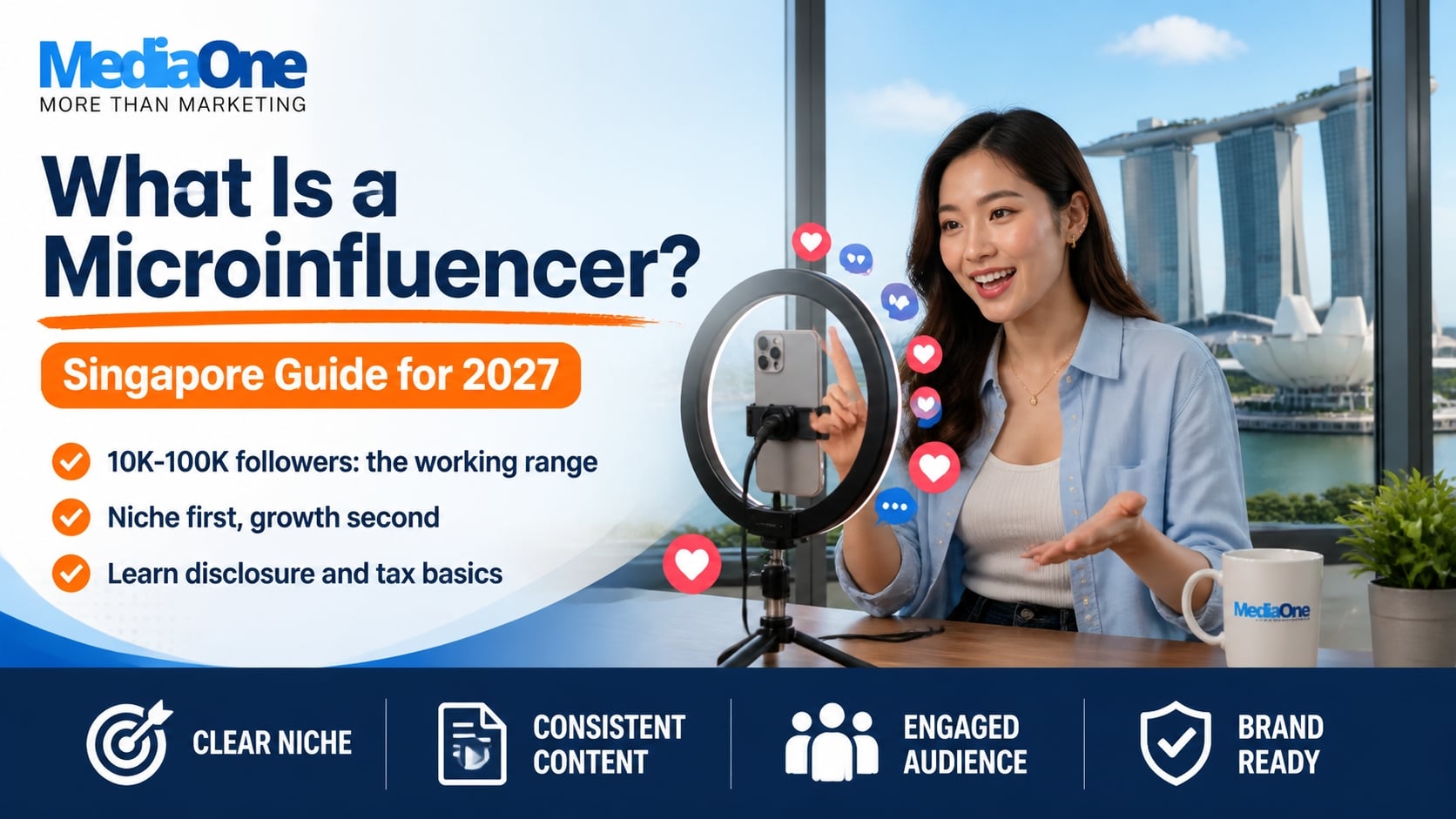
A microinfluencer is a social media creator with a focused audience and a recognisable niche. MediaOne uses 10,000 to 100,000 followers as a practical working range, though this is a marketing classification and not an official threshold. Follower count alone does not create influence, so aspiring Singapore creators should start with a clear subject, repeatable content, one main platform and a good understanding of their analytics. Creators can earn through sponsored content, affiliate commissions and content production, and MediaOne’s guide range is S$800 to S$3,000 per engagement. Paid work also brings responsibilities, including ASAS and platform disclosure rules and IRAS tax requirements. |
A microinfluencer is a social media creator with a focused audience built around a clear topic, skill or interest. MediaOne uses 10,000 to 100,000 followers as a practical micro-influencer range. This is a marketing classification, not an official threshold. MediaOne’s influencer marketing service uses the same range.
Follower count only explains audience size. A useful microinfluencer also needs a recognisable niche and consistent content. Their followers should understand what the creator covers and why the account is useful.
Aspiring Singapore creators should not make 10,000 followers their first goal. Start with a clear subject and useful content. Then develop your audience knowledge, platform skills and commercial practices.
This guide explains what a microinfluencer is and how the category differs from other creators. It also shows how to become one in Singapore while meeting local disclosure and tax requirements.
Key Takeaway
- A microinfluencer commonly has 10,000 to 100,000 followers. The range is useful for classification. It is not a universal rule.
- Follower count does not create influence by itself. A creator also needs a clear subject and regular audience response.
- Commercial opportunities can begin before 10,000 followers. Smaller accounts often fall into the nano-influencer category. Brands may still value them.
- Choose a focused niche before chasing growth. A defined subject gives people a reason to follow. It also helps potential partners understand the audience.
- Learn the business side before taking sponsored work. Singapore disclosure requirements can apply to commercial content. Tax rules can also apply to cash and non-cash benefits.
- Build independent content before pursuing sponsorships. Brands need evidence of your style. Followers also need a reason to trust your account.
What Is a Microinfluencer?
A microinfluencer creates social media content for a smaller audience than a macro or celebrity creator. They usually focus on one subject or a small group of related topics.
There is no global rule for the category. Academic studies use different follower thresholds. Research has used ranges such as 10,000 to 50,000 and 10,000 to 100,000.
A 2024 study on influencer success used 10,000 to 100,000 followers for micro-influencers. Another study of affiliate content used the same range. Research published by Taylor & Francis supports this working definition.
We use the same range for practical planning. However, we would never use follower count as the only test.
A useful microinfluencer also needs a defined subject and repeatable content. Their audience should understand the account without studying dozens of old posts.
How Many Followers Does a Microinfluencer Have?
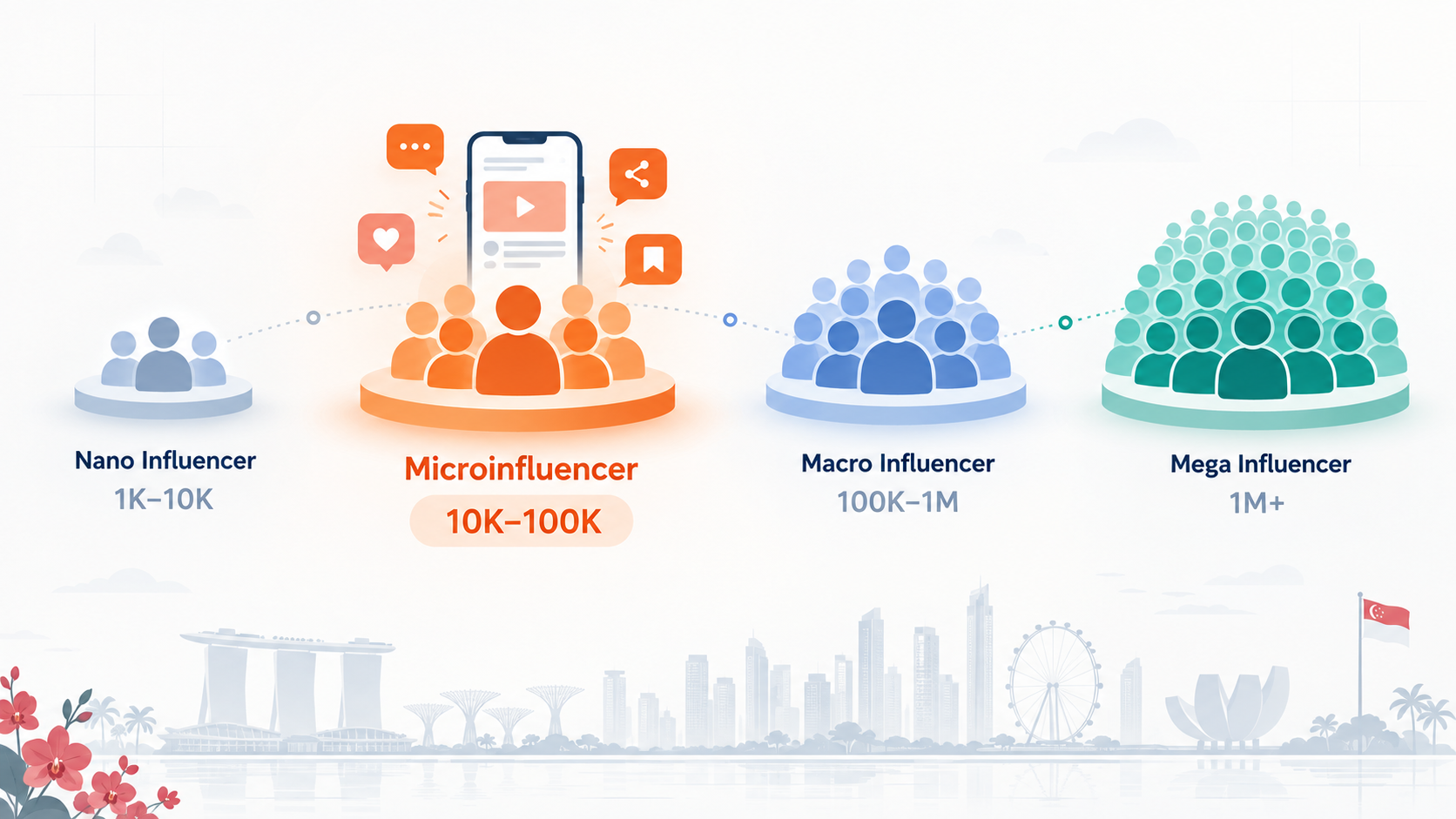
No regulator or platform sets official influencer tiers, so the boundaries are an industry convention. Most agencies and marketing guides use the same four brackets, and we follow them here. Some sources use slightly different cut-offs, so a creator can be classified differently depending on who is asking.
| Creator Type | Working Follower Range | What It Usually Shows |
| Nano influencer | 1,000 to 10,000 | Small or early-stage niche audience |
| Microinfluencer | 10,000 to 100,000 | Established niche audience with moderate scale |
| Macro influencer | 100,000 to 1 million | Larger audience and wider reach |
| Mega influencer | More than 1 million | Very large public audience |
These tiers describe scale. They do not prove expertise or credibility. They also do not guarantee commercial performance.
An account with 9,500 followers does not change overnight when it reaches 10,000. The boundary helps with planning. Real influence develops gradually.
What Makes Someone a Microinfluencer?
Follower count is the easiest signal to see. It is not the most useful one, though. We would also look at the creator’s subject, content pattern and audience response.
A Recognisable Subject
People should know why they follow the account. Consider a Singapore creator who posts restaurant reviews, makeup clips, gaming videos and random sponsorships. The account may attract followers, but the audience proposition is unclear.
Now consider a creator who reviews affordable halal cafés across Singapore. The subject is clear. Followers know what to expect. Brands can also understand the audience more easily.
Repeatable Content
One successful post does not make someone a microinfluencer. A creator needs enough depth to keep producing useful work.
A technology creator might compare phones one week and explain software tools the next. Both still fit the same subject.
The format can change. Still, the account identity should stay clear.
Meaningful Audience Response
Likes show reaction, but they reveal little on their own. Comments can show questions and opinions. Saves can signal usefulness. Shares can show that people want others to see the content.

We would examine several posts before concluding. One viral result can distort the picture.
Academic research also warns against relying on follower numbers alone. A 2023 study found that follower count did not fully explain persuasion differences between nano and micro influencers.
How Is a Microinfluencer Different From Other Creators?
Influencer categories often overlap. The main difference between nano, micro and macro creators is audience scale.
Other terms describe the creator’s role.
| Term | Basic Meaning | Main Distinction |
| Nano influencer | Small creator, commonly below 10,000 followers | Smaller community |
| Microinfluencer | Niche creator, commonly 10,000 to 100,000 followers | Focused audience with greater scale |
| Macro influencer | Larger creator, commonly 100,000 to 1 million followers | Wider reach |
| Key Opinion Consumer | Consumer-led creator sharing personal experience | Consumer perspective |
| Key Opinion Leader | Person recognised for expertise or authority | Subject authority |
A Key Opinion Consumer, known as KOC, often shares product experiences from a consumer perspective. MediaOne groups many nano and micro creators within this category.
A Key Opinion Leader, known as KOL, usually has recognised expertise or authority. A professional with 40,000 followers could therefore be both a microinfluencer and a KOL.
Brands looking for campaign selection and measurement advice should use our influencer marketing strategy guide for Singapore. That article covers brand-side strategy, so we do not repeat it here.
What Microinfluencer Niches Work in Singapore?
A creator does not need to choose from a fixed list. The better question is how clearly the account serves a particular audience.
Several niches offer strong opportunities for local content.
Food and Dining
Singapore food content can become highly specific. A creator might cover hawker stalls, halal restaurants or cafes near Mass Rapid Transit stations.
A narrow angle gives the account a stronger identity. It also makes future content planning easier.
Beauty and Skincare
Creators can focus on routines, product demonstrations or ingredient education. Care is needed when cosmetic discussion moves into health claims. Some claims can fall under additional advertising rules.
Fitness and Wellness
Possible niches include running, strength training and home workouts. Creators should separate personal experience from medical advice. Professional qualifications should also be stated accurately.
Technology
Technology creators can cover phones, software or gaming equipment. Some focus on workplace tools or products for small businesses.
Tutorials and comparisons work well. It is because they give followers a clear reason to save or revisit the content.
Career and Business Content
LinkedIn, YouTube and short-form platforms can support specialist business content. Creators might cover hiring, sales, technology or professional development. Professional creators may prefer LinkedIn for specialist business content.
Parenting and Family
Creators can focus on family activities, education or products for parents. They should also consider privacy when children appear regularly in public content.
How Do You Become a Microinfluencer in Singapore?
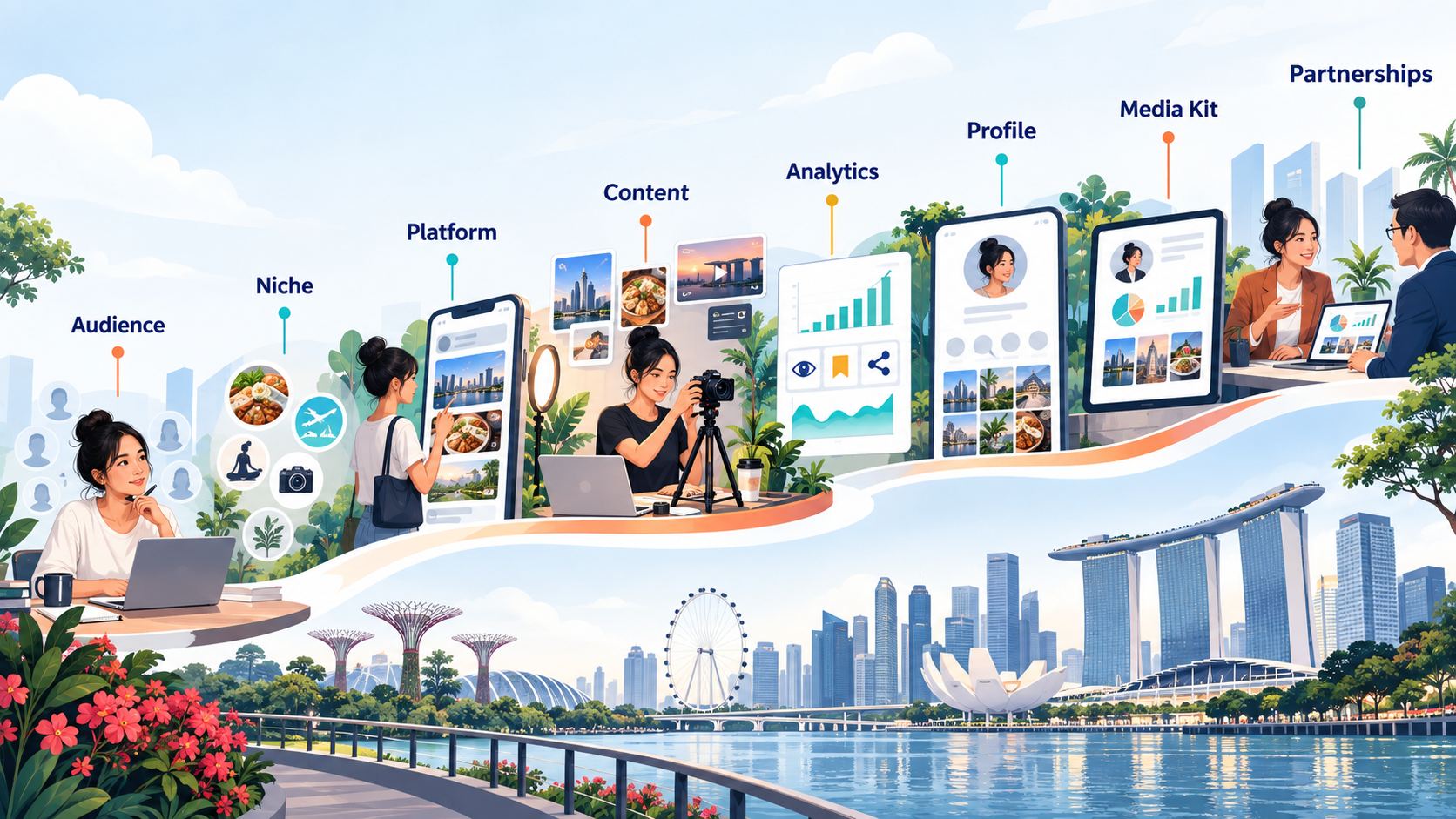
Build the habits first. You do not need 10,000 followers before working professionally.
1. Define One Clear Audience
Start with the person you want to help or entertain.
“Singapore food” is broad. “Affordable weekday lunches for people working in the Central Business District” is clearer.
Try completing this sentence.
I create content for people who want to ________.
If your answer changes every week, narrow the subject.
2. Choose a Topic You Can Sustain
A niche must give you enough ideas for regular publishing. Write 30 possible post ideas before committing. If this feels difficult, the topic may be too narrow or unfamiliar.
A skincare creator might plan routines, comparisons and demonstrations. A technology creator could build tutorials and product comparisons.
Aspiring Instagram creators can study our guide to Singapore Instagram influencers. You’ll understand how different local niches are positioned then.
3. Start With One Primary Platform
Trying to build every platform at once can spread your effort too thinly. Choose the platform that fits your strongest content format.
TikTok suits short videos. Instagram supports visual content and Reels. YouTube works well for detailed reviews.
Professional creators may prefer LinkedIn for specialist business content. For creators focused on short-form video, you can use our TikTok marketing guide for Singapore. Here, you’ll understand how businesses use the platform.
4. Build a Repeatable Content System
Do not depend on inspiration every time you publish. Choose a few formats you can repeat.
A food creator might use short reviews, price comparisons and neighbourhood recommendations. Meanwhile, a technology creator might use demonstrations, comparisons and problem-solving tutorials.
Our content marketing services in Singapore explain how the audience’s needs guide content planning. The same basic principle helps creators.
5. Publish Independent Content First
A new account does not need sponsors to prove its value. Instead, build enough independent content to show your style and subject knowledge.
Tutorials and explainers can establish your identity before paid work appears. This also gives brands something useful to assess.
6. Learn Your Analytics
You should understand your own account before pitching it commercially. Track a few useful signals, such as the following:
- Audience location helps show how relevant your followers are to Singapore brands.
- Typical views provide a clearer picture than one unusually successful post.
- Watch time can reveal where viewers lose interest.
- Saves and shares can identify useful content.
- Follower growth can show which topics attract repeat interest.
Keep recent screenshots when useful. Brands may ask for current audience data.
7. Make Your Profile Easy to Understand
Your bio should explain the niche quickly. So, add a professional contact method when you are ready for commercial enquiries. Pin strong content if the platform supports it.
Do not fill the bio with vague categories. A long list of unrelated interests makes the account harder to understand.
8. Build a Simple Media Kit
You do not need a long presentation. Include your niche, follower count and recent performance. Add audience information if the platform provides it.
You can also include selected work and available partnership formats. Keep every figure current.
9. Approach Brands That Fit Your Content
Avoid sending the same sponsorship request to dozens of companies. Instead, find brands that already suit your niche. Then propose a specific content idea.
A cafe creator might suggest a review of a new lunch menu. A software creator might offer a short demonstration.
The pitch should explain the audience and idea. Follower count should support the proposal, not replace it.
Suppose you’re seeking support with these partnerships. Then, you can review our influencer marketing services in Singapore.
How Do Microinfluencers Make Money?
Microinfluencers can earn through several types of work.
| Income Source | How It Works | What to Check |
| Sponsored content | Brand pays for agreed content | Deliverables and disclosure |
| Affiliate commission | Creator earns from tracked sales | Commission terms |
| Content production | Creator makes assets for a brand | Usage rights |
| Longer partnerships | Brand books repeated work | Exclusivity |
| Events | Creator attends or covers an event | Fee and deliverables |
| Platform income | Eligible creator earns through platform features | Current eligibility |
A creator should not hide a commercial relationship simply because compensation comes as a product. Content rights also need attention. A brand using your video in paid advertising receives extra commercial value.
How Much Can a Microinfluencer Charge in Singapore?
There is no official Singapore rate card. MediaOne currently lists S$800 to S$3,000 as a guide range for micro-influencer engagements. This is our planning range, not a guaranteed earning level.
Rates can change according to the work involved. So, ask for the full brief before quoting a final fee.
- Production work affects the time needed to create the content.
- Usage rights can increase the fee if the brand wants wider reuse.
- Exclusivity may restrict future commercial opportunities.
- Revisions can add substantial work.
- Recent performance can strengthen the creator’s commercial case.
What Singapore Rules Should a Microinfluencer Know?
Paid creator work brings legal and platform responsibilities. Two areas deserve attention from the start. These are disclosure and tax.
Disclose Sponsored Relationships Clearly
The Advertising Standards Authority of Singapore (ASAS), known as ASAS, publishes rules for interactive marketing and social media. Its guidance covers paid promotional content. It also covers solicited reviews when a client provides the product or service.
ASAS says sponsored-content disclosure should appear as early as reasonably possible. Video disclosure should appear visibly within the video.
Examples in the guidance include #adv, #sp, #sponsored and #endorsed.
Use Platform Disclosure Tools
Platform rules can apply alongside Singapore requirements. TikTok requires creators promoting a brand, product or service to use its content disclosure setting. Third-party branded content can receive a Paid partnership label.
Instagram treats some free products and affiliate arrangements as an exchange of value. Its official branded-content guidance explains when the paid partnership label applies.
YouTube also requires creators to declare relevant sponsorships and paid promotions. A platform label does not replace Singapore requirements.
Keep Records for Singapore Tax
The Inland Revenue Authority of Singapore, known as IRAS, states that payments and benefits from social media activity can form taxable business income. This can include money, goods and services received for creator work.
IRAS also provides a concession for some low-value non-cash benefits used for one-off testing or consumption. The conditions include a value not exceeding S$100.
Recurring supplies do not receive the same treatment. Creators carrying on the activity as a business should keep accurate income and expense records.
What Do Brands Look for in a Microinfluencer?
From our perspective, follower count is an initial signal. We would also review audience relevance and content consistency. Brand safety and professional communication also affect the decision.
Creators should therefore keep audience information accurate. They should also understand the terms of every partnership before agreeing to it.
Brands that need the full campaign perspective can read our effective influencer marketing strategies in Singapore. This guide covers creator selection, campaign planning and measurement without duplicating this article. Our social media marketing services in Singapore also explain how creator activity can support a wider social programme.
Are You Ready to Call Yourself a Microinfluencer?
Do not wait for an exact follower number before treating your account professionally.
Use these questions as a basic readiness check.
- Can you explain your niche in one sentence? If not, tighten the subject.
- Do your recent posts show a clear pattern? Followers should understand what they will receive.
- Do you know who follows you? Check location and audience information through your platform analytics.
- Can you show current performance accurately? Brands may ask for recent figures.
- Do you understand disclosure and tax basics? Paid creator work comes with responsibilities.
These habits can start before 10,000 followers. Your working standards should not depend on a follower milestone.
Frequently Asked Questions About Microinfluencers
What is a microinfluencer?
A microinfluencer is a creator with a focused audience and a recognisable niche. MediaOne uses 10,000 to 100,000 followers as a practical working range.
How many followers do you need to be a microinfluencer?
There is no official universal threshold. The 10,000 to 100,000 range appears in both industry practice and academic research.
Can you be a microinfluencer with 5,000 followers?
An account with 5,000 followers would usually fall into the nano-influencer category. It can still attract commercial partnerships if its audience fits the brand.
How do microinfluencers make money in Singapore?
Common income sources include sponsored content, affiliate commissions and content production. Longer partnerships and event work can provide additional income.
Do microinfluencers need to disclose gifted products?
Disclosure can apply when a client provides a product or service for sponsored content or a solicited review. Creators should check ASAS guidance and current platform rules.
Do microinfluencers pay tax in Singapore?
Income from social media activity carried on as a trade or business can be taxable. IRAS also provides specific guidance for non-cash benefits received by social media influencers.
Do you need 10,000 followers before contacting brands?
No Singapore rule requires creators to reach 10,000 followers before approaching brands. Smaller nano influencers can also enter commercial partnerships.
Build the Audience Before Chasing the Label
A microinfluencer is best understood as a niche creator with moderate audience scale. The 10,000 to 100,000 range helps classify creators, but it does not tell the full story.
We would focus first on subject clarity and useful content. Audience response should follow before commercial ambitions take over.
Aspiring creators should also learn analytics, pricing, disclosure and record-keeping early. These habits support professional partnerships at any follower level.
For companies ready to work with creators, our influencer marketing services in Singapore cover creator discovery and campaign management. Businesses that need support across several channels can also explore our digital marketing services.