Many brands still run influencer marketing as one-off, pay-per-post shoutouts. That approach is losing ground. LinkedIn Top Content reports that 72% of brands prefer long-term influencer collaborations over one-off shoutouts.
Singapore brands tend to get better returns from structured, measurable influencer partnerships with micro and nano creators than from chasing the biggest follower counts. Follower count is a weak proxy for sales. Partnership results depend on fit, payback and tracking.
Key Takeaways
- Long-term partnerships beat one-off shoutouts, and 72% of brands now prefer them.
- Nano-influencers (1K-10K) average 8-12% engagement and can outperform larger accounts.
- Shortlist only creators who score 9 or more out of 12 on the Partnership Fit and Payback Matrix.
- Agree on a go or no-go metric, such as clicks or attributed sales, before posting.
- Confirm payout currency in writing. Most traditional banks charge between 1.5% and3.25% for foreign currency transactions.
How to Structure Influencer Partnerships in Singapore
A workable deal has three parts: a fee model, payment terms and a payout currency, agreed in writing before work starts. Most brands pair a modest base fee with a performance commission. Agree on the payout currency and exchange basis upfront, since bank conversion charges can reduce what a creator receives.
Finding the Right Creator
Finding the right creator matters more than finding the biggest one. Lifestyle creators build trust and suit awareness campaigns. Performance creators focus on offers and affiliate codes, so they fit conversion goals. International creators extend reach across markets but usually cost more and need tighter payment planning. Many brands also source creators through an influencer marketplace, which can simplify cross-platform discovery.
Fit matters more than follower count. Check audience location and language mix, engagement rate, and posting consistency over several months. Google’s research on fashion creators supports this conclusion: 477% of fashion micro-influencers prefer long-term partnerships over one-off posts.
The Partnership Fit and Payback Matrix
Score each shortlisted creator from 1 to 3 on each criterion, then add the scores together. Shortlist creators who score 9 or more out of 12. The 9-of-12 cut-off is our judgement, not an industry benchmark. It filters out creators who score weakly on two or more criteria, so you spend time on the strongest candidates. Use the data from each creator’s audience insights to score these criteria accurately.
| Criterion | Score 1 | Score 2 | Score 3 |
|---|---|---|---|
| Audience relevance | Partly matches the target market | Matches in location or language | Matches in location, language and interest |
| Engagement rate | Low for audience size | Average for audience size | Strong for audience size |
| Price per engaged view | Expensive relative to engagement | Reasonable | Good value |
| Term commitment | Single post only | Short campaign | Multi-month term |
Worked example. A skincare brand reviews a creator with strong location and language match (3), average engagement for their audience size (2), a reasonable price per engaged view (2) and a single-post offer (1). The total is 8, so the creator falls below the cut-off. Instead, the brand offers a multi-month term, which raises the term score to 3 and the total to 9. The creator now qualifies, and the brand agrees on a go/no-go threshold before posting. If a creator scores 8, the practical step is to test whether contract terms can improve one criterion before dropping them.
Campaign Planning and Collaboration Ideas
Pick the collaboration format before the creator. Product reviews suit launches, while tutorials, giveaways and series work better for ongoing engagement. Paid partnerships give brands more control over messaging, while affiliate links reward creators for measurable sales. Flipkart ran a winterwear campaign with 32 male creators and saw a 20% spike in category sales, according to a LinkedIn Top Content summary.
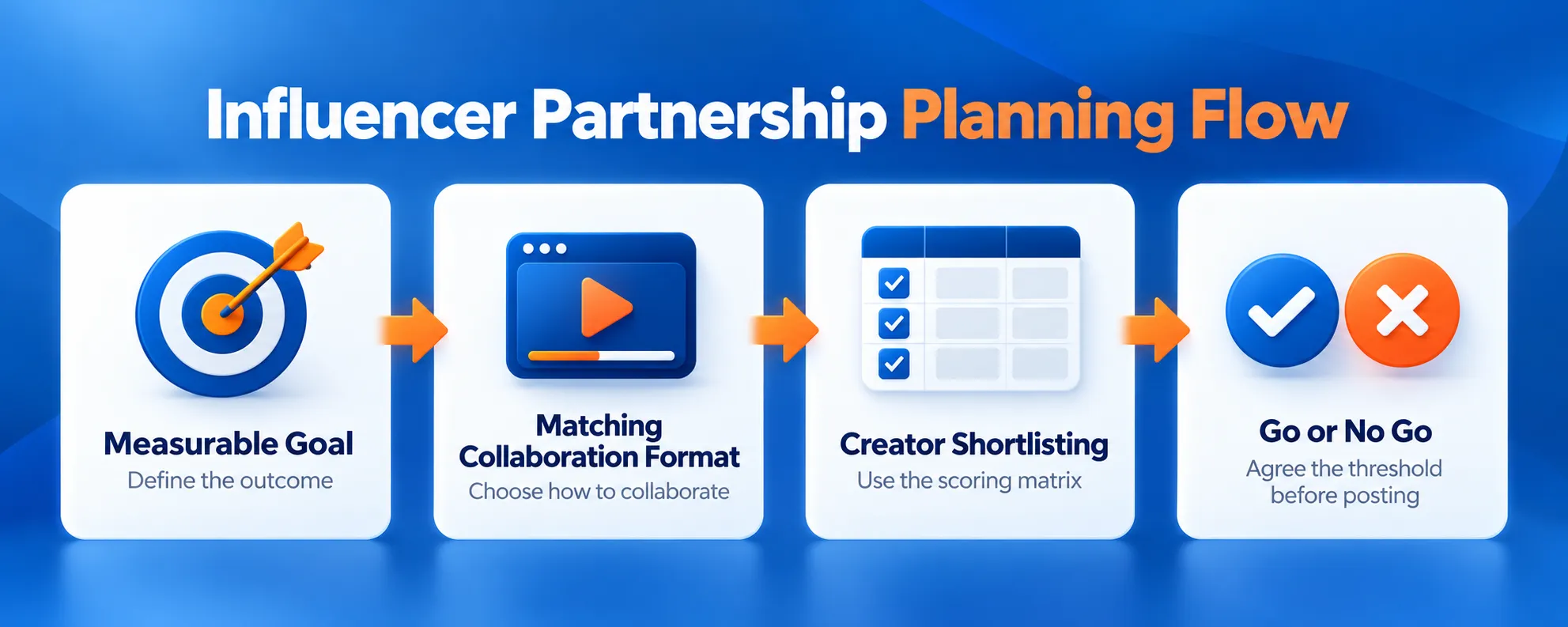
A simple planning sequence:
- Set one measurable goal (clicks, sign-ups or sales).
- Choose a format that matches that goal.
- Shortlist creators using the Partnership Fit and Payback Matrix.
- Agree on the go-or-no-go threshold before the first post.
Measuring Results: Tracking, Attribution and Scaling
Engagement Tactics and Audience Response
Engagement is the first signal to read, and it shows a post’s real impact on its audience. SUGAR Cosmetics reported engagement rising to 4-5% and 3X sales growth over two years from creator-led campaigns, according to LinkedIn Top Content. Treat these numbers as one brand’s result, not a guarantee.
Affiliate and Performance-Based Models
Affiliate deals suit campaigns where sales are the goal and tracking is clean. A modest base fee plus commission protects creators during slow months, keeping paid collaborations sustainable across platforms.
Campaign Tracking, Attribution and Measurable Outcomes
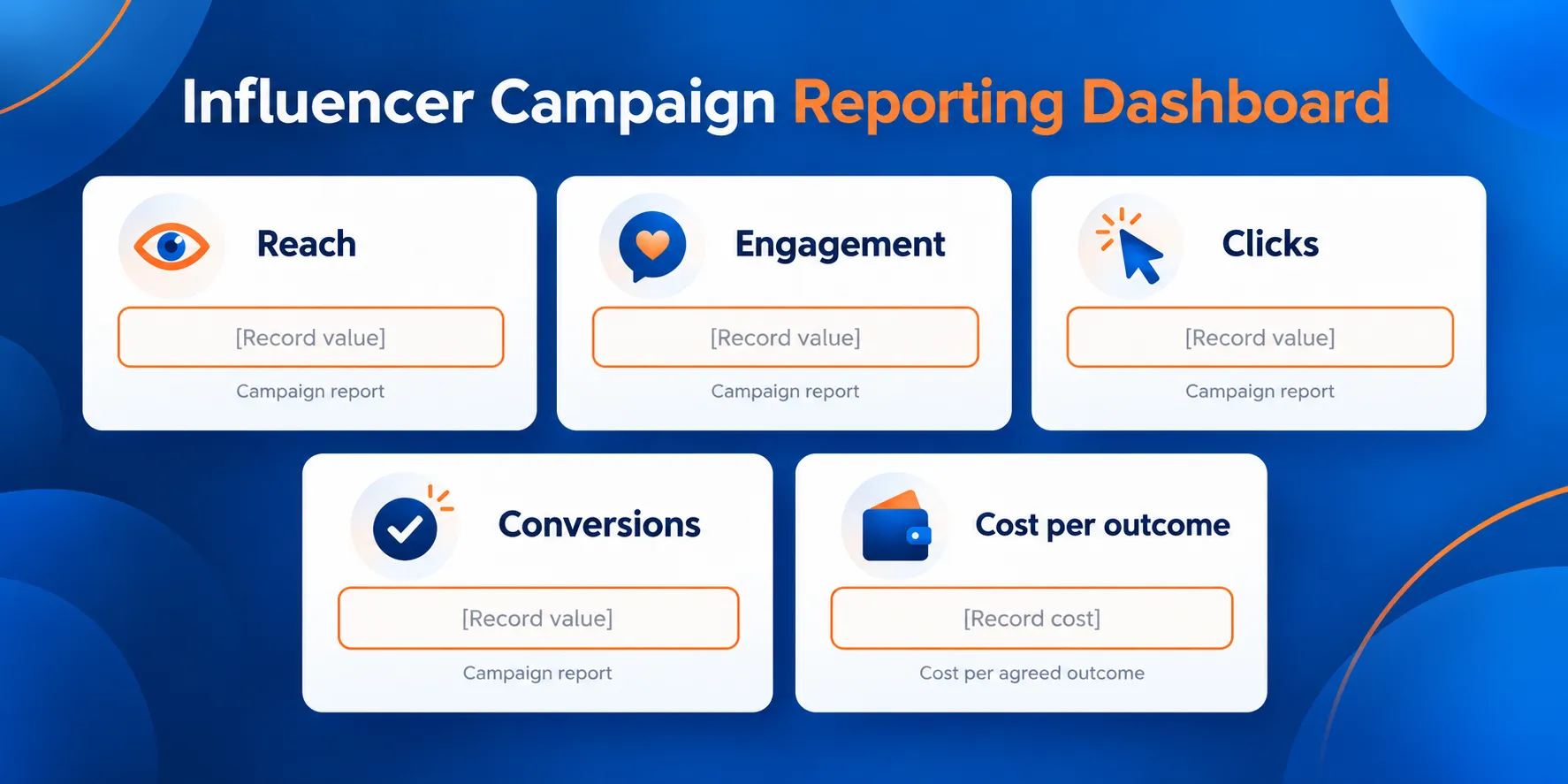
Set tracking links, discount codes, and KPIs before launch so each sale traces back to a specific post and the data is trustworthy. Report against this template:
| Metric | What it tells you |
|---|---|
| Reach | Size of audience exposed |
| Engagement | Quality of audience response |
| Clicks | Interest in acting |
| Conversions | Sales or sign-ups delivered |
| Cost per outcome | Whether the spend was worth it |
Managing and Scaling Creator Relationships
Move proven creators into multi-month ambassador programmes, agree on a briefing cadence, review performance quarterly, and keep the creators who convert. Long-term brand partnerships with influencer ambassadors compound over time, as trust and familiarity build with each campaign.
Comparing Influencer Marketplaces and Platforms
Marketplaces differ in creator categories, performance reporting and payout currencies. Ask for the payout currency in writing before signing, as USD-only payouts can cost non-US creators 2-4% of every commission on conversion. Impact.com lets creators apply to up to 10 programmes at once, according to impact.com.
Rates, Invoicing and Payout Currency for Singapore Creators
Agree on a rate card, invoice template and payout currency before any campaign starts. Invoices should show the fee, currency, due date and commission basis. If paid in a non-S$ currency, state the exchange basis and date.
Conclusion: Building Partnerships That Compound
Three shifts matter most: long-term relationships beat one-off shoutouts, and 72% of brands now prefer long-term arrangements. Fit beats follower count, and measurement is agreed before launch. Influencer partnerships work best when brands settle the scoring, tracking and payment terms before the first post.
Start by auditing the past 12 months of creator payments, then pilot one structured partnership with a clear go or no-go threshold.
Frequently Asked Questions (FAQ)
How much do influencer partnerships cost in Singapore?
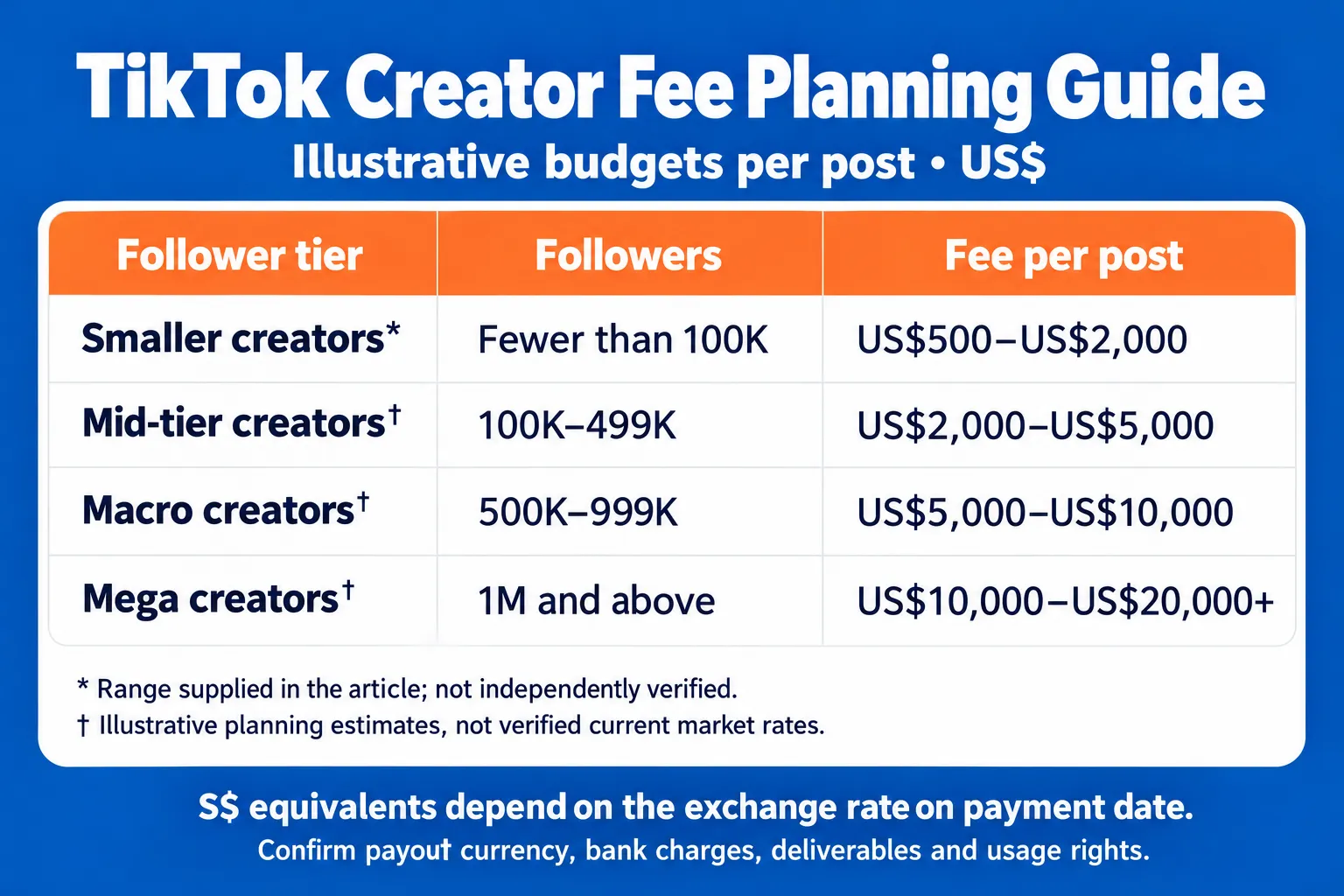
Costs vary by creator size, platform and deliverables. For TikTok, creators with fewer than 100K followers typically charge US$500 to US$2,000 per post, according to a LinkedIn Top Content roundup on influencer partnerships. Confirm the payout currency in writing, as bank conversion charges reduce what creators receive.
How do I find micro or nano influencers for my brand?
Start with audience fit rather than follower count. Search by hashtag and location, review audience comments and check engagement rate. Score candidates on audience relevance, engagement rate and price per engaged view, then shortlist those scoring 9 or more out of 12.