| AI Summary
Cheap SEO services can help Singapore businesses improve search visibility when the fee covers specific work. Buyers should compare page edits, technical fixes, content, reporting and account ownership. Grant claims need separate checks: EDG closed to new applications in September 2026, and current support depends on the approved activity and costs. |
Cheap SEO services are lower-cost packages that cover a limited amount of search optimisation work. Their value depends on the tasks completed, the website’s needs and the contract terms. A worthwhile package names its deliverables, explains exclusions, measures progress and leaves the business in control of its accounts.
Key Takeaways
- Compare written scopes. Page limits, content allowances, technical fixes and support levels explain more than a headline monthly fee.
- Fund the main problem first. An indexing fault, incomplete business profile or weak service page needs a different type of work.
- Keep control of business accounts. Website, analytics and search accounts should remain accessible throughout the contract.
- Separate grant support from SEO pricing. EDG is closed to new applications, and funding depends on current official rules.
- Review work and commercial results. Completed tasks, relevant search visits and qualified enquiries provide a broader view than rankings alone.
Cheap SEO services in Singapore can look similar until the work begins. One package includes website changes. Another supplies a report and charges extra for implementation. The cheaper monthly figure may leave the business with a larger bill.
A sensible comparison starts with the website’s needs and the tasks each provider will complete. Business owners do not need to understand every SEO term. They need to know what they are buying, who will deliver it and how progress will be checked.
What Cheap SEO Services in Singapore Actually Cost
SEO has no fixed price across Singapore. Website size, competition, content needs and development work all affect the quotation. A five-page service website requires different resources from an online shop with thousands of products.
Published prices offer reference points, but they do not establish a market average. At the research date, MediaOne’s main SEO services page listed these starting fees:
| Published package | Starting monthly fee | Listed scope highlights |
| Starter | S$850 | Up to 20 target keywords, on-page work, monthly reporting and Google Business Profile support |
| Growth | S$1,245 | Up to 50 target keywords, a technical audit, content work, link campaigns and account management |
| Enterprise | S$3,550 | Custom keyword planning, advanced technical work, content strategy and strategic reporting |
These are one provider’s advertised starting prices, checked on 20 November 2026. A written quotation should confirm the current scope, charges and terms.
Why keyword counts need context
A package covering 20 keywords does not necessarily include 20 pages. Several related searches may belong on one service page. Separate services may each need their own page, research and copy.
A tuition centre, for example, could target several searches about Primary 6 maths through one detailed page. Its secondary science lessons would need different content.
The quotation should connect keyword research to named pages and customer needs. A long keyword list alone does not explain the workload.
How different service models compare
The provider’s size does not prove quality. The working arrangement affects capacity, communication and who handles problems.
| Service model | Potential advantage | Detail to confirm |
| Freelancer | Direct contact with the person doing the work | Cover during absence and access to specialist help |
| Subscription package | Defined monthly allowance | Page limits, support access and extra charges |
| Project engagement | A named task with an end date | Whether implementation and follow-up are included |
| Ongoing agency service | Access to several skills | Who completes each task and how resources are allocated |
MediaOne’s separate SEO subscription packages illustrate why buyers should check the exact product quoted. Subscription terms and broader agency packages can differ.
The full contract cost
A monthly price hides the total commitment unless the contract length and extras are included. An illustrative six-month agreement at S$800 per month costs S$4,800 before other charges. A separate S$600 setup fee raises that figure to S$5,400 before GST, where applicable.
The comparison should include:
- Setup and onboarding fees.
- Minimum contract length.
- Website development charges.
- Content and revision allowances.
- Paid tools or third-party costs.
- Cancellation and renewal terms.
The full amount helps a business compare offers on the same basis.
What a Low-Cost SEO Package Should Include
A lower fee usually means a smaller scope. That can work when the provider identifies a specific problem and commits to fixing it.
A package becomes difficult to assess when phrases such as “complete optimisation” replace named tasks. The buyer should be able to connect each promised activity to a page, account or report.
A starting review with priorities
The opening review should explain the website’s main obstacles. A small business does not need hundreds of unexplained warnings.
A practical review separates:
- Problems preventing important pages from appearing in search.
- Weak service information or confusing page titles.
- Mobile problems affecting customers.
- Lower-priority improvements that can wait.
Each priority needs a proposed action and an owner. A report that identifies broken pages without assigning repairs leaves the central problem unresolved.
Page edits and implementation
Google’s SEO Starter Guide explains how descriptive titles, organised content and relevant links help people and search engines understand pages. These are reasonable subjects for a scoped page review.
The contract should name how many pages the provider will edit and what those edits cover. Common tasks include title changes, heading improvements, service explanations and internal links.
Implementation also needs an owner. An SEO consultant may recommend a change while a separate developer must publish it. The quotation should state whether that developer’s time is included.
Reporting and support
A monthly report should show completed work, performance changes and the next priorities. Business owners should also know how to raise questions and how long a response normally takes.
A lower-cost package may offer email support with a limited meeting allowance. Those limits are manageable when they are stated before payment.
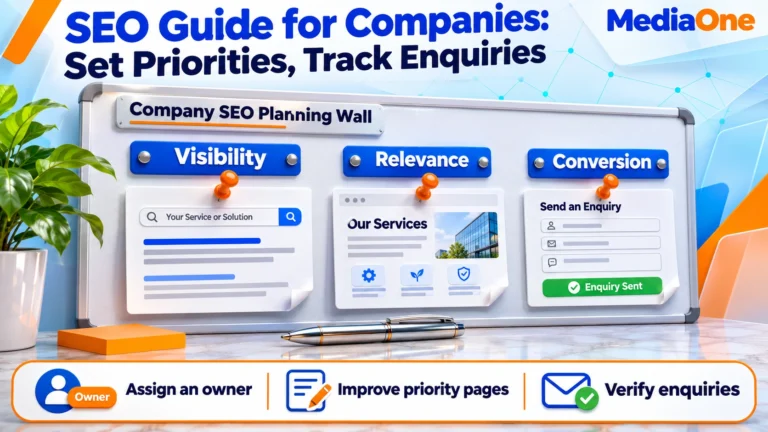
A scoped package connects tasks, responsibility and evidence of completion:

Where a Small SEO Budget Can Work
A limited budget needs a limited objective. The first investment should address the problem most likely to block relevant customers.
Local search work may suit a neighbourhood business. An online retailer may need better product categories. A business with an indexing problem needs technical help before a larger publishing schedule.
Local businesses serving nearby customers
Google’s local ranking explanation identifies relevance, distance and popularity as the main factors behind local results. Complete business information helps Google understand the business, but no provider controls every factor.
A focused local SEO service could cover accurate opening hours, suitable business categories, service details and relevant website pages. A neighbourhood dental practice, for example, needs accurate appointment information and pages explaining its actual treatments. A package aimed mainly at unrelated national keywords would miss that immediate need.
Businesses with a few priority services
A small service business can concentrate its budget on the pages closest to an enquiry. A plumbing company might begin with separate pages for leak repairs and drain clearing. Each page should explain the service, coverage area, booking process and information customers need before calling.
Focused keyword research helps identify the language customers use. The business can then improve a few important pages before expanding into other topics.
Problems that need a larger project
Some jobs exceed a small monthly allowance. Examples include:
- Repairing widespread website errors.
- Moving a large website to a new system.
- Rewriting hundreds of product descriptions.
- Creating content for several languages or markets.
- Managing many branches with separate information.
A low fee cannot reasonably cover unlimited work. A phased proposal can divide a larger problem into affordable stages, with each stage priced and approved separately.
A broader full-service SEO engagement may suit businesses that need technical, content and reporting work at the same time.
EDG and Current Grant Support: What Buyers Need to Know
Grant support can affect a project’s net cost, but the draft’s original EDG claim needs correction.
Enterprise Singapore states that EDG, MRA and PSG ceased on 29 September 2026. New applications moved to the EDGE Grant from 30 September. Existing submissions and projects continue under their relevant arrangements.
What the former EDG covered
The former Enterprise Development Grant supported qualifying business development projects. Its Strategic Brand and Marketing Development category distinguished strategy work from implementation.
SEO implementation, marketing retainers and several content production costs appeared among that category’s exclusions. An ordinary SEO retainer therefore should not be presented as automatically eligible for EDG support.
Businesses with an existing award should follow their approved scope and Letter of Offer. A provider’s general statement about grant eligibility cannot replace those documents.
What current EDGE information says
The current EDGE Digital Marketing activity lists software costs as supported expenditure. It states support of up to 50% for SMEs, capped at S$5,000, subject to its conditions.
That activity page does not establish that any SEO agency retainer qualifies. A quotation needs to match the approved solution and supportable costs. GST and maintenance costs are excluded.
The practical checks are:
- The exact activity or solution being funded.
- The applicant’s eligibility.
- The supported cost items.
- The application timing.
- The approved amount and claim conditions.
How funding changes the net cost
An illustrative calculation shows the difference between a project invoice and eligible expenditure:
| Illustrative item | Amount |
| Total project cost before GST | S$10,000 |
| Portion approved as eligible expenditure | S$6,000 |
| Support at an assumed approved rate of 50% | S$3,000 |
| Business cost after reimbursement, before GST | S$7,000 |
This example is arithmetic, not a funding offer. The approved eligible amount and rate determine the actual reimbursement.
Grant support also affects cash flow. Enterprise Singapore’s EDGE FAQs state that support works through reimbursement and retrospective applications are not supported. A business should check the rules before work starts or any deposit is paid.
How to Compare Cheap SEO Providers
A provider comparison needs the same questions for every quotation. Otherwise, a small package can appear cheaper simply because it leaves out necessary work.
The following five checks form a buyer’s checklist. They are not an industry certification or a validated scoring system.
Five checks before signing
| Check | Evidence to request |
| Named work | Tasks, page quantities and completion dates |
| Scope and exclusions | Included services and separately charged work |
| Measurement | Starting figures, reporting access and agreed business goals |
| Account control | Business ownership and appropriate provider permissions |
| Contract terms | Full fees, cancellation rules, renewal and handover arrangements |
A missing answer deserves follow-up. Several completed boxes cannot cancel out a serious problem such as withheld account access.
A written scope also makes later discussions easier. Both parties can refer to the agreed work when priorities or costs change.
Results that can be checked
A case study should explain what changed, the period measured and what the provider actually did. A traffic chart alone leaves several questions unanswered:
- Did visits come from relevant customers?
- Did the business receive more qualified enquiries?
- Did the period include a seasonal peak?
- Did paid advertising contribute to the reported result?
- Did the website change in other significant ways?
A provider may protect confidential client information. An anonymised example can still explain the work, measurement method and limits of the result.
Warning signs in the sales process
Google’s information about hiring an SEO warns against guaranteed first-place rankings. Search results remain outside an agency’s control.
Other warning signs include:
- Pressure to pay before receiving a written scope.
- Refusal to explain link sources.
- Reports containing activity totals without completed examples.
- Business accounts created solely under the provider’s control.
- Grant discounts presented as approved before an official decision.
A legitimate provider should explain both the work and its limits in everyday language. The five checks can be kept beside each quotation during the comparison:

Local SEO, Technical Basics and Content on a Tight Budget
A modest budget goes further when the website review determines the order of work. A fixed sequence will not suit every business. The three areas below help separate immediate repairs from ongoing maintenance and expansion.
Accurate business information and genuine reviews
Google’s business representation rules require profiles to reflect real businesses accurately. Eligibility generally involves a location customers can visit or a business that travels to customers.
A provider should check eligibility before creating a profile. Incorrect addresses, misleading names and duplicate listings can create further work.
Review requests should also follow Google’s review policies. Paid reviews, incentives and requests that selectively target positive feedback are prohibited.
Technical repairs that help customers reach pages
Technical SEO helps search engines access and understand a website. The business impact depends on the problem.
A priority list might include:
- Important pages accidentally excluded from search.
- Broken links leading to missing service pages.
- Mobile menus that prevent visitors reaching information.
- Forms that fail when customers submit enquiries.
- Large images slowing important pages.
The provider should explain which changes require a developer and how completion will be checked. A software warning does not automatically justify paid work.
Content that supports a decision
Content deserves funding when customers lack information needed to enquire or buy.
A commercial cleaning page, for example, could explain contract types, service coverage, cleaning schedules and how quotations work. Ten short articles on unrelated subjects would not fill those gaps.
A focused content marketing programme can begin with existing service pages. New articles can follow when they answer distinct customer questions.
Links with a stated purpose
A backlink is a link from another website. Relevant editorial coverage, genuine partnerships and appropriate business listings can help people discover a company.
Google’s spam policies identify links created mainly to manipulate rankings as link spam. Payment for links that pass ranking credit is among its examples.
A buyer should understand where proposed links will appear, why the sites are relevant and whether payment is involved. A promised quantity or third-party authority score does not establish quality.
How to Review the First 90 Days
A 90-day review can assess delivery and early progress. It cannot prove that every SEO campaign has reached its full commercial potential. The review should distinguish work completed from search changes and business results.
Days 1–30: establish the starting position
The first month should produce an agreed view of the website and its priorities. Expected records might include:
- Relevant search visits and enquiries.
- Important pages and target services.
- Known technical problems.
- Account access and measurement checks.
- A dated work plan.
The business should also confirm who approves copy and website changes. Delayed approvals reduce the time available for implementation.
Days 31–60: check completed changes
The second review should show examples of published work. A task marked “done” should connect to an edited page, repaired issue or other agreed deliverable.
The provider should explain unfinished work and any new dependency. A developer delay, for example, needs an owner and revised date.
The business can also check whether updated pages describe its services accurately. Search visibility has limited value when the page attracts enquiries for work the company does not offer.
Days 61–90: assess direction and next steps
Google Search Console’s Performance report includes clicks, impressions, click-through rate and average position. Those figures describe search performance, not completed sales.
A commercial review should combine them with relevant enquiry and sales records:
| Measure | What it helps assess |
| Completed work | Whether the provider delivered the scope |
| Relevant search clicks | Whether suitable searches bring visitors |
| Qualified enquiries | Whether visitors contact the business about relevant services |
| Sales outcomes | Whether those enquiries become customers |
| Total campaign cost | Whether the return supports continued spending |
Small samples need care. Two additional enquiries do not establish a reliable long-term trend. A report should connect the work completed with search response and business enquiries, without presenting illustrative numbers as client results.

Cheap SEO Services Need a Defined Scope
Cheap SEO services offer better value when the work addresses a real business need. A defined scope, accessible accounts and regular reviews help buyers control spending. Grant support requires a separate eligibility check and should never replace a sound commercial decision.
At MediaOne, we can discuss your website’s priorities and explain the scope of our SEO services. A consultation with our team can help you compare the work required with the budget available.
FAQs About Cheap SEO Services
Can a business handle some SEO tasks in-house?
A business can maintain opening hours, supply service information, approve page content and record enquiry outcomes. A provider can handle agreed specialist work. The arrangement needs named responsibilities so tasks are neither duplicated nor missed.
Does a new website need SEO before launch?
A new website benefits from checks before publication. Page addresses, service structure, search access and measurement are easier to plan before customers start using the site. A launch review can have a separate project fee.
Should SEO stop when the website reaches its target positions?
Strong positions do not remove the need for maintenance. Services change, pages develop faults and competitors improve. The ongoing scope can be reassessed once the initial work is complete. A smaller maintenance engagement may suit the business’s next stage.
Does an SEO package include Google Ads?
An SEO fee does not automatically include paid advertising. Google Ads has separate campaign management and media costs. A combined proposal should itemise those charges so the business can assess each channel’s spending and results.
Can two providers work on the same website?
Two providers can contribute when their roles are defined. One might manage SEO while another handles development. A shared change record and approval process reduce conflicting edits. The contract should identify who checks the website after changes go live.