
If you run a small business in Singapore, you already know how fast competition can escalate in every district, from Orchard Road to Tampines.


Your customers are searching online, often on their mobile devices, for services right around them — and if your business doesn’t appear in those searches, someone else will capture their attention.
That’s where small business local SEO comes in.
Local SEO is not just another marketing buzzword. It’s the practice of optimising your online presence so that your business ranks higher in local search results, maps, and directories, helping customers find you exactly when they need you. For SMEs in Singapore, this can mean more foot traffic, more calls, and ultimately more revenue.
In this guide, you’ll gain actionable strategies, real-world examples, and practical tips tailored to Singaporean businesses. From optimising your Google Business Profile to building local backlinks and managing reviews, this is everything you need to stay ahead of the curve — all with the perspective and insights you would expect from a local SEO agency.
Key Takeaways
- Small business local SEO is essential for Singapore SMEs because it ensures your business appears in location-based searches, helping you attract customers who are ready to engage and convert.
- Optimising your Google Business Profile, maintaining consistent NAP across directories, and leveraging localised content and backlinks are critical strategies that directly impact your visibility and credibility.
- Actively managing reviews, monitoring analytics, and avoiding common mistakes such as duplicate listings or mobile neglect allow your business to stay competitive and capture more local leads effectively.
Understanding Local SEO for Small Businesses

Image Credit: Sekel
Local SEO focuses on making your business discoverable for location-based searches. Unlike general services offered by an SEO agency, which target global or broad keywords, local SEO ensures that your brand appears when potential customers are searching for services near them.
For Singapore SMEs, this is crucial. People search with intent and proximity in mind: phrases like “cafes near me in Orchard” or “plumber Singapore” are designed to connect them to businesses they can reach immediately.
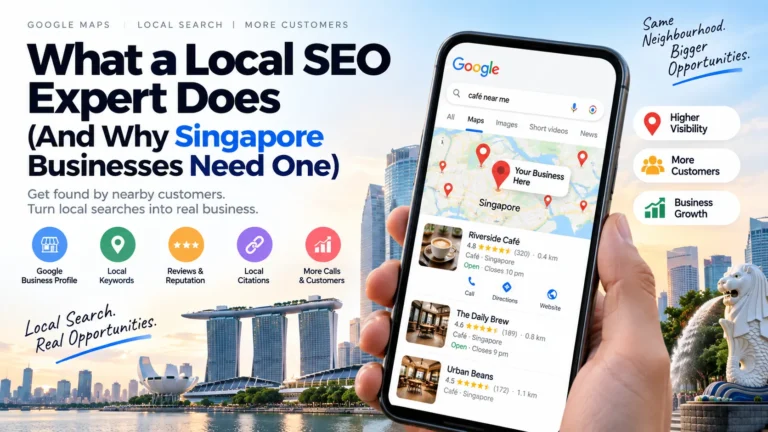
At the heart of local SEO is your Google Business Profile (formerly Google My Business). This is not just a listing — it’s the hub that feeds Google Maps, local search results, and even voice searches. Proper optimisation of your profile allows your business to show up for relevant searches, with your address, phone number, hours, and customer reviews front and centre.
Consider this: 46% of all Google searches are looking for local information, per HubSpot. Ignoring this means leaving nearly half of your potential customers to your competitors.
Core Components of Local SEO for Small Businesses
Successful small business local SEO is not a single action or one-time optimisation. It is a combination of precise, consistent efforts across multiple areas that together improve visibility, credibility, and trust in local search results. When executed correctly, these components help your business appear in Google Maps, local pack results, and location-based searches with higher intent.
Google Business Profile Optimisation
Your Google Business Profile (GBP) is the foundation of local SEO:
- Ensure your NAP (Name, Address, Phone number) is accurate and matches your website and other online directories. Inconsistent information weakens trust signals and can negatively impact rankings.
- Select the most relevant business categories and write a clear, keyword-optimised business description that reflects your services and location.
- Regularly upload high-quality photos and short videos to showcase your premises, products, or team, as active profiles receive higher engagement.
- Posting updates, promotions, or announcements also signals to Google that your business is active and trustworthy.
Local Citations
Local citations reinforce your legitimacy across the web:
- Maintain consistent business information on directories such as Yelp Singapore, Foursquare, and the Singapore Business Directory.
- Even minor discrepancies—such as abbreviations or outdated phone numbers—can confuse search engines and dilute your local ranking potential.
Clean, accurate citations strengthen location authority and improve discoverability.
On-Page Local SEO
Your website must clearly communicate where you operate and who you serve:
- Optimise page titles, meta descriptions, and headers with location-specific keywords, such as neighbourhoods or districts.
- Implement structured data using Schema.org LocalBusiness markup to help search engines better understand your business type, services, and location, increasing your chances of enhanced search results.
Local Backlinks
Earning backlinks from locally relevant sources is a strong trust signal:
- Partner with nearby businesses, sponsor community events, or secure coverage from Singapore-based news outlets and blogs.
- These backlinks indicate geographic relevance and authority, both of which are critical for local rankings.
Reviews and Reputation
Customer reviews play a major role in both visibility and conversion:
- Actively encourage satisfied customers to leave reviews on Google and respond promptly to all feedback.
- Thoughtful responses demonstrate strong online reputation management, which Google rewards with higher engagement and improved local rankings.
- Reviews also increase click-through rates by building trust before a customer even visits your website.
Keyword Research for Local SEO for Small Businesses

Image Credit: Site Checker
Targeting the right keywords is the backbone of local SEO. Generic keywords like “wedding photographer” are too broad and often dominated by larger competitors. Instead, focus on high-intent, geo-specific keywords, such as “affordable wedding photographer Singapore” or “best plumbing service Tampines”.
Tools like Google Keyword Planner, Ahrefs, or SEMrush can help you identify search volumes, trends, and competition. Use long-tail keywords to capture specific local demand, for example:
| Generic Keyword | Localised Keyword |
| Wedding Photographer | Affordable wedding photographer Singapore |
| Plumber | Emergency plumber Bedok |
| Café | Best brunch café Holland Village |
These refinements ensure your marketing spend drives qualified leads who are ready to convert.
Optimising Google Business Profile As A Local SEO Strategy for Small Businesses
Your Google Business Profile (GBP) often serves as the first interaction potential customers have with your business. A fully optimised profile not only improves visibility but also strengthens trust and encourages conversions.
- Accurate Business Info: Ensure your business name, address, phone number, and operating hours are correct and consistent across all online platforms. Consistency helps Google verify your business and improves local search credibility. Inaccurate details can confuse customers and negatively impact rankings.
- Correct Categories: Select the most relevant primary and secondary categories for your business. Proper categorisation makes it easier for Google to understand what you offer, which directly influences how and when your profile appears in search results for relevant queries.
- Visual Engagement: Upload high-quality photos and short videos showcasing your storefront, products, or team. Visual content increases engagement and encourages clicks, while also helping Google evaluate your business as active and trustworthy.
- Local Features: Take advantage of local features such as booking links, Q&A sections, promotions, and posts. Regular updates signal activity and provide additional ways for customers to interact with your business directly from the GBP.
A well-optimised Google Business Profile improves visibility in Google Maps, boosts credibility, and increases the likelihood of appearing in the coveted local pack — the top three results in map-based searches — driving more traffic and potential leads to your business.
On-Page and Website Local SEO for Small Businesses

Image Credit: That Ware
Your website must work hand-in-hand with your Google Business Profile to maximise local search visibility. On-page local SEO ensures that each location or service area is represented accurately and effectively, helping both search engines and potential customers find you.
- Location-Specific Landing Pages: Create dedicated pages for each neighbourhood, district, or service area you cover. These pages should include local references, unique service descriptions, and relevant contact information to ensure relevance for geographically specific searches.
- Structured Data: Implement structured data (Schema.org) to clearly indicate your business type, services, and location. This helps Google understand your offerings and enhances your chances of appearing in rich results or knowledge panels, providing a competitive edge in local searches.
- Title Tags, Meta Descriptions, and Headers: Optimise each page with location-specific keywords in title tags, meta descriptions, and headers. Clear, keyword-rich headings signal relevance to both users and search engines, improving click-through rates and rankings.
- Mobile-First Optimisation: Singapore has one of the highest mobile usage rates globally. Ensure your site is mobile-friendly with responsive web design, tap-friendly navigation, and fast loading times to accommodate users who search on the go.
- Content Marketing Example: Content marketing strengthens location pages. For example, a plumbing business could create pages like “Emergency Plumber Bedok” or “Affordable Plumbing Services Jurong,” each featuring service details, customer testimonials, and contact forms to capture leads and drive conversions.
Local SEO: Link Building and Citations for Small Businesses

Image Credit: Analytify
Backlinks and citations from relevant local sources remain one of the most powerful ranking signals for Google’s local search algorithm. They not only improve visibility but also strengthen your brand’s credibility in the community.
Partnerships with Other Singapore SMEs
Collaborating with complementary local businesses can generate natural backlinks. Joint promotions, guest blog posts, or co-hosted events allow your business to be featured on trusted websites while fostering valuable community connections.
Sponsoring Local Events or Charity Drives
Participating in or sponsoring neighbourhood events, charity drives, or community initiatives creates publicity and backlinks from event pages, press coverage, and local news outlets. These links are highly relevant and demonstrate your brand’s local engagement.
Listing on Local Directories
Ensure your business appears on authoritative local directories such as Singapore Yellow Pages, SGEbiz, or niche blogs related to your industry. Accurate and consistent listings reinforce trust signals for Google and make it easier for potential customers to find you.
Tracking and Maintaining Citations
Use tools like Ahrefs, Moz, or BrightLocal to monitor your backlinks and citations. Tracking ensures that information remains consistent across platforms and identifies opportunities to build new, high-quality links. Maintaining citation consistency supports both local SEO authority and long-term online reputation management.
Small Business Local SEO Strategy: Leveraging Reviews and Ratings
Reviews and ratings are among the most influential factors in local SEO. They not only affect your rankings in Google’s local pack but also shape consumer trust and purchasing decisions. Actively managing reviews is a crucial part of any local SEO strategy.
- Encourage Genuine Reviews: Prompt satisfied customers to leave reviews through follow-up emails, SMS, or in-store reminders. Focus on authentic feedback without offering incentives, as this aligns with Google’s guidelines and builds credibility. Consistent review collection signals reliability and engagement.
- Respond to All Reviews: Address both positive and negative feedback promptly. Thoughtful responses demonstrate that your business values customer input, resolves issues professionally, and maintains a strong online reputation. Google rewards businesses that actively engage with their reviews by improving visibility in search results.
- Showcase Reviews Across Channels: Highlight positive reviews on your website, as well as on your email marketing and social media marketing campaigns. Sharing authentic testimonials strengthens brand trust and encourages more customers to engage with your business, while also supporting broader content marketing and lead generation efforts.
- Real-World Example: A café in Holland Village increased foot traffic by 25% after actively responding to reviews and sharing customer stories online. By leveraging reviews strategically, businesses can enhance visibility, build credibility, and convert searchers into loyal customers.
Monitoring and Analytics in Small Business Local SEO
Tracking the performance of your local SEO efforts is essential to understand what’s working, identify gaps, and make data-driven improvements. Focusing on meaningful metrics ensures your time and resources are spent on actions that drive real business results.
Ranking Positions for Local Keywords
Monitor how your website and Google Business Profile perform for location-specific keywords relevant to your services. Tracking these rankings helps you understand visibility trends, identify which areas need optimisation, and prioritise content or backlink efforts for maximum local impact.
Clicks, Calls, and Direction Requests from Google Business Profile
Engagement metrics from your Google Business Profile, such as clicks to your website, phone calls, and direction requests, provide insights into customer intent. These actions indicate the effectiveness of your GBP optimisation and highlight which locations or services are generating the most interest.

Website Traffic and Conversions via Google Analytics

Image Credit: Tracking Plan
Use Google Analytics to track website visits, user behaviour, and goal completions such as form submissions or quote requests. This data reveals how well your local SEO drives traffic that converts into leads or sales, allowing you to refine messaging, layouts, or CTAs.
Using Data to Refine Strategies
Regularly reviewing analytics allows you to take proactive steps, such as updating underperforming pages, creating new location content, or running targeted local campaigns. Continuous monitoring ensures your local SEO remains effective and aligned with business growth goals.
Common Small Business Local SEO Mistakes to Avoid
Local SEO can be a powerful tool for small businesses, but even minor mistakes can undermine your visibility and credibility. Many businesses focus on keywords and content while overlooking foundational elements that influence Google’s local search algorithms.
Avoiding these common pitfalls ensures your business remains competitive and discoverable in Singapore’s fast-paced digital landscape.
Duplicate Listings on Google or Directories
Having multiple listings for the same location confuses both search engines and potential customers. Duplicate listings dilute reviews, fragment authority, and can even result in penalties or removal by Google. Regularly audit your Google Business Profile and online directories to ensure each location has a single, verified listing. Consolidating duplicates improves clarity, increases review impact, and strengthens local search signals.
Inconsistent NAP Across Platforms
NAP — Name, Address, Phone number — consistency is crucial for local SEO. Inconsistent information across directories, websites, and social media platforms can reduce Google’s trust in your business. Standardise your NAP format, ensure all listings are accurate, and update any changes promptly. Consistency builds authority, improves rankings, and prevents customer frustration from incorrect contact information.
Neglecting Mobile Optimisation
Singapore has one of the highest mobile usage rates in the world, with most local searches done on smartphones. Websites that are slow, unresponsive, or difficult to navigate on mobile devices create poor user experiences and lower engagement metrics, which negatively affect local rankings. Mobile-first design, tap-friendly navigation, and fast loading speeds are essential.
Ignoring Reviews and Failing to Engage
Customer reviews are both a ranking factor and a trust signal. Ignoring feedback, whether positive or negative, diminishes your online reputation and reduces opportunities for customer engagement. Encourage reviews ethically, respond promptly, and leverage positive testimonials across marketing channels to build credibility and drive conversions.
Avoiding these common mistakes ensures that your local SEO strategy is built on a solid foundation. Businesses that maintain consistent listings, mobile-friendly websites, and active customer engagement enjoy higher visibility, stronger trust signals, and better chances of converting local searches into loyal customers.
Future of Local SEO for Small Businesses in Singapore
Local SEO is evolving rapidly in Singapore, driven by hyperlocal intent and advances in artificial intelligence. Small businesses that adapt early will gain a competitive advantage in capturing nearby customers and high-intent searches.
Hyperlocal Searches
Consumers increasingly search for services with specific location intent, such as “nearest florist Singapore” or “emergency plumber Tampines.” Optimising for estate-level, district-level, and MRT-based queries ensures your business appears when it matters most, improving both visibility and foot traffic.
AI-Driven Relevance
Google’s algorithms are becoming smarter at interpreting context, user intent, and engagement signals. Small businesses that provide high-quality, locally relevant content will benefit from AI-powered search features like rich snippets and knowledge panels.
Mobile-First Experiences and Engagement
With Singapore’s high mobile penetration, mobile-friendly websites, fast loading speeds, and tap-friendly navigation are non-negotiable. Authentic customer interactions, including reviews and social engagement, reinforce trust and signal authority.
Investing in community-focused content, consistent mobile experiences, and genuine customer engagement will position small businesses at the forefront of local SEO, driving both leads and long-term growth.
Small Business Local SEO: Start Optimising Today

Image Credit: Refresh
Your competitors are already optimising for local search — the question is, are you? By implementing these strategies, from Google Business Profile optimisation to local backlinks, reviews, and mobile-first websites, you can dominate local searches in Singapore.
Don’t leave your business invisible to nearby customers. Conduct a local SEO audit today and start capturing the traffic and leads your business deserves. If you need help, partner with MediaOne, an experienced SEO agency in Singapore. Contact us today for expert guidance and results-driven support in local SEO
Frequently Asked Questions
What is the difference between local SEO and organic SEO?
Local SEO focuses on optimising your business to appear in searches that include a geographic component, such as “plumber Singapore,” whereas organic SEO targets broader searches without location intent. Local SEO often prioritises Google Business Profile, local citations, and reviews, while organic SEO emphasises content quality and backlinks across the web.
How often should I update my Google Business Profile?
You should review and update your Google Business Profile at least once a month or whenever there are changes to your business, such as new services, updated hours, or promotions. Frequent updates signal to Google that your business is active and engaged, improving your chances of appearing in the local pack.
Yes, while social media signals don’t directly affect rankings, active engagement on platforms like Instagram, Facebook, or LinkedIn can drive traffic to your website and GBP. Increased user interaction and local mentions can indirectly boost your visibility in local search results.
Is it necessary to have a separate landing page for each location I serve?
Yes, creating dedicated landing pages for each location helps Google understand the geographic relevance of your business. Each page should include local keywords, contact information, and unique content to improve rankings for location-specific searches.
How do voice searches impact local SEO for small businesses?
Voice searches are typically location-specific and conversational, such as “best bakery near me in Bukit Timah.” Optimising for natural language queries and long-tail local keywords ensures your business can appear in these voice search results, which are increasingly common on mobile devices.