Understanding consumer trends is essential for any business aiming to thrive in Singapore’s fast-evolving market.
The landscape is shifting, shaped by technological advances, changing values, and fresh expectations. This article examines seven critical consumer trends influencing Singaporean buyers in 2025.
Each trend presents both challenges and opportunities for businesses that want to stay competitive and relevant.

By recognising and responding to these trends, Singapore companies can tailor their strategies to meet consumer preferences more effectively and maintain a strong market presence.
Key Takeaways
- Singapore’s consumer trends in 2025 focus on digital-first shopping, sustainability, and personalised experiences
- Mobile payments and local brand preference continue to shape buying behaviours
- Health and wellness, along with omnichannel journeys, are critical factors influencing consumer choices
1. Digital-First Shopping Behaviour Continues to Dominate

Image Credit: Penfriend.ai
You already know your customers are online. But here’s what you need to grasp deeply: Singapore’s consumers have fully embraced a digital-first shopping mindset that no business can afford to ignore.
This isn’t a future trend — it’s the reality shaping how people discover, evaluate, and buy products right now.
According to Statista, over 65% of Singaporean shoppers used their smartphone on their latest purchase. That means your website isn’t just a brochure; it’s the primary storefront for most potential buyers.
If your online experience feels clunky, slow, or generic, customers won’t hesitate to move on. To win, you need to prioritise:
- Mobile optimisation that guarantees fast load times and easy navigation.
- Personalised user journeys driven by data insights.
- Integration between your online and offline channels, so customers can switch effortlessly.
Ignoring this digital-first reality means missing out on the largest segment of Singapore’s buying power. Your competitors are already adapting — are you?
2. Sustainability Is a Growing Priority for Consumers
Sustainability is more than a passing trend. But here’s what you might be missing: Singaporean consumers are no longer just curious about green products; they expect authenticity and accountability from the brands they support.
That’s a substantial market willing to reward businesses that do it right. But it’s not enough to simply slap a “green” label on your product and hope for the best.
Look at how Unilever Singapore approaches this. They’ve committed to making all their plastic packaging reusable, recyclable, or compostable by 2025, and they transparently report progress.
This kind of accountability resonates strongly with consumers, who increasingly research brand ethics before purchasing.
If your sustainability messaging feels vague or unsubstantiated, you risk scepticism and losing trust. You need to demonstrate measurable action—whether that’s cutting carbon emissions, sourcing responsibly, or reducing waste.
Here’s how to put sustainability at the core of your marketing:
- Show data, not just promises. Share your environmental impact figures and sustainability goals openly.
- Engage in partnerships. Collaborate with credible environmental NGOs or local initiatives to reinforce authenticity.
- Educate your audience. Use your platforms to explain why sustainable practices matter and how your brand contributes.
- Embed sustainability into product design. Highlight durable, repairable, or recyclable features that extend product life.
Failing to back your sustainability claims with real action won’t just cost you sales—it will damage your brand reputation.
In a market where 43% of Singapore consumers have switched brands due to poor sustainability practices, inaction is riskier than ever.
You don’t just want to meet expectations—you want to lead. And authentic sustainability is how you do it.
3. Personalised Consumer Experiences Are Expected
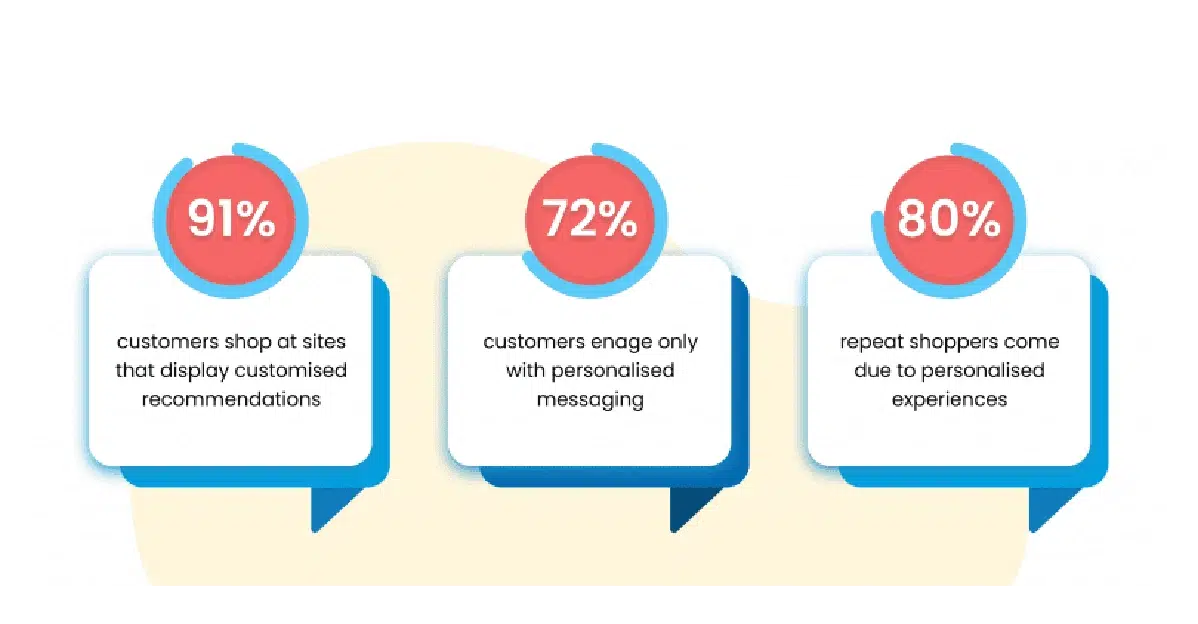
Image Credit: JustCall
You’ve probably noticed how generic marketing just doesn’t cut it anymore.
Current consumer trends clearly show that customers expect more than a one-size-fits-all approach—they want to feel seen, understood, and valued.
Personalised consumer experiences aren’t a nice-to-have; they’re the baseline expectation that separates thriving businesses from those stuck in the noise.
Here’s the reality: 79% of consumers in Asia say they will only engage with offers tailored to their interests. If you’re still blasting out the same message to everyone, you’re losing attention (and money) to competitors who get personal.
Consider Grab, Singapore’s ride-hailing and payments giant. They don’t just push generic promotions. Their app uses customer data (ride habits, preferred destinations, spending patterns) to deliver highly relevant deals and suggestions.
The result? Grab’s personalised offers generate 40% higher engagement rates than generic campaigns.
This isn’t guesswork. Data-driven personalisation delivers measurable ROI:
- Increased conversion: Customers are more likely to buy when offers speak directly to their needs.
- Stronger loyalty: Personalisation builds emotional connections that keep consumers coming back.
- Improved efficiency: You spend marketing budget reaching the right people, not everyone.
To deliver, you need a solid tech stack—think CRM systems, AI-powered recommendation engines, and advanced analytics. But don’t overlook the human touch. Use insights not only to segment but to craft messaging that resonates emotionally.
If your digital marketing isn’t already personalised at every step—from website experience and emails to retargeting ads—you’re missing a crucial piece of the puzzle.
It’s time to move beyond generic campaigns and start building one-to-one relationships with your audience.
4. Mobile Payments and Digital Wallets Are Mainstream

Image Credit: Seedly
Mobile payments and digital wallets are no longer emerging trends — they’re the backbone of consumer transactions in Singapore today.
If your business isn’t set up to accept these payment methods seamlessly, you’re putting up barriers between your customers and their purchases. Consumers want speed and convenience. They expect to pay with a tap or scan, not fumble for cash or cards.
Look at how DBS Bank has capitalised on this shift. Its digital wallet services grew by 35% in the past year, driven by aggressive partnerships with retailers and integration into lifestyle apps.
By offering a smooth payment experience, DBS not only increased transaction volumes but also deepened customer engagement.
Your takeaway? Integrate multiple mobile payment options like PayNow, GrabPay, and Apple Pay. Make sure the checkout process on your website or physical store is fast and frictionless.
Every second you save your customer at payment time can mean the difference between a sale and a lost opportunity.
| Payment Method | Usage in Singapore (%) | Growth Rate YoY | Why It Matters |
| PayNow | 78 | +12% | Most widely used P2P payment |
| GrabPay | 55 | +18% | Popular in retail and F&B |
| Apple Pay / Google Pay | 40 | +20% | Favoured by younger demographics |
| Credit/Debit Cards | 85 | +5% | Still common for big purchases |
If you’re still processing cash or card payments manually, you’re creating friction. Modern consumers want seamless, contactless payment experiences that fit their mobile lifestyles.
Meeting that expectation positions your business for growth and customer loyalty.
5. Local and Authentic Brands Attract Growing Interest

Image Credit: AwfullyChocolate
You’ve probably noticed it yourself: consumers in Singapore are no longer satisfied with generic brands that feel distant or impersonal.
Local and authentic brands aren’t just catching attention — they’re building deep, lasting connections with their audiences. This shift isn’t just a passing trend. It’s rooted in something fundamental: people want to feel represented, understood, and valued.
Why does this matter to you? Because consumers don’t just buy products — they buy stories, identities, and experiences.
Brands that showcase their Singaporean roots, support local communities, or tell genuine stories resonate more powerfully than those relying solely on price or flashy marketing.
Take Awfully Chocolate, a Singaporean bakery brand. Their emphasis on “homegrown quality” and local flavours has cultivated a loyal following.
This isn’t by chance — it’s a deliberate strategy rooted in authenticity and cultural connection. Their marketing highlights Singaporean heritage and uses local narratives, setting them apart in a crowded market.
If your brand feels generic or distant, it’s time to rethink how you communicate your identity. Highlight local partnerships, celebrate Singaporean culture, and be transparent about your journey. Authenticity isn’t just about messaging — it’s about genuinely living those values.
This trend isn’t a niche — it’s mainstream. Ignoring it means missing out on a crucial factor driving purchase decisions today.
If you want to position your brand as an authentic local leader, start by embedding your unique story in everything you do, from product development to marketing communications. Authenticity demands consistency, but it rewards loyalty.
6. Focus on Health and Wellness Influences Purchasing Decisions
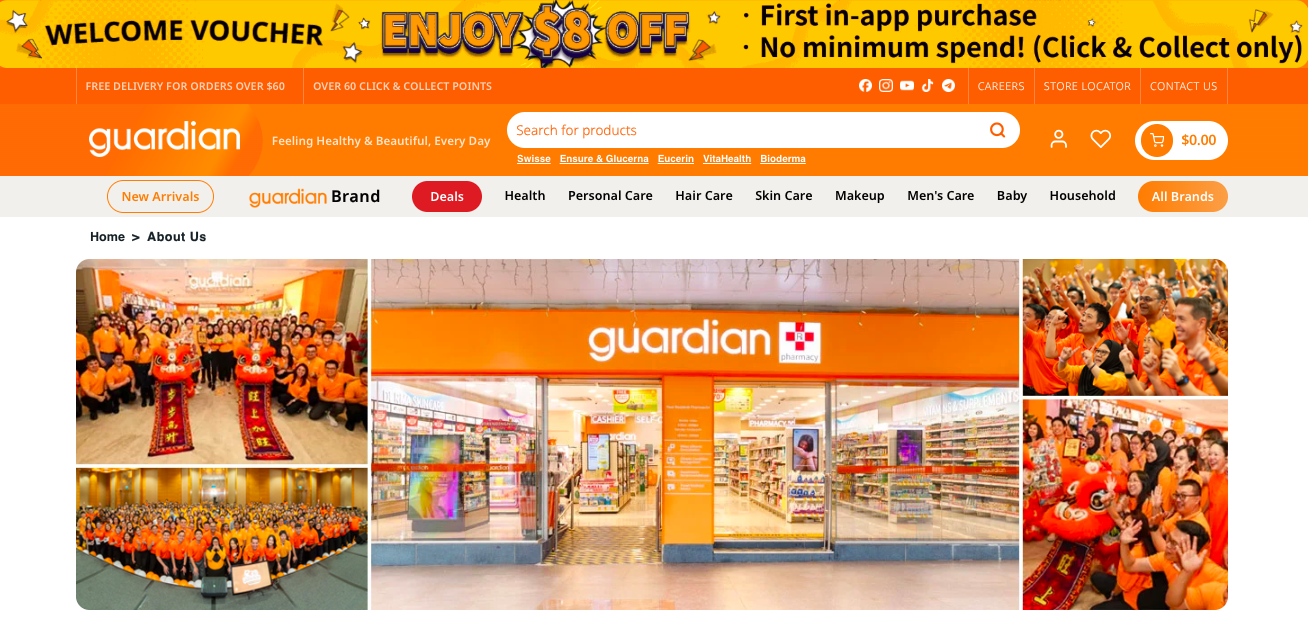
Image Credit: Guardian Singapore
You’ve noticed it yourself: health and wellness are no longer niche concerns—they’ve become central to how your customers choose what to buy.
In Singapore, this shift isn’t just a passing fad; it’s a fundamental change that’s reshaping entire industries.
If you’re overlooking this trend, you’re missing a prime opportunity to connect deeply with consumers who are actively seeking products and services that support their well-being.
Here’s why you need to take this seriously.
Health and Wellness Are Driving Consumer Choices More Than Ever
Your customers want more than just products. They want solutions that fit into a holistic lifestyle prioritising balance, prevention, and vitality. This trend touches everything from what they eat, how they exercise, to even the brands they trust.
You must go beyond traditional marketing messages that simply list product features. Instead, position your offerings as integral to a healthier lifestyle.
That requires knowing what your customers value and communicating how your product or service supports their wellness goals.
They introduced curated product ranges focusing on organic skincare and natural remedies, combined with educational content on wellness routines. The result? A reported 15% increase in customer engagement and sales within six months.
Key Consumer Expectations You Need to Address
- Transparency: Shoppers expect clear ingredient lists and sourcing information.
- Natural and Organic: Demand for products free from harmful chemicals is rising.
- Holistic Wellness: Mental health apps, stress relief products, and fitness gear are part of the wellness ecosystem.
- Convenience: Busy lifestyles mean easy-to-use, accessible wellness solutions win.
Health and Wellness Product Categories with Strong Growth in Singapore
| Category | Market Growth (YoY) | Consumer Insight |
| Organic Food & Beverages | +12% | Preference for non-GMO, pesticide-free options |
| Fitness Equipment | +10% | Rising adoption of home workouts and smart gear |
| Mental Health Services | +15% | Increased awareness and acceptance |
| Natural Personal Care | +11% | Shift towards chemical-free beauty products |
How to Turn This Trend Into Action
- Audit Your Product Range: Identify where you can add or highlight health-focused options.
- Educate Your Audience: Use content marketing to provide value — share tips, wellness guides, or expert interviews.
- Partner With Wellness Influencers: Their authentic voice can expand your reach to targeted communities.
- Be Transparent: Provide detailed product information and third-party certifications where applicable.
- Make Wellness Accessible: Simplify product usage or service booking to fit busy lifestyles.
Health and wellness isn’t a passing trend; it’s becoming the standard for consumer expectations in Singapore.
If your brand can authentically align with this shift, you’re not only meeting customer needs—you’re building long-term loyalty and market differentiation.
7. Omnichannel Buying Journeys Are the Norm
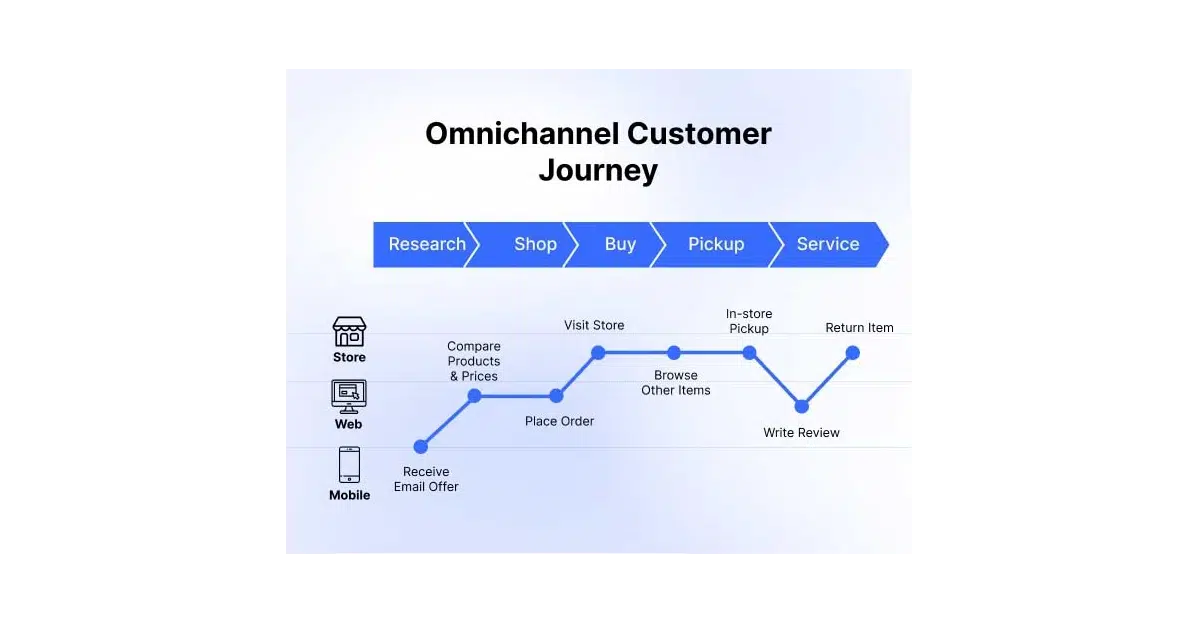
Image Credit: REVE Chat
Your customers don’t shop like they used to. These consumer trends highlight that buyers start on their phone, jump to a desktop, check your physical store, then maybe ask a question on social media before buying.
This back-and-forth? That’s the omnichannel buying journey — and it’s no longer optional if you want to stay relevant in Singapore’s market.
Here’s why this matters to you:
- Consistency builds trust. When your brand experience is seamless across every platform (website, app, social media, in-store) customers feel more confident buying from you. A study by Harvard Business Review found that omnichannel customers spend 4% more on every shopping occasion compared to single-channel shoppers.
- Data integration is your competitive edge. Combining data from all touchpoints gives you a clearer picture of customer behaviour. You’ll know when someone browses online but prefers in-store pickup, or which social posts lead to conversions. This insight lets you tailor marketing messages precisely.
- Increased retention and loyalty. Brands that have integrated online ordering with in-store pickup and mobile app engagement have seen an increase in customer retention last year. That’s real growth from making the customer journey smoother.
If your channels feel siloed (disconnected from one another), you’re creating friction. The customer who has to repeat themselves when switching platforms will quickly lose patience. Your job is to remove these barriers.
To win in 2025, build a true omnichannel experience that delivers convenience and consistency. That’s how you turn casual browsers into lifelong customers.
How to Use These Consumer Trends for Your Business
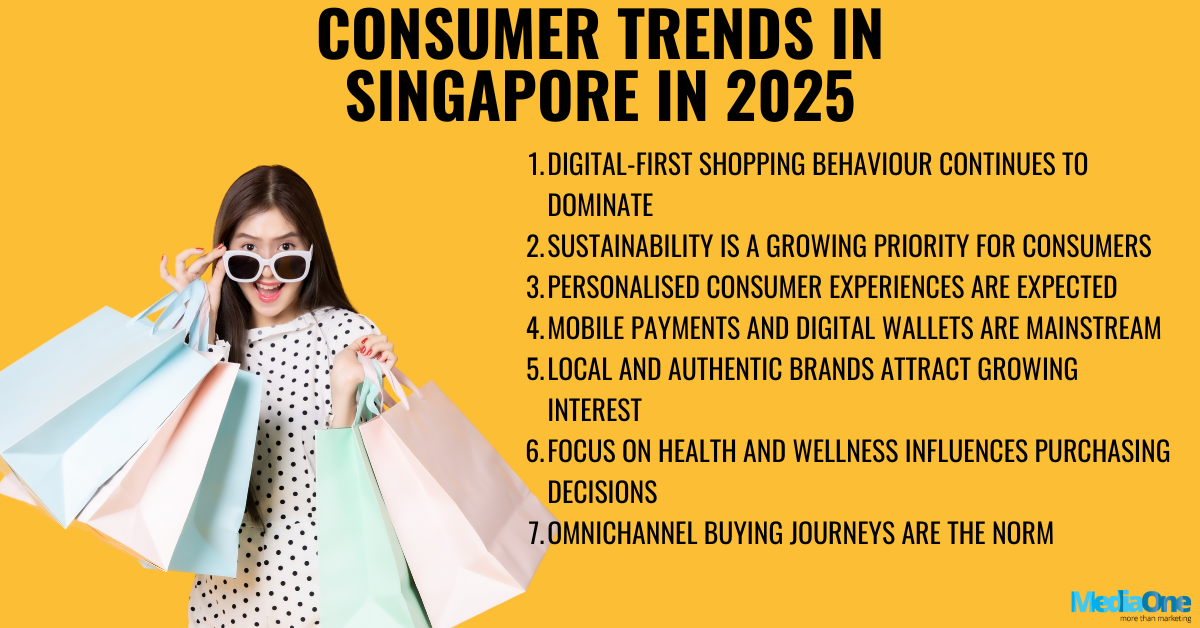
The consumer trends outlined here reflect significant shifts shaping Singapore’s marketplace in 2025. Businesses that understand these changes can refine their strategies to meet evolving consumer expectations more effectively.
Whether adapting to digital-first shopping habits, embracing sustainability, or offering personalised experiences, recognising and responding to consumer trends will be a decisive factor in maintaining competitiveness.
To transform these insights into action, consider partnering with a digital marketing agency like MediaOne, which specialises in creating tailored strategies that align with current consumer trends.
Explore their comprehensive services at MediaOne Marketing to stay ahead in Singapore’s dynamic market.
Frequently Asked Questions
What are the top consumer trends influencing Singapore businesses in 2025?
The leading consumer trends include digital-first shopping, sustainability, personalisation, mobile payments, preference for local brands, health and wellness focus, and omnichannel buying behaviours.
How important is sustainability to Singaporean consumers?
Sustainability is increasingly important, with many consumers favouring eco-friendly products and brands that demonstrate ethical and transparent practices.
Why are personalised experiences crucial for modern consumers?
Personalisation helps brands engage customers more deeply by catering to individual preferences, leading to increased satisfaction and loyalty.
What role do mobile payments play in Singapore’s retail landscape?
Mobile payments are mainstream and preferred due to convenience, speed, and security, with many consumers expecting multiple payment options.
How can businesses implement an effective omnichannel strategy?
By integrating online and offline platforms, ensuring consistent messaging, and enabling smooth customer journeys across all touchpoints, businesses can meet consumer expectations.