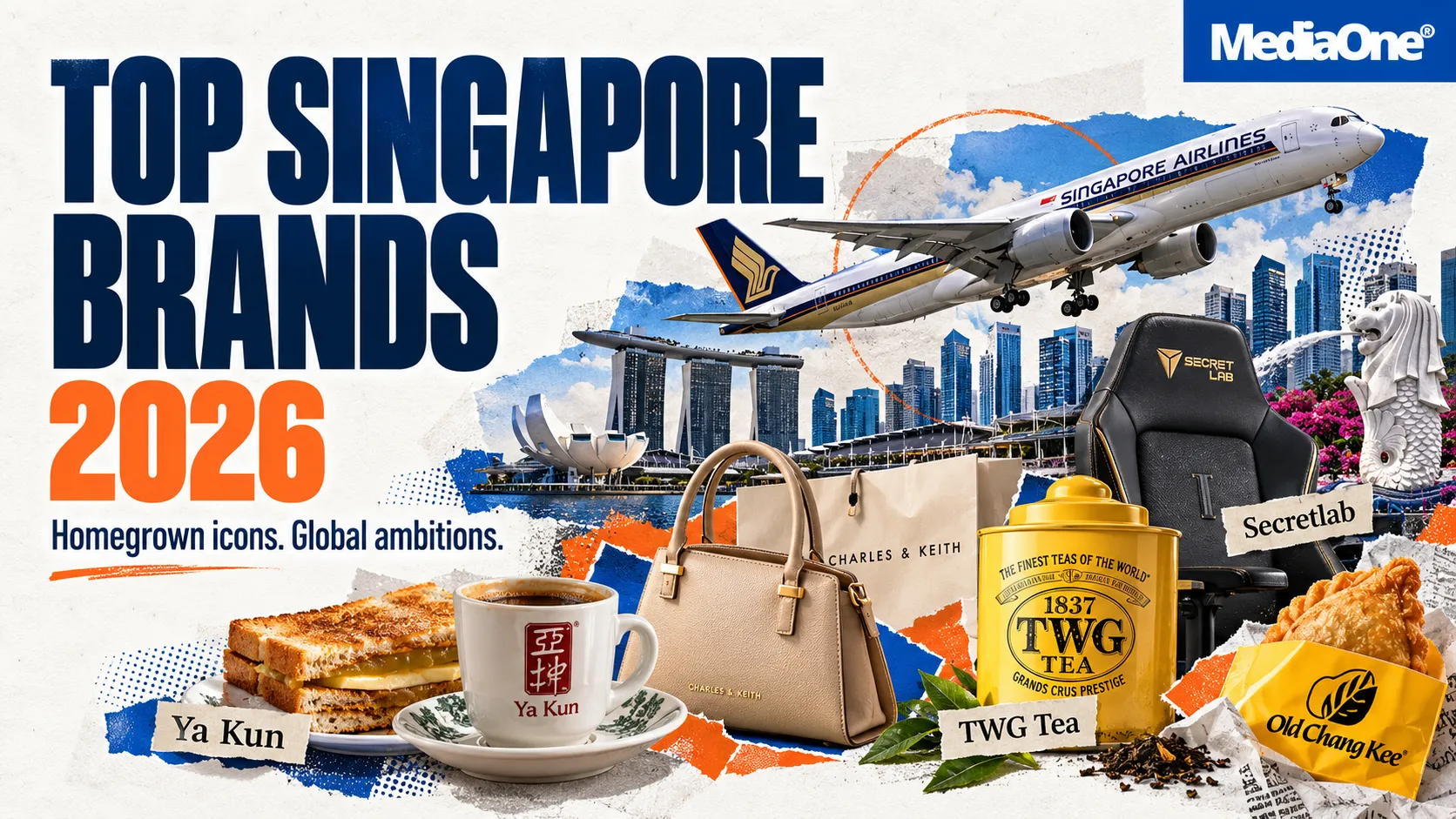
Some Singapore brands start your day. Others furnish your living room, sit on your desk or take you overseas.
You might order kaya toast at Ya Kun, pick up an Old Chang Kee curry puff, browse a CHARLES & KEITH bag and spend the evening in a Secretlab chair. Taken together, those purchases tell a more compelling story about Singapore business than another list of company logos.
No single route leads to becoming a memorable brand. Ya Kun has heritage. TWG Tea has built a luxury world around tea. Love, Bonito focuses on a particular customer. Shopee operates at a scale that is hard to picture from a single shopping basket.
This guide brings together 17 brands across food and beverage, fashion, home and wellness, technology, banking, travel and digital platforms. It examines what makes each distinctive, the evidence behind its progress, and the developments worth following in 2026.
Research date: 31 October 2026. Financial periods are stated individually. Company-reported figures are attributed, and historical statistics are not presented as current store counts.
How We Selected These Singapore Brands
This list is an editorial selection, not a ranking by brand valuation, revenue or popularity. Inclusion reflects a combination of recognisable positioning, commercial evidence, Singapore connections and an instructive brand story. The numbering helps navigation and does not imply a league table.
Most entries have Singapore origins. Two need an explicit qualification: Razer has US and Singapore roots and dual headquarters; Grab began in Malaysia and is now headquartered in Singapore. Grab, therefore, appears in a separate section. Tiger Beer remains Singapore-born despite foreign ownership and a changing manufacturing footprint.
The observations about positioning and marketing are editorial analysis. Financial results and business milestones come from the linked sources. Where a private company does not publish comparable financial data, its profile uses verified history, products or developments instead of invented statistics.
Image placement: Each [ADD IMAGE] link below leads to an official brand page containing representative visuals, rather than a guaranteed direct image download. These are image-selection references, not permission to reproduce the assets.
Top Singapore Brands at a Glance
| No. | Brand | Industry | Why it matters |
|---|---|---|---|
| 1 | Ya Kun Kaya Toast | Food and beverage | Breakfast heritage and franchising |
| 2 | BreadTalk | Food and beverage | Everyday retail presentation |
| 3 | Old Chang Kee | Food and beverage | A recognisable signature snack |
| 4 | JUMBO Seafood | Food and beverage | Destination dining |
| 5 | TWG Tea | Food and beverage | Luxury and experiential retail |
| 6 | Tiger Beer | Food and beverage | Global reach and changing production |
| 7 | CHARLES & KEITH | Fashion and accessories | Fashion identity and international retail |
| 8 | Love, Bonito | Fashion and accessories | Customer focus and regional expansion |
| 9 | Castlery | Home, furniture and wellness | Lifestyle presentation and furniture |
| 10 | OSIM | Home, furniture and wellness | Wellness technology positioning |
| 11 | PRISM+ | Technology, electronics and gaming | Consumer technology category expansion |
| 12 | Secretlab | Technology, electronics and gaming | Gaming roots and workspace products |
| 13 | Razer | Technology, electronics and gaming | Gaming identity and AI investment |
| 14 | DBS | Banking and financial services | Financial scale and everyday trust |
| 15 | Singapore Airlines | Travel and aviation | Premium service and industry pressures |
| 16 | Shopee | E-commerce and digital platforms | Marketplace scale and retail media |
| 17 | Grab | Singapore-headquartered brands with regional origins | Regional platform engagement |
Food and beverage
1. Ya Kun Kaya Toast: The breakfast ritual that became a brand
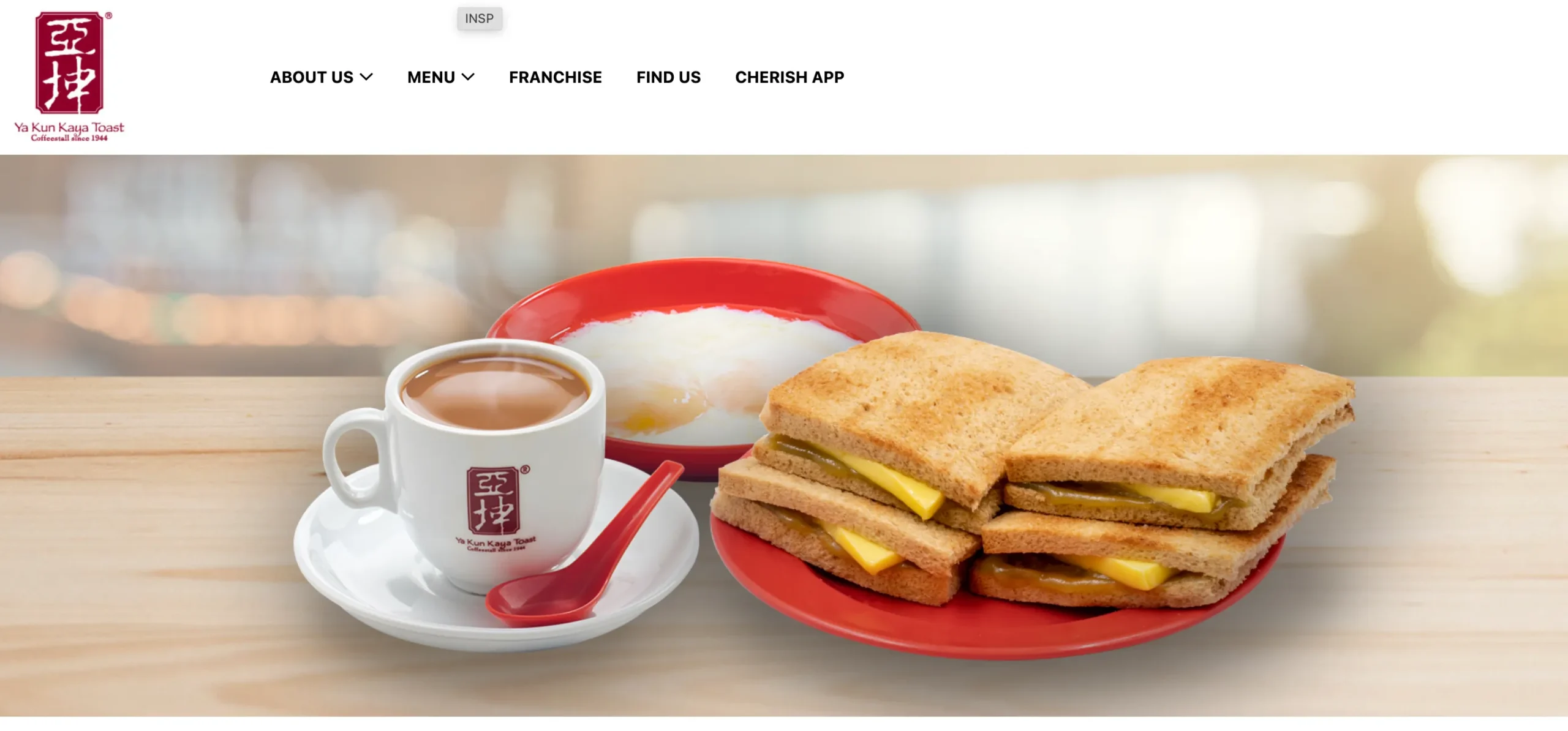
Before the first meeting, before the school run, before anyone feels ready to talk: kopi, kaya toast and soft-boiled eggs. Ya Kun occupies a recognisable place in that routine. Its story dates to 1944, giving the business more than eight decades of heritage by 2026.
The striking part is how little explanation the core offer needs. Customers understand the meal, the occasion and the expected experience. That clarity makes the brand easier to recognise than a café trying to be a breakfast spot, cocktail bar and lifestyle concept all at once.
Singapore’s Intellectual Property Office has highlighted Ya Kun’s trademark use and its careful approach to overseas franchising. In its 2023 profile, IPOS reported more than 70 local outlets and franchises in markets such as Indonesia, Taiwan, Korea and Japan. That is a dated footprint, rather than a claimed 2026 store count.
The business lesson is surprisingly modern: protect what customers recognise. Heritage becomes commercially useful when the name, product and experience remain consistent as the business travels.
Sources: IPOS brand profile, 2023; Official heritage statement.
2. BreadTalk: Making an everyday purchase feel worth browsing
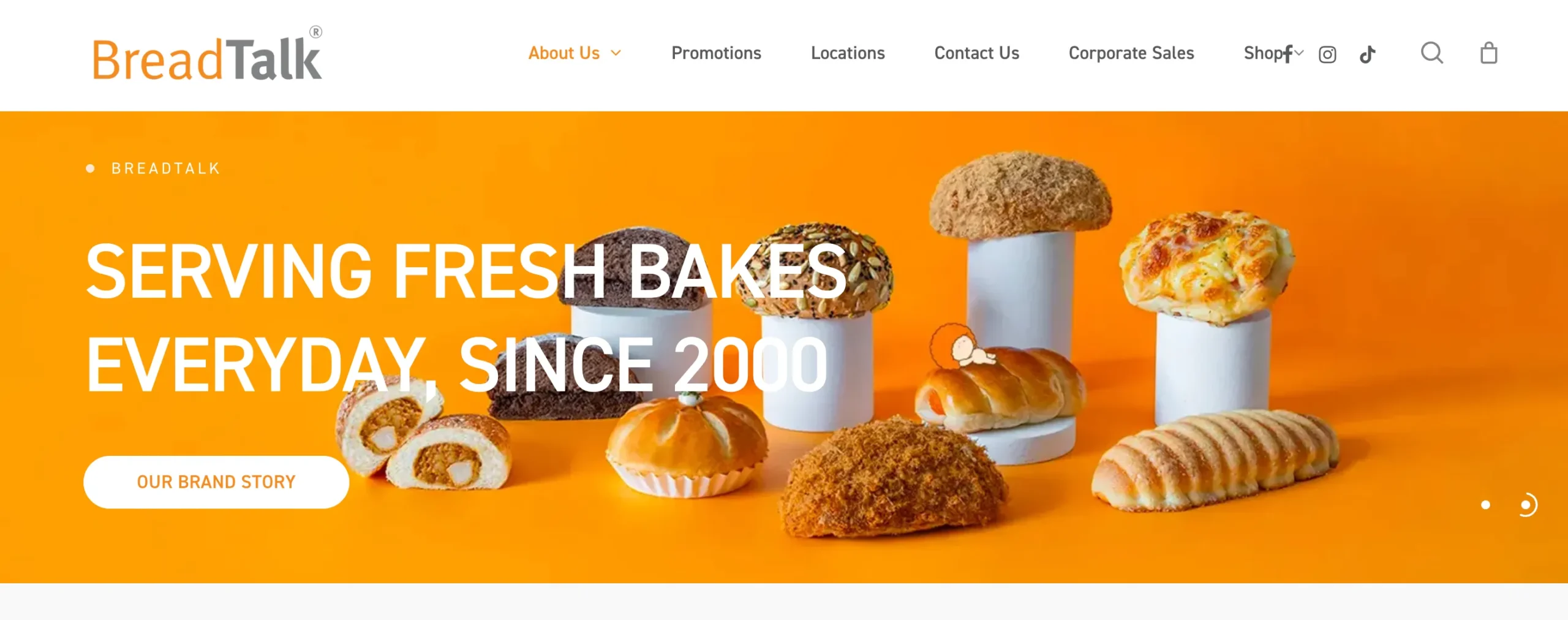
BreadTalk reminds us that innovation doesn’t always require inventing a new category. Sometimes it means making a familiar category feel more interesting. Founded in Singapore in 2000, the business turned bread shopping into a more visible, design-conscious retail experience.
The distinction between brand and group matters here. BreadTalk Group’s directly owned portfolio includes BreadTalk, Toast Box, Food Republic, Food Junction and Thye Moh Chan. Din Tai Fung appears in its portfolio as a partner brand; that does not make Din Tai Fung Singapore-founded.
For a 2026 reader, the useful trend is combining recognisable brands across different eating occasions. A bakery purchase, a traditional coffee break and a food-court meal can sit within the same group without needing identical identities.
BreadTalk earns its place by showing how packaging, product presentation and store experience can add interest to an everyday purchase. A loaf still needs to taste delicious, of course. Design gets the first look; the product has to earn the next visit.
3. Old Chang Kee: A curry puff with staying power
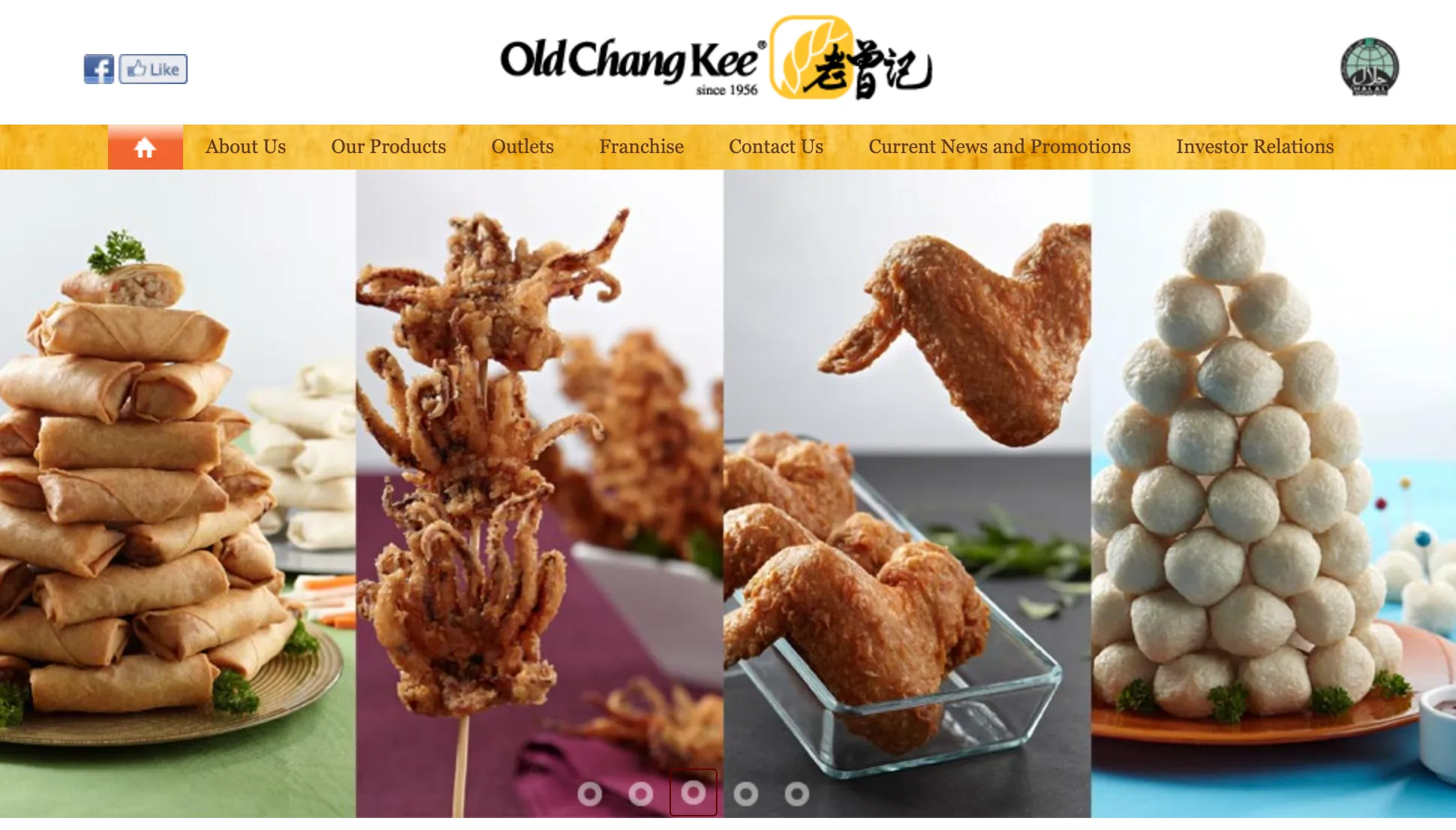
Not every strong brand needs a dramatic reinvention. Sometimes a yellow shopfront and a familiar curry puff do the job. Old Chang Kee traces its beginnings to a stall outside the former Rex cinema in 1956, making 2026 its 70th anniversary year.
That longevity comes from a functioning business, not nostalgia alone. In its FY2026 chairman’s statement, covering the year ended 31 March 2026, Old Chang Kee reported that group revenue increased by approximately S$1.5 million, or 1.5%, supported by higher retail and non-retail sales. These are group results, not revenue from curry puffs alone.
Its relevance lies in convenient, recognisable food that fits into the gaps of a busy day. The purchase rarely needs a long sales pitch.
For business owners, the lesson is about being easy to remember at the right moment. Old Chang Kee has a clear product association and a clear consumption occasion. That can be more valuable than chasing an entirely new identity every few years.
Sources: FY2026 chairman’s statement; Official company history.
4. JUMBO Seafood: Turning chilli crab into a destination
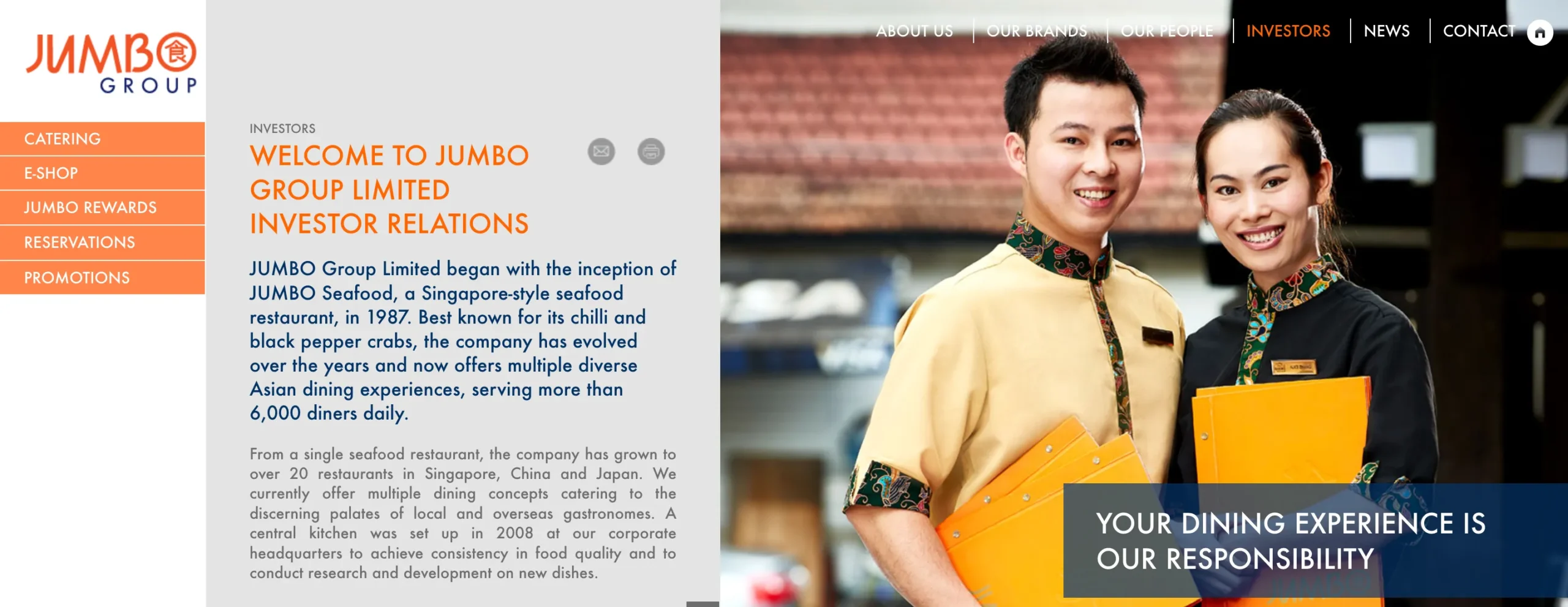
JUMBO Seafood operates in a different emotional space from a grab-and-go snack. Think of occasions like visiting relatives, hosting overseas guests, or attending a dinner where someone has already decided that chilli crab must be involved. Established in 1987, the restaurant brand has helped turn a Singapore food association into a destination dining proposition.
The latest figures also provide a useful reality check. JUMBO Group reported revenue of S$105.1 million for the six months ended 31 March 2026, up 7.9% year-on-year. Profit attributable to owners was S$6.2 million, compared with S$7.9 million a year earlier. These figures cover the multi-brand group, not JUMBO Seafood alone.
That combination matters: higher sales do not automatically produce higher earnings. Restaurant brands still face the practical demands of staffing, leases and service delivery.
JUMBO’s brand strength lies in its association with a specific Singapore dining experience. Its challenge is to preserve that sense of occasion while keeping the operation commercially healthy. For marketers, this example shows why they must assess demand generation and business performance together.
Sources: Official company history; 1H2026 financial results.
5. TWG Tea: Building a luxury world around a cup of tea
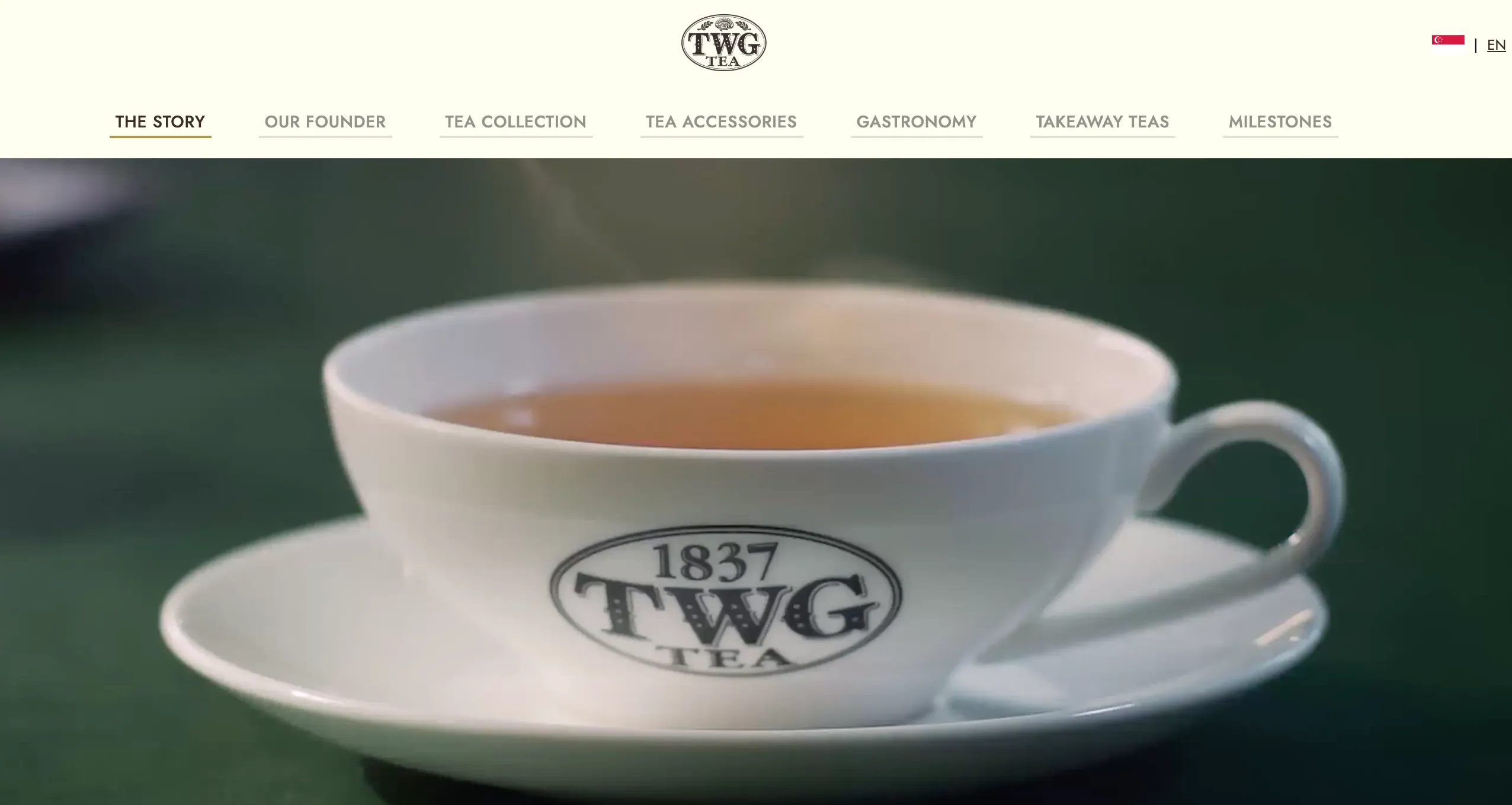
TWG Tea makes tea feel like an occasion even before the kettle has boiled. The packaging, boutiques and presentation work together to sell a particular idea of luxury. One detail worth getting right: TWG Tea was founded in 2008. The prominent “1837” in its branding is not its founding year.
The brand has a fresh reason to be in the spotlight in 2026. In October, CNA reported the opening of its first tea museum at Changi Airport Terminal 3, with more than 170 pieces of antique teaware. The new Tea Gallery combines retail with a cultural experience.
That is a compelling example of experiential retail: giving people something to explore alongside something to buy. In an airport, it also offers travellers a more memorable experience than just another shelf of souvenirs.
TWG Tea’s official history identifies it as a subsidiary of V3 Gourmet. Its story shows that a luxury brand with Singaporean origins can build international appeal through a complete visual and sensory world, without relying on a century-old corporate history.
Sources: Official history and ownership; CNA, 2 October 2026.
6. Tiger Beer: Singapore origins, a global future
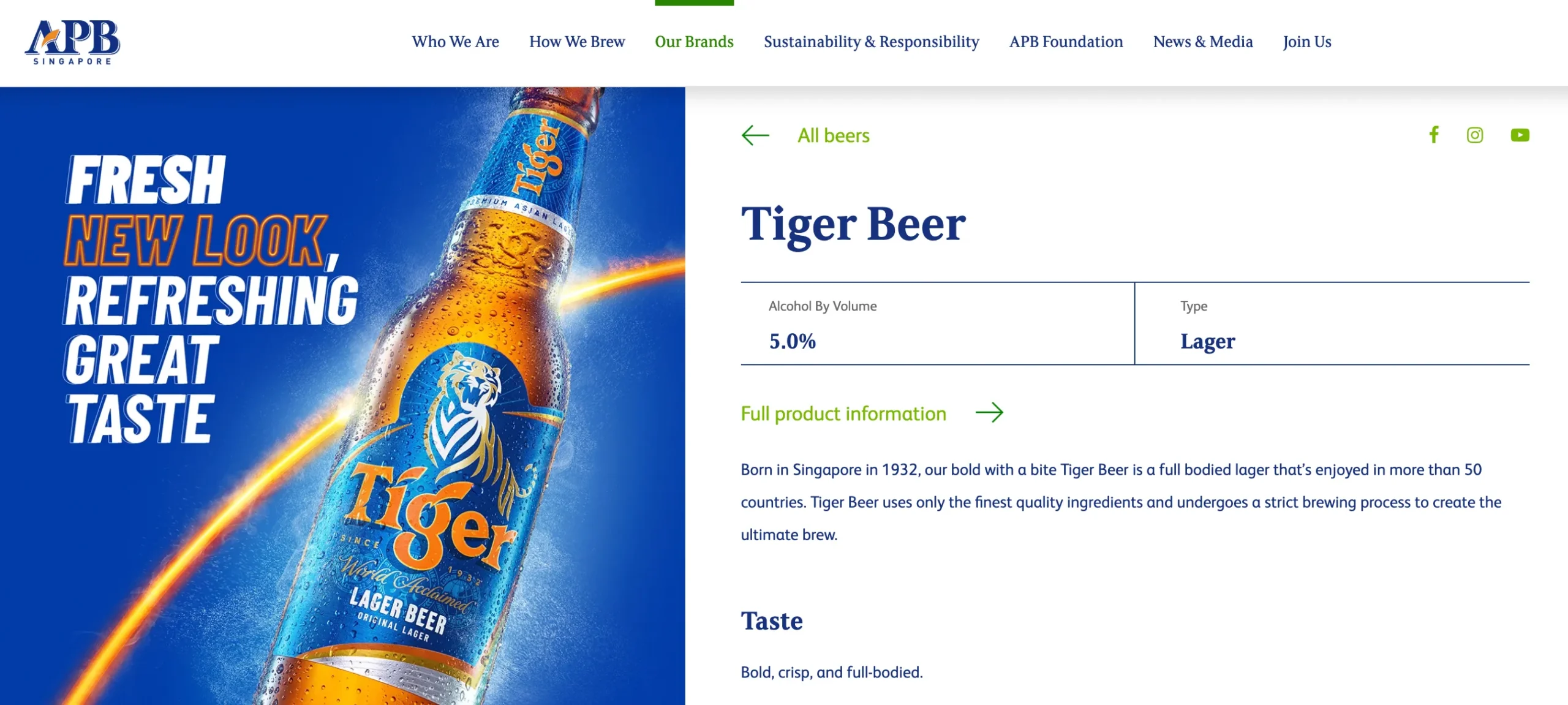
Tiger Beer is one of the clearest examples of a Singapore-born brand becoming much larger than its home market. Founded here in 1932, it now belongs to the HEINEKEN group. In March 2026, APB Singapore said more than 95% of Tiger’s sales occurred outside Singapore, across more than 60 markets.
The major news is operational. HEINEKEN announced that it would progressively phase down large-scale brewing at Tuas by the end of 2027 and reallocate production to Malaysia and Vietnam. Singapore will retain Tiger’s global brand leadership, along with regional logistics and innovation roles.
That announcement makes the familiar “what counts as local?” question very concrete. Singapore origin, foreign ownership, and regional manufacturing can all coexist.
Tiger belongs in this guide because of its Singapore roots and international brand presence. The brewing transition also deserves to be part of the story. A useful brand profile should explain what is changing, especially when that change affects the connection people feel to the product.
Fashion and accessories
7. CHARLES & KEITH: Singapore style with international ambitions

CHARLES & KEITH has built a recognisable fashion identity around shoes, bags and accessories. Its appeal is easy to understand: considered styling that lets customers participate in fashion without making every purchase a major luxury expense.
The founders opened their first CHARLES & KEITH store at Amara Shopping Centre in 1996. By 1998, the brand had opened its first overseas store in Jakarta. In 2026, its Singapore website features 30th anniversary creative, giving the brand a timely opportunity to connect its beginnings with its next chapter.
Its official milestones also record a refreshed graphic identity and flagship openings in Shibuya, Chengdu and Changi in 2024. This is strong evidence of how much attention the business gives to its physical and visual presentation.
The brand’s lesson is consistency across touchpoints. Product photography, stores, campaigns and accessories all need to feel as though they belong together. International expansion becomes easier to understand when customers can recognise the same design language in different cities.
Sources: Official milestones; Official 2026 Singapore storefront.
8. Love, Bonito: Growing by understanding a specific customer
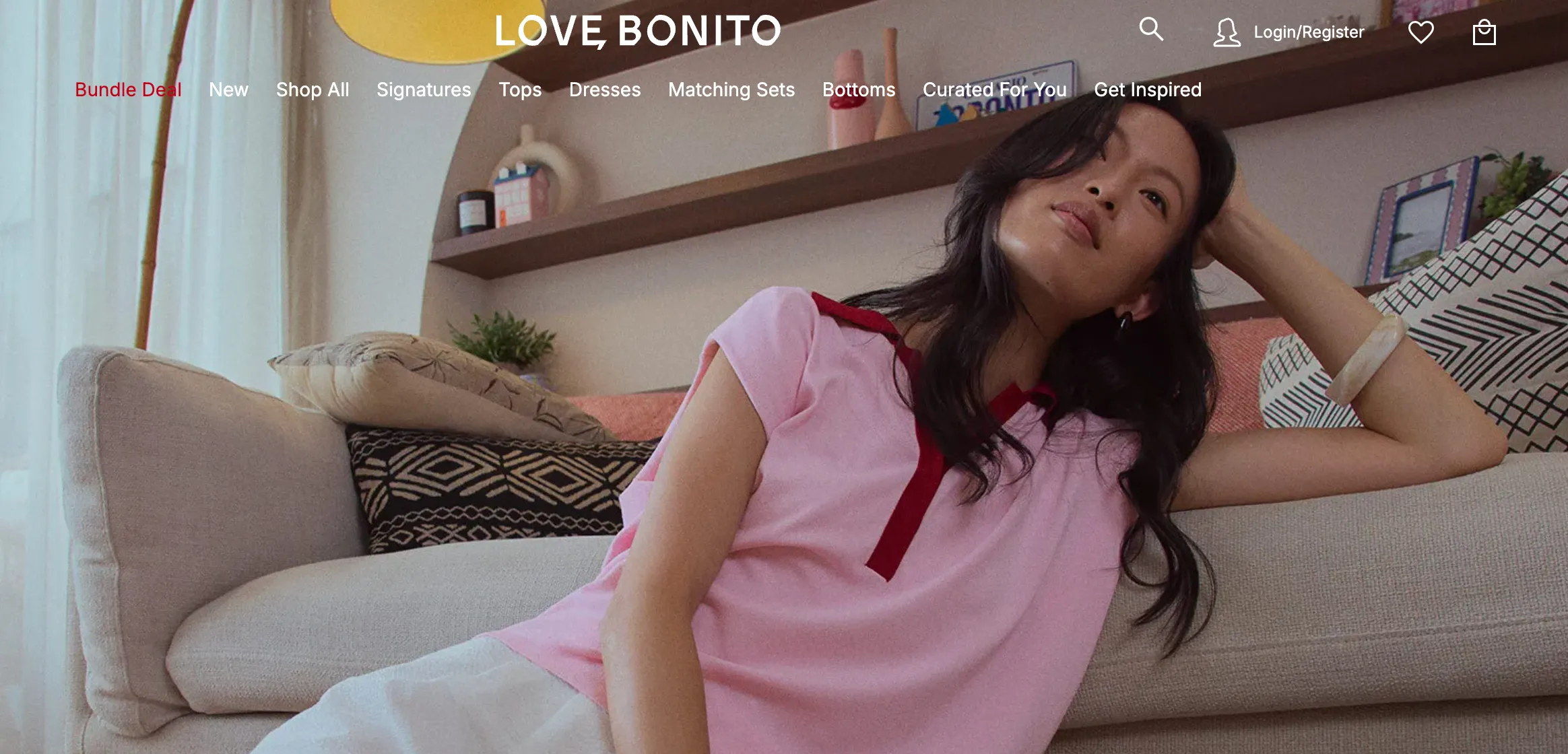
Love, Bonito has a clearer starting point than just “clothes for everyone.” Its story centres on womenswear designed for Asian women. That gives its positioning a practical foundation: fit, proportion and clothing that works across everyday situations.
The timeline needs a little care. Its roots go back to the BonitoChico blogshop in 2005; the Love, Bonito rebrand followed in 2010. Treating those dates as interchangeable loses an interesting part of how the business developed.
There is also a concrete 2026 expansion story. Reporting in September documented a new store at SM Seaside City Cebu, its first location outside Metro Manila in the Philippines. That moves the story beyond being simply “a local label that went overseas.” It shows the brand testing demand more deeply within an existing market.
For other businesses, the takeaway is customer specificity. A brand can grow internationally while keeping a clear sense of who it serves. The challenge is keeping that promise useful as the customer base becomes more varied.
Sources: National Library brand history; Enterprise Singapore: origins and rebrand; PhilSTAR Life, September 2026.
Home, furniture and wellness
9. Castlery: Selling a home people can picture themselves in
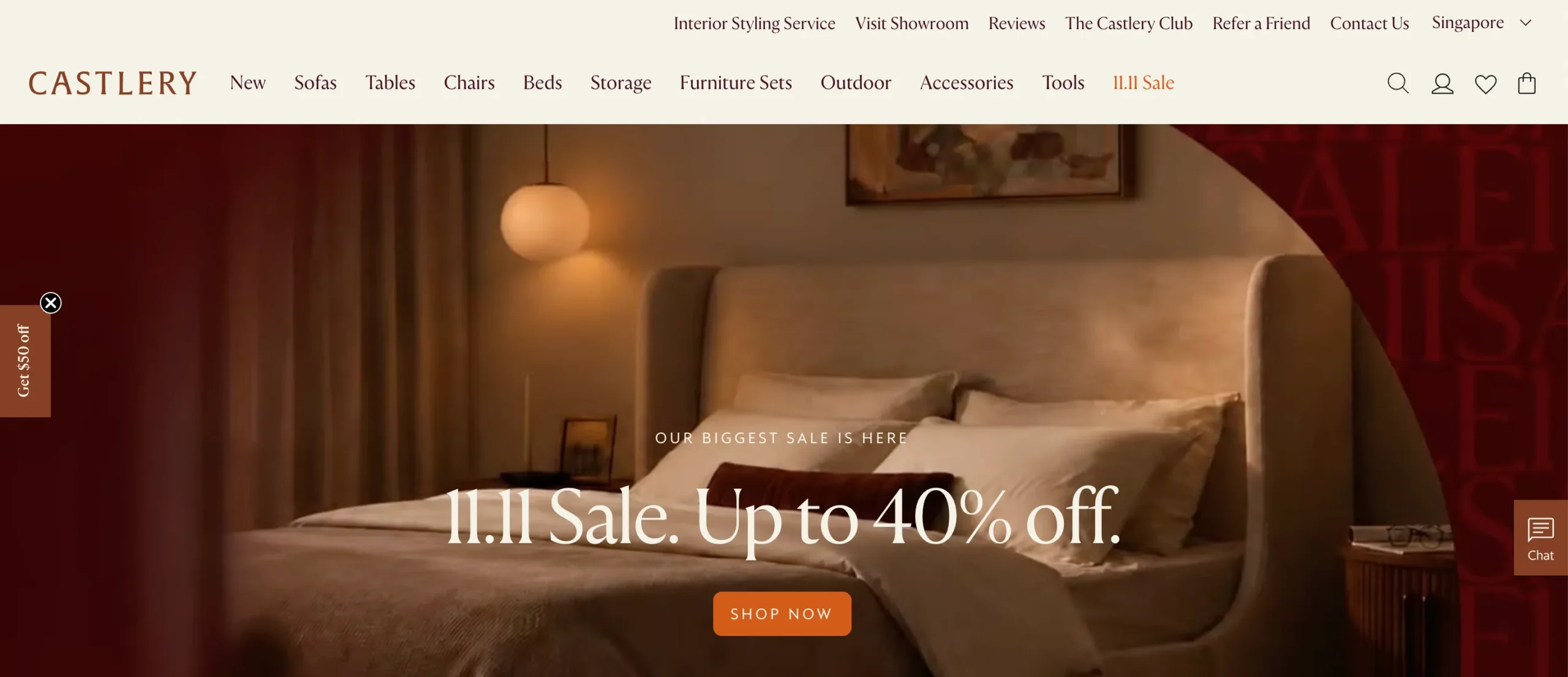
Furniture shopping is partly about dimensions and materials. It is also about imagining a better version of your living room. Castlery understands the second part particularly well: its room photography helps people picture how individual pieces might fit into a coherent home.
Born in Singapore in 2013, the company now has online shopfronts serving markets beyond Singapore, including the United States and Australia. Its official story also states that it is B Corp certified. That is a company-level certification; it should not be stretched into a claim that every individual product has the same environmental credentials.
Its current Singapore shopfront features a Tan France collection and a sleep category, showing how furniture brands can broaden their lifestyle proposition beyond a single hero sofa.
The commercial insight is that imagery can help customers decide rather than merely decorate a webpage. A well-presented room answers questions about style and compatibility. For a considered purchase, visual confidence is as important as delivery terms, materials, and the final price.
Sources: Official origins and certification; Current collections; Official international presence.
10. OSIM: Making wellness a product experience
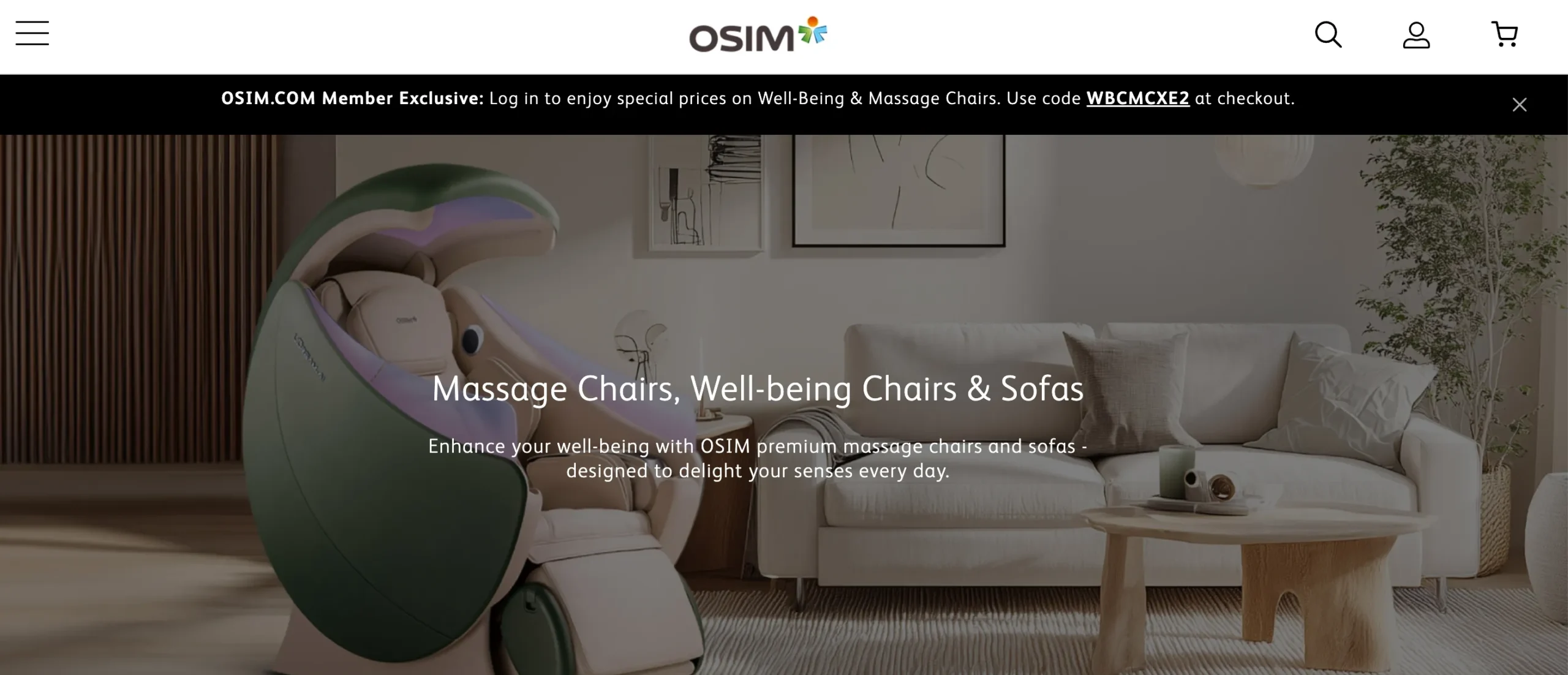
OSIM sells an appealing idea to people who spend too much of their day sitting at a desk: a more comfortable moment at home. Established in 1979 and headquartered in Singapore, the company has built its identity around massage and wellbeing products.
Its current range includes AI-branded chairs such as uDream.AI and uLove 3. In 2026, OSIM announced design recognition for uDream.AI and its uErgoh ergonomic chair with massage, including Singapore Good Design awards.
The interesting trend is the overlap between furniture, consumer technology and personal wellness. Customers are being invited to evaluate a chair as an experience, with design and personalisation contributing to the proposition.
That also makes precise communication essential. AI features and design awards describe aspects of a product; they do not, by themselves, establish medical effectiveness. OSIM is worth studying for how it packages comfort and technology into a recognisable premium offer. Buyers should still assess the actual features, trial experience and service terms.
Sources: Official company background; Current product range; Official 2026 design award announcement.
Technology, electronics and gaming
11. PRISM+: From a monitor purchase to the rest of the home
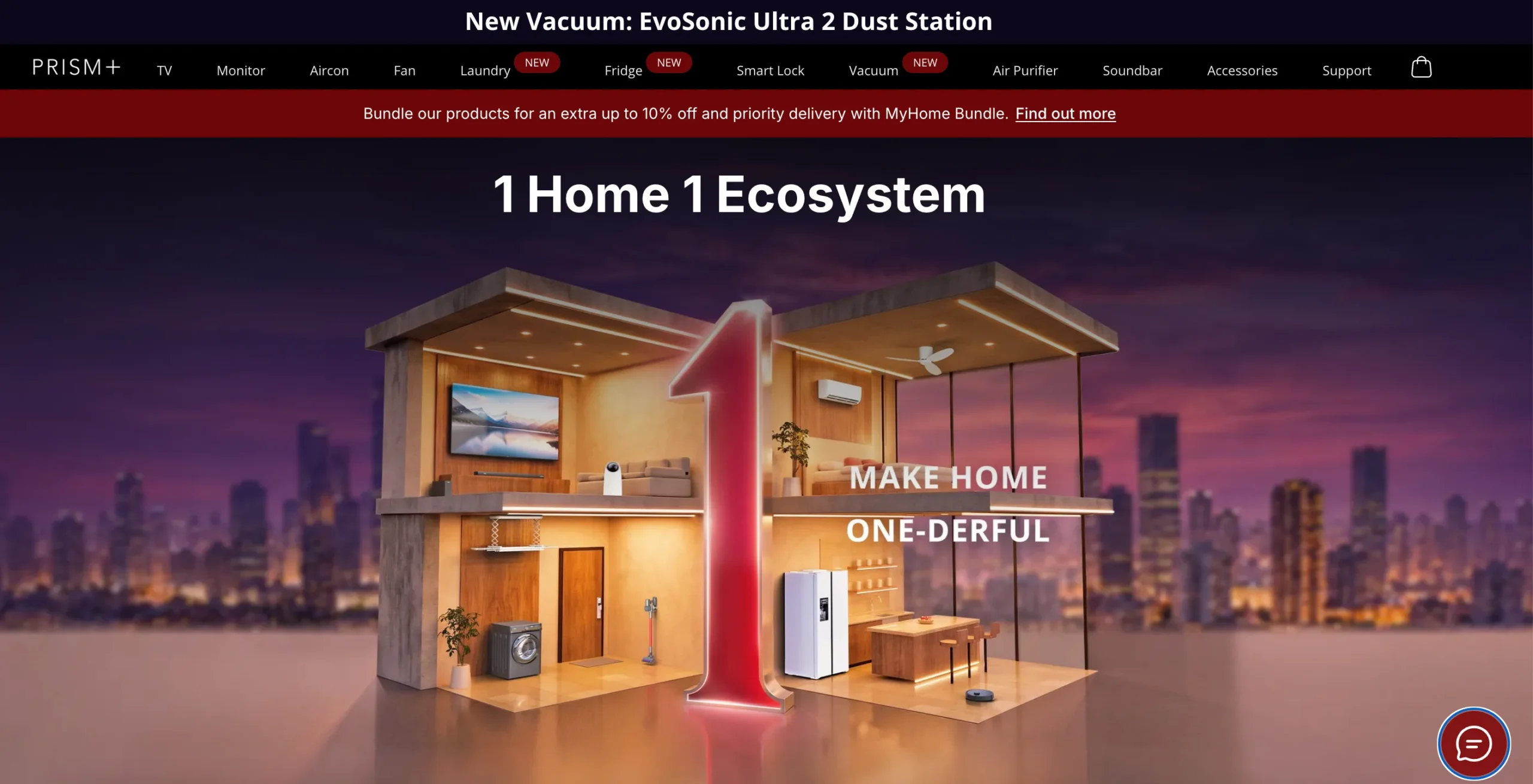
PRISM+ began in 2017 with gaming monitors. Its current offering extends to televisions and a much wider range of home products. That is a significant branding move: the company wants customers to consider it for more than the screen on their desk.
In August 2026, a report on its Shopee activity described a range spanning air conditioners, smart locks, vacuum cleaners, ceiling fans, refrigerators, air purifiers and laundry appliances. The company’s own profile also highlights its expansion beyond its original monitor business.
This case is a useful example of category expansion built around a value-oriented consumer technology proposition. If someone trusts a brand for one considered purchase, the business can introduce another product.
The challenge grows with the range. A monitor and an air conditioner have different installation and after-sales requirements. PRISM+ earns attention for the scale of its ambition, while its longer-term brand strength will depend on how consistently the experience travels across those categories.
Sources: Official company profile; Product expansion report, 26 August 2026.
12. Secretlab: A focused product with a worldwide audience
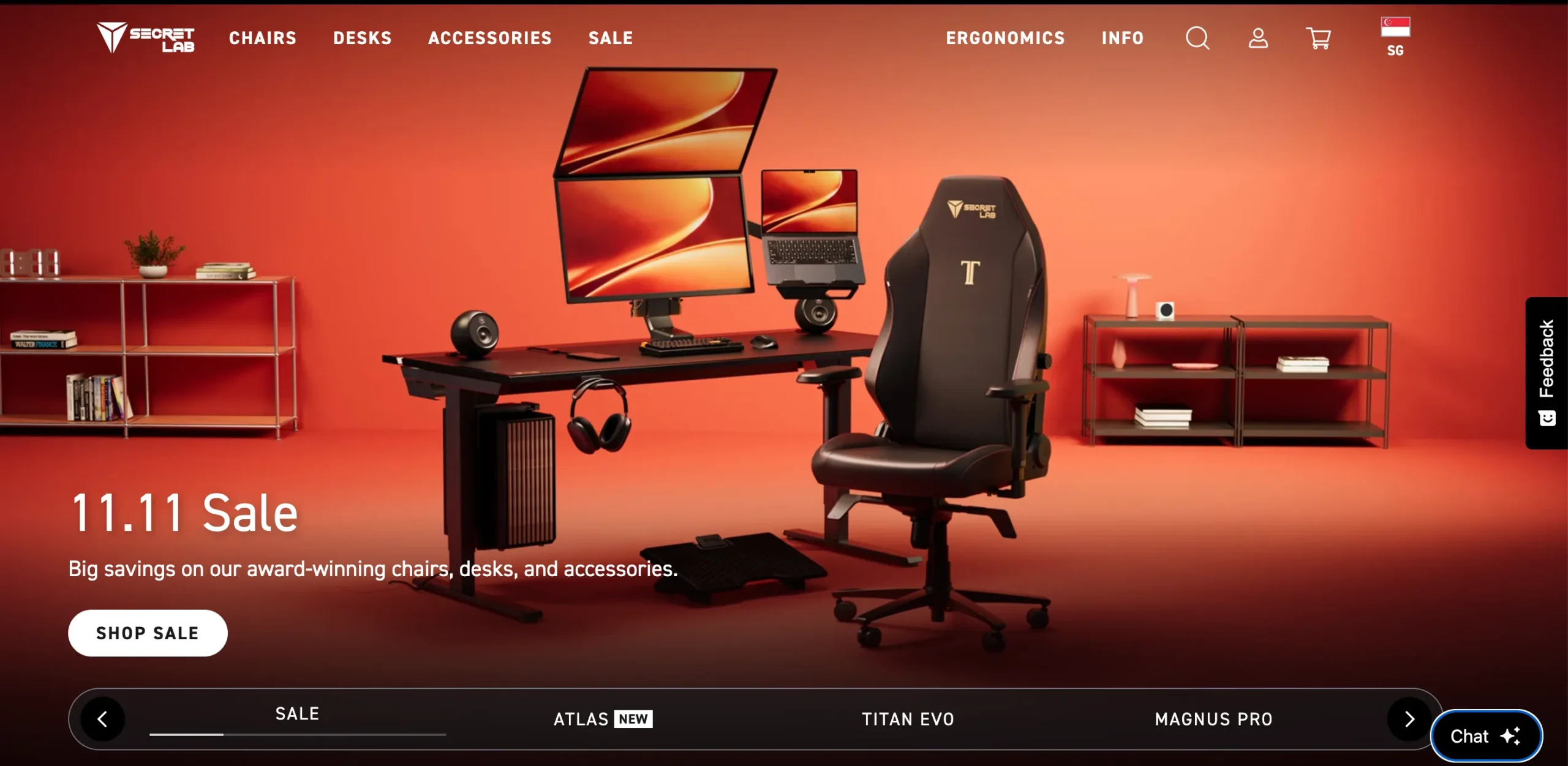
Secretlab demonstrates how a relatively focused starting point can support a much broader business. Founded in Singapore in 2014, it built its reputation around gaming chairs before expanding its workspace offer with desks and accessories.
The company now says its chairs are in the homes of more than three million users worldwide. That is a company-reported cumulative user claim, rather than an independently audited market-share statistic.
Its 2026 updates introduce ATLAS, its first ergonomic task chair, alongside its established TITAN Evo chairs and MAGNUS desks. The move is interesting because it takes the brand further into everyday professional workspaces while retaining the connection to people who spend long periods at a desk.
The lesson is about extending from a clear customer need. Gaming supplied an initial audience and a distinctive identity; workspace products offer adjacent opportunities. The brand still has to earn each purchase through the product itself, but customers can understand why the expansion belongs.
13. Razer: A gaming identity entering the AI debate
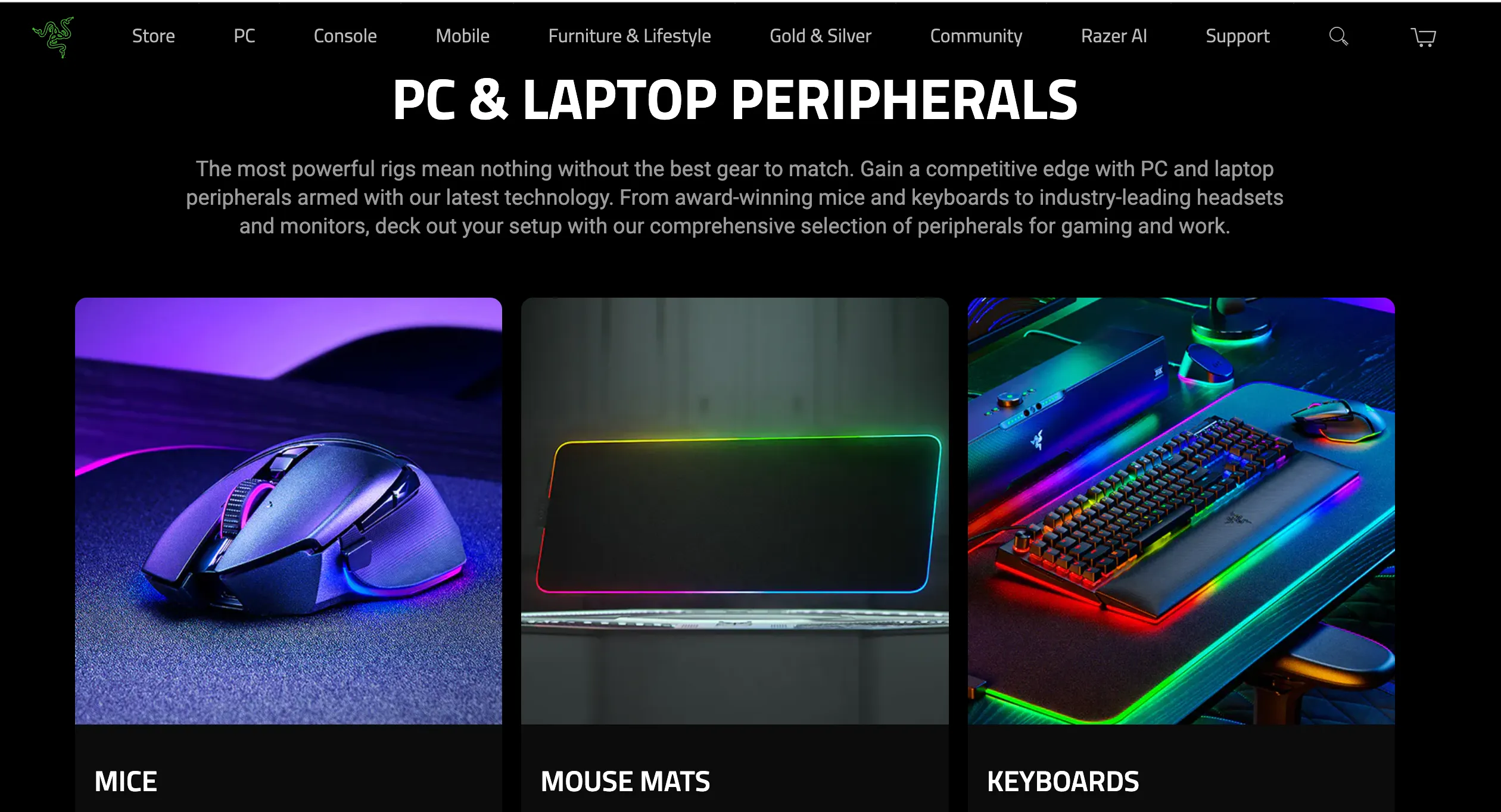
Razer deserves a place in a Singapore brand conversation, with an explicit qualification: it is dual-headquartered in Irvine, California, and Singapore. Founded in 2005 and co-founded by Singaporean entrepreneur Tan Min-Liang, it should not be presented as an exclusively Singapore-founded business.
The immediate 2026 story is AI. Razer unveiled an AI gaming ecosystem at CES, and its newsroom subsequently discussed long-term AI investment reported at more than US$600 million. That is an investment commitment, not proof that every announced concept has reached the market or succeeded commercially.
The brand’s own explanation stresses tools that support developers, identify issues earlier and automate repetitive work. This matters because “AI” can generate excitement and resistance within the same community.
Razer’s advantage is a clearly recognisable gaming identity. Its challenge is to explain new technology in terms its audience values. A familiar logo can attract attention to an AI launch; practical usefulness has to sustain it.
Sources: Official company background; Official AI strategy statement, 2026.
Banking and financial services
14. DBS: A brand tested in everyday transactions
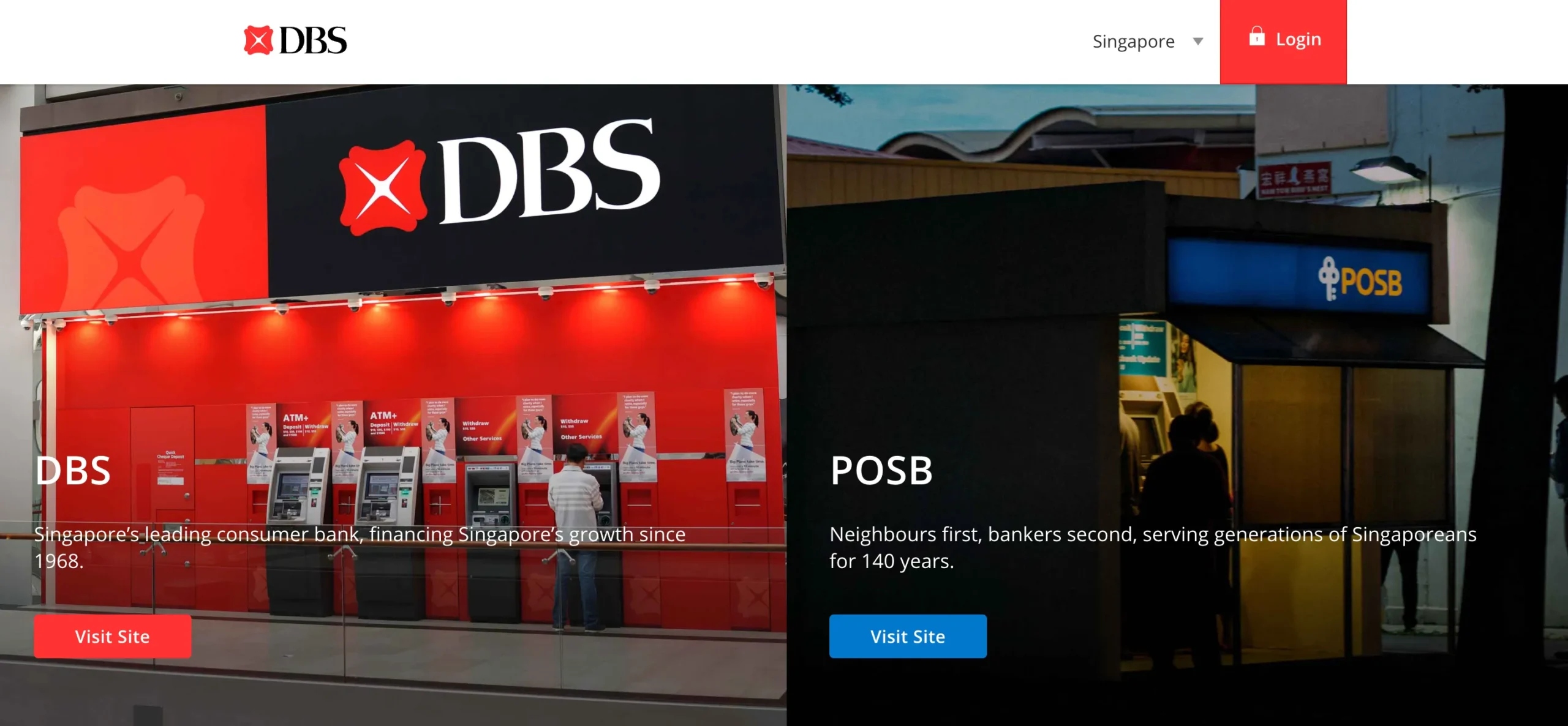
A banking brand is tested in ordinary moments: checking a balance, transferring money or sorting out a problem. Advertising creates expectations, but the day-to-day service determines whether customers feel comfortable relying on it.
DBS’s February 2026 results announcement reported total income of S$22.9 billion for 2025, up 3%, and net profit of approximately S$11.0 billion, down 3%. The bank attributed the lower net profit to higher tax expenses, including the global minimum tax. These are DBS Group results, rather than a measure of Singapore’s consumer banking alone.
These figures provide useful context for the scale of the business. They do not directly measure customer satisfaction, app reliability or brand preference, which require different evidence.
DBS belongs in this selection because financial services form part of the everyday Singapore brand experience. Its broader lesson is that trust is operational. Clear communication and dependable service must keep reinforcing what a campaign promises.
Travel and aviation
15. Singapore Airlines: Premium positioning under real-world pressure
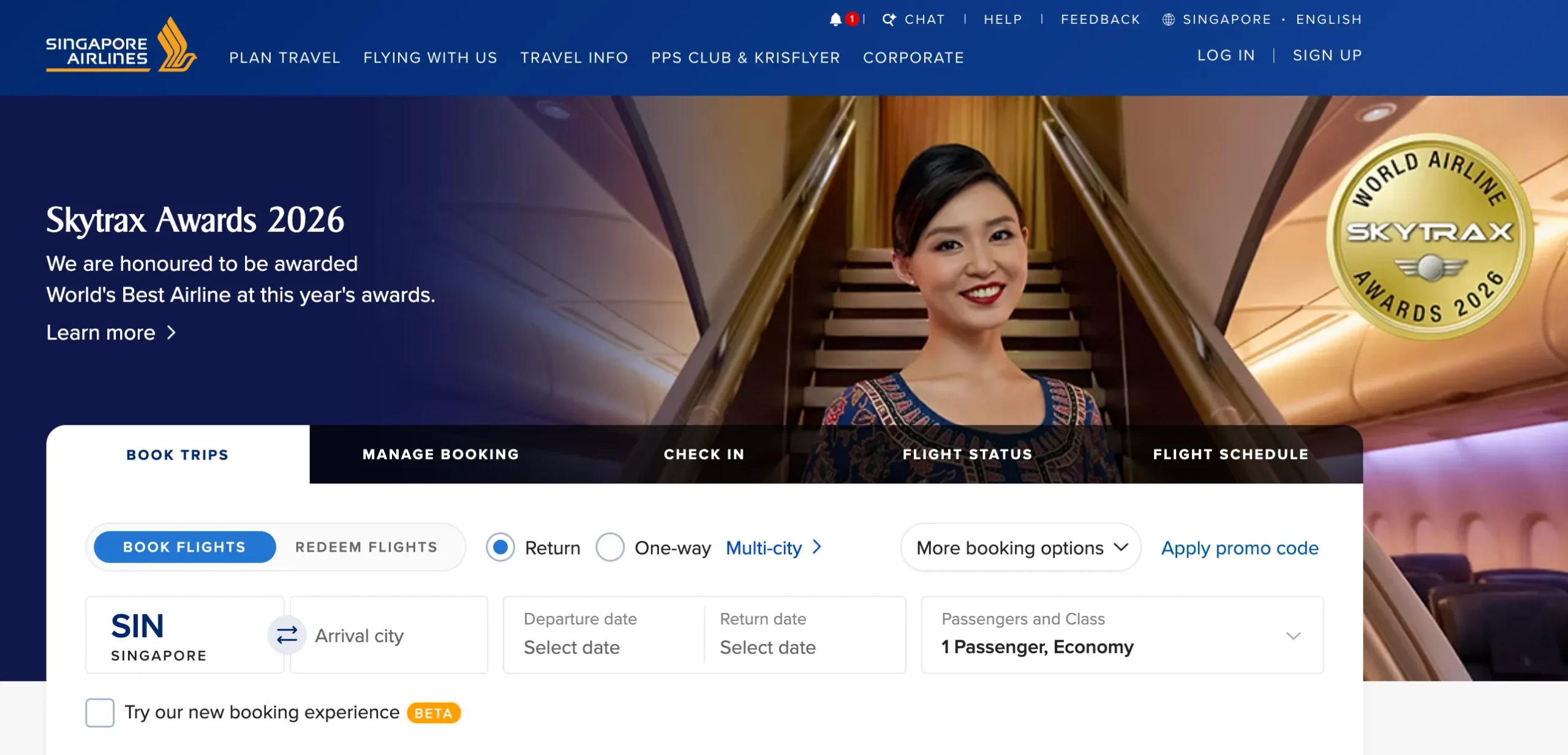
Singapore Airlines represents a particularly visible version of the Singapore brand overseas. Its premium positioning links the airline to a wider expectation of considered service, comfort and professionalism.
The 2026 financial picture shows that assessing a strong brand through reputation alone is insufficient. For the quarter ended 30 June 2026, SIA Group reported revenue of S$5.714 billion, up 19.3%, alongside a net loss of approximately S$76 million. The group cited sharply higher fuel costs and its share of Air India losses among the pressures on results.
Those are group figures, including businesses beyond the Singapore Airlines passenger brand. They should not be presented as a direct score for the airline’s customer experience.
The useful insight is the relationship between brand strength and external forces. Premium positioning can support demand and customer expectations, but it does not remove fuel exposure or industry volatility. Singapore Airlines remains worth studying for how a service brand carries a national association across borders while navigating a demanding commercial environment.
Sources: Official Q1 FY2026/27 business update, 28 July 2026.
E-commerce and digital platforms
16. Shopee: A shopping brand that is also an advertising business
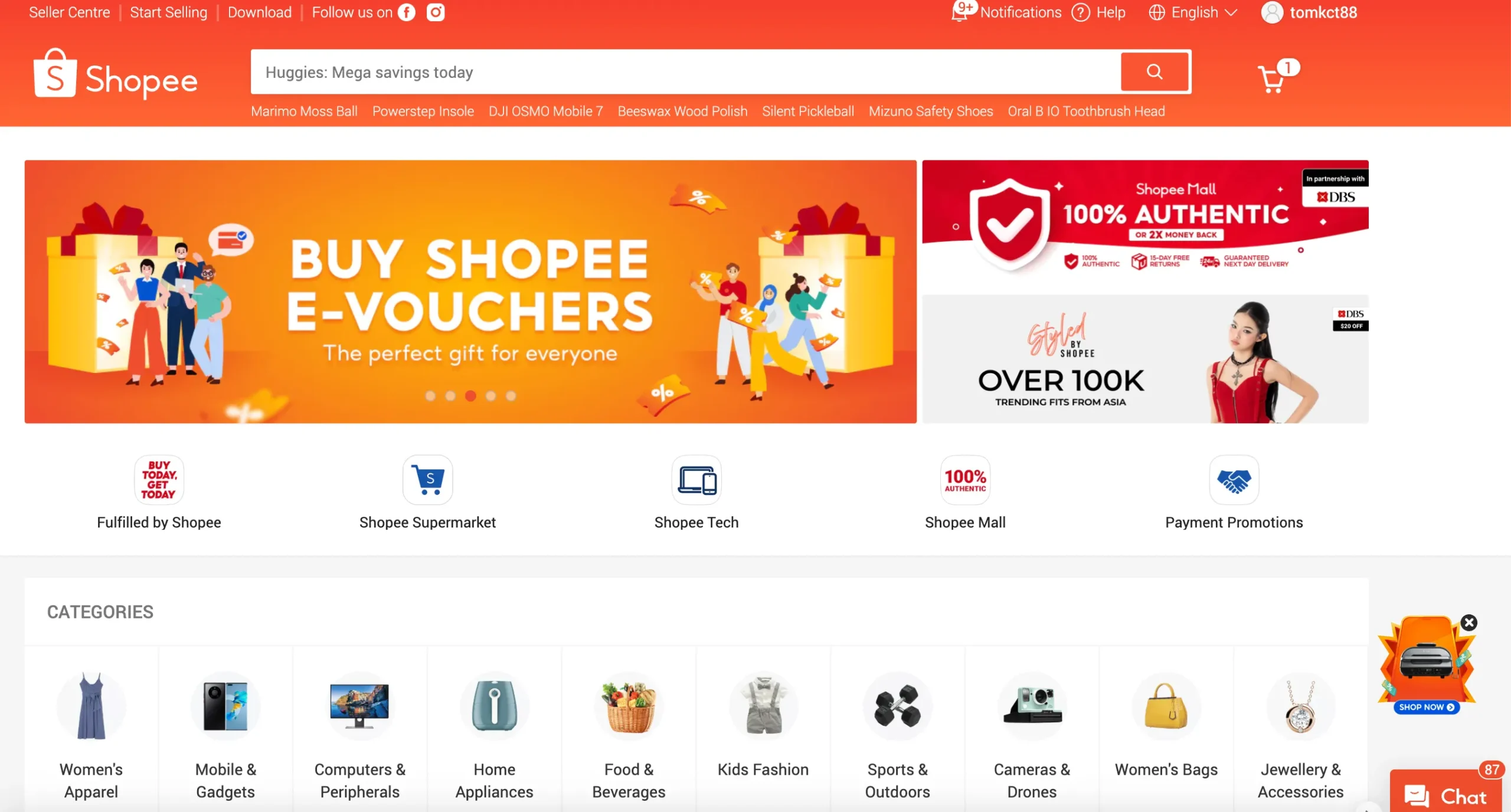
For a shopper, Shopee is a place to compare products, hunt for a voucher and place an order. For a seller, it is also a place to compete for visibility. That second role is increasingly important to understanding the brand.
Sea’s 2025 results reported Shopee gross merchandise value of US$127.4 billion, up 26.8%, and 13.9 billion gross orders, up 27.2%. GMV measures the value of merchandise transacted; it is not Shopee’s revenue. These figures cover Shopee’s markets collectively, not Singapore alone.
Sea’s results presentation also said Shopee’s advertising revenue grew by more than 70% year on year in the fourth quarter of 2025. That makes retail media a concrete part of the story, rather than just a fashionable phrase.
For Singapore businesses, the takeaway is that marketplace presence requires more than uploading a catalogue. Product presentation, reviews, fulfilment and paid visibility all influence the customer’s experience. Shopee is a Singapore-based platform brand whose scale reaches far beyond the domestic shopping market.
Sources: Sea full-year 2025 results; Sea 2025 results presentation.
Singapore-headquartered brands with regional origins
17. Grab: Essential to the conversation, with Malaysian roots
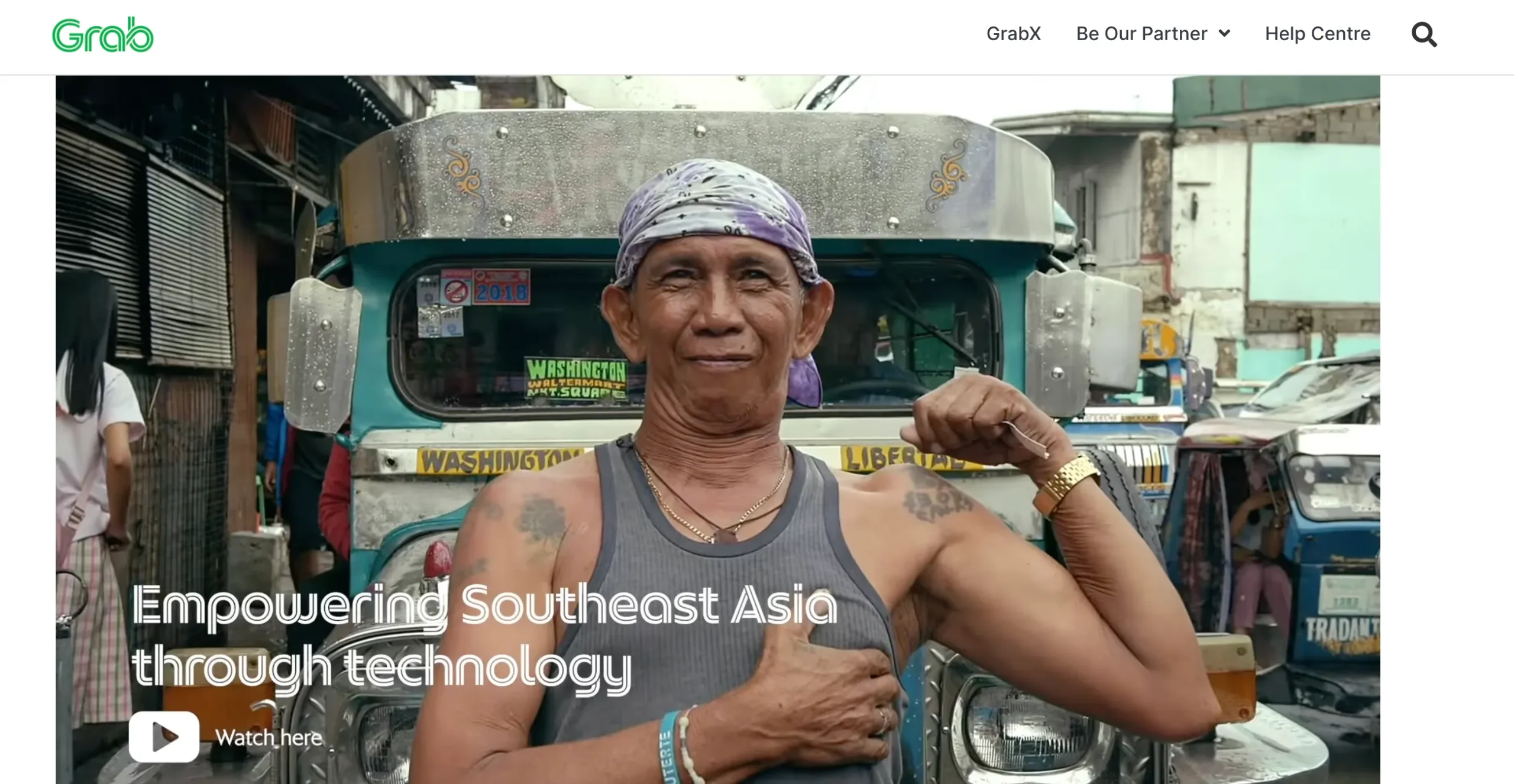
It would be difficult to discuss brands woven into Singapore life without mentioning Grab. It would also be inaccurate to describe it as Singapore-founded. Grab’s own story places its beginnings in Kuala Lumpur in 2012; its global headquarters is now in Singapore.
In its February 2026 announcement, Grab reported 2025 revenue of US$3.37 billion, up 20%, and its first full year of net profit, at US$200 million. The company also said it had crossed 50 million monthly transacting users. These are regional group metrics, not Singapore-only figures.
The current business theme is deeper use of a connected platform: transport, delivery and financial services create multiple occasions for a customer to return. The commercial opportunity comes with a service challenge, because one disappointing experience can affect perceptions of the wider app.
Grab is included separately to keep the geography honest. It is a Singapore-headquartered regional brand with Malaysian origins. That distinction gives readers a more useful picture of the region’s business ecosystem than simply claiming every familiar app as homegrown.
Sources: Official origin story; Official Singapore headquarters information; 2025 results, 12 February 2026.
What These Brands Reveal About Building a Business in 2026
A specific association makes a brand easier to remember
Ya Kun has breakfast. Old Chang Kee has curry puffs. Secretlab started with gaming chairs. These brands give customers a simple starting point. A business can expand later, but a clear initial association helps people understand when to choose it.
Physical experiences still have a role alongside digital discovery
TWG Tea’s new museum, Love, Bonito’s Cebu store and CHARLES & KEITH’s flagship investments illustrate different reasons to create a physical experience. A store can offer discovery, reassurance or a richer encounter with the brand. The useful question is what it adds to the customer’s decision.
AI needs a customer benefit people can understand
Razer and OSIM put technology into very different products, but both face the same communication test. What does the feature help the customer do or experience? “Powered by AI” attracts attention; a clear and credible benefit gives that attention somewhere to go.
Growth figures need context
JUMBO’s higher revenue alongside lower profit shows why a single headline can mislead. Shopee’s GMV is different from its revenue. SIA Group results are broader than the passenger airline brand. Good brand analysis keeps those distinctions visible.
Origin, ownership and manufacturing are different questions
Tiger Beer’s production plans, Razer’s dual headquarters and Grab’s Malaysian beginnings show why “local” needs a little precision. A brand can contribute to Singapore’s business identity while having shareholders, factories or founding roots elsewhere.
Which Singapore Brands Are Worth Watching?
For heritage made commercially relevant, look at Ya Kun and Old Chang Kee. For a carefully constructed visual world, study TWG Tea, CHARLES & KEITH and Castlery. For customer focus and category expansion, compare Love, Bonito, Secretlab and PRISM+. For the realities of operating at scale, look to DBS, Singapore Airlines, Shopee and Grab.
For business owners, the practical question is what customers should remember about your own company. At MediaOne, that is a useful starting point for a branding and digital marketing discussion: who you serve, what makes the offer distinctive and how the customer experience supports the promise.
The brands in this guide have completely unique products and budgets. What connects the strongest examples is a clear reason to return. It might be a breakfast order, a better-fitting outfit or a workspace that feels right. The brand becomes meaningful when it earns a place in someone’s day.
Frequently Asked Questions
What are some well-known Singapore brands?
Examples include Ya Kun Kaya Toast, BreadTalk, Old Chang Kee, JUMBO Seafood, TWG Tea, Tiger Beer, CHARLES & KEITH, Love, Bonito, Castlery, Secretlab, DBS and Singapore Airlines. They operate in different industries, so “top” depends on the criteria used.
Is Grab a Singapore brand?
Grab is headquartered in Singapore but began in Kuala Lumpur, Malaysia, in 2012. It is more accurately described as a Singapore-headquartered regional brand than a Singapore-founded company.
Was TWG Tea founded in 1837?
No. TWG Tea’s official history states that it was founded in 2008. The 1837 appearing in its branding is not its founding year.
Does ‘Singapore brand’ mean ‘made in Singapore ‘?
No. The founding location, headquarters, ownership, and manufacturing can differ. Check the product’s country of manufacture separately if that matters for your purchase.
Which Singapore brand is the most valuable?
This article does not establish a brand-value ranking. Answering that question requires a named valuation study, its publication year and its methodology. Revenue, profit and brand valuation measure different things.