| AI Summary
Choosing a technical SEO agency in Singapore requires assessing its technical expertise, audit quality, implementation support and proven results. This guide covers agency selection criteria, service costs, technical audits, AI search accessibility and performance measurement to help businesses make informed hiring decisions. |
The right technical SEO agency helps your website become easier for search engines to discover, crawl, render and index. It also identifies structural problems that limit organic visibility, disrupt the user experience and prevent your digital marketing campaigns from reaching their full potential.
However, not every search engine optimisation (SEO) provider has the technical expertise to manage complex websites. Some specialise in content production or link building. Others offer technical audits but provide limited implementation support.
In 2026, technical SEO also supports visibility across artificial intelligence (AI) search experiences, including Google AI Overviews and ChatGPT Search. Technical accessibility establishes the foundation for discovery, although it does not guarantee inclusion.
At MediaOne, we recommend evaluating agencies based on audit capabilities, relevant experience, implementation support and measurable outcomes. This guide explains how Singapore businesses can assess providers, compare costs and select a technical SEO partner.
Key Takeaways
- Choose a technical SEO agency with demonstrated expertise in crawlability, indexing, website architecture, rendering and performance optimisation.
- Request relevant case studies and sample audits to assess the quality of an agency’s technical work.
- Clarify implementation responsibilities before signing a contract. Technical recommendations deliver limited value when fixes remain unresolved.
- Compare proposals using a consistent evaluation framework that considers technical capabilities, reporting and business requirements.
- Assess the agency’s understanding of AI search accessibility alongside established SEO practices.
What Does a Technical SEO Agency Do?
A technical SEO agency identifies and resolves problems within a website’s infrastructure that affect its search visibility. Its work focuses on how search engines access, process and understand website content.
Unlike content-focused SEO, technical optimisation often requires collaboration with developers, website administrators and infrastructure teams. Specialists must understand how changes to website architecture, code and server configurations can affect search performance.
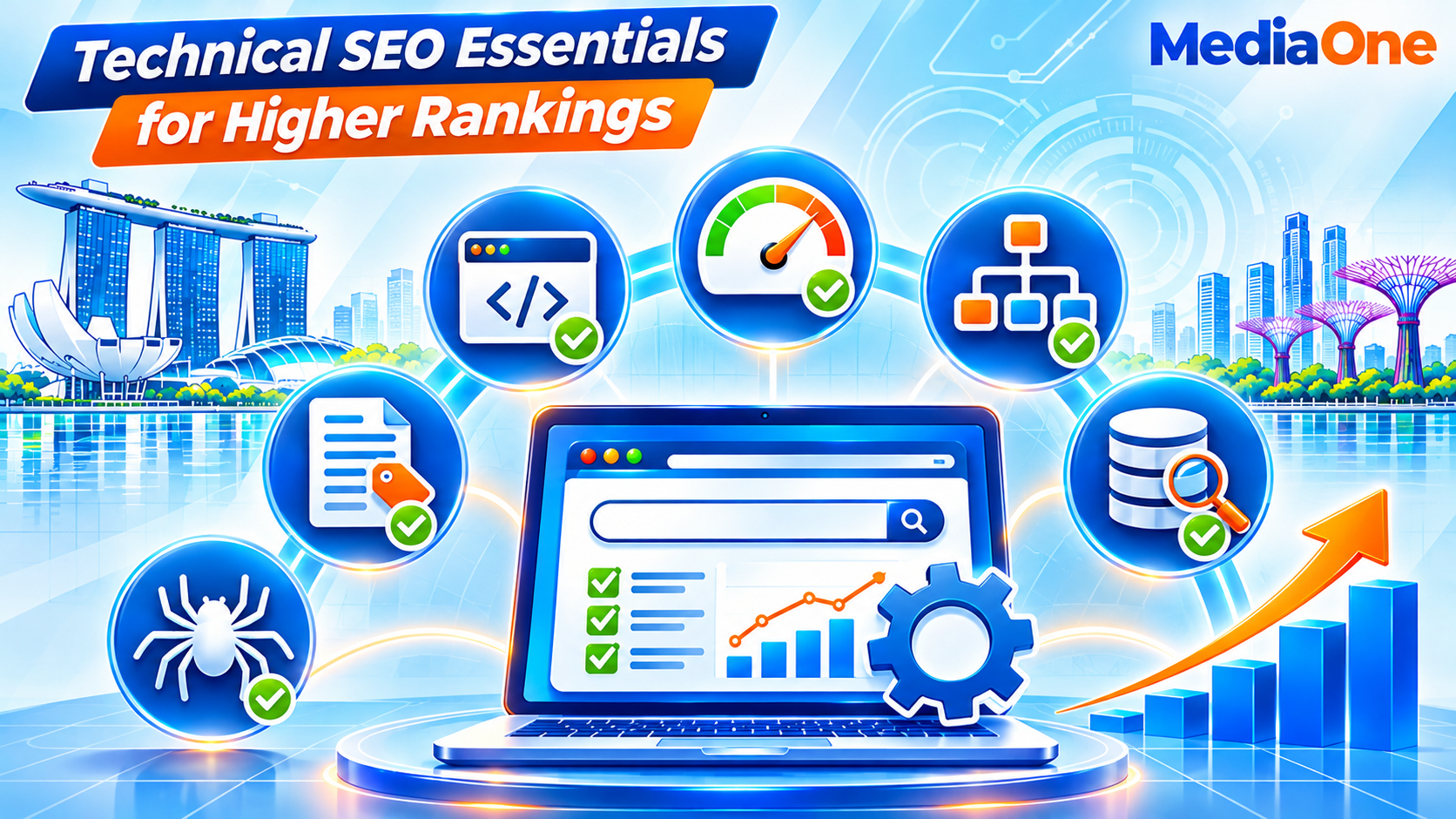
A comprehensive technical SEO service typically covers:
- Crawlability and indexability: Identifies barriers that prevent search engines from discovering and processing important pages.
- Website architecture: Improves navigation, internal linking and the organisation of website content.
- Page performance: Diagnoses loading delays, responsiveness issues and layout instability.
- JavaScript rendering: Checks whether search engines can access content generated through JavaScript.
- Structured data: Implements relevant schema markup to help search engines interpret page information.
- Website migrations: Protects existing organic visibility when businesses change domains, platforms or URL structures.
- International SEO: Addresses multilingual and regional website configurations.
- AI crawler accessibility: Reviews whether relevant AI search crawlers can access publicly available content.
According to Google’s technical SEO documentation, understanding how crawling and indexing work helps website owners diagnose technical issues.
We recommend treating technical optimisation as an ongoing component of SEO rather than a one-time exercise. Website updates, platform changes and new integrations can introduce problems even after a successful audit.
Technical SEO Agency vs General SEO Agency
Both types of agencies can contribute to organic growth. The difference lies in their primary capabilities and the problems they are equipped to solve.
| Area | Technical SEO agency | General SEO agency |
|---|---|---|
| Primary focus | Website infrastructure and accessibility | Overall organic search performance |
| Website audits | Detailed technical diagnostics | Broader SEO assessments |
| Content strategy | Technical content accessibility and architecture | Keyword research and content development |
| Implementation | Technical fixes and developer collaboration | On-page and off-page optimisation |
| Performance measurement | Indexing, crawlability and website performance | Rankings, traffic and conversions |
| Best suited for | Complex websites and technical challenges | Businesses requiring comprehensive SEO |
A full-service SEO agency with a strong technical team can cover both areas. Businesses should examine the provider’s actual capabilities rather than relying on its service labels.
When Does Your Business Need a Technical SEO Agency?
Not every website requires an ongoing technical SEO engagement. A small business with a straightforward website may only need periodic audits and occasional improvements. However, specialist support becomes increasingly valuable when technical complexity affects organic performance.
Enterprise Websites With Complex Infrastructure
Enterprise websites often contain thousands of product, service, location or informational pages. Multiple teams may manage different sections of the same website.
Without consistent technical standards, routine updates can introduce conflicting canonical tags, inefficient redirects and unnecessary URL variations. These problems become harder to identify and resolve as the website expands.
For enterprise businesses, we recommend choosing an agency that understands large-scale website architecture and can work within established development processes.
E-commerce Websites With Large Product Catalogues
E-commerce platforms frequently generate multiple URLs through product variants, filters, sorting functions and pagination. A single product category may produce numerous URL combinations. Some serve legitimate customer needs, while others provide little distinct search value.
Google’s faceted navigation guidelines explain how excessive filter-generated URLs can consume crawling resources. A technical specialist can help determine which category and filter pages should remain accessible to search engines.
Websites Experiencing Unexplained Traffic Declines
A decline in organic traffic does not automatically indicate a technical problem. Algorithm updates, seasonal changes, competition and shifting search demand can also affect performance. However, technical investigation becomes important when traffic drops coincide with website updates, changes in indexing or server errors.
An agency should examine these factors before prescribing solutions. Publishing additional content will not necessarily resolve an infrastructure problem.
Businesses Planning Website Migrations
Website redesigns and platform migrations introduce considerable SEO risks. Changing URLs without appropriate redirects can disrupt access to established pages. Other risks include missing content, incorrect canonical tags and accidental indexing restrictions.
Google’s website migration guidelines recommend preparing URL mappings and monitoring performance throughout the migration. We recommend involving technical SEO specialists during the planning stage, before developers launch the replacement website.
Five Criteria for Choosing a Technical SEO Agency in Singapore
Choosing an agency requires a consistent evaluation process. Awards, client logos and attractive proposals may establish initial credibility, but they cannot independently demonstrate technical competence.
We recommend using the following five criteria to compare shortlisted providers.
1. Technical Expertise and Audit Capabilities
Ask how the agency investigates technical SEO problems. An experienced specialist should explain its diagnostic process without relying entirely on automated audit scores.
The team should understand crawling behaviour, indexing controls, redirects and rendering. It should also recognise when a particular issue requires server-level investigation.
Useful questions include whether the agency can analyse JavaScript-dependent content, troubleshoot canonical conflicts and identify recurring problems across website templates.
The agency should explain why each identified issue matters. Generic recommendations without context make it difficult to determine which fixes deserve immediate attention.
2. Relevant Case Studies and Technical Experience
Review case studies involving websites with similar technical requirements.
An e-commerce retailer should look for experience with product catalogues, category structures and faceted navigation. An enterprise organisation may need evidence of large-scale migrations or multilingual website management.
A credible case study should explain:
- The original technical problem and affected website sections.
- The baseline performance before implementation.
- The changes introduced to resolve the issue.
- The measurement period following implementation.
- Relevant outcomes and limitations.
Named client examples can strengthen credibility. However, detailed anonymised case studies may also be valid when confidentiality agreements prevent public disclosure.
Ask how the agency distinguished the impact of technical fixes from other SEO activities. A traffic increase alone does not establish that technical optimisation caused the improvement.
3. Implementation and Development Support
A technical audit identifies problems. Implementation determines whether those problems are resolved.
Before hiring an agency, establish who will make the recommended changes. Some providers offer direct implementation, while others work alongside internal development teams. Both arrangements can work when responsibilities are clearly defined.
We recommend requesting a written implementation plan that identifies responsible parties, testing requirements and expected delivery milestones. For enterprise websites, the agency should also understand approval workflows, staging environments and release schedules.
4. Reporting and Performance Measurement
An effective technical SEO report should explain what changed, why it matters and whether the changes produced the intended results. Reporting should extend beyond keyword rankings and overall website health scores.
Look for providers that monitor indexing trends, critical website errors and performance across important page templates. Reports should also connect technical improvements to relevant organic search indicators.
Ask for a sample monthly report during the evaluation process. Check whether it provides enough information to support business decisions and development priorities.
5. Transparency and Strategic Alignment
Choose an agency that understands your business model and operational constraints.
A Singapore healthcare provider may prioritise service pages and accessible patient information. An industrial supplier may focus on technical product documentation and lead generation. An online retailer may require efficient product discovery and category visibility. The technical strategy should reflect these differences.
A transparent provider explains its pricing, deliverables and limitations. It should also identify situations where expensive technical changes are unlikely to produce meaningful business benefits.
Technical SEO Agency Evaluation Scorecard
We recommend using a 10-point scorecard to compare providers consistently. Assign each criterion a score from zero to two based on the strength of the available evidence.
| Evaluation criterion | 0 points | 1 point | 2 points |
|---|---|---|---|
| Technical expertise | No supporting evidence | Basic technical capabilities | Demonstrated advanced expertise |
| Relevant case studies | No examples provided | Limited evidence | Detailed, relevant case evidence |
| Implementation support | Responsibilities unclear | Partial support | Clearly defined implementation arrangements |
| Reporting | Generic reports | Basic technical reporting | Actionable reporting with measurable indicators |
| Transparency and alignment | Unclear scope or pricing | Partially defined scope | Clear deliverables and strategic alignment |
How to interpret the results:
- 8–10 points: Strong candidate for further evaluation and contract discussions.
- 6–7 points: Potentially suitable, but clarify gaps in capabilities or deliverables.
- 0–5 points: Insufficient supporting evidence. Consider alternative providers.
This is our recommended editorial evaluation framework, not an accredited industry rating system. Businesses should adjust their final decision according to internal resources and project complexity.
An agency’s own website can provide additional evidence. Tools such as PageSpeed Insights help identify publicly observable performance issues.
However, a single test cannot establish the provider’s overall competence. Treat it as a conversation starter rather than a definitive assessment.
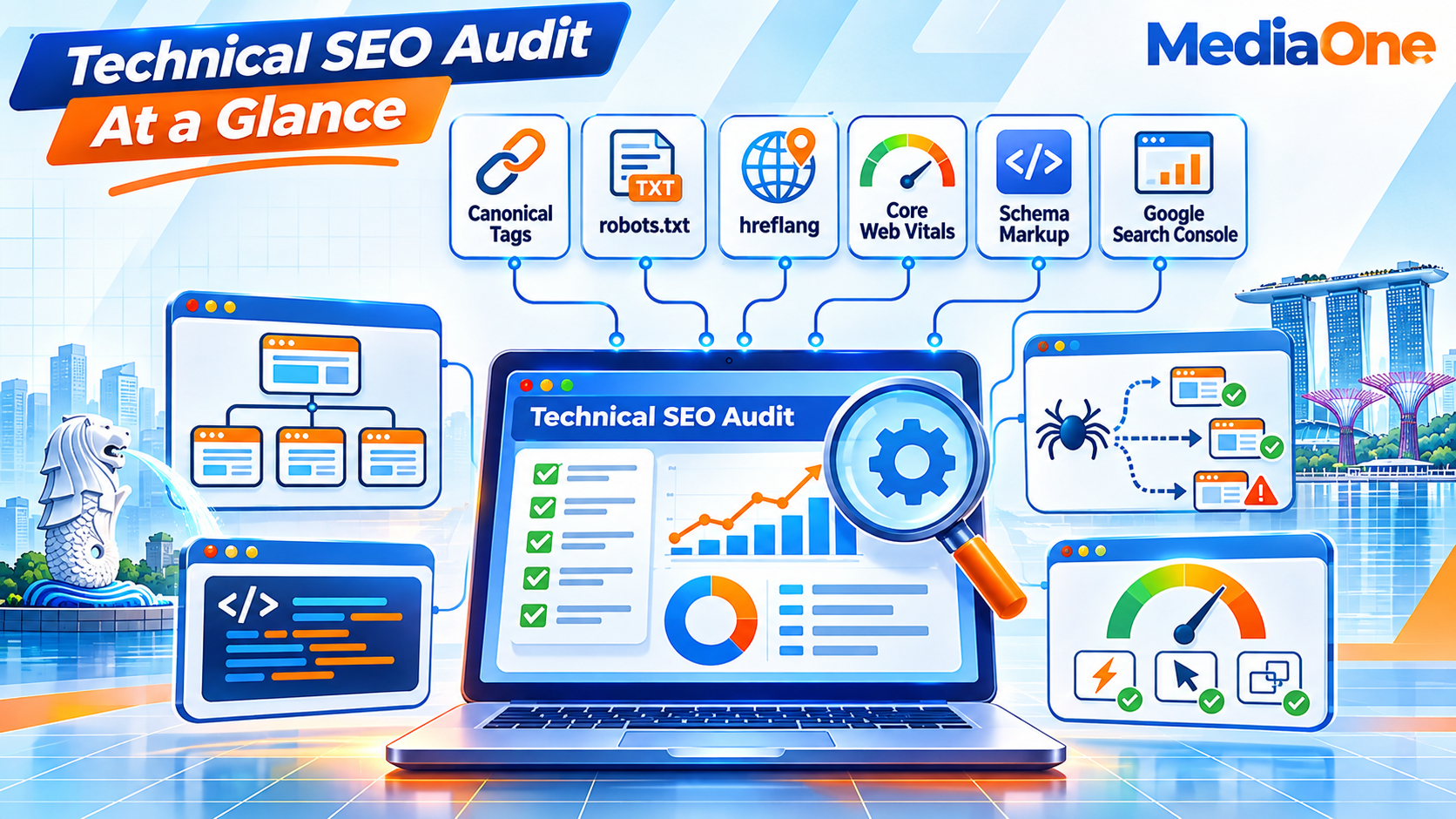
What Should a Comprehensive Technical SEO Audit Include?
The depth of an audit should reflect the website’s size, infrastructure and business objectives. A small corporate website may require a straightforward crawlability and performance review. A large e-commerce platform may need extensive analysis across thousands of URLs and multiple page templates.
Crawlability and Indexing Analysis
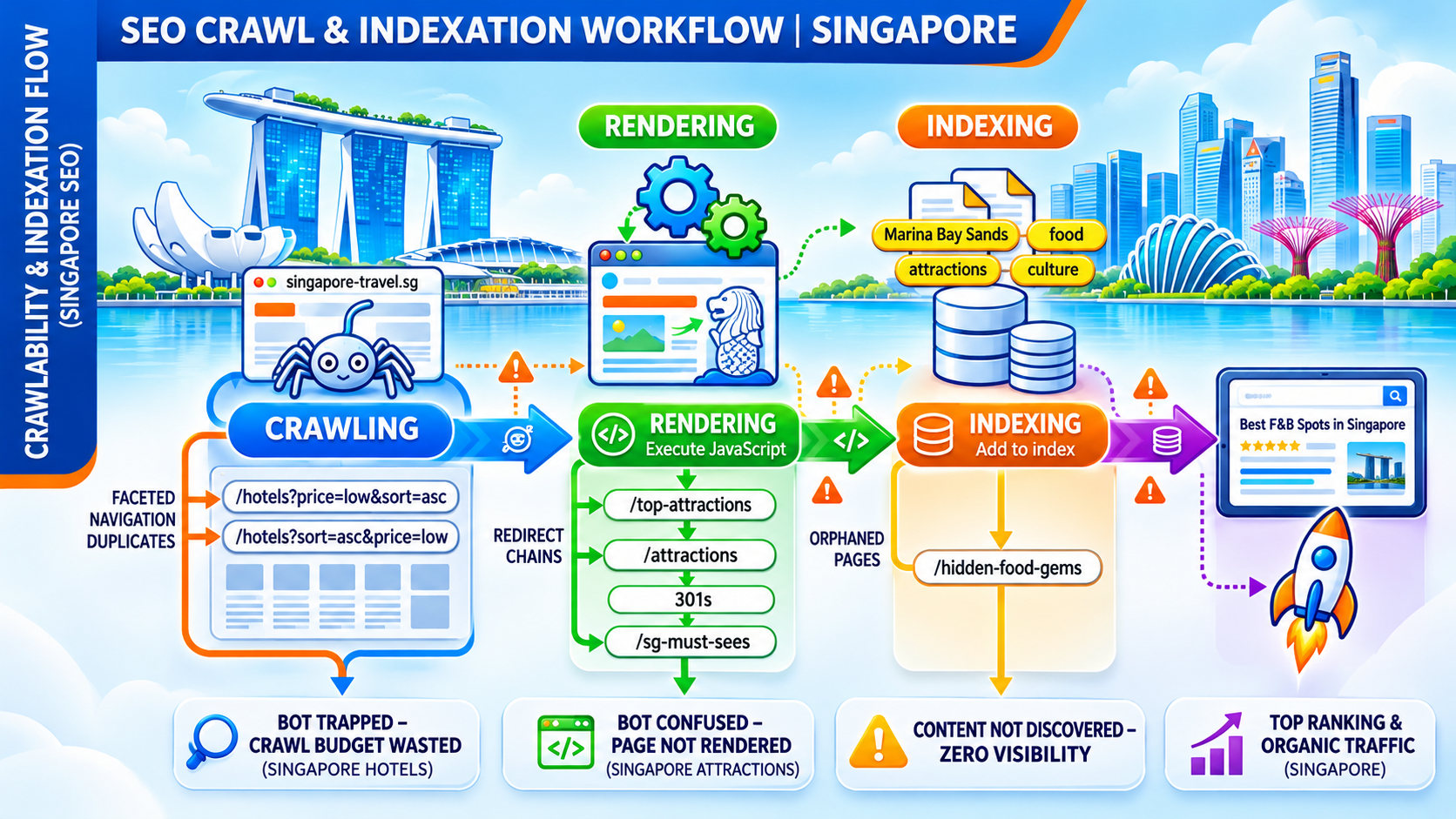
The audit should identify whether search engines can discover and process important pages. Specialists typically examine robots.txt directives, XML sitemaps, HTTP status codes, canonical tags and indexing instructions. They should also investigate discrepancies between intended indexable pages and actual indexing patterns.
A sitemap helps search engines discover URLs. It does not guarantee indexing. Similarly, canonical tags indicate preferred URL versions, although Google may select a different version. These distinctions matter when diagnosing indexing problems.
Website Architecture and Internal Linking
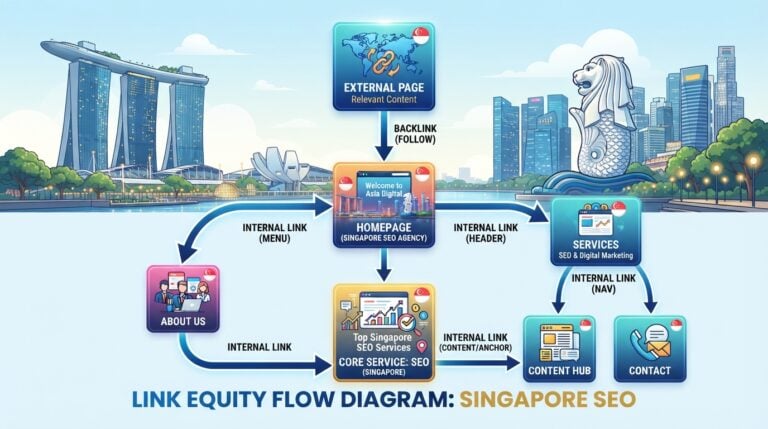
Website architecture determines how users and search engines navigate content. The agency should assess whether important commercial pages receive relevant internal links. It should also identify orphan pages, excessive navigation depth and broken internal links.
Keeping priority pages reasonably close to the homepage can improve accessibility. However, there is no universal requirement for every page to sit within three clicks. The appropriate structure depends on the website’s purpose and content hierarchy.
Crawl Budget and Server Log Analysis
Crawl budget describes the URLs that Google has the capacity and interest to crawl. It becomes particularly relevant for large or frequently changing websites.
Google’s crawl budget documentation explains that crawling activity depends on available resources and demand. Server logs can reveal crawler requests, frequently accessed URLs and recurring server errors. This information helps specialists investigate inefficient crawling patterns.
However, log analysis is not essential for every website. Google Search Console and website crawling tools may provide sufficient diagnostic information for smaller projects.
JavaScript Rendering and Content Accessibility
Modern websites often rely on JavaScript to display content and interactive elements. Google can process JavaScript, but implementation problems may interfere with content discovery and rendering.
An agency should compare the initial HTML with the rendered page where appropriate. It should verify that important content, navigation links and indexing instructions remain accessible.
Google’s JavaScript SEO guidelines provide additional guidance for websites that depend heavily on this technology.
Core Web Vitals and Mobile Performance
Core Web Vitals measure important aspects of the real-world page experience. A technical SEO agency should assess the following metrics:
| Core Web Vital | What it measures | Good performance threshold |
|---|---|---|
| Largest Contentful Paint (LCP) | Loading of the main visible content | 2.5 seconds or less |
| Interaction to Next Paint (INP) | Responsiveness to user interactions | 200 milliseconds or less |
| Cumulative Layout Shift (CLS) | Visual stability | 0.1 or less |
These thresholds apply at the 75th percentile of relevant page experiences, as explained in the Core Web Vitals documentation. Where available, real-world performance data should guide the investigation. Laboratory tests can help identify underlying causes.
Common improvements involve optimising images, reducing unnecessary scripts and improving resource loading. Good Core Web Vitals contribute to a better user experience but do not guarantee higher search rankings.
Structured Data and Schema Markup
Structured data helps search engines interpret information about products, organisations, articles and other supported entities. The agency should check whether existing markup accurately represents visible page content. It should also investigate validation errors and inconsistencies across templates.
Use Google’s Rich Results Test to assess eligibility for supported search features.
Correct implementation can make pages eligible for certain enhanced search appearances. However, Google does not guarantee that eligible pages will receive rich results.
International and Multilingual SEO
Singapore businesses serving regional markets may operate different website versions for specific countries or languages. Technical issues can arise when regional pages have inconsistent canonical tags or incorrect hreflang annotations.
The audit should review language targeting and URL structures. It should also examine whether regional page versions remain accessible and internally consistent. This is particularly important for businesses expanding across Southeast Asia.
How Technical SEO Supports AI Search Visibility in 2026
AI-powered search introduces additional considerations for website accessibility. Businesses seeking visibility in Google AI Overviews, AI Mode and ChatGPT Search should understand how different systems access and retrieve publicly available content.
Google AI Overviews and AI Mode
Google continues to apply established SEO principles to its generative AI search features. According to Google’s guide to optimising for generative AI search, eligible pages must meet Google’s search requirements and be indexed with the ability to appear with a snippet.
There is no mandatory AI-specific schema markup. We recommend prioritising accessible website content, clear information architecture and reliable technical configurations before investing in speculative AI optimisation techniques.
ChatGPT Search and AI Crawler Controls
Different AI crawlers serve different purposes. OpenAI’s crawler documentation distinguishes OAI-SearchBot, which supports search discovery, from GPTBot, which relates to potential model training. Blocking GPTBot does not automatically block OAI-SearchBot.
A technical SEO agency should review crawler permissions according to your organisation’s publishing policies. It should also investigate whether firewall configurations unintentionally restrict authorised requests.
Allowing crawler access establishes eligibility for discovery. It does not guarantee that AI platforms will cite or recommend your business.
How Much Does a Technical SEO Agency Cost in Singapore?
Technical SEO pricing depends on website complexity, audit depth and implementation requirements. A focused diagnostic project will generally have a different cost structure from an enterprise engagement involving ongoing monitoring and developer collaboration.
Our SEO services buyer’s guide provides indicative Singapore pricing of S$800 to S$2,000 for a technical SEO audit. Website migration planning is estimated at S$2,000 to S$5,000. These are planning estimates rather than independently established market averages. Complex projects may require substantially higher budgets.
Technical SEO Audit vs Monthly Retainer
| Pricing model | Cost reference | Best suited for |
|---|---|---|
| One-time technical audit | Indicatively S$800–S$2,000 | Businesses requiring diagnosis |
| Website migration planning | Indicatively S$2,000–S$5,000 | Redesigns and platform changes |
| Monthly SEO retainer | Depends on included technical scope | Businesses requiring ongoing optimisation |
| Enterprise technical engagement | Custom quotation | Large or complex websites |
At MediaOne, our published SEO packages include a Growth Plan starting at S$1,245 per month and an Enterprise Plan starting at S$3,550 per month. The Growth Plan includes a technical SEO audit. The Enterprise Plan covers broader technical optimisation requirements. These are integrated SEO packages rather than standalone technical SEO retainers.
Evaluate the Total Implementation Cost
An affordable audit can become expensive when businesses must separately engage developers to implement its recommendations. Conversely, an expensive retainer may provide limited value if it includes services unrelated to the website’s immediate problems.
Before accepting a proposal, clarify development charges, included implementation hours and post-deployment testing. Confirm whether ongoing monitoring and follow-up audits are included. Singapore businesses should also check whether quoted fees include Goods and Services Tax (GST), where applicable.
What to Expect During the First 90 Days
We recommend establishing a phased implementation roadmap with your technical SEO agency. The following timeline is illustrative. Actual schedules depend on website complexity, access permissions and development capacity.
| Period | Primary activities | Expected deliverables |
|---|---|---|
| Days 1–30 | Discovery, auditing and baseline measurement | Technical assessment and prioritised recommendations |
| Days 31–60 | Implementation and developer collaboration | Initial fixes and deployment records |
| Days 61–90 | Validation, monitoring and refinement | Updated performance report and optimisation roadmap |
Prioritise issues affecting revenue-generating pages or entire website templates. For example, an incorrect indexing directive affecting 200 commercial pages deserves attention before minor performance improvements on a low-traffic blog archive. Results may take longer to appear because search engines need time to revisit and process updated pages.
How to Measure Technical SEO Performance
Technical SEO should have defined performance indicators that reflect the problems being addressed. Establish a baseline before implementation so the agency can evaluate subsequent changes.
| Performance indicator | What it helps assess |
|---|---|
| Indexed priority pages | Whether commercially important content appears in Google’s index |
| Critical crawling errors | Whether accessibility problems are being resolved |
| Core Web Vitals | Improvements in real-world website experience |
| Organic search clicks | Changes in traffic from search results |
| Organic conversions | Business outcomes associated with organic visits |
| Technical issue resolution | Progress against the agreed remediation plan |
Use Google Search Console for Google search performance and indexing information. Google Analytics 4 (GA4) can help measure engagement and conversion activity.
Interpret these metrics together. An increase in indexed pages is beneficial only when those pages serve legitimate search or business purposes.
Common Mistakes When Hiring a Technical SEO Agency
Avoid decisions based solely on attractive proposals or automated website audit scores. Common hiring mistakes include:
- Choosing the cheapest provider: Low initial fees may exclude implementation and follow-up support.
- Accepting guaranteed rankings: No agency controls search engine ranking systems.
- Overlooking development capabilities: Recommendations require appropriate resources to implement.
- Expecting immediate results: Deployment and search engine processing take time.
- Ignoring ongoing maintenance: New website releases can introduce previously resolved problems.
Google’s guidance on hiring an SEO specialist advises businesses to evaluate providers carefully and remain cautious about ranking guarantees.
Questions to Ask Before Hiring a Technical SEO Agency
Use discovery calls to clarify the agency’s technical approach and service commitments. We recommend asking these ten questions:
- Who will conduct our technical SEO audit?
- Have you worked with websites similar to ours?
- Can you provide a relevant sample audit or case study?
- How do you determine which technical issues deserve priority?
- How do you diagnose crawling, indexing and rendering problems?
- Who will implement the recommended changes?
- How do you test changes before and after deployment?
- How do you assess accessibility for AI search crawlers?
- What performance indicators will you report?
- Which services or development costs are excluded from your quotation?
Compare the answers across shortlisted providers. Strong candidates should explain their methods clearly and acknowledge limitations where appropriate.
Frequently Asked Questions
What is a technical SEO agency?
A technical SEO agency specialises in improving website infrastructure to support crawling, rendering, indexing and organic search visibility. Its services typically cover website architecture, page performance and technical troubleshooting.
How long does a technical SEO audit take?
A small website may require several days, while a complex enterprise platform may require several weeks. The timeline depends on website size, audit scope and access to technical data.
Can technical SEO improve rankings without new content?
Technical improvements can help search engines access and understand existing content. However, ranking improvements also depend on content quality, relevance, competition and other search signals.
How often should a technical SEO audit be conducted?
We recommend periodic technical reviews for established websites and additional checks following significant website changes. Large or frequently updated platforms benefit from continuous monitoring.
Is technical SEO necessary for small businesses?
Yes, although the required scope varies. Small businesses benefit from accessible pages, reliable indexing, mobile optimisation and a logical website structure.
Can a technical SEO agency help with AI search visibility?
Yes. Technical specialists can assess crawler accessibility, content discoverability and indexing configurations that support eligibility for AI search experiences, although inclusion is not guaranteed.
Choose a Technical SEO Agency That Supports Long-Term Business Growth
The right technical SEO partner should understand how your website operates and where infrastructure problems affect business performance. For smaller websites, a focused audit with clearly defined implementation support may be sufficient. E-commerce and enterprise businesses should prioritise agencies with advanced diagnostic capabilities, development experience and ongoing monitoring.
We recommend evaluating providers against the same criteria before committing to a contract. A strong proposal should explain the work involved, establish responsibilities and identify how success will be measured.
At MediaOne, we integrate technical optimisation into our wider SEO strategy to help Singapore businesses establish stronger search foundations. Our services address website accessibility, performance and organic growth opportunities according to each business’s requirements.
Explore our SEO services in Singapore to discuss your website’s technical challenges and develop an optimisation strategy aligned with your business goals.