Digital marketing in Asia is entering its most transformative phase yet. In 2026, brands across the region (especially in Singapore) must evolve beyond generic regional campaigns to harness a new suite of tactics that deliver targeted growth.

This guide explores pattern‑breaking trends, localisable strategies, and implementation tips tailored for Singapore businesses.
Key Takeaways
- Digital marketing in Asia is rapidly evolving with mobile, social commerce, and AI-driven personalisation leading growth.
- Localisation of search marketing is essential across diverse Asian markets.
- Singapore businesses must adopt privacy-compliant data strategies and leverage emerging trends like livestream commerce to stay competitive.
- Integrating social, search, and mobile channels delivers the best results.
Key Digital Marketing Channels in Asia (What You Need to Know)

Image source: GSMA
Asia’s digital landscape isn’t just big, it’s the fastest-growing in the world. But here’s the thing: you can’t afford to spread your budget thin across every platform.
To win, you need to double down on the digital marketing channels in Asia that actually drive revenue. Let’s break down the three dominant forces shaping the market right now:
1. Social Media Marketing in Asia: Where Conversations Convert

Image source: Walk The Chat
Social media isn’t just for brand awareness anymore. It’s the epicentre of commerce. Platforms like TikTok, WeChat, and Instagram have turned from engagement tools into full-scale marketplaces.
- Why it matters: According to Statista, Asia-Pacific leads the world in social media penetration, with over 2.14 billion users in 2024. TikTok alone is projected to hit 900 million monthly active users in Asia by 2026.
- Real-world example: TikTok Shop generated $11.8 billion in Southeast Asian sales in 2023, up 300% year-on-year. Brands like Shopee and Lazada are dominating live commerce streams during major shopping festivals.
What You Can Do:
- Invest in short-form video content and livestream selling.
- Leverage hyperlocal influencers — Asia’s consumers trust micro-creators far more than traditional ads.
2. Search Engine Marketing in Asia: Localisation Is Non-Negotiable

Search in Asia isn’t just Google — and that’s a trap most marketers fall into.
While Google dominates in Singapore and much of Southeast Asia, markets like China (Baidu) and South Korea (Naver) require local search strategies.
- Why it matters: Search engines remain a top channel for intent-driven conversions. eMarketer predicts search ad spend in Asia-Pacific will reach $212.43 billion in 2026, making it the fastest-growing segment.
- Real-world examples:
What You Can Do:
- Don’t just optimise for Google — localise for Baidu, Naver, and Yahoo Japan if you’re expanding beyond Singapore.
- Use structured snippets and voice-optimised content for better visibility.
3. Mobile Marketing in Asia: The Primary Screen Wins

Image Credit: CM
In Asia, the mobile phone isn’t a device — it’s a lifestyle. Over 65% of internet traffic in Asia comes from mobile, and consumers shop, stream, and socialise on their phones daily.
- Why it matters: With the 212.43 billion total digital ad spend forecasted and the previous statistic, most of which will take place on mobile.
- Real-world example: Grab and Gojek rely heavily on location-based mobile ads and in-app promotions, driving millions in transactions during peak hours.
What You Can Do:
- Build mobile-first campaigns — speed, UX, and responsive design are not optional.
- Implement app-based marketing and push notifications for real-time engagement.
Quick Comparison: Which Channel Delivers What?
| Channel | Best For | Why It Wins in Asia |
| Social Media |
|
|
| Search Engines |
|
|
| Mobile Marketing |
|
|
Pro Tip: Don’t silo these channels. Your best results come when social, search, and mobile work together in a connected funnel.

Emerging Digital Marketing Trends in Asia: What’s Next for 2026?
Asia is moving faster than any other region when it comes to digital adoption — and if you’re not paying attention, you’ll fall behind.
Emerging digital marketing trends in Asia are not just influencing strategies; they’re rewriting the entire playbook for growth.

Let’s break down the forces shaping the future:
1. AI‑Powered Hyper‑Personalisation at Scale
AI tools now craft dynamic content, pricing, and journeys tailored to individual profiles in real time.
Gartner’s 2026 future of marketing analysis identifies AI-powered personalisation as one of the defining trends shaping digital marketing this year, alongside rising creator influence, short-form video, and social commerce growth.
Brands in Singapore can start by integrating AI‑driven recommendation engines into email and web experiences—ensuring messaging adapts live to user behaviour.
Implementation advice:
- Use AI platforms to analyse behaviour on site and mobile apps.
- Deploy dynamic offers based on first‑party customer data.
- Monitor response rates and refine prompts weekly.
2. Livestream Commerce and Social Selling
Social selling is evolving rapidly—from clickable posts to live‑streamed shopping events.
Global livestream commerce sales are projected to exceed USD 1 trillion in 2026, with China and Southeast Asia leading adoption as livestream shopping accounts for nearly one in three online purchases across the region. Brands like Lazada, Shopee, and TikTok Shop now blend live content with instant checkout.
Singapore brands should:
- Host livestream product demos and Q&A sessions.
- Use micro‑influencers to drive pre‑launch excitement.
- Link streams to flash deals or exclusive bundles.
3. Mobile‑First UX Meets Conversational and Voice Search

Consumers in Asia rely on mobile devices more than anywhere else. A 2026 voice AI market report projects the voice AI market to reach USD 22.5 billion at a 34.8% compound annual growth rate, signalling how rapidly voice assistants and chat-based shopping are reshaping the customer experience.
Optimise for conversational queries in local languages and dialects—and build voice‑friendly site architecture.
Practical steps:
- Add schema‑enabled Q&A for voice search.
- Provide short voice snippets or AI chat makers on mobile pages.
- Support multi‑language voice integration (e.g. English, Mandarin, Malay).
4. First‑Party Data and Privacy‑Compliant Segmentation
With stricter privacy laws across APAC, and rising public awareness, collecting and activating first‑party data is key. Zero‑party or willingly shared insights via surveys or quizzes are also becoming standard practice.
To execute:
- Launch preference centres and consent‑based email forms.
- Sync CRM segments with ad platforms for accurate targeting.
- Use anonymised analytics to respect PDPA and privacy regulations.
5. Micro and Local‑First Influencer Strategies
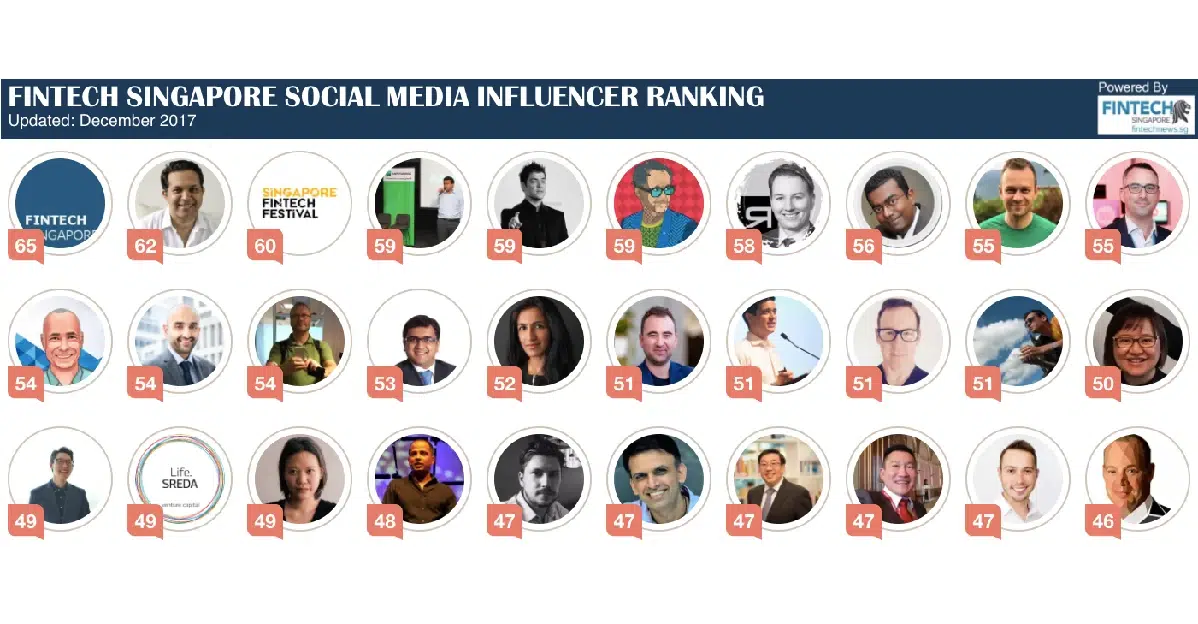
Image Credit: Fintech News Singapore
Influence is shifting toward authenticity and community relevance. A 2026 micro-influencer marketing report found that micro-influencers continue to outperform macro-influencers and paid social ads on a revenue basis, driving an average of USD 5 to USD 6.50 in return per dollar spent through stronger community trust and engagement.
Singapore brands may partner with local lifestyle or micro‑food bloggers for credible reach.
Guidance:
- Identify niche content creators with strong engagement.
- Collaborate on live streams, stories or product reviews.
- Track conversions via campaign‑specific CTAs or UTM tags.
6. Brand Sustainability Narratives That Resonate
Consumers in key Asian markets now expect sustainability messaging. The Deloitte 2026 Gen Z and Millennial Survey found that younger consumers across global markets continue to prioritise sustainability, with climate concerns directly shaping how they spend, work, and live.
Singapore audiences are increasingly responsive to brands with ethical and local environmental credentials.
Content strategy:
- Share verifiable CSR or sustainability milestones.
- Use blog case studies to feature green practices.
- Tie CSR to product launches or campaigns for transparency.
7. AI‑Enhanced Paid Media with Predictive Budgeting
Predictive budgeting tools and AI optimisation now allow ad spending to be forecast and iterated in real time. Platforms like Reddit, Meta and TikTok report strong ad returns thanks to AI enhancements.
Marketers are treating ad expenditure like portfolios—forecasting returns and adjusting dynamically.
Execution tips:
- Run multi‑variant ad tests with AI tools such as AdCreative.ai or Meta Advantage+.
- Forecast budgets by channel and monitor performance continuously.
- Redirect spend automatically to top‑performing segments.
8. Evolving SEO: Revenue‑Driven and Conversational
SEO in Asia is evolving. Search engines like Baidu, Yahoo! Japan and Google demand content optimised for conversational natural language, semantic search and voice queries.
Strategic SEO now prioritises revenue intent over traffic volume alone.
Strategic SEO approach:
- Use long‑tail and question‑based keywords in headers and Q&A.
- Write content tailored by region (e.g. Chinese Baidu trends vs Southeast Asian Google usage).
- Include internal links to relevant services.
9. Video‑First Content and Visual Search Optimisation

Image Credit: TechCrunch
Platforms prioritise short‑form video content, while visual and image search gain traction in Asia.
Brands should produce bite‑sized vertical videos, optimise them for Shopify/TikTok Shop, and tag imagery for contextual visual discovery.
Implementation:
- Publish product stories or tutorials as short verticals.
- Add alt‑tags and metadata tied to keywords.
- Use shopping‑enabled formats (e.g. TikTok Shop video tags).
10. Analytics and Martech Growth to Support Scale

Image source: LazMall
The Asia Pacific martech market generated USD 157.4 billion in 2025 and is projected to grow at a 21.9% CAGR through 2030, reflecting accelerating investment in analytics and martech infrastructure heading into 2026.
To make digital marketing strategies scalable, firms must integrate sophisticated analytics platforms and martech stacks that link performance metrics end-to-end.
Operational steps:
- Deploy marketing and analytics automation (e.g. CDP, GA4, CRM).
- Set KPIs aligned to CAC, LTV, MER and retention.
- Automate lead‑nurture flows based on behaviour triggers.
What You Can Do Today to Keep Up With The Trends Shaping Digital Marketing in Asia
Staying ahead in this fast-evolving landscape requires more than just awareness. You need a strategy built on data, creativity, and continuous optimisation.
Start by assessing your current digital channels, exploring emerging platforms, and aligning your content with the behaviours of Asian consumers. Incorporate tools that automate and personalise your campaigns, and track performance to refine your approach.
Digital marketing in Asia keeps evolving, and we here at MediaOne continue to design and implement campaigns that meet today’s algorithms and tomorrow’s customer expectations.
If you want real results, partner with experts who understand the complexity of digital marketing services in Asia and can deliver strategies tailored for your business. Work with MediaOne today and take the lead in your industry.
Frequently Asked Questions
How does digital marketing differ across Asian countries?
Digital marketing strategies must adapt to regional platforms and consumer behaviours. Baidu remains the leading search engine in mainland China, while Google holds the dominant share across Singapore and most of Southeast Asia. Naver leads in South Korea and Yahoo Japan continues to compete with Google in Japan, which means each market requires its own localisation, keyword research, and platform selection approach.
What role does cultural diversity play in Asia’s digital marketing?
Asia’s cultural diversity means marketers need to customise messaging, visuals, and content formats to match local languages, customs, and values. A campaign that performs well in Singapore may need significant adjustments for Indonesia, Vietnam, or Thailand, where consumer expectations around tone, family values, and visual symbolism can vary considerably. This is why local market research and native-language copywriting matter as much as creative strategy.
How important is mobile payment integration in Asia’s digital marketing?
Mobile payments are widely adopted across Asia, with platforms such as Alipay and WeChat Pay leading in China, PayNow and GrabPay in Singapore, GoPay and OVO in Indonesia, and PromptPay in Thailand. Integrating market-relevant payment options into campaigns and checkout flows directly improves conversion rates, especially on mobile-first journeys where friction at the payment stage is a common drop-off point.
What are the biggest challenges in cross-border digital marketing in Asia?
Key challenges include regulatory differences, language barriers, and platform fragmentation. Privacy frameworks such as Singapore’s PDPA, China’s PIPL, and the Philippines’ Data Privacy Act each have distinct consent and data handling requirements. Successful cross-border campaigns rely on local market insights, alignment with the privacy laws of each target country, and customised content strategies that respect both regulatory and cultural boundaries.
How is AI changing customer service in digital marketing in Asia?
AI-powered chatbots and virtual assistants are enhancing customer service by providing instant, personalised responses across messaging platforms such as WhatsApp, LINE, WeChat, and KakaoTalk, which dominate different parts of Asia. This improves engagement and builds trust in markets where consumers expect real-time support and prefer conversational interactions over traditional email or call centres.
How should brands allocate their digital marketing budget across Asia?
Budget allocation should reflect each market’s platform mix, audience maturity, and competitive intensity. Mature markets like Singapore, Hong Kong, and Japan typically demand higher cost-per-click and creative production budgets, while emerging markets such as Vietnam, Indonesia, and the Philippines often deliver stronger returns from social commerce and influencer spend. A working benchmark is to allocate 60 to 70% of budget to paid media, with the remainder supporting content production, analytics, and localisation.
How do you measure digital marketing ROI in asian markets?
ROI measurement in Asia requires platform-specific attribution because consumer journeys often cross multiple touchpoints, including search, social, livestream, messaging apps, and offline retail. Brands typically combine native analytics from platforms like Google Analytics, Meta Business Suite, and TikTok Ads Manager with broader marketing mix modelling to capture the full picture. Conversion tracking should be set up before campaign launch to avoid attribution gaps.
Is translation enough for digital marketing in Asia or is full localisation required?
Direct translation rarely achieves the same engagement as full localisation. Effective localisation goes beyond language, adapting tone, idioms, cultural references, visual elements, and even product positioning to match local market expectations. For example, colour symbolism, festival timing, and humour styles vary significantly between Singapore, Vietnam, South Korea, and Japan, which is why working with native-language copywriters and local marketing teams produces stronger campaign outcomes than translation alone.