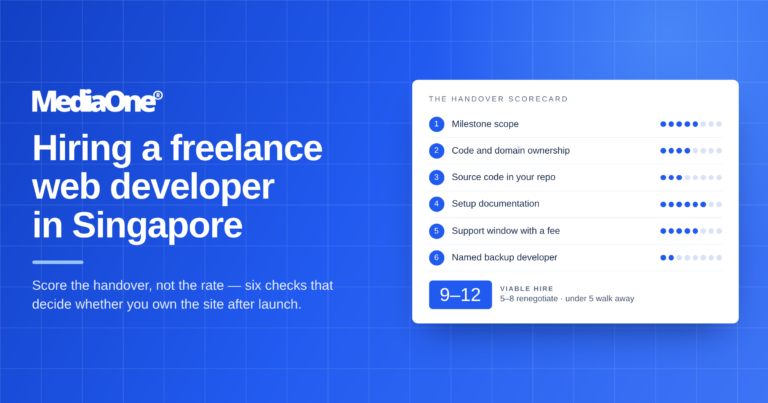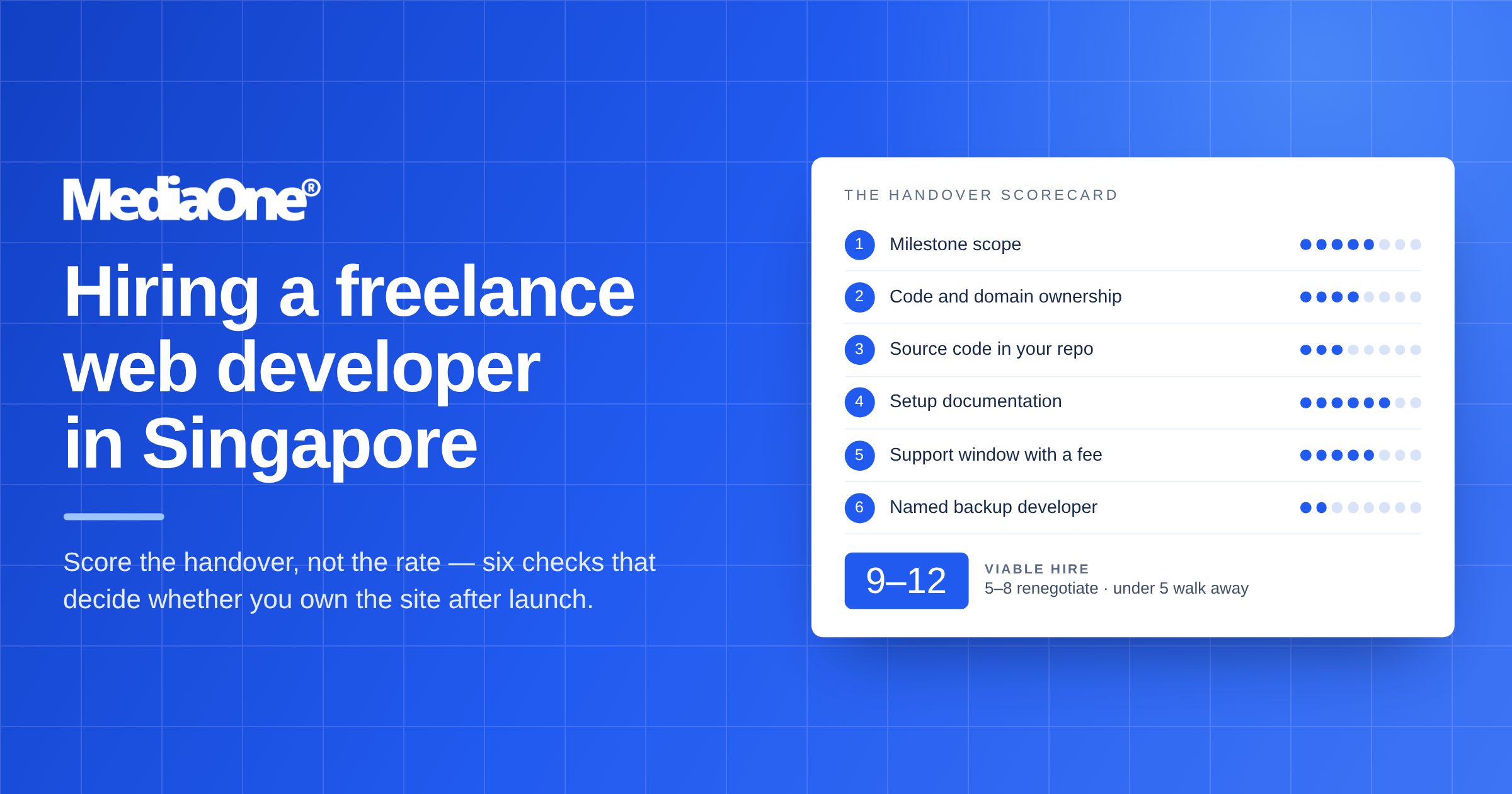
The main risk when hiring a freelance web developer in Singapore is the handover: what you receive, what you own and who supports the site after launch. Score each proposal from 0 to 2 on six items: milestone scope, code and domain ownership, source code in your own repository, setup documentation, a support window with a stated fee, and a named backup developer. A total of 9 to 12 is viable, 5 to 8 needs renegotiated terms, and under 5 means walk away.

Key Takeaways
- Judge the handover, not just the rate. Rates for web developers vary widely. A low rate means little if the site arrives without documentation or code ownership.
- Score the handover before paying. Score six items from 0 to 2: 9 to 12 is viable, 5 to 8 needs renegotiated terms, under 5 means walk away.
- Own the domain, hosting and code from day one. Your repository, accounts and a written support window prevent lock-in.
- Write milestone-based scope. Milestones stop open-ended invoices from scope creep.
- Confirm GST treatment. A GST-registered developer must charge 9% GST on web development billed to a customer in Singapore, whether or not that customer is GST-registered; a registered business client can then recover the tax as input tax (IRAS). Check whether each quote is GST-inclusive or exclusive, and whether the developer is registered at all.
Scoring a Real Proposal With the Handover Scorecard
Score a proposal you have received, or plan to send, against six items. Each is scored 0, 1 or 2. Score 0 means silent or vague, 1 means mentioned with a gap, and 2 means clearly stated in writing.
A web designer’s proposal and a web developer’s proposal should both be checked against the same six items:
- Milestone scope (0 to 2). Score 2 if deliverables (page count, integrations, definition of “done”) are listed, with payment tied to each milestone.
- Code and domain ownership (0 to 2). Score 2 if you own the domain, hosting and code, with the registrar and hosting accounts in your name.
- Source code in your own repository (0 to 2). Score 2 if the code sits in a GitHub or GitLab account you control, with access granted before the build starts.
- Setup documentation (0 to 2). Score 2 if setup, deployment and configuration are documented. Ask for a sample from a past project, such as one from the developer’s portfolio or blog.
- Support window with a fee (0 to 2). Score 2 if maintenance scope, response time and fee are defined in writing, and that support services are priced separately from the build. Confirm the named contact person for support requests before signing.
- Named backup developer (0 to 2). Score 2 if a second person is named who can take over, with a clear access plan.
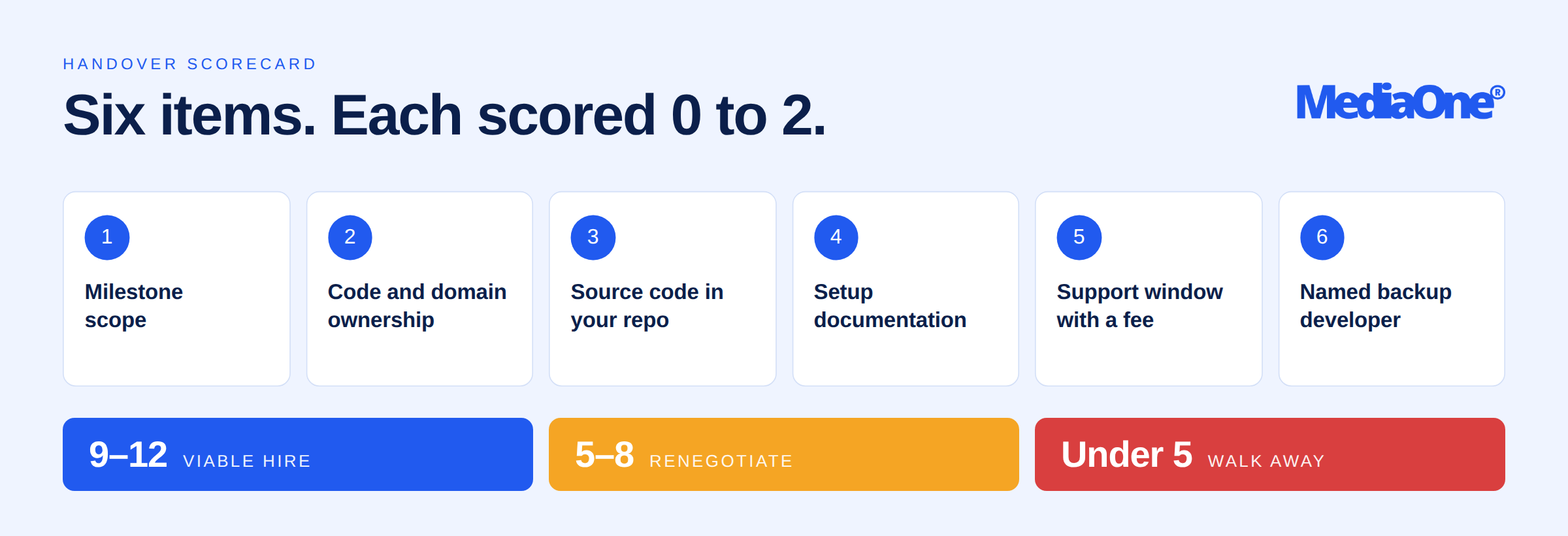
Figure 1: The Handover Scorecard — six items, each scored 0 to 2.
Add the six scores. 9 to 12 is a viable hire. 5 to 8 needs the missing terms negotiated before signing. Under 5 means walk away, whatever the rate.
What a Freelance Web Developer Does
A freelance web developer typically handles the full build cycle for one client, from scoping through launch and often ongoing upkeep. Core work includes custom development, theme customisation, eCommerce setup, landing pages and bug fixes. Put simply, a freelance web developer builds and maintains a website for a single client, usually without a team behind them.
In Singapore, most freelance web designers and developers serve small and mid-sized businesses without a standing in-house team. Typical requests include WordPress builds, Shopify or WooCommerce stores and campaign landing pages. Many clients also want to learn how their site works, so ask for a walkthrough at handover to help them maintain it confidently.
Ask early which stack you will own at the end, since the platform shapes how easily you can move or maintain the site later.
WordPress, eCommerce and Landing-Page Projects
Before hiring a freelance web developer for WordPress, check whether the theme and plugins are licensed in your name and who applies updates after launch.
eCommerce projects carry more risk, since a checkout fault costs sales directly. Confirm who holds the payment gateway account and how GST appears on invoices.
Landing-page projects should include the page source and tracking setup, so future campaigns need no rebuild.
Hiring a Freelance Web Developer in Singapore
Freelancers are usually cheaper and more direct, but one person carries the risk of illness or unavailability. An agency spreads that risk across a team at a higher price — freelance web developer versus agency sets out the full trade-off. Rate comparisons alone mislead Singapore buyers, because a quote that looks cheaper may exclude GST, leave out support, or hand over no code.
Compare the total cost of ownership, not the hourly figure. Working professionals can learn to find the right freelancer by weighing these trade-offs against their own project needs and the skills the work requires. A freelancer can help with a defined website development project, but only if the handover terms are clear.
Full-time hires suit ongoing, large-scale work. A freelancer suits a defined build or steady maintenance. A web designer or website design specialist can handle the visual side of the same project. Before you contact any candidate, confirm they can design web work to your brief.
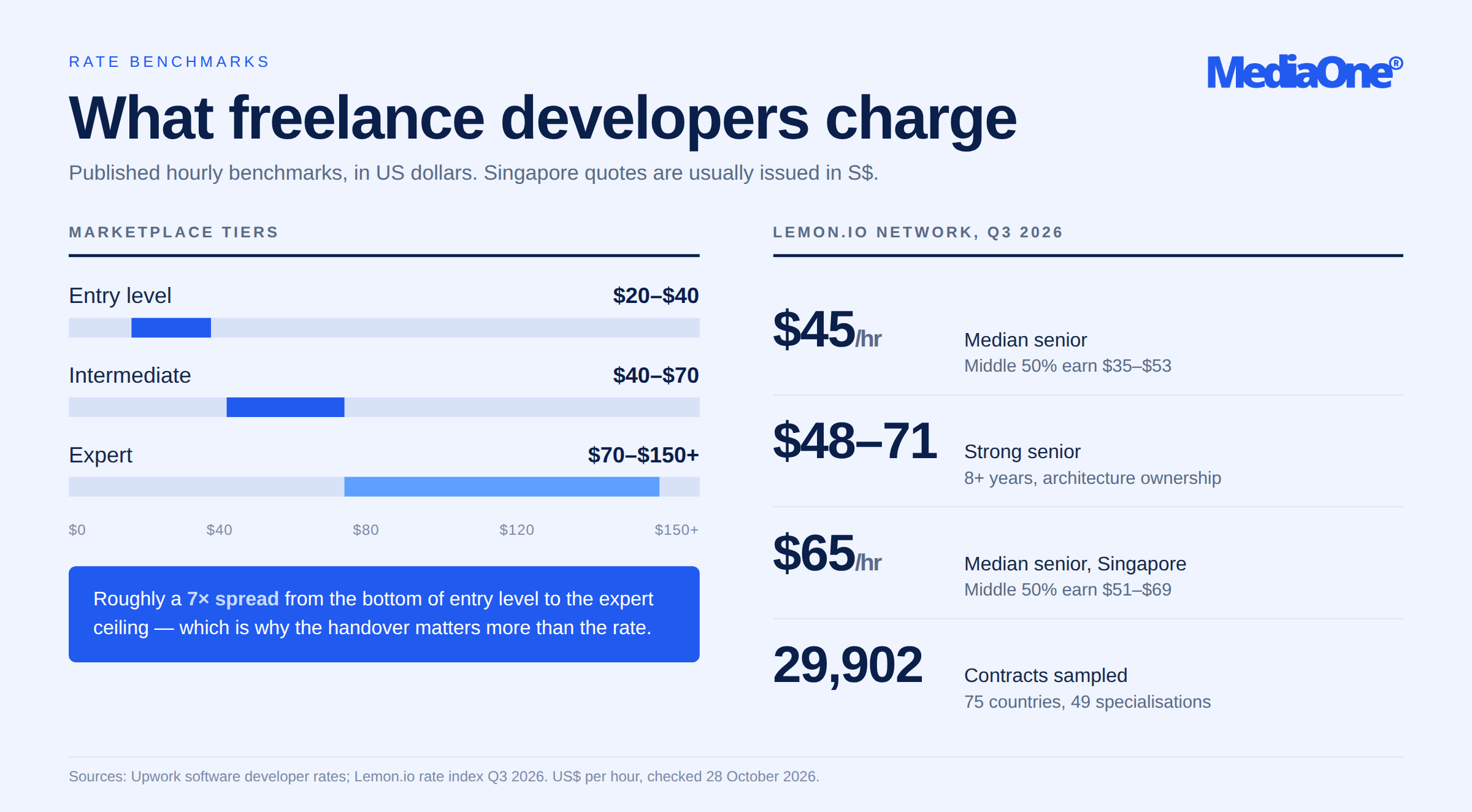
Figure 2: Published hourly benchmarks, in US dollars.
Rates for general web developers, intermediate developers and experts differ sharply: Upwork publishes US benchmarks of roughly US$20–$40/hr at entry level, US$40–$70/hr at intermediate and US$70–US$150+/hr at expert level, and Lemon.io’s contract data puts the median senior developer in Singapore at US$65/hr, with the middle 50% between US$51 and US$69/hr.
For project budgets rather than hourly figures, this guide to website design costs in Singapore breaks the ranges down by site type. Compare offers on the scorecard and a fixed-scope quote, and confirm whether GST is included.
The US$15–$100/hr band that circulates in buying guides comes from Lemon.io’s 2023 cost study and describes freelance fees in North America, not a global marketplace range — worth knowing before you use it to benchmark a Singapore quote.
GST and ACRA: A Worked S$ Example
A GST-registered freelancer charges GST at the prevailing 9% on web development supplied to a customer in Singapore. The customer’s own GST registration does not remove that charge: IRAS’s general rule is that GST-registered businesses must charge GST on all sales of goods and services made in Singapore, with 0% reserved for exports of goods and international services (IRAS). On a GST-exclusive S$4,000 quote, that adds S$360, for S$4,360.
A GST-registered client can normally recover that S$360 as input tax, subject to IRAS’s claiming conditions, but the charge still appears on the invoice, so compare quotes on the same basis.
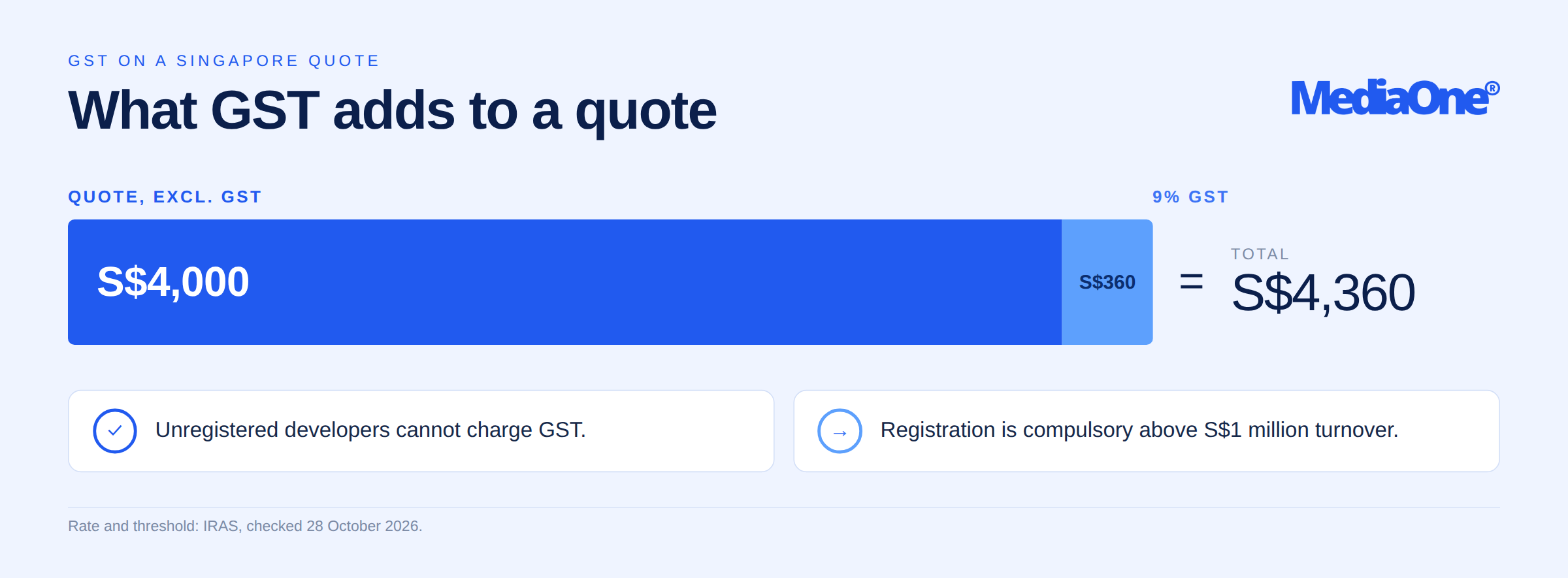
Figure 3: S$4,000 plus 9% GST: the arithmetic on one invoice.
A non-registered developer cannot charge GST at all, which means two S$4,000 quotes can differ by S$360. Registration is compulsory once taxable turnover exceeds S$1 million, measured retrospectively over the calendar year or prospectively over the next 12 months. The threshold can change, so confirm the current figure before you assume a freelancer must — or must not — be registered.
Check whether you are contracting with a sole proprietorship or a company. Both are registered with ACRA, but only a company is a separate legal entity: a sole proprietorship has no legal split from its owner, who carries unlimited personal liability for the business’s debts and losses, while a Pte Ltd company is a separate legal entity you can pursue if the work fails. Many professionals who become a freelance developer register a business name first, so read the entity name on the contract and invoice and confirm which one you are contracting with.

Vetting-led platforms such as Gun.io vet and shortlist senior talent rather than leaving you to screen applicants. Check registration status and references before shortlisting anyone, and ask whether their web design and social media services are covered by the same contract.
The Web Development Process: From Discovery to Launch
The real risk in most freelance projects is not the build but the handover. A site delivered without scope terms, code ownership or a maintenance agreement often costs more over two years than a mid-priced build from a professional web designer that covers these from day one. Anyone considering whether to become a freelance developer should price in this handover risk from the outset.
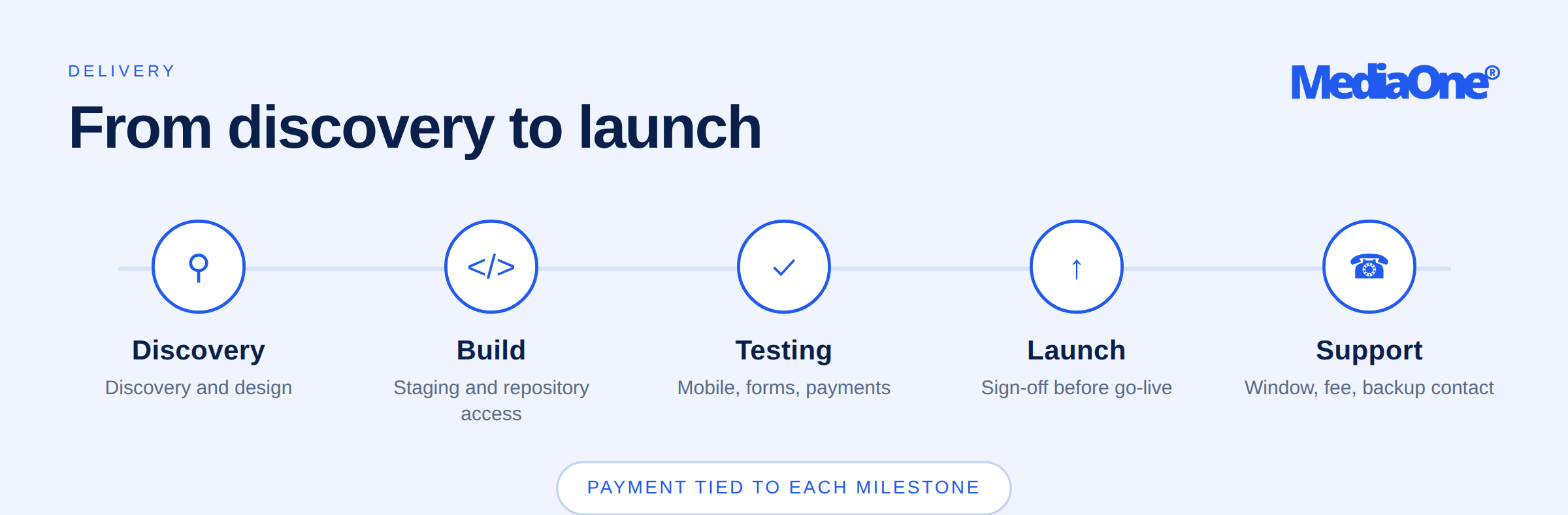
Figure 4: Five stages, five payment milestones.
A Worked Case: Why a Low-Rate Project Cost More Over Two Years
Developer A quoted the lowest rate but left code and domain ownership unstated, with no documentation and no support window. Developer B quoted higher and documented all six scorecard items. Within a year, both sites needed a plugin fix. Developer A could not be reached, so a second developer had to rebuild access first. Developer B’s documented repository and support fee covered the same fix at a known price — which is the practical difference behind claims about the best website development services.
- Discovery and design. Agree on scope in writing, tied to milestones, before any deposit. Specify page count, integrations and what counts as “done”. Confirm the web design deliverables, including layouts and content responsibilities, before any build starts.
- Build, testing and launch. Require a staging environment, a test checklist (mobile, forms, payments) and sign-off before go-live. Keep the coding in a repository you control, and ask for a portfolio of comparable launches before you commit. Read the proposal’s testing section line by line before signing.
- Website maintenance and support. Set a post-launch support window with a stated fee, plus a named backup. Most ownership disputes arise here, not during the build. A company blog or content section that needs ongoing updates should be included in the support scope.
Briefing checklist
- Goals, audience and the three actions you want visitors to take.
- Scope list with milestones and payment linked to each.
- Whether quoted rates include GST, and the currency.
- Who owns the domain, hosting and code, in writing.
- Documentation of setup and deployment.
- Support window, fee and backup contact.
Starting a Freelance Web Developer Career in Singapore
Building a career as a freelance web developer is practical. In the first three months, do three things in order.
- Build three to five projects, real or sample, covering the platforms you offer, such as WordPress, Shopify, or custom front ends, each with a short write-up of scope and handover.
- Price a first project by estimating hours per milestone, adding a margin for revisions, and stating a fixed-scope quote in S$.
- Make the registration decision: operate as a sole proprietor for low-risk, small jobs, or register a company with ACRA once contracts carry real liability. Register for GST with IRAS only once your taxable turnover meets the threshold, and show your registration number on invoices.
First-client channels. Start with your network, then freelance platforms and local business groups. Profiles work best when they name a specific platform, business type and result. Small fixed-price jobs build a track record faster than open-ended hourly work. The freelance web developer who can show a clear handover record wins repeat work.


Get the Right Freelance Web Developer in Singapore
The rate is the easy number to compare. The harder question is what you own when the project ends. Hire a freelance web developer for focused work with a few milestones. Hire an agency for multi-discipline projects or continuity risk, and a full-service digital marketing agency in Singapore can hold design, SEO and content under one contract when you would rather not manage three vendors.
Score each candidate with the Handover Scorecard before paying anyone. A total of 9 to 12 means a viable hire, 5 to 8 means negotiate missing terms first, and under 5 means walk away.
Shortlist three candidates. Confirm whether quoted rates include GST, and check that the code will sit in your own repository. Read each proposal’s handover terms closely, and find out whether the candidate has worked on WordPress builds before.
For a market overview while you shortlist, this list of the top web developers in Singapore is a useful starting point.
Frequently Asked Questions
How much does a freelance web developer charge in Singapore?
Rates vary by experience. Upwork’s published US benchmarks run about US$20–$40/hr for entry-level, US$40–$70/hr for intermediate and US$70–US$150+/hr for expert developers. Lemon.io’s Q3 2026 contract data puts its median senior developer at US$45/hr, with strong seniors at US$48–$71/hr, and the median senior in Singapore at US$65/hr. Check whether a quote is GST-inclusive and in S$ or US dollars. A fixed-scope milestone quote is easier to compare than an hourly estimate.
Is a freelance web developer better than an agency?
Neither is better in general. A freelancer suits a focused build or ongoing maintenance, while an agency suits larger, multi-skill projects. Confirm a named backup before you sign with a sole freelancer.
What skills does a freelance web developer need?
Beyond coding, a good freelancer can scope work in writing, explain decisions to non-technical clients, document what they build, and manage their own contracts and invoicing. Clients who learn to judge these skills tend to hire more reliably.
How do I hire a freelance web developer safely?
Score each candidate on six items before paying: milestone scope, code and domain ownership, source code in your own repository, setup documentation, a defined support window with a fee, and a named backup. A total of 9 to 12 out of 12 is a viable hire, 5 to 8 needs negotiated terms, and under 5 means walk away.
What does a freelance web developer charge for GST?
A GST-registered developer charges 9% GST on web development supplied to a customer in Singapore, whether or not that customer is GST-registered; a registered business client can claim the GST back as input tax if it meets IRAS’s conditions. On a S$4,000 GST-exclusive quote, that adds S$360, for a total of S$4,360. A non-registered developer cannot charge GST at all, so check the registration status before comparing quotes.
Do freelance web developers offer website maintenance?

Many do, but maintenance is often left undefined. Agree in writing on what is covered, the response time, and the fee before launch. Confirm the maintenance terms on enquiry rather than assuming they are included.
How do I start a career as a freelance web developer?
Build a portfolio of three to five real or sample projects, then find first clients through your network and freelance platforms. Start with small fixed-price jobs and document each handover. Within the first three months, price one project as a fixed-scope milestone quote and decide on registration before you invoice a client.