
Seasonal social media marketing gives brands a real chance to capture attention when people are already in the mood to browse, shop, and engage.
During busy periods like Black Friday, Christmas, or Chinese New Year, consumer interest is already high, so the right strategy can help your brand stand out rather than get lost in the noise. The challenge is that seasonal campaigns move quickly, and without a clear plan, it’s easy to fall behind.
This guide will walk you through how to build a seasonal marketing plan that actually works, from platform-specific tactics and content ideas to examples from brands that have done it well.
It will also show how working with a social media agency or investing in social media marketing services can make the process more focused and effective. From planning festive content to making the most of limited-time offers, you’ll get a clearer idea of how to approach peak periods with more confidence and better results.
Key Takeaways
- Capitalise on peak seasons when consumer intent is highest, such as during holidays or special events, to boost sales, brand awareness, and customer loyalty.
- Start planning your seasonal campaigns 3–4 months in advance to ensure your content, influencer partnerships, and promotions are strategically aligned with key shopping periods.
- Tailor your content for each social media platform, using features like Instagram Reels, TikTok challenges, Facebook ads, and YouTube tutorials to maximise engagement and visibility.
- Focus on key metrics such as CTR, conversion rates, and ROAS to measure campaign success and make data-driven adjustments during the peak season.
- Increase visibility and drive immediate conversions through targeted paid ads on platforms like Facebook, Instagram, and TikTok.
What is a Seasonal Social Media Marketing Strategy?
A seasonal social media marketing strategy is a targeted approach brands use to plan, execute, and optimise their social media marketing efforts during specific times of the year.
These periods typically include holidays, special events, or peak sales seasons like Black Friday, Christmas, Chinese New Year, or Back-to-School campaigns. The goal is to capitalise on heightened consumer intent and engagement during these times, leveraging the festive mood and the audience’s purchasing power.
A seasonal strategy differs from year-round campaigns because it’s time-sensitive and often requires aligning content with the season’s or event’s cultural context. This could mean creating themed content, offering limited-time promotions, or launching holiday-specific ads to drive sales, engagement, and brand awareness.
Why Seasonal Social Media Marketing Matters
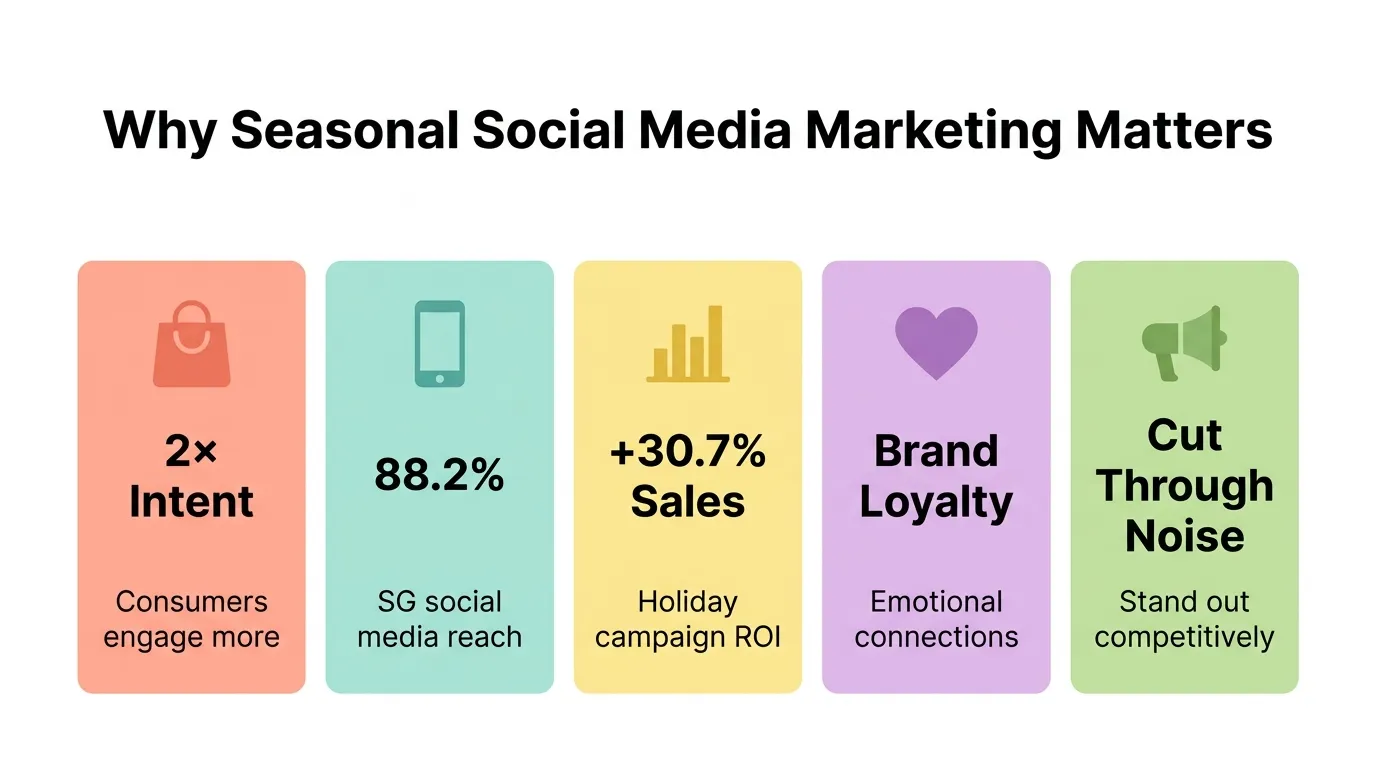
Seasonal social media marketing is a crucial strategy for brands looking to maximise engagement, boost sales, and build brand awareness during high-traffic periods like holidays, peak shopping seasons, and special events. Here’s why it matters:
1. Capitalising on Increased Consumer Intent
During peak seasons like Christmas, Black Friday, or Chinese New Year, consumer intent to purchase is at an all-time high.
People are actively searching for deals, shopping for gifts, and seeking inspiration for holiday purchases. Brands that tailor their social media efforts to these needs can increase visibility and drive more conversions.
According to Sprout Social, consumers are twice as likely to engage with brands during these periods, making it an ideal time to drive brand awareness and encourage sales.
2. Increased Engagement
Social media usage typically spikes during holidays as users spend more time online, browsing for products, promotions, or simply engaging with festive content.
With 5.16 million social media users in Singapore as of 2025, 88.2% penetration suggests your target audience is likely already active online, seeking relevant content. Brands that connect with these seasonal trends can spark meaningful conversations and engagement.
The engagement rate on Instagram Reels and TikTok, for example, often surges during the holidays as people actively seek new content related to holiday shopping and festive entertainment.

To ensure you get the most out of this holiday engagement, here are some tips to boost your social media performance: Top 10 Social Media Engagement Tips.
3. Boosted Sales & Revenue
Seasonal campaigns that focus on limited-time offers, exclusive discounts, or holiday-specific product releases can drive conversions at an accelerated rate.
Paid ads on platforms like Facebook, Instagram, and TikTok also see higher returns on investment (ROI) during peak periods, as users are more likely to make purchase decisions when deals are timely.
For instance, Black Friday and Cyber Monday campaigns generate massive traffic and sales spikes. In fact, e-commerce brands reported a 30.7% increase in sales when running holiday-specific promotions on social media.
4. Building Brand Loyalty
Seasonal social media campaigns aren’t just about driving immediate sales. They’re also an opportunity to build brand loyalty by aligning your brand with meaningful events in your customers’ lives. By engaging in fun, creative, and emotionally resonant campaigns, you can create lasting connections with your audience.
Brands that consistently deliver quality seasonal campaigns, from heartwarming holiday ads to exclusive offers, earn repeat customers and brand advocates, who are more likely to share your content and recommend your brand.
If you’re unsure how to keep your brand voice consistent, check out our guide on how to maintain a consistent brand voice on social media for more insights: Brand Voice on Social Media: How to Stay Consistent.
5. Standing Out in a Competitive Market
During the holidays, brands aren’t the only ones competing for attention. Consumers are bombarded with marketing messages from every direction. To stand out, your content needs to be relevant, authentic, and timely.
A well-executed seasonal social media marketing strategy ensures your brand cuts through the noise and grabs the attention of potential customers when it matters most.
In 2025, these approaches are more critical than ever as consumer intent, social media usage, and engagement all peak during the holidays and other key periods. Brands that plan and execute thoughtfully will be positioned to stand out in an increasingly crowded marketplace.
Step‑by‑Step Seasonal Social Media Planning Framework
Planning a seasonal social media marketing strategy requires a structured approach to ensure you hit key calendar moments and engage your audience effectively. Below is a step-by-step guide to help you create a successful seasonal campaign.
Step 1: Define Clear Goals for Your Campaign
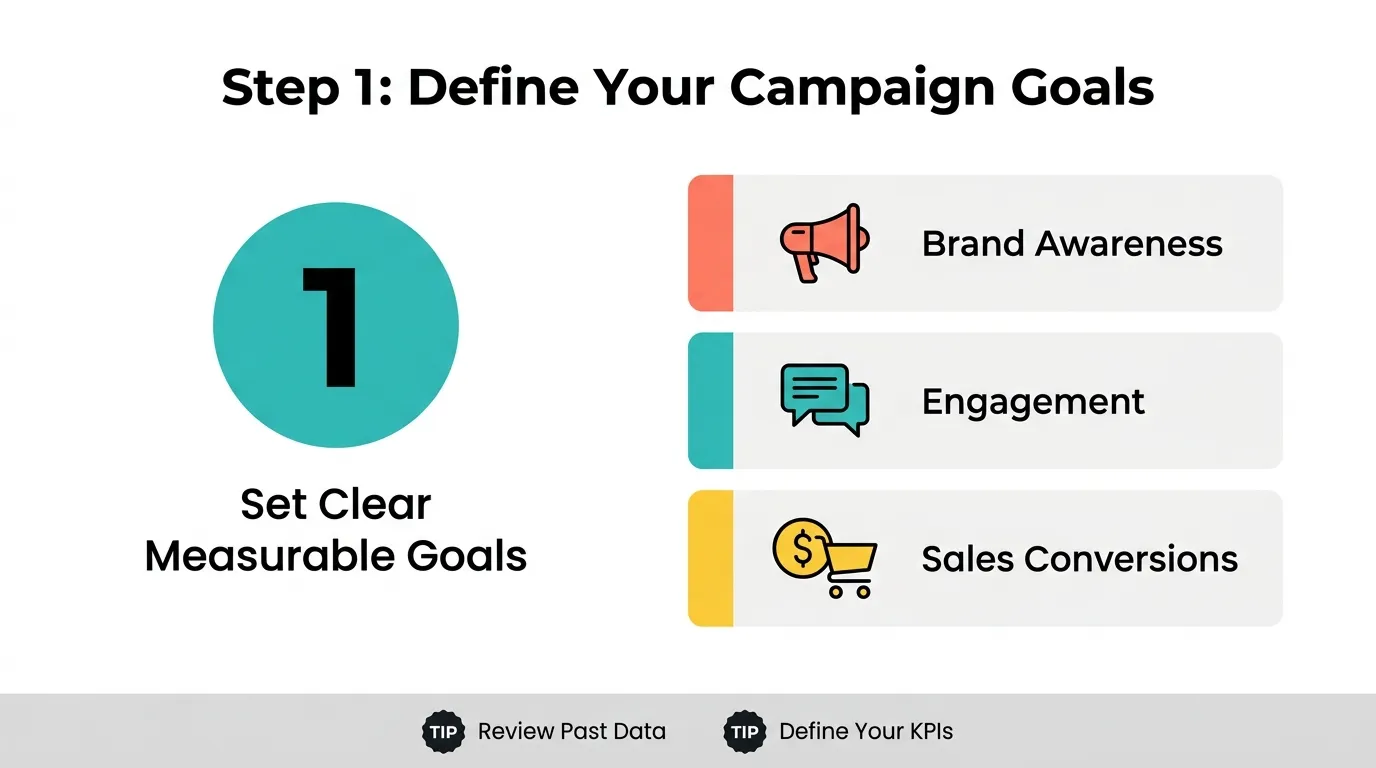
Setting clear, measurable goals is essential to ensuring that your efforts align with your business objectives. Determine whether you want to focus on:
- Brand Awareness: Introducing your brand or product to new audiences during peak shopping periods.
- Engagement: Encouraging likes, shares, comments, and user-generated content.
- Sales Conversions: Driving direct sales, such as discounts, gift guides, or exclusive offers.
Actionable Tip:
Review your past campaigns’ data to identify which metrics worked for you. Set KPIs (Key Performance Indicators) accordingly.
Example: If your goal is brand awareness, focus on reach metrics, while if you want to drive sales, track conversions and return on ad spend (ROAS).
Step 2: Map Out Your Content Calendar
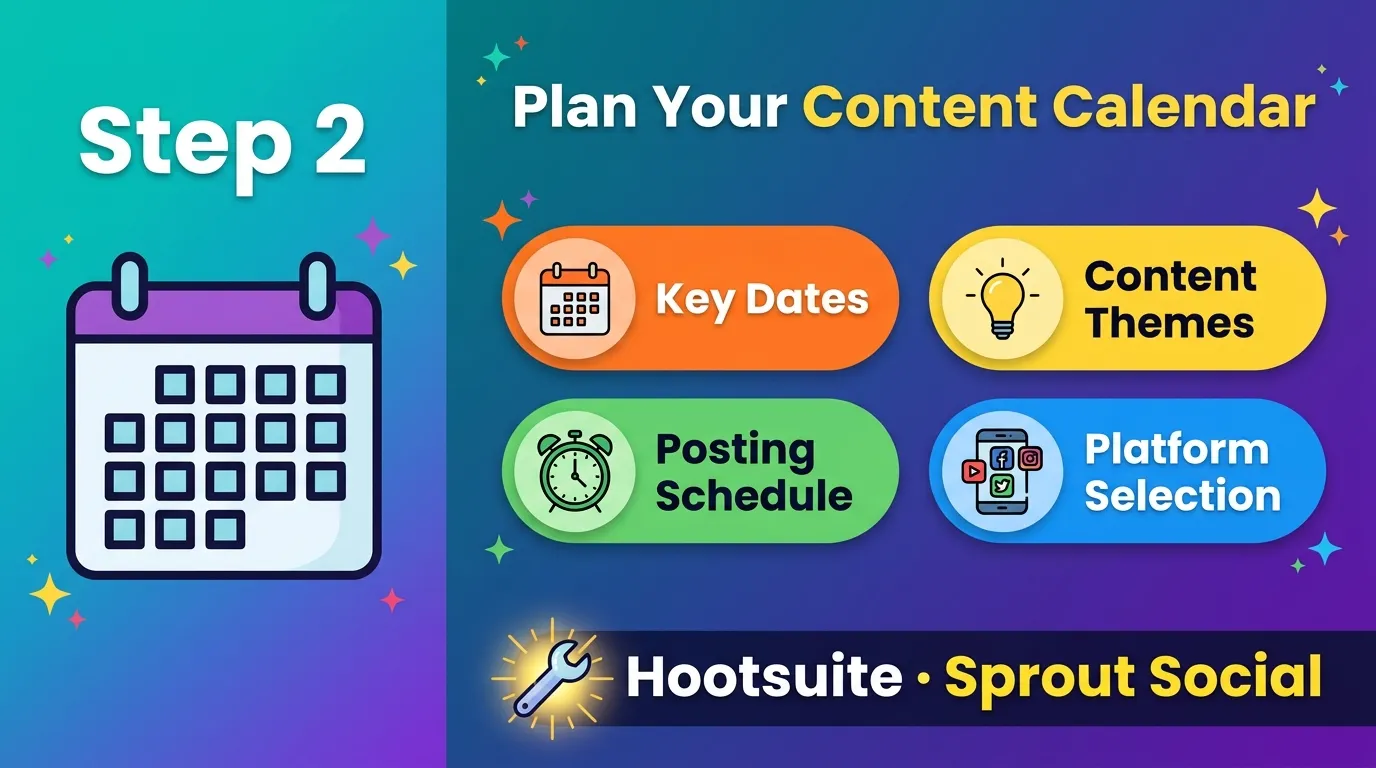
Once you’ve defined your goals, it’s time to plan your content strategy for the season. A well-organised content calendar ensures you have the right content ready at the right time.
Checklist:
- Identify Key Dates: These can include national holidays such as Christmas and Black Friday, as well as other specific cultural events relevant to your audience.
- Content Themes: Decide on the core message for each piece of content. For example, Christmas might focus on gift ideas, while Black Friday is about flash sales.
- Posting Schedule: Timing is everything. Research when your target audience is most active, such as during lunch breaks, weekends, or holiday evenings.
- Platform Selection: Choose the right platforms for your audience (Instagram, TikTok, Facebook, etc.).
Tip: Use social media scheduling tools like Hootsuite or Sprout Social to plan and automate posts in advance, ensuring consistent posting.
Step 3: Segment Your Audience and Personalise the Message
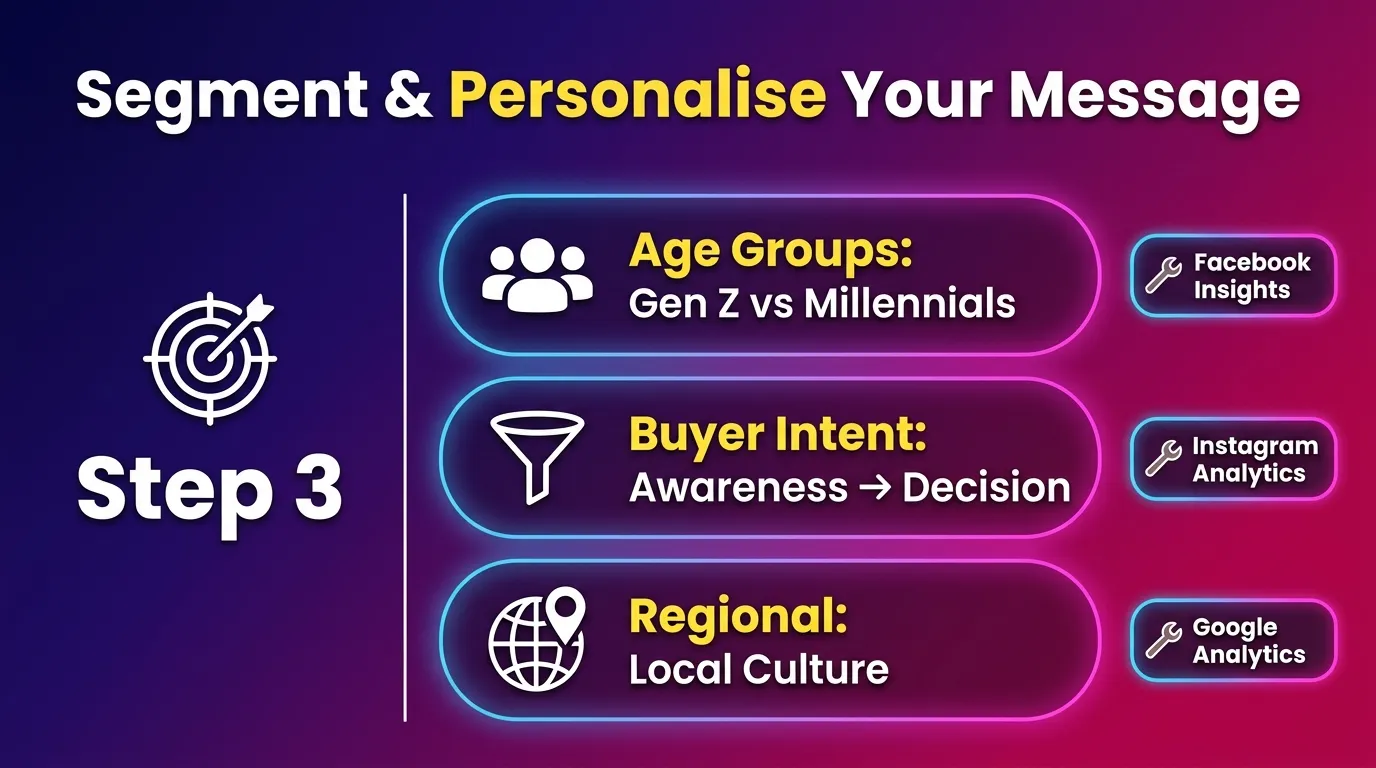
Understanding your audience is key to ensuring your content resonates with them. Segment your audience based on demographics, behaviours, and purchase intent. For example:
- Age Groups: Tailor content to different generations (e.g., Gen Z may prefer TikTok, while Millennials gravitate towards Instagram).
- Buyer Intent: Consider targeting people in the awareness phase with inspirational content and those in the decision-making phase with sales promotions or limited-time offers.
- Regional Segments: If you’re targeting multiple locations, consider how local cultural events or public holidays influence behaviour.
Tip: Use Facebook Insights, Instagram Analytics, or Google Analytics to get detailed data on your audience segments.
Step 4: Craft Your Content
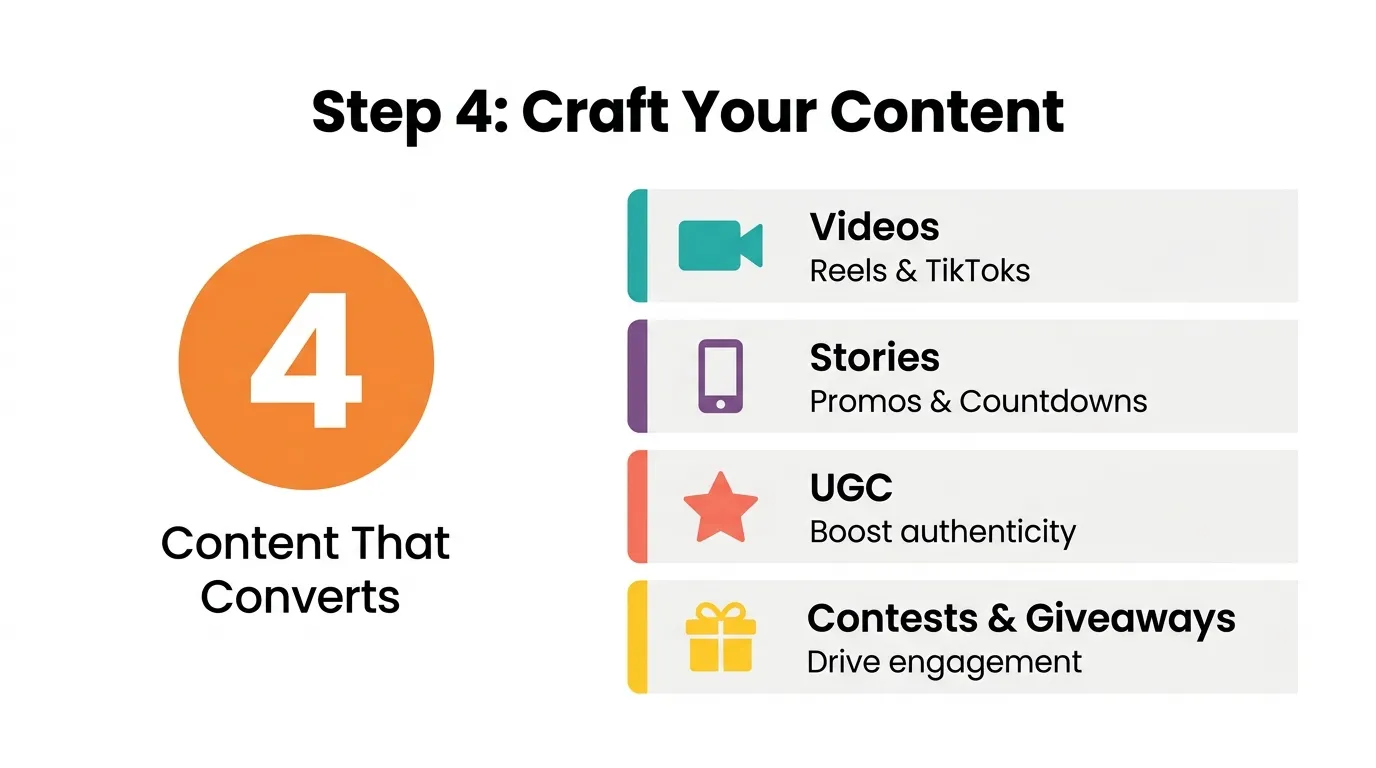
Your content should reflect your brand values while being timely, relevant, and engaging for the season. Decide what type of content will work best for your audience:
- Videos: Short videos, Reels, and TikToks have high engagement during holidays. You can use them to showcase products, create tutorials, or share behind-the-scenes moments.
- Stories: Use Instagram Stories and Facebook Stories for time-sensitive promotions, countdowns, or sneak peeks.
- User-Generated Content (UGC): Leverage content from your audience to increase authenticity.
- Contests & Giveaways: These generate high engagement during peak seasons.
These types of content work together to keep your audience connected with your brand, increase visibility, and build loyalty over time.
Step 5: Run Paid Campaigns to Amplify Your Reach
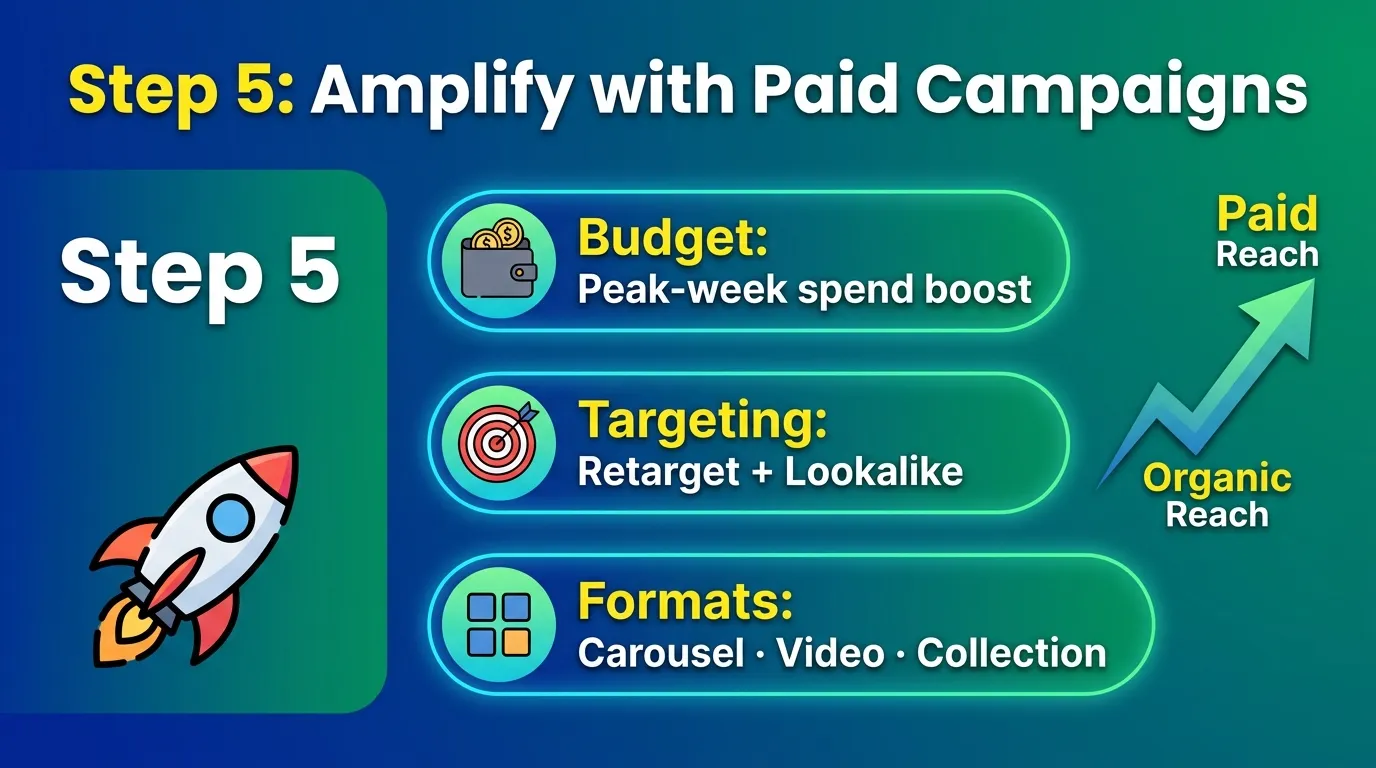
Organic content can only take you so far. During peak seasons, paid social campaigns are essential to boost visibility. Here’s how to make the most of paid media:
Actionable Tip:
- Budget Allocation: Increase paid ad spend during the peak weeks leading up to holidays. A well-timed paid ad campaign can help extend the reach of your organic content and amplify seasonal offers.
- Targeting: Use retargeting ads to capture users who interacted with your posts or website but didn’t convert. Lookalike audiences can help you expand your reach to new, relevant users.
- Ad Formats: Carousel, video, and collection ads are great for product promotion during the holiday season.
Step 6: Monitor & Optimise Your Campaigns in Real-Time
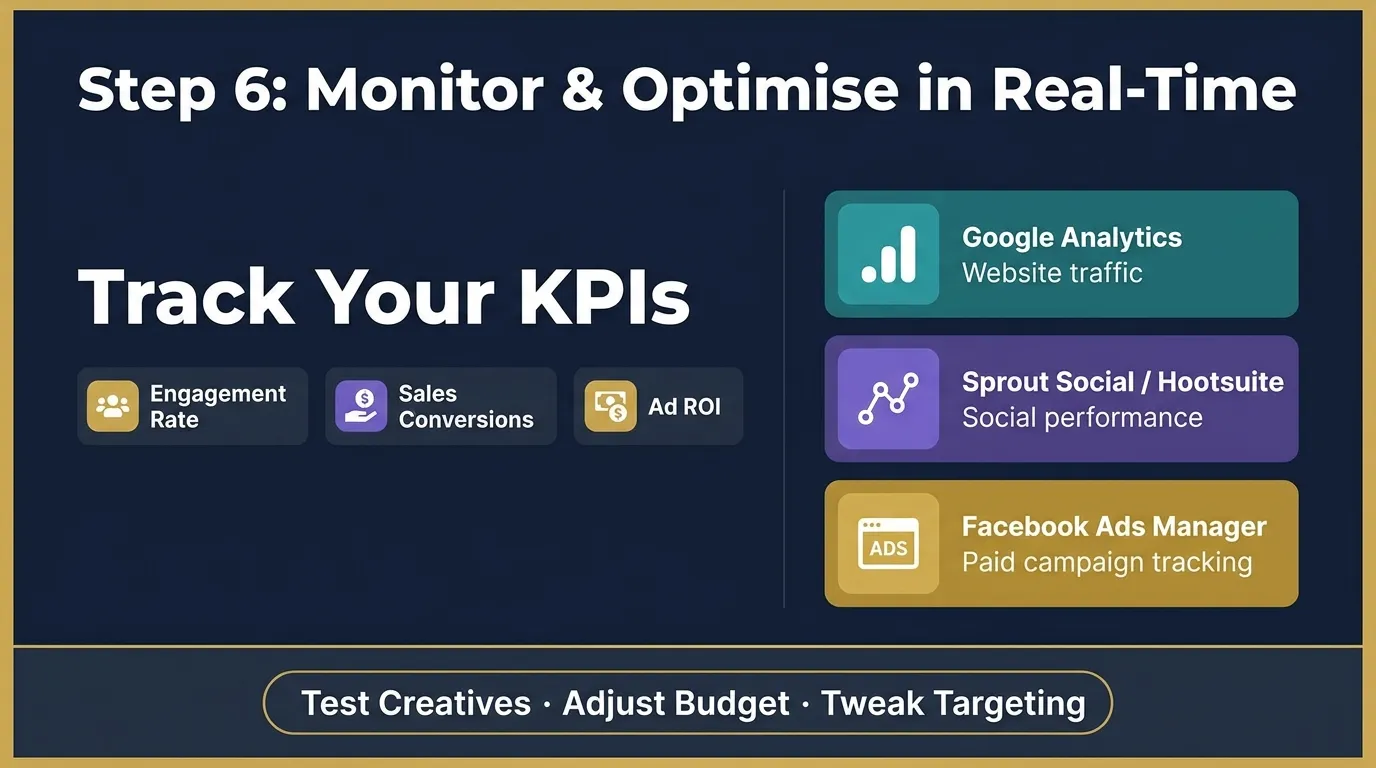
Monitor your campaigns closely to ensure they are delivering optimal results. Track your KPIs, such as engagement rates, sales conversions, and ad spend ROI.
Tools for Monitoring:
- Google Analytics for tracking website traffic.
- Sprout Social or Hootsuite for real-time social media performance.
- Facebook Ads Manager for tracking the performance of paid campaigns.
Use this data to optimise campaigns: test ad creatives, adjust budget allocation, and tweak audience targeting to improve performance mid-campaign.
For a deeper understanding of social media metrics and their importance, you can refer to our detailed guide on Tracking Social Media Metrics in Singapore.
Step 7: Post-Holiday Follow-Up and Retargeting
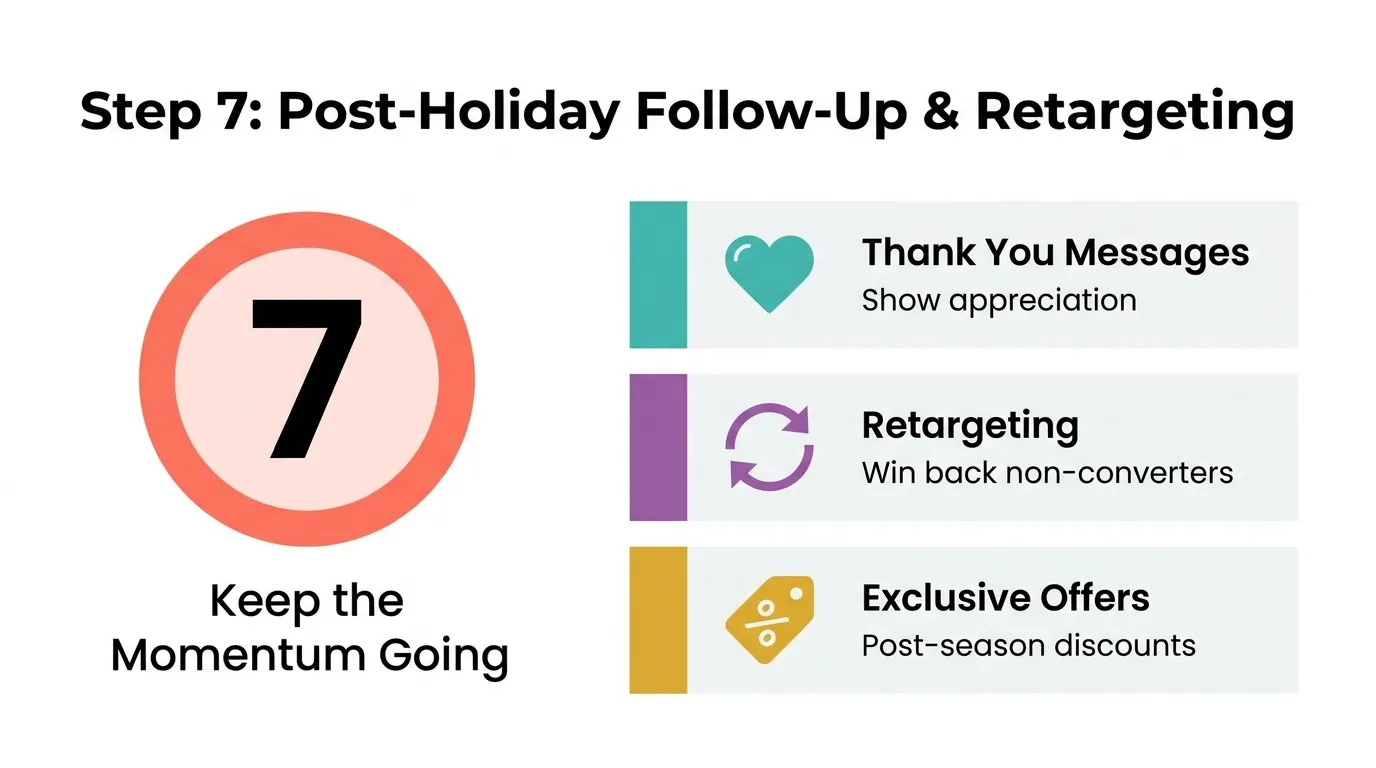
Even after the seasonal campaign ends, continue to engage with your audience:
- Thank You Messages: Show appreciation for their support and encourage continued engagement.
- Retargeting: Use remarketing ads to re-engage users who didn’t convert but interacted with your ads.
- Exclusive Offers: Send post-holiday discounts to keep momentum going after the peak season.
This step-by-step framework will ensure your seasonal social media marketing campaigns are well planned and executed.
With the right combination of goal setting, content creation, paid campaigns, and real-time optimisation, your brand can maximise engagement and drive conversions during the busiest seasons of the year.
Platform‑Specific Seasonal Social Media Tactics
Each social media platform has its own unique user base, content formats, and best practices. During seasonal campaigns, tailoring your approach to each platform can increase engagement and drive better results.
Below is a guide on how to optimise your seasonal social media strategy across the major platforms:
1. Instagram: Visual Storytelling and Engagement
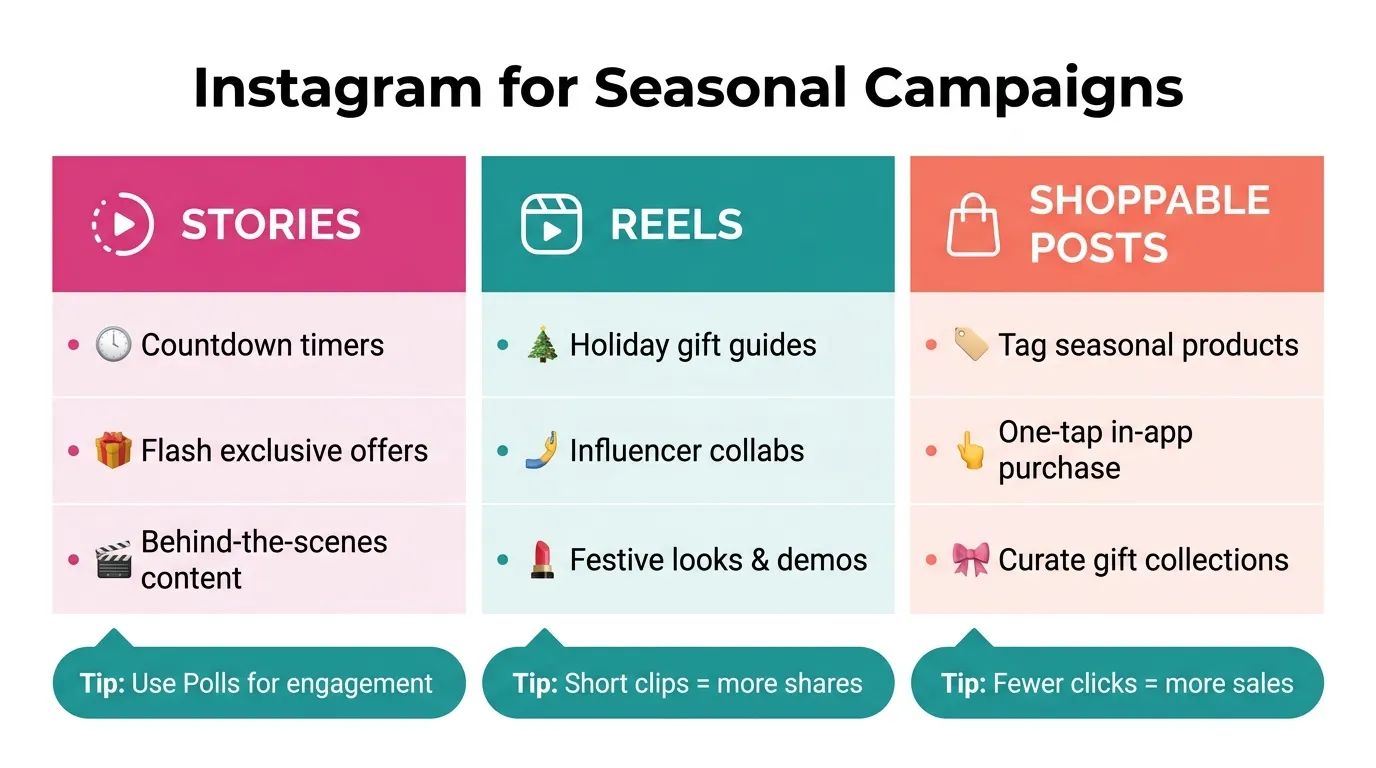
Instagram is perfect for visual-first campaigns, where aesthetically pleasing content and stories drive engagement during seasonal periods.
- Stories: Use Instagram Stories for countdowns, exclusive offers, and behind-the-scenes sneak peeks. Stories are effective because they are time-sensitive, creating urgency among users.
- Tip: Polls or questions can spark interaction and increase engagement during peak periods, such as Christmas sales.
- Reels: Instagram Reels are ideal for promoting holiday discounts, gift guides, and influencer-driven content. Their short-form format works well for quick, shareable content, especially for gift guides or limited-time offers.
- Example: A beauty brand might use Reels to show off last-minute gift sets or New Year’s Eve looks.
- Shoppable Posts: Use shoppable posts and product tags to make it easier for followers to shop your seasonal products directly through Instagram.
2. TikTok: Trend‑Driven Campaigns and Viral Content
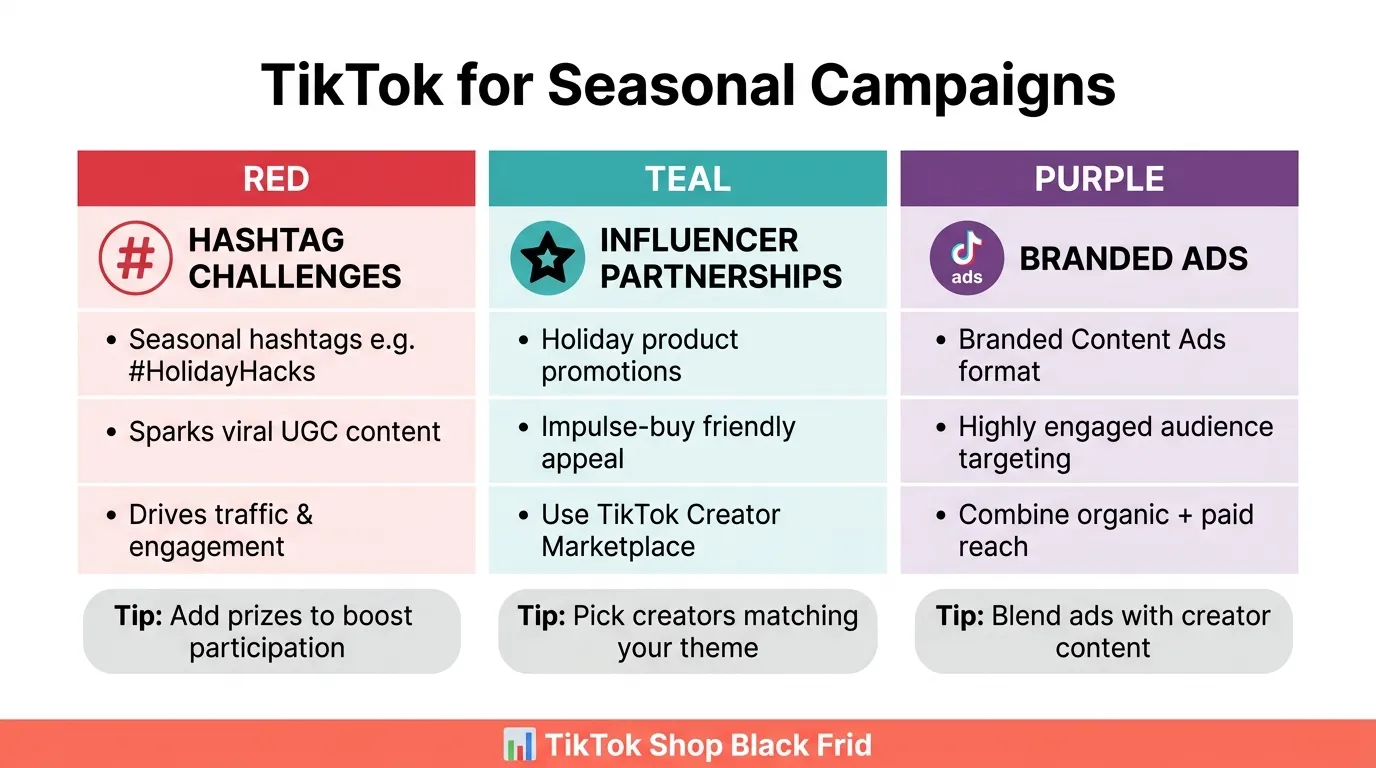
TikTok’s viral nature makes it the perfect platform for short-form, engaging content tied to seasonal trends, challenges, and influencer collaborations.
- Hashtag Challenges: Encourage followers to create content using a seasonal hashtag (e.g., #XmasGiftChallenge or #HolidayHacks). This user-generated content (UGC) can go viral, driving traffic and engagement.
- Tip: Pair challenges with holiday prizes or exclusive discount codes to incentivise participation.
- Influencer Partnerships: Partner with TikTok creators to promote limited-edition holiday products or seasonal collections. TikTok influencers are particularly effective for immediate, impulse purchases due to their authentic appeal.
- Branded Content & Ads: Use TikTok’s Branded Content Ads to reach a highly engaged audience. Combine this with TikTok’s Creator Marketplace to ensure you’re targeting the right creators for the seasonal theme.
TikTok Shop reported that nearly 50% more shoppers bought on the platform in the U.S. during the 2025 Black Friday/Cyber Monday period than the previous year, with sales exceeding $500 million over the four days.
3. Facebook: Community Engagement and Older Demographics
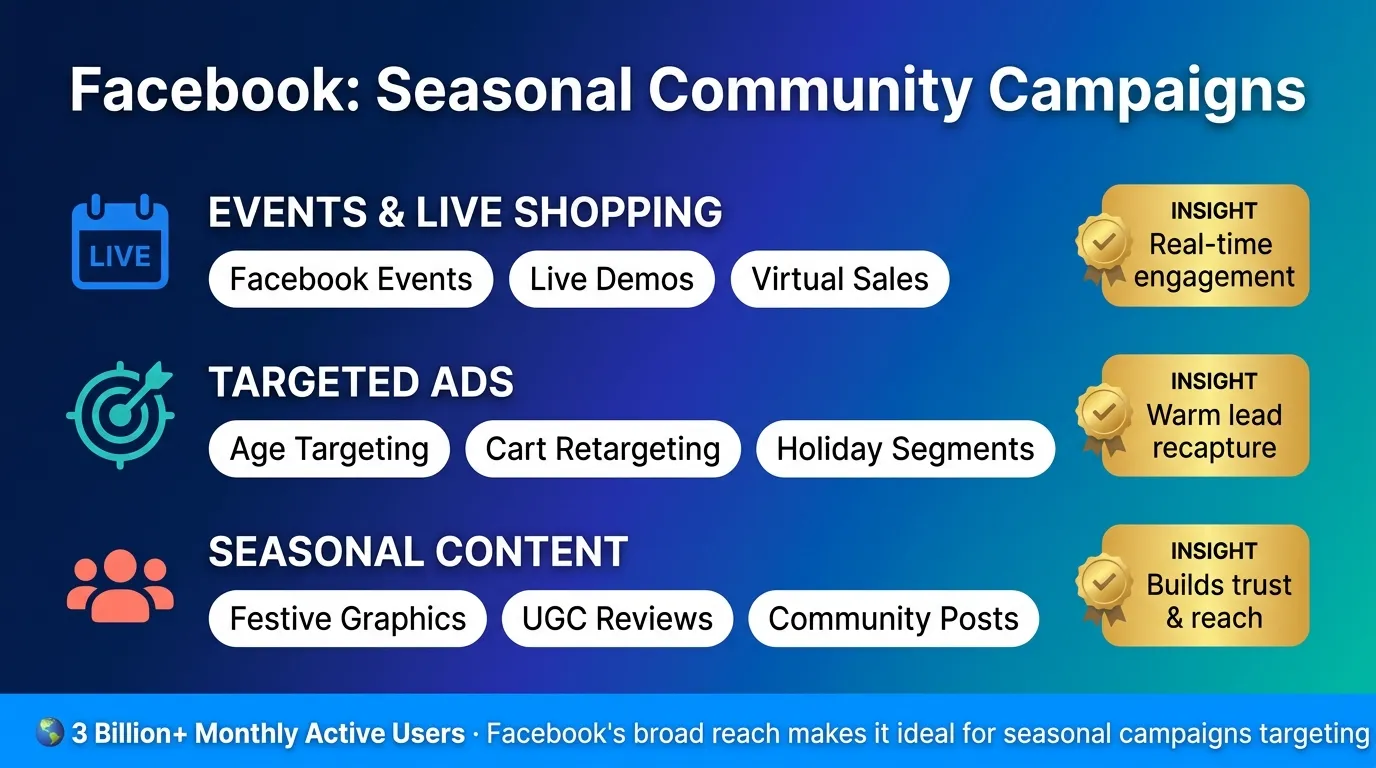
While Facebook is seeing a shift in usage by younger generations, it still has a strong hold among older demographics, making it valuable for holiday promotions targeting a broader audience.
- Events and Live Shopping: Facebook’s Events feature is perfect for seasonal sales, webinars, or virtual holiday shopping events. Use it to drive awareness for seasonal discounts or virtual sales.
Tip: Pair this with Facebook Live for real‑time product demos or live holiday shopping events, offering a more personal experience to engage your audience. - Targeted Ads: Leverage Facebook’s advanced targeting capabilities to reach specific age groups, interests, and holiday shoppers. You can also use retargeting ads to remind users about abandoned carts from earlier seasonal content.
- Seasonal Content: Festive graphics or user-generated content from your audience (like product reviews) can boost engagement during holiday periods.
Facebook remains one of the world’s largest social platforms, with over 3 billion monthly active users, which supports its continued relevance for broad seasonal reach.
4. YouTube: Long‑Form, Engaging Content for Product Discovery
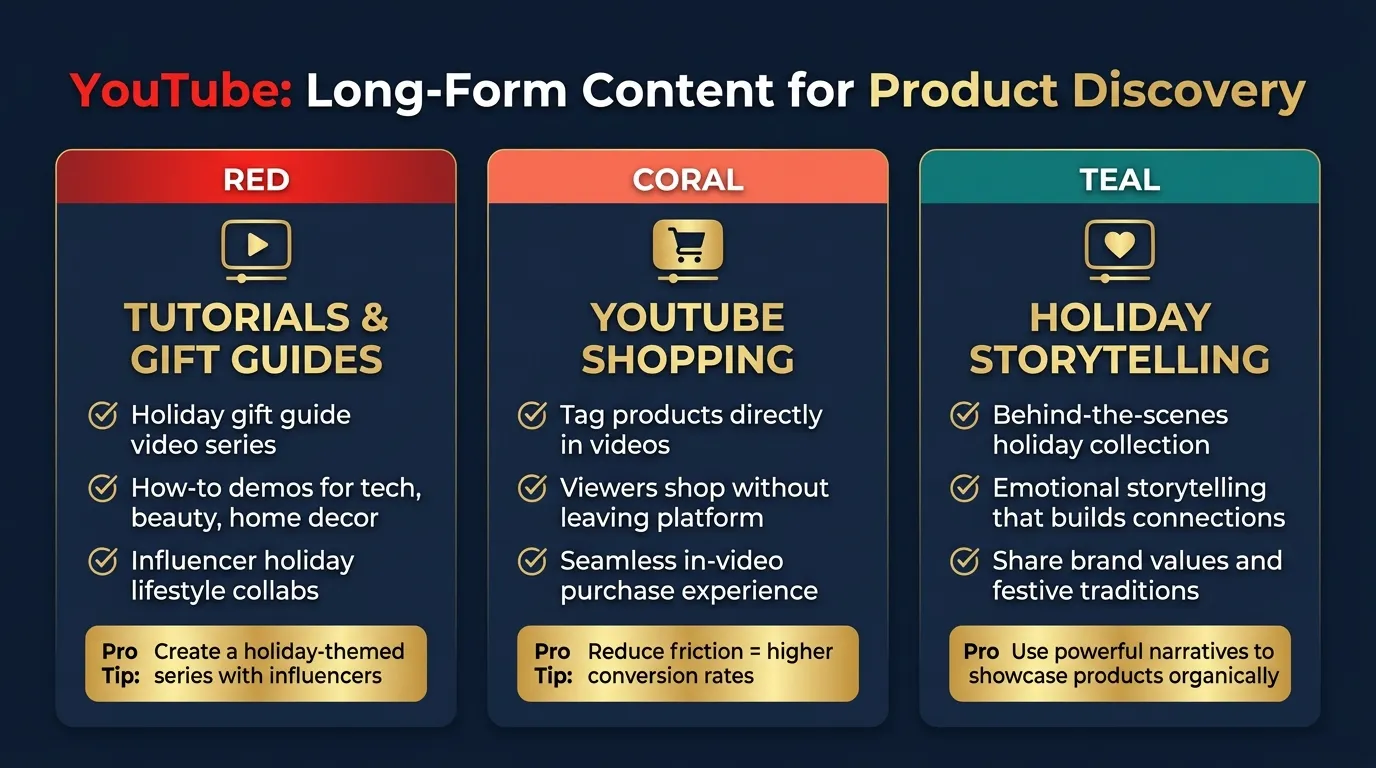
YouTube is an excellent platform for product demos, tutorials, and brand storytelling, making it ideal for more considered purchases during holidays like Christmas or New Year.
- Product Tutorials & Gift Guides: Use YouTube videos to showcase gift guides or how-to tutorials for your products. This works especially well for products in categories like tech, beauty, or home decor.
- Tip: Create a holiday-themed series or collaboration with influencers who can demonstrate how your product fits into the holiday lifestyle.
- YouTube Shopping: Use YouTube Shopping to tag products directly in your videos. This allows viewers to shop while watching without leaving the platform, creating a seamless shopping experience.
- Holiday Storytelling: Create long-form content that ties into holiday themes (e.g., “How we made our holiday collection” or “Our festive gift guide for him and her”) to resonate emotionally with your audience.
5. Pinterest: Visual Discovery and Holiday Inspiration
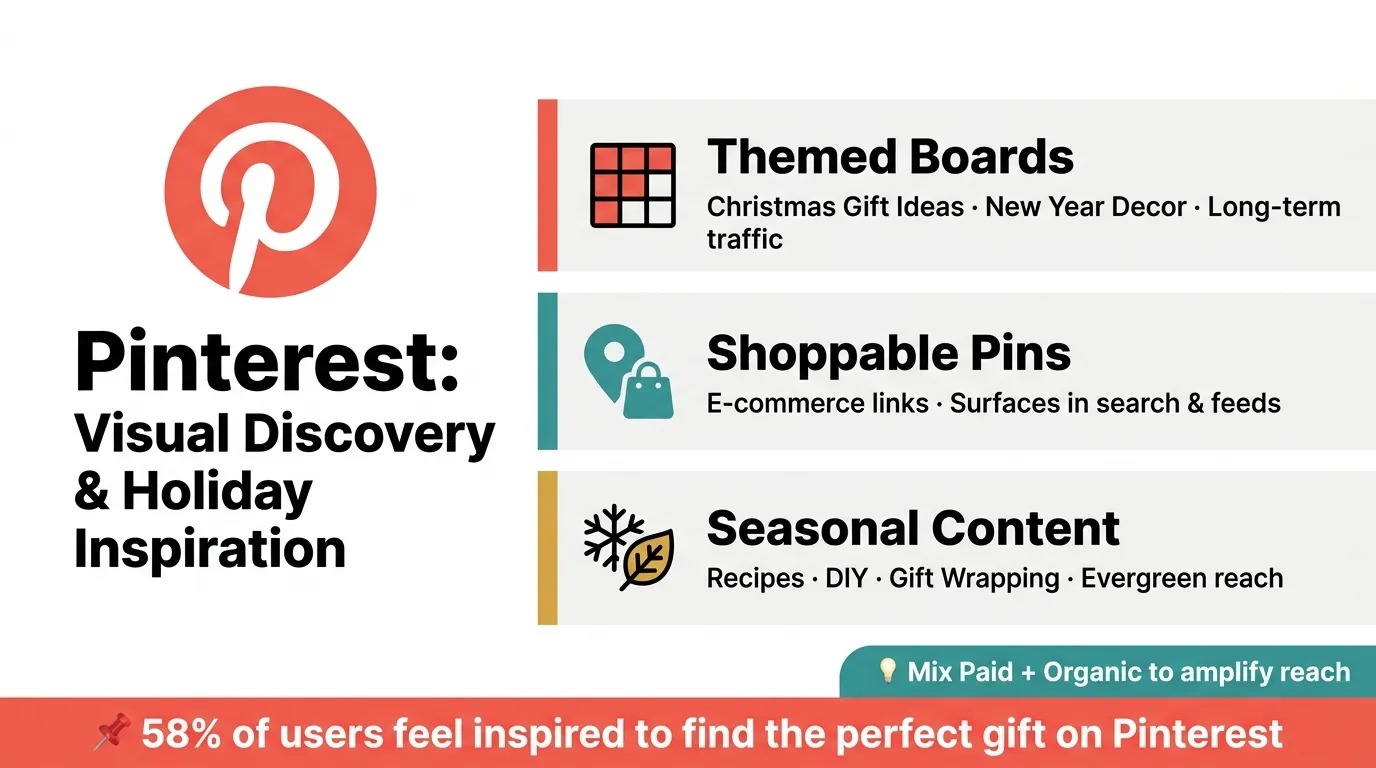
Pinterest is known for its visual discovery, especially for DIY gifts, recipes, decor, and fashion. It works incredibly well for seasonal content that needs to capture long-term interest.
- Create Themed Boards: Curate seasonal boards that reflect specific holidays or seasonal trends. For instance, a “Christmas Gift Ideas” board or “New Year’s Party Decor” board can generate long-lasting traffic.
- Shoppable Pins: Use Pinterest’s shoppable pins to directly link to your e-commerce store from your holiday posts. These pins show up across search results, boards, and feeds.
- Seasonal Content: Pin your best holiday recipes, gift wrapping ideas, or DIY home decorations to encourage users to plan their seasonal activities. Pinterest’s evergreen nature means this content can be discovered throughout the season.
Pinterest is a strong platform for seasonal discovery because 58% of users say they feel inspired to explore and find the perfect gift there.
These platforms provide varied ways to connect with audiences during peak seasons. Understanding the specifics of each platform and adapting your strategy accordingly will ensure your seasonal campaigns are effective and impactful.
Tip for Success: Mix paid and organic tactics to amplify your reach and build lasting brand connections throughout the holiday season.
Seasonal Content Ideas and Formats That Drive Engagement
Creating engaging seasonal content requires a deep understanding of what your audience wants and how they interact with social media during peak shopping periods. During the holidays or key seasonal events, content that connects with emotions, leverages trends, and encourages interaction can drive high engagement and sales.
Here are some seasonal content ideas and formats that will help your brand stand out and drive meaningful engagement:
1. Holiday Gift Guides
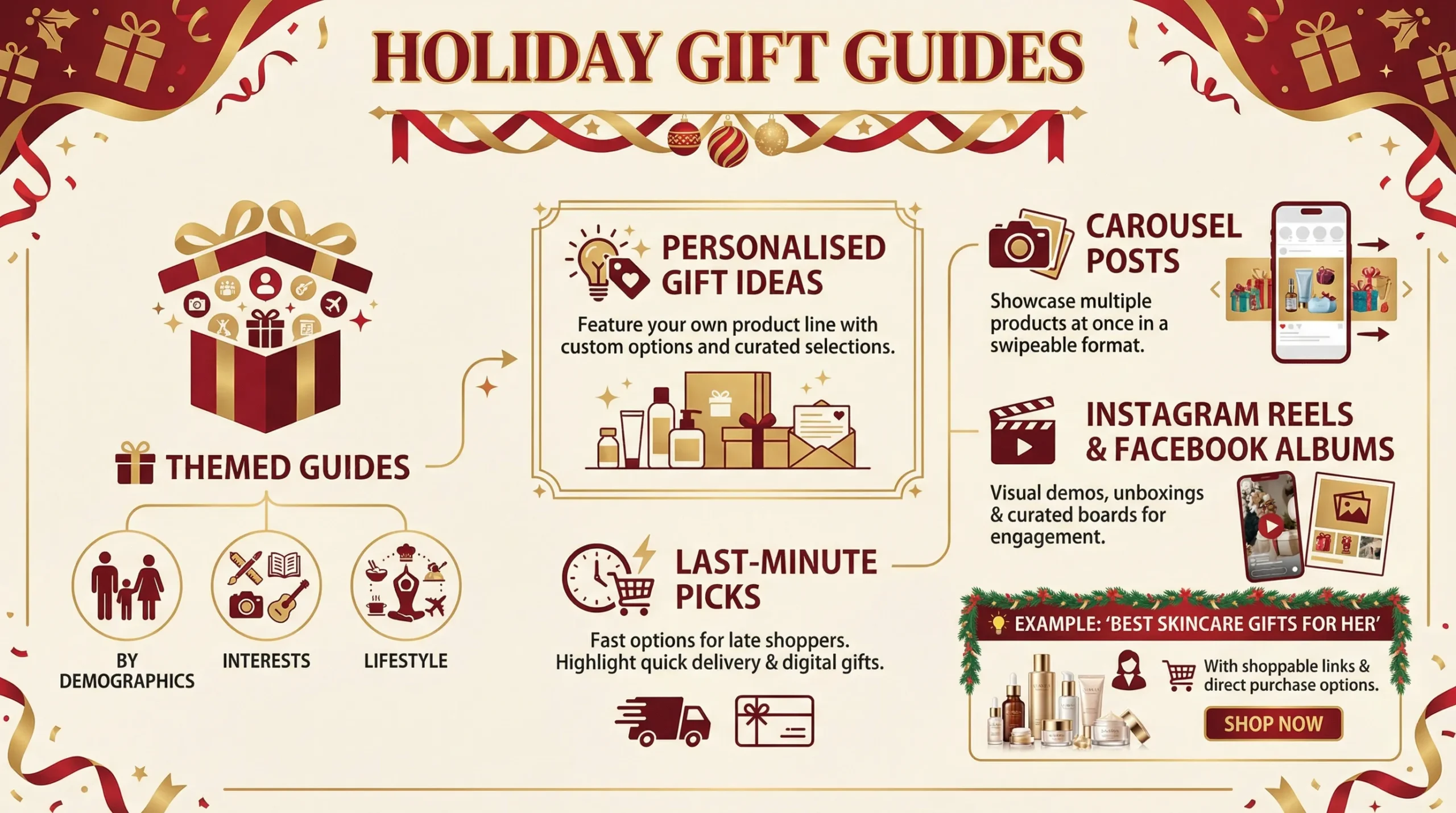
Holiday gift guides are timely and useful, helping consumers make decisions as they actively seek gift ideas. These guides can be video-based, carousel posts, or blog links shared via social media.
Content Ideas:
- Themed gift guides for different demographics (e.g., gifts for men, gifts for tech lovers, or eco-friendly gifts).
- Personalised or custom gift ideas featuring your brand’s product line.
- Last-minute gift ideas for consumers who need fast options.
Format Ideas:
- Carousel posts showcasing multiple products.
- Instagram Reels with quick, visually appealing product demonstrations or reveals.
- Facebook albums or Pinterest boards filled with curated gift suggestions.
Example:
A skincare brand might post a “Best Skincare Gifts for Her” guide on Instagram with high-quality images, followed by shoppable links in the caption.
2. Countdown Campaigns
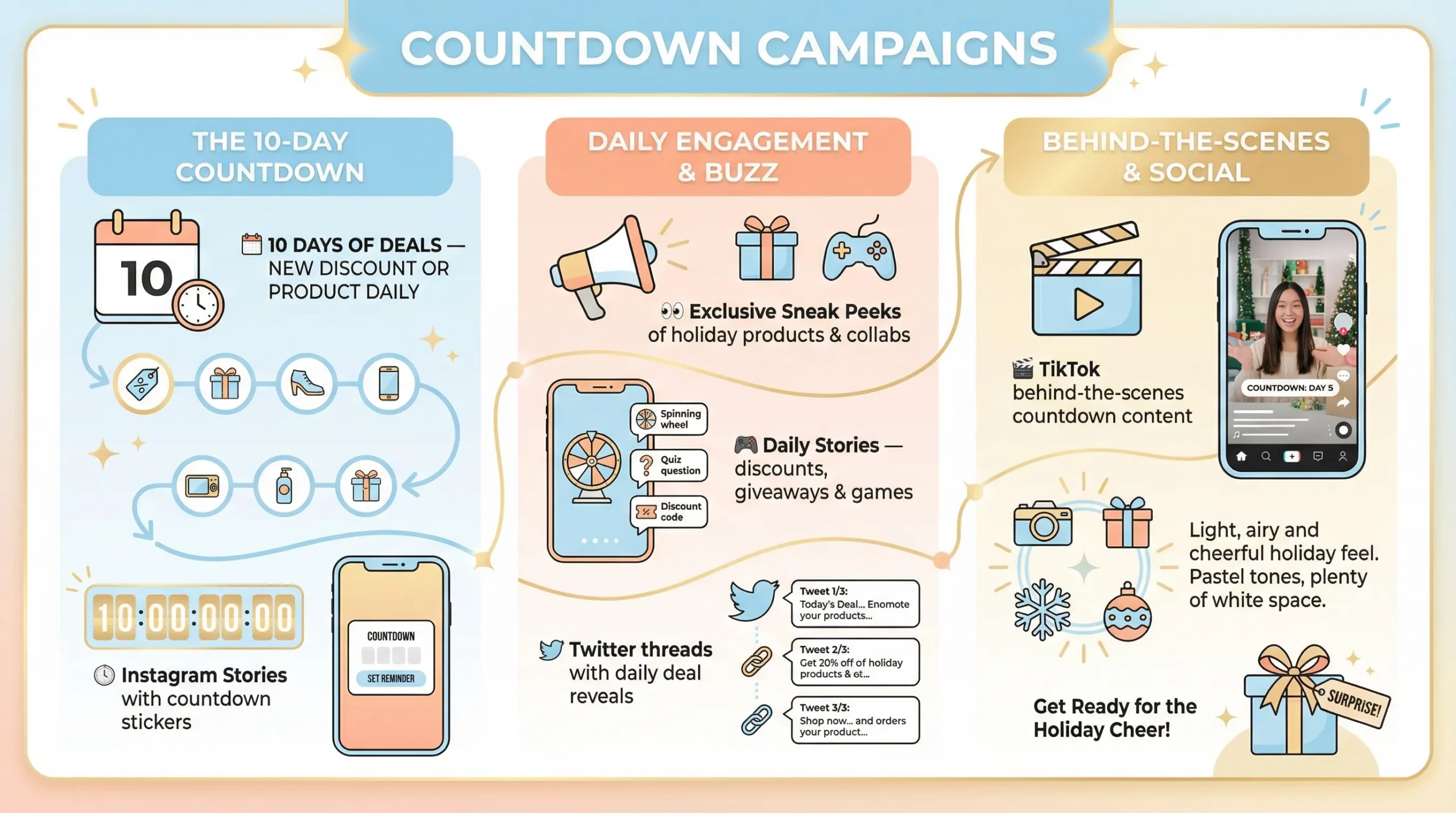
Countdown campaigns create a sense of urgency and build anticipation. They can be used in the lead-up to Black Friday, Cyber Monday, or Christmas, offering special time-limited deals to incentivise immediate action.
Content Ideas:
- “10 Days of Deals”: Feature a different discount or product each day leading up to the holiday.
- Exclusive sneak peeks of new holiday products or collaborations.
- Daily interactive stories with discounts, giveaways, or games.
Format Ideas:
- Instagram Stories with countdown stickers to build anticipation.
- Twitter threads featuring daily deals are revealed.
- TikTok videos show a behind-the-scenes look at the countdown process.
Example:
A fashion brand could run a “12 Days of Christmas” countdown campaign, featuring a new holiday outfit or limited-time deal each day.
3. User-Generated Content (UGC)
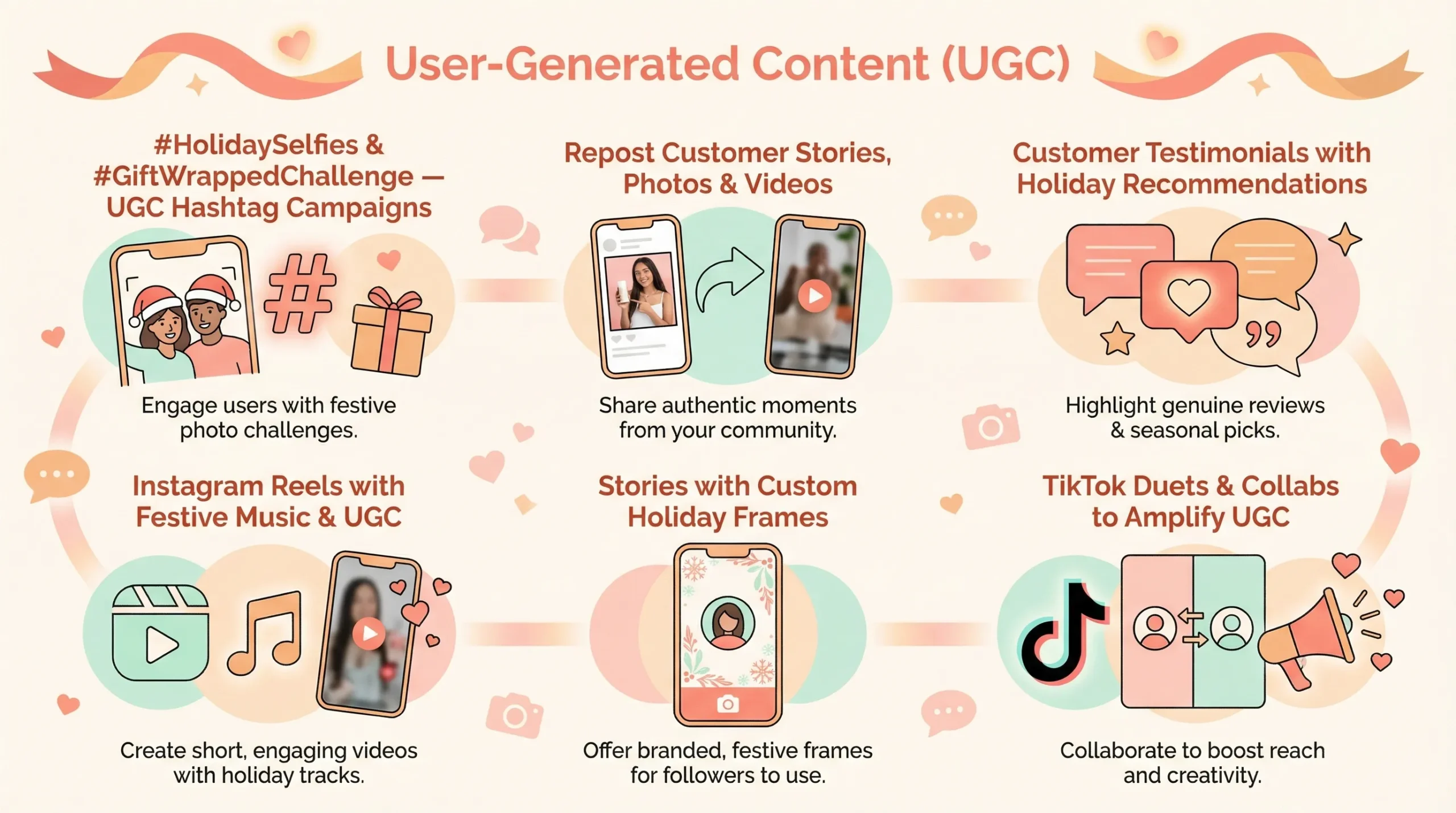
User-generated content (UGC) boosts authenticity and provides social proof. UGC campaigns encourage your customers to participate and share their experiences with your products, thereby increasing engagement and brand trust.
Content Ideas:
- Holiday-themed UGC challenges (e.g., #HolidaySelfies, #GiftWrappedChallenge).
- Repost customer stories, photos, or videos from social media showcasing how they use your products during the holidays.
- Customer testimonial posts with holiday product recommendations.
Format Ideas:
- Instagram Reels featuring UGC with a festive touch, like holiday music or decorations.
- Facebook and Instagram Stories featuring reposts of user content with a custom holiday frame.
- TikTok duets or collaborations to showcase UGC.
Example:
A fitness brand could run a “Holiday Fitness Challenge” encouraging followers to share their fitness journey, with the winner receiving a holiday product bundle.
4. Holiday Giveaways & Contests
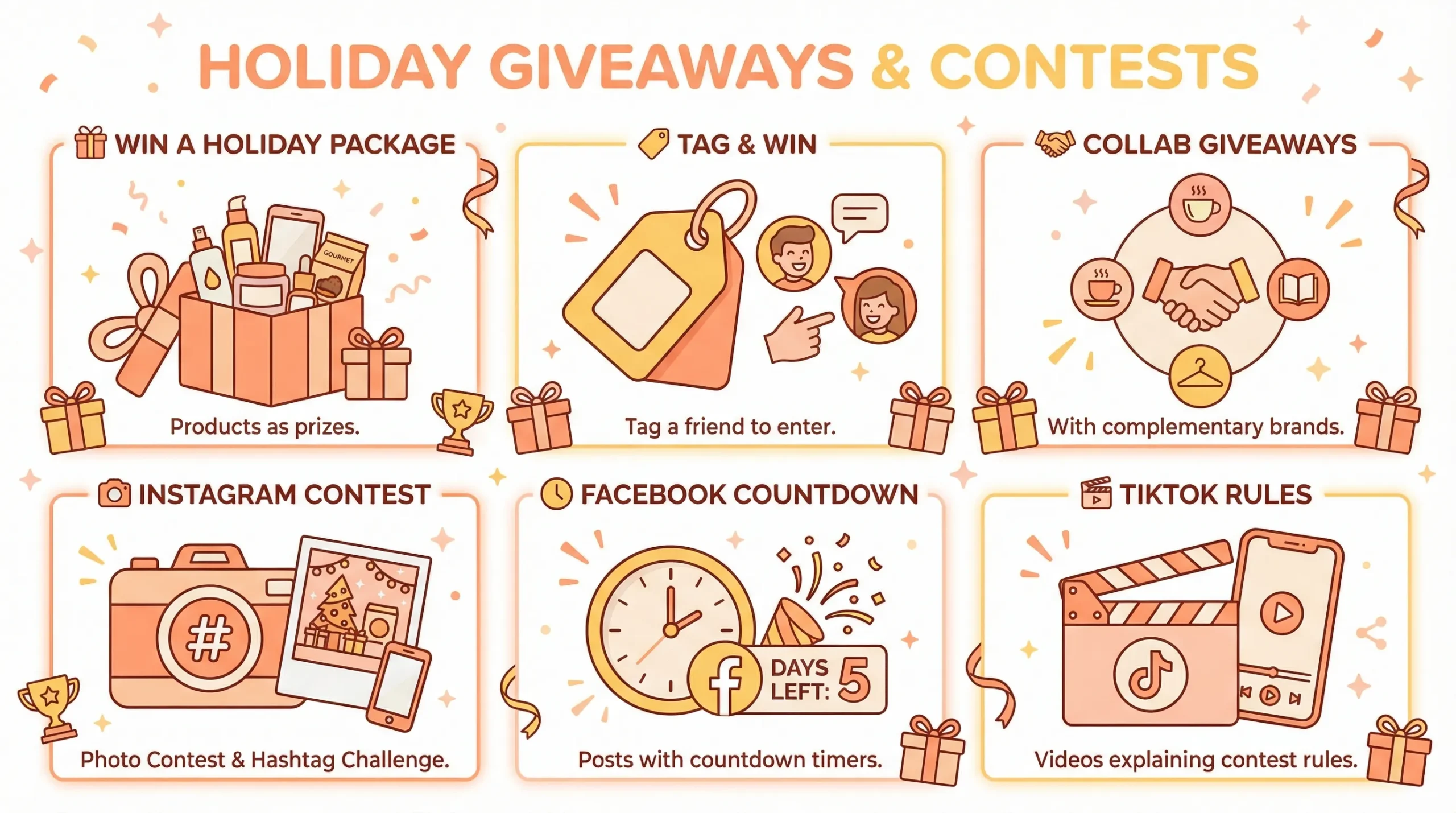
Giveaways and contests generate excitement, boost brand awareness, and can expand your audience by encouraging participants to tag friends and share the campaign.
Content Ideas:
- “Win a Free Holiday Package” contest with your products as the prize.
- Tag & Win: Ask your followers to tag a friend and share why they’d love to win a specific product.
- Collaborative giveaways with complementary brands to expand reach.
Format Ideas:
- Instagram Post & Stories for a photo contest or hashtag challenge.
- Facebook posts with clear entry instructions, using a countdown timer.
- TikTok videos demonstrate the contest rules in a fun, engaging way.
Example:
A lifestyle brand could run a “12 Days of Christmas Giveaway” where they give away one product each day to a lucky winner, with the entry requirement being tagging a friend and following the brand’s page.
5. Seasonal Tutorials and How‑To Content
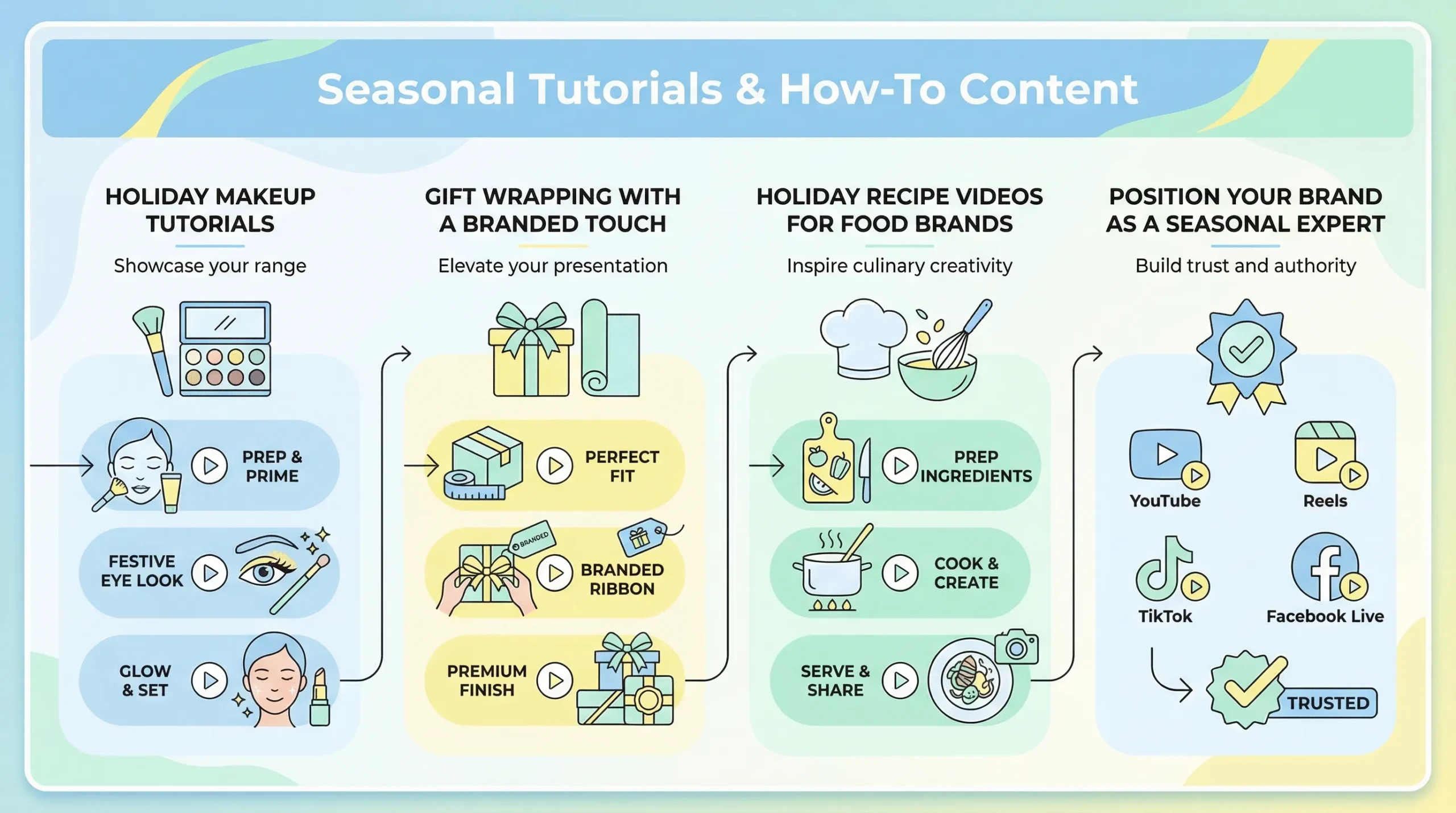
How‑to videos or tutorials are perfect for guiding consumers through using your products in a seasonal context. These are highly engaging and practical, and they position your brand as an industry expert.
Content Ideas:
- Holiday makeup tutorials using your product range.
- Gift wrapping tutorials with a branded touch (e.g., featuring your products as gifts).
- Recipe videos (for food brands) showing how to use your product in a holiday meal.
Format Ideas:
- YouTube long‑form content for in-depth tutorials.
- Instagram Reels or TikTok for quick tips and fun tutorials.
- Facebook Live to create real-time engagement and interact with viewers.
Example:
A home goods brand could run a tutorial series on Instagram Reels showcasing holiday decorating ideas featuring their products, or a TikTok recipe using their holiday kitchenware.
6. Holiday-Themed Polls, Quizzes, and Interactive Content
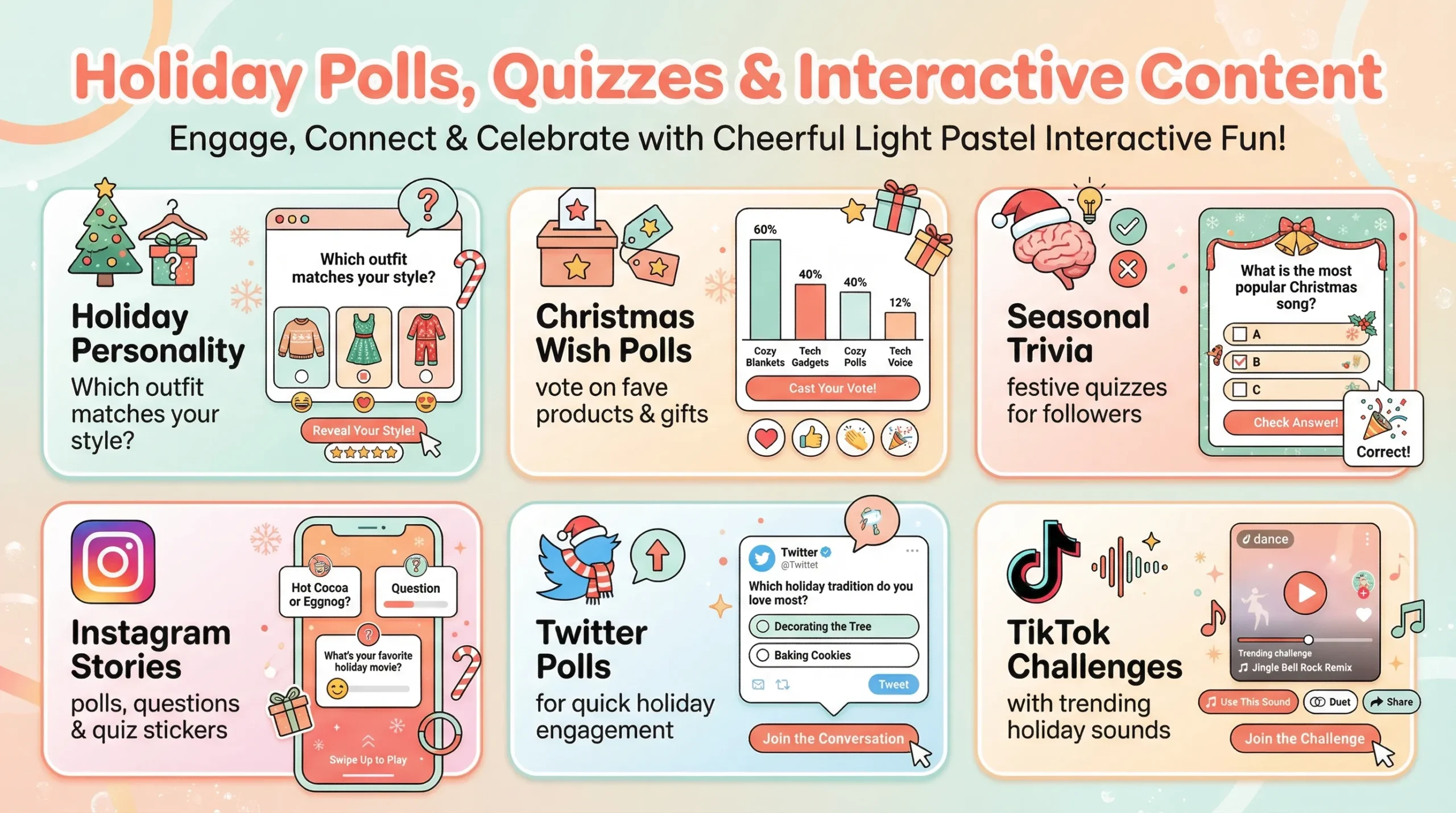
Interactive content engages users by encouraging active participation. Quizzes, polls, and challenges are fun, encourage engagement, and can also help gather insights on customer preferences.
Content Ideas:
- Holiday personality quiz (e.g., “Which Holiday Outfit Matches Your Personality?”)
- Christmas wish polls: Ask followers to vote on their favourite products or gift ideas.
- Seasonal trivia: Engage followers with festive quizzes related to the holidays.
Format Ideas:
- Instagram Stories with polls, question stickers, or quizzes.
- Twitter polls for quick holiday engagement.
- TikTok challenges using trending sounds or dances around holiday themes.
Example:
A beauty brand could post a “12 Days of Skincare Quiz” on Instagram Stories, where followers participate to discover which holiday skincare routine suits them best.
7. Behind-the-Scenes Content
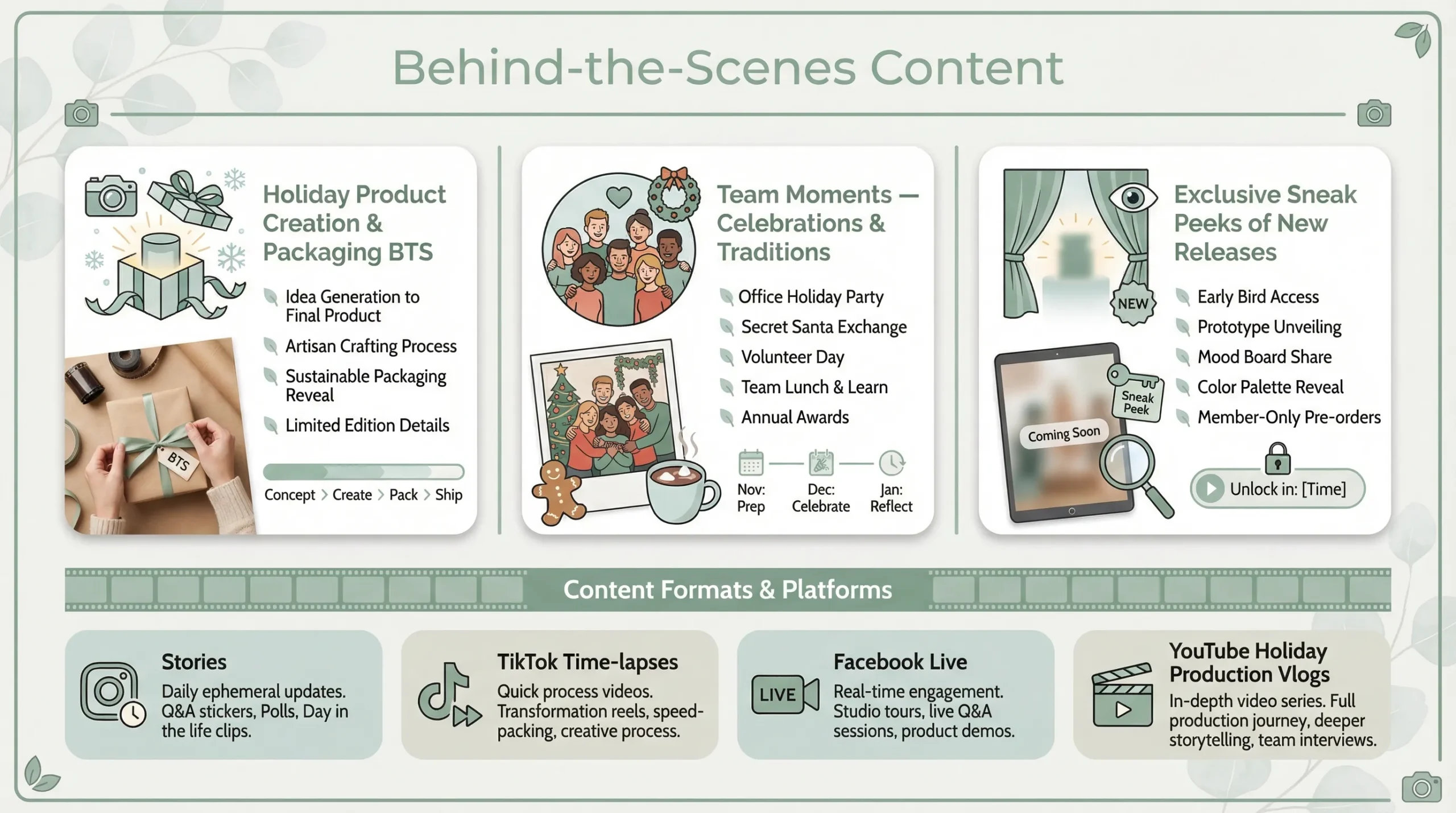
Behind-the-scenes (BTS) content builds authenticity and transparency, showing the human side of your brand during the busy holiday season. It helps create an emotional connection with your audience.
Content Ideas:
- BTS of product creation or packaging during the holiday rush.
- Team celebrations, office decorations, and holiday traditions.
- Sneak peeks of upcoming product releases or collaborations.
Format Ideas:
- Instagram Stories or TikTok showcasing a time-lapse of holiday preparations.
- Facebook Live for a real-time look into how your brand is celebrating the season.
- YouTube vlogs featuring the holiday production process.
Example:
A clothing brand could share behind-the-scenes content of their holiday photoshoots or show how their team is preparing for Black Friday in an engaging Instagram Story.
When Should You Start Planning for Holiday and Peak Period Social Media Marketing Campaigns?
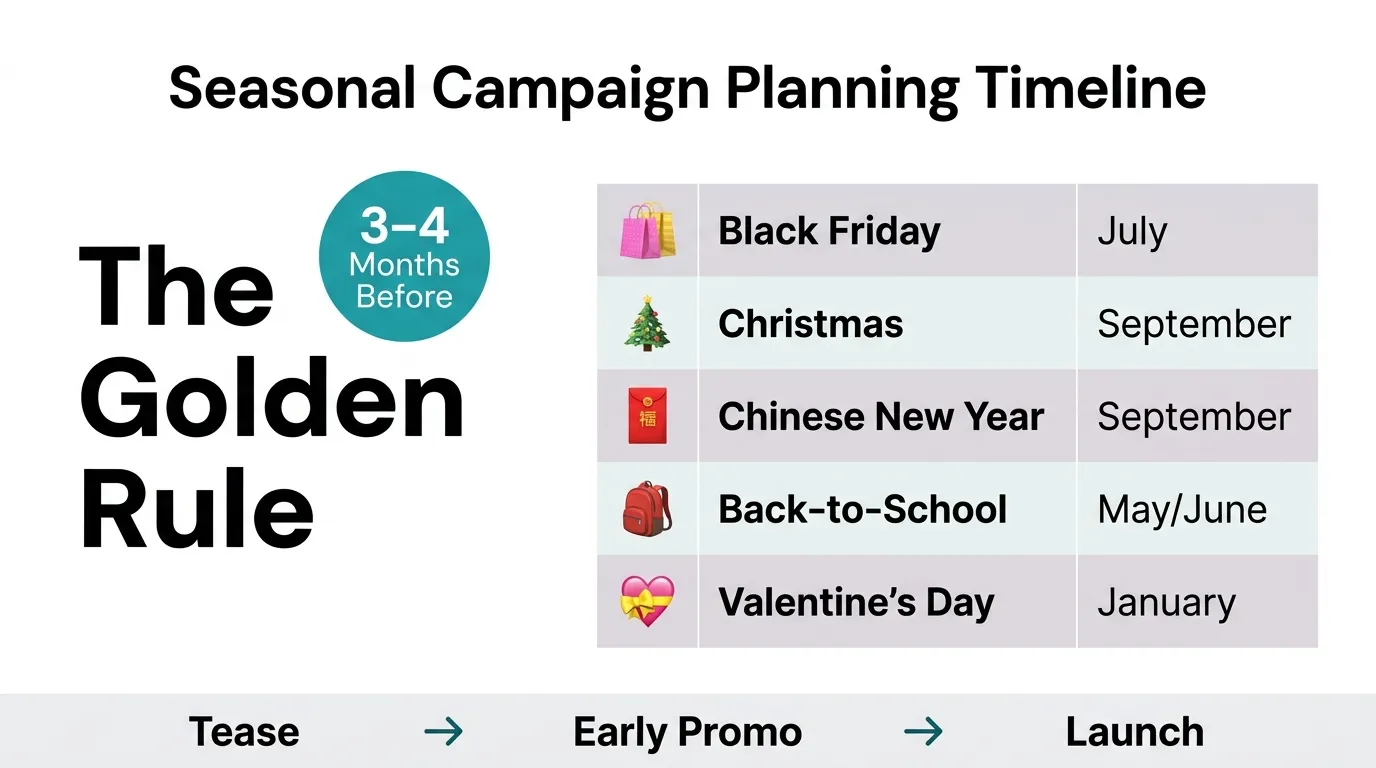
Planning your holiday and peak-period campaigns well in advance is crucial to ensure your content and messaging are not only timely but also strategically aligned with consumer behaviour.

The earlier you start, the better prepared you’ll be to capture your audience’s attention when their purchasing intent peaks. Here’s a guide to help you determine when to kickstart your planning process:
1. The General Rule: Start Early
For holiday and peak-period campaigns, 3–4 months of advance planning is ideal. This allows you enough time to craft compelling campaigns, identify influencers, create content, and test ads before the season begins.
Starting 3–4 months in advance gives you time to:
- Plan content creation and get assets prepared well ahead of the rush.
- Schedule paid campaigns to amplify reach during key periods.
- Test and optimise ad campaigns, so you’re not rushing during peak days.
- Ensure compliance with regulations for product promotions, influencer disclosures, and data handling.
Starting early gives your brand time to optimise and makes your content more strategic. You’ll have time to test what works, reposition if necessary, and ensure everything runs smoothly on launch day.
2. Timeline for Specific Peak Periods
Here’s a recommended timeline for various seasonal events to give you more clarity on when to begin planning for each:
| Season | Planning Start Time | Key Actions |
| Black Friday / Cyber Monday | Early July (4 months before) | Research consumer trends, set campaign goals, finalise ad creatives, start outreach to influencers, and create limited-time offers or deals. |
| Christmas / New Year | Early September (3–4 months) | Finalise holiday gift guides, schedule product teasers, secure any seasonal influencer partnerships, and start running holiday countdowns in stories. |
| Chinese New Year | Early September (4–5 months before) | Build culturally relevant content that resonates with the audience (especially for Chinese-speaking segments in Singapore), and focus on family-oriented content. |
| Back-to-School | Late May to June | Start planning for product promotions, partnership discussions, influencer-driven tutorials, and social proof campaigns. Target parents and school-going kids. |
| Valentine’s Day | Early January | Prepare love-themed content, partnership deals with gift brands, influencer campaigns for gifting ideas, and seasonal romantic product offerings. |
3. Campaign Execution: Build the Calendar
- Tease Content: 4–6 weeks before the peak period begins, begin teasing content. Post sneak peeks, countdowns, or behind-the-scenes content to build anticipation and engage your audience early.
- Early Promotions: For Black Friday or Cyber Monday, many brands now launch promotions early in the month, especially as early-bird discounts have become a trend in recent years.
- Execution: Start content publishing 2 weeks before the peak period to catch early shoppers, but keep the most compelling offers for the last week before the big sales event.
4. The Importance of Flexibility and Monitoring
Real-Time Optimisation: Even though pre-planning is essential, real-time tracking and optimisation are also necessary to make the most out of the holiday period. Keep an eye on ad performance, engagement metrics, and sales data during the campaign to adjust strategies.
Performance Testing: Use the early period to run A/B tests on your creatives, copy variations, and ad formats to fine-tune your approach before your main holiday content goes live.
Case Studies: Successful Seasonal Campaigns
These scenarios reflect how we approach seasonal and event-driven social media campaigns for real clients in our portfolio (e.g., Canon, Old Chang Kee, SingHealth) and the kinds of results these approaches typically deliver.
1. Old Chang Kee—Festive Promotion Campaign
Client: Old Chang Kee — a leading Singaporean food brand
Campaign Type: Seasonal Festive Promotion (e.g., Lunar New Year)
Objective: Boost festive footfall and product sales through social engagement
What We Did:
- Created a series of short, festive‑themed videos and carousel posts catering to local audiences
- Amplified organic content with targeted Meta (Facebook & Instagram) ads focusing on food lovers in Singapore
- Encouraged user‑generated content with a “Share Your Festive Bite” hashtag to increase community participation
Tactics:
- Festive offers and limited‑edition product features showcased through Stories and Reels
- Strategic posting during high‑traffic periods (e.g., weekends and eve of holidays)
- Paid media is used to reach audiences beyond the existing follower base
Outcome (Typical for this Model):
- Engagement rates increased compared to non‑seasonal content
- Overall, the campaign helped improve in‑store purchase intent based on social referral traffic
- Created stronger seasonal brand affinity that extended beyond the holiday period
While specific campaign performance stats are proprietary, this type of seasonal execution has consistently improved engagement, hashtag activity, and conversion paths across clients with similar goals.
2. Canon—Holiday Gift Campaign
Client: Canon—global imaging and optical products brand
Campaign Type: Year‑end Holiday Gift Guide & Promotion
Objective: Drive holiday purchase consideration and product awareness
What We Did:
- Developed platform‑native content that highlighted top gift ideas using visual storytelling
- Designed short product demo reels to feature popular cameras and accessories
- Partnered with local creators to generate authentic holiday content, boosting reach
Tactics:
- Instagram Reels and TikTok led with short clips demonstrating use cases
- Carousel posts for product specs and comparison
- Paid amplification on Meta and TikTok to support reach
Outcome (Typical for this Model):
- Significant uplift in social relevance around seasonal searches and engagement
- UGC increased as users shared their own creative shots with campaign hashtags
- Campaign traffic was often among the top referral sources to product pages during peak season
This aligns with how we blend creative, creator, and paid strategies to maximise seasonal visibility.
3. SingHealth—Health Awareness Seasonal Series
Client: SingHealth — leading healthcare provider in Singapore
Campaign Type: Seasonal Health Awareness (e.g., flu season, health observances)
Objective: Increase awareness and engagement for health‑related services and seasonal advice
What We Did:
- Planned educational content tied to specific healthcare seasons or health observances
- Used a mix of graphic posts, short videos, and carousel formats tailored to Facebook and Instagram
- Combined organic education posts with targeted ads to reach key demographic segments
Tactics:
- Content calendars mapped to health calendar events
- Paid campaigns focused on age and behaviour segments relevant to each health theme
- Boosted posts during peak periods for awareness
Outcome (Typical for this Model):
- Higher engagement on health tips compared to standard posts
- Improved referral traffic to health service landing pages
- Broader reach within target demographics during key seasonal windows
This demonstrates how seasonal social campaigns can support public health messaging with measurable awareness uplift.
These successful case studies highlight the importance of planning, targeting the right audience, and leveraging social media platforms effectively to drive engagement during seasonal campaigns.
Source for these case studies: Why Outsource Marketing In Singapore Beats Hiring In-House Marketers,
Tools to Enhance Your Seasonal Social Media Marketing Strategy
Running seasonal social media campaigns effectively depends on having the right tools in place. These tools help you plan, schedule, measure, and optimise every aspect of your campaigns, from organic content and paid ads to analytics and creator discovery.
Below is a curated list of recommended tools with real use cases, structured to help you maximise performance during peak periods and holidays.
1. Content Planning & Scheduling
These tools help you organise your content calendar, automate publishing, and maintain consistency through busy seasonal periods.
| Tool | Primary Use | Key Seasonal Benefits |
| Sprout Social | Social content scheduling & analytics | Unified content calendar, performance analytics, and audience insights that help you plan seasonal sequences and monitor engagement trends. |
| Hootsuite | Multi‑platform scheduling | Bulk upload seasonal content and manage posts across all platforms in one place. |
| Later | Visual social planning | Drag‑and‑drop calendar and visual previews, ideal for planning festive or seasonal galleries/Reels. |
These tools reduce the manual posting workload during peak times and help ensure your posts go live at optimised times for engagement.
2. Analytics & Performance Tracking
Understanding how your seasonal content performs is essential to improving engagement and return on investment (ROI).
| Tool | Primary Use | Seasonal Insights Enabled |
| Google Analytics | Website & campaign performance tracking | Tracks traffic from seasonal social campaigns to measure conversions and holiday sales lift. |
| Sprout Social Insights | Social‑specific performance analytics | Offers detailed engagement reporting, hashtag performance, and audience trends during peak periods. |
| Brandwatch | Social listening | Tracks sentiment around seasonal campaigns and identifies trending topics or crises in real time. |
These tools let you see which content drives clicks, conversions, and revenue, not just likes or views, enabling data‑driven decisions during the heat of a seasonal promotion.
3. Paid Campaign & Ad Management Tools
Paid amplification is often essential during peak periods, when organic reach alone may not be enough to cut through heightened noise.
| Tool | Primary Purpose | Seasonal Advantage |
| Facebook Ads Manager | Create, manage and optimise paid campaigns | Precise targeting and retargeting for peak shopping windows (e.g., Black Friday & Christmas). |
| TikTok Ads | Paid ads on TikTok | Reach younger audiences with seasonal trends and sound‑driven creative campaigns. |
| Google Ads (YouTube) | Video and display ads | Amplify holiday video content to targeted audiences before peak periods. |
Use these tools to increase visibility when organic reach is competitive, and tailor messaging specifically for audiences in buying mode during holiday windows.
4. Creative & Visual Production Tools
Great visuals are essential for capturing attention during holidays and seasonal peaks.
| Tool | Primary Use | Seasonal Creative Benefits |
| Canva Pro | Easy content creation | Seasonal templates, video editing tools, and festive themes that speed up asset production. |
| Adobe Express | Professional visuals | Create high‑impact, branded content for campaigns like Christmas gift guides or New Year offers. |
| CapCut | Video editing (especially short‑form) | Perfect for editing seasonal Reels and TikToks with themed transitions and music. |
These make it easy to generate polished, festive content even without a dedicated design team, invaluable during high‑velocity seasonal posting schedules.
5. Influencer & UGC Tools
Seasonal campaigns often benefit from influencer partnerships and user‑generated content (UGC). These tools help you find and vet creators as well as manage influencer campaigns.
| Tool | Primary Use | Seasonal Campaign Benefits |
| Upfluence | Discover & manage influencer relationships | Find creators who fit your seasonal audience and brand voice. |
| HypeAuditor | Influencer authenticity checks | Detect fake followers and ensure influencer audiences are real — crucial during peak spend periods. |
| Sprout Social Influencer | Influencer discovery & brand fit | Helps identify creators whose seasonal content connects with your target demographics. |
These tools make it easier to scale influencer efforts by ensuring you’re working with creators who have authentic, engaged audiences, especially when seasonal sales rely heavily on social proof.
6. Social Listening & Trend Tracking
Seasonal buzz evolves quickly, and social listening tools help you understand what audiences care about in the moment.
| Tool | Primary Use | Seasonal Insights |
| Brandwatch | Social listening & sentiment analysis | Alerts you to trending seasonal conversations and perception shifts. |
| Mention | Real‑time social mentions tracking | Helps identify surges in topic interest (e.g., “gift ideas”) that you can tap into. |
| BuzzSumo | Content performance & trend discovery | See which seasonal topics perform best across platforms. |
Social listening helps you adjust your seasonal messages mid‑campaign, essential for campaigns running through extended holiday windows.
How These Social Media Marketing Tools Work Together (Seasonal Workflow)
To plan and execute peak period campaigns effectively, a tool ecosystem works best when combined:
Planning Phase
- Canva Pro → Creative assets
- Sprout Social / Hootsuite → Content calendar scheduling
Execution Phase
- Facebook Ads Manager → Paid amplification
- TikTok Ads → Trend‑driven paid creative
Monitoring & Optimisation
- Sprout Social Insights → Engagement reporting
- Google Analytics → Conversion tracking
- Brandwatch / Mention → Social listening
Influencer Strategy
- Upfluence + HypeAuditor → Creator discovery + vetting
- Sprout Social Influencer → Ongoing influencer performance tracking
Using the right combination of tools allows you to:
- Plan early and automate consistently
- Measure performance in real time
- Optimise creative and paid spend during peak periods
- Amplify reach via influencers and ads
This toolkit approach ensures your seasonal social media marketing strategy is not only well‑executed but also highly competitive during fast‑paced peak periods.
Master The Timing of Seasonal Social Media Marketing Strategy for Your Growth
A well-executed seasonal social media marketing strategy is essential for capturing the heightened consumer attention during peak periods. Planning early, optimising your content, and tailoring your approach for each platform can help you drive engagement, increase conversions, and build lasting connections with your audience.
Limited-time promotions, holiday-themed content, and strategic influencer partnerships all work best when your brand stays relevant, authentic, and timely.
As you approach your next seasonal campaign, remember that a strong strategy backed by data, the right tools, and platform-specific tactics will set you apart in a crowded digital landscape. Brands that win during peak periods are not just more active. They are more prepared, more structured, and more aligned with how their audience behaves across platforms.

If you want to move beyond guesswork and build campaigns that are planned, executed, and optimised for real results, MediaOne can help. Our team combines data-driven planning, creative execution, and platform expertise to help brands maximise every seasonal opportunity through social media marketing services.
Ready to make your next seasonal campaign your strongest one yet? Contact us for a free consultation and discover how a structured strategy can turn peak periods into consistent growth for your business.
Frequently Asked Questions
Seasonal social media marketing helps brands connect with consumers during key moments when purchasing intent is at its highest, such as holidays or special events. It creates engagement opportunities by offering relevant, timely content that resonates with the audience’s emotions and intent.
By aligning your messaging with holiday themes, you can boost sales, increase brand awareness, and drive customer loyalty. Tailoring content for these periods ensures your brand stays top of mind when consumers are ready to shop.
To track ROI, focus on metrics like engagement rates, click-through rates (CTR), conversion rates, and return on ad spend (ROAS). Tools such as Google Analytics and Sprout Social track website traffic and sales from social media campaigns.
Use conversion tracking pixels from platforms like Facebook and TikTok to measure sales conversions directly from your seasonal posts. By comparing these metrics with pre-season benchmarks, you can assess the effectiveness of your campaign.
To stand out, create eye-catching visuals that align with the seasonal theme and evoke emotion. Use engaging formats like Reels, Stories, or TikTok challenges, which drive higher interaction during the holidays. Pair your content with exclusive offers or limited-time promotions to create urgency. Ensure your content is shareable, and partner with influencers to expand your reach.
During peak seasons, paid ads help increase visibility in a crowded space. Use targeted ads to reach specific demographics and retarget users who’ve interacted with your brand. Optimise ad formats like carousel ads, video ads, or shoppable posts for product showcases. Regularly monitor and adjust ad spend, content, and targeting to optimise performance and maximise ROI.
Should I work with influencers for holiday campaigns?
Yes, influencer marketing is highly effective during the holidays because influencers help boost brand credibility and provide authentic recommendations. Partnering with the right creators lets you reach new audiences and drive engagement with content that feels personal and relatable. Influencers can create holiday-specific content, such as gift guides or tutorials, to drive both awareness and conversions.
How do I plan for last-minute holiday promotions?
For last-minute promotions, focus on urgency-driven content such as flash sales or 24-hour deals. Use Instagram Stories, TikTok videos, or Facebook posts to announce promotions quickly and engage followers. Target your most engaged audience through retargeting ads or email campaigns. Ensure your offer is clear and time-sensitive to push immediate conversions.
Ideally, begin planning 3–4 months before key dates to allow time for content creation, influencer outreach, and ad scheduling. Start posting teaser content 4–6 weeks before the peak period to build anticipation. For Black Friday or Cyber Monday, campaigns should start 1-2 weeks before to capture early shoppers. Adjust your strategy based on the season’s length and consumer behaviour patterns.
Ensure your campaigns comply with local regulations, such as ASAS in Singapore or GDPR in the EU, by clearly disclosing paid partnerships (e.g., using hashtags like #ad or #sponsored). Always disclose affiliate links, and avoid misleading claims in your messaging.
Regularly review platform guidelines for any seasonal changes or updates, especially regarding consumer data and influencer disclosures. Working with an experienced social media agency ensures compliance at scale.