
Imagine you’re a homebuyer searching for your next property. Where do you start? Today, about 72% of homebuyers begin their search online before contacting an agent. That means most people looking for properties aren’t picking up the phone first—they’re Googling.

For real estate agents, this shift creates a huge opportunity, but only if your business appears where people are actively searching. This is where local SEO becomes essential. It helps ensure your listings, market expertise and services are visible to buyers and sellers in your target locations at the exact moment they’re researching properties.
Working with an experienced SEO agency can give real estate professionals a competitive edge. An agency understands how to optimise property pages, Google Business Profiles and location-specific content so your brand stands out in crowded local search results.
In this guide, we’ll break down everything you need to know about real estate SEO for local markets. Think of it as a step-by-step roadmap—from mastering the fundamentals to applying advanced strategies. By the end, you’ll know how to get your properties noticed, attract more qualified enquiries and turn online searches into real clients.
Key Takeaways
- Most property buyers start their search online and optimising for local search helps you reach clients who are actively looking in your area.
- Creating neighbourhood-specific landing pages, blogs and listings helps you target buyers looking in specific areas and increases conversion chances.
- Duplicate content, inconsistent business information, ignoring local keywords and neglecting your GBP can undermine your SEO efforts.
What is Real Estate Local SEO?
Real Estate Local SEO is the practice of optimising a property agent’s online presence to appear in local search results when prospective clients search for properties, real estate services, or agents in a specific area. This involves enhancing your website, Google Business Profile, local directories and online content so local buyers and sellers can easily find your services.
Difference Between General SEO and Local SEO
General SEO is all about reaching a broad audience. It targets national or international keywords to boost your website’s authority, backlinks and overall content, so you can compete in broader search markets.
Local SEO, on the other hand, is focused on attracting clients in a specific area. It involves using local keywords, optimising your Google Business Profile, creating neighbourhood-specific pages, encouraging local reviews and integrating with Google Maps.
For property agents, local SEO usually brings more value than general SEO because real estate is inherently location-based.
Ranking in local search results helps you connect with buyers and sellers who are actively looking for properties in your area, leading to higher-quality leads and faster conversions.
Here’s a quick comparison table for each:
| Aspect | General SEO | Local SEO |
| Target Audience | Broad, often national or international | Specific geographic area, e.g., city or neighbourhood |
| Keywords | Focus on industry terms, e.g., “estate agent” | Focus on geo-specific terms, e.g., “condo agent in Camden London” |
| Listings | May rank anywhere in search results | Includes Google Maps and local pack listings |
| Goal | Drive overall website traffic | Drive local enquiries, leads and footfall |
Importance for Property Agents Targeting Local Buyers and Sellers:
- Reach Ready-to-Buy Clients: The majority of home buyers search online for local properties before contacting an agent. Local SEO ensures your services appear at the right time and in the right place.
- Enhance Credibility and Trust: Being visible on Google Maps, in local directories and in neighbourhood searches signals professionalism and reliability.
- Outperform Local Competitors: Optimising for local search helps you rank higher than other agents in your area, attracting more potential clients.
- Increase Qualified Enquiries: Local SEO targets individuals actively looking for properties in your service area, resulting in enquiries that are more likely to convert into clients.
How a Local SEO Agency Can Help Real Estate Agents
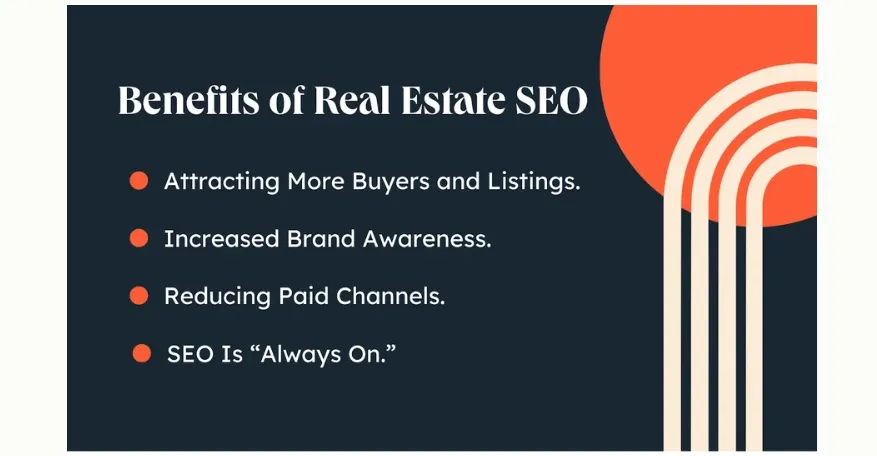
Image Credit: Hubspot
Optimising your online presence for local search can be challenging, especially in a competitive property market. A professional local SEO agency in Singapore helps property agents achieve visibility, attract more enquiries and convert online traffic into clients.
Leverage Expertise and Experience
Local SEO agencies specialise in how search engines rank local businesses. They know how to optimise property listings, Google Business Profiles and website pages to maximise visibility. With experience, they can anticipate algorithm changes, avoid common mistakes and implement strategies that deliver results faster than trial and error.
Save Time Effectively
Managing SEO requires constant monitoring, updating and optimisation. For busy property agents, this can be overwhelming. Outsourcing SEO lets you focus on your core business: selling and renting properties, while experts handle keyword research, content creation and technical optimisation.
Measure Results Accurately
Agencies track SEO performance using analytics tools and provide detailed reports on website traffic, keyword rankings and leads generated. This data-driven approach ensures your marketing investment delivers results, letting you see which strategies work and which need adjustments.
Services Offered by Local SEO Agencies
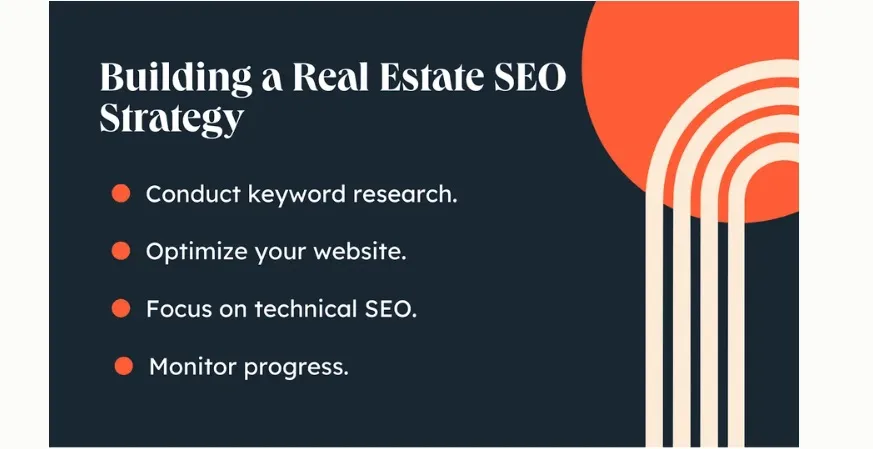
Image Credit: Hubspot
Partnering with a local SEO agency gives your real estate business a competitive edge by leveraging expert strategies tailored to your target neighbourhoods. These agencies offer services designed to increase visibility, attract local buyers and sellers and drive more qualified leads to your property listings.
- On-Page SEO: Agencies optimise your website’s content, meta titles, descriptions, headings and images. They ensure that each property listing is structured for search engines and provides a seamless user experience. Schema markup for property listings and local business data is also implemented to improve visibility in search results.
- Off-Page SEO: Focuses on building authority and trust through backlinks, citations and partnerships. Agencies submit your business to relevant local directories, collaborate with local websites and generate links that signal credibility to search engines. This strengthens your website’s authority and improves rankings for local searches.
- Google Business Profile (GBP) Optimisation: Your Google Business Profile is often the first thing potential clients see. Agencies ensure it is fully optimised, including accurate business information (NAP), categories, photos, videos, property highlights and client reviews. They also manage posts and updates to keep your profile active and engaging.
- Content Marketing: Content is key to establishing authority and attracting local clients. Agencies create blogs, neighbourhood guides, market insights and property tips tailored to your target audience. This content not only improves rankings for local keywords but also builds trust and positions you as a knowledgeable local property expert.
Utilising these services allows property agents to focus on what they do best—selling and renting properties—while SEO experts ensure their online presence is optimised for maximum local impact and long-term growth.
Real Estate Local SEO: Step-by-Step Guide for Property Agents
Local SEO is a critical strategy for property agents looking to attract buyers and sellers in specific areas. Unlike general SEO, which targets broad or national audiences, local SEO focuses on ensuring that your services appear in search results for people looking for properties or estate agents in your geographic area.
This step-by-step guide will help property agents understand, implement and optimise local SEO to maximise enquiries, leads and sales.
Step 1: Perform Local Keyword Research
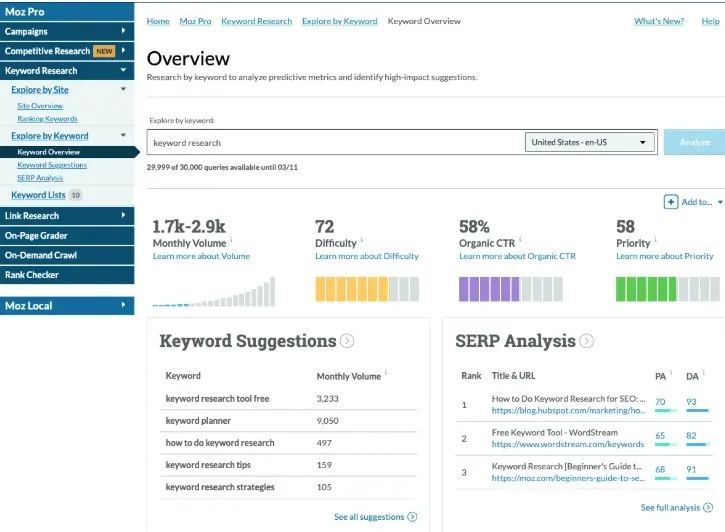
Image Credit: Moz
Goal: Identify the keywords your potential clients are using to search for property services.
Action Steps:
- List the property types you specialise in (condos, HDBs, landed homes, commercial property).
- Add location-specific keywords, such as city names, neighbourhoods, or postal codes.
- Use keyword research tools such as Google Keyword Planner, Ahrefs, SEMrush, or Ubersuggest to identify search volume, competition and long-tail opportunities.
- Identify long-tail, high-intent phrases such as:
- “2-bedroom condo near Marina Bay Singapore”
- “best estate agent in Bukit Timah”
- Incorporate these keywords naturally into page titles, meta descriptions, headings, property listings and blog content.
Long-tail keywords may have lower search volume but attract highly qualified leads ready to act.
Step 2: Optimise Your Google Business Profile (GBP)
Goal: Rank in Google Maps and attract more enquiries.
Action Steps:
- Claim or create your Google Business Profile.
- Ensure your NAP (Name, Address, Phone number) is accurate and consistent.
- Choose the correct business category (e.g., “Estate Agent” or “Real Estate Agency”).
- Add high-quality photos, videos and virtual property tours to enhance engagement.
- Encourage satisfied clients to leave reviews and respond promptly to feedback.
A fully optimized GBP improves visibility in local search results, drives more website clicks and builds trust with potential clients. It’s always smart to contact a local SEO agency in Singapore for your needs.
Step 3: Optimise Your Real Estate Website
Goal: Make your website both search engine-friendly and user-friendly.
Action Steps:
- Include local keywords in page titles, headings, URLs and meta descriptions.
- Add structured data/schema markup for property listings (e.g., property type, price, location, availability).
- Optimise property pages with detailed descriptions, multiple high-quality images, virtual tours and floor plans.
- Ensure your website is mobile-responsive and loads quickly, as most property searches occur on mobile devices.
- Create internal links between blog posts, neighbourhood guides and property listings to enhance user navigation and SEO value.
Fast-loading, mobile-friendly sites not only rank better in Google but also improve user experience, leading to higher enquiry rates.
Step 4: Create Localised Content
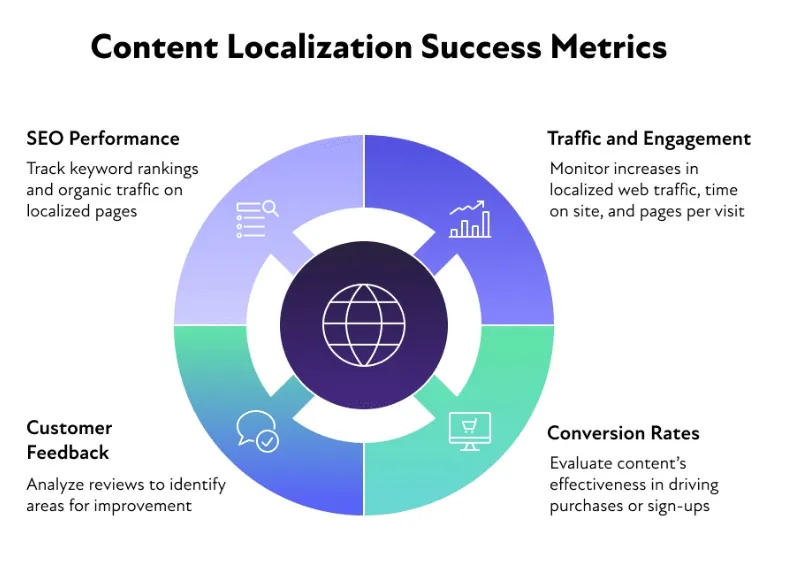
Image Credit: Blend
Goal: Position yourself as an authority in your local property market.
Action Steps:
- Write blogs or guides on neighbourhoods, property investment tips, market trends and community events.
- Highlight client success stories or case studies to build credibility.
- Incorporate video content such as property walkthroughs, agent introductions, or testimonials.
- Use local keywords naturally throughout your content to improve search rankings.
Example: A blog post titled “Top 5 Condo Developments in Bukit Timah 2025” targets users searching specifically for properties in that area.
Step 5: Build Local Citations & Listings
Goal: Boost credibility and visibility in local search.
Action Steps:
- Submit your business to relevant local directories such as PropertyGuru, 99.co, Streetdirectory, Yelp and others.
- Ensure NAP consistency across all platforms to strengthen search engine trust.
- Collaborate with local businesses or sponsor events to earn backlinks and increase local exposure.
Consistent citations and backlinks help Google verify your business’s legitimacy and improve your local ranking.
Step 6: Manage Reviews & Reputation
Goal: Build trust and improve local search rankings.
Action Steps:
- Ask satisfied clients to leave Google reviews, highlighting their experience.
- Respond professionally to all reviews, positive and negative.
- Monitor reviews across Google, social media and property directories.
Frequent, positive reviews signal credibility to both Google and prospective clients, improving click-through rates and local rankings.
Step 7: Monitor & Track Performance
Goal: Measure the effectiveness of your SEO efforts.
Action Steps:
- Use Google Analytics and Search Console to track website traffic, property page views and user behaviour.
- Monitor keyword rankings for local search terms regularly.
- Track leads generated via phone calls, enquiry forms, or property bookings.
- Adjust SEO strategies based on performance data and trends.
Continuous monitoring allows you to respond quickly to changes in search trends and maintain top rankings.
Step 8: Avoid Common Local SEO Mistakes
Even the most experienced property agents can unintentionally make mistakes that reduce their local search visibility. Avoiding these common pitfalls is crucial for ranking high in local search results, attracting qualified buyers and establishing credibility in your neighbourhood.
- Neglecting location-specific keywords.
- Failing to optimise or claim your Google Business Profile.
- Inconsistent or duplicate business information across directories.
- Focusing only on national SEO while ignoring local search visibility.
Minor errors, such as inconsistent phone numbers, can reduce your ranking and confuse potential clients.
Technical SEO Considerations for Real Estate Sites
Technical SEO ensures that a real estate website is not only visible to search engines but also delivers a seamless user experience. For property agents, optimising technical elements is essential to attract local buyers and sellers, improve lead generation and maintain a competitive edge.
1. Optimised Crawlability and Indexability
A website’s pages must be accessible to search engines for them to appear in search results. If property listings, neighbourhood pages, or blog content cannot be crawled or appropriately indexed, your SEO efforts won’t generate leads.
Actionable Steps:
Submit XML Sitemaps to Search Engines
- Include all property listings, neighbourhood landing pages and blog posts.
- Update the sitemap regularly when new properties are added or removed.
- Submit the sitemap in Google Search Console to ensure all pages are discovered.
Check Robots.txt and Meta Tags
- Ensure that the robots.txt file or noindex tags do not block important pages.
- Avoid accidentally disallowing search engines from crawling property listings or blog posts.
Use Clean URL Structures

- Use descriptive, readable URLs that include relevant keywords and locations, e.g., /buy-condo-orchard-singapore.
- Avoid dynamic URLs with long strings of numbers or characters that are hard for search engines to read.
Fix Broken Links and Redirects
- Regularly audit your website for 404 errors and broken links.
- Implement 301 redirects for removed or outdated listings to relevant pages.
Ensuring all property pages are crawlable and indexable guarantees that potential buyers and sellers can find your listings online, maximising the return on your SEO efforts.
2. Implemented Structured Data (Schema Markup)
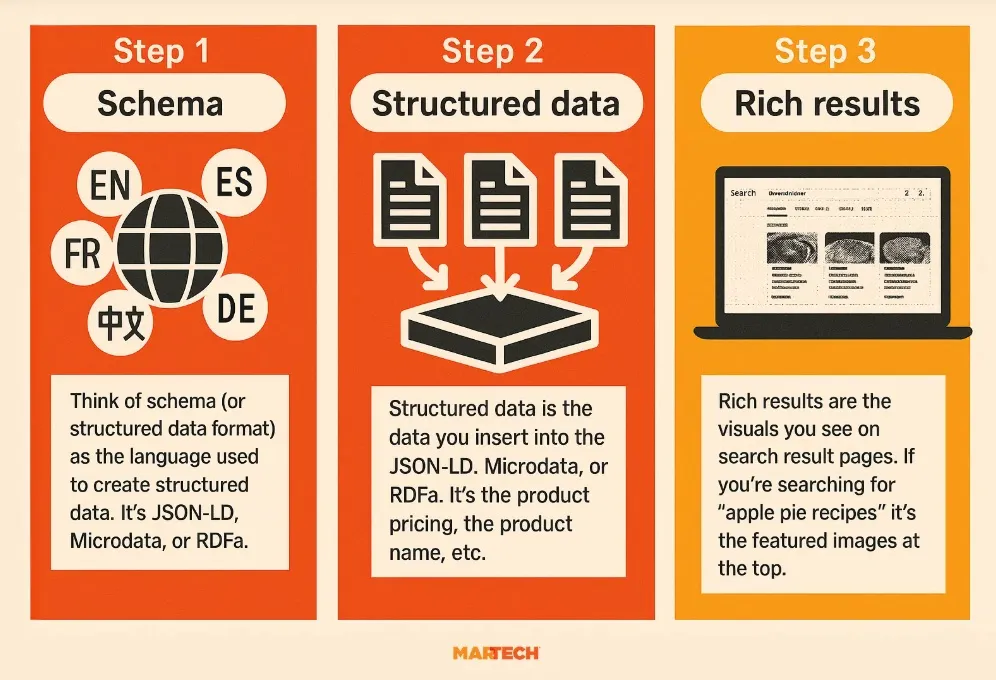
Image Credit: MarTech
Structured data helps search engines understand your content better and can enhance search results with rich snippets, increasing click-through rates. For real estate, structured data can highlight property details, agent profiles and open house events.
Actionable Steps:
Use Real Estate Schema
- Implement Real Estate Listing schema for property pages, including price, location, property type and availability.
- Include key details such as the number of bedrooms, bathrooms, floor area and amenities.
Add Agent Schema
- Use Person or Real Estate Agent schema for agent profiles, including name, contact info and ratings.
- This helps build trust and credibility in search results.
Mark Up Events
- Apply Event schema to open houses, webinars, or property tours. Include dates, times and location.
- Rich event results can attract local buyers searching for property viewings.
Validate Your Structured Data
- Use Google’s Rich Results Test or Schema Markup Validator to ensure correct implementation.
- Fix errors or warnings promptly to maintain eligibility for rich snippets.
Additional Tips:
- Update schema whenever property details change to avoid outdated or misleading information.
- Combine structured data with local keywords in the page content to reinforce relevance.
Implementing structured data helps your listings and agent profiles stand out in search results, increasing visibility and engagement among local buyers and sellers.
3. Optimised Core Web Vitals
Core Web Vitals are a set of metrics that measure key aspects of your website’s user experience. They include Largest Contentful Paint (LCP) for page load speed, First Input Delay (FID) for interactivity and Cumulative Layout Shift (CLS) for visual stability.

Google uses these metrics as ranking factors, meaning a website that performs poorly in any of these areas may see lower search rankings. For real estate agents, a slow-loading or unstable site can frustrate potential buyers, causing them to leave before viewing property listings or submitting enquiries.
Actionable Steps:
Improve Largest Contentful Paint (LCP)
- Optimise hero images, banners and above-the-fold content to load quickly.
- Use modern image formats like WebP and compress large images without losing quality.
- Minimise render-blocking resources, such as CSS and JavaScript, that delay the display of page content.
- Prioritise loading of key content like property listings and call-to-action buttons before less essential elements.
Reduce First Input Delay (FID)
- Minimise heavy scripts and third-party widgets that can block the main thread.
- Optimise interactive elements such as enquiry forms, virtual tours and property sliders to respond instantly when users click or tap.
- Consider using asynchronous or deferred loading for non-critical scripts to improve page responsiveness.
Minimise Cumulative Layout Shift (CLS)
- Reserve space for images, videos, ads and dynamic content to prevent sudden layout shifts as the page loads.
- Specify width and height attributes for images and media elements.
- Avoid injecting content above existing content unless necessary, which can push essential elements down unexpectedly.
- Test your site using Google PageSpeed Insights or Lighthouse to identify and fix CLS issues.
Additional Tips for Real Estate Sites:
- Optimise property galleries and virtual tours to load efficiently and avoid layout shifts.
- Lazy-load off-screen images while ensuring above-the-fold property images appear immediately.
- Regularly monitor Core Web Vitals through Google Search Console to catch and resolve issues before they impact user experience or rankings.
Optimising Core Web Vitals ensures your website loads quickly, responds instantly to user interactions and maintains a stable layout. For property agents, this leads to a smoother browsing experience, higher engagement with listings and a greater likelihood of converting visitors into enquiries and clients.
4. Implemented Canonical Tags
Duplicate content is common on real estate websites, especially when the same property appears under multiple categories, neighbourhood pages, or filtered searches. Without proper guidance, search engines may struggle to determine which page to rank, diluting your SEO authority and potentially lowering visibility in search results.
Implementing canonical tags tells search engines which version of a page is the “preferred” one, consolidating ranking signals and protecting your site from duplicate content penalties.
Actionable Steps:
Add Canonical URLs to Duplicate or Similar Pages
- Identify pages that feature the duplicate property content or similar listings.
- Insert a <link rel=”canonical” href=”URL-of-preferred-page”> tag in the <head> section of duplicate pages.
- Use absolute URLs to avoid confusion and ensure search engines correctly interpret the canonical.
Ensure Canonical Tags Point to the Main Property Listing
- Choose the most comprehensive, user-friendly version of the listing as the canonical page.
- Avoid pointing canonical tags to unrelated or thin content pages, as this can harm rankings.
- Regularly audit canonical tags whenever properties are updated, removed, or moved to ensure accuracy.
Additional Tips for Real Estate Sites:
- Use canonical tags for paginated listing pages to indicate the primary page while still allowing users to navigate through multiple pages.
- Combine canonical tags with 301 redirects for permanently removed or outdated property listings.
- Ensure that CMS-generated pages, filtered searches, or sorting options also use canonical tags to prevent accidental duplicate content.
Properly implemented canonical tags consolidate SEO authority across duplicate or similar property pages, ensuring search engines recognise the primary listing. This improves rankings, prevents penalties and provides a more straightforward path for potential buyers to find the most relevant and complete property information.

5. Managed Pagination
Property websites often feature large numbers of listings, which are broken into multiple pages for better user experience. Improperly handled pagination can prevent search engines from crawling or indexing all pages and it may dilute link equity across your site. This can result in some listings not appearing in search results, reducing visibility and potential leads.
Actionable Steps:
Use rel=”next” and rel=”prev” Tags for Paginated Content
- Implement these tags in the <head> section to indicate the relationship between consecutive pages.
- Helps search engines understand the page order and treat the series as a single entity for indexing and ranking.
Ensure Each Page Has Unique Meta Titles and Descriptions
- Avoid duplicate meta tags across paginated pages.
- Include page numbers and local keywords in meta titles and descriptions, e.g., “Condos for Sale in Orchard – Page 2.”
- Unique metadata improves click-through rates and prevents search engines from ignoring lower-numbered pages.
Avoid Blocking Paginated Pages in robots.txt
- Make sure paginated pages are crawlable so search engines can index all listings.
- Ensure internal linking points to these pages to distribute link equity and help search engines discover every listing.
Properly managing pagination ensures that all your property listings are discoverable by search engines, preserves link equity across pages and provides a seamless experience for users navigating through multiple listings. This maximises your website’s visibility in local search results and increases the chances of attracting potential buyers and sellers.
6. Conducted Regular Technical Audits

Even well-optimised websites can develop issues over time. Broken links, duplicate content, slow-loading pages, or crawl errors can appear as your site grows, new properties are added, or plugins and scripts are updated. Regular technical audits help detect and fix these problems before they negatively impact search rankings, user experience, or lead generation.
Actionable Steps:
Use Technical SEO Tools to Audit Your Website
- Tools like Screaming Frog, Ahrefs, or SEMRush Site Audit can crawl your website and identify issues such as broken links, duplicate content, missing meta tags and redirect chains.
- Schedule audits regularly (monthly or quarterly) to ensure ongoing site health.
Identify and Fix 404 Errors and Broken Links
- Check for pages that no longer exist or links pointing to removed property listings.
- Implement 301 redirects to relevant pages to maintain link equity and improve user experience.
- Regularly update internal links on your website to prevent users from encountering dead ends.
Monitor Metadata and Structured Data
- Ensure every page has unique meta titles and descriptions that include relevant local keywords.
- Check structured data for properties and agent profiles to confirm validity and accuracy.
- Fix any errors or warnings flagged by Google Search Console or schema testing tools.
Analyse Server Logs for Crawl Issues
- Monitor server logs to understand how search engines crawl your website and identify potential bottlenecks.
- Detects issues like blocked pages, slow-loading URLs, or misconfigured redirects.
- Optimise site structure and internal linking to make key property pages more crawlable.
Additional Real Estate Considerations:
- Pay special attention to newly added property listings, virtual tours and neighbourhood guides.
- Remove or update outdated listings to prevent duplicate content and maintain relevance.
- Document audit findings and maintain a list of recurring issues to improve long-term site performance.
Conducting regular technical audits ensures your real estate website remains healthy, crawlable and fully optimised for search engines. This not only preserves your search rankings but also enhances the user experience, making it easier for potential buyers and sellers to find and engage with your property listings.
Ready to Take Your Property Marketing to the Next Level?
Real estate local SEO is key to ensuring the right buyers and sellers see your listings, agency and expertise in your area. By optimising your website, Google Business Profile and hyperlocal content, you increase your chances of appearing at the top of search results when potential clients are actively looking to buy or rent.
From creating neighbourhood-specific landing pages and engaging content to managing reviews and leveraging advanced SEO strategies like voice search and Google Maps Q&A, every step helps you connect with local clients more effectively.
For property agents, this isn’t just about rankings—it’s about building trust, generating qualified leads and turning online visibility into real sales.
Partner with MediaOne today and let our local SEO experts help you attract more buyers, increase enquiries and close more deals. Contact us today!
Frequently Asked Questions
How long does it take to see results from real estate local SEO?
Local SEO is a long-term strategy. While some improvements, such as Google Business Profile optimisations or review management, may show results in a few weeks, fully ranking for hyperlocal keywords and generating consistent leads can take 3–6 months, depending on competition and market demand.
Can I do local SEO for multiple property locations?
Yes, but it requires creating separate, optimised landing pages for each neighbourhood or district. Each page should have unique content, local keywords and property listings relevant to that area to avoid dilution of SEO authority.
Should I focus more on Google Maps or organic search for real estate?
Both are important. Google Maps (local pack) drives immediate local leads, while organic search helps establish long-term authority and visibility. A combined strategy ensures your agency appears wherever potential buyers and sellers are searching.
Do virtual tours and videos improve local SEO for real estate?
Absolutely. Multimedia content, such as property videos, virtual tours and 360° walkthroughs, increases user engagement, time on page and click-through rates. Optimised video content with descriptive titles and local keywords can also appear in Google search and YouTube results, boosting visibility.
How can I track the ROI of my local SEO efforts?
You can track local SEO ROI by monitoring website traffic, Google Business Profile insights, keyword rankings and leads generated from phone calls, enquiry forms, or property bookings. Combining analytics from Google Analytics, Search Console and CRM systems allows you to measure which strategies are driving the most qualified leads.