In Singapore’s fast-paced digital economy, small businesses often find themselves caught in a familiar bind: limited marketing budgets, but growing digital competition from both global and local players. You’re expected to perform like a major brand without the luxury of a major budget.
Here’s the truth: digital marketing doesn’t always demand deep pockets. What it demands is smart execution, consistency, and the right toolkit.
Today, some of the most powerful free digital marketing tools on the market can help you analyse performance, design engaging visuals, manage social media, and even automate customer communication, all without spending a single cent upfront.
This isn’t about cutting corners; it’s about levelling the playing field. When you understand how to use these free tools strategically, you can test, learn, and grow before scaling into paid solutions.
In this guide, you’ll discover the best free tools across every core marketing function, from analytics to social media, email, SEO, and content creation, alongside actionable strategies to get the most from each. Because when you combine technology with great storytelling and content marketing, you don’t just save money. You create impact.
Key Takeaways
- Small businesses in Singapore can achieve strong online visibility and growth by leveraging free digital marketing tools that simplify SEO, social media management, content creation, and analytics.
- These tools not only reduce marketing costs but also empower business owners to make data-driven decisions that improve performance across multiple channels.
- By strategically integrating free tools into their digital strategy, small businesses can compete effectively with larger brands and build a sustainable online presence without heavy financial investment.
Why Free Digital Marketing Tools Matter for Small Businesses

Image Credit: WikiFinancepedia
If you’re running an SME in Singapore, every dollar matters. But cutting your marketing budget isn’t the solution. Using it more intelligently is. The smartest businesses are learning how to stretch their reach using free tools that once were exclusive to enterprise teams.
Singapore’s SME Go Digital programme has helped over 90,000 SMEs adopt digital solutions since its launch. The trend is clear: small businesses that digitalise early gain operational efficiency, visibility, and customer trust faster than their peers.
Free tools make this digital leap accessible. They help you test ideas, measure success, and scale what works, without burning cash. For instance, before investing in a premium analytics suite, you can use Google Analytics 4 (GA4) and Search Console to understand how your customers find and behave on your site. Before hiring a designer, you can build brand visuals with Canva.
Here’s how free versus paid approaches stack up:
| Approach | Cost | Typical Use Case | Example Tools |
| Paid enterprise marketing stacks | High | Established brands | HubSpot Pro, Semrush, Ahrefs |
| Free or freemium tools | Low–None | SMEs, startups | Google Analytics, Canva, Mailchimp |
The takeaway? Free doesn’t mean inferior. It means strategic. By learning to use free tools effectively, you build digital muscle that compounds over time. The kind that separates growing brands from those that stagnate.
Key Categories of Free Digital Marketing Tools
Before investing in paid software, explore the powerful free tools available to Singapore SMEs. From analytics to SEO and social media management, these categories show where you can achieve measurable impact without spending a cent.
1. Analytics & Insights Tools
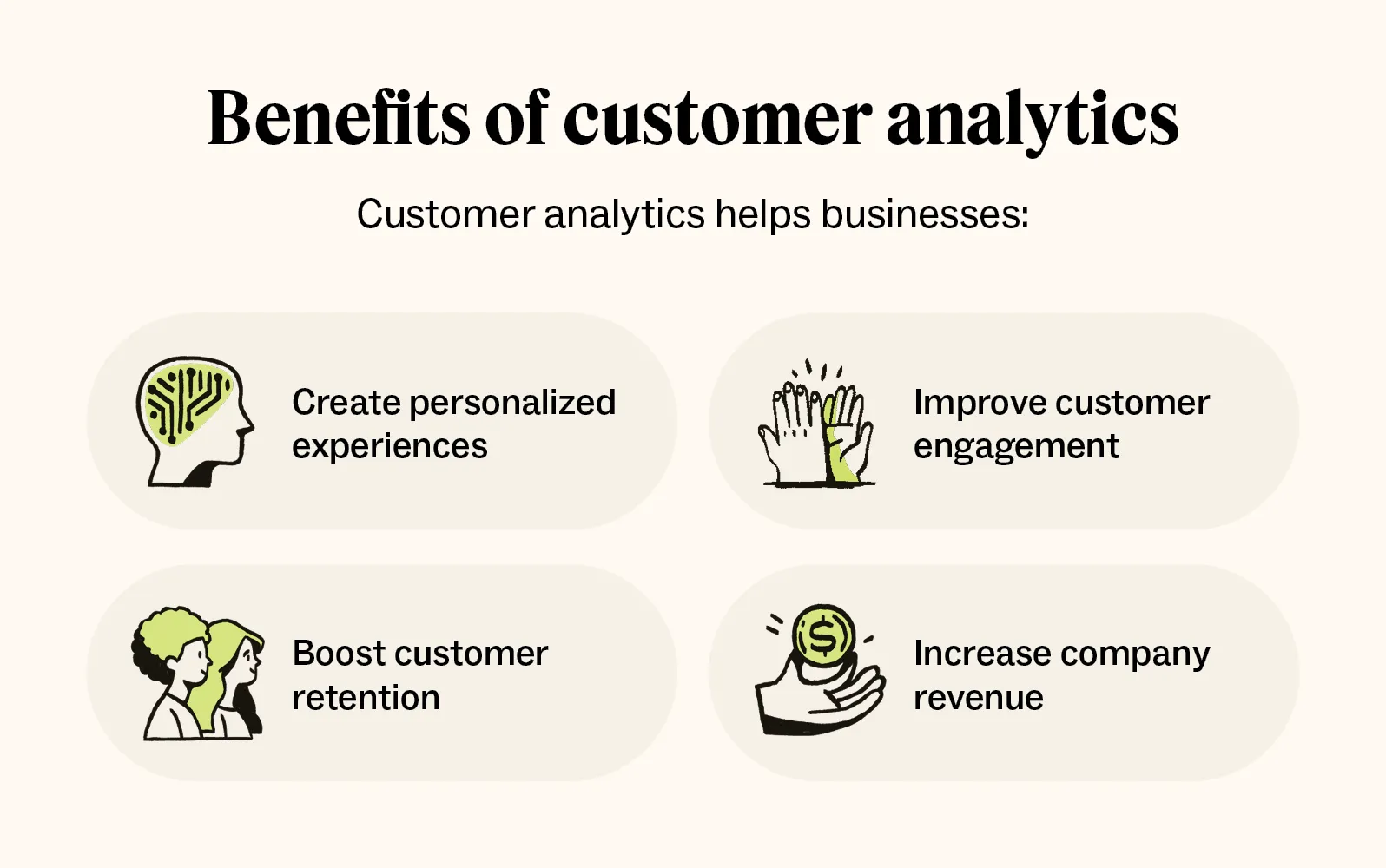
Image Credit: Zendesk
Before you spend a dollar on ads, you need to understand your numbers. Analytics tools reveal who visits your website, how they interact, and what makes them convert: data you can use to refine every future campaign.
Top Free Tools:
- GA4: Google’s flagship analytics tool helps track user journeys, engagement, and conversion rates. Use it to see which channels drive the most value, not just the most traffic. Consider this stat: 45% of all websites globally use Google Analytics, per W3Techs.
- Google Search Console: A must for SEO. It shows which search queries bring visitors to your site and helps identify pages that need optimisation.
- Microsoft Clarity: Offers heatmaps and session recordings so you can literally see where users click, scroll, and drop off.
Pro tip: Link your Google Analytics and Search Console accounts. You’ll get a complete picture of both pre-click (search behaviour) and post-click (on-site behaviour) insights, perfect for refining campaigns that actually convert.
2. SEO & Keyword Research Tools
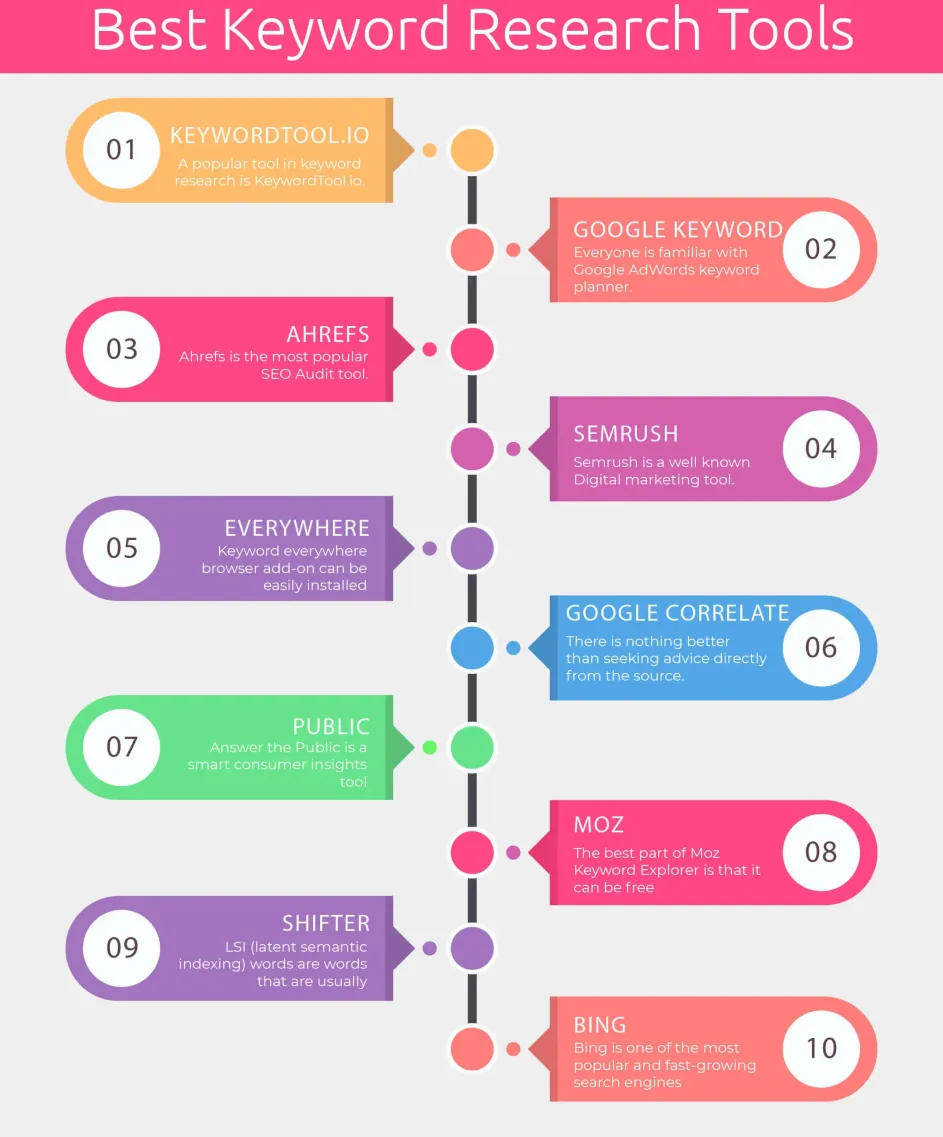
Image Credit: sitecentre
If your website isn’t showing up on Google’s first page, it’s as good as invisible. Search engine optimisation (SEO) is how you fix that. And you don’t need to spend hundreds on subscriptions to get started.
Top Free Tools:
- Google Keyword Planner: Free through a Google Ads account, it helps uncover relevant keywords and their monthly search volumes in Singapore.
- Ubersuggest (Free Tier): Created by Neil Patel, Ubersuggest offers keyword ideas, search intent, and competitive data.
- AnswerThePublic: Turns Google autocomplete data into visual “search clouds” that reveal what your customers are really asking.
Pro Tip: Focus on long-tail, localised keywords such as “eco-friendly packaging supplier Singapore” or “digital marketing agency in Jurong.” These attract highly targeted traffic and are less competitive than broad terms.
Data Insight: Think With Google reports that 76% of local mobile searches result in a visit to a physical store within 24 hours. That’s your cue: mastering local SEO directly impacts your bottom line.
3. Content Creation & Visual Design Tools
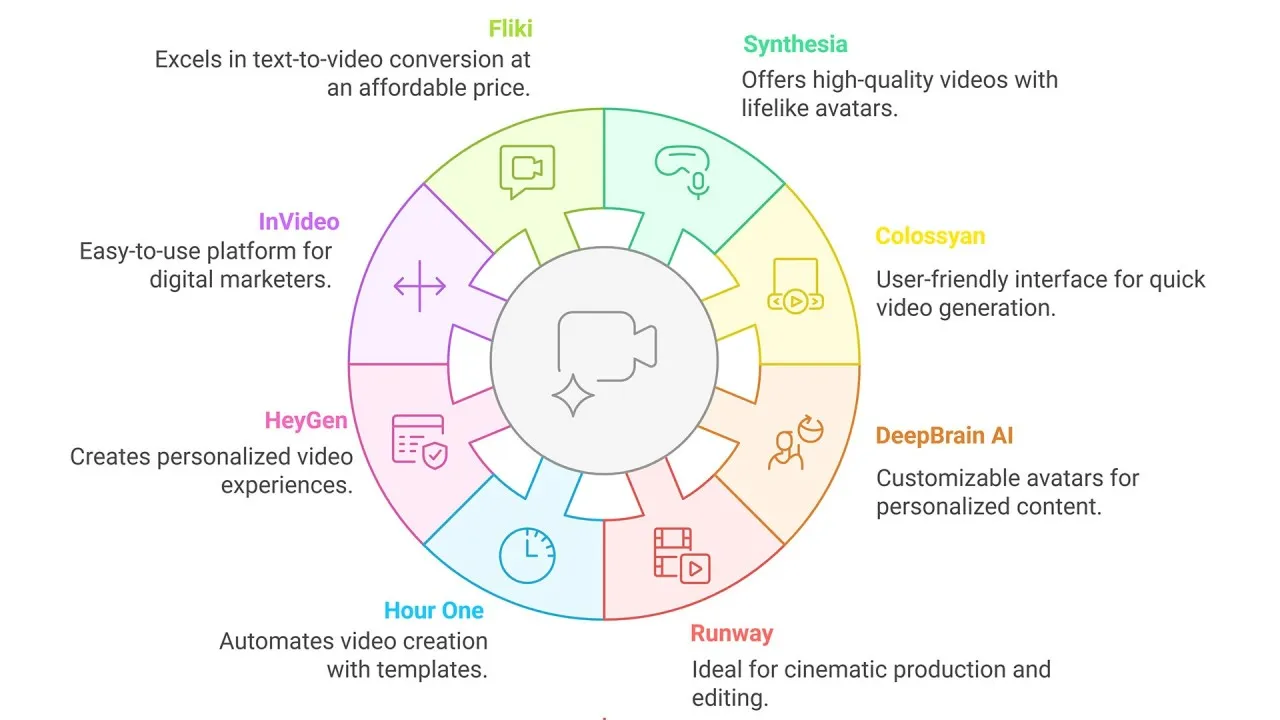
Image Credit: LinkedIn
Great content is what turns attention into action. The challenge? Not every business can afford web design or copywriting services. Fortunately, there are now professional-grade tools that let you produce quality visuals and videos in minutes.
Top Free Tools:
- Canva: With over 220 million users globally, Canva’s drag-and-drop design system lets you create professional graphics, infographics, and presentations in minutes.
- CapCut or InVideo: Free video editors that simplify social video production are perfect for product demos or TikTok ads.
- Grammarly: Ensures your written copy is polished, clear, and free of grammar errors.
Pro tip: Build your “Brand Kit” on Canva. Upload your logo, brand colours, and fonts once. Then apply them automatically across every post. Use the “Magic Resize” feature to adapt a single design into multiple platform formats instantly.
Realistic Use Case: Running a bakery? You can build a strong Instagram presence by combining clean Canva templates with authentic behind-the-scenes videos. Even if minimalist, your recognisable design can become part of your brand identity. No expensive agency required.
4. Social Media Management Tools
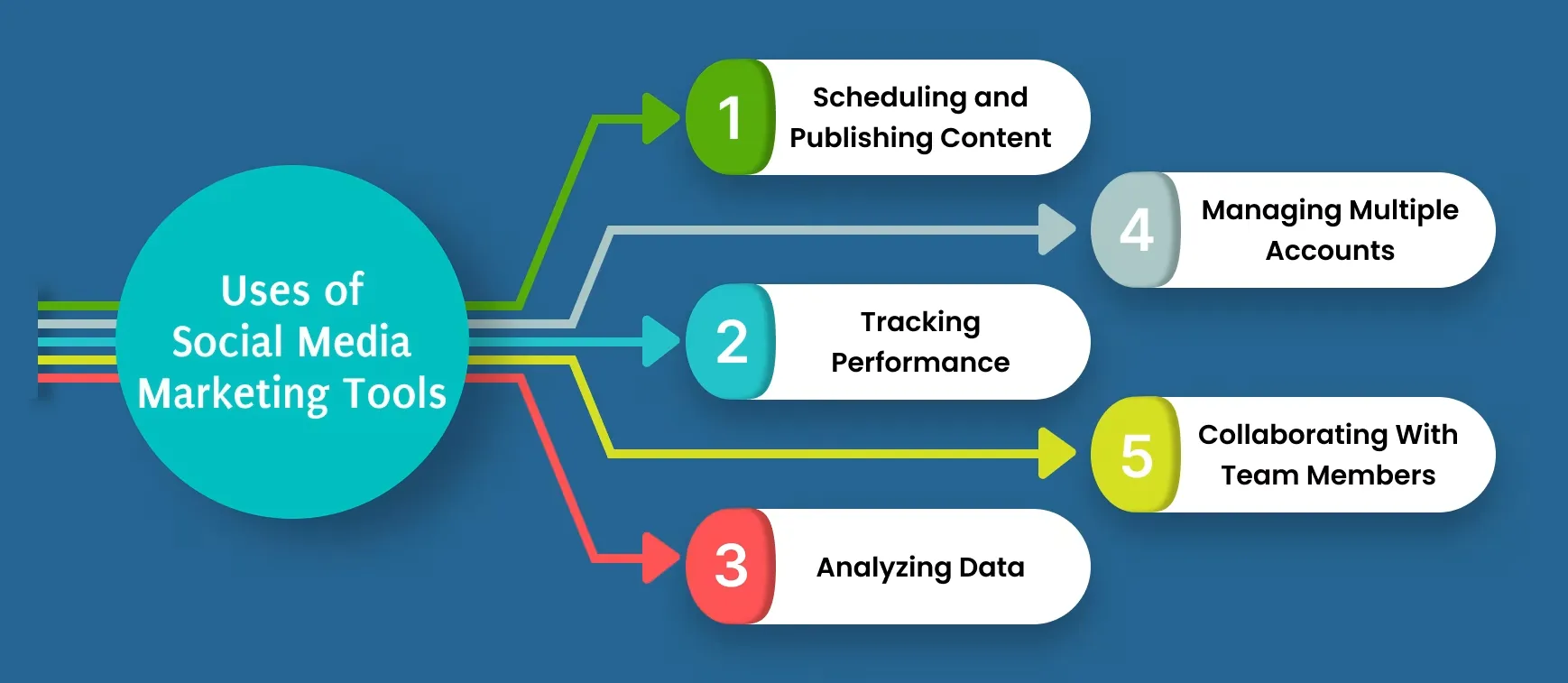
Image Credit: Syndell
You know the drill: consistent posting drives engagement. But managing multiple platforms can become a time sink. That’s where scheduling and management tools make all the difference.
Top Free Tools:
- Buffer or Later: These allow you to schedule and publish posts across Facebook, Instagram, LinkedIn, and X. Their free plans are ideal for businesses managing 2–3 profiles.
- Meta Business Suite: Facebook and Instagram’s built-in tool for scheduling, messaging, and analytics, all in one dashboard.
- Hootsuite (Free Plan): Great for monitoring brand mentions and comments, even across multiple platforms.
Pro tip: Batch-create a week’s worth of posts every Monday. Schedule them through Meta Business Suite and review analytics on Fridays. This simple rhythm saves hours while ensuring your brand stays visible.
According to DataReportal, more than 88% of Singaporeans use social media platforms. If your business isn’t there consistently, you’re leaving opportunities on the table.
5. CRM & Email Marketing Tools
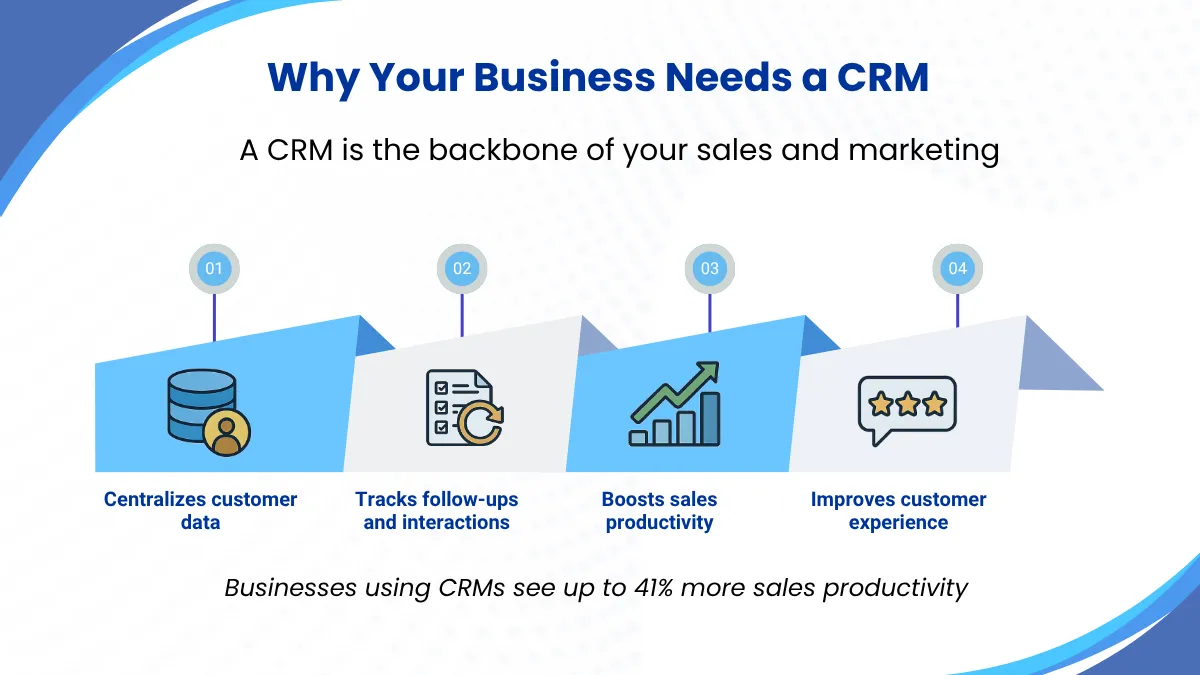
Image Credit: WebGuruz
Email marketing remains one of the highest-ROI channels available, with an average return of USD 36 for every USD 1 spent (Litmus, 2023). That’s roughly SGD 48 in local value. You don’t need expensive software to start seeing results.
Top Free Tools:
- Mailchimp (Free Plan): Manage up to 500 contacts and send up to 1,000 emails monthly. Ideal for newsletters and small campaigns.
- HubSpot CRM (Free): A powerful platform for managing contacts, tracking interactions, and automating follow-ups.
- Sender or Brevo (formerly Sendinblue): Free tiers offer automation sequences, templates, and analytics dashboards.
Pro tip: Don’t blast the same email to everyone. Segment your list into groups (e.g., new leads, repeat buyers, dormant customers) and personalise your messaging. Segmented campaigns can achieve up to 760% more revenue than generic ones (Data & Marketing Association).
Many Singapore SMEs combine HubSpot’s free CRM with Mailchimp to bridge sales and marketing data. It ensures no lead slips through the cracks while keeping costs close to zero.
6. Local SEO & Business Listing Tools
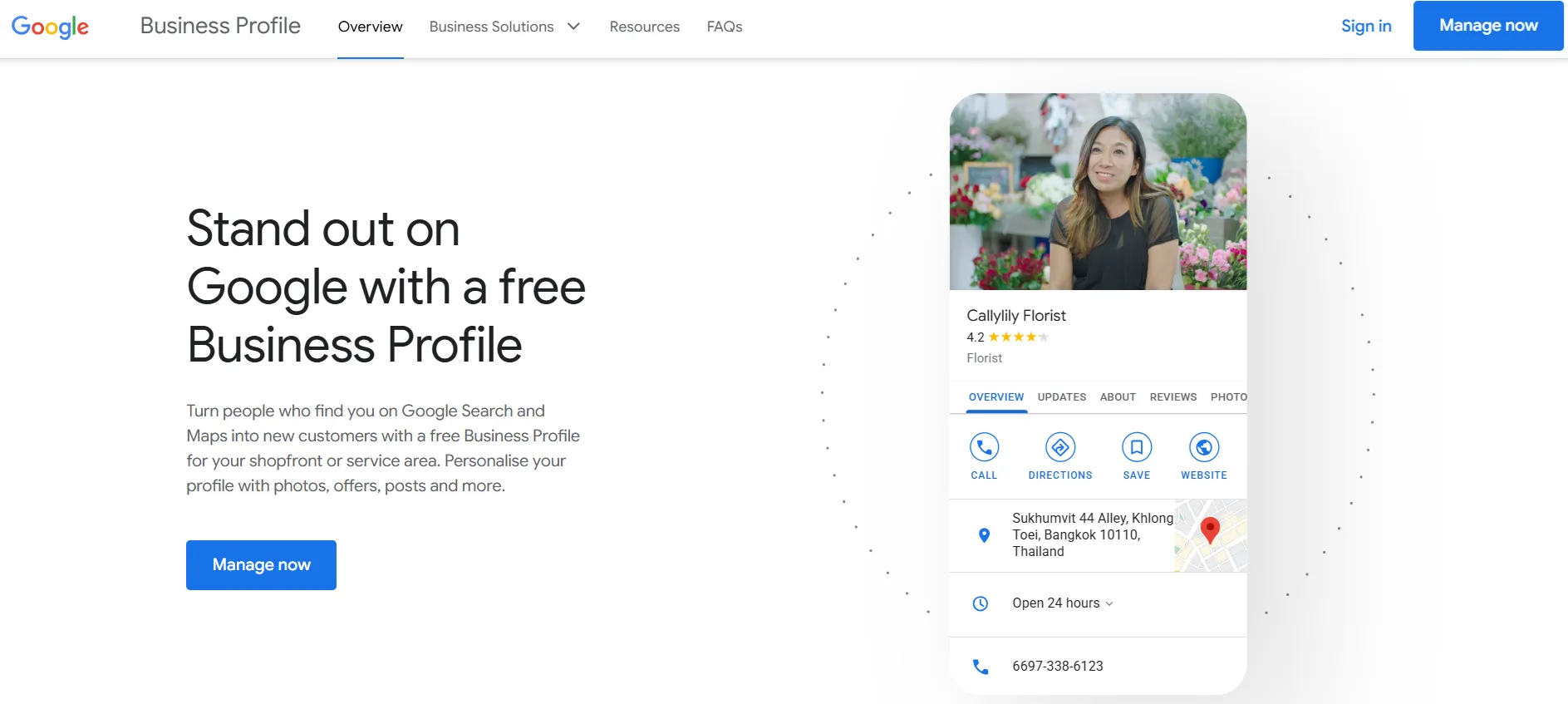
Image Credit: Google
When someone searches “best florist near me” or “HDB renovation contractor in Singapore,” Google’s local map pack decides who gets found. Local SEO is your ticket to appearing there.
Top Free Tools:
- Google Business Profile (GBP): Helps you appear in local search results and Google Maps. Regularly updating photos and responding to reviews can boost your ranking.
- Bing Places: Microsoft’s version of GBP, useful for diversifying your online footprint.
- Moz Local (Free Checker): Ensures your business information is consistent across directories.
Pro tip: Keep your NAP (Name, Address, Phone number) consistent everywhere: website, directories, social media. Even small discrepancies can hurt your local ranking. As mentioned before, 76% of people who search for something nearby visit a related business within a day. Optimising your listings literally drives foot traffic.
How to Maximise Free Digital Marketing Tools

Let’s be honest: there are thousands of tools out there. The goal isn’t to use them all; it’s to master a few that move the needle. Start small. Pick 2–3 that align directly with your business goals and build your rhythm around them.
If your goal is to lead generation, focus on analytics and SEO. If it’s engagement, prioritise design and social media marketing and management tools. If you want conversions, integrate email automation early.
Here’s what a simple, effective free marketing stack for Singapore SMEs can look like:
| Function | Tool |
| Analytics | Google Analytics |
| SEO | Google Search Console |
| Design | Canva |
| Social Media | Buffer |
| Mailchimp |
Once you’ve mastered these, integrations come next. Connect your analytics with email and social tools. Review data weekly. Optimise what works. Free tools aren’t about saving money. They’re about buying time to learn faster than competitors.
Take Action with Free Digital Marketing Tools
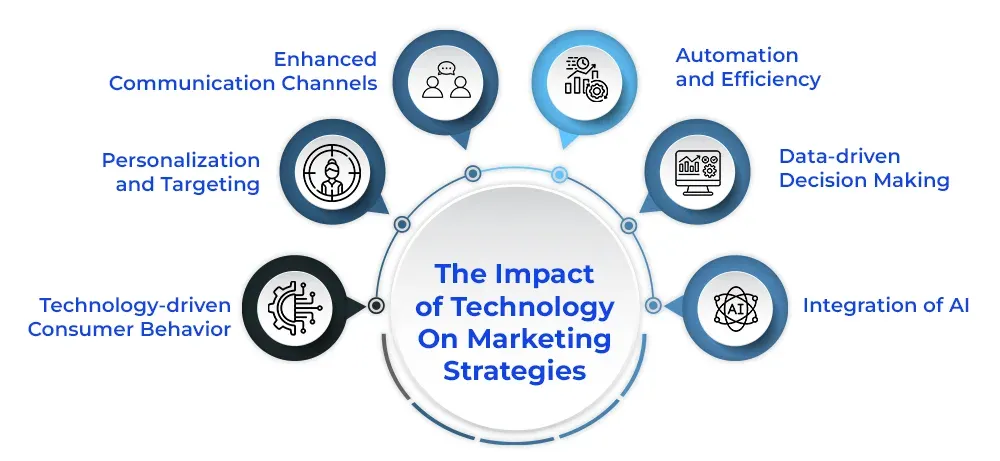
Image Credit: College Vidya
You now have everything you need to build a lean, powerful marketing system that works, without breaking your budget. These free digital marketing tools are more than just software; they’re growth accelerators. The key lies in how consistently you use them.
You don’t need to outspend competitors to outsmart them. You just need the right strategy, data, and creative execution. Start small. Track your progress. Improve weekly. And when you’re ready to scale beyond the basics: when you want expert campaigns, SEO authority, or data-driven content that dominates search? That’s where MediaOne comes in.
Our team helps SMEs and enterprises alike grow visibility, traffic, and revenue through proven strategies and ethical SEO.
Start with free tools today. Then, when you’re ready, partner with a trusted agency. Contact us today and let’s multiply your results.
Frequently Asked Questions
What are the most essential digital marketing tools for beginners?
Beginners can start with free and easy-to-use tools such as Google Analytics for tracking performance, Canva for creating visuals, and Mailchimp for basic email campaigns. These tools provide the foundational insights and creative capabilities needed to build an online presence without advanced technical knowledge.
How do digital marketing tools help small businesses grow?
Digital marketing tools automate repetitive tasks, provide performance insights, and help target the right audience efficiently. By using them strategically, small businesses can increase reach, optimise campaigns, and improve customer engagement while saving time and costs.
Are free digital marketing tools as effective as paid ones?
Free tools often offer robust core features that are sufficient for small businesses starting out. However, paid versions typically unlock advanced analytics, automation, and integration options that become valuable as the business scales.
Can digital marketing tools improve customer retention?
Yes. Tools such as CRM platforms, email automation software, and social media schedulers enable consistent communication and personalised engagement. This helps businesses build stronger relationships, increasing customer satisfaction and long-term loyalty.
How can I choose the right digital marketing tools for my business?
The best approach is to assess your business goals, budget, and marketing needs before selecting any tool. Look for options that integrate well with your existing systems, offer reliable support, and provide measurable results aligned with your objectives.