TikTok has rapidly become one of the most influential digital platforms for brands seeking to reach modern consumers. TikTok influencer marketing is now a major driver of brand visibility, customer engagement, and product discovery, especially in digitally connected markets like Singapore.

With its algorithm-driven content distribution and highly engaging short-form videos, TikTok allows brands to connect with audiences in a way that feels authentic and entertaining rather than promotional. In Singapore, consumers increasingly discover products through social media rather than traditional advertising channels.
Creators share product reviews, tutorials, lifestyle integrations, and trending challenges that can quickly capture attention and drive conversations online. Because of this, brands across industries. From beauty and fashion to F&B and tech. Are integrating TikTok influencer collaborations into their marketing strategies.
For businesses unfamiliar with the platform, navigating creator partnerships, campaign strategy, and performance measurement can be complex. Working with a TikTok influencer marketing agency in Singapore can simplify the process by helping brands identify the right creators, develop effective campaigns, and maximise campaign results.
This guide explains how TikTok influencer marketing works, why it is growing rapidly in Singapore, and how brands can use it strategically to accelerate brand growth.
Key Takeaways:
- TikTok influencer marketing helps brands in Singapore reach highly engaged audiences through authentic creator content and algorithm-driven discovery.
- Successful campaigns require clear goals, the right influencer partnerships, and content that fits TikTok’s storytelling style.
- Micro and niche influencers often deliver strong engagement because their audiences trust their recommendations.
- A structured campaign process that includes strategy, creative direction, and performance tracking improves marketing results.
What Is TikTok Influencer Marketing?

TikTok influencer marketing refers to collaborations between brands and TikTok creators to promote products, services, or brand messages through engaging video content. These creators build communities around specific interests such as beauty, food, travel, fashion, technology, or lifestyle.
Over time, their followers come to trust their opinions, recommendations, and personal experiences. This trust makes influencer collaborations an effective way for brands to introduce products that feel relatable and credible.
In a typical TikTok influencer marketing campaign, a brand partners with one or more creators to feature its product within a video. The creator may review the product, demonstrate how it works, incorporate it into a daily routine, or participate in a trending challenge while using it.
Instead of presenting the product as a traditional advertisement, the content is designed to fit naturally into the creator’s usual style and storytelling approach. Unlike traditional advertising formats, TikTok influencer campaigns often feel organic because they blend seamlessly into the platform’s content ecosystem.
Viewers scroll through a mix of entertainment, tutorials, humour, and personal stories. Influencer content that includes a product can therefore feel like a genuine recommendation rather than a promotional message. Several factors make TikTok influencer marketing distinct from other social media platforms.
Key Drivers of TikTok Influencer Marketing Performance
TikTok has changed how content is discovered, consumed, and shared. Unlike traditional social platforms that rely heavily on follower networks, TikTok is built around interest-based distribution. This creates a different set of rules for brands and influencers. Success depends less on audience size and more on how content performs in real time.
Below are the core factors that explain why TikTok campaigns can generate strong reach and engagement, even for smaller creators:
Algorithm-Driven Discovery
TikTok’s recommendation system plays a central role in content visibility. Videos are primarily distributed through the “For You” feed, where placement is determined by engagement signals such as watch time, likes, comments, shares, and completion rates.
This structure shifts the focus away from follower count. A creator with a smaller audience can still achieve significant reach if their content resonates with viewers. At the same time, large creators are not guaranteed visibility if their content fails to engage.
For brands, this creates a more level playing field. Key implications include:
- Campaign reach is driven by content performance rather than audience size alone
- High-quality, engaging videos can scale beyond the influencer’s existing followers
- Testing multiple creators increases the likelihood of identifying content that performs well
This is why many brands choose to work with several creators rather than rely on a single account. The algorithm rewards content that holds attention, not just content that comes from established profiles.
Authentic Creator Voice
TikTok audiences are highly sensitive to tone. Content that feels overly scripted or overly polished is often ignored, while content that feels natural tends to perform better.
Successful campaigns recognise that creators understand their audience better than anyone else. They know what style of humour works, how to frame a message, and how to present products in a way that fits their usual content.
Allowing creators to maintain their own voice leads to:
- Higher viewer retention because the content feels familiar
- Stronger engagement as audiences respond to authenticity
- Better alignment with platform culture, which favours spontaneity
Instead of rigid scripts, brands often provide guidelines or key messages and let creators interpret them. This balance helps maintain brand consistency without compromising authenticity.
Short-Form, High-Impact Content
TikTok is built for speed. Users scroll quickly, and creators have only a few seconds to capture attention. This makes the structure of the content just as important as the message itself.
Effective TikTok videos often:
- Open with a strong hook that immediately captures interest
- Use visual storytelling to communicate quickly and clearly
- Combine music, captions, and editing to reinforce the message
The goal is not to explain everything in detail, but to create enough interest to encourage interaction. This could mean watching the full video, leaving a comment, or sharing it with others.
For brands, this format offers several advantages:
- Products can be demonstrated quickly in real-life contexts
- Messages are easier to digest and remember
- Content is more likely to be shared, increasing organic reach
Short-form content also allows for experimentation. Brands can test different angles, formats, and creators without committing to long production cycles.
How These Elements Work Together
These three factors are closely connected. Authentic content increases engagement. Higher engagement improves algorithmic distribution. Wider distribution creates more opportunities for interaction. When all elements align, even a simple piece of content can scale rapidly.
For brands, the takeaway is clear. TikTok success is not driven by control, but by collaboration. The more a campaign aligns with how the platform naturally works, the more likely it is to deliver meaningful reach and engagement.
Why TikTok Influencer Marketing Is Growing Rapidly in Singapore
Singapore has the highest social media penetration rate in Southeast Asia, with 88.2% of its population active on social media, well above the regional average of 61.5%. TikTok’s rapid adoption among younger audiences and millennials has made it a powerful platform for brand communication.
Several factors are accelerating the growth of TikTok influencer marketing in Singapore:
- High Mobile Usage: Singapore’s consumers are highly mobile-first. Short-form video content fits naturally into everyday browsing habits.
- Content-driven Product Discovery: Many users discover new brands, products, and trends directly through TikTok videos. Influencers frequently introduce products through tutorials, reviews, or lifestyle demonstrations.
- Strong Creator Economy: Singapore has a growing community of creators specialising in beauty, food, travel, finance, and technology. Brands can collaborate with influencers who already have strong credibility within specific niches.
- Localised Cultural Relevance: Influencers often create content that reflects Singapore’s culture, humour, and daily life. This relatability makes influencer campaigns more engaging for local audiences.
How TikTok Influencer Marketing Drives Brand Growth
TikTok has changed how brands grow. It does not reward size in the same way older platforms do. Instead, it prioritises content that captures attention quickly and keeps people watching. That shift creates a different kind of opportunity for brands working with influencers.
Growth on TikTok often happens in bursts. A single post can outperform months of traditional content if it resonates. When paired with the right influencer, this dynamic becomes a repeatable strategy rather than a one-off success.
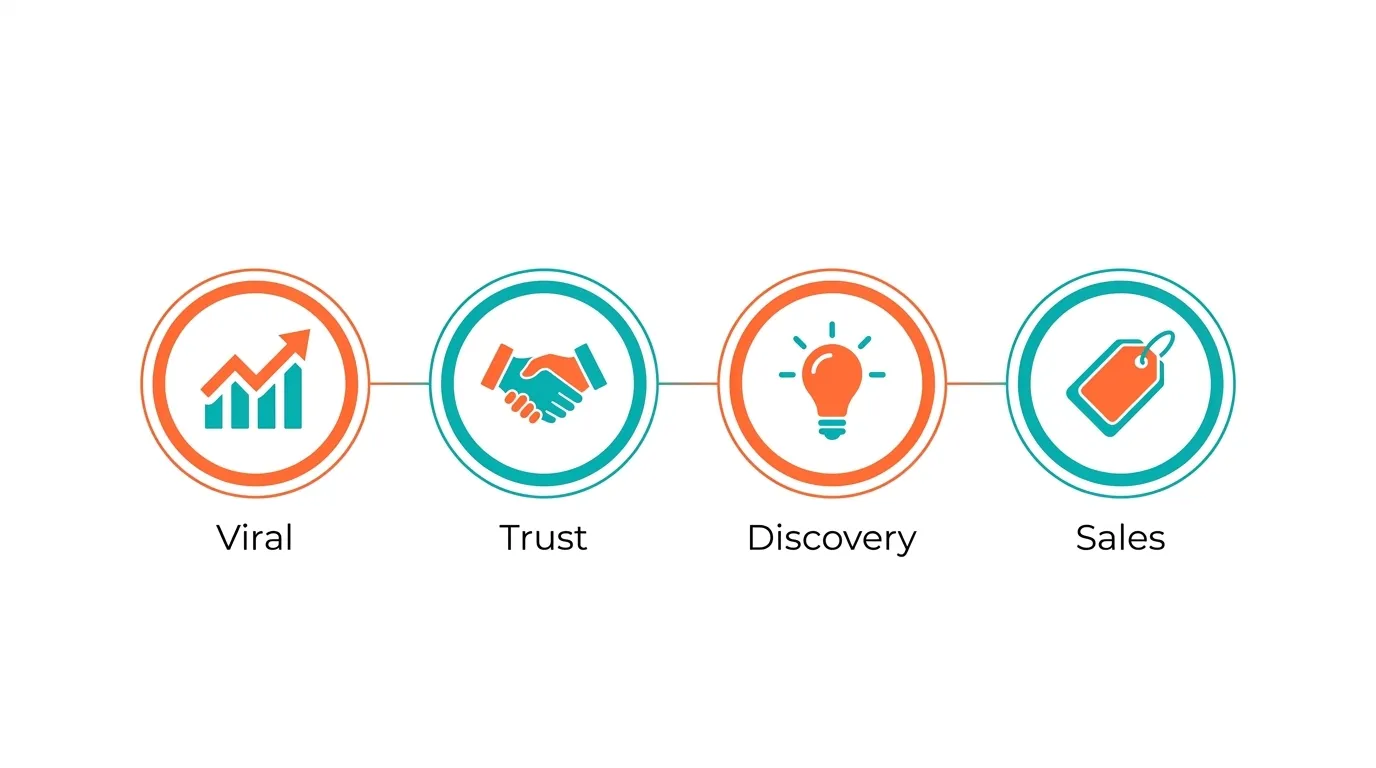
Below is how TikTok influencer marketing translates into measurable brand growth:
Viral Reach That Extends Beyond Follower Count
One of TikTok’s defining features is its recommendation system. Content is distributed based on engagement signals such as watch time, replays, shares, and comments, rather than the creator’s audience size alone.
This changes how reach is earned. A well-crafted influencer video can:
- Appear on the For You page of users who have never heard of the brand
- Scale rapidly within hours if early engagement is strong
- Continue gaining views for days or even weeks after posting
For brands, this means visibility is no longer capped by the influencer’s follower count. The ceiling is determined by how well the content performs.
In practice, a smaller creator with the right concept can generate reach that rivals or even exceeds that of larger accounts. This levels the playing field and makes campaign outcomes more dependent on execution than budget.
Building Authentic Connections With Consumers
TikTok content tends to feel less produced and more immediate. Influencers speak directly to the camera, share personal experiences, and often integrate products into everyday routines.
This format shapes how audiences interpret recommendations. Instead of viewing content as advertising, users often see:
- First-hand experiences
- Honest opinions, including pros and cons
- Situational use cases that feel relatable
Over time, this builds familiarity. Audiences return not just for entertainment, but for perspective. When an influencer introduces a product within this context, the message carries more weight. It feels like a continuation of their usual content rather than a disruption. That distinction is subtle, but it directly influences engagement and trust.
Accelerating Product Discovery
TikTok is no longer just a content platform. It functions as a discovery engine where users actively look for recommendations. Search behaviour on TikTok often includes:
- Product reviews and comparisons
- Tutorials and how-to content
- Before-and-after demonstrations
Influencers play a central role in shaping what gets discovered. Their content often serves as the reference point users rely on when evaluating a product. For example, a skincare product featured in a routine video can quickly gain traction if:
- The results are visible and easy to understand
- The explanation is clear and grounded in experience
- The content aligns with existing trends or conversations
Once momentum builds, other creators may produce similar content. This creates a ripple effect, with discovery expanding beyond the original post.
Increasing Conversion and Social Commerce
TikTok has reduced the gap between interest and purchase. Features such as in-app shopping, product links, and tagged items allow users to move from viewing to buying without leaving the platform.
Influencer content becomes more than a touchpoint. It becomes part of the sales process. Effective campaigns often combine:
- Demonstration content that shows how the product is used
- Clear but natural calls to action within the video
- Direct links that simplify the purchase journey
This structure shortens decision-making. Instead of researching across multiple platforms, users can act immediately while interest is high.
From a brand perspective, this creates clearer attribution. Engagement is no longer just a signal of interest. It can be directly linked to conversions, making it easier to evaluate performance and refine future campaigns.
How These Elements Work Together
TikTok influencer marketing works because each stage supports the next. Content reaches a broad audience through the algorithm. Authentic delivery builds trust. That trust encourages users to explore further, often through search. When interest peaks, integrated shopping features make it easy to convert.
The result is a continuous loop where discovery, engagement, and conversion are closely connected.
For brands, the key is not just to participate in TikTok, but to approach it with a strategy that reflects how the platform actually works. Influencer partnerships, when executed thoughtfully, can turn short-form content into a consistent driver of growth rather than a series of isolated wins.
Types of TikTok Influencers Brands Work With in Singapore
Not all TikTok influencer partnerships serve the same purpose. The right choice depends on what a brand is trying to achieve: building trust within a niche, driving conversions, or generating large-scale awareness quickly.
In Singapore’s market, where audiences are digitally savvy and content moves fast, brands often combine influencers across different tiers to balance reach and engagement. Each group plays a distinct role in shaping campaign outcomes.
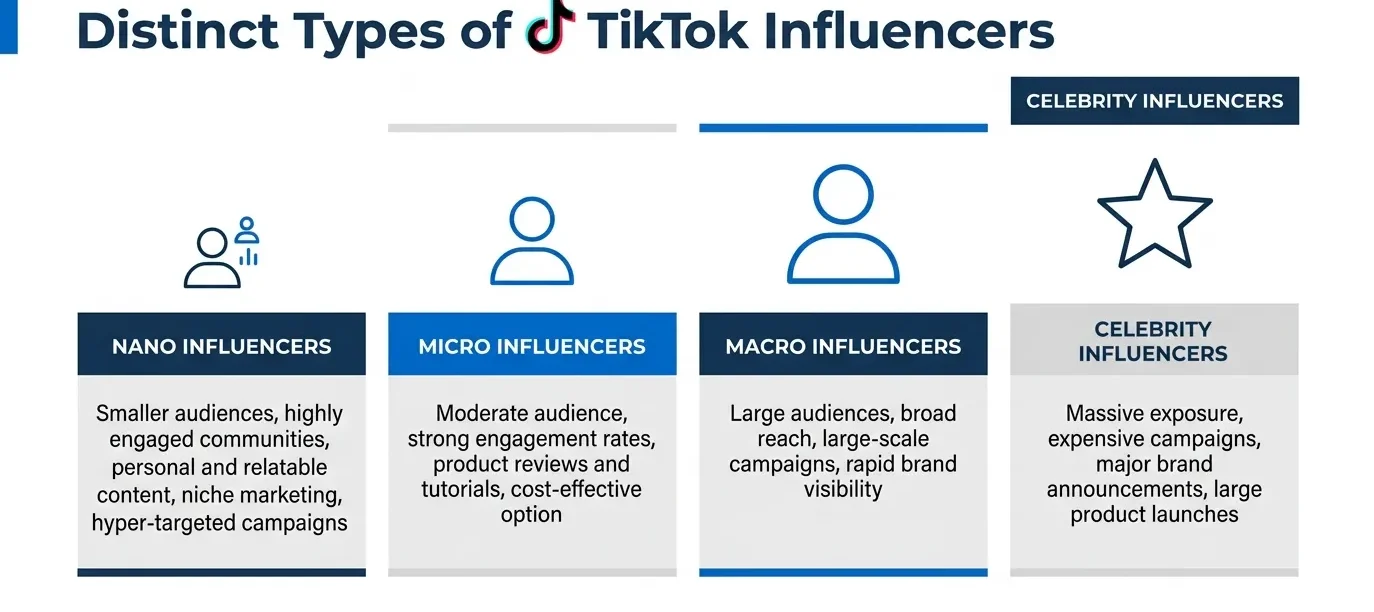
Nano Influencers
Nano influencers typically have smaller followings, often under 10,000, but their strength lies in how closely connected they are to their audience.
Their content tends to feel informal and personal. It often reflects everyday experiences rather than polished production. This makes their recommendations easier to trust, especially within tight-knit communities.
Brands work with nano influencers when they want:
- Highly targeted reach within specific interests or local communities
- Strong engagement through comments, replies, and shares
- Content that feels organic rather than campaign-driven
In Singapore, nano influencers are particularly effective for neighbourhood businesses, niche products, and early-stage brand awareness where credibility matters more than scale.
Micro Influencers
Micro influencers usually have between 10,000 and 100,000 followers. They strike a balance between reach and engagement, which is why many brands prioritise them in TikTok campaigns.
Their content is often more structured than that of nano influencers, but still maintains a relatable tone. They are commonly trusted for product reviews, tutorials, and lifestyle integrations.
Brands rely on micro influencers for:
- Consistent engagement across posts
- Clear storytelling that demonstrates product use
- Scalable campaigns by working with multiple creators
In many cases, micro influencers form the core of a campaign strategy. They provide enough reach to make an impact while maintaining the authenticity needed to influence decisions.
Macro Influencers
Macro influencers typically have large audiences, often exceeding 100,000 followers. Their content is more polished, and their reach allows brands to gain visibility quickly.
They are often used when the goal is to amplify a message to a broader audience quickly. Brands collaborate with macro influencers for:
- Product launches that require immediate attention
- Campaigns designed to reach diverse audience segments
- Increasing brand visibility at scale
While engagement rates may be lower than those of smaller creators, macro influencers are valuable for generating momentum and awareness.
Celebrity Influencers
Celebrity influencers include public figures, entertainers, and widely recognised personalities. Their reach extends beyond TikTok, often carrying influence across multiple platforms.
These collaborations are typically reserved for high-impact campaigns due to the cost involved. Brands turn to celebrity influencers when they need:
- Maximum exposure within a short timeframe
- Strong brand association with a recognisable figure
- Visibility for major announcements or flagship products
However, while celebrity campaigns can generate attention, they do not always deliver the same level of engagement or trust as smaller creators.
Choosing the Right Mix for Your Campaign
In practice, many brands in Singapore do not rely on a single tier. Instead, they combine influencers to achieve multiple objectives within a single campaign.
For example:
- Nano and micro influencers build trust and drive engagement
- Macro influencers expand reach and visibility
- Celebrity influencers create initial buzz or reinforce brand positioning
This layered approach allows brands to move audiences from awareness to consideration and, ultimately, to action.
How Brands in Singapore Use TikTok Influencer Marketing Strategically
In Singapore, TikTok influencer marketing is rarely treated as a standalone tactic. Brands tend to integrate it into broader campaigns, aligning content with product launches, seasonal promotions, and always-on engagement strategies.
The focus is not just on reach, but on how content moves audiences from awareness to action within a short window. What stands out is the emphasis on relevance. Singapore’s audience is highly digital, fast-moving, and trend-responsive, so brands need to balance speed with intent.
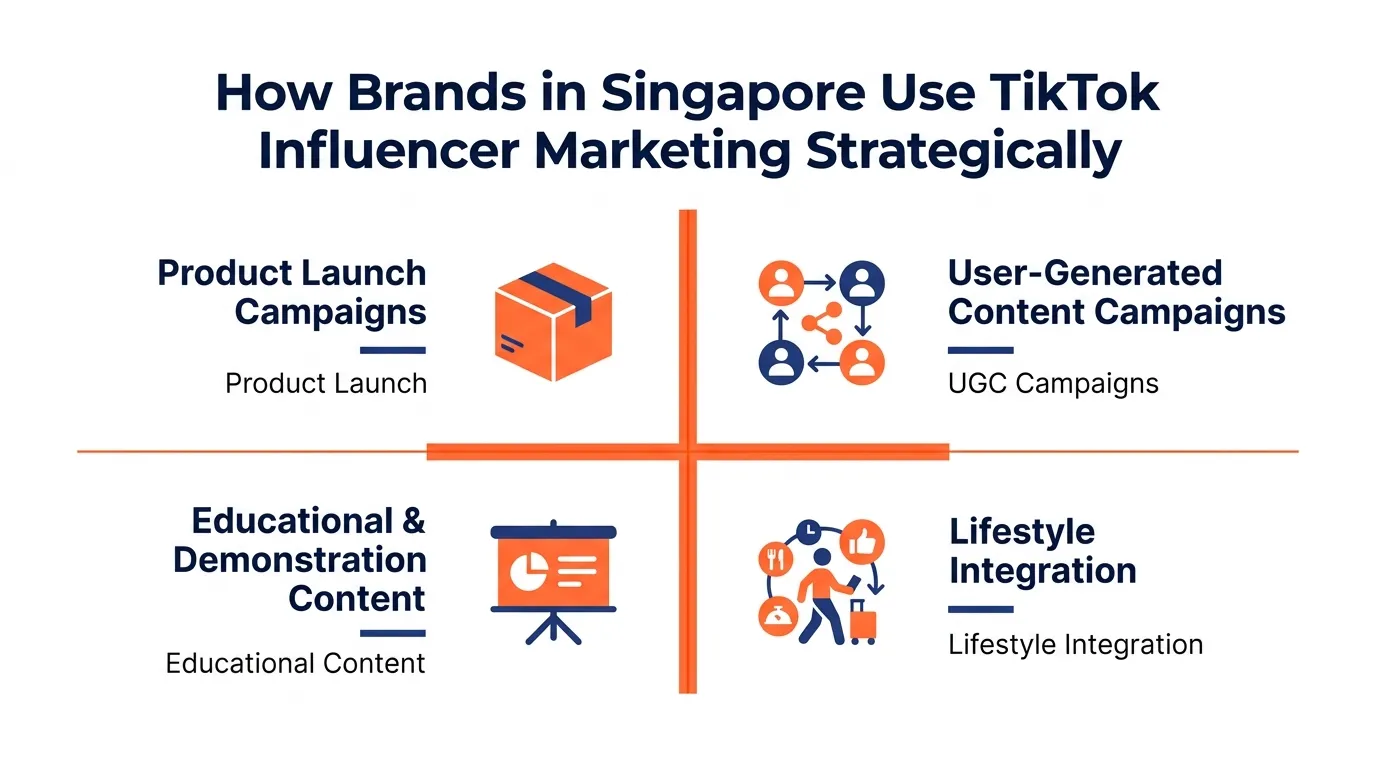
The following approaches are commonly used to make TikTok influencer marketing more structured and effective:
Product Launch Campaigns That Build Momentum Early
For new product launches, brands often bring in influencers before the official launch. This creates a sense of anticipation rather than a single announcement moment.
Influencers might share:
- First impressions or early access previews
- Teaser content that hints at features without revealing everything
- Initial reviews that feel exploratory rather than scripted
This staggered exposure allows audiences to encounter the product multiple times before it becomes widely available. By the time the launch happens, awareness is already in place and interest has been primed.
In Singapore’s competitive market, this early momentum can make a noticeable difference, especially for categories like beauty, food, and tech, where timing and visibility matter.
User-Generated Content Campaigns That Extend Reach
Many brands in Singapore design campaigns that go beyond influencer posts. They encourage participation from the wider audience through challenges, prompts, or trends. Influencers act as the starting point. Their content sets the tone and format, which followers then replicate or adapt. This approach creates:
- A steady stream of user-generated content that expands reach organically
- Multiple interpretations of the same idea, keeping content fresh
- Increased visibility as more users engage with the campaign
The key is simplicity. Campaigns that are easy to join tend to perform better. When done well, the brand becomes part of a broader conversation rather than the sole focus.
Educational and Demonstration Content That Builds Confidence
Singaporean consumers often look for clarity before making decisions. This is where educational content becomes particularly effective.
Influencers use short-form videos to:
- Break down how a product works
- Highlight key features in a practical setting
- Address common questions or concerns
The strength of this format lies in its accessibility. Information is delivered quickly, but in a way that feels easy to follow and grounded in real use.
For products that require explanation, such as skincare, gadgets, or services, this type of content reduces friction. It helps audiences move from curiosity to consideration without leaving the platform.
Lifestyle Integration That Feels Natural
Rather than presenting products as standalone promotions, many campaigns in Singapore focus on integrating them into everyday life.
You might see:
- A fitness influencer using a product as part of a routine
- A food creator incorporates an ingredient into a recipe
- A traveller using a service during a trip
This approach works because it mirrors how people actually use products. It shifts the message from “here is what this does” to “here is how this fits into your life”.
When done well, the product becomes part of the story rather than the centre of attention. That subtle shift often leads to higher engagement because the content feels less like marketing and more like a lived experience.
Bringing It Together in a Local Context
What makes these strategies effective in Singapore is how they are combined. A single campaign might start with teaser content, evolve into influencer-led posts, and then expand through user participation and educational follow-ups.
This layered approach reflects how people consume content on TikTok. They do not engage in a straight line. They encounter, revisit, and reassess before taking action.
Brands that understand this behaviour tend to see stronger results. They treat TikTok influencer marketing not as a one-off push, but as a sequence of interactions that build over time.
TikTok Influencer Marketing Strategies That Work
Strong TikTok campaigns are rarely accidental. They are built on a clear understanding of how the platform behaves, how creators communicate with their audience, and how content earns attention. When these elements are aligned, influencer marketing becomes more predictable and easier to scale.
Below are the strategies that consistently lead to better performance:
Start With the Right Influencer Fit
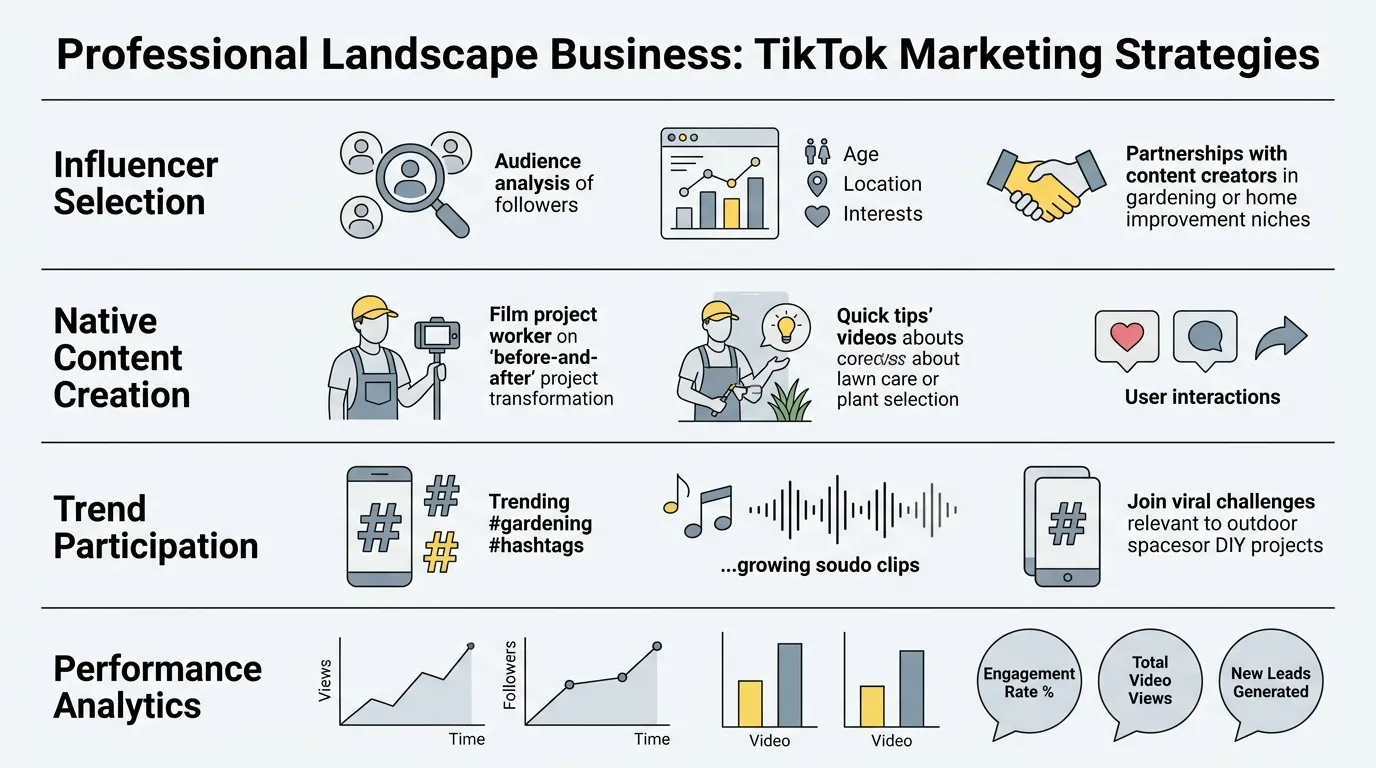
Choosing the right creator is the foundation of any campaign. Reach matters, but alignment matters more. An influencer who speaks directly to your target audience will almost always outperform one with a larger but less relevant following.
When evaluating potential partners, look beyond surface metrics and focus on:
- Audience demographics: Age, location, and interests should match your ideal customer profile
- Engagement rates: Consistent interaction often signals an active and responsive audience
- Content quality and consistency: Regular posting and a clear content style indicate reliability
- Brand compatibility: The influencer’s tone, values, and past collaborations should align with your positioning
It is also worth reviewing how the creator integrates products into their content. Some influencers are skilled at making promotions feel seamless, while others create a noticeable shift in tone when sponsored content appears.
Create Content That Feels Native to TikTok
TikTok rewards content that blends into the feed rather than interrupts it. Users scroll quickly, and anything that feels overly produced or scripted is easy to skip.
This is why creative control matters. Instead of prescribing every detail, brands should:
- Provide clear objectives and key messages
- Share product benefits and positioning
- Allow the influencer to interpret the content in their own style
Creators understand their audience better than anyone else. When they adapt the message to fit their usual format, the result feels more natural and performs better.
You will often find that the most effective content looks simple on the surface. It might be a quick demonstration, a casual review, or a day-in-the-life clip. The strength lies in how well it matches the platform’s tone.
Leverage TikTok Trends and Hashtags Strategically
Trends are a core part of TikTok’s ecosystem. They shape how content is created and how it spreads.
Participating in trends can increase visibility, but timing and relevance are critical. A trend that feels forced or outdated can have the opposite effect. To use trends effectively:
- Monitor trending sounds, formats, and challenges regularly
- Adapt trends to fit your product rather than copying them directly
- Ensure the content still aligns with the influencer’s usual style
Hashtags also play a supporting role. While they do not drive reach on their own, they help categorise content and improve discoverability, especially for users actively searching within a niche.
Use Data to Refine and Improve Performance
TikTok influencer marketing becomes more effective over time when decisions are guided by data rather than assumptions.
Key metrics to track include:
- Video views, which indicate reach and initial interest
- Engagement rates, including likes, comments, shares, and saves
- Click-through rates, which show how many viewers take the next step
- Conversion rates, which reflect actual business outcomes
Looking at these metrics in isolation can be misleading. A video with moderate views but high engagement may be more valuable than one with high reach and low interaction.
Over multiple campaigns, patterns begin to emerge. You may notice which types of content drive the most engagement, which creators deliver consistent results, and which formats lead to conversions.
These insights allow you to refine your approach. Instead of starting from scratch each time, you build on what already works, making each campaign more efficient and more effective than the last.
How to Launch a TikTok Influencer Marketing Campaign in Singapore
Launching a successful TikTok influencer marketing campaign requires more than simply paying a creator to feature a product. Brands that see meaningful results approach influencer collaborations with the same level of planning they apply to other marketing initiatives.
Singapore’s digital audience is highly engaged and quick to recognise content that feels overly promotional or disconnected from platform culture. A well-structured campaign, therefore, combines clear objectives, thoughtful creator selection, and content that feels native to TikTok.
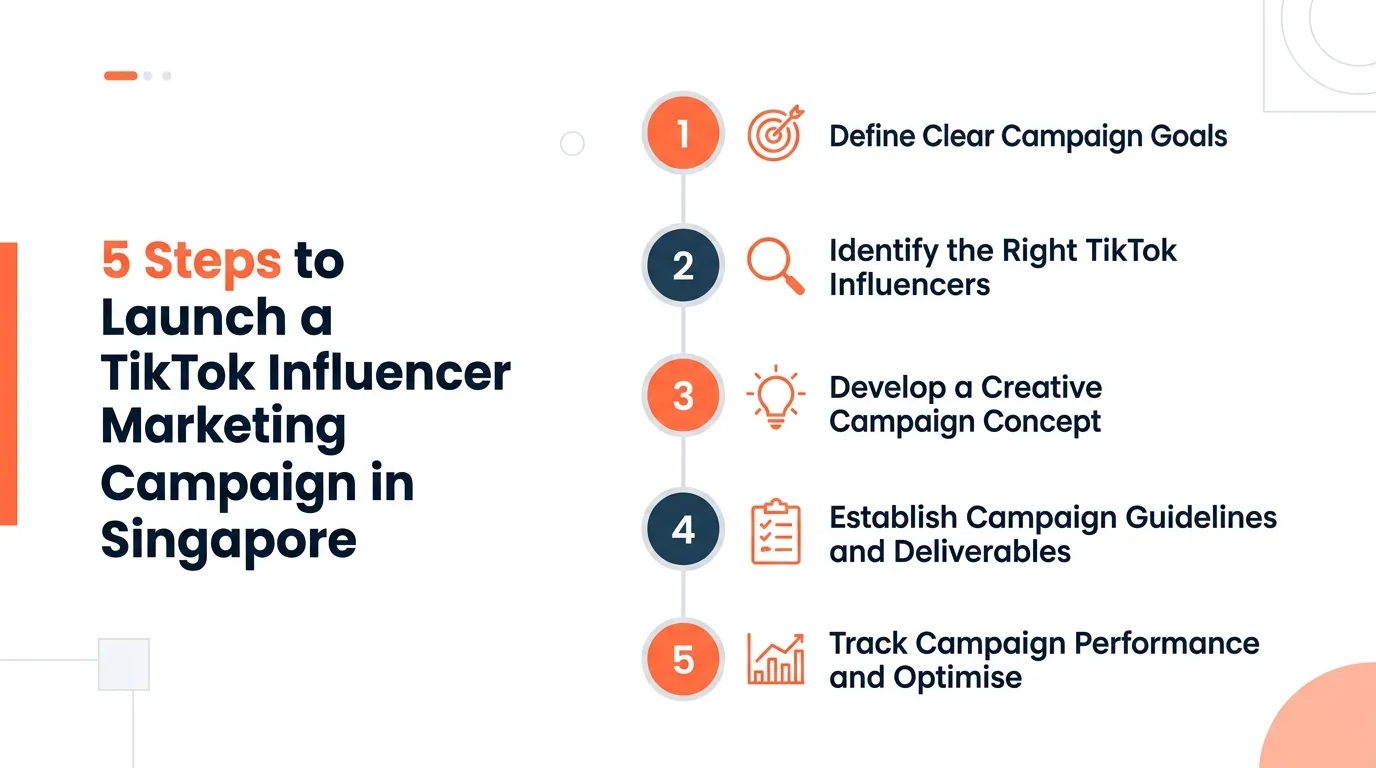
The following framework outlines how brands can design and execute an effective TikTok influencer marketing campaign in Singapore:
Step 1: Define Clear Campaign Goals
Every campaign should begin with a clear understanding of what success looks like. Without defined objectives, it becomes difficult to evaluate whether influencer collaborations are delivering meaningful business value.
Different brands use TikTok influencer marketing to achieve different outcomes. Common campaign goals include:
- Brand awareness: Introducing a new brand or product to a wider audience
- Engagement: Encouraging viewers to interact through likes, comments, and shares
- Product education: Demonstrating how a product works or highlighting its benefits
- Traffic generation: Driving viewers to a website, landing page, or TikTok Shop
- Sales and conversions: Encouraging direct purchases through social commerce features
A beauty brand launching a new skincare product may prioritise product demonstrations and reviews. A food and beverage company may focus on viral challenges that encourage user participation. A technology brand might collaborate with creators who specialise in tutorials and product comparisons.
Clarifying the primary goal early helps guide every decision that follows, including influencer selection, creative direction, and campaign metrics.
Step 2: Identify the Right TikTok Influencers
The success of a TikTok influencer marketing campaign often depends on selecting creators whose audiences align closely with the brand’s target market. A large follower count can be helpful, but relevance and engagement are usually more important.
When evaluating potential influencers, brands should consider several factors.
- Audience alignment: The creator’s followers should reflect the brand’s intended customer demographic. In Singapore, this might include age group, language preferences, or lifestyle interests.
- Engagement quality: Strong engagement indicates that followers actively respond to the creator’s content. Look beyond total views and examine comment quality, interaction rates, and audience discussions.
- Content style and tone: Creators should naturally produce content that aligns with the brand’s message. For example:
- Food creators are well-suited for restaurant promotions or packaged food products
- Beauty creators often perform well for skincare or cosmetics launches
- Lifestyle creators may integrate products into everyday routines
- Credibility and authenticity: Audiences quickly notice when influencer partnerships feel forced. Choosing creators who genuinely use or appreciate the product often leads to stronger results.
Brands in Singapore typically discover influencers through several channels:
- Creator marketplaces and influencer discovery platforms
- Social media research using hashtags and trending topics
- Recommendations from marketing agencies specialising in TikTok influencer marketing
Step 3: Develop a Creative Campaign Concept
Once the right creators are identified, the next step is designing content that resonates with TikTok audiences. Campaign concepts should feel natural to the platform while still communicating the brand’s key message.
TikTok content tends to perform well when it combines entertainment with storytelling. Instead of presenting a product as a straightforward advertisement, creators often integrate it into a narrative or a relatable moment.
Effective campaign concepts may include:
- Product demonstrations: Creators show how the product works or highlight features in a practical context.
- Lifestyle storytelling: Products are integrated into everyday activities such as cooking, travelling, exercising, or getting ready for work.
- Trend participation: Brands can collaborate with creators to adapt trending sounds, formats, or challenges to feature their product.
- Before-and-after transformations: This format works particularly well for beauty, fashion, home improvement, and fitness products.
It is important to allow creators some degree of creative freedom. Influencers understand their audience’s expectations and typically know which formats will feel authentic on their channel.
Step 4: Establish Campaign Guidelines and Deliverables
Although creators should retain creative flexibility, brands still need to provide clear campaign guidelines. Well-defined expectations help avoid confusion and ensure that the final content aligns with campaign objectives.
Key elements of campaign planning often include:
Content deliverables
- Number of videos to be produced
- Video length or format requirements
- Inclusion of product demonstrations or key messages
Posting schedule
- Publication timeline
- Coordination with product launches or promotional events
Brand messaging
- Core points the creator should communicate
- Required brand mentions or product highlights
Disclosure requirements
Influencer collaborations should comply with advertising transparency guidelines. Creators typically disclose paid partnerships through hashtags or platform tools. Clear communication at this stage helps both the brand and the creator maintain a smooth working relationship throughout the campaign.
Step 5: Track Campaign Performance and Optimise
After the campaign goes live, brands should closely monitor performance data. Measuring results provides valuable insights into how audiences respond to influencer collaborations.
Several metrics are commonly used to evaluate TikTok influencer marketing campaigns.
Visibility metrics
- Video views
- Reach and impressions
Engagement indicators
- Likes, comments, and shares
- Audience interaction within comment sections
Traffic and conversion data
- Click-through rates to external links
- Sales generated through TikTok Shop or promotional codes
Performance analysis helps identify patterns that can inform future campaigns. For example, brands may discover that tutorial-style content generates more engagement than simple product mentions. They may also find that smaller niche influencers deliver stronger conversions than larger creators.
Over time, this data allows marketers to refine their influencer strategy and allocate budgets more effectively.
Why TikTok Influencer Marketing Is Now Essential for Brand Growth
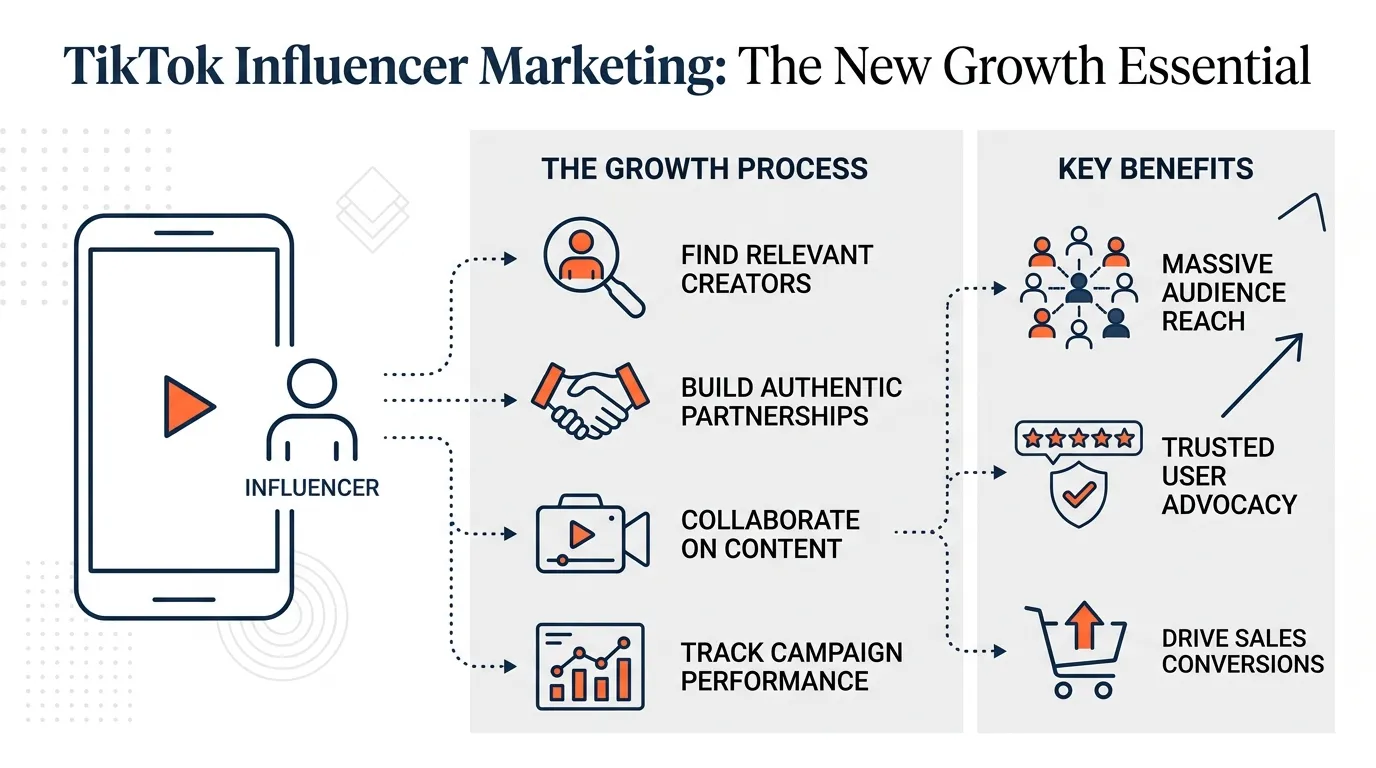
Consumer attention has shifted toward short-form video and creator-led content. In Singapore, TikTok plays a central role in how people discover new brands, evaluate products, and decide what to buy.
Influencers shape these conversations by introducing products in ways that feel personal, relatable, and grounded in everyday experiences. For brands, this creates an opportunity to build visibility and credibility simultaneously.
Effective campaigns require more than selecting a popular creator. Brands need clear goals, the right influencer partnerships, and content that aligns with TikTok’s culture and audience expectations. A structured approach helps ensure that influencer collaborations support broader marketing objectives such as brand awareness, engagement, and conversion.
For companies looking to approach this strategically, working with an experienced partner can simplify the process. MediaOne supports brands that want to develop a structured creator strategy, identify the right influencers, and manage campaigns from planning to performance analysis.
Businesses seeking a TikTok influencer marketing agency in Singapore can speak with the MediaOne team to explore how creator collaborations can support long-term growth. If you are evaluating how creator partnerships fit into your digital strategy, consider discussing your goals with MediaOne.
A focused conversation can help clarify where TikTok Influencer Marketing can contribute to measurable brand growth and how it can integrate with your wider marketing efforts. For more information, contact MediaOne to start the discussion.
Frequently Asked Questions
How much does TikTok influencer marketing cost?
The cost of TikTok influencer marketing varies widely depending on the creator’s audience size, engagement rate, and campaign requirements. Nano influencers may charge relatively small fees, while macro influencers and celebrities can command much higher rates.
Pricing can also increase when campaigns involve multiple posts, exclusivity agreements, or content licensing. Factors such as niche expertise and location also influence influencer pricing.
Is TikTok influencer marketing suitable for small businesses?
TikTok influencer marketing can work well for small businesses because the platform rewards engaging content rather than follower size alone. Even creators with smaller audiences can generate strong reach if their videos resonate with viewers. Many small brands collaborate with micro- or nano-influencers to build credibility within specific communities. This approach allows businesses to test campaigns without large marketing budgets.
How do brands measure ROI from TikTok influencer marketing?
Brands usually evaluate TikTok influencer marketing campaigns using a combination of visibility, engagement, and conversion metrics. These include video views, likes, comments, shares, and click-through rates to websites or product pages. Some campaigns also track sales through promotional codes or TikTok Shop integrations. Analysing these metrics helps marketers determine which creators and content formats generate the strongest results.
How long does it take to see results from TikTok influencer marketing?
Results from TikTok influencer marketing can appear quickly because the platform’s algorithm can amplify engaging videos within hours of posting. However, meaningful brand impact usually develops over multiple campaigns rather than a single collaboration.

Consistent influencer partnerships help build familiarity and trust with audiences. Brands often review campaign performance over several weeks to evaluate overall effectiveness.
What industries benefit most from TikTok influencer marketing?
Several industries perform particularly well with TikTok influencer marketing because they lend themselves to visual storytelling. Beauty, fashion, food, lifestyle, and consumer technology brands often see strong engagement on the platform. These industries benefit from demonstrations, tutorials, and lifestyle integrations that creators can easily incorporate into short-form video content.
As TikTok adoption grows, more sectors are experimenting with creator collaborations to reach younger audiences.