
Imagine discovering a product while scrolling through your favourite social media feed, then tapping to buy it instantly. That’s the convenience and appeal of social ecommerce: where browsing and buying merge into one seamless experience. According to a 2025 market analysis, the global social commerce market is estimated to reach around USD 1.63 trillion this year.

The appeal is clear: social media platforms are no longer just for connecting and entertainment. Right now, businesses have a unique opportunity to reach customers directly where they spend most of their online time, turning casual browsing into actual purchases.
Key Takeaways
- Social ecommerce integrates shopping directly into social media platforms, making discovery and purchase seamless.
- Shoppable posts, live selling and in-app checkout reduce friction and increase impulse purchases.
- Influencers, brand ambassadors and user-generated content build trust and social proof, encouraging conversions.
- Targeted advertising and analytics help businesses reach the right audience and optimise campaigns effectively.
What is Social Ecommerce?
Social ecommerce is the integration of shopping directly within social media platforms, allowing users to discover, browse and purchase products without leaving their favourite apps. Unlike traditional ecommerce, which typically relies on websites or online stores, social ecommerce transforms platforms like Instagram, Facebook, TikTok and Pinterest into full-fledged marketplaces.
The rise of social ecommerce has been driven by the increasing use of mobile devices, the popularity of social media and the demand for seamless, convenient shopping experiences. According to eMarketer, global social commerce sales are projected to surpass $1.2 trillion by 2025, demonstrating the enormous potential for businesses that embrace this model.
For brands, social ecommerce is not just a sales channel—it is also a tool for building engagement, fostering brand loyalty and gaining insights into consumer behaviour. By merging social interaction with shopping, businesses can create experiences that feel personalised, interactive and highly shareable.
How Social Ecommerce Works
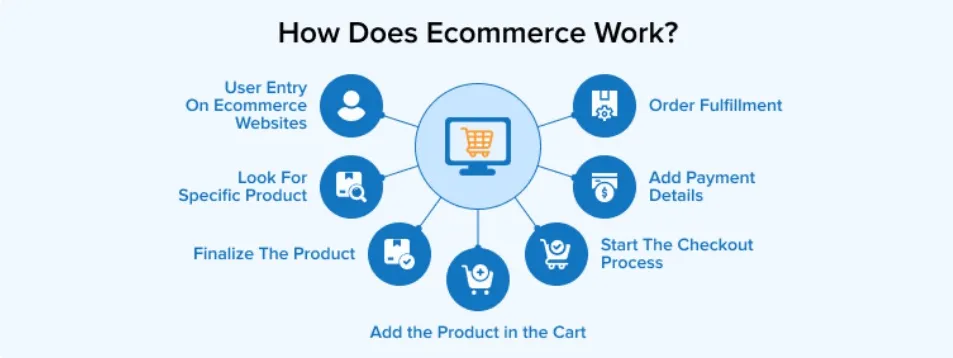
Image Credit: Orange Cornersss
Social ecommerce works by embedding shopping experiences directly within social media platforms, turning these apps into interactive marketplaces. Instead of driving users to external websites, businesses can showcase, promote and sell products where consumers already spend much of their time.
This seamless integration combines social interaction, entertainment and commerce into one unified experience, making shopping more convenient and engaging.
- Shoppable Posts and Stories: Shoppable posts and stories let brands tag products in images or short videos, so users can tap to view details and make purchases instantly. For example, a fashion brand might post a carousel of outfits with a “Buy Now” button, letting users explore variations and sizes without leaving the app. This reduces friction, shortens the sales cycle and encourages impulse purchases.
- Live Selling: Live commerce lets brands and influencers demonstrate products in real time, engage with viewers and answer questions instantly. Limited-time offers, or exclusive product drops during a live session, create urgency and excitement, often resulting in higher conversion rates. Live selling also builds trust by creating a personal connection between the brand and consumers.
- Integrated Checkout: Many platforms now offer in-app checkout, allowing users to complete purchases without leaving the social media environment. Features like saved payment information, one-click purchasing and mobile wallet support minimise friction, reduce cart abandonment and deliver a convenient, fast shopping experience.
- Influencer and User-Generated Content: Influencers and user-generated content (UGC) are essential for building trust in social ecommerce. Influencers present products to highly engaged audiences. Meanwhile, user-generated content, such as customer photos, reviews and unboxing videos, provides social proof that encourages others to make a purchase. Encouraging customers to share their experiences amplifies reach, strengthens credibility and attracts new audiences.
- Targeted Advertising: Social platforms offer sophisticated tools to personalise advertising based on demographics, interests, behaviour and engagement history. Retargeting users who have interacted with your content, or using dynamic product ads, maximises ROI. Analytics provide insights into sales, engagement and conversions, enabling businesses to optimise campaigns continuously.
- A Seamless Shopping Journey: Shoppable posts, live selling, integrated checkout, influencer content and targeted advertising work together to create a smooth, interactive shopping experience in social ecommerce. Customers can discover products, interact with content and complete purchases all within the same platform. This convenience boosts engagement, repeat purchases and overall sales, turning social media followers into loyal shoppers.
6 Key Strategies for Social Ecommerce Success
To succeed in social ecommerce, businesses need to implement strategies that go beyond simply listing products online. The most effective approaches combine engaging content, seamless user experience and data-driven optimisation to maximise conversions and build long-term customer loyalty.
1. Leverage Influencers and Brand Ambassadors
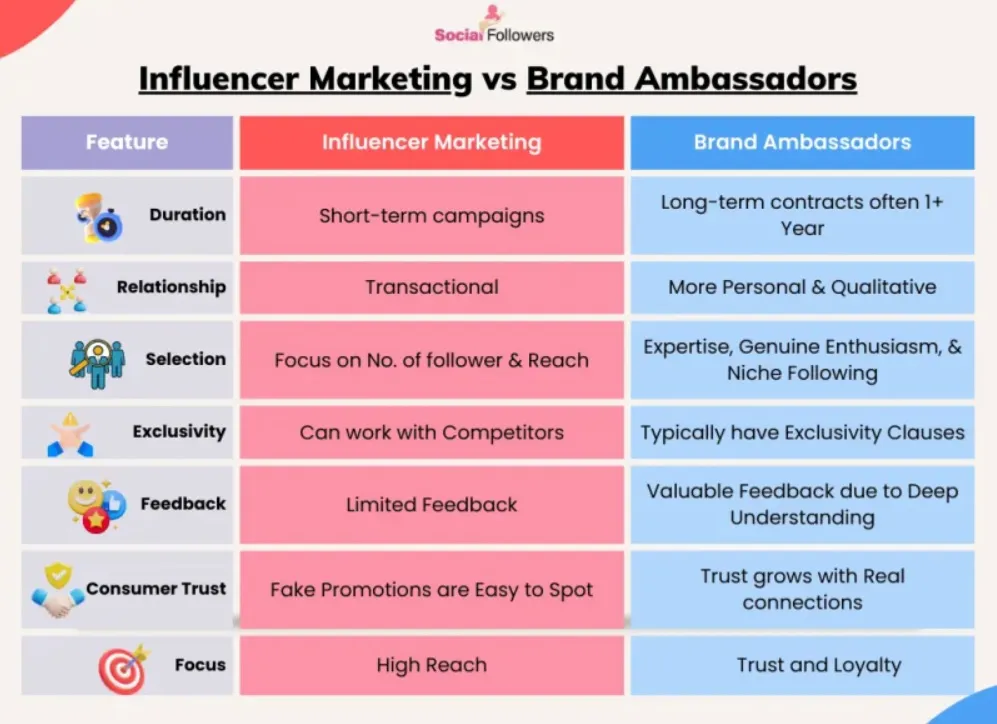
Image Credit: Social Followers
Collaborating with influencers and brand ambassadors whose audience aligns with your target market is a cornerstone of social ecommerce success. Influencers can introduce your products to highly engaged followers, lending credibility and trust that traditional advertising often lacks.
There are several types of influencers you can work with:
- Mega-Influencers: Celebrities or public figures with millions of followers; high reach but usually costly.
- Macro-Influencers: Individuals with 100,000–1 million followers; good for wide visibility and brand awareness.
- Micro-Influencers: Creators with 10,000–100,000 followers; highly engaged audiences and more affordable.
- Nano-Influencers: Small creators with under 10,000 followers; very niche, highly trusted and strong engagement.
Brand ambassadors, meanwhile, are long-term partners who consistently promote your products and help build a loyal community around your brand. Micro- and nano-influencers, in particular, can drive meaningful engagement at a lower cost than celebrity endorsements, making them highly effective for social ecommerce campaigns.
2. Optimise Product Listings for Each Platform

Image Credit: Tech Crunch
Each social media platform has its own best practices, audience expectations and content formats. For example, Instagram prioritises high-quality visuals and short captions, TikTok rewards entertaining short videos and Pinterest favours aspirational imagery with detailed descriptions. To optimise product listings effectively:
- Use high-resolution images and videos that highlight product features.
- Write clear, engaging descriptions that include the product’s benefits.
- Use relevant hashtags and tags to improve discoverability.
- Tailor content to match the platform’s tone and user behaviour.
Optimised listings make it easier for users to engage with your products and encourage them to purchase directly on the platform.
3. Utilise Live Commerce

Image Credit: Pandaily
Live commerce combines entertainment and real-time shopping, creating an interactive experience that drives urgency and excitement. Brands can demonstrate product features, answer questions instantly and showcase multiple items in one session. According to Statista, live commerce sales in China exceeded $300 billion in 2024, underscoring its growing global influence.
Even outside of Asia, platforms like Instagram and TikTok have seen significant adoption, making live commerce a powerful tool for brands looking to connect with audiences personally while boosting conversions.
4. Encourage User-Generated Content

Image Credit: Art Print Issues
User-generated content (UGC) provides authentic social proof that can influence purchasing decisions. Encouraging customers to share photos, videos, reviews, or testimonials can:
- Boost credibility and trust.
- Increase organic reach as content is shared across networks.
- Serve as low-cost marketing collateral for future campaigns.
Brands can incentivise UGC through contests, loyalty programmes, or features on their social channels. For example, reposting a customer’s photo on your official page can motivate others to share their experiences, creating a virtuous cycle of engagement and promotion.
5. Implement Data-Driven Advertising
Social ecommerce platforms offer robust analytics that help businesses refine their advertising strategies. Using data-driven insights helps to:
- Identify high-performing products and content.
- Target audiences with precision based on demographics, interests and behaviour.
- Track conversions, sales and engagement to measure ROI.
Techniques such as retargeting ads for users who have previously engaged with your content or dynamic product ads that show relevant products based on browsing history can significantly increase conversion rates. Constantly testing and optimising campaigns ensures that your advertising spend is effective and efficient.
6. Ensure Seamless Checkout and Customer Experience
A smooth purchasing process is critical for converting interest into sales. Social ecommerce platforms increasingly offer in-app checkout options, reducing friction and cart abandonment. Additional measures to improve the customer experience include:
- Responsive customer support through chatbots or messaging features.
- Clear return and shipping policies.
- Fast-loading product pages and mobile-optimised content.
Providing a seamless and enjoyable shopping experience increases the likelihood of repeat purchases, strengthens brand loyalty and encourages customers to recommend your products to others.
Tools & Technologies for Social Ecommerce
To implement a successful social ecommerce strategy, businesses need the right tools and technologies. These platforms help manage social content, track performance, engage audiences and simplify the shopping experience. The table below highlights the key tools you can use to streamline your campaigns and drive better results.
| Category | Tools / Platforms | How It Helps in Social Ecommerce |
| Social Media Management | Hootsuite, Buffer, Sprout Social | Schedule posts, monitor engagement, manage multiple platforms from one dashboard. |
| Shoppable Platforms | Instagram Shops, Facebook Marketplace, TikTok Shopping, Pinterest Shopping | Enable in-app product tagging, catalogue management and integrated checkout. |
| Analytics & Reporting | Google Analytics, Facebook Insights, TikTok Analytics | Track user behaviour, conversions, ROI and campaign performance to optimise strategies. |
| Advertising & Retargeting | Facebook Ads Manager, TikTok Ads, Google Ads, AdRoll | Create targeted and dynamic ads, retarget audiences and increase conversions efficiently. |
| Influencer Marketing | AspireIQ, Upfluence, Traackr | Identify, manage and collaborate with influencers who can promote products authentically. |
| Customer Support & Chatbots | ManyChat, Zendesk, Tidio | Provide instant support, answer queries and guide customers through the purchase process. |
| AI & Personalisation Tools | Recom.ai, Nosto, Dynamic Yield | Offer personalised product recommendations and automated content targeting to enhance user experience. |
| Content Creation Tools | Canva, Adobe Express, CapCut | Design engaging visuals, videos and social media content that drives interaction and conversions. |
Additional Tips for Social Ecommerce Success
Want to give your social ecommerce strategy an extra edge? Here are some additional tips that go beyond the basics to help you engage your audience, boost sales stand out from the competition:
- Leverage Social Proof Beyond Reviews: Showcase follower counts, badges, or “trending now” labels to encourage purchases.
- Time Your Posts Strategically: Post when your audience is most active to increase visibility and engagement.
- Experiment with Interactive Features: Use polls, quizzes AR filters to engage users while subtly promoting products.
- Bundle Products or Offer Exclusive Deals: Encourage larger purchases with limited-time bundles or social-only discounts.
- Highlight Sustainability or Brand Values: Show your brand story, eco-friendly practices, or charitable initiatives to connect emotionally.
These additional tips can help you stand out in a crowded social media landscape, create stronger connections with your audience and ultimately, attract more sales.
Turn Scrolling Prospects into Real Customers
Think about the last time you saw a product on Instagram or TikTok and bought it right then and there without leaving the app. That’s precisely what social ecommerce makes possible: a seamless way to discover, explore and purchase products in the flow of everyday social media use.
Each method builds authenticity and trust, encouraging customers to connect with the brand and make purchases. The result? Customers feel more confident, engaged and even excited about their purchases, while brands can turn casual followers into loyal buyers.
Social ecommerce lets you meet your audience where they already are and create experiences they’ll come back to again and again.
Ready to take your social ecommerce strategy to the next level? MediaOne can help you create campaigns that drive engagement, conversions and long-term growth. Contact us today to start turning your social media followers into loyal customers.
Frequently Asked Questions
Products that are visually appealing, easy to demonstrate, or have a strong lifestyle element tend to perform well. Examples include fashion, beauty, gadgets and home décor. Impulse-buy items and limited-edition releases also drive high engagement.


Absolutely. Small businesses can start by leveraging organic content, micro-influencers and low-cost paid ads. Using shoppable posts and optimising for engagement can generate sales without a huge marketing budget.
Success can be measured by metrics such as conversion rates, average order value, click-through rates, post engagement rates and return on ad spend (ROAS). Platforms’ native analytics and third-party tools help track these metrics effectively.
Yes, but businesses should consider regional preferences, currency differences, shipping logistics and platform availability. Some platforms, like Instagram and TikTok, support international checkout, making cross-border sales easier.
Many platforms allow syncing of product catalogues between your e-commerce website and social media shop. This ensures inventory is consistent, updates are automatic and customers can purchase seamlessly across multiple channels.