
If you want to drive consistent social media leads while building a lasting brand presence, you should not bet solely on paid ads or only on organic posts. In Singapore’s crowded social-media landscape, you need both.
Paid ads get you quick reach and precision targeting. Organic content builds trust, loyalty, and brand identity over time. When combined, they become a force multiplier for growth and visibility — exactly what a savvy social media marketing agency helps your business achieve.
Key Takeaways
- Combining paid ads with organic content delivers both quick reach and long-term brand trust, boosting social media leads in a sustainable way.
- Use paid ads for fast visibility and organic content for trust-building and nurturing. Together they guide prospects from awareness to conversion.
- Focus paid spend on organic posts that already show high engagement, and continually test and optimise based on cost per lead and conversion rate.
- Prioritise high-value content (lead magnets, case studies, customer stories, educational posts) for better lead quality rather than pure volume.
- Measuring real outcomes (form fills, enquiries, conversions), not just clicks or likes, ensures you focus on leads that are likely to convert long-term.
Why Paid and Organic Together Work Better
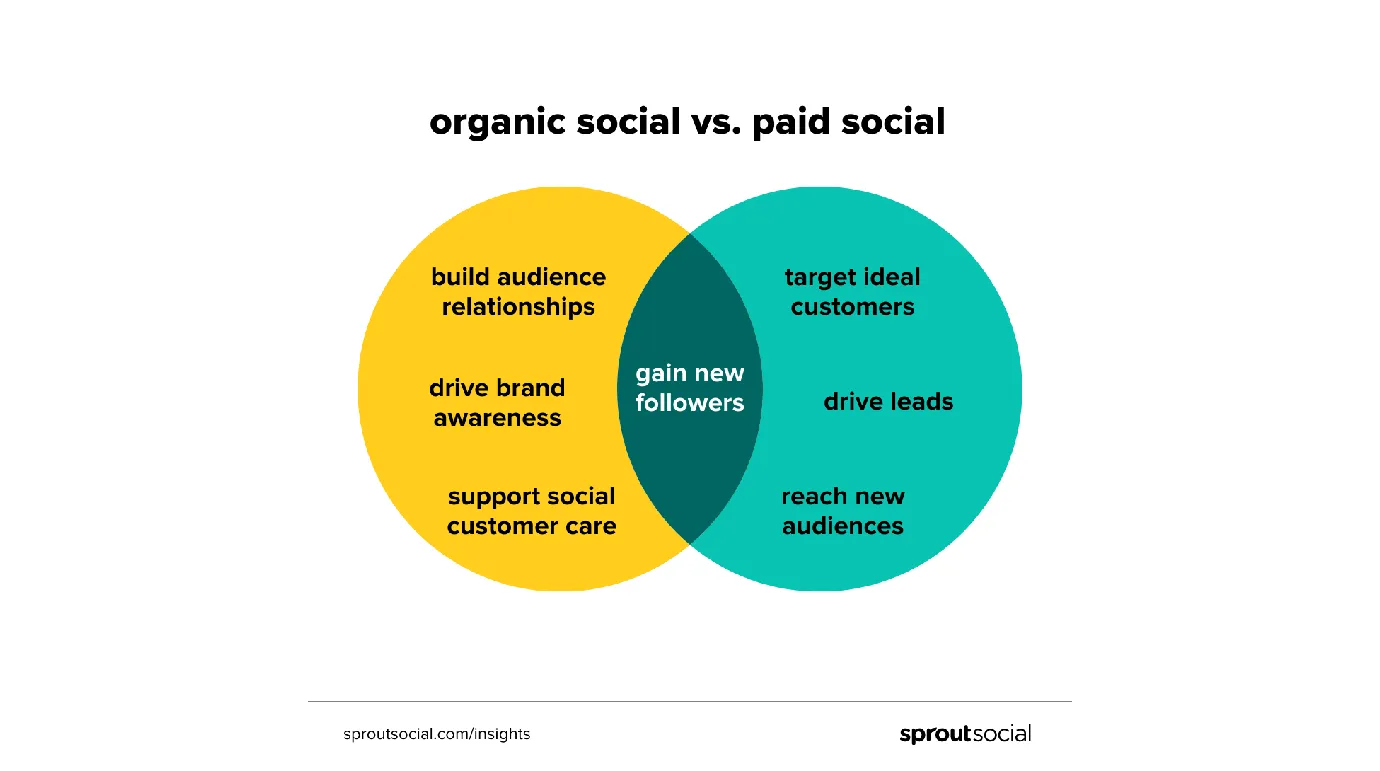
Image Credit: SproutSocial
Paid social and organic content each bring strengths. Paid ads deliver immediate reach — a fast route to eyeballs, clicks, and conversions. Organic content builds familiarity, trust, and brand voice that resonates over time.
Studies show combining both can deliver higher return on investment than relying only on one. If you only run ads without a supportive organic presence, you risk being just another interruptive brand. If you rely only on organic, growth may be slow or unpredictable. The hybrid approach creates both awareness and conversions while maintaining brand integrity and long-term value.
When to Use Paid vs Organic in the Lead Journey
Think of your customer journey as a funnel:
- Awareness: Use paid ads to reach new audiences fast.
- Consideration: Use organic content to educate, build interest, and show value without the hard sell.
- Conversion: Retarget ads to those who engaged with organic content or visited your site.
- Advocacy: Continue organic engagement to turn leads into loyal customers, encourage sharing, referrals, reviews.
Paid ads fast-track visibility; organic posts sustain interest and trust. When timed together, this sequence leads to better lead flow and long-term relationships.
Hybrid Strategy Framework for Singapore SMEs
For many small or medium enterprises in Singapore, budget and resources are limited. This hybrid framework works well since it allows SMEs to:
- Build a strong organic content base that addresses customer questions, showcases value, and builds trust.
- Use paid ads to amplify your best–performing organic content rather than random posts.
- Continuously measure cost per click, cost per lead, engagement and conversions. Use those metrics to optimise spend.
This approach ensures you spend ad dollars wisely– only boosting content that already resonates and gradually build a reliable content pipeline.
What Types of Content Generate High-Quality Leads?
Not every post attracts someone ready to take the next step. If you want social media leads that actually convert into customers, adopt a content marketing strategy that delivers value before you ever ask for anything in return. Here are some examples:
Lead magnets such as checklists, templates or free downloads that solve real problems for your audience
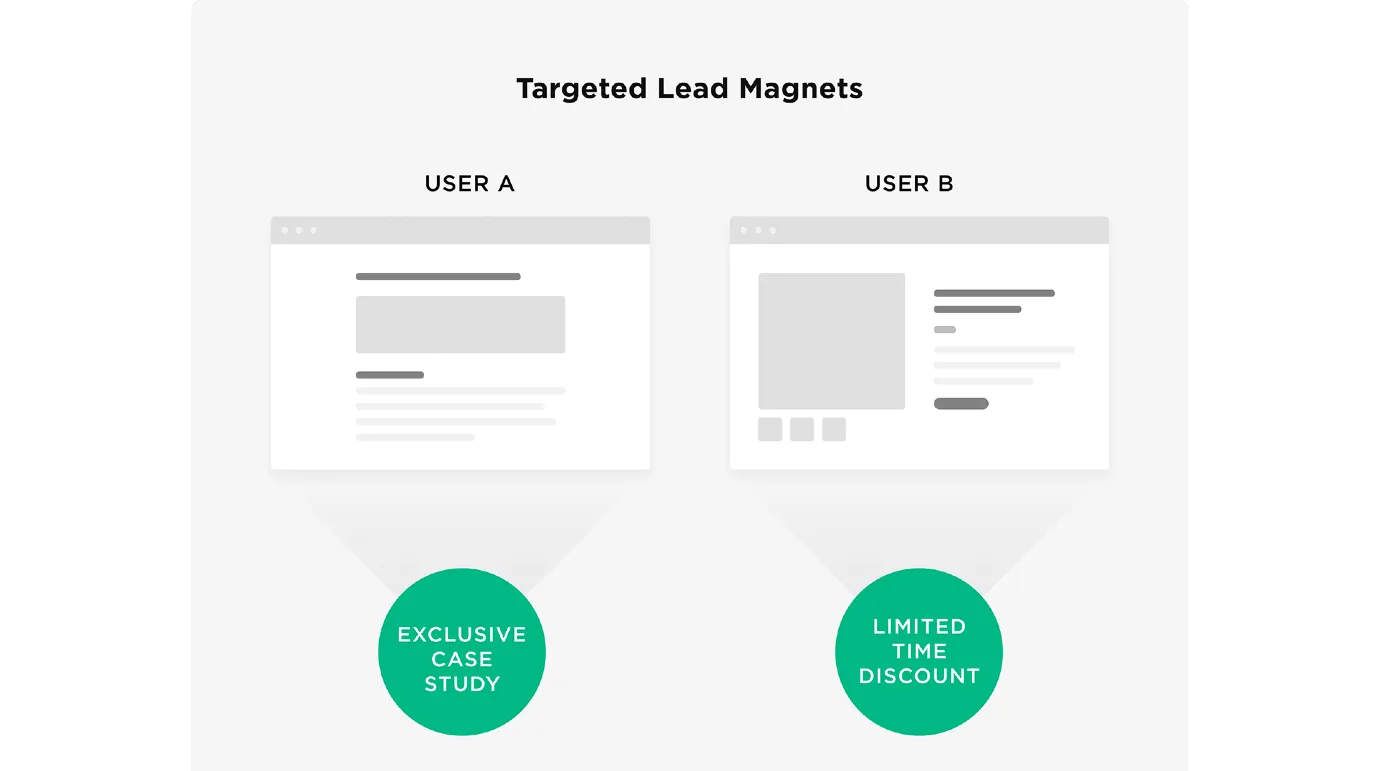
Image Credit: Backlinko
You make it easy for prospects to say yes. Whether it is a free budgeting template for home-owners or a compliance checklist for HR teams, lead magnets attract people who are already problem-aware and interested in a solution. You get contact information. They get immediate value. It is a win for both.

Image Credit: Zapier
People trust businesses that others in their own market trust. When you show how a local brand grew revenue or boosted appointment bookings with your help, prospects can see themselves in the story. It reduces hesitation and builds confidence that your solution works here, not just overseas.
Customer stories or testimonials emphasising outcomes

Image Credit: Sendible
A positive review is useful. A review that shows measurable impact is powerful. If a Singapore retailer says “We drove 50 percent more enquiries in three weeks after working with this company” it feels real and persuasive. Future customers view results like these as evidence that your service is worth the investment.
Educational videos and carousel posts that inform, show value, and build trust
You position your brand as the guide. Short explainer videos, before-and-after visuals, and carousel content showing step-by-step insights help prospects understand how your offer solves their challenges. The more someone learns from you upfront, the more likely they are to engage, enquire, and convert when the time is right.
If you combine these formats with smart retargeting and selective paid amplification, you meet prospects with the right message at the right moment. That is how you turn everyday content into a steady pipeline of quality leads.
Retargeting as the Conversion Engine

Image Credit: Semrush
Retargeting helps turn interest into action. When someone engages with organic content (example: watch a video, comment, share, or visit a website), a retargeted ad reminds them of your value proposition and nudges them to convert. This layered exposure increases the chance that casual engagement turns into real leads. It makes the customer journey more seamless: from discovery to decision.
Recommended Platforms for Singapore Businesses
Each platform serves different needs. Consider this breakdown depending on audience and goals (note: audience demographics and product type matter):
| Purpose / Audience | Suggested Platform(s) |
|
|
|
|
|
|
|
|
This mix of platforms allows you to tailor your content and paid spend to where your ideal customers are most active.
Budgeting Tips for a Hybrid Approach
A hybrid strategy—combining organic content with targeted paid ads—can deliver strong results for SMEs, but it requires smart budgeting to maximise every dollar spent.
Start Small and Build Based on Real Data
For SMEs working with tight budgets, a hybrid approach to generating social media leads works best when you begin with modest spending. Instead of committing to a large campaign upfront, start with small ad budgets and a limited set of creatives.
Test different variants—formats, headlines, visuals, and calls-to-action—to see what resonates with your audience. These small-scale experiments give you early signals without burning through your resources. By focusing on incremental learning rather than large upfront investments, you reduce risk while identifying the most cost-efficient paths to lead generation.
Use Organic Insights to Guide Paid Spend
Before putting money behind ads, study the behaviour of your organic posts. Look at which content pieces earned the highest engagement, longest watch times, or strongest click-through rates.
These are indicators of audience interest—valuable clues that should inform where you allocate paid spend. Boosting well-performing organic posts typically leads to lower cost-per-click and stronger conversion rates because you are amplifying content that has already proven its relevance.
This approach not only strengthens your return on ad spend (ROAS) but also reduces waste by avoiding uninspired or untested creatives.
Allocate More Budget to High-Performing Creatives
Once testing identifies clear winners, gradually scale your ad budget toward those high-performing creatives. Resist the temptation to spread your budget thinly across too many ideas.
Concentrating spend on proven content ensures your limited resources go further, generating stronger, more reliable social media leads. Revisit performance weekly or bi-weekly to keep scaling aligned with real-time data—creative fatigue and shifting audience behaviour can affect results.
Align Spending With Seasonal Demand

Finally, maximise efficiency by aligning ad spend with moments when your audience is naturally more receptive: holiday periods, major promotions, and product launches. Seasonal peaks often result in higher intent and faster conversions, meaning your budget delivers greater impact.
By planning ahead and allocating slightly more during high-demand periods, you amplify lead generation while still keeping overall spending under control.
How to Measure Lead Quality Not Just Lead Volume
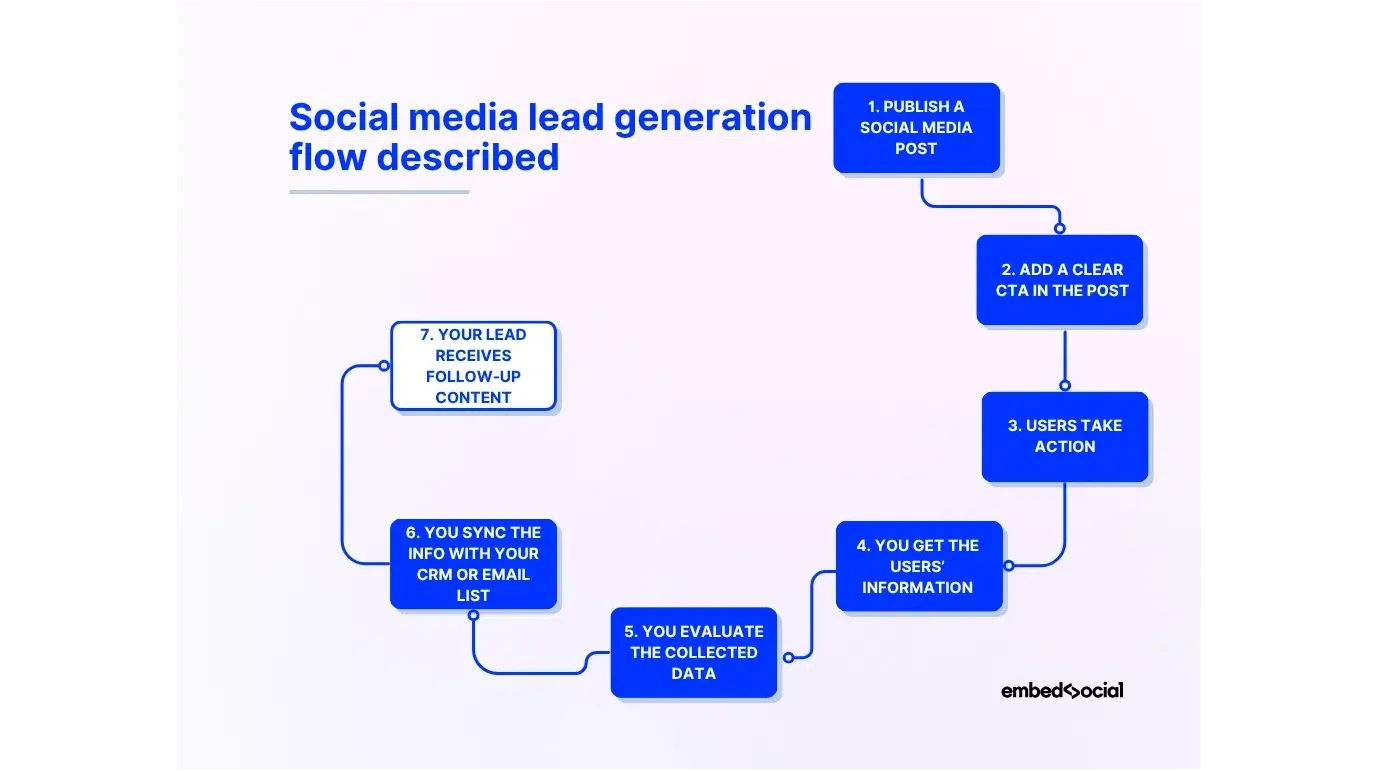
Image credit: EmbedSocial
You can’t scale what you can’t measure—and this is especially true in digital marketing. Many businesses still celebrate vanity metrics like likes, views, or high click volumes, but these metrics do not tell you whether someone is genuinely interested in buying from you.
Lead quality, not just lead volume, is what drives sustainable growth. When you understand which actions signal real purchase intent, you can make better decisions about your content, ad spend, and overall customer acquisition strategy.
Focus on Post-Click Behaviour
The real story begins after the click. It’s easy to generate traffic, but what truly matters is what people do once they arrive on your landing page, website, or chat channel. Do they sign up for your newsletter? Do they request a quote? Do they book a call or complete a purchase? These post-click actions reveal whether your content is attracting the right audience.
If a post or ad generates many clicks but results in zero enquiries or conversions, it’s not helping your business grow. This is a signal to revise your targeting, messaging, or offer. Conversely, even a low-click-volume post that consistently drives enquiries may be far more valuable.
Track Key Conversion Metrics Across Channels
To properly measure lead quality, you need visibility into the full customer journey. Start by tracking essential metrics such as:
- Actions taken after the click – Whether users complete a form, send a WhatsApp message, or add an item to their cart. These micro-conversions reveal intention and help you compare which campaigns attract buyers, not just browsers.
- Conversion rate from social to CRM or website – This metric tells you how effectively your campaigns turn attention into leads your sales team can actually work with. High traffic with low conversion suggests misalignment between content and audience expectations.
Use Lead Scoring to Prioritise High-Intent Prospects
Lead scoring is one of the most effective ways to separate high-quality leads from casual interest. By rating leads based on behaviours—such as watching a full demo, downloading a brochure, or visiting your pricing page—you empower your sales team to focus on prospects more likely to convert.
This helps increase revenue without increasing ad spend, because your team spends time on leads that matter most.
Quality Will Always Beat Quantity
A smaller pool of high-intent leads is almost always more valuable than a long list of low-quality submissions. Low-quality leads drain resources, waste sales time, and reduce morale.
When you track the right signals and prioritise quality, you gain clarity on which social efforts genuinely deserve more budget—and which ones should be refined or cut entirely.
Avoid Common Mistakes in Generating Social Media Leads
There are three costly mistakes that hold back Singapore brands trying to generate social media leads:
- Do not rely only on ads: When you skip brand storytelling and organic engagement, you risk looking like you are just there to sell. Consumers become wary. Organic content builds credibility. Paid ads amplify that credibility.
- Do not sell too early: If every post demands a purchase or a form fill, people tune out. They have not learned why you are different or why you are worth trusting. Give them value first such as tips, insights, or proof of results. Once they believe you can help, they are far more likely to convert.
- Do not post inconsistently: Social platforms reward regular engagement with stronger reach over time. Consistency helps your audience recognise you. It keeps your brand in their consideration set instead of letting competitors steal attention.
When you avoid these pitfalls, your hybrid strategy becomes a predictable, scalable engine for leads instead of a series of one-off wins.
How to Make Social Media Leads Work for You
A hybrid social media strategy (combining paid ads with strong organic content) is not a gamble. It is a proven method to create consistent demand while building brand credibility and trust. When you use paid social to scale visibility and support that with content that educates, engages and builds rapport, you turn casual scrollers into interested prospects, and prospects into actual enquiries.
If you want to unlock the full potential of social media leads for your business, working with a professional team makes the difference. Partner with MediaOne for social media marketing services today.
Contact us now and let’s start aligning your paid and organic strategy, crafting content tailored to your Singapore audience, and tracking real results. Bring clarity, consistency and conversions — so you win not just clicks, but customers.
Frequently Asked Questions
Organic can build engagement over time but is often limited by platform algorithms and reach. Paid social ensures your content reaches target audiences beyond your follower base.
Will paid ads ruin the authenticity that organic content builds?
Not if used strategically. Promote existing organic posts that already resonate. That keeps authenticity while scaling reach.
Start small. Test different creatives with modest ad spend. As you identify which content performs best, increase spend gradually.
Can small Singapore businesses really get good leads this way?
Yes. By combining organic content that builds trust with carefully targeted ads, even SMEs with limited budgets can generate quality leads without overspending.
How often should I review results and optimise campaigns?
Regularly. Monthly or after each campaign is ideal. Use data (CPC, conversion rate, lead quality) to refine your strategy continuously.