
Instagram influencer marketing has become one of the most effective digital marketing channels for brands in Singapore. Businesses across industries are increasingly partnering with creators to reach audiences that trust influencer recommendations more than traditional advertising.
When done correctly, Instagram influencer marketing does more than generate visibility. It helps brands build credibility, connect with targeted communities, and drive measurable sales.
Thankfully, Singapore’s digitally connected population makes the platform especially powerful for brands seeking to reach consumers through social proof and authentic product recommendations. From beauty and fashion to restaurants and tech products, influencers often play a key role in shaping purchase decisions.
For companies looking to implement effective campaigns, working with an experienced Instagram influencer marketing agency in Singapore can simplify influencer selection, campaign strategy, and performance tracking while helping ensure campaigns produce measurable results.
Key Takeaways
- Instagram influencer marketing allows brands in Singapore to reach targeted audiences through trusted creators who influence purchasing decisions.
- Choosing the right influencers requires analysing audience demographics, engagement rates, and brand alignment rather than focusing only on follower counts.
- Successful campaigns combine clear objectives, authentic content, and structured partnerships such as affiliate collaborations or ambassador programmes.
- Measuring results through discount codes, affiliate links, and traffic analytics helps businesses determine whether influencer campaigns generate profitable sales.
What Is Instagram Influencer Marketing and How Does It Work?
Instagram influencer marketing is a strategy in which brands collaborate with Instagram creators to promote products or services to their audiences. These creators have built credibility within specific niches, allowing them to influence purchasing behaviour through trusted recommendations.
How Influencer Collaborations Typically Work
Brands usually partner with influencers through sponsored content or long-term collaborations. Influencers introduce products to their followers through authentic storytelling, demonstrations, or lifestyle integration.
Typical campaign steps include:
- Identifying relevant influencers
- Agreeing on content format and campaign objectives
- Publishing promotional posts or videos
- Tracking engagement and sales performance
Common Instagram Influencer Marketing Formats

Instagram offers a range of content formats for brands to work with influencers. Each format serves a slightly different purpose. Some are designed to build awareness, while others are better suited for driving immediate action.
The most effective campaigns usually combine several of these formats rather than relying on just one. Below is a breakdown of the most widely used Instagram influencer marketing formats, along with how they function in practice.
Sponsored Posts for Credible Product Recommendations
Sponsored posts remain one of the most recognisable formats in influencer marketing. These appear as regular posts on an influencer’s feed, but they are created in partnership with a brand.
What makes them effective is how seamlessly they fit into the influencer’s usual content. Instead of feeling like an interruption, the product is often introduced as part of the influencer’s daily routine or personal experience.
A strong sponsored post typically includes:
- A clear but natural product mentioned within the caption
- Visuals that match the influencer’s usual style
- Context on how or why the product is used
When done well, this format builds familiarity and trust over time. It is less about immediate conversion and more about shaping perception.
Instagram Stories for Timely and Interactive Promotion
Instagram Stories are designed for immediacy. They disappear after 24 hours, which creates a sense of urgency that is useful for promotions, launches, or limited-time offers.
Influencers often use Stories to share more casual, behind-the-scenes content. This makes the message feel less polished and more spontaneous.
Key features that enhance engagement include:
- Polls and question stickers that invite audience interaction
- Swipe-up links or link stickers that drive traffic
- Short sequences that tell a quick, cohesive story
Because Stories sit at the top of the app interface, they are highly visible. They also encourage quick actions, making them ideal for direct-response campaigns.
Reels for Discovery and Short-Form Engagement
Reels focus on short-form video content and are heavily supported by Instagram’s discovery algorithm. This means they have strong potential to reach users beyond the influencer’s existing followers.
Brands often use Reels to demonstrate products in action. This could include tutorials, before-and-after transformations, or quick lifestyle integrations. Effective Reels tend to:
- Capture attention within the first few seconds
- Use trends or audio that align with platform behaviour
- Deliver value quickly, whether through education or entertainment
Because Reels are shareable and algorithm-driven, they are particularly useful for expanding reach while still maintaining engagement.
Affiliate Links and Discount Codes for Measurable Conversions
While some formats focus on awareness, affiliate links and discount codes are designed to track performance more directly.
Influencers are given unique links or codes that their audience can use when making a purchase. This allows brands to attribute sales to specific creators and campaigns. This format works best when:
- The influencer has already established trust with their audience
- The offer feels exclusive or time-sensitive
- The call to action is clear but not overly aggressive
It bridges the gap between content and conversion. Engagement does not stop at likes or comments. It extends into measurable business outcomes.
How These Formats Work Together
Each format serves a different role, but the real impact comes from combining them into a cohesive campaign.
For example, a brand might:
- Use a sponsored post to introduce the product
- Reinforce the message through Instagram Stories with a limited-time offer
- Expand reach using Reels that showcase the product in action
- Track conversions through affiliate links or discount codes
This layered approach allows brands to guide the audience from awareness to action in a natural progression.
Instead of relying on a single touchpoint, the campaign builds familiarity through repeated exposure across formats. That consistency is often what turns interest into engagement, and engagement into results.
Why Instagram Influencer Marketing Works Particularly Well in Singapore

Singapore offers a unique environment for brands using Instagram influencer marketing. The country’s highly connected population, strong social media culture, and trust in peer recommendations create favourable conditions for influencer-driven campaigns.
As a result, many businesses use Instagram influencers not only to increase brand awareness but also to generate measurable sales.
High Social Media Adoption
Influencer marketing in Singapore is strongly tied to social proof and authentic recommendations. 72% of Singaporean consumers have made a purchase based on influencer recommendations in the past six months, and Singaporeans are 62% more likely to respond to sponsored influencer content.
Instagram remains especially popular for lifestyle content, product discovery, and visual storytelling. Because users frequently browse the platform for inspiration in fashion, dining, travel, and personal care, brands that use Instagram influencer marketing can reach audiences when they are actively exploring new products and experiences.
Strong Culture of Social Proof
Consumer behaviour in Singapore is strongly influenced by recommendations and peer validation. Before making a purchase, many people check reviews, online discussions, or influencer opinions to evaluate whether a product is worth trying.
Influencers act as relatable voices who share real-life experiences with products, making their recommendations feel more personal and trustworthy than traditional advertisements. This level of trust helps Instagram influencer marketing campaigns generate stronger engagement and higher conversion rates.
Key Industries Using Instagram Influencer Marketing
Several industries in Singapore have achieved strong results by partnering with influencers:
- Beauty and skincare
- Fashion and lifestyle products
- Food and restaurant promotions
- Fitness and wellness brands
- Consumer technology and gadgets
In these sectors, influencers often demonstrate products through tutorials, reviews, or lifestyle content that shows how the product fits into daily routines. This approach helps audiences visualise the benefits more clearly and allows new or emerging brands to reach highly targeted communities that are already interested in their niche.
Choosing the Right Creators for Instagram Influencer Marketing

Selecting the right Instagram creators is one of the most important decisions in any Instagram influencer marketing campaign. A strong partnership can introduce your brand to the right audience and drive meaningful conversions. A poor match, even with a large following, rarely produces results.
Many brands make the mistake of prioritising follower count. In practice, successful campaigns depend far more on audience alignment, trust, and relevance. The goal is not simply to reach more people. The goal is to reach the people most likely to buy.
When evaluating potential collaborators, it helps to understand the different types of influencers and the role each category can play in a campaign.
Understanding the Main Types of Instagram Influencers
Influencers are usually grouped by audience size. Each category offers different advantages depending on your marketing objectives.
Nano influencers (1,000 to 10,000 followers)
Nano influencers often maintain close relationships with their audiences. Their communities are typically niche and highly engaged. Followers tend to treat their recommendations as genuine personal suggestions rather than advertisements.
Brands in specialised sectors such as skincare, boutique fitness, or artisanal food products often benefit from working with nano influencers because their audiences are small but highly relevant.
Micro influencers (10,000 to 100,000 followers)
Micro influencers are widely considered the most effective partners for sales-driven campaigns. They balance strong engagement with meaningful reach.
Because their content tends to feel personal and relatable, followers often view their product recommendations as credible advice. For this reason, many brands see higher conversion rates when using micro influencers in Instagram influencer marketing campaigns.
Macro influencers (100,000 to 1 million followers)
Macro influencers bring significantly larger audiences and stronger brand visibility. They are often professional content creators who invest heavily in production quality and visual storytelling. Brands commonly work with macro influencers when the primary objective is broad exposure, product launches, or national awareness campaigns.
However, larger audiences sometimes lead to lower engagement rates than those of smaller creators.
Celebrity influencers (over 1 million followers)
Celebrity influencers offer the largest reach and strong brand recognition. Their endorsements can create immediate awareness and generate buzz.
That said, celebrity partnerships are typically expensive and may feel less personal to audiences. These collaborations often work best for large campaigns where brand visibility is the main objective.
Why Micro Influencers Often Drive Stronger Conversions
For many Singapore brands, micro influencers provide the most balanced combination of reach, trust, and affordability.
Their audiences tend to see them as approachable and authentic, rather than distant public figures. When they recommend a product, followers often interpret the recommendation as a genuine personal experience.
This dynamic is especially powerful in industries where purchasing decisions rely heavily on trust, such as skincare, wellness, and food.
As a result, micro influencers frequently generate higher engagement rates and stronger purchase intent than larger creators.
Key Factors to Evaluate Before Choosing an Influencer

Choosing the right influencer requires more than scanning follower numbers. Brands should evaluate several key criteria before entering into a collaboration.
1. Audience Demographics and Location
The influencer’s audience should closely match your target market. Important factors to review include:
- Age range of followers
- Gender distribution
- Geographic location
- Interests and lifestyle preferences
For businesses targeting Singapore consumers, it is important to confirm that a significant portion of the influencer’s audience is located in Singapore.
2. Engagement Rate and Comment Quality
Engagement often provides a clearer signal of influence than follower count. Look for creators whose posts regularly receive:
- Meaningful comments
- Genuine discussions with followers
- Consistent interaction across posts
High engagement suggests that the influencer’s audience is paying attention and actively responding to their content.
3. Authenticity of Content
Authenticity plays a central role in successful Instagram influencer marketing. Audiences are quick to recognise content that feels overly scripted or purely promotional.
Review the influencer’s previous posts and ask:
- Do they speak naturally about products?
- Do they share personal experiences or demonstrations?
- Does the content feel aligned with their everyday lifestyle?
Creators who naturally integrate products into their content often produce stronger campaign results.
4. Past Brand Collaborations
Looking at previous collaborations can provide valuable insights into how an influencer works with brands.
Consider whether they have:
- Promoted competing products recently
- Produced thoughtful branded content
- Maintained transparency when posting sponsored content
A consistent history of well-executed partnerships usually indicates professionalism and reliability.
5. Alignment With Brand Values
Finally, consider whether the influencer’s image and messaging align with your brand identity. This includes:
- Their tone of voice
- The themes they regularly discuss
- The type of audience they attract
When the partnership feels natural, audiences are more likely to respond positively.
A Practical Approach to Influencer Selection
Rather than selecting influencers individually, many brands shortlist three to five creators who serve different audience segments. This approach reduces risk and allows brands to compare performance across multiple influencers within the same campaign.
Over time, performance data reveals which creators consistently drive engagement, traffic, and sales. Those creators often become valuable long-term partners.
When chosen carefully, the right influencers can transform Instagram influencer marketing from a simple awareness tactic into a reliable channel for customer acquisition and revenue growth.
Building a High-Converting Instagram Influencer Marketing Strategy

Many brands assume that Instagram influencer marketing is simply about finding a creator with a large following and asking them to promote a product. In practice, campaigns that generate real sales follow a structured strategy. Influencers amplify a message, but the results depend on how well the campaign is planned.
A high-converting Instagram influencer marketing strategy starts with clear objectives, a well-defined audience, and measurable performance indicators. Content should then be designed to move audiences from discovery to purchase.
The sections below outline the core elements that brands should establish before launching any influencer campaign:
Step 1: Define Campaign Objectives First

Before approaching influencers, brands need to clarify what success looks like. Instagram influencer marketing can serve different business goals, and the campaign structure will change depending on the objective.
Common campaign objectives include:
- Increasing product sales for an existing product
- Launching a new product or service
- Expanding brand awareness among a specific audience segment
- Driving website traffic or app downloads
- Building credibility through trusted recommendations
A campaign designed to drive direct sales will look different from one focused on awareness. Sales-driven campaigns often rely on product demonstrations, promotional codes, and strong calls to action. Awareness campaigns, on the other hand, usually prioritise storytelling and reach.
When objectives are clearly defined, it becomes easier to choose the right influencers, content formats, and performance metrics.
Step 2: Identify the Target Audience
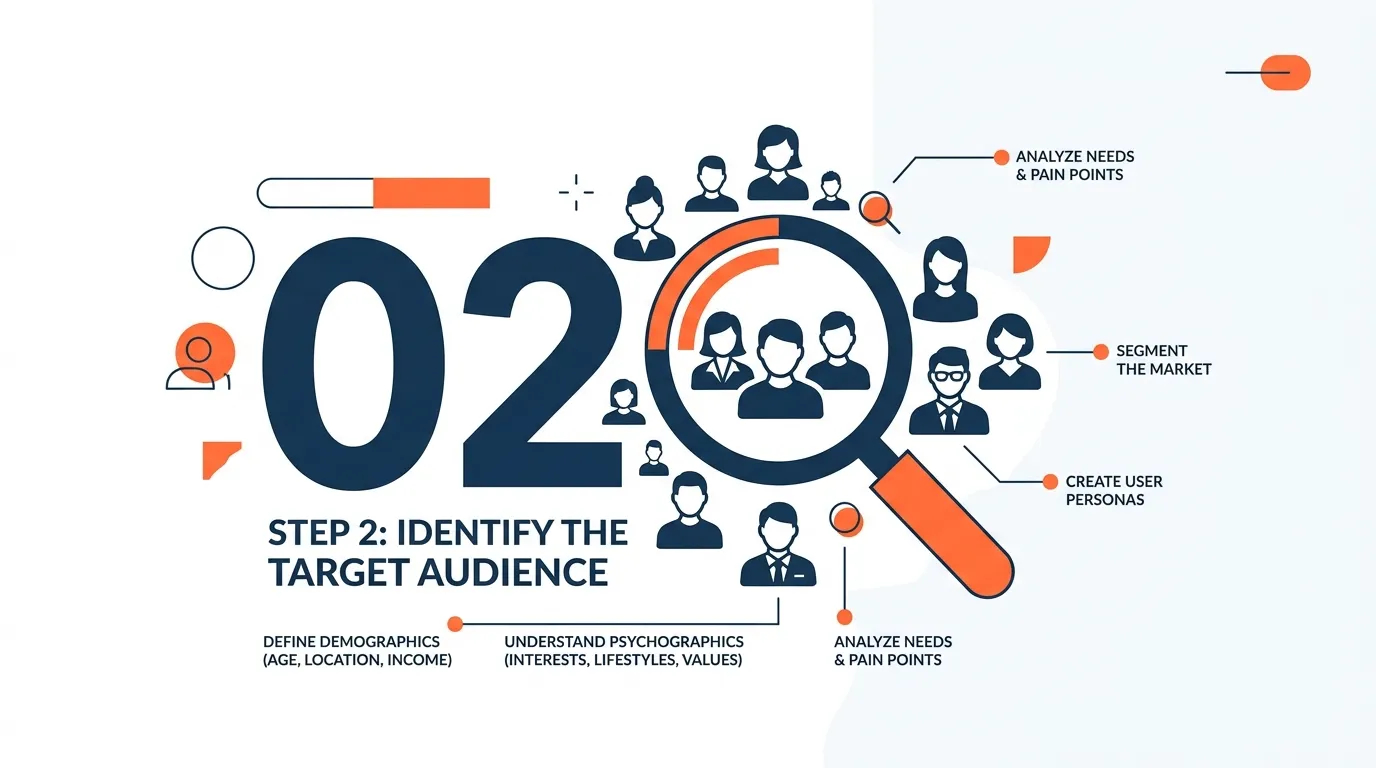
Successful Instagram influencer marketing campaigns start with audience alignment. The goal is not simply to reach a large number of people. It is to reach the right people.
Brands should analyse their ideal customers before selecting influencers. Important audience characteristics include:
- Age group and life stage
- Lifestyle and interests
- Online behaviour and purchasing habits
- Geographic location within Singapore
For example, a fitness brand may prioritise influencers whose followers regularly engage with workout routines, nutrition advice, and wellness content. A restaurant, on the other hand, may benefit more from food bloggers who frequently review dining experiences across Singapore.
The closer the influencer’s audience matches the brand’s customer profile, the more likely the campaign will produce meaningful engagement and conversions.
Step 3: Establish Clear Campaign KPIs

Without measurable indicators, it becomes difficult to determine whether an Instagram influencer marketing campaign is performing well. Brands should establish key performance indicators before the campaign begins.
Typical KPIs include:
- Engagement rate, which measures likes, comments, and interactions
- Reach and impressions, which show how widely the content was distributed
- Click-through rate, which indicates how many users followed links to a website
- Conversion rate, which tracks purchases or sign-ups generated by the campaign
- Revenue generated, particularly when using affiliate links or discount codes
For sales-focused campaigns, conversion rate and revenue are the most important metrics. For awareness campaigns, reach and engagement may provide more useful insights.
Tracking these indicators allows brands to evaluate which influencers, formats, and messaging strategies perform best.

Step 4: Plan Content That Encourages Purchases

Not all influencer content drives sales. Posts that simply display a product often generate awareness but do not necessarily lead to purchases. High-performing Instagram influencer marketing campaigns focus on demonstrating value and showing how the product fits naturally into daily life.
Several content formats tend to perform well:
- Product demonstrations that show how the product works in real situations
- Step-by-step tutorials that explain how to use the product effectively
- Honest reviews that highlight both benefits and real user experiences
- Limited-time offers or discount codes that encourage immediate action
When influencers show how a product solves a problem or improves a routine, audiences can more easily imagine using it themselves. That shift from passive viewing to personal relevance is often what drives purchasing decisions.
Step 5: Create a Cohesive Campaign Experience

Another factor that improves campaign performance is consistency. Instead of relying on a single post, many brands design influencer campaigns that unfold over several pieces of content.
For example, a campaign might include:
- An initial product introduction post
- A follow-up tutorial or demonstration
- A story sequence with a promotional code
- A reminder post near the end of the promotion period
This multi-touch approach reinforces the message and gives audiences several opportunities to engage with the product.
When these elements work together, Instagram influencer marketing becomes more than a promotional tactic. It becomes a structured sales channel that connects brand storytelling with measurable results.
Instagram Influencer Marketing Content Formats That Drive Real Sales
Not every influencer post leads to sales. Some formats are better suited for brand awareness, while others are designed to move audiences closer to a purchase decision. Understanding how different content formats work in Instagram influencer marketing helps brands design campaigns that deliver measurable results rather than just engagement.
In practice, high-performing campaigns usually combine several formats. A Reel might introduce the product. A review post builds credibility. Stories then provide a quick path to purchase. When these pieces work together, audiences move naturally from discovery to consideration and eventually to conversion.
Below are several content formats that consistently perform well when the goal is to drive real sales:
Product Reviews and Demonstrations
Product reviews remain one of the most persuasive formats in Instagram influencer marketing. When influencers share their personal experience with a product, audiences gain practical insight that traditional advertisements rarely offer.
Effective review content often includes:
- A clear explanation of the product’s purpose
- Demonstrations of how it works in real life
- Honest feedback about benefits and limitations
- Before-and-after results were relevant
For example, a skincare influencer might document their routine over several days while testing a new serum. Instead of simply displaying the product, they explain how it fits into their routine and what changes they notice over time. This approach allows followers to imagine how the product could work for them.

Reviews also create valuable long-tail search visibility within Instagram. Users frequently search for product names combined with words such as “review,” “routine,” or “results.” Influencer content that answers these questions becomes a discovery channel long after the original post is published.
Instagram Reels for Product Discovery

Short-form video has become one of Instagram’s primary discovery engines. Reels appear not only to followers but also to users who have never interacted with the brand before. Because of this algorithmic distribution, Reels are particularly effective for expanding reach at the top of the marketing funnel.
In the context of Instagram influencer marketing, Reels work well when they focus on storytelling rather than direct promotion.
Common high-performing Reel formats include:
- “First impressions” videos
- Quick tutorials or hacks
- Before-and-after transformations
- Day-in-the-life product integrations
Imagine a fitness creator demonstrating a short home workout while using a new piece of equipment. The Reel feels like useful content rather than a sales pitch. Viewers who find the routine helpful may explore the caption, visit the brand profile, or click through to the product page.
The key advantage of Reels lies in their ability to generate discovery at scale. A single well-performing video can introduce a product to thousands of potential customers who were previously unaware of the brand.
Instagram Stories for Immediate Action

While Reels and feed posts build awareness, Stories often play a different role in Instagram influencer marketing. They are designed for immediacy. Stories disappear after 24 hours, which encourages viewers to act quickly.
This format is particularly effective for promotions tied to specific actions, such as:
- Limited-time discounts
- Flash sales
- Event announcements
- Product drops
Several built-in features make Stories a powerful conversion tool:
- Link stickers, which send viewers directly to a product page
- Countdown timers, which build anticipation for launches
- Polls and question boxes, which encourage interaction and engagement
For example, an influencer might publish a Reel reviewing a new product earlier in the week. A few days later, they post a Story announcing a limited discount code that expires within 24 hours. The combination of prior credibility and time-sensitive promotion often drives immediate conversions.
Stories may not remain visible for long, but their ability to prompt quick decisions makes them an essential component of many sales-focused campaigns.
Giveaways and Limited-Time Promotions

Giveaways can dramatically increase engagement when structured carefully. Within Instagram influencer marketing, they are often used to introduce a brand to new audiences while encouraging participation.
A typical giveaway requires participants to:
- Follow the brand account
- Follow the influencer
- Tag friends in the comments
- Share the post to their Stories
This process expands reach quickly because participants bring new users into the conversation. However, giveaways alone rarely produce long-term customers. Their real value lies in being paired with a broader campaign.
For instance, an influencer might first run a giveaway to generate attention and attract new followers. After the giveaway ends, they publish a review or tutorial featuring the same product.
Limited-time promotions operate similarly. Discount codes tied to a short window create urgency, motivating followers to purchase before the opportunity disappears.
Examples include:
- Influencer-exclusive promo codes
- Early access to product launches
- Weekend-only discounts
When audiences feel that an offer is temporary and tied to a trusted creator, conversion rates often increase.
Combining Formats for a Stronger Sales Funnel

The most effective Instagram influencer marketing campaigns rarely rely on a single content format. Instead, they guide audiences through several stages of the buying journey.
A common structure looks like this:
- Reels introduce the product to a wide audience.
- Review posts build trust by explaining benefits and real-world use.
- Stories provide the purchase link and highlight limited offers.
This layered approach mirrors how consumers naturally make decisions. They discover a product, learn more about it, and then act once they feel confident in the purchase.
Brands that treat influencer content as a coordinated sequence rather than as isolated posts tend to see stronger, more consistent sales outcomes.
How Singapore Brands Can Structure Instagram Influencer Marketing Campaigns

Not every influencer campaign should look the same. The structure of an Instagram influencer marketing campaign should reflect the brand’s goal, the product lifecycle stage, and the audience the business wants to reach.
Some campaigns are designed to generate immediate sales. Others aim to build credibility or introduce a new product category to consumers. Choosing the right structure allows brands to align influencer activity with clear business outcomes.
Here are several campaign models commonly used by Singapore brands, along with guidance on when each structure works best:
One-Off Sponsored Collaborations
A one-off collaboration is the simplest format in Instagram influencer marketing. The brand partners with an influencer to publish a single piece of sponsored content. This could be a feed post, a Reel, a carousel, or a short Stories series.
This format works well when a business needs immediate visibility. Typical use cases include:
- Product launches
- Seasonal promotions
- Event announcements
- Restaurant openings or limited menus
Because the collaboration happens only once, the focus should be on creating content that clearly communicates the product’s value. Influencers often produce the best results when they integrate the product naturally into their daily routines rather than presenting it as a traditional advertisement.
Brands should also ensure that tracking mechanisms are in place. Discount codes or trackable links help determine whether the collaboration generated actual sales or simply engagement.
Affiliate-Based Influencer Partnerships
Affiliate partnerships introduce a performance-based model into Instagram influencer marketing. Instead of paying a fixed fee for content alone, brands reward influencers with commission for each sale generated through their unique link or promo code.
This structure works particularly well for:
- eCommerce brands
- Subscription services
- Digital products
- Beauty and skincare brands
The advantage of affiliate campaigns is the alignment of incentives. Influencers benefit directly when their audience makes a purchase, which encourages them to create more persuasive and detailed content.
Many affiliate collaborations include:
- Product demonstrations
- Honest reviews
- Tutorials or “how to use” content
- Personal recommendations over multiple posts
Over time, influencers who consistently generate conversions often become long-term partners for the brand.
Long-Term Brand Ambassador Programmes
While short collaborations can create temporary spikes in visibility, long-term partnerships often produce stronger results. Brand ambassador programmes are designed to build familiarity and trust through repeated exposure.
In a typical Instagram influencer marketing ambassador programme, creators work with a brand for several months or even a full year. Instead of a single promotion, the influencer incorporates the product into their regular content.
This approach offers several advantages:
- The audience becomes more familiar with the brand
- Recommendations feel more authentic over time
- The influencer can share ongoing experiences with the product
For example, a fitness influencer may document how they use a supplement across multiple training routines. A skincare creator might show results after weeks of consistent product use.
Because the relationship appears genuine, audiences often show greater trust and higher purchase intent.
Multi-Influencer Campaigns
Some campaigns focus less on depth and more on scale. In these situations, brands collaborate with multiple influencers simultaneously to create widespread exposure.
This approach is common when a brand wants to dominate attention within a short period. Restaurants launching a new location, fashion brands releasing seasonal collections, or tech companies introducing new devices often adopt this strategy.
A multi-influencer campaign typically includes creators from different audience segments, such as:
- Lifestyle influencers
- Food or restaurant reviewers
- Fashion creators
- Tech or gadget reviewers
Each influencer introduces the brand to a slightly different community. Collectively, the campaign generates broader awareness across the platform.
When well coordinated, this strategy can give the impression that the product is appearing everywhere on Instagram at once. That perception alone can significantly influence purchasing behaviour.
Choosing the Right Campaign Structure
The most effective Instagram influencer marketing campaigns rarely rely on a single structure. Many brands combine multiple approaches depending on their goals.
For example:
- A new product may launch with a multi-influencer awareness campaign
- High-performing creators may later transition into affiliate partnerships
- The strongest partners may eventually become long-term brand ambassadors
This layered approach allows businesses to move from awareness to conversion while strengthening relationships with influencers who consistently deliver results.
When campaign structure aligns with clear marketing objectives, influencer marketing becomes more than a promotional tactic. It becomes a repeatable channel for customer acquisition and brand growth.
Budgeting for Instagram Influencer Marketing in Singapore

Budgeting is one of the most practical considerations when planning an Instagram influencer marketing campaign. Costs can vary significantly depending on the influencer, the type of content produced, and the scale of the campaign.
Some brands run small collaborations with a few micro-influencers, while others invest in large multi-creator campaigns designed to generate rapid visibility.
The key is not simply to focus on cost, but to align the budget with the campaign’s goals. A brand launching a new product may prioritise reach and exposure. A more mature business might focus on conversion-driven campaigns that generate measurable revenue.
Factors That Affect Influencer Pricing
Influencer pricing in Singapore is influenced by several variables. Understanding these factors helps brands estimate costs and negotiate partnerships more effectively.
Common pricing factors include:
- Follower count: Larger audiences generally command higher fees. However, follower size alone does not determine performance.
- Engagement rate: Influencers with highly engaged audiences often charge more because their recommendations are more likely to influence purchasing decisions.
- Content format: Pricing can differ depending on whether the collaboration involves a feed post, Reel, carousel, or Story sequence.
- Production complexity: Content that requires professional photography, video editing, or travel may increase campaign costs.
- Campaign duration: Long-term partnerships or ambassador programmes typically involve negotiated packages rather than single-post fees.
For this reason, two influencers with similar follower counts may charge very different rates depending on their audience engagement and production quality.
Typical Pricing Tiers
There is no universal pricing structure for Instagram influencer marketing in Singapore. However, influencer collaborations often fall into broad tiers based on audience size.
Nano and micro-influencers are often the most accessible for small and medium-sized businesses. Their rates are usually lower, and their audiences often show strong engagement because the creators maintain a closer relationship with their followers.
Macro influencers and celebrity creators generally command higher fees because of their larger reach. Brands often work with them when the goal is large-scale visibility rather than niche targeting.
For many businesses, combining several micro-influencers can sometimes produce better results than working with a single large creator. This approach spreads risk while reaching multiple audience segments.
Calculating Return on Investment
The real value of Instagram influencer marketing becomes clear when brands measure campaign outcomes against the initial investment. Without tracking performance, it is difficult to determine whether influencer collaborations generated meaningful business results.
Brands often evaluate return on investment by looking at metrics such as:
- Revenue generated through influencer discount codes or affiliate links
- Number of new customers acquired during the campaign period
- Website traffic driven by influencer content
- Growth in brand searches or product inquiries
To track these outcomes accurately, brands commonly use tools such as unique promo codes, affiliate tracking links, or UTM parameters embedded in campaign URLs. These methods allow businesses to connect influencer activity directly to measurable sales or website visits.
Important performance indicators include:
- Engagement rates
- Reach and impressions
- Click-through rates
- Conversion rates
- Cost per acquisition
Reviewing these performance indicators after each campaign helps brands identify which influencers, content formats, and audience segments produce the strongest results. Over time, this data makes it easier to refine strategy and invest more confidently in influencer partnerships that consistently deliver value.
Turning Instagram Influencer Marketing Into a Sales Channel

For many brands in Singapore, influencer collaborations begin as awareness campaigns. Over time, however, the most effective businesses treat influencer partnerships as a structured acquisition channel.
When campaigns are guided by clear goals, careful creator selection, and reliable performance tracking, influencer marketing can move beyond brand exposure and start generating consistent revenue.
Successful campaigns often follow a repeatable process. Brands identify creators whose audiences match their target customers. They structure campaigns around measurable outcomes such as conversions or new customer acquisition. They also analyse performance data after each campaign so future collaborations become more focused and effective.
This approach allows businesses to refine their strategy while building long-term relationships with creators who consistently drive results. With the right framework in place, Instagram influencer marketing becomes a scalable way to introduce products, build trust with new audiences, and convert attention into sales.
For organisations that want to develop a structured approach, working with a specialist partner can simplify the process. As an influencer marketing agency in Singapore, MediaOne helps brands design, manage, and optimise Instagram influencer marketing campaigns that align with measurable business objectives.
For more information on how this strategy can support your growth, contact MediaOne to discuss your goals and campaign options.
Frequently Asked Questions
How long should an Instagram influencer marketing campaign run?
The ideal duration depends on the campaign objective. Short campaigns lasting one to two weeks often work for product launches or limited promotions. However, longer collaborations lasting several months usually produce stronger trust and brand recall because audiences see repeated product mentions over time.
Can small businesses benefit from Instagram influencer marketing?
Yes, many small businesses use Instagram influencer marketing successfully by working with nano or micro influencers. These creators often have smaller but highly engaged audiences that trust their recommendations. This allows smaller brands to reach niche communities without needing large advertising budgets.
What types of content perform best in Instagram influencer marketing?
Content that shows real product usage usually performs better than traditional advertisements. Tutorials, product demonstrations, and lifestyle integrations help audiences understand how the product fits into daily routines. Video formats such as Reels also tend to generate strong discovery and engagement.
Is Instagram influencer marketing suitable for B2B companies?
Instagram influencer marketing is more commonly used in consumer-focused industries such as beauty, food, and lifestyle. However, some B2B companies use niche creators or industry experts to explain complex products in a more accessible way. Educational content and thought leadership posts tend to work best in these cases.
How do brands ensure influencer content feels authentic?
Authenticity improves when influencers are given creative freedom to present products in their own style. Brands typically provide key messaging guidelines while allowing the creator to tell the story in their own voice. This approach helps the content feel natural and increases audience trust.