
You’re witnessing a seismic shift in how Singapore businesses connect with their audiences.
While global brands chase celebrity endorsements with million-dollar budgets, smart local businesses are discovering something far more powerful: the untapped potential of micro and nano influencers.
These authentic voices aren’t just changing the game—they’re rewriting the entire playbook for effective influencer marketing and modern branding strategies in Singapore’s competitive landscape.
The numbers don’t lie. Singapore’s influencer marketing spend reached SGD 106 million in 2025, with consumers admitting to being influenced by recommendations from influencers or celebrities in their purchasing decisions.
But here’s what most businesses miss: the real goldmine isn’t in the millions of followers—it’s in the thousands.
Key Takeaways
- Nano and micro influencers (1K–50K followers) offer higher engagement rates than macro and mega influencers, making them more effective for local campaigns.
- Authenticity is crucial; audiences trust influencers who create genuine, relatable content over those who focus solely on product promotion.
- Strategic collaborations with influencers who align with your brand values can lead to increased brand loyalty and consumer trust.
- Platform-specific strategies are essential; tailoring content to each platform’s strengths enhances audience engagement and campaign success.
Micro vs Nano Influencers: What’s the Difference?
Let’s cut through the noise and get precise about what we’re discussing. Nano-influencers (1K-10K followers) show the highest average engagement rate at 2.71%, followed by micro-influencers (10K-50K followers) at 1.81%.
These aren’t vanity metrics—they represent real people having real conversations with engaged communities who actually trust their recommendations.
Think of nano influencers as your neighbourhood café owner who knows every regular customer by name. Their followers aren’t just numbers; they’re friends, family, and genuine community members.
Micro influencers expand this circle to include passionate enthusiasts within specific niches who’ve built credibility through consistent, authentic content.
Why They Matter
You might be wondering why follower count seems to matter less than ever. The answer lies in a fundamental shift in consumer behaviour.
Nano-influencers generate 49.7% higher engagement than micro-influencers, while mega-influencers (0.68%- 0.94%) struggle to maintain authentic connections with their massive audiences.
Engagement Rate Comparison by Influencer Tier
| Influencer Tier | Follower Count | Average Engagement Rate |
| Nano | 1K-10K | 2.71% |
| Micro | 10K-50K | 1.81% |
| Mid-tier | 50K-100K | 1.24% |
| Macro | 100K-1M | 0.61%-0.87% |
| Mega | 1M+ | 0.68%-0.94% |
Here’s the kicker: gifted collaborations deliver 12.9% more engagement than paid partnerships, with a 2.19% engagement rate versus 1.94%. This means your product samples might be more valuable than your marketing budget.
Relevance to Singapore
Singapore’s unique market dynamics make micro and nano influencers particularly powerful.
Singapore brands will include nano-influencers in their marketing strategy in 2022, and this trend has only accelerated. Nano-influencers have the highest engagement rate and are the most important influencer tier in Singapore.
The reason? Singapore’s tight-knit communities and high social media penetration create perfect conditions for authentic influence.
When a Singaporean food blogger with 5,000 followers recommends your laksa, their audience trusts that recommendation more than a celebrity endorsement from someone they’ll never meet.
Identifying the Right Influencers

Your influencer discovery strategy needs to be surgical, not scatter-shot. The days of Instagram DMs and hoping for the best are over. You need tools that can slice through Singapore’s influencer landscape with precision.
Primary Discovery Platforms
Heepsy is a cloud-based influencer search engine that assists businesses in discovering social media influencers on platforms like Instagram, YouTube, TikTok, and Twitch.
Users can filter their searches based on specific locations, categories, audience demographics, and engagement rates. For Singapore businesses, this means you can filter specifically for local influencers whose audiences match your target demographics.
Upfluence is the all-in-one affiliate & influencer marketing platform now infused with Jace AI for e-commerce and direct-to-consumer brands.
Their Singapore database is particularly strong for ecommerce brands looking to drive direct sales through influencer partnerships.
Local Platform Considerations
Don’t overlook platforms specific to Southeast Asia.
CastingAsia is the sister brand of the software business, AnyMind Group.
It is a one-stop solution for marketers to discover influencers, manage, activate, and track influencer marketing activity, and their understanding of Singapore’s market nuances can be invaluable.
Criteria for Selection
Stop chasing follower counts. Start hunting for engagement gold. Your selection criteria should prioritise authentic engagement over vanity metrics.
Look for influencers whose audience comments go beyond emoji reactions—you want conversations, questions, and genuine interactions.
Essential Selection Metrics
- Engagement Rate: Aim for 3%+ for nano, 2%+ for micro
- Audience Demographics: Match your target customer profile
- Content Quality: Consistent, professional presentation
- Brand Alignment: Values and aesthetic compatibility
- Local Relevance: Singapore-specific content and cultural understanding
Case Study: Skincare Brand Success
A homegrown skincare brand collaborated with micro influencers who created tutorials using the brand’s products on TikTok and Instagram Reels during the Great Singapore Sale (GSS).
What made this campaign work? The brand didn’t just hand products to influencers and hope for the best. They:
- Timed the campaign strategically around GSS when Singaporeans were actively shopping
- Provided creative freedom while maintaining brand guidelines
- Focused on educational content (tutorials) rather than hard sells
- Leveraged multiple platforms for maximum reach
- Measured concrete business outcomes (15% sales increase)
The lesson? Success comes from strategic thinking, not just influencer selection.
Crafting Authentic and Engaging Content
Your biggest mistake will be treating influencers like billboards. They’re content creators who understand their audience better than you ever will.
49% of creators say long-term campaigns are their favourite way to work with brands, which tells you everything about the value of partnership over transactional relationships.
Give your influencers creative briefs, not scripts. Outline your key messages, brand guidelines, and campaign objectives, then step back and let them translate your brand into their authentic voice.
The moment you start dictating exact wording or demanding specific poses, you’ve killed the authenticity that made them valuable in the first place.
Content Formats
Singapore’s social media consumption patterns show clear preferences. Instagram Reels dominate as the preferred content type, outperforming images and carousels in engagement, reach, and likes. But don’t put all your content eggs in one basket.
Platform-Specific Strategy:
- Instagram: Reels for discovery, Stories for authenticity, Posts for portfolio
- TikTok: Short-form educational content and trend participation
- YouTube: Long-form reviews and detailed tutorials
- LinkedIn: Professional insights and B2B thought leadership
Local Relevance
You’re not just selling products; you’re connecting with Singaporean culture. Your content needs to speak local languages (literally and figuratively).
Reference local landmarks, seasonal events, and cultural nuances. A boutique fitness studio worked with wellness-focused nano influencers who documented their experiences attending trial classes via Instagram Stories and TikTok videos.
The campaign attracted over 100 new members within one month. The fitness studio’s success came from understanding that Singaporeans value experiential content over product features.
Instead of showcasing equipment, they showed real people having real experiences, documenting their fitness journeys in relatable ways.
Measuring Success and ROI
Forget vanity metrics. Your board doesn’t care about likes—they care about business impact. Just 30% of marketers consider sales a measure of success when evaluating the ROI of their campaigns.
Engagement rate, reach, and brand lift are easier to track and more important to influencer marketers.
Primary Performance Indicators:
- Engagement Rate: Comments, shares, saves (not just likes)
- Click-Through Rate: Traffic driven to your website
- Conversion Rate: Actual purchases from influencer traffic
- Brand Sentiment: Quality of comments and mentions
- Cost Per Acquisition: Total campaign cost divided by new customers
Tools for Analytics
Use UTM parameters and analytics tools to track how many visitors the campaign drives to your site.
Google Analytics remains your foundation, but layer in platform-specific insights from Instagram Insights, TikTok Analytics, and YouTube Studio.
For deeper analysis, consider tools like Hootsuite for social listening and brand monitoring. Track not just direct mentions but conversations around your campaign themes and competitive landscape.
Adjusting Strategies
Data without action is just expensive reporting. Most marketers typically kickstart influencer campaigns to generate conversions, but it’s not how most marketers benchmark success.
Your adjustment strategy should focus on optimising for long-term brand building alongside short-term conversions.
If engagement is high but conversions are low, examine your call-to-action strategy and landing page experience. If reach is strong but engagement is weak, reassess content authenticity and audience alignment.
Future Trends in Influencer Marketing
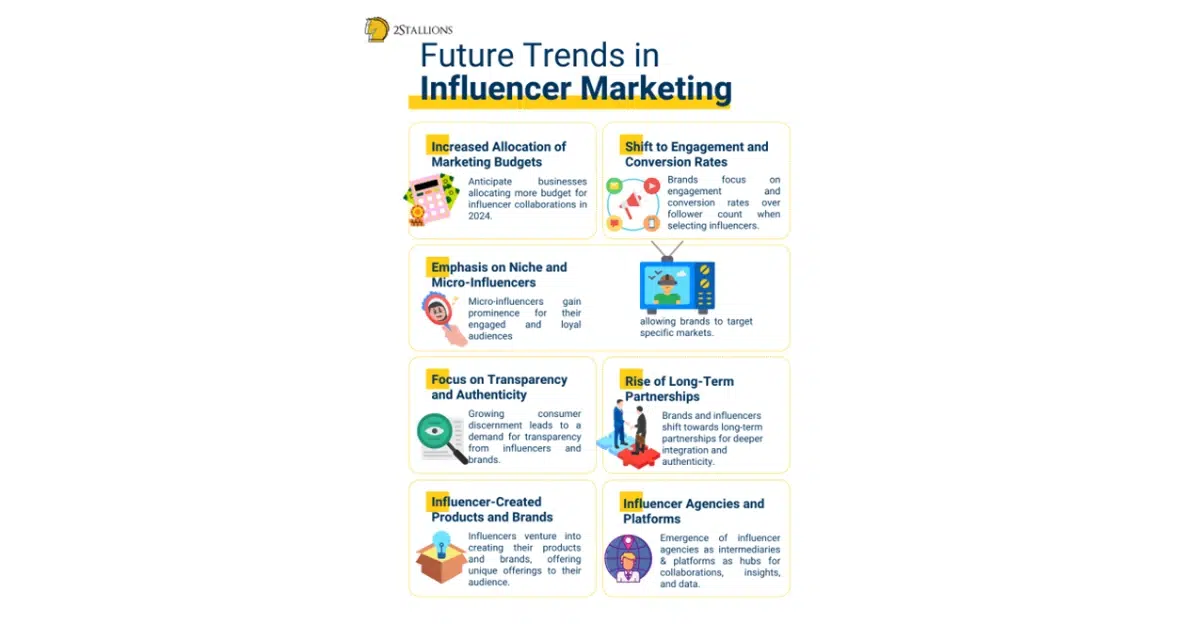
Image Credit: 2Stallions
Artificial intelligence is transforming influencer discovery and campaign optimisation.
Upfluence is now infused with Jace AI for ecommerce and direct-to-consumer brands, enabling automated influencer matching based on audience demographics and engagement patterns.
But don’t let automation replace human judgment. AI can identify potential partners and optimise distribution, but authentic relationships still require human touch. Use AI to scale your discovery and measurement processes, not to replace strategic thinking.
Ethical Marketing
68% of consumers say they’d stop following an influencer if they said something that contradicts their personal values. Authenticity isn’t just nice to have—it’s essential for long-term success.
This means vetting potential partners not just for audience fit but for values alignment. In Singapore’s multicultural society, cultural sensitivity and inclusive messaging aren’t optional extras—they’re fundamental requirements.
Local Regulations
All marketing communication must be identified as such and distinguished from editorial or personal opinions; disclosures in marketing communication should be simple and straightforward.
Compliance Requirements:
- Clear Disclosure: Use #sponsored, #ad, or “this post was sponsored by…” labels
- Prominent Placement: Disclosures must be easily visible, not buried in hashtags
- Multiple Platforms: Maintain consistent disclosure across all channels
- Tax Implications: If you receive any products or services that are worth more than $100, or regularly over a period of time, you must declare them as part of your taxable income to the Inland Revenue Authority of Singapore (IRAS)
Failure to comply isn’t just about regulatory risk—it’s about maintaining consumer trust in an increasingly sceptical market.
Budget Planning and Cost Structure
Understanding Singapore’s influencer pricing landscape prevents overspending while ensuring fair compensation for quality partnerships.
Nano influencers (1K-10K followers) deliver 67% better cost-per-acquisition than macro influencers for local businesses. Your budget allocation should reflect this efficiency advantage.
Influencer Marketing Strategies That Work
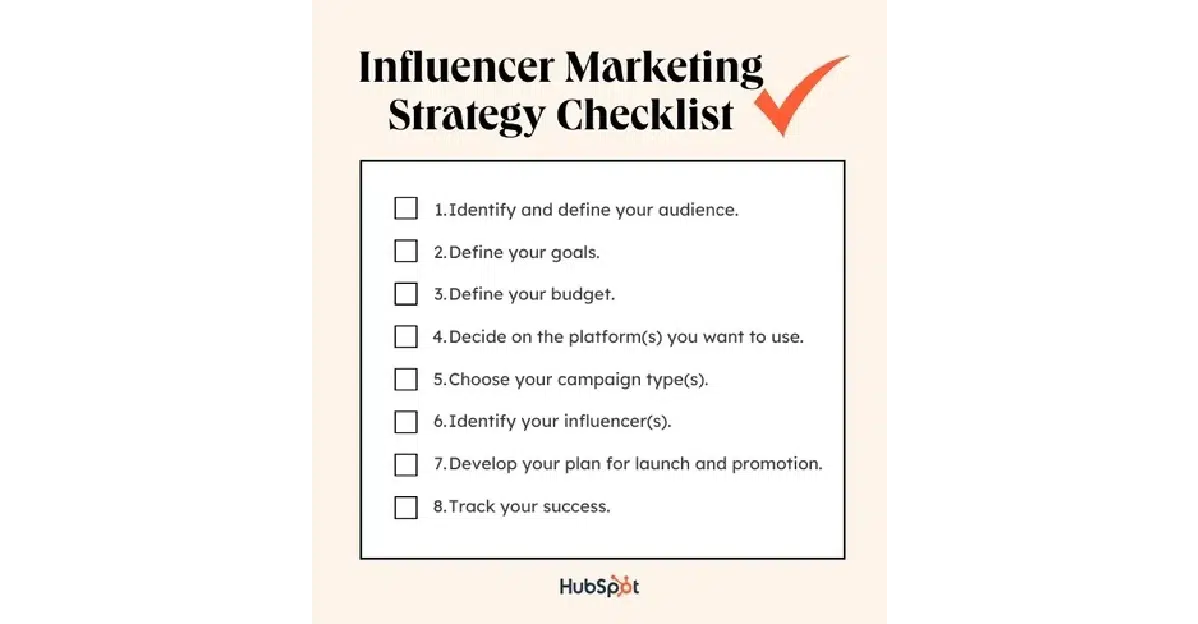
Image Credit: HubSpot
You’ve seen the data. You understand the strategy. Now it’s time to act.
Singapore’s influencer marketing landscape rewards businesses that prioritise authenticity over reach, engagement over followers, and relationships over transactions.
A boutique café in Tiong Bahru collaborated with three food-focused nano influencers for less than SGD 500 total, leading to a 30% increase in weekend foot traffic. This isn’t luck—it’s strategic execution.
The brands winning in Singapore’s niche markets aren’t the ones with the biggest budgets. They’re the ones with the smartest influencer marketing strategies, leveraging micro and nano influencers to build genuine connections with their target audiences.
Your next step? Stop waiting for the perfect moment and start building authentic partnerships with influencers who already love what you do. The data supports it, the regulations enable it, and your competitors are already doing it.
Ready to transform your marketing approach with data-driven influencer strategies?
Contact MediaOne today to develop a comprehensive social media marketing plan that leverages Singapore’s most engaged micro and nano influencers for measurable business growth.
Frequently Asked Questions
What are the benefits of working with nano-influencers in Singapore?
Nano-influencers typically have smaller but highly engaged audiences, leading to more authentic interactions and higher trust levels. Their content often resonates more with niche communities, making campaigns feel personal and relatable.
How do I measure the ROI of influencer marketing campaigns in Singapore?
ROI can be assessed through various metrics such as engagement rates, conversion rates, click-through rates, and sales data. Tools like Google Analytics, UTM parameters, and platform-specific insights can provide valuable data to evaluate campaign performance.
What are the legal requirements for influencer marketing in Singapore?
Influencers and brands must adhere to guidelines set by the Advertising Standards Authority of Singapore (ASAS), which include clear disclosure of sponsored content and compliance with the Inland Revenue Authority of Singapore (IRAS) for tax purposes.
How can I identify the right micro or nano influencers for my brand in Singapore?
Utilise influencer discovery platforms like Heepsy, Upfluence, and CastingAsia to filter influencers based on location, audience demographics, engagement rates, and content relevance to ensure alignment with your brand values and target audience.
What content formats work best for influencer marketing in Singapore?
Short-form videos, such as Instagram Reels and TikTok videos, are highly effective due to their engaging nature. Additionally, authentic storytelling through Instagram Stories and YouTube tutorials can build deeper connections with the audience.