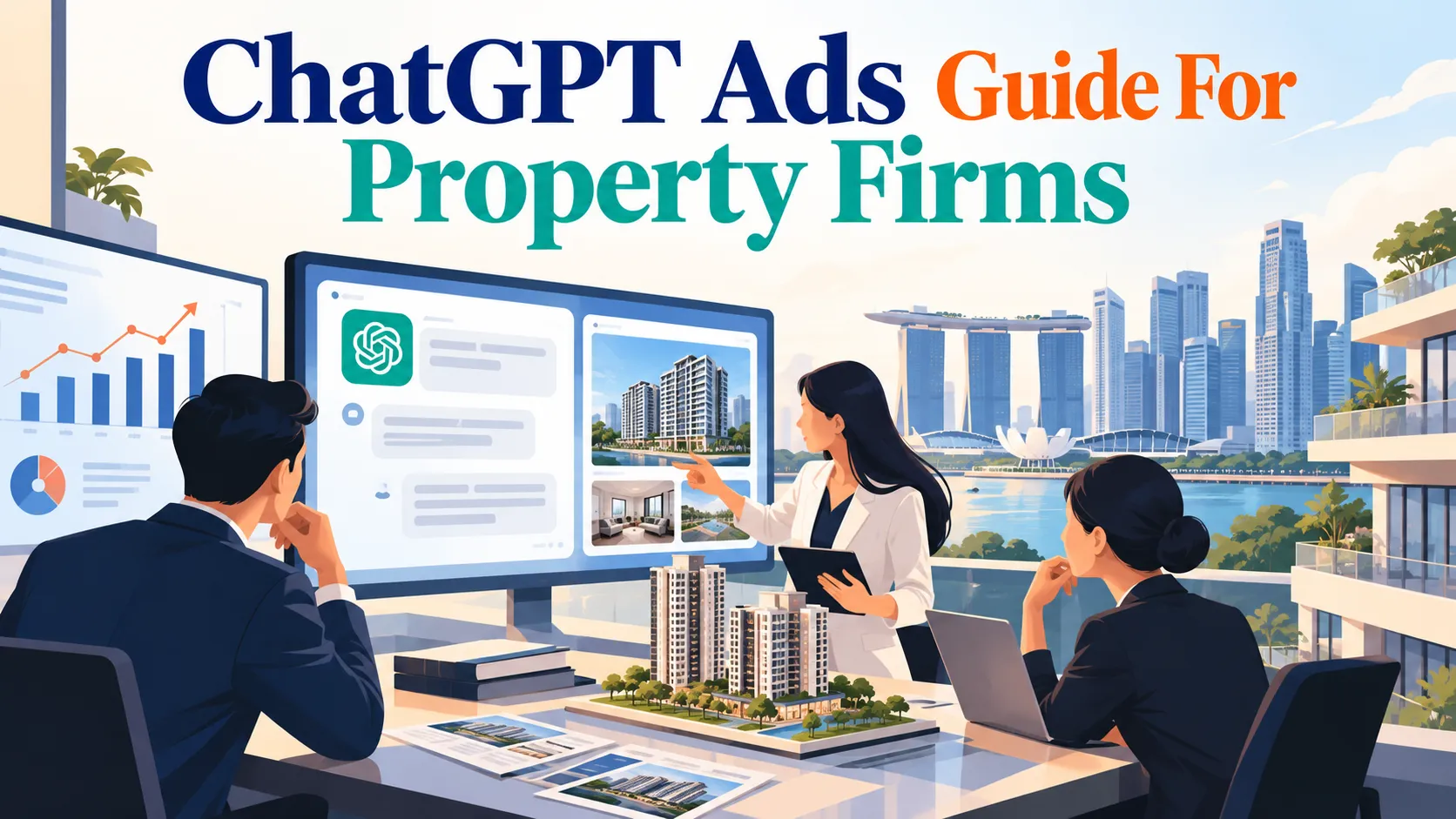
Property buyers now ask ChatGPT the questions they once typed into a search engine. OpenAI confirmed on January 16, 2026, that it was testing ads, and ChatGPT ads for real estate now merit a place in a firm’s marketing plan. Treat these ads as a live buyer qualification channel rather than a volume channel, and set up full measurement before spending on digital advertising.
Key Takeaways
- Treat ChatGPT ads as buyer qualification, not lead volume, and match each ad to the question the buyer is asking.
- Confirm entity, market and currency before spending, as account settings lock once confirmed.
- Plan around verification, which has no published turnaround, and track ChatGPT referral traffic with utm_source=chatgpt.com.
Table of Contents
What ChatGPT Ads Are and Why the Moment Matters
ChatGPT ads are sponsored placements shown inside the ChatGPT interface. They sit in tinted boxes, clearly labelled as sponsored and separated from the organic answer. According to Adventure Media’s analysis of real estate ChatGPT advertising, OpenAI first announced it was testing ads in the US on January 16, 2026.
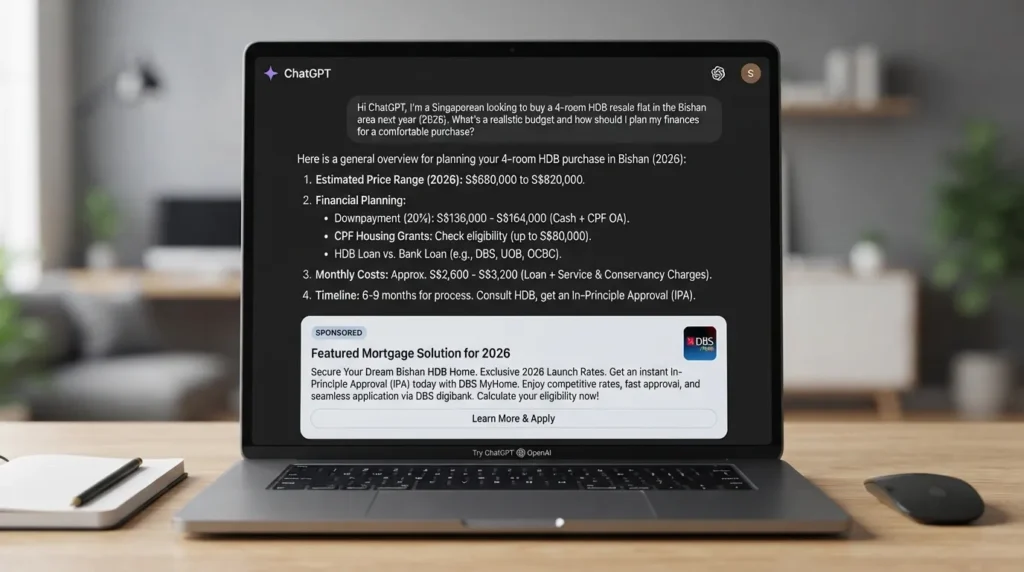
Users are often mid-evaluation, asking whether a district is good value for a first home, so their intent is actually already clear. That makes these placements a qualified channel for lead generation among property firms. Agencies can help teams judge whether ads suit their live listings and their buyers, and how each agent’s view of the market translates into a campaign for their brand.
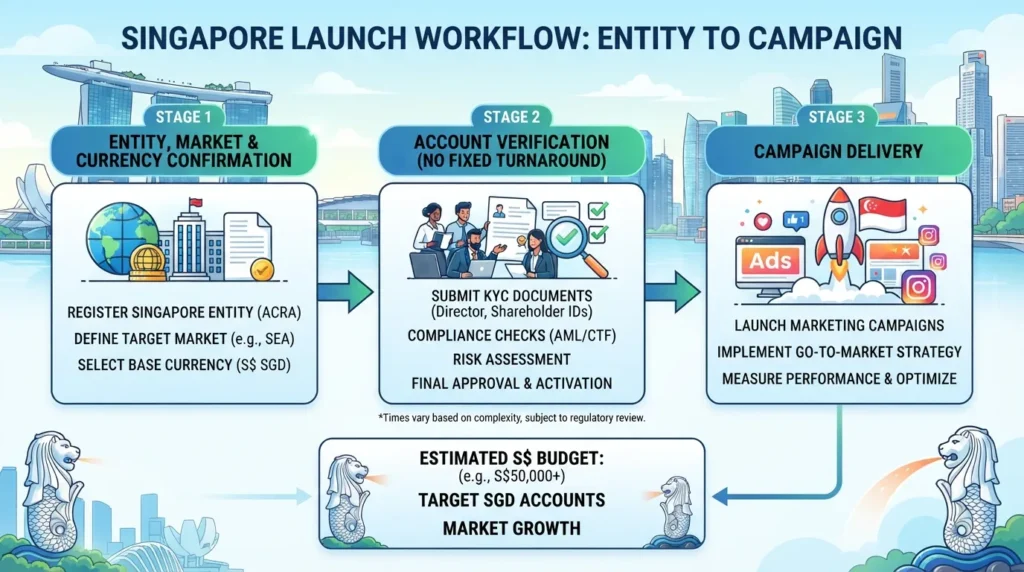
Self-serve access is opening market by market, and Singapore is among the markets named. Confirm that your Ads Manager account shows Singapore with SGD before committing a full budget. Check the currency setting rather than assuming it.
Why Buyer Qualification Beats Lead Volume
Many property firms treat a ChatGPT ad like a google ads search ad, buying keywords to collect enquiries. A buyer asking whether a resale condo is worth its price per square foot is still deciding. Judge the ad as a way to qualify buyers, not fill a pipeline, and let each live campaign be measured on how well it qualifies buyers.
A volume ad answers “Buy a condo in Singapore” with a generic listing page. A qualification ad answers “Is a resale condo worth its price per square foot?” and asks which district and budget the buyer has in mind. It costs more per click but sends fewer, better-informed enquiries, which supports a clear brand strategy for property firms.
LLM referral traffic converts at roughly 1.5 times the rate of other referral sources, according to Criteo’s aggregated client data.
Setup Decisions You Cannot Undo
Account settings lock once confirmed, so settle these before any spend:
- Entity: Confirm which legal entity will hold the account and that it matches the business signing contracts for its real estate work.
- Market: Confirm Singapore appears in the country selector in Ads Manager. Stop if your target market is missing.
- Currency: Confirm the account currency is SGD. Stop if it shows another value, since it cannot be changed later.
- Billing: Confirm the payment method and billing address match the entity.
Once these four checks pass, confirm the account. Any mistake now requires a new account, so it is wise to add a comment to your internal setup record noting who approved each choice. Your team should review the setup record before anyone confirms, since a second check catches errors the first person has already missed.
Planning Around Verification and Billing
Campaigns will not deliver until account verification is complete. Propelos reports a review queue with no published turnaround, so build the launch calendar around that uncertainty. Note any shifted review date in the shared plan.
The payment verification hold may stay visible on the statement for up to a week, so finance teams should expect it when reconciling the first budget.
Structuring Ad Groups Around Buyer Scenarios
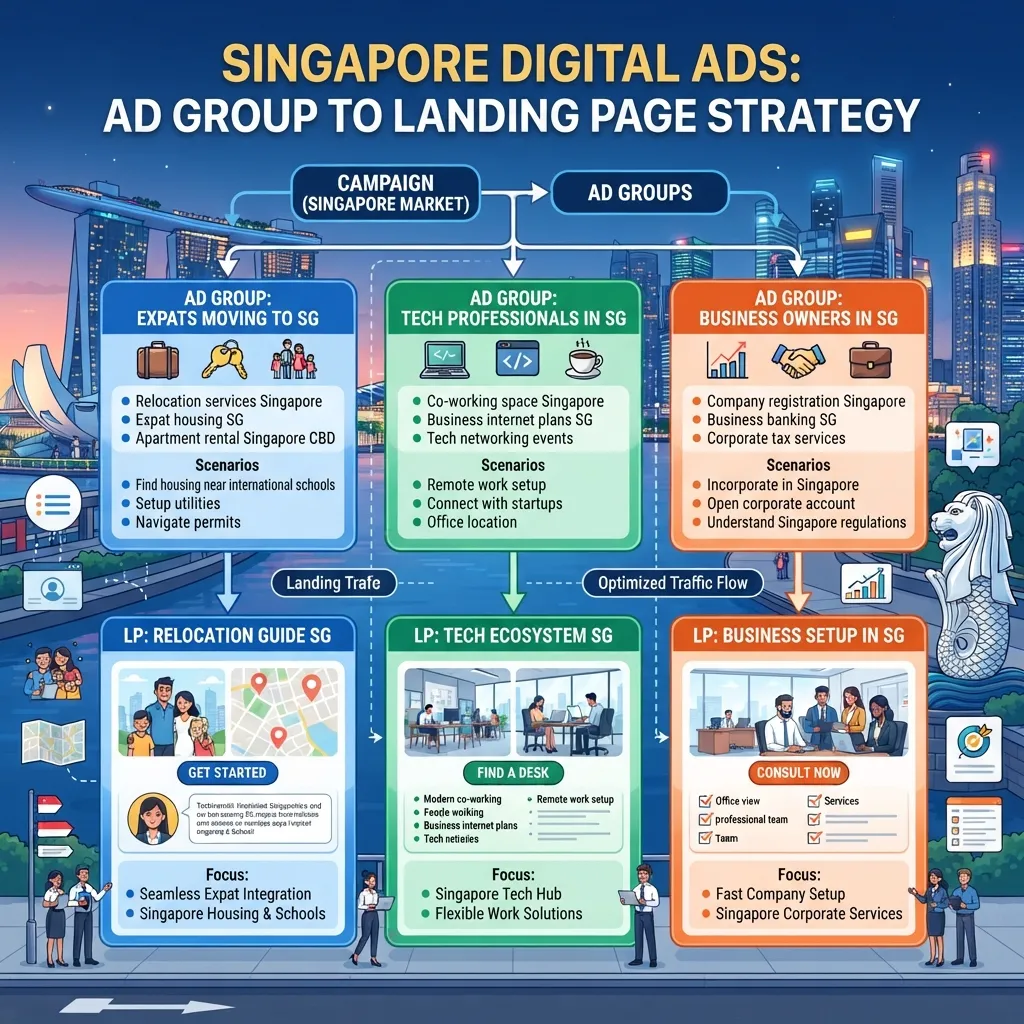
Build ad groups around buyer scenarios, not listing types. Each group carries one question, such as HDB upgrader eligibility, with a landing page that answers it directly. Match the ad copy, sponsored placement and landing page to that one intent. For setup options, see our ChatGPT ads agency service page.
Conclusion and Next Steps
Treat ChatGPT ads as a buyer qualification channel, not a volume channel. Match the exact question buyers ask. Confirm your entity, market and currency before spending, as settings lock once confirmed. Track ChatGPT referral traffic separately using the utm_source=chatgpt.com tag.
Frequently Asked Questions
Can Singapore property firms run ChatGPT ads today?
Access depends on the market and entity you choose. Propelos’s account setup guide reports that self-serve accounts have opened market by market, and Singapore is among the markets it names. Confirm eligibility inside the account before planning spend, as settings lock once confirmed.
How long does account verification take?
There is no published turnaround. Reports range from same day to a couple of weeks, and campaigns will not deliver until verification clears.
How much should a property firm budget for ChatGPT ads?
Our plans start at $850 per month (Starter), $1,245 per month (Growth) and $3,550 per month (Enterprise), excluding ad spend. Budget separately for the management fee and media spend.
Are ads shown to ChatGPT Pro subscribers?
No. Adventure Media reports that ChatGPT Pro tier users, at $20 or more per month, are currently excluded from the ad experience. Ad availability and eligibility may change, so check the current rules inside your account.
How do I measure whether ChatGPT ads generate enquiries?
Separate ChatGPT referral traffic (utm_source=chatgpt.com) from other referrals in your analytics. Criteo’s aggregated data shows LLM referrals converting at roughly 1.5 times other referral sources, so compare conversion rates by source.