Choosing the right media channels can make or break your B2C marketing efforts. With countless platforms vying for attention, it’s smart to know where your audience engages most.
In fact, B2C marketers now use an average of five different channels to execute their customer engagement campaigns effectively. This emphasises the growing importance of a diversified media mix.
This streamlined guide will walk you through the factors to consider when selecting media channels for your B2C campaigns, answering the question: which media channels should I choose for B2C marketing?
Learn how to match your brand with the ideal platforms for maximum impact without overwhelming you with industry jargon or unnecessary details.
Key Takeaways
- B2C marketing thrives when businesses strategically select channels that resonate with their audience, combining emotional appeal and personalised experiences to drive loyalty and boost engagement.
- Platforms such as Facebook, Instagram and YouTube offer creative opportunities to strengthen brand presence, using visual storytelling, targeted advertising and influencer collaborations to connect with customers.
- A successful B2C strategy integrates an omnichannel approach that delivers consistent experiences across digital and physical touchpoints to maximise impact.
Finding Your Way Through the B2C Marketing Channel Maze
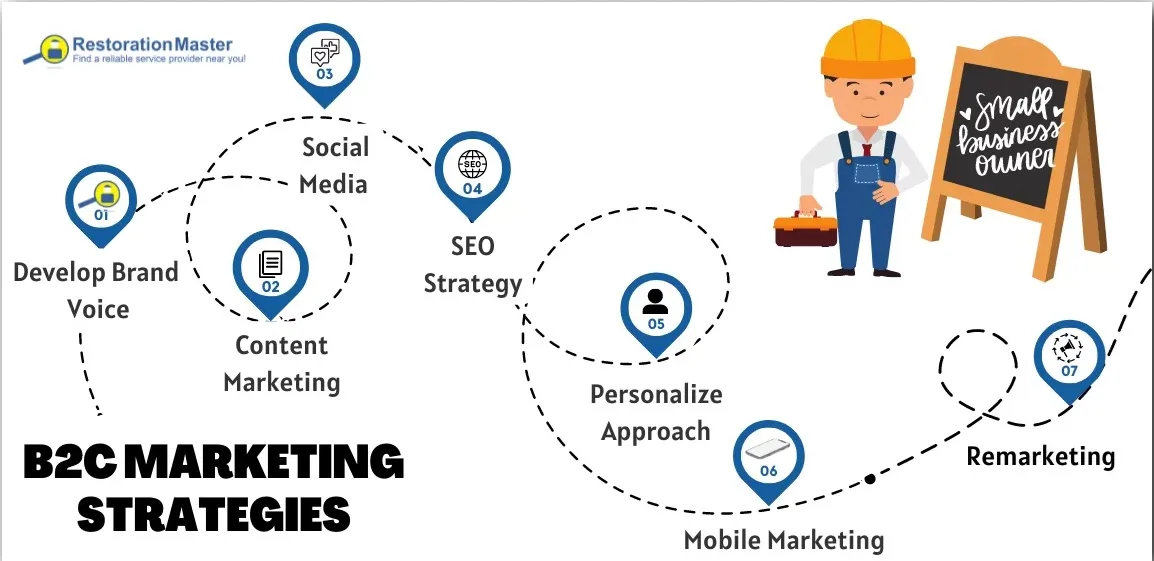
Image Credit: Restoration Master Finder
The wide range of B2C marketing channels offers both immense opportunities and significant challenges. To build brand awareness and foster engagement, businesses must navigate and connect directly with consumers through this complex terrain.
Budget constraints and resource limitations require marketers to be strategic in their marketing channel choices. Shaping a more casual and emotionally appealing tone, unlike the B2B marketing style, business to consumer (B2C) marketing focuses on engaging with individual consumers.
The primary goal is to nurture leads over time, creating multiple points of contact and facilitating the development of relationships with individual consumers. The effective use of marketing channels significantly depends on the understanding and identification of your target audience.
Identifying Your B2C Marketing Target Audience
Grasping the interests, demographics and behaviors of potential customers is a big step in choosing the most effective B2C marketing channels. It’s about connecting with the right people, in the right places, at the right times.
Here’s how you can define your marketing target audience:
Target Your Ideal Customer
Aligning target audience demographics with appropriate social media platforms promotes marketing efficiency. Millennials, for instance, are the most active demographic on social media, with Gen Z leading in daily time spent on these platforms. Catering to these demographic trends can greatly refine marketing strategies and boost audience alignment and engagement.
Each social media platform has its own unique demographic appeal. Understanding these key differences aids in effective budget allocation and maximises marketing efficiency.
Analyse Customer Behavior
B2C companies can improve their marketing efforts by understanding customer psychology, conducting market research and catering to the needs and trends of the consumer base. Behavioral segmentation can refine these strategies further by considering factors like benefits sought, occasion or timing, usage rate, brand loyalty status and user status.
Assessing consumer behavior patterns, including place of purchase, items bought, purchase timing and frequency and method of purchase helps the creation of effective market segmentation.
Create Emotional Connections and Brand Loyalty
Emotional connections go a long way in fostering brand loyalty. Personalised marketing can significantly enhance these emotional connections by making consumers feel recognised on an individual level, ultimately helping to generate brand awareness.
Beyond just recognition, emotionally resonant campaigns; whether through storytelling, shared values, or interactive experiences can transform casual buyers into loyal advocates, while simultaneously boosting brand awareness and differentiation in a crowded market.
Top Media Channels for B2C Marketing in 2026

Image Credit: Finance Strategists
Social media platforms play a significant role in B2C marketing and digital marketing and an effective social media strategy is important for successful social media marketing. They offer a plethora of opportunities for businesses to engage directly with customers, thus influencing their purchasing decisions.
A well-crafted social media strategy helps maximise reach, foster engagement and strengthen brand presence. Choosing the right platforms and tailoring content to each channel ensures your efforts deliver measurable results.
Social Media
Social media remains one of the most powerful channels for B2C marketing, offering brands the ability to engage directly with their audience and build communities around their products or services. Here are some of the most popular social media platforms:
Facebook: The Universal Network
To get started, businesses can create a Facebook Business Page to showcase their brand identity and a Facebook Shop to sell products directly within the platform. Facebook, with its broad user base, presents an excellent opportunity for B2C businesses to:
- Build a strong online presence by clearly defining your brand identity, values and messaging to create recognition and trust among your audience.
- Interact directly with followers through comments, messages and groups to foster relationships, answer questions and create meaningful connections.
- Showcase your products or services, share updates and provide essential information such as contact details, business hours and customer reviews to strengthen credibility.
- Enable seamless online shopping by listing products, managing inventory and allowing customers to make purchases without leaving the platform.
Engagement can be amplified through organic tactics, such as participating in relevant groups, responding to followers and encouraging user-generated content. Paid campaigns, including dynamic ads and targeted promotions, allow brands to reach specific audiences with precision.
Instagram: Visual Storytelling and Influencer Marketing
Instagram, especially popular among teens and young millennials, is a powerful platform for engaging a younger demographic. Its focus on visual storytelling allows businesses to showcase products and services, making it highly effective for B2C marketing.
Key ways businesses can leverage Instagram include:
- Use high-quality photos, videos and Reels to highlight product features, new collections, or behind-the-scenes content.
- Leverage Instagram Stories, polls and interactive content to encourage engagement and build community.
- Collaborate with influencers to promote products or services, taking advantage of their credibility and reach.
- Conduct influencer impact analysis by monitoring reach, engagement and conversion rates to evaluate the effectiveness of campaigns.

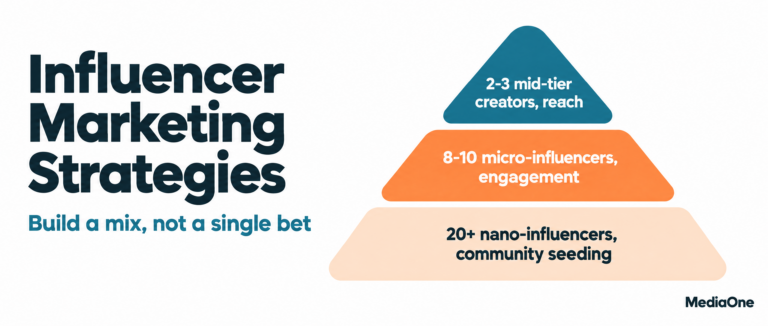
Influencer marketing uses the reach and credibility of trusted individuals to promote products or services directly to a B2C audience.
YouTube: Engaging Through Video Content
YouTube provides B2C marketers with a dynamic platform to reach a wide audience and boost engagement through varied video content strategies. Its combination of organic content and advertising options allows businesses to educate, entertain and inspire potential customers.
Key strategies for leveraging YouTube effectively include:
- Create tutorials, product demos, behind-the-scenes footage and entertaining videos to connect with your audience.
- Use versatile ad formats such as skippable and non-skippable ads, bumper ads and sponsored content to reach target audiences effectively.
- Monitor comments and engagement to assess audience emotions and perceptions, guiding future content strategies.
- Encourage likes, shares, subscriptions and comments to build a loyal community around your brand.
Sentiment analysis can be utilised to assess the emotions and tones in conversations around brands on YouTube, helping to inform content approaches and audience engagement strategies. Effective use of YouTube ads and sentiment analysis can lead to higher engagement, ultimately driving more conversions and traffic to a business’s website.
Email Marketing in B2C

Image Credit: Tabular Email
Email marketing holds a unique place in the B2C marketing landscape. Personalisation is a major focus here, incorporating past purchases, individual preferences and browsing behavior to recommend products and offers.
Segmentation is a tactic used in personalisation, categorising the audience based on demographics, purchase history and interests to provide highly personalised messaging.
Email marketing content for B2C marketing should:
- Be concise, casual and conversational
- Incorporate engaging and visually appealing elements to capture attention effectively
- Utilise calls to action that encourage immediate responses
- Set strategic timing for emails to match consumers’ leisure time
- Create urgency with limited-time offers to prompt action from consumers.
Search Engine Strategies: SEO and SEM
Search engine strategies, encompassing SEO and search engine marketing, are crucial to increase visibility, drive traffic and improve conversions for B2C businesses.
We’ll examine each of these strategies in greater depth.
SEO: Optimising for Organic Reach
SEO plays a crucial role in B2C marketing as it allows businesses to increase their visibility and organic reach to potential customers through search engines. Using relevant keywords is a foundational SEO technique that helps businesses improve their search engine result page (SERP) rankings.
Creating engaging content is essential for SEO success, as it increases the likelihood of higher SERP rankings by meeting the needs of both search engines and users. MediaOne’s SEO agency can help your content through:
- Increased website traffic
- Higher conversion rates
- Improved brand reputation and credibility
- Better user experience
- Increased social media shares and engagement
Local SEO is especially valuable for B2C companies with physical stores, with many local searches leading to same-day store visits and purchases.
SEM: Paid Search for Immediate Impact
SEM uses targeted paid advertising to increase search visibility by focusing on specific keywords and demographics. MediaOne’s SEM services excel in this area. Here’s how:
Increased visibility in search results
- Targeted advertising to reach specific audiences
- Immediate impact and results
- Ability to track and measure campaign performance
Google Ads is a highly effective platform for B2C businesses to run targeted ads, directly connecting with potential customers for immediate impact.
Targeted ads on Google can be employed in various formats, including:
- Text ads
- Image ads
- Video ads
- Shopping ads
These diverse options allow businesses to engage users and gain a competitive advantage. Moreover, mobile ads are particularly effective during the consideration stage of the customer journey, allowing businesses to stay top of mind and drive immediate responses.
Content Marketing in B2C
Content marketing is a critical component of B2C marketing, allowing businesses to establish authority, connect with a target audience, build trust, foster community, increase engagement, enhance brand visibility and position the company as a thought leader.
Enticing content resonates with target audiences by invoking emotional responses and communicating the unique benefits of a company’s products or services.
Publishing content regularly can optimise business outcomes and maintain audience interest. Moreover, B2C content marketing strategies should give preference to evergreen content that remains relevant over time, ensuring ongoing interest and value.
Omnichannel Approaches

Image credit: Designing It
Omnichannel marketing ensures a consistent customer experience across all platforms including:
- online
- mobile
- social media
- in-store interactions
A seamlessly integrated omnichannel approach delivers personalised experiences that boost customer satisfaction and foster long-term loyalty. Omnichannel marketing helps maintain agility. It capitalises on new opportunities and shifting strategies when certain channels reach saturation.
For a customer-oriented omnichannel strategy, businesses should evaluate current channels, formulate objectives that align with their goals and employ technology to facilitate a unified brand experience.
Integrating various SEM platforms within an omnichannel approach allows for:
- the delivery of diverse messages at different stages of the consumer journey
- maintaining the brand’s presence in the customer’s mind
- driving engagement and conversions.
Measuring Success with Social Media Analytics
Social media analytics play a pivotal role in monitoring performance and fine-tuning marketing strategies. Essential tools for data aggregation and analysis include Sprinklr, Meta Pixel and native analytics platforms. Metrics such as follower demographics, post types and actions taken on a business page, along with page time spent and traffic sources, are valuable indicators of content marketing performance.
These tools translate vast amounts of data into actionable insights, offering a deep understanding of customer preferences and behaviors, which guide strategic decisions and optimise marketing budget allocation for better returns.
Mobile B2C Marketing: Reaching Customers on Mobile Devices
Mobile marketing is integral for businesses as it aligns with the substantial time consumers invest on their mobile devices engaging with ads and branded content. The personalised reach of mobile marketing positions it as a unique touchpoint in customer communications.
Geo-fencing technology enhances mobile marketing by enabling businesses to send location-specific notifications to users, offering relevant promotions based on geographic proximity.
Bringing It All Together: Mastering B2C Marketing
In the whirlwind journey of B2C marketing that spans from understanding your target audience, mastering the art of social media, unraveling the power of email marketing, all the way to leveraging SEO, SEM and mobile marketing, we have traversed the vast landscape of B2C marketing channels.
Remember, the key to success lies in integrating these strategies to provide a seamless and personalised customer experience across all touchpoints.
Ready to elevate your marketing strategy and achieve measurable results? MediaOne can help you design and implement integrated B2C campaigns that drive engagement, conversions and long-term growth. Contact us today to get started.
Frequently Asked Questions
Social media allows businesses to directly engage with customers, influence their purchasing decisions and build brand loyalty. It plays a crucial role in B2C marketing.
How can businesses leverage Facebook for B2C marketing?
Businesses can leverage Facebook for B2C marketing by engaging with the platform’s vast user base, utilising organic engagement with groups and followers and implementing paid marketing strategies like dynamic ads.
What is the importance of SEO in B2C marketing?
The importance of SEO in B2C marketing lies in its ability to enhance visibility, reach potential customers organically through search engines and improve traffic and conversion rates.
How does omnichannel marketing enhance the customer experience?
Omnichannel marketing enhances the customer experience by providing a consistent and seamless interaction across various platforms, ultimately improving customer satisfaction and loyalty.
How can businesses use mobile marketing in their B2C approach?
Businesses can use mobile marketing to provide personalised and location-specific promotions to customers through geo-fencing technology. This can enhance their B2C approach by targeting consumers more effectively.