
Search Engine Marketing (SEM) remains one of the most powerful tools in a digital marketer’s lineup, especially in 2026. In fact, global search advertising spending is projected to reach US$351.6 billion this year. With such massive investment going into paid search, it’s clear that businesses still see tremendous value in targeting high‑intent users through SEM.

A well-crafted SEM strategy can help you tap into this potential, driving more qualified traffic, generating leads and ultimately boosting sales. Let’s explore nine proven techniques that can help you make the most of your SEM campaigns.
Key Takeaways
- Define what success looks like using the SMART framework to guide your SEM campaigns.
- Focus on high-intent keywords, include long-tail terms and use negative keywords to optimise your budget.
- Compelling ad copy and relevant, mobile-friendly landing pages improve conversions and Quality Scores.
- Utilise demographic, geographic, device and behavioural targeting and implement remarketing for maximum ROI.
9 Proven SEM Strategies for Maximum Results
Search Engine Marketing (SEM) can seriously boost your traffic, leads and sales but only if your campaigns are set up right. In this section, we’ll take you through a step-by-step guide to running effective SEM campaigns.
1. Define Clear Goals
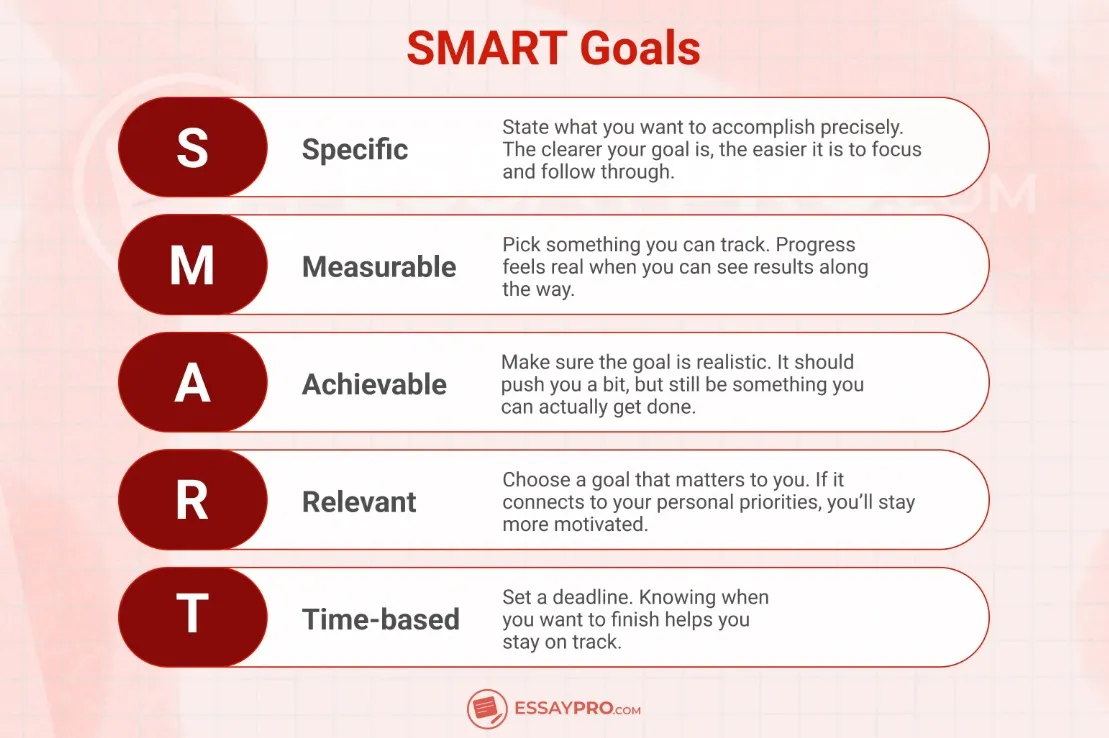
Image Credit: Essay Pro
Before launching any SEM campaign, it is essential to define what success looks like. Use the SMART framework (Specific, Measurable, Achievable, Relevant, Time-bound) to set concrete objectives. For example, instead of “increase traffic,” set a target like “increase website visits by 20% in three months.”
Consider whether your focus is on brand awareness, lead generation, sales, or customer retention and align your SEM goals accordingly. Clear goals allow you to measure performance accurately, justify budgets and prioritise campaigns that deliver the highest ROI. Regularly revisit and adjust your objectives as market conditions or business priorities change.
2. Conduct Thorough Keyword Research
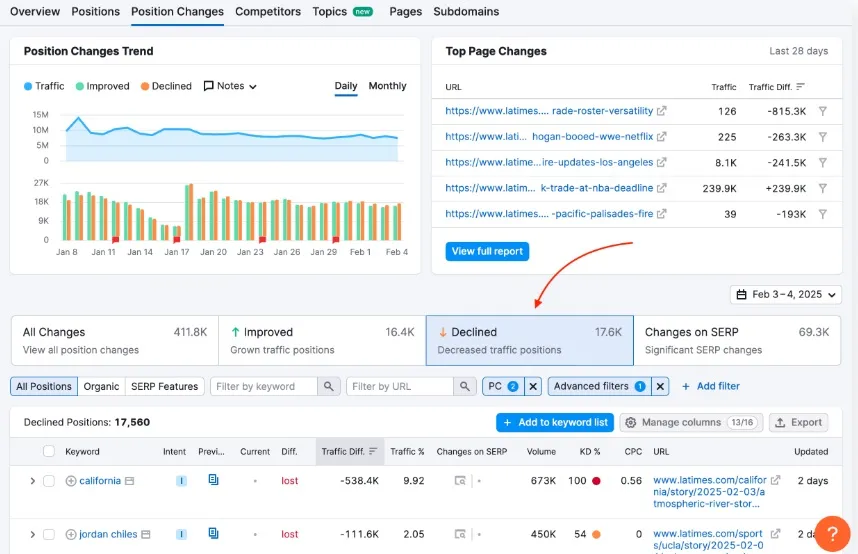
Image Credit: SEMrush
Keywords are the backbone of any SEM campaign, as they determine who sees your ads and how relevant they are to the user. Focus on high-intent keywords that indicate a user is ready to purchase or engage, such as “buy yoga pants online” rather than just “yoga pants.”
Use tools like Google Keyword Planner, SEMrush, or Ahrefs to uncover search volumes, competition levels and trending terms. A combination of short-tail (broad) and long-tail (specific) keywords ensures both reach and precision.

Also, identify negative keywords to prevent irrelevant searches from triggering your ads, which helps save budget and improve click-through rates (CTR). Continuously updating your keyword list based on performance data is key to staying competitive.
3. Analyse Competitors and Target Audience
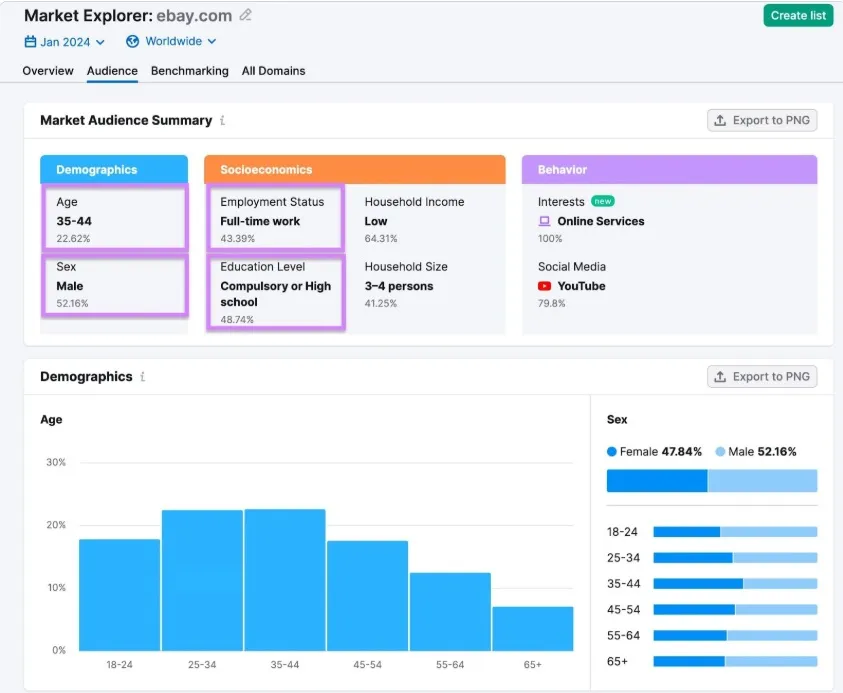
Image Credit: SEMrush

Understanding both your competitors and your target audience is critical to crafting a successful SEM strategy. Examine competitors’ ad copy, keywords, landing pages and bidding strategies to identify gaps and opportunities.

For instance, if a competitor’s ad is missing a unique value proposition, you can capitalise on it. Build detailed buyer personas by analysing demographics, interests, search behaviour and pain points.
Knowing what your audience searches for and how they prefer to engage ensures your campaigns are highly relevant and more likely to convert. Regular competitor monitoring also helps you stay ahead of trends in messaging, offers and keyword targeting.
4. Structure Your Campaigns Effectively
A well-organised campaign structure enhances ad relevance and improves Quality Scores, which can lower costs per click. Decide which platforms to use like Google Ads, Microsoft Bing, or other paid search networks based on where your audience spends time.
Structure campaigns into ad groups based on themes, products, or services, ensuring each ad group targets closely related keywords.
Allocate budgets thoughtfully and choose a bidding strategy; manual for greater control, automated for efficiency. Proper structure also makes optimisation easier, as you can identify underperforming ad groups and adjust without affecting the entire campaign.

5. Create Compelling Ads
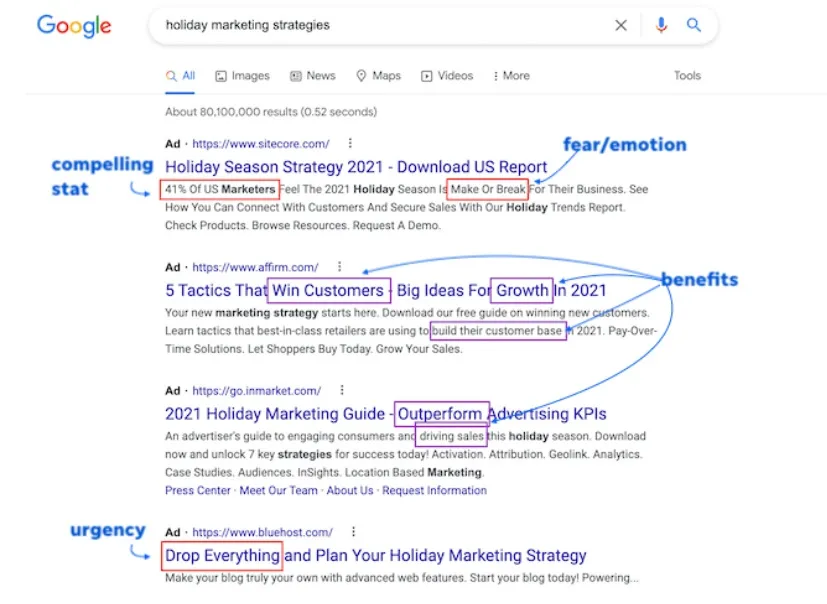
Image Credit: Wordstream
Your ad copy is what attracts users and convinces them to click. Write clear, persuasive headlines that incorporate relevant keywords and craft descriptions that highlight benefits and unique selling points. Include strong calls-to-action (CTAs), such as “Shop Now,” “Get a Free Quote,” or “Learn More.”
Use ad extensions such as sitelinks, callouts and structured snippets to increase visibility and provide additional information without cluttering your ad.
Maintaining a high Quality Score ensures better ad placements and lower CPCs. Test multiple ad variations to determine which messages resonate most effectively with your audience.
6. Optimise Landing Pages
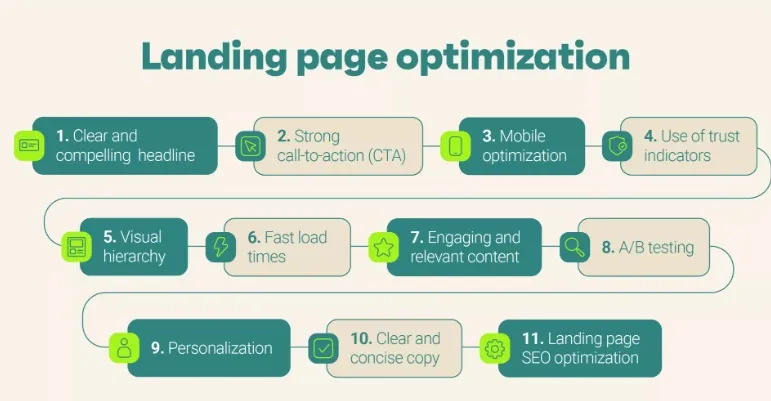
Image Credit: Omnisend
A compelling ad can generate clicks, but a poorly optimised landing page can lose conversions. Ensure your landing page aligns with the ad’s promise, delivering consistent messaging and relevant content. Optimise page speed and ensure mobile responsiveness, as slow or unresponsive pages frustrate users. Include clear conversion elements, such as concise forms, noticeable buttons, or CTAs that guide users to take action.
Implement A/B testing to compare variations in layout, content, or offers and identify which version drives the best results. Regular optimisation increases conversion rates and maximises your SEM ROI.
7. Target and Segment Your Audience
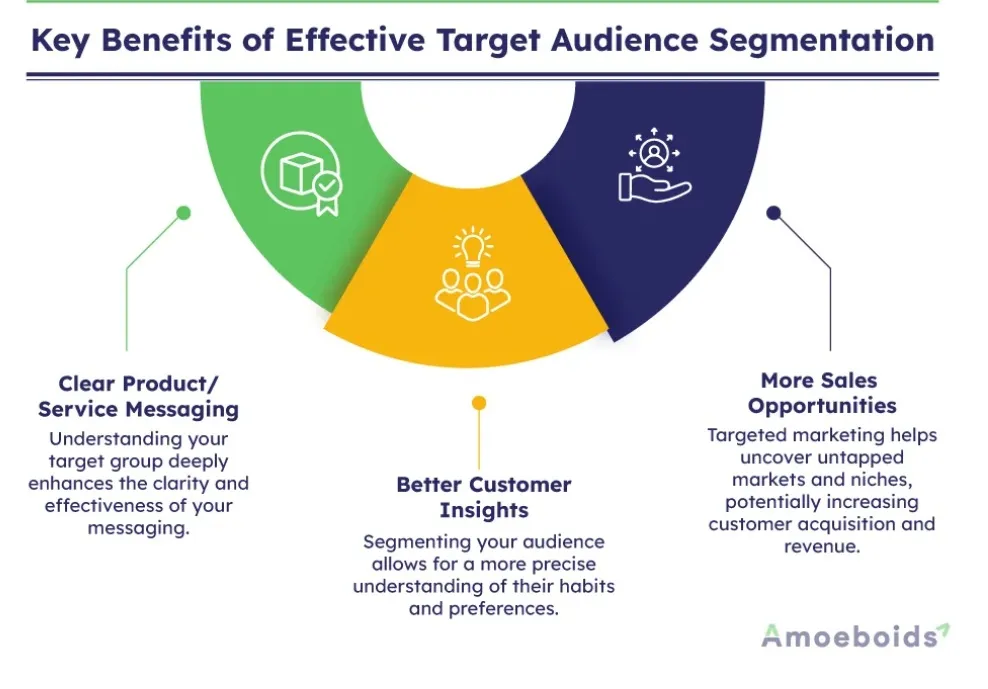
Image Credit: Aomeboids
Effective targeting ensures your ads reach the right people at the right time. Utilise geographic targeting to focus on specific regions, demographic targeting for age or gender preferences and device targeting to optimise for desktop, mobile, or tablet users.
Implement remarketing campaigns to re-engage users who visited your site but didn’t convert, offering tailored messaging or promotions to entice them back. Segmentation helps reduce wasted ad spend, improves engagement and delivers personalised experiences that increase the likelihood of conversion.
8. Monitor, Track and Measure Performance
Tracking campaign performance is crucial to the success of SEM. Monitor CPC (Cost Per Click), CTR (Click-Through Rate), conversion rates, ROAS (Return on Ad Spend) and Quality Scores to understand how your campaigns perform.
Utilise tools like Google Analytics, Google Ads reporting, or other analytics platforms to gather actionable insights. Set up conversion tracking to measure precisely how each ad contributes to leads or sales. Regular performance reviews allow you to identify underperforming ads or keywords, refine targeting and adjust budgets to maximise returns.
9. Continuously Optimise
SEM is not a “set and forget” channel. Campaigns must be continuously refined to remain effective. Adjust bids, pause underperforming keywords, test new ad copy and fine-tune targeting based on real-time performance data. Experiment with advanced strategies such as predictive analytics, AI-powered optimisation, or local targeting to gain a competitive edge.
Regular optimisation ensures your campaigns evolve in line with changing search trends, audience behaviour and competitive dynamics, ultimately maximising ROI and maintaining a strong presence in search results.
Quick Wins and Tips to Boost Your SEM Results
Even small optimisations in your SEM campaigns can lead to significant improvements in traffic, leads and sales. Here are some practical tips to help you get the most out of your paid search efforts:
- Refine Your Keywords: Go for keywords that show people are ready to buy or take action. Mix in long-tail keywords for more precise targeting and don’t forget negative keywords to filter out irrelevant traffic.
- Write Compelling Ad Copy: Make your headlines and descriptions pop by highlighting benefits and what makes you unique. Strong calls-to-action like “Shop Now” or “Get Your Free Quote” really help get clicks.
- Optimise Landing Pages: Make sure your landing pages match your ads, load fast and work well on mobile. Keep forms simple and CTAs clear to boost conversions.
- Use Targeting and Segmentation: Target the right people based on demographics, location, device, or behaviour. Use remarketing to reach visitors who didn’t convert the first time.
- Test and Iterate: Try different versions of your ads, landing pages and CTAs to see what works best. Keep an eye on metrics like CTR, CPC and conversions and tweak campaigns as you go.
These tips are easy ways to get quick improvements in your SEM campaigns while setting yourself up for long-term success. Keep an eye on performance and tweak your strategy regularly to stay ahead and keep driving results.
Take Your SEM Strategy to the Next Level
A well-executed SEM strategy can change the way your business boosts sales. When you set clear goals and target the right audience, you lay the foundation for campaigns that deliver measurable results.
Continuous monitoring and optimisation make sure that your strategy evolves with changing market trends and search behaviours.
At MediaOne, we specialise in crafting data-driven SEM campaigns tailored to your business objectives. Contact us today for a consultation and let our experts help you maximise your paid search performance and achieve long-term growth.
Frequently Asked Questions
How much should I budget for an SEM campaign?
The budget depends on your industry, target keywords and goals. Highly competitive keywords cost more, so start with a budget that allows sufficient testing and optimisation. Many businesses allocate a percentage of their marketing spend specifically for paid search campaigns.
How quickly can I see results from SEM?
Unlike SEO, SEM can deliver immediate visibility once your ads are live. However, optimising campaigns for maximum performance may take several weeks as you gather data on clicks, conversions and audience behaviour.
Can SEM work for small businesses with limited budgets?
Yes. Even with a modest budget, small businesses can target particular, long-tail keywords or local audiences to generate meaningful traffic and leads. Careful keyword selection and ad targeting are key to maximising ROI.
What is the difference between search ads and display ads in SEM?
Search ads appear when users actively search for keywords, while display ads appear on websites across the Google Display Network to raise brand awareness. Search ads are typically more conversion-focused, whereas display ads are useful for visibility and remarketing campaigns.
How does SEM complement other digital marketing channels?
SEM works well in conjunction with SEO, social media marketing and email campaigns. While SEO drives organic traffic over time, SEM provides immediate visibility. Combining SEM with other channels ensures a holistic approach to attracting, engaging and converting potential customers.