
AI chatbots unlock faster marketing execution, more responsive customer service, and smarter campaign optimisation. They automate repetitive work so companies move faster than competitors still relying on manual processes.

In 2026, the companies winning across Singapore are scaling with intelligent assistants that help with research, writing, analytics, and lead nurturing. Choosing the best AI chatbots means choosing sharper operations and results that show up in revenue.
Business leaders compare platforms based on performance accuracy and reasoning strength, the ability to handle multimodal inputs like voice, images, and files, how well they integrate with Microsoft 365 or Google Workspace, pricing that supports team growth, and reliability with business-ready security controls.
Every organisation has different needs, so focus on tools that elevate the exact tasks slowing you down. If digital visibility and customer acquisition are priorities, pairing your chatbot strategy with a strong GEO agency like MediaOne ensures your content reaches the right audience and converts.
Key Takeaways
- AI chatbots accelerate marketing, customer service, and research for Singaporean businesses.
- Different platforms excel in different areas such as writing, automation, privacy, and real-time data.
- Business leaders must evaluate intelligence, integrations, pricing, and security before selecting a tool.
- The right chatbot depends on workflow needs and existing software ecosystems like Microsoft 365 or Google Workspace.
Key Factors to Consider When Choosing an AI Chatbot
Business leaders selecting an AI chatbot need to balance innovation with practical performance. The right platform can improve productivity, streamline workflows, and even enhance lead generation, but poor choices can waste time and resources. Consider these critical factors when evaluating options.
- Model Intelligence: The core of any chatbot is its underlying AI model. Look for frontier-class models capable of advanced reasoning, natural language understanding, and multimodal workflows (text, image, or structured data). High intelligence ensures the chatbot can handle complex queries, generate nuanced content, and adapt to diverse scenarios without constant supervision.
- Use Cases: Different teams require different capabilities. Customer support bots need fast, accurate, and context-aware responses, while SEO content or social media assistants require creativity, keyword optimisation, and tone control. Research-focused applications demand summarisation, data synthesis, and fact-checking abilities. Align the chatbot’s strengths with your organisation’s specific use cases to maximise ROI.
- Integrations: Adoption accelerates when chatbots work seamlessly with existing tools. Platforms that integrate with Microsoft 365, Google Workspace, Slack, or CRM systems allow teams to embed AI into familiar workflows, reducing friction and increasing daily usage.
- Pricing: Free tools may suffice for light experimentation or small projects, but paid tiers unlock productivity gains, higher output limits, and advanced features. SMEs should weigh the cost against potential time savings and efficiency improvements that compound over time.
- Security and Control: For internal documentation, customer data, or sensitive communications, security is paramount. Choose platforms with robust encryption, data privacy compliance, and administrative controls to protect confidential information.
- Customisation Potential: Customised AI chatbots that reflect your brand voice or offer role-specific assistants (e.g., marketing, support, sales) improve both consistency and quality. Tailored prompts and settings ensure outputs are aligned with your company standards and messaging.
- Performance Reliability: Even the most intelligent AI is ineffective if output is slow or inconsistent. Teams rely on reliable performance, particularly during peak workloads or critical campaigns. Evaluate uptime, response time, and error rates before committing.
15 Best AI Chatbots of 2026
Each platform below offers different advantages. While there is no universal winner, the idea of the “best” AI chatbot ultimately depends on your objectives, workflows, and existing software infrastructure. But based on online reviews and personal experience, here is our list of the best ones currently available:
ChatGPT
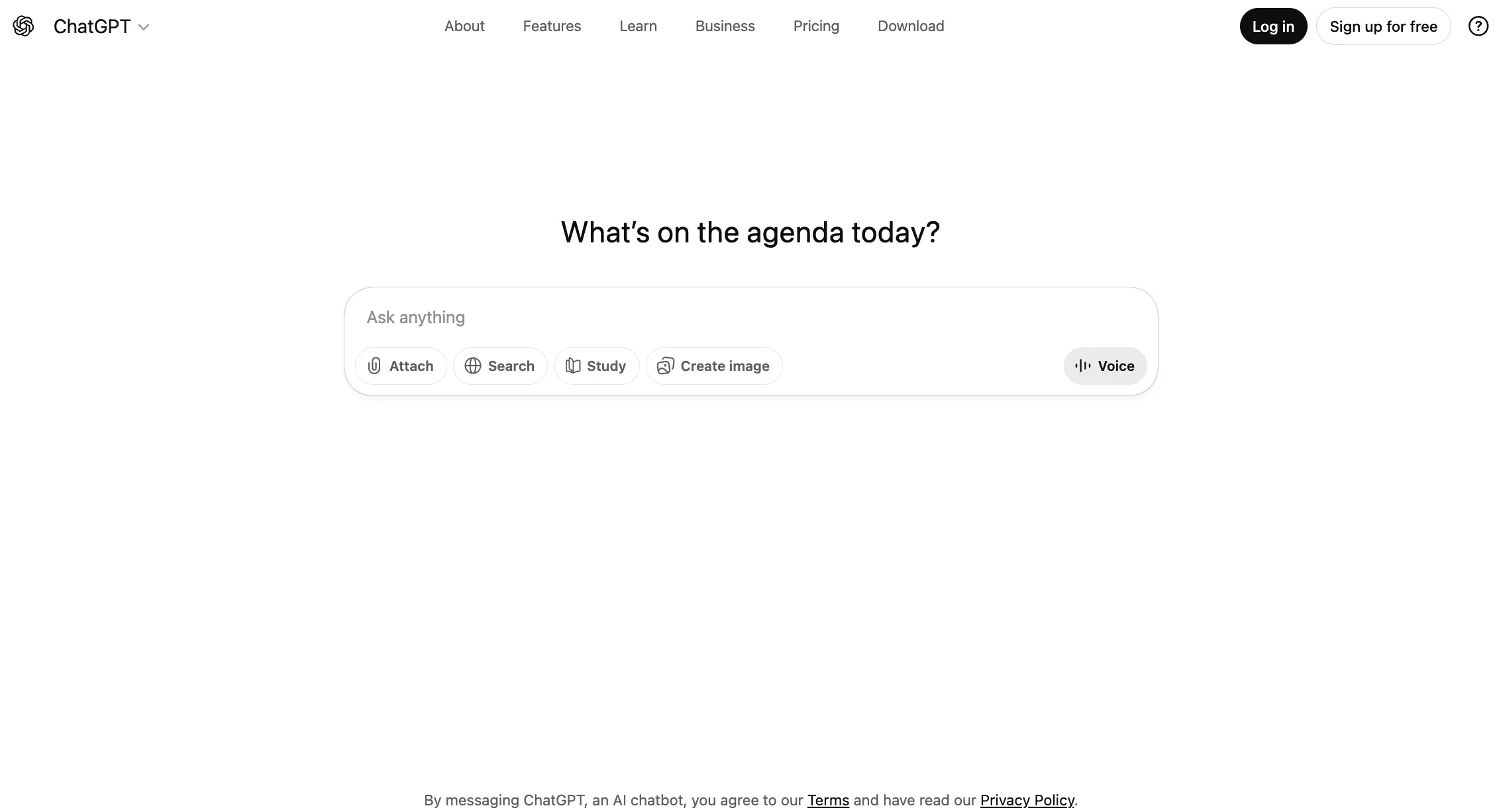
ChatGPT by OpenAI remains widely used across marketing, content, coding and customer-support workflows. It combines strong general reasoning, copywriting, and creativity at scale. In 2026, it is often cited for versatility across many tasks.

| Key features |
|
| Best for |
|
| Pricing |
|
Claude

Claude from Anthropic emphasises longer-form work and careful, safe outputs. Ideal when analysis, reports or extended content are priority. Some users prefer it for research-heavy or thoughtful writing tasks.
| Key features |
|
| Best for |
|
| Pricing |
|
Google Gemini
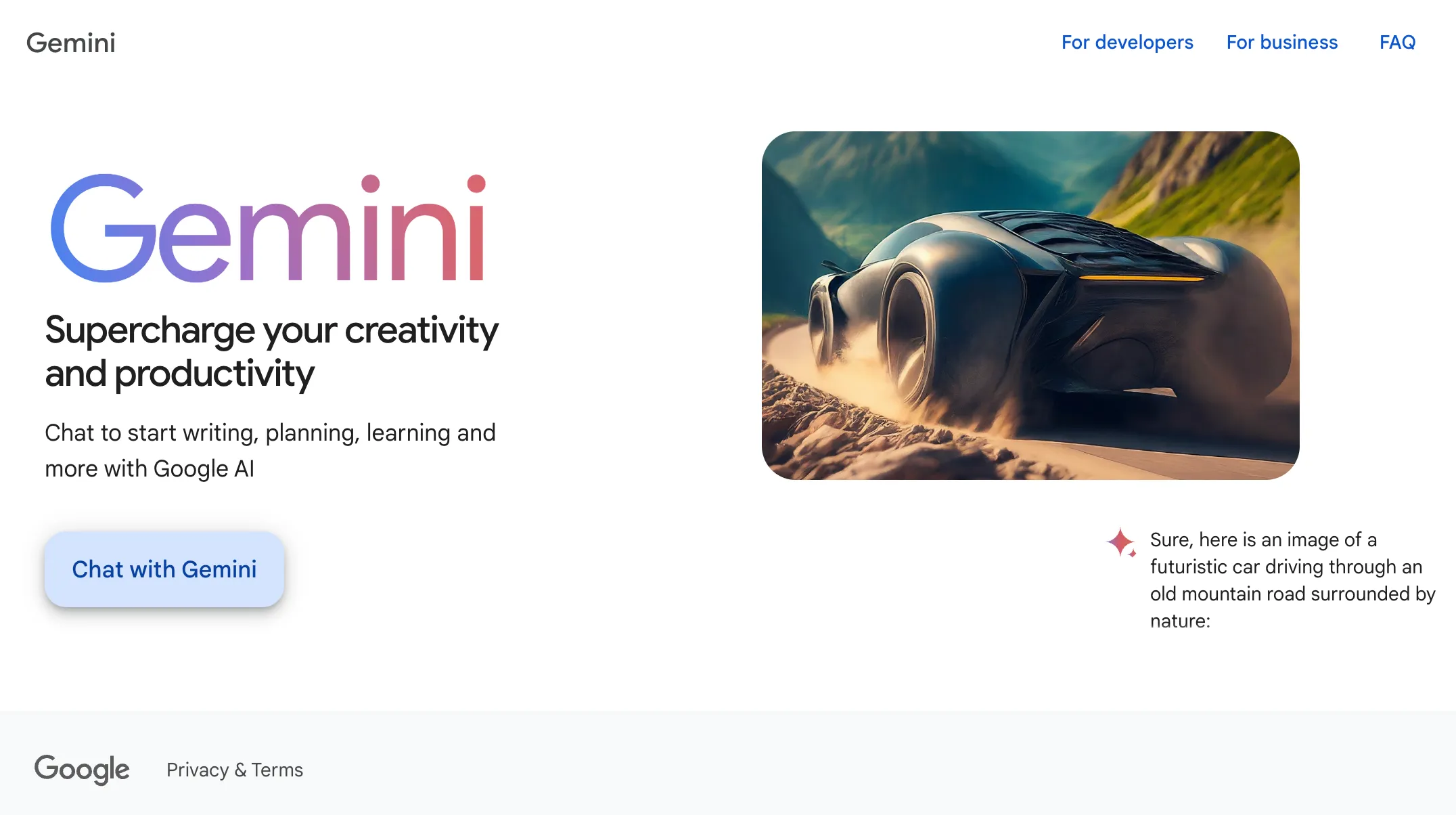
Google Gemini from Google suits teams working heavily with Google Workspace and multimedia content. It integrates tightly with Google Docs, Sheets, Slides, which helps marketers and creatives working across formats.
| Key features |
|
| Best for |
|
| Pricing |
|
Microsoft Copilot
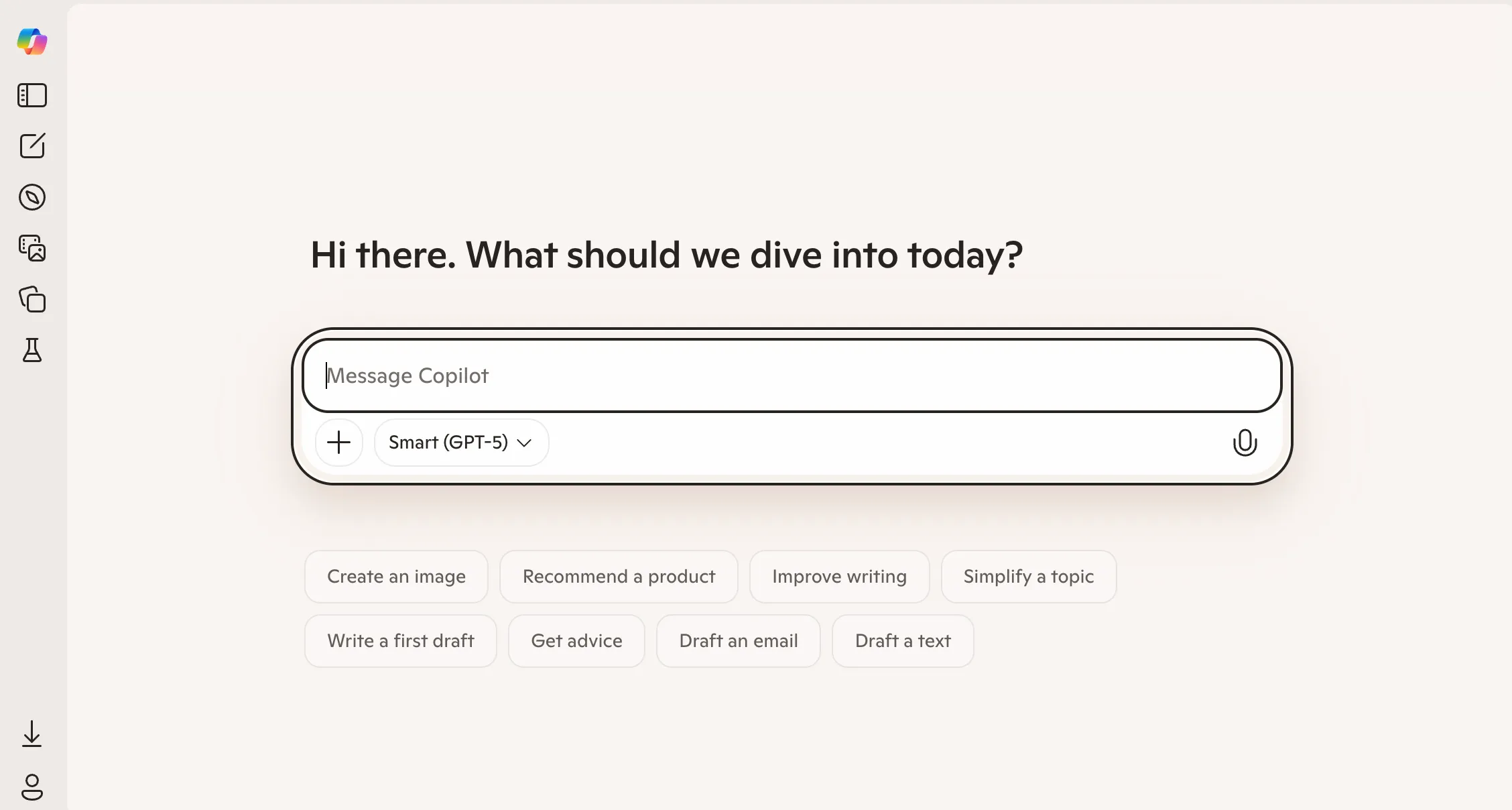
Microsoft Copilot fits organisations using Microsoft 365 (Word, Excel, Teams). It embeds AI capabilities directly into familiar office tools, which helps adoption among business teams without steep learning curves.
| Key features |
|
| Best for |
|
| Pricing |
|
Perplexity
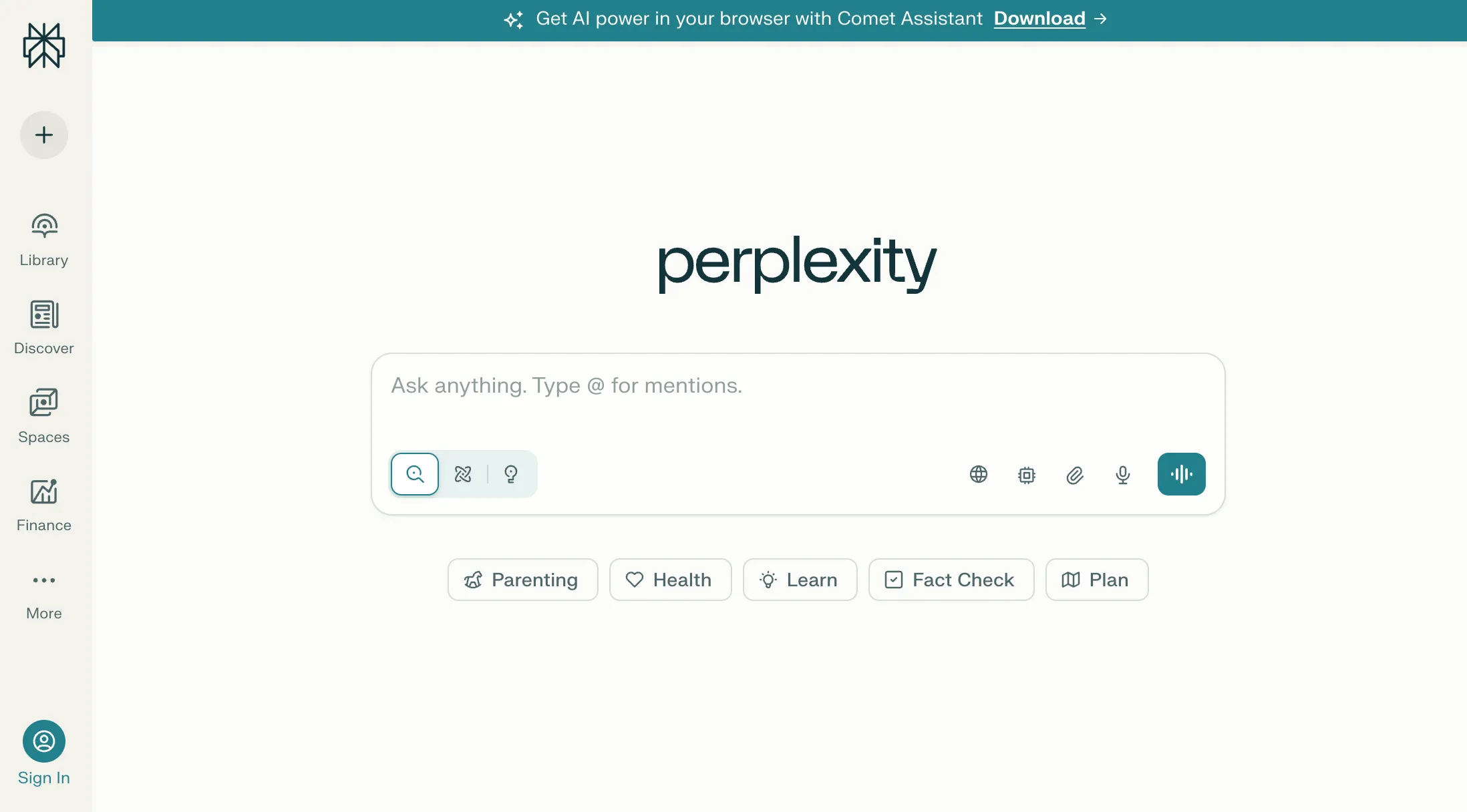
Perplexity AI serves as a research- and fact-driven chatbot. It’s useful for tasks that demand real-time information retrieval, summarisation, and verification — often preferred when accuracy and up-to-date data matter more than creative flair.
| Key features |
|
| Best for |
|
| Pricing |
|
Meta AI
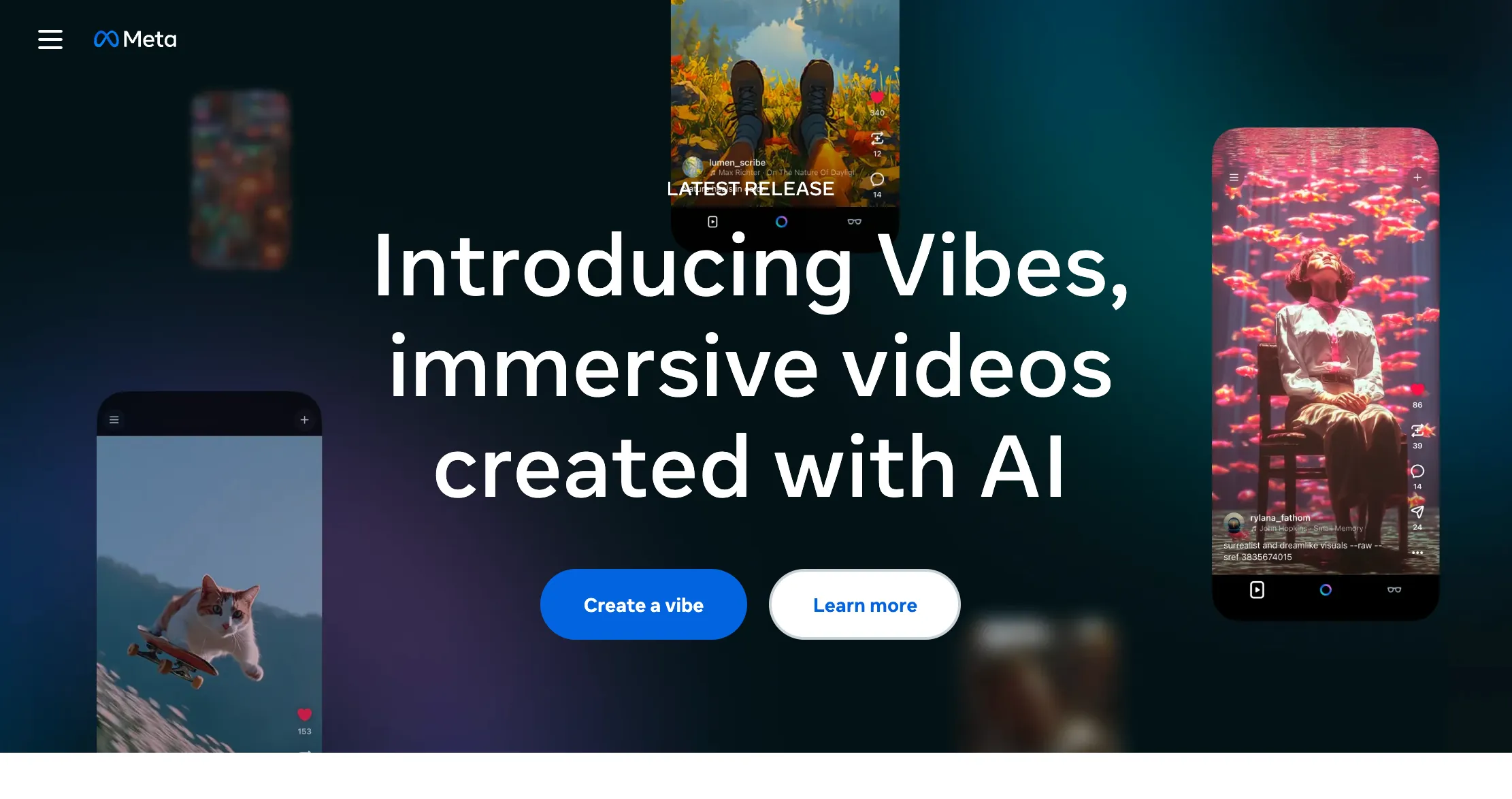
Meta AI is designed to integrate with social platforms and leverage user data for social-media oriented interactions. It’s often chosen by teams focusing on community engagement or social media presence rather than long-form content or deep research.
| Key features |
|
| Best for |
|
| Pricing |
|
Zapier Agents

Zapier Agents (from automation-platform Zapier) lets teams build custom AI “teammates” that automate tasks across apps without code. It’s less about content generation and more about workflow automation, making it useful for operational efficiency.
| Key features |
|
| Best for |
|
| Pricing |
|
DeepSeek

DeepSeek offers an open-source or low-cost alternative to heavy enterprise AI models. It tends to be more cost-effective, appealing to startups or lean teams that need reasonable AI support without high pricing.
| Key features |
|
| Best for |
|
| Pricing |
|
Grok
Grok (from xAI / social-media-linked platform) is positioned as a model with real-time web integration and stronger reasoning for tasks like coding or quick information retrieval.
| Key features |
|
| Best for |
|
| Pricing |
|
Poe

Poe is a platform that aggregates multiple AI models (including ChatGPT, Claude, DeepSeek, and more) under one roof. It offers flexibility to test different models and compare outputs without switching tools.
| Key features |
|
| Best for |
|
| Pricing |
|
Character.AI

Character.AI offers conversational chatbots with personalities, more oriented toward roleplay, creativity, or entertainment than formal business tasks. Users can create or interact with “characters” rather than traditional AI assistants.
| Key features |
|
| Best for |
|
| Pricing |
|
Le Chat Mistral
Le Chat Mistral appears in lists of next-gen or open-source LLMs competing in the new wave of chatbots. It is often used in experimental setups or niche tasks rather than enterprise-ready workflows.
| Key features |
|
| Best for |
|
| Pricing |
|
Zapier Chatbots

Using Zapier Chatbots (via Zapier platform) turns AI automation into workflows: chat-based triggers and automated actions. This is less about deep generative content and more about process automation and reducing manual overhead.
| Key features |
|
| Best for |
|
| Pricing |
|
Duck.ai
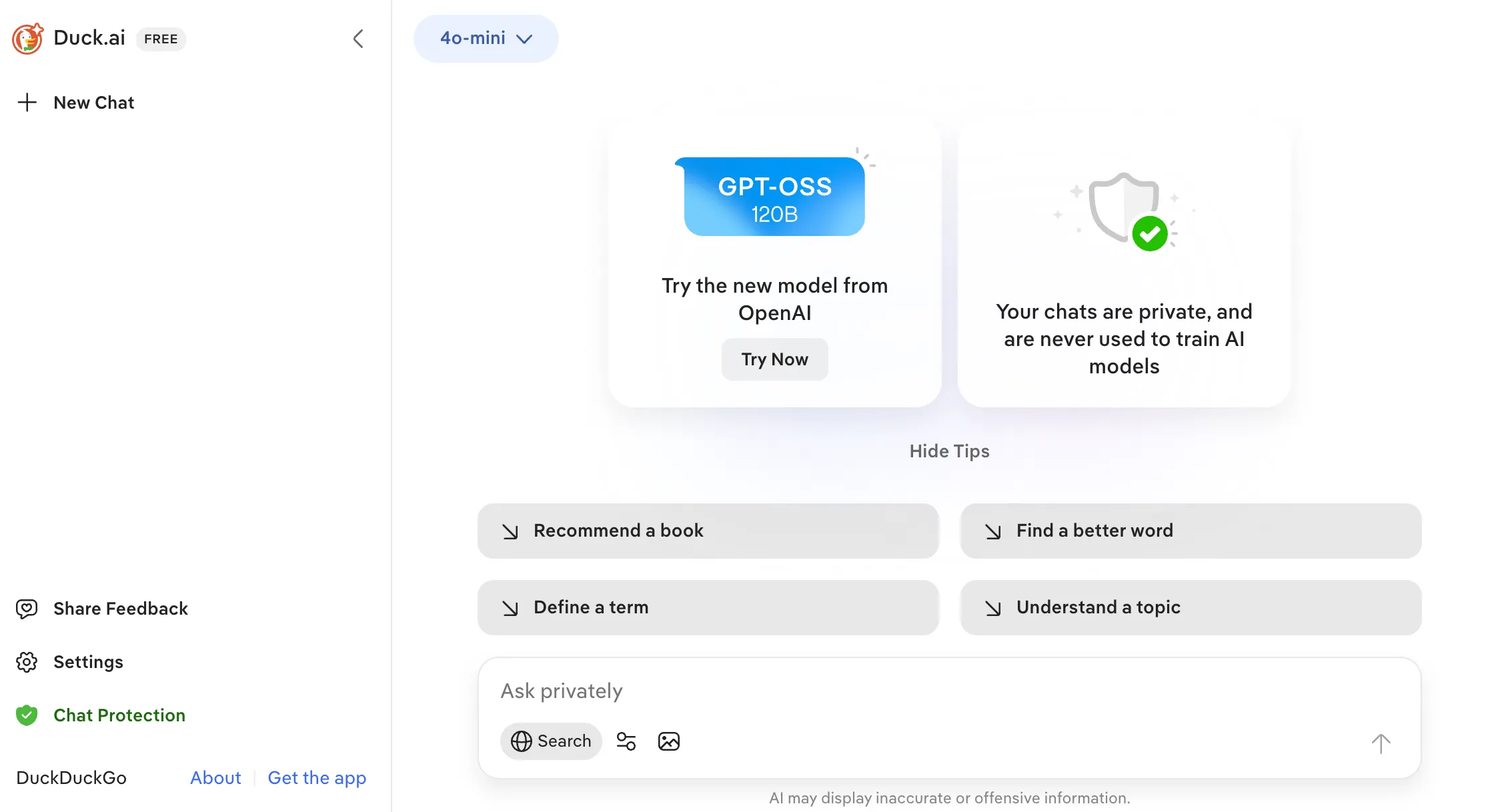
Duck.ai (from privacy-focused search platform DuckDuckGo) emphasises anonymity and privacy. It allows interaction with AI models without logging or tracking user data — appealing to those conscious of data security. Recent announcements describe it as a fully free service.
| Key features |
|
| Best for |
|
| Pricing |
|
Pi

Pi (often referenced among emerging personal-assistant AI tools) is positioned as a lighter, more conversational assistant — more about ease and quick chat than heavy enterprise-grade content or deep research. It’s often mentioned in comparisons of companion-style chatbots rather than productivity-first platforms.
| Key features |
|
| Best for |
|
| Pricing |
|
Which of these Best AI Chatbots Do You Use Already?
Many teams in Singapore already use at least one AI chatbot for copywriting, campaign planning, information retrieval, or internal productivity. The question is whether these tools are set up to give you a real competitive advantage. Combining automation with a strong GEO strategy ensures that the content you generate actually gets discovered, drives traffic, and delivers revenue outcomes.
If you want expert support to turn chatbot content into business growth, partner with MediaOne for professional GEO services that scale visibility and conversions. Contact us today and let’s strengthen the value you gain from the best AI chatbots while keeping your brand ahead of competitors in local search results.
Frequently Asked Questions
What is the difference between AI chatbots and virtual assistants?
AI chatbots focus on responding to user queries and generating content. Virtual assistants handle more task-based workflows such as scheduling and reminders. Some platforms do both, so choose based on what your operation needs most.
Can AI chatbots understand multiple languages including local slang?
Most leading tools support multilingual interaction. Accuracy varies for Singlish or niche colloquial terms, so testing with real customer language is recommended before deploying.
Do chatbots work well for small businesses in Singapore?
Yes. Many tools offer free tiers, so small companies can automate marketing and service tasks without heavy investment. The key is selecting a platform that matches the workflow and growth goals.
How often should businesses review or update their chatbot tools?
Regular reviews are needed because AI performance evolves quickly. Checking accuracy, pricing, and integrations every quarter helps ensure the business still gets maximum value.
Are AI chatbots able to handle compliance concerns in regulated industries?
Some platforms prioritise safer and more controlled output. Teams handling sensitive information should choose tools with enterprise security features and clear data handling policies.