You’ve probably worked with a designer who ghosted mid-project, sent back something that looked nothing like the brief, or treated feedback like a personal attack. That’s not collaboration. That’s chaos. And you don’t have time for chaos.
If you’re running a business in Singapore—where customers expect fast, polished, and culturally sharp branding—you need more than just pretty visuals. You need a creative partner who can translate business strategy into design that actually moves the needle.
That’s where knowing how to collaborate with a graphic design agency makes all the difference. This isn’t about learning design yourself. It’s about making sure your agency delivers assets that align with your goals, speak to your audience, and drive action.
That means asking the right questions, setting the right expectations, and managing the process like someone who values outcomes—not just output. You’ll walk away from this guide with a clear system. No fluff. No jargon. Just the exact steps and tools you need to make your next agency project smooth, strategic, and actually worth the invoice. Let’s get to it.
Key Takeaways
- Partnering with a graphic design agency gives small businesses access to scalable expertise, allowing them to achieve high-impact branding without the cost of building an in-house team.
- Clear communication, from briefing to feedback, is critical to avoid delays, manage expectations, and ensure the final design aligns with your business goals.
- A long-term relationship with a design agency not only saves time and money but also leads to more strategic, brand-consistent work as the agency grows to understand your business inside out.
Forging a Productive Relationship with A Graphic Design Agency
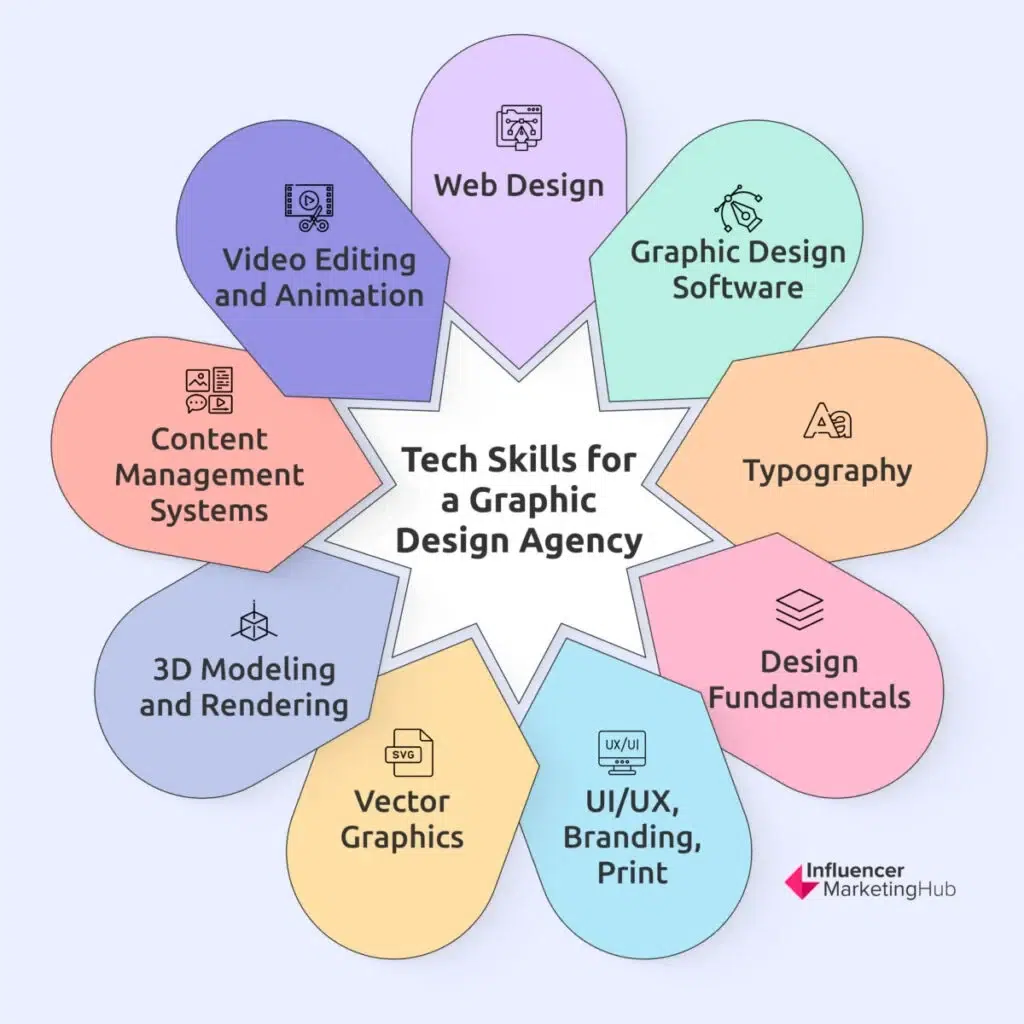
Image Credit: Influencer Marketing Hub
Most small businesses don’t suffer from bad design. They suffer from design that solves the wrong problem. You might think you just need a logo, a new menu layout, or some Instagram graphics.
But what you actually need is design that supports business growth—design that pulls its weight, converts browsers into buyers, and communicates value instantly. That doesn’t happen by accident. It happens through strong, strategic collaboration with the right design partner.
Design Isn’t Just Creating Visual Content
Done well, great design is a business asset. According to a McKinsey report, companies that prioritise design outperform industry benchmarks by double the revenue growth.
But here’s the rub: Too many SMEs in Singapore treat design projects like one-off tasks, not long-term investments. They hire fast, brief vaguely, and hope for the best. Then they’re surprised when the outcome misses the mark.
Case study:
Take The Soup Spoon, for example. Their rebrand wasn’t just a facelift—it aligned their visuals, brand messaging framework, and customer experience across touchpoints.
Partnering with a design team that understood the brand’s local roots and regional growth goals made the difference between “just nice” and commercially effective.
This guide shows you how to avoid the common pitfalls and build a design partnership that actually drives business results. If you’re ready to collaborate with a graphic design agency that delivers, keep reading.
Why Collaborating With a Graphic Design Agency Makes Sense
Here’s how to handle this like a business owner who knows the value of leverage. Hiring an in-house designer might sound ideal—full control, quick turnaround, deep brand familiarity.
But unless you’re running a company large enough to keep a full-time creative team busy every week, it’s a financial and operational stretch. For most small businesses in Singapore, collaborating with a graphic design agency makes more economic and strategic sense.
Here’s why:
| You save cost without sacrificing quality. |
|
| You get access to broader, deeper expertise. |
|
| You scale digital design support as your business grows. |
|
Case study:
When The Soup Spoon wanted to evolve from a simple soup café into a lifestyle food brand, they didn’t build an in-house design team. Instead, they collaborated with a leading graphic design agency with experience in visual storytelling. Together, they refined the brand’s identity—new packaging, consistent visual language across touchpoints, and updated retail design.
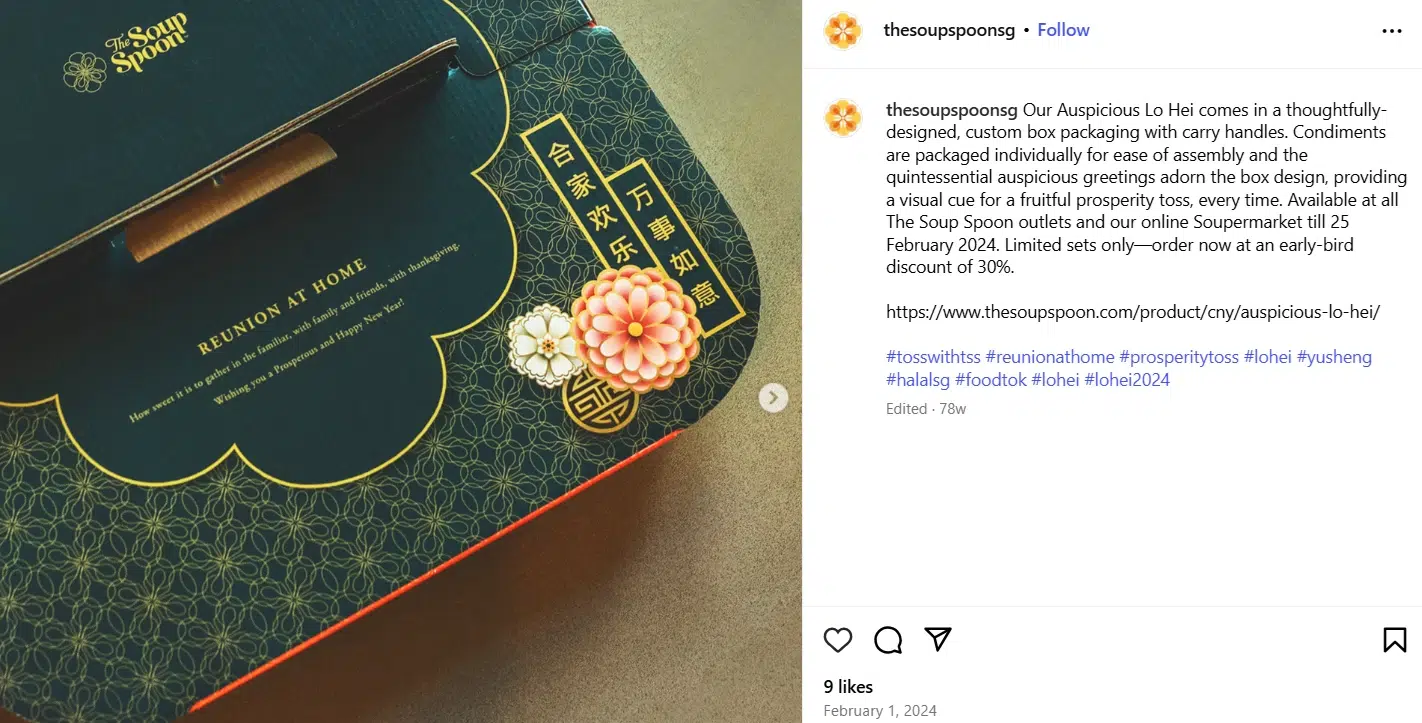
Image Credit: The Soup Spoon
The result? The Soup Spoon’s rebrand helped them scale into international markets like Taiwan, Vietnam, and Brunei, with brand consistency that felt local and premium at once.
This isn’t just about saving time or cost. It’s about setting up your business to look, feel, and grow like a brand customers trust—right from the start. Remember that First impressions of a brand are 94% design-related.
If you’re still trying to do everything in-house or piecing together freelancers without a plan, you’re not just risking visual inconsistency. You’re risking your brand’s credibility.
Know What You Need Before You Reach Out
Before you even draft that enquiry email or schedule a discovery call, get your house in order. Walking into an agency conversation without clarity is like handing over your wallet and saying, “Just make it look nice.” That’s not strategy. That’s guesswork.
A well-prepared client gets better work, faster outcomes, and more value from every dollar. So before you reach out, use this checklist to sharpen your direction and show up like a decision-maker—not someone still figuring it out on the fly.
Pre-Agency Collaboration Checklist
Use this to brief smarter, avoid scope creep, and cut revision cycles in half.
| Step | What It Means | Why It Matters |
| Define your business objective | Be clear: Do you want to boost brand awareness, increase sign-ups, or improve perceived value? | Design must serve a goal. No goal, no direction. |
| Identify the design scope | List exact deliverables: Logo, brand guide, packaging, web banners, templates for social media platforms, etc. | Prevents confusion and keeps quotes accurate. |
| Know your timeline and budget | What’s your launch date? What’s your ceiling? Be honest—agencies can tailor scope if you’re upfront. | Clear constraints = realistic timelines and expectations. |
| Clarify your brand personality | Are you playful, premium, minimalist, bold? Bring references—websites, ads, Pinterest boards. | Visual references save hours of back-and-forth. |
| Optional: Run a quick internal audit | Review current assets. What’s outdated, inconsistent, or off-brand? | Gives agencies context and helps prioritise what to fix or improve. |
Pro tip:
Businesses that share examples of what not to do often get better outcomes than those who only say what they like. Your dislikes are just as valuable as your vision. Doing this prep work sets the tone. It tells your design agency: We’re serious. We respect your process. Let’s build something that actually works.
How To Choose the Right Graphic Design Agency
You don’t need the “best” graphic design agency. You need the right one—one that understands your business, your market, and your customers. Plenty of agencies can create nice visuals. That’s the bare minimum.
The agency you hire should do more than decorate and promise innovative design solutions. They should design with intent—aligned to your goals, audience, and the nuances of doing business in Singapore. Here’s how to compare your options like a pro:
Agency Selection Matrix for SMEs
| Criteria | What to Look For | Why It Matters |
| Portfolio | Projects in your industry, variety in styles, strong conceptual thinking | Gives you a sense of their creative range and whether they can handle your brief |
| Cultural Fit | Responsive communication, asks smart questions, collaborative mindset | You’ll be working closely—poor communication = wasted time and money |
| Creative Design Solutions Offered | Do they handle branding, strategy, digital, packaging, UI/UX? Or only one niche? Can they deliver exceptional graphic design services in all areas or only specialise in a specific skill? | A full-suite agency can scale with your business as your needs evolve |
| Testimonials and Reviews | Look beyond testimonials on their site. Check Google Reviews, Clutch.co, or ask for client contacts | Unfiltered feedback gives you the real picture on reliability and results |
| Pricing and Packages | Are their deliverables, timelines, and scope clear? Do they charge for revisions or extras? | Transparency avoids scope creep and surprise invoices |
Pro tip:
Singapore’s market is multilingual, multicultural, and hyper-connected. Your agency needs to get that. Whether it’s designing bilingual packaging or balancing cultural cues in visuals, localisation matters. Several agencies have built reputations for weaving regional nuance into world-class design.
Bottom line:
If an agency can’t speak your customer’s language—or yours—it’s not a good fit, no matter how slick the pitch deck looks. Interview them like a strategic partner, not a vendor.
Ask how they measure success, how they handle feedback, and how they’d approach your specific brief. You’re not just buying a design. You’re investing in brand equity. Choose the right graphic design agency accordingly.
Crafting a Clear and Actionable Design Brief
An unclear brief isn’t just a creative risk—it’s a budget leak. If you’ve ever received a design that “missed the mark,” chances are the problem started with the brief.
Agencies aren’t mind-readers. The best results happen when you treat the brief as a blueprint, not a brain dump. Here’s how to write one that gets results:
What Your Design Brief Must Include
| Section | What to Write | Why It Matters |
| Project Objectives and Key Performance Indicators (KPIs) | Be specific: “Increase landing page conversions by 20% in 3 months,” not “make it pop.” | Tells the agency what success looks like—visually and commercially. |
| Target Audience Persona(s) | Include key demographics, online buying behaviours, pain points. “Working mums aged 30 to 45 in Singapore who shop online and value clean labels.” | Good design speaks to people. Agencies need to know who’s listening. |
| Core Brand Values, Tone, and Positioning | Use words like “bold,” “accessible,” “premium but friendly.” Share your elevator pitch. | Guides typography, colour, layout, and messaging direction. |
| Visual References and Competitors | Show designs you admire (and dislike). Include examples from your industry and beyond. | It’s faster to show than to explain. References save time and confusion. |
| Deliverables List and Deadlines | What exactly are you expecting? Social graphics? Logo variations? Brand book? When do you need each asset? | Sets clear boundaries for scope and timelines—crucial for pricing and planning. |
| Budget Parameters | Share a range or cap. This isn’t about giving away leverage—it’s about setting realistic expectations. | Helps the agency recommend the best path forward without wasting time. |
Pro tip:
If you don’t have a full brand guide, pull together a moodboard using tools like Pinterest, Milanote, or Canva. Visual cues on colours, typography, and layout styles will give the agency direction without needing a 40-page brand bible.
Case study:
When local skincare brand Rooki Beauty worked with a graphic design agency in Singapore, they didn’t just ask for a pretty label. Their brief was anchored in strategy: Position the brand as modern yet relatable, appeal to millennial women, and build shelf appeal without losing authenticity. The result? A minimalist packaging system that helped them expand into international markets.
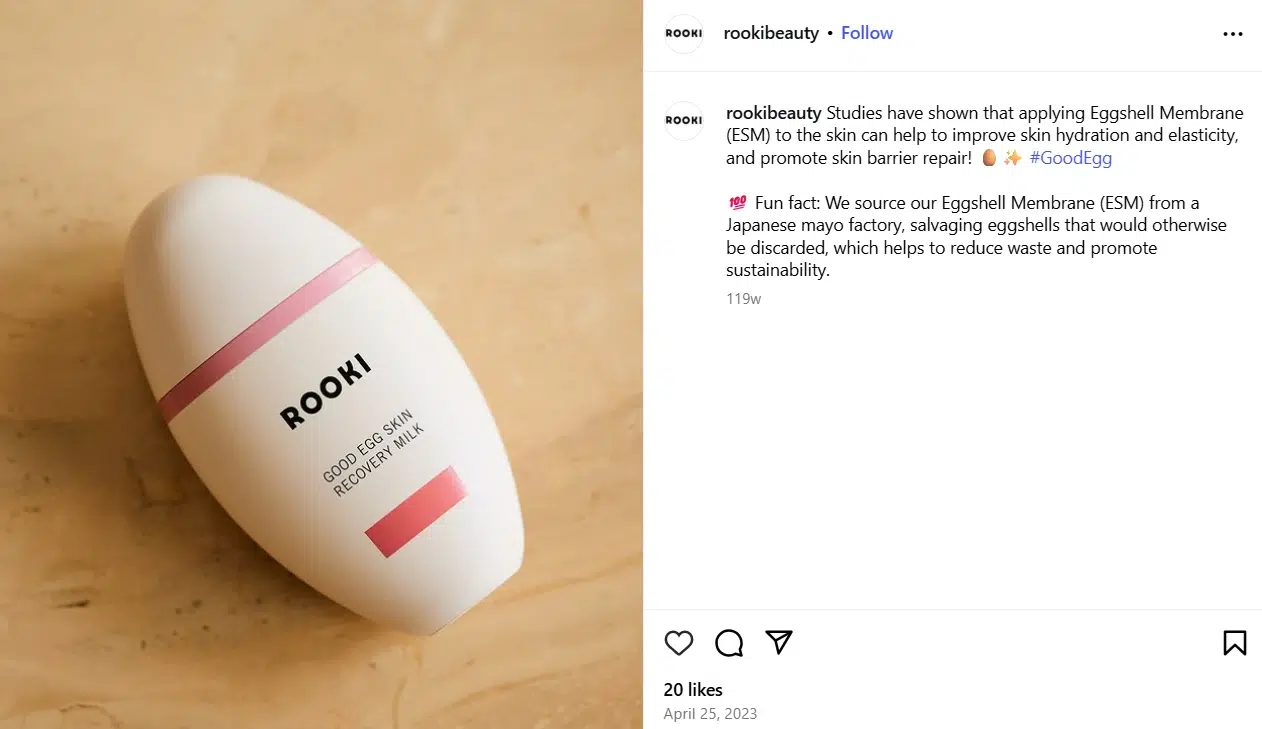
Image Credit: Rooki Beauty
Bottom line:
A strong brief isn’t extra admin. It’s your most cost-effective design tool. Get it right, and your agency won’t just deliver what you asked for—they’ll deliver what your business actually needs.
Set Expectations Early: Timeline, Feedback, and Revisions
Misaligned expectations are the fastest way to turn a promising graphic design project into a drawn-out mess. You’re not hiring a graphic design agency to chase emails, redo work five times, or decipher vague comments like “can you make it more wow?” If you want smooth execution, you need structure—and it starts by setting expectations early. Here’s how to take control without micromanaging:
Key Areas to Align Before the First Pixel Is Placed
| Area | Alignment Strategy |
| Break the project into clear phases. |
|
| Assign a decision-maker. |
|
| Clarify what you’re paying for. |
|
| Give feedback that moves the work forward. |
|
Case study:
When Singapore-based brand Hook Coffee worked on their packaging redesign, they set up weekly reviews with one designated brand lead and clear feedback criteria focused on a specific goal: To enhance visual appeal and differentiation.
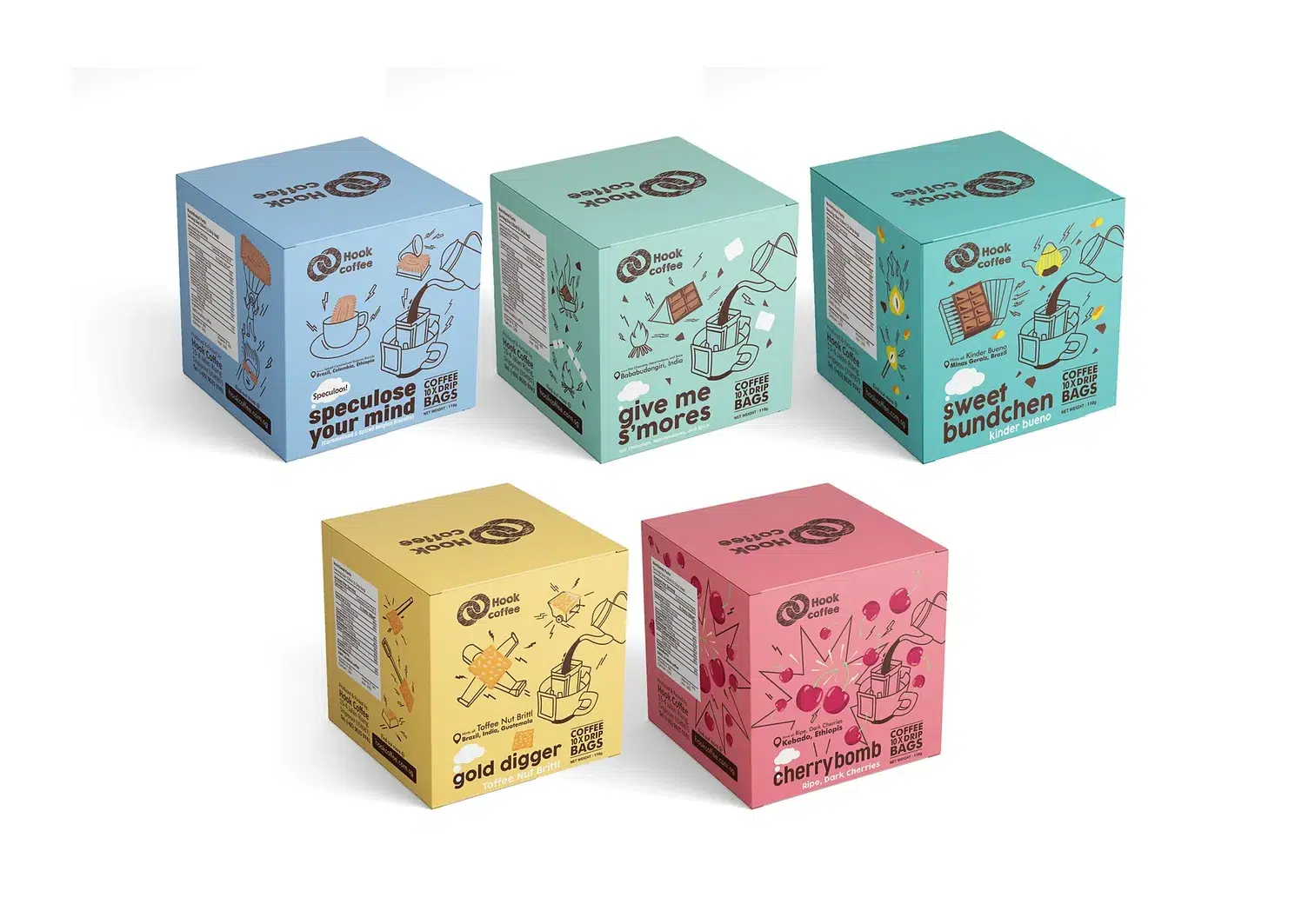
Image Credit: Dribbble
By being decisive and organised, they hit launch timelines and secured major distribution deals after two quarters.
Bottom line:
This part of the process isn’t about being rigid. It’s about being aligned. When everyone knows the playbook from day one, the final design won’t just look good—it’ll work for your business.
Tools and Processes That Make Collaboration Easier
If you’re serious about getting design projects delivered on time, on budget, and without the endless “can you resend that file?” emails, then you need the right tools in place from the start.
Great collaboration isn’t just about people—it’s about process. The right systems keep everything organised, centralised, and transparent so that your agency can focus on design, not chasing approvals.
Essential Tools That Streamline Agency Collaboration
| Tool | Purpose | Example Use |
| Notion or Trello | Project management | Track timelines, task lists, milestones |
| Figma or Adobe Creative Cloud | Design collaboration | Real-time comments on drafts, version control |
| Slack or Email | Communication | Quick check-ins, approvals, clarification |
| Google Drive or Dropbox | File sharing | Store and organise brand assets, references, exports |
What These Tools Solve:
- No more 10-version files scattered across emails
- Clear visibility on what’s done, what’s pending, and who’s responsible
- Real-time feedback without waiting for the next call
- One shared source of truth for assets, moodboards, and deliverables
Don’t Skip This: File Ownership and Licensing
Before any design work starts, get crystal clear on:
- What file types you’ll receive (e.g. AI, PSD, SVG, PNG)
- Whether editable source files are included
- Who owns the rights to the work
- Where and how the designs can be used (especially for commercial use)
For example, if you plan to adapt a logo into merchandise or modify illustrations down the line, you need the working files—not just flattened exports.
Pro tip:
Singapore fintech startup Seedly used Figma to collaborate on UI updates across their product and marketing teams. By giving design, dev, and content marketing teams real-time access to one living design file, they slashed turnaround time for campaigns and reduced email back-and-forth.
Bottom line:
If you’re still managing creative projects through WhatsApp and email chains, you’re slowing yourself down. Use these tools not just to stay organised—but to work smarter, faster, and with fewer mistakes.
Review, Test, and Launch With Confidence
You’ve approved the final designs. Great. But before you launch, here’s the hard truth: What looks perfect in a presentation deck can fall apart in the real world.
If you want your brand to look sharp across every touchpoint—from packaging to Instagram to in-store signage—you need to test, verify, and launch with precision. The final design phase is where most businesses either dial in the polish or expose the cracks.
Final Review Checklist (Before You Go Live)
| Area | What to Check |
| Contextual Testing | View designs in real-world settings: Mobile screens, social ads, packaging mockups, signage. |
| Responsive Performance | Does your logo scale? Does text remain readable on small formats? Check across breakpoints. |
| File Formats | Make sure you have AI, EPS, PNG, JPEG, and SVG files—each serves a different purpose. |
| Image Resolution | Web images: 72 DPI. Print materials: minimum 300 DPI. Anything less will look amateur. |
| Naming Conventions | File names should be logical: Brand_Logo_Primary_RGB.ai, not finalfinal3.ai. |
| Cohesion Check | Fonts, colour codes, icon styles—ensure consistency across platforms and assets. |
Case study:
When Singapore-based beverage brand OATSIDE launched its regional marketing campaign, they previewed packaging and digital ads across different platforms and lighting conditions. What looked clean in digital proofs needed tweaking for visibility on supermarket shelves.
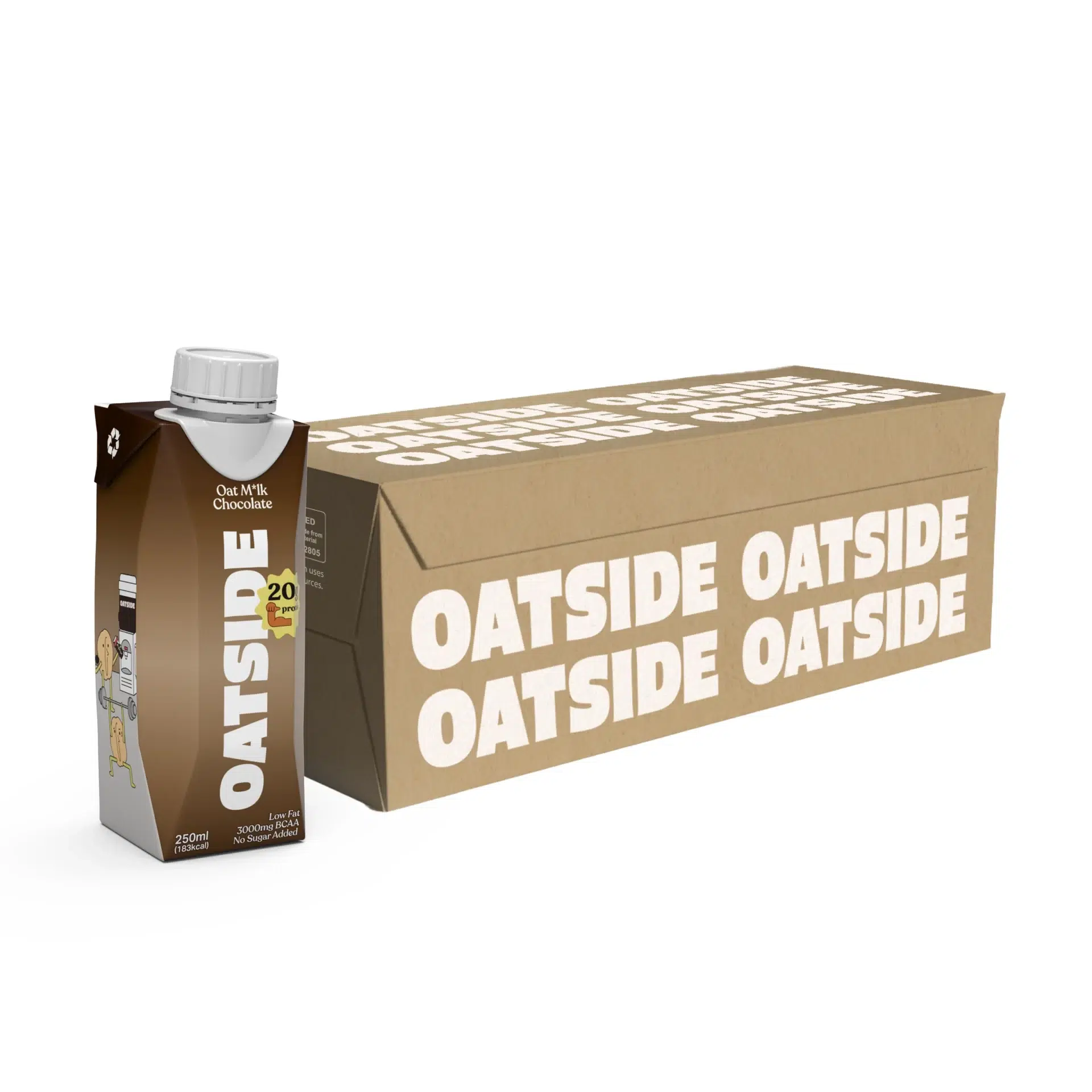
Image Credit: Oatside
Their design agency ran real-world tests, caught the issue early, and made contrast adjustments that boosted shelf presence without a full redesign.
Don’t Just Launch—Leverage the Moment
A design launch isn’t just a checkbox. It’s a brand-building opportunity.
- Share a behind-the-scenes reel of your new look
- Post before-and-after visuals on LinkedIn and Instagram
- Tag and credit the agency or designer publicly
This does two things:
- It reinforces your brand’s evolution to your customers.
- It boosts goodwill and visibility for your creative agency partner—win-win.
Bottom line:
The work isn’t done when the file is delivered. It’s done when your design works everywhere your brand lives. Did you know that consistent brand presentation across platforms increases revenue by up to 23%? Test smart, launch loud, and don’t let small mistakes dull the shine of great creative.
Building a Long-Term Relationship With Your Graphic Design Agency
One-off projects get you assets. Long-term partnerships build your brand. If you’ve ever felt like you’re re-explaining your business every time you start a new design brief, you’re not alone. Most SMEs treat design agencies like vendors instead of partners—hire them once, disappear, repeat.
The problem? You end up spending more time, more money, and more creative energy than necessary. Building a long-term relationship with a design agency isn’t just easier. It’s smarter business.
Why Ongoing Collaboration Pays Off
| They understand your brand inside out. |
|
| Faster turnarounds, cleaner communication. |
|
| More cost-effective than you think. |
|
Case study:
Singapore-based ecommerce brand The Kint Story started by hiring a local agency for a single lookbook design. What began as a seasonal campaign turned into an ongoing partnership. Over time, the agency handled product photography, email templates, packaging, and Shopify visuals.
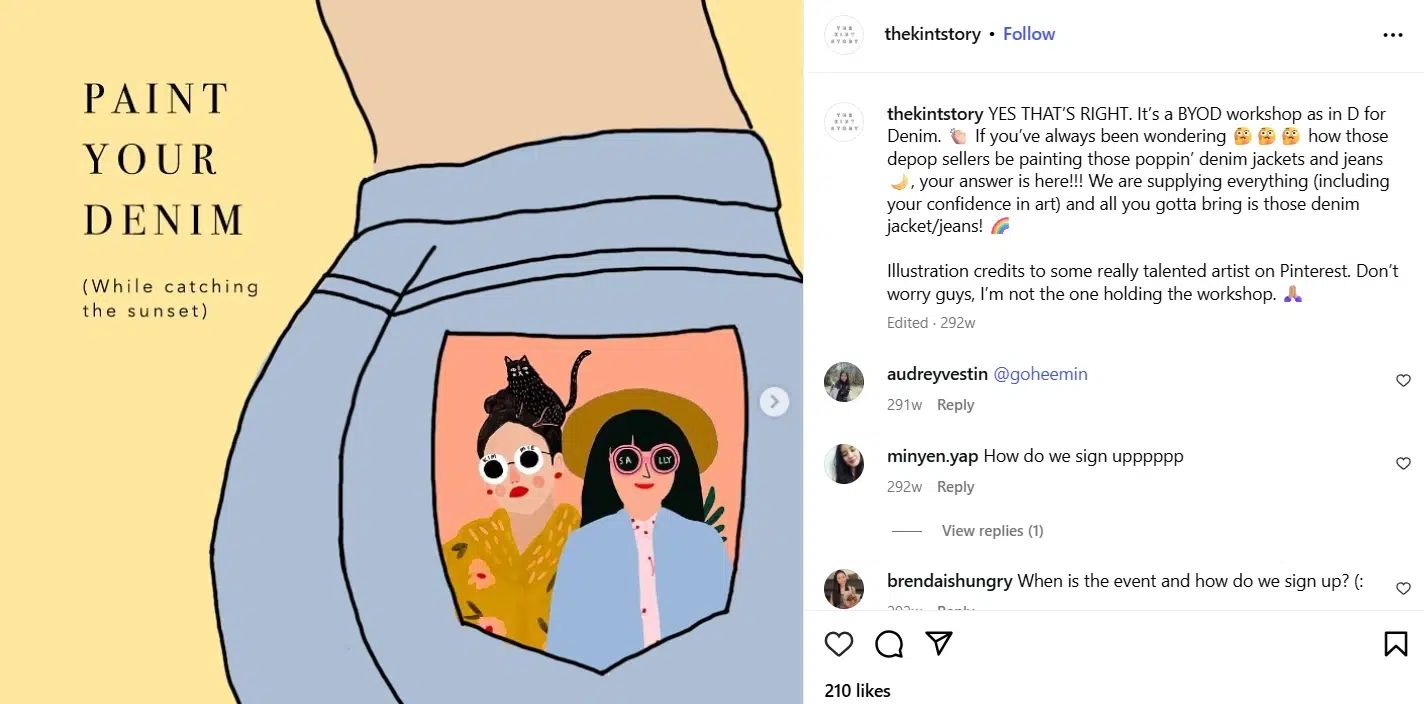
Image Credit: The Kint Story
With each project, the agency got faster, more aligned, and more strategic. Kint didn’t have to brief from scratch or jump between freelancers—they had a creative partner on call who understood their aesthetic, audience, and growth roadmap.
Pro tip:
If you’re planning quarterly launches, seasonal campaigns, or new product rollouts, a creative retainer makes your timeline predictable and your output consistent. It also makes you a priority client—something you’ll thank yourself for when deadlines pile up.
Bottom line:
One-off design wins are great, but long-term agency relationships build brands with staying power. If your business is playing the long game, your design strategy should be too.
Common Pitfalls (and How to Avoid Them)
Let’s be blunt: The biggest threats to your design project aren’t technical. They’re managerial. Even the most talented agency can’t save a project from vague direction, indecisiveness, or micromanagement.
If you want results that actually work in the real world—not just pretty decks—then you need to avoid these common traps that cost small businesses time, budget, and credibility.
4 Common Pitfalls That Derail Design Projects
And what to do instead.
| Pitfall | What Happens | How to Prevent It |
| Vague briefs and shifting goals | You get revisions on top of revisions—and nothing ever feels “right.” | Use a clear brief with business goals, audience insights, and visual references. Lock the direction early. |
| Micromanaging the creative process | You stall momentum by nitpicking layout margins or choosing fonts based on personal taste. | Focus feedback on strategy and audience alignment. Let the agency do what you hired them for. |
| Skipping approvals and assuming timelines | You delay the project without realising it—and then blame the agency for not hitting deadlines. | Set internal review deadlines. Assign one decision-maker. Track everything in a shared calendar. |
| Underestimating production time for complex outputs | Packaging, web layouts, and multi-format exports take time. Rushing creates errors. | Ask for realistic timelines up front—especially for print and cross-channel designs. Pad your launch schedule. |
Case study:
A Singapore jewellery brand nearly delayed a product launch due to last-minute packaging tweaks. Their original brief missed regulatory compliance and finish specs. After rushing production, they had to redo 10,000 units. Lesson learned? They now work with a retained graphic design company and use a strict internal approval checklist.
The Fix: Process Over Panic
- Create one brief. Not five half-updated ones.
- Use version control tools like Figma or Notion.
- Give feedback in writing. Be direct. Be kind. Be strategic.
- Treat deadlines as shared commitments—not moving targets.
The best creative work happens when both sides respect the process. That means clarity from you, accountability from them, and trust in the expertise you’re paying for. Want standout work? Get your systems right first.
Treat Your Graphic Design Agency as a Strategic Creative Partner

Image Credit: Uplers
The most successful small businesses don’t treat design as decoration. They treat it as strategy—and their design agency as a creative partner, not a task-taker.
By approaching your collaboration with clarity, trust, and a shared vision, you unlock far more than beautiful visuals. You get work that converts. That builds brand equity. That earns the trust of customers before you’ve said a single word.
Great design doesn’t just make you look professional—it helps you play at the level of bigger brands, without needing an in-house team. Whether it’s web design, your first logo, or your next packaging refresh, every touchpoint becomes an opportunity to tell your story with polish and purpose.
You don’t need a million-dollar marketing budget to create standout design. You just need the right partner. At MediaOne, we help small businesses in Singapore bring their brands to life with strategic, conversion-driven design—supported by experts who understand local markets, digital performance, and what makes people click. Call us today and let’s start building something great together.
Frequently Asked Questions
What is the difference between a graphic designer and a graphic design agency?
A graphic designer typically works independently and may specialise in a particular style or format, whereas a graphic design agency brings together a talented team of specialists across branding, digital, print, and UI/UX. Agencies offer a broader scope, better scalability, and the ability to handle complex, multi-channel projects more efficiently.
How much does it cost to hire a graphic design agency?
Costs vary depending on the agency’s location, expertise, and project scope. In Singapore, small business design packages can start from around SGD $1,500 for basic branding and scale upwards for full brand systems, campaigns, or retainers. Always ask for itemised quotes to avoid hidden costs.
How do graphic design agencies charge for their services?
Most agencies offer either project-based pricing, hourly rates, or monthly retainers. Project-based pricing is common for defined scopes like logo design or packaging, while retainers suit ongoing design needs. Some also offer tiered packages to cater to different business sizes and budgets.
What industries do graphic design agencies typically work with?
Graphic design agencies serve a wide range of industries, including F&B, retail, fintech, healthcare, education, and ecommerce. The best agencies adapt their visual strategies to fit the specific audience and regulatory requirements of each sector.
Can a graphic design agency help with digital marketing?
Yes, many graphic design agencies now offer integrated services or partner closely with digital marketing agencies. They can design assets optimised for social media, display ads, landing pages, and email campaigns—ensuring consistency and performance across your marketing funnel.