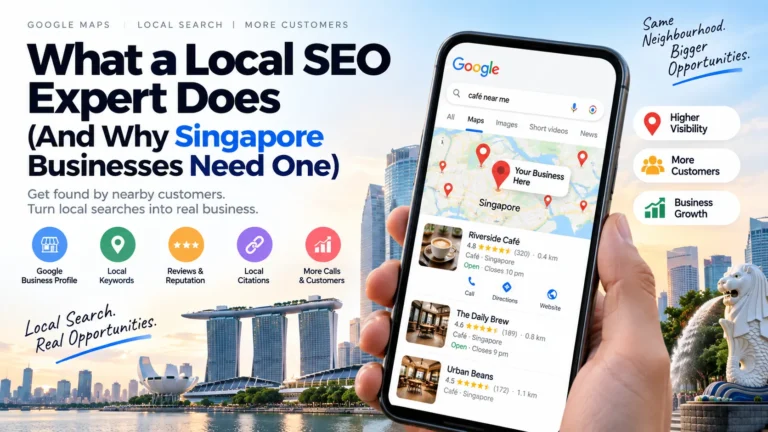

Did you know that 72% of local consumers use Google Search when looking for services or products in their area? That’s right. Local searches are becoming the go-to method for finding businesses in your area.

As a business owner or marketer, if you’re not focusing on local SEO, you’re missing out on a massive opportunity to connect with the customers who are already searching for you.
In 2026, it’s more important than ever to ensure your business stands out in local search results. No matter your business, whether it’s a local shop, service provider, or regional e-commerce, a local SEO agency can get you noticed and drive real traffic.
How do you appear in local search in 2026? In this guide, we’ll walk you through the top local SEO techniques that can help you rank higher and connect with the customers who matter most.
Key Takeaways
- Keep your Google My Business profile complete and accurate. Add strong photos and encourage reviews. This is the fastest way to boost your local visibility.
- Use location-specific keywords and long-tail phrases in your content, meta tags, and titles. This helps you reach people nearby who are searching.
- Positive reviews build trust and boost your rankings. Respond to every review to show you care and enhance your reputation.
What is Local SEO and Why is it Important?
Local SEO (Search Engine Optimisation) is the process of optimising your online presence to improve visibility in local search results on search engines like Google.
Unlike general SEO, which focuses on increasing a website’s visibility globally, local SEO targets customers within a specific geographic area. It ensures your business appears when people search for products, services, or businesses near their location.
For instance, when someone searches for “best pizza near me” or “hair salon in [city],” local SEO helps your business appear in those search queries. It’s particularly important for businesses that serve local customers, including restaurants, retail stores, service providers, and healthcare professionals.
Local SEO connects you with customers who are ready to act. As mobile search continues to grow, appearing locally is now part of daily buying habits.
In 2026, smartphones and voice search guide most local decisions. Whether you operate one location or many, mastering local SEO is how you get found, increase visits, and stay ahead of the competition.
Local SEO Techniques to Boost Your Rankings in 2026
Apply these strategies now to improve your visibility in local search results, enhance your user experience, and drive more relevant traffic to your site.
1. Optimise Your Google My Business (GMB) Profile

Your Google My Business (GMB) profile is your business’s digital storefront in local search. Optimising it boosts your local SEO. Here’s how:
- Complete Your Profile: Ensure that your business name, address, phone number, and business category are correct and consistent across all platforms. Consistency is key for ranking well in local searches.
- Add High-Quality Photos: Upload high-quality, engaging photos that showcase your business, products, or services. Photos provide users with a visual representation of your business and increase engagement.
- Update Business Hours: Ensure your business hours are accurate, and highlight any special hours for holidays or events.
- Encourage Reviews: Ask satisfied customers to leave reviews and ratings on your GMB profile. Responding to both positive and negative reviews shows that you care about customer feedback and helps improve your reputation.
Your Google My Business profile is essential for driving traffic and increasing visibility, so keep it fully optimised and update it regularly to stay ahead of competitors.
2. Target Local Keywords

In 2026, targeting local keywords is essential for ranking in location-based searches. Here’s how to find and use them:
- Research Local Keywords: Use tools like Google Keyword Planner, Ahrefs, and Ubersuggest to discover local long-tail keywords. These are highly specific search terms that people in your area are using.
- Incorporate Keywords into Your Content: Use local keywords in your page titles, meta descriptions, H1 tags, and throughout your on-page content to signal relevance to search engines.
- Focus on Geo-Targeted Keywords: Include the name of your city, neighbourhood, or region in your keywords, such as “[service/product] in [location].”
Instead of just targeting “organic skincare,” try keywords like “best organic skincare in London” or “affordable organic skincare in Manchester.” These long-tail keywords help you attract customers who are searching for your product in a specific area.
3. Get Local Reviews and Build Reputation

Customer reviews are a critical factor in local SEO rankings. Positive reviews not only improve your local search rankings but also build trust with potential customers. Here’s how to encourage more reviews and build a solid reputation:
- Request Reviews: Encourage satisfied customers to leave reviews on your Google My Business page and other review platforms, such as Yelp and Trustpilot.
- Respond to all reviews, positive and negative. Address complaints to show you value feedback and build trust.
- Monitor Customer Sentiment: Implement a review management strategy to stay on top of feedback and continuously improve your reputation.
Example: A customer leaving a glowing review about your service will boost your rankings, enhance your reputation, and attract more local customers.
4. Ensure Mobile Optimisation

Most local searches now happen on mobile devices, so applying the mobile SEO best practices is crucial. Google’s mobile-first indexing uses your mobile site to rank you. Focus on:
- Fast Mobile Loading Times: Ensure your website loads quickly on mobile devices. Use tools like Google’s PageSpeed Insights to test your site’s speed.
- Responsive Design: Ensure your website automatically adjusts to any screen size. Responsive design ensures a smooth user experience across smartphones, tablets, and desktops.
- Optimise Local Landing Pages for Mobile: Ensure your local landing pages include clear CTAs (calls to action), such as directions, contact forms, and click-to-call options.
By improving the mobile experience for local users, you’ll not only enhance user engagement but also boost your mobile search rankings.
5. Create Location-Based Content

To dominate local search, create content that speaks to your local audience. Here’s how to connect with your community:
- Write Local Blog Posts: Create blog posts that cover local events, news, or community projects relevant to your business or industry.
- Optimise Your Content with Location-Specific Keywords: Use your city, town, or region throughout your content to target local search queries.
- Create Service Area Pages: Develop separate pages for each location or area your business serves, targeting local search terms specific to those regions.
If you’re a restaurant, write posts like “Best Hidden Gems for Dining in [Your City]” or “Top 5 Organic Restaurants in [Region]” to attract more local traffic and connect with your community.
Location-based content not only improves SEO but also builds relationships and enhances community engagement.
6. Build Local Backlinks

Backlinks are crucial for SEO, but local backlinks are even more valuable for local SEO. Here’s how to acquire local backlinks and improve your rankings:
- Partner with Local Influencers: Collaborate with local influencers and community leaders to create content and earn backlinks from their websites and social media.
- Contribute to Local Publications: Write guest posts for local blogs or sponsor community events to secure feature coverage and earn backlinks from authoritative local sources.
- List Your Business in Local Directories: Ensure your business is listed in local directories, including Yelp, Yellow Pages, and your Chamber of Commerce.
Local backlinks help you build domain authority and establish your business as an authoritative source in your community. Begin your outreach efforts now to improve your local rankings.
How to Track and Measure Your Local SEO Success
Tracking your local SEO performance is essential to understanding what’s working and what needs improvement. Use the following tools to monitor your progress:
Google Business Profile Insights
Google Business Profile Insights provides direct visibility into how users interact with your business listing in local search and Google Maps. This data helps you understand how customers are finding you and what actions they take next.
Key metrics to monitor include:
- How customers discover your listing (direct searches vs discovery searches)
- Clicks to your website
- Calls made from your listing
- Direction requests and location views
Tracking these signals helps you evaluate whether your listing optimisation, reviews, photos, and updates are driving meaningful engagement rather than just impressions.
Google Analytics (GA4)
Google Analytics allows you to track how local users behave once they land on your website. While rankings matter, real success comes from how users interact with your site after clicking through.
Use Google Analytics to:
- Identify traffic coming from local search queries
- Measure engagement metrics such as session duration and bounce rate
- Track conversions such as form submissions, calls, or bookings
- Analyse behaviour differences between local and non-local visitors
This helps you determine whether your local SEO traffic is actually converting into enquiries or sales.
Local Rank Tracking Tools
Dedicated local rank tracking tools allow you to monitor keyword performance across specific locations, rather than relying on generic national rankings.

Tools such as BrightLocal and SEMrush help you:
- Track keyword rankings at the postcode or city level
- Monitor visibility in Local Pack results
- Identify ranking fluctuations over time
- Compare performance against local competitors
Local rank tracking is especially important for businesses targeting multiple locations or service areas, as rankings can vary significantly depending on proximity and search intent.
Review and Reputation Monitoring
Customer reviews play a major role in local SEO performance and trust signals. Tracking review volume, ratings, and sentiment across platforms such as Google helps you understand how reputation impacts visibility and engagement.
Monitor:
- Review growth over time
- Average star rating trends
- Common keywords and themes in reviews
- Response rate and response timing
Consistently monitor your local SEO performance to fine-tune your efforts, stay competitive, and take control of your growth today.
Common Local SEO Mistakes to Avoid in 2026


When optimising your local SEO, it’s important to avoid common mistakes that can negatively affect your rankings and visibility. Here are the key mistakes to steer clear of:
- Inconsistent NAP (Name, Address, Phone Number): Ensure your business name, address, and phone number (NAP) are consistent across all online platforms, including your website, Google My Business profile, social media, and local directories. Discrepancies in NAP can confuse both search engines and customers, leading to lower rankings and reduced trust from potential clients.
- Tip: Use a tool like Moz Local or Yext to identify inconsistencies and ensure your business details are consistent across the web. Read our blog on NAP consistency for more information.
- Ignoring Mobile Optimisation: With the majority of local searches now happening on mobile devices, optimising your website for mobile is no longer optional. Google uses mobile-first indexing, meaning your mobile site is used to determine your rankings in search results. A non-responsive site or slow mobile load times can drive users away, increasing your bounce rate and reducing your chances of ranking well in local search results.
- Tip: Ensure your site is responsive and mobile-friendly by testing it using Google’s Mobile-Friendly Test. Focus on quick load times and a seamless user experience for mobile visitors.
- Lack of Local Content: Many businesses fail to create content that speaks directly to their local audience. Ignoring local keywords or failing to produce content relevant to your region means you’re missing valuable SEO opportunities. Without location-based content, your site won’t rank for local searches. Google rewards businesses that provide hyper-localised content that is relevant to the searcher’s location.
- Tip: Write blog posts about local events, create location-specific landing pages, and target long-tail local keywords like “best [service] in [city]” or “affordable [product] near me.” This builds trust with local consumers and improves your local search rankings.
- Neglecting Local Link Building: Building local backlinks is crucial for improving your domain authority and increasing your visibility in local search results. Many businesses focus too heavily on national or international backlinks, neglecting local opportunities. Without local backlinks, you’ll miss opportunities to improve your local SEO performance. Links from authoritative local sources signal to Google that your business is credible and relevant to your area.
- Tip: Partner with local influencers, sponsor community events, or guest post on local blogs to earn valuable local backlinks. Listing your business in local directories such as Yelp and Yellow Pages can also improve your visibility.
Stay consistent, mobile-friendly, and focused on local content and backlinks to achieve better rankings and drive more relevant traffic to your site.
Local SEO Checklist: Essential Steps to Dominate Your Market in 2026
Follow these steps to optimise your local SEO and boost your visibility in local search results.
Google My Business Optimisation
- Complete your Google My Business profile with accurate business details (name, address, phone number).
- Add high-quality photos of your business, products, and services.
- Update business hours, including special holiday hours.
- Respond to customer reviews to show engagement and build trust.
Keyword Optimisation
- Research location-specific keywords relevant to your business using tools like Google Keyword Planner or Ahrefs.
- Integrate geo-targeted keywords (e.g., “[service/product] in [city]”) into page titles, meta descriptions, and on-page content.
Online Reviews and Reputation
- Encourage customers to leave positive reviews on Google and other review platforms, such as Yelp.
- Respond to all reviews, both positive and negative, to show active customer engagement.
Mobile Optimisation
- Ensure your website is mobile-friendly and responsive across all devices.
- Improve mobile load times by optimising images and reducing unnecessary scripts.
- Test your site’s performance using Google’s PageSpeed Insights.
Location-Based Content Creation
- Create location-specific content, such as blog posts about local events or city-based landing pages.
- Optimise content with local keywords to target area-specific searches.
Backlink Strategy
- Build local backlinks by partnering with local influencers, sponsoring community events, or contributing to local publications.
- List your business in local business directories like Yelp, Yellow Pages, and local Chamber of Commerce sites.
Track and Measure Your Local SEO Performance
- Use Google My Business Insights to monitor user engagement and interactions.
- Track local keyword rankings using BrightLocal or SEMrush.
- Regularly check your Google Analytics to analyse traffic and conversion rates from local searches.
Note: This checklist can be tweaked according to your business needs. Adapt it based on your specific market, location, and SEO goals to ensure the most effective optimisation strategy for your business.
Master These Local SEO Techniques to Dominate Your Market in 2026
Looking ahead to 2026, local SEO is now essential for every business. Whether you run a café, a service business, or a regional brand, standing out in local search is the key to reaching the right customers.
The good news: it’s simpler than it looks. Get your Google My Business profile in shape, make your site mobile-friendly, and create content for your community. You’ll see better visibility, more visits, and stronger customer relationships.
It can feel overwhelming to optimise everything at once. Start small, focus on one step at a time, and keep improving. Every tweak gets you closer to dominating local search and growing your business. Now is the time to make local SEO a priority. Get started and watch your business grow in 2026 and beyond.
Need help optimising your local SEO? Contact MediaOne today and let us guide you through the process to boost your local rankings and attract more customers.
Frequently Asked Questions
How can local SEO help my business attract more customers?
Local SEO helps your business become visible in local search results, increasing the likelihood of attracting nearby customers. By optimising your online presence, such as your Google My Business profile, reviews, and local keywords, you make it easier for potential customers to find you when they search for products or services in their area.
What is the role of local backlinks in SEO?
Local backlinks are links from other local businesses, organisations, or media outlets in your community. These backlinks help build your business’s authority in the local market and improve your local search rankings. The more authoritative and relevant local backlinks you acquire, the higher your site will rank in local search results.
Can I improve my local SEO without a physical storefront?
Yes, local SEO is not limited to businesses with physical stores. If your business provides services in a specific geographic area, such as a consultant or an online service provider, you can still optimise for local search by targeting location-specific keywords, setting up a Google My Business profile, and creating location-based content relevant to your service areas.
How do I optimise my website for “near me” searches?
Optimising for “near me” searches involves targeting local keywords people commonly use to find products or services in their area. Ensure your business’s name, address, and phone number (NAP) are consistent across platforms, optimise your website for mobile searches, and create localised content that highlights your presence in specific locations.
How often should I update my Google My Business profile?
You should update your Google My Business profile regularly to ensure it reflects the most accurate information. This includes updating business hours, adding photos of your services or products, and responding to customer reviews. Regular updates help your profile stay fresh and relevant in local search results.