Becoming a blogger in Singapore has evolved from hobby to legitimate career path, with 4.8 million internet users creating unprecedented opportunities for content creators.

Modern blogging encompasses affiliate partnerships, sponsored collaborations, digital product sales, and brand consultancy services. However, building sustainable income requires strategic planning beyond casual content creation.
This comprehensive guide examines realistic income benchmarks, proven monetisation frameworks, Singapore-specific legal requirements, and systematic authority-building strategies.
Whether transitioning from traditional employment or scaling an existing side hustle, you’ll discover actionable methodologies specifically designed for Singapore’s unique digital ecosystem and regulatory environment.
Key Takeaways
- Making a living as a blogger in Singapore requires treating blogging as a serious business with diversified income streams.
- Local market knowledge and compliance with Singapore’s legal requirements are essential for success.
- Consistent high-quality content, SEO, and audience growth strategies drive sustainable revenue.
- Combining blogging with other digital marketing methods can maximise reach and conversions.
What Does It Mean to Make a Living Blogging in Singapore?
Making a living as a blogger in Singapore isn’t about pocket money. It’s about building a real business that pays the bills, covers CPF contributions, and competes with a full-time salary.
For most Singaporeans, that means earning at least SGD 5,500 to SGD 7,310 a month — the median income range according to the Ministry of Manpower (MOM) and recent salary projections.
But blogging today is not just writing posts and waiting for ad clicks. The market has evolved. Your blog is a content-driven business.
You’re not competing with hobby bloggers. You’re competing with influencers, media brands, and niche authorities who treat this like a serious venture.
Here’s What “Making a Living” Really Looks Like:
- Stable Revenue Streams: Ads, affiliate marketing, sponsored posts, digital products, and brand partnerships.
- Business Legitimacy: Registering an ACRA business, tracking GST if revenue crosses SGD 1 million, and ensuring CPF compliance if you hire staff.
- Audience Scale: Building a loyal, monetisable audience via SEO, email marketing, and social platforms.
Why It Matters for Singaporeans
Singapore isn’t a cheap city.
According to Numbeo, the estimated monthly costs for a single person are approximately SGD 1,500 (excluding rent).
If you’re relying solely on ad revenue, you’ll need hundreds of thousands of monthly visitors to break even. That’s why diversification of income streams is non-negotiable.
Real-World Example

Take LadyIronChef, one of Singapore’s top food blogs.
What started as a passion project became a full-fledged business generating income through sponsored dining reviews, brand collaborations, and events.
With millions of monthly views, LadyIronChef leverages a strong personal brand and SEO strategy to stay competitive.
Key Benchmarks for “Making a Living” Blogging in Singapore
| Metric | Target for Full-Time Income |
| Monthly Blog Traffic | 100,000+ page views |
| Average RPM (Ads) | SGD 5–10 |
| Affiliate Commissions | SGD 500–2,000/month |
| Sponsored Posts | SGD 300–1,000 per post |
| Digital Products | SGD 1,000+ monthly |
If you’re serious about making a living as a blogger in Singapore, you need to think like a business owner, not a hobbyist.
That means optimising for search, building authority, diversifying revenue, and aligning with local compliance laws.
Why Blogging Still Pays in 2025
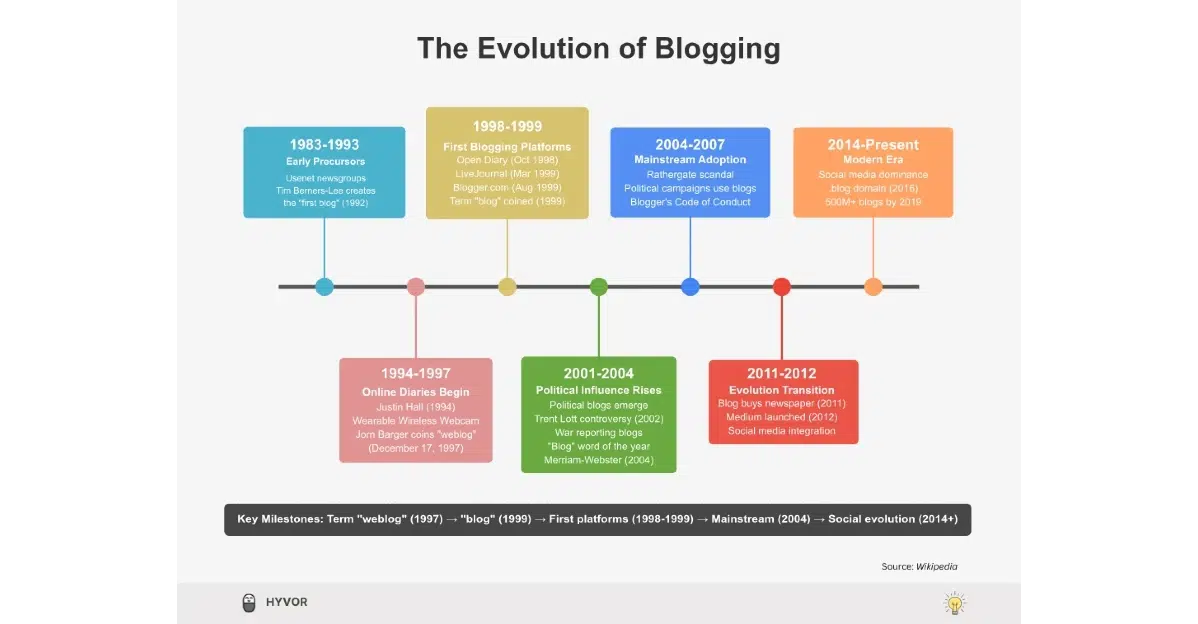
Image Credit: Hyvor
You’ve probably heard the whispers: blogging is dead. It’s not. In fact, in Singapore, it’s more alive than ever.
If you’re building a brand, selling services, or growing an audience, blogging remains one of the highest-ROI digital marketing channels. Here’s why.
Blogging Is Still a Conversion Machine (If You Do It Right)
You’re not writing for vanity. You’re writing for visibility, trust, and revenue. In 2025, businesses that blog strategically generate 67% more leads than those that don’t.
Here’s the difference between brands that win with blogs and those that don’t:
- Winners treat blogs like assets, not diaries. Every post is SEO‑optimised, built to rank for commercial intent keywords like “best ERP software Singapore” or “digital marketing agency pricing”.
- They align with buyer journeys. Blogs answer questions your prospects are asking before they ever talk to you.
- They monetise beyond ads. Affiliate links, lead magnets, downloadable templates, and email funnels turn content into revenue engines.
Take PropertyGuru, for example. Its blog isn’t fluff. It’s a lead magnet. Every article links to listings and mortgage calculators, pulling readers deeper into its ecosystem.
That’s not “just content”; that’s conversion-driven blogging done right.
The Singapore Advantage: Local Content Wins
Here’s what most businesses miss: Singaporeans trust local content. If you publish an in-depth article on “How CPF Changes Affect Retirement Planning in 2025”, you’ll beat a generic finance blog any day. Why? Relevance.
- Singapore-based blogs that localise their content see higher engagement compared to generic global pieces.
- Google’s algorithm prioritises local search intent. A well-structured blog post targeting “social media marketing packages Singapore” can outrank global sites, driving qualified leads straight to you.
Blogging vs Paid Ads: The ROI Table
| Channel | Average Cost Per Lead (SGD) | Sustainability |
| Blogging (SEO) | $30–$80 | Compounds over time |
| Google Ads | $120–$250 | Stops when budget stops |
| Facebook Ads | $90–$150 | Needs constant optimisation |
See the difference? Ads are a tap. Turn it off, traffic dies. Blogging is a pipeline. Once an article ranks, it brings traffic and leads for months (even years) without paying extra.
But Doesn’t AI Make Blogging Obsolete? No. It Makes It Smarter.

AI hasn’t killed blogging. It’s made it faster—if you use it correctly.
Tools like Jasper and ChatGPT help with ideation and outlines, but your expertise and local insight are what Google rewards. Singapore-specific data, real-life case studies, and original perspectives? AI can’t fake that.
Real Money: How Bloggers Still Cash In
Here’s what full-time bloggers and businesses are doing to monetise:
- Affiliate Marketing: Finance blogs earn commissions from credit card referrals in Singapore.
- Sponsored Content: Lifestyle blogs charge $300–$1,000 per post for branded collaborations.
- Lead Generation: Agencies using blogs to drive inbound enquiries worth $5,000+ retainers.
The Bottom Line
Blogging in Singapore isn’t dead. It’s evolving. And if you ignore it in 2025, you’re leaving a compounding asset on the table.
The businesses winning big this year aren’t just buying ads—they’re building authority through content that ranks, converts, and scales.
Top Monetisation Methods for Singaporean Bloggers

Image source: HostAdvice
If you’re serious about turning your blog into a reliable income stream here in Singapore, you need to zero in on monetisation strategies that actually work in this market.
Not every method translates well to the local audience or regulatory environment, so it’s crucial you pick the right mix that scales with your growth.
Here’s what you should focus on to maximise your blog’s earning potential in Singapore:
Affiliate Marketing — The Underrated Powerhouse
Affiliate marketing is hands down one of the most scalable and low-barrier ways to generate revenue. You promote products or services relevant to your niche, and earn commissions for every sale or lead you drive.
- Why it works here: Singaporeans are highly digital-savvy shoppers with strong trust in online reviews and recommendations. According to iPrice Group’s 2024 ecommerce report, over 81% of Singaporeans research products online before buying.
- Popular affiliate platforms: Lazada, Shopee, Amazon.sg, and local fintech apps like Seedly offer lucrative affiliate programmes.
Sponsored Content — Build Relationships, Boost Revenue

Brands in Singapore are increasingly investing in sponsored blog posts to reach highly targeted audiences. If your blog commands a loyal following, sponsored content can become a stable revenue pillar.
- Local trend: According to Marketing-Interactive, 58% of Singapore brands allocate more budget to influencer and content marketing in 2025.
- How to leverage: Approach brands aligned with your niche and demonstrate your blog’s reach and engagement metrics. Packaging sponsored posts with social media shoutouts is a proven formula.
- Example: Singapore’s travel blog “The Travel Intern” earns from sponsored collaborations with tourism boards like Sentosa and Changi Airport.
Digital Products and Services — Own Your Revenue
Selling your own e-books, courses, or coaching services is the ultimate monetisation because it cuts out middlemen and builds your brand authority.
- Why it’s potent in Singapore: The local market values trusted expertise and is willing to pay for well-structured, relevant content. Online learning platforms like Skillshare and Udemy have seen a 40% rise in Singaporean users since 2022.
- Best niches: Personal finance, career coaching, wellness, and digital marketing.
Advertising — Use Judiciously to Maximise Revenue Without Losing Trust
Display ads and Google AdSense remain popular, but in Singapore, they must be used strategically to avoid turning readers off.
- Data point: According to Statista, digital ad spending in Singapore is growing every year.
- Best practice: Combine ads with native content and sponsored posts to maintain a premium experience.
- Tip: Focus on high-CPM niches like finance and technology to boost ad revenue.
Quick Comparison Table of Monetisation Methods for Singapore Bloggers
| Method | Ease of Setup | Income Potential | Local Relevance | Best For |
| Affiliate Marketing |
|
|
|
|
| Sponsored Content |
|
|
|
|
| Digital Products |
|
|
|
|
| Advertising |
|
|
|
|
To succeed as a blogger in Singapore, you can’t rely on just one monetisation method. Build multiple streams, and always prioritise trust and value for your readers.
Step-by-Step Guide to Building a Full-Time Blogging Career


Image source: Wix
Building a full-time blogging career is more than just passion — it’s a strategic business decision that demands clear focus and proven tactics.
If you’re serious about turning your blog into a reliable income source in Singapore’s competitive digital space, this guide is designed for you.
You’ll get a concrete roadmap, real-world examples, and the exact steps to take so you can go from side hustle to full-time success.
Step 1: Define Your Niche and Audience with Precision
You cannot be everything to everyone — and neither can your blog. Focus on a specific niche that matches your expertise and Singapore’s market demand.
Whether it’s personal finance, tech gadgets, lifestyle, or food, your niche sets the foundation for sustainable growth.
Why this matters: Niche blogs in Singapore focusing on finance and lifestyle see a higher engagement rate compared to broad-topic blogs. Targeting a clear audience lets you craft content that resonates and converts.
Step 2: Conduct Local Keyword Research with SEO Tools
Understanding what Singaporeans search for is critical. Use tools like Ahrefs or Ubersuggest to identify high-intent keywords relevant to your niche, especially those with transactional or commercial intent.
Incorporate local modifiers such as “Singapore,” “SG,” or neighbourhoods like “Tampines” or “Bukit Timah.”
Step 3: Build Consistent, High-Quality Content That Adds Value
Publishing frequency matters, but quality always wins. Deliver blog posts that solve real problems, backed by data and local insights.

Use a mix of formats: tutorials, case studies, and interviews with Singapore-based experts.
Step 4: Monetise Strategically Through Multiple Income Streams
Don’t rely on a single revenue source. Combine affiliate marketing with sponsored content, digital product sales, and memberships.
For example, affiliate partnerships with platforms like Lazada or Shopee can earn you commissions, while sponsored posts from local brands add steady income.
Step 5: Grow Your Audience with Social Media and Email Marketing
Build a community around your blog. Leverage Instagram and TikTok for engagement, focusing on Singapore’s active social users.
Email marketing remains vital—collect emails with lead magnets like downloadable guides or exclusive newsletters.
Step 6: Optimise Your Blog for User Experience and SEO
Speed, mobile friendliness, and clear navigation aren’t optional. Google prioritises sites that load fast and offer an intuitive UX. Use local hosting for lower latency in Singapore, and implement schema markup for FAQs and reviews.
Step 7: Track Performance and Adapt Quickly
Use Google Analytics and Search Console to monitor traffic, engagement, and conversion rates. Singapore’s digital economy is fast-moving; your strategy should adapt based on what the data tells you.
Is It Better to Blog or Vlog?
Both blogging and vlogging have their merits, but your choice depends on your goals, audience preferences, and resources.
Let’s break it down with clarity and local context so you can make a confident, data-backed decision.
Why Blogging Still Holds Strong
Blogging gives you unparalleled SEO power. Google loves fresh, well-structured text content rich with keywords and internal links. It’s how businesses in Singapore like ShopBack and Seedly, build trust and authority.
For example, Seedly’s personal finance blog drives thousands of organic visits monthly, converting readers into paying customers and investors.
Blog posts are easier to update and optimise over time. You can target long-tail keywords, answer FAQs, and embed local references (like CPF or GST changes) that Singaporean audiences care about.
Why Vlogging Can Win Attention Fast
On the flip side, vlogging is unbeatable for engagement and personal connection. Video content dominates social platforms like TikTok and YouTube, which are hugely popular in Singapore — TikTok’s monthly users here surpassed 1.5 million in 2025.
Vlogs showcase your personality and build trust quickly. When you want to explain complex products or demonstrate services, video resonates better with your audience’s short attention spans.
Clear Comparison: Blogging vs Vlogging for Your Business
| Factor | Blogging | Vlogging |
| SEO Impact |
|
|
| Content Lifespan |
|
|
| Audience Reach |
|
|
| Production Effort |
|
|
| Monetisation |
|
|
| Local Relevance |
|
|
What Singaporean Marketers Are Doing
Carousell, Singapore’s leading online marketplace, expertly blends blogging and vlogging to capture both Google traffic and social media buzz.

Their blog educates users on buying and selling tips, while their YouTube channel showcases product demos and customer stories. This integrated approach maximises reach and conversions.
What You Should Do
If you’re starting and want quick wins with a limited budget, blogging is your best bet for sustainable SEO growth in Singapore. Prioritise high-quality, localised content that answers your audience’s questions and leverages relevant keywords.
If your brand needs to build an emotional connection fast and can invest in quality video production, vlogging can accelerate your engagement and social proof.
Bottom line: Combine both when possible. Start with blogging to build your SEO foundation, then layer in vlogging to humanise your brand and capture attention on fast-growing platforms like TikTok and YouTube.
Need Help as a Blogger in Singapore?

Image Credit: ShoutMeLoud
Building a profitable career as a blogger in Singapore takes planning, patience, and a multi-pronged income strategy.
By focusing on high-quality content, search engine optimisation, and diverse monetisation methods, you can transform your blog into a sustainable revenue stream.
If you want to accelerate growth with expert branding and reputation management, visit MediaOne and start building your influence today.
Frequently Asked Questions
How do bloggers in Singapore handle tax on their income?
Bloggers in Singapore must declare their earnings as taxable income and may need to register for GST if revenue exceeds SGD 1 million. It is advisable to keep detailed records and consult with a tax professional for compliance.
What are the best blogging platforms for Singapore bloggers?
Popular blogging platforms for Singapore bloggers include WordPress, Wix, and Squarespace. These platforms offer flexibility, SEO-friendly features, and local hosting options for better site performance.
Can part-time bloggers in Singapore earn enough to switch full-time?
Yes, many part-time bloggers in Singapore grow their audience and income gradually, allowing them to transition to full-time blogging within 12 to 24 months with consistent effort and strategy.
Are there local blogger communities or networks in Singapore?
Yes, Singapore has active blogger communities such as the Singapore Blog Awards and Facebook groups where bloggers share advice, collaborate, and connect with brands.
What niche topics are trending for bloggers in Singapore right now?
Trending niches in Singapore include personal finance, sustainable living, food and travel, and technology. These areas attract high audience interest and monetisation opportunities in 2025.