

If you’re a business owner or marketer trying to future-proof your brand, one truth is clear: You can’t afford to ignore Gen Z. Born between 1997 and 2012, Gen Z now makes up about one-third of the local population, with growing influence over household spending, digital trends, and the future of branding.
They are digital natives—raised on TikTok, mobile-first UX, memes, and movements. They’re also highly discerning, emotionally intelligent, and quick to call out inauthenticity.
This article unpacks the top Gen Z marketing trends—so you can understand how they think, what they value, and how your SME can speak their language.
Key Takeaways
- Gen Z values authenticity, purpose, and personalisation, and they gravitate towards brands that engage in real, relatable conversations rather than polished, corporate messaging.
- Video-first content, especially short-form formats on platforms like TikTok and Instagram Reels, remains the most effective way to capture attention and drive engagement among Gen Z audiences.
- Small businesses can compete effectively by leveraging tools like TikTok Creator Tools, CapCut, and Meta Commerce Manager, applying consistent, community-driven strategies that prioritise relevance over production budgets.
Why Should Businesses Care About Gen Z Marketing Trends?

Image Credit: Yellow Head
Before we dive into the trends, here’s why Gen Z should be front and centre in your marketing strategy—especially if you’re a growth-minded SME:
| Why Gen Z matters | Business impact |
| Spending power is rising. |
|
| They drive digital trends. |
|
| Gen Z values authenticity. |
|
So what does this mean for your business? It means your marketing needs to meet them where they are—on mobile, on social, and in formats that feel real, fast, and engaging.
Whether you’re selling protein bars or consulting services, your success with Gen Z hinges on adapting your tone, platforms, and experience to their expectations. Thankfully, you have this article to help you navigate the consumer habits of Gen Z shoppers. You will learn about:
- Mobile-first personalisation
- TikTok and short-form video dominance
- Purpose-driven, cause-led branding
- Rise of micro and nano influencer marketing
- Gamified engagement strategies
- Scarcity, hype and drop culture
- Social commerce as the new norm
- Winning SME case studies
- Future trends: AI, Threads, and community marketing
- Practical tips to future-proof your Gen Z marketing
Ready to start? Let’s look at the first (and most critical) shift you need to make: Ensuring your entire marketing experience is mobile-first and built for personalisation.
1. Mobile-First Personalisation Is Non-Negotiable
Forget desktop-first. Gen Z lives on mobile—and they expect real-time, hyper-relevant, and positive brand experiences.
Why this matters:
- 98% of Gen Zs use smartphones daily
- 70% discover new products via social media ads or mobile-first search
- They multitask across platforms: Instagram, TikTok, Telegram, and mobile ecommerce apps
Pro tips:
- Ensure your site loads in under 3 seconds on mobile.
- Use behavioural data to personalise product recommendations, emails, and push notifications.
- Integrate WhatsApp or Telegram chatbots for instant support.
- Enable mobile payment options like PayNow, GrabPay, or Apple Pay.
- Bonus Tip: Use dynamic ad creative to adapt offers based on browsing history, location, or time of day.
2. TikTok and Short-Form Video Reign Supreme

Image Credit: DataDab Insights
Gen Z users don’t want to read about your product—they want to see it in action. TikTok, Instagram Reels, and YouTube Shorts are now top-of-funnel search tools for this audience.
Why short-form video works:
- It’s quick, scrollable, and addictive.
- It allows for personality and humour.
- It encourages participation: Comments, duets, remixes.
Trending formats:
- Day-in-the-life clips
- “Expectation vs. reality” videos
- “3 reasons why…” product explainers
- Raw behind-the-scenes moments
How local brands are winning:
- Zenyum uses TikTok for funny dental memes + tutorials
- Foreword Coffee shares “making your latte” Reels
- Tee-Saurus showcases quirky local tees in 15-sec bits with trending audio
Pro tip:
Engage in the comments. TikTok favours content with interaction.
3. Lead With Purpose—And Mean It
Unlike previous generations, Gen Z isn’t easily sold on discounts—they’re sold on values. In a socially conscious climate, this generation is looking for brands that walk the talk.
Top causes for Gen Z:
- Sustainability and climate change
- Mental health and inclusivity
- Fair treatment of workers
- Local entrepreneurship and support for marginalised groups
What your brand can do:
- Partner with non-governmental organisations (NGOs) or donate a portion of sales to causes.
- Share real impact stories—not just slogans.
- Be transparent about your supply chain or packaging practices.
- Celebrate diversity authentically—not just during Pride or International Women’s Day.
Case study:
SaladStop! launched a “Bring Your Bowl” campaign and partnered with local green initiatives, making eco-consciousness a core value—not a seasonal promo.

Key learning:
Avoid tokenism. Performative activism = Gen Z backlash.
4. Micro and Nano Influencers Hold the Real Power

Image Credit: Influence for Impact
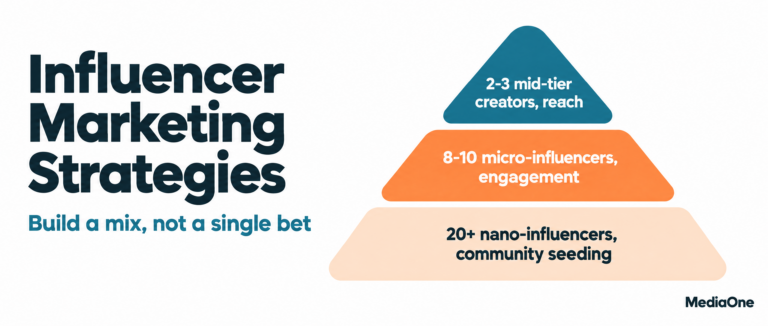
Move over macro influencers—local creators with 1,000 to 50,000 followers now command more engagement and trust.
Why they work:
- Appear relatable, not aspirational
- Have strong community ties
- Charge lower fees—making them ideal for SME budgets
How to work with them:
- Focus on authentic storytelling—not scripts.
- Use affiliate codes to track return on investment (ROI).
- Invite influencers to events or co-creation sessions.
- Offer exclusive sneak peeks or pre-launch collabs.
Notable local micro-influencers:
| Name | Niche | Why They Work |
| @natashaxlee | Beauty and lifestyle | Relatable beauty content that connects |
| @sgbudgetbabe | Finance | Gen Z-friendly money tips |
| @mshannahchia | Food and reviews | Visually rich food stories shared thoughtfully |
Did you know?
5. Gamify Your Campaigns for More Engagement
Gen Z doesn’t just scroll—they expect brands to deliver experiences that are interactive, rewarding, and fun. Raised on mobile games, TikTok challenges, and dopamine-driven reward systems, they respond best to campaigns that let them play, win, and share. Enter: Gamification.
Tactics That Work:
- Spin-to-win discount wheels to boost app downloads and engagement
- Leaderboards for social sharing, referrals, or challenges
- Quiz and win Stories on Instagram, Facebook, or Telegram
- Custom mini-games built into your website or ecommerce platform
Case study:
To revitalise their mobile app usage post-circuit breaker, KFC launched a bold gamification campaign: The “Spin & Sure Win” game—available exclusively on their app and web platform. Key mechanics:
- Free to play—no purchase required
- Daily spins with guaranteed prizes: From fried chicken to S$1000 cash
- Seamless redemption via the in-app wallet
- Urgency-driven redemptions: Food prizes had a 3-day collection window
By removing entry barriers and making every spin a guaranteed win, KFC was able to attract Gen Z consumers who love instant gratification and fun, while subtly driving repeat visits and brand stickiness. Results that matter:
- 195,000+ players engaged
- 920,000+ spins completed in just one month
- 38,000 app downloads in August (a 26% MoM increase)
- 117% increase in new user registrations
- Players averaged 4.7 game plays each—signalling strong retention
The campaign also gained traction offline via TV commercials and in-store QR code prompts, creating a full-funnel journey from foot traffic to digital loyalty.
Tools to Try:
- Gleam.io – contests and reward mechanics
- Kahoot – for quizzes in live or virtual events
- Meta’s interactive stickers – polls, sliders, and quiz tools built into Instagram and Facebook Stories
Pro tip:
Tie your game to scarcity (limited prizes or redemption time) to encourage daily returns and boost FOMO.
6. Scarcity Sells: Master Drop Culture
Gen Z thrives on exclusivity and FOMO (fear of missing out). The most effective campaigns today create urgency and buzz.
How to create FOMO:
- Time-limited offers (e.g., “24-hour flash deal”)
- Early-access invites for email subscribers
- “Drop” your products like NFTs or sneakers
- Tease limited runs via Telegram or private Instagram Close Friends
Case study:
Love, Bonito uses organic Instagram marketing to tease capsule collections, encouraging followers to sign up early—leading to sold-out releases in hours.

Psych trigger:
Scarcity activates the brain’s reward centre. It’s science-backed.
7. Social Commerce = Where the Sale Happens
Gen Zs don’t go to ecommerce stores unless they have to. They’re discovering and purchasing directly on social media platforms.
What’s hot:
- TikTok Shop for fashion, gadgets, skincare
- Instagram Shopping with product tagging
- Shopee Live and Lazada Live for demos and flash deals
- Telegram groups with exclusive discounts and bundle drops
Integrate your store:
- Sync your catalogue via Shopify or WooCommerce
- Use product tagging on IG posts, Stories, and Reels
- Run creator affiliate campaigns with shoppable links
Did you know?
Brands That Already Winning Gen Z
Here are 5 standout local brands adapting to Gen Z trends:
| Brand | Gen Z Strategy | Outcome |
| Love, Bonito | Limited drops, IG Reels, inclusive sizing | Sold out collabs, boost in IG engagement |
| Zenyum | Dental memes + TikTok tutorials | 73,000+ likes, huge lift in youth signups |
| SaladStop! | Eco campaigns, gamified loyalty | Strong app usage, strong Gen Z loyalty |
| Guzman y Gomez | TikTok skits, youth promo bundles | Increase in video views, especially among Gen Z audiences |
| Aftershock PC | Discord chats, TikTok builds, stream collabs | Built strong community; doubled youth referrals |
Key learnings:
They don’t chase every trend. They pick platforms and strategies that fit their voice and commit deeply.
Future-Proof Trends on the Horizon
Beyond current strategies, here’s what’s coming next in Gen Z marketing. These trends may still be in early adoption phases—but ignoring them could mean missing the next wave of opportunity.
| Gen Z Marketing Trend | Why it matters |
| AI-generated content |
|
| Threads by Instagram |
|
| Private communities |
|
| AR shopping |
|
| Web3 loyalty tokens |
|
Bottom line:
Not every SME needs to jump into all of these—but you should be aware of where Gen Z is heading, so you’re not left behind. Now, let’s zoom in on something more immediate and actionable—how your SME can start applying these Gen Z strategies without massive marketing budgets.
Practical Gen Z Marketing Strategies
You might be thinking, “These Gen Z trends sound great—but I don’t have a big marketing team or influencer budget.” The good news? You don’t need a massive budget to win Gen Z attention. You need consistency, creativity, and the right tools. Here’s a breakdown of low-cost, high-impact strategies SMEs can apply immediately, based on the top Gen Z trends.
| Strategy | Tactic | Tool Suggestion |
| Video First | Create 15 to 30 second product demos |
|
| UGC Focus | Run hashtag challenges or contests |
|
| Authenticity | Feature founders, team members in stories |
|
| Social Commerce | Sync product catalogues with platforms |
|
| Cause Marketing | Partner with NGOs or charities |
|
1. Video First: Keep It Raw and Real
Don’t worry about expensive cameras or lighting. Gen Z prefers authenticity over polish. Record quick product demos, packaging reveals, or “how-to” tutorials using your smartphone. CapCut and Canva Video both offer drag-and-drop templates with trending music and text overlays.
Pro tips:
- Show how your product is made in under 30 seconds.
- Add subtitles and post it as a TikTok or IG Reel.
2. User-Generated Content (UGC): Let Fans Market for You
Run monthly hashtag challenges or “share and tag” content marketing campaigns to collect real customer videos or testimonials. Feature these on your product pages and social platforms. Gen Z trusts peer reviews more than polished ads.
Pro tip:
Offer a small reward (e.g., voucher, repost) instead of a paid sponsorship.
3. Authenticity: Put a Face to Your Brand
Founders, employees, even interns—let them speak. Instagram Stories or TikTok Q&As are great for humanising your brand. Share day-in-the-life videos or behind-the-scenes content that builds trust.
Pro tip:
Use this opportunity to share your mission or social impact, not just products.
4. Social Commerce: Sell Where Gen Z Shops
Set up your product catalogue on TikTok Shop or Instagram Shopping. This allows customers to discover, browse, and buy without ever leaving the app. These tools are free to set up and ideal for converting impulse discovery into sales.
Example:
A fashion brand tags outfits in Reels and links them directly to checkout via TikTok Shop.
5. Cause Marketing: Align With a Mission
You don’t have to donate thousands to make an impact. Collaborate with local NGOs, environmental campaigns, or youth causes aligned with your brand values. Mention your impact in posts, packaging, and stories.
Pro tip:
Use Giving.sg to find registered charities, or partner with a grassroots movement your audience supports.
Bottom line:
If you’re overwhelmed by the options, start with one platform, one format, and one consistent message. Gen Z rewards consistency over perfection. You’ll build trust, engagement, and eventually, conversions—without needing a full-scale marketing agency.
The key takeaway? You don’t need to go viral to be valuable. You just need to show up, stay real, and give Gen Z a reason to care.
Cheat Sheet: How to Market to Gen Z’s
To wrap things up, here’s your cheat sheet:
- Be authentic, not polished
- Optimise for mobile—UX, video, checkout
- Show up on TikTok and Reels
- Support a cause—genuinely
- Partner with creators, not just influencers
- Make it interactive—games, polls, filters
- Sell where they scroll—IG, TikTok, Telegram
- Start now—not next year
Gen Z Marketing: A Culture Shift

Image Credit: Sprout Social
Winning Gen Z’s attention isn’t about jumping on every trend. It’s about adapting your brand voice, platforms, and values to match what this generation truly cares about. If you ignore them, you’re not just missing a market—you’re missing the future of consumer behaviour and the lead generation opportunities that come with it.
Ready to revamp your digital marketing strategy for Gen Z? Call MediaOne today for help in creating data-driven, locally resonant campaigns that actually convert.
Frequently Asked Questions
How does Gen Z differ from Millennials in their buying behaviour?
Gen Z tends to be more value-driven and are bigger digital natives compared to Millennials, prioritising authenticity and social impact over brand legacy. They’re also more likely to discover products through creators and social platforms rather than traditional search or review sites.
What are the biggest mistakes brands make when marketing to Gen Z?
Many brands fall into the trap of trying too hard to be trendy or “cool,” which often comes off as inauthentic. Over-polished campaigns, corporate-speak, or token activism are quickly called out by Gen Z and can damage brand trust.
While email isn’t Gen Z’s top communication channel, it can still be effective when used sparingly and creatively. Personalised subject lines, visually rich formats, and exclusive content or drops help email campaigns stand out for this audience.
Gen Z cares deeply about issues like climate change, mental health support, diversity, and LGBTQ+ rights. Brands that take a genuine, consistent stance on these topics—beyond surface-level campaigns—tend to earn their loyalty.
How can brands measure the success of Gen Z marketing efforts?
Engagement quality matters more than vanity metrics—look for saves, shares, comments, and UGC creation rather than just likes. Tools like TikTok Analytics, Instagram Insights, and Google Analytics can help track meaningful KPIs like conversion from social or retention over time.