
Getting the right backlinks is no longer just an SEO chore. It is how brands, and every credible GEO agency working alongside them, build authority across search engines, publications, industry conversations, and AI-generated answers. Traditional backlinks still pass link equity, which remains useful for Google rankings. But in GEO/AISEO, link equity alone is not enough.
AI engines are increasingly shaped by citation equity: the authority gained when a brand is mentioned, referenced, quoted, or cited in trusted third-party sources, even when those mentions are unlinked. This sits at the heart of off-page GEO and AI visibility.
This is why a digital PR campaign that earns five strong, contextually relevant mentions in respected trade journals can outperform 50 generic backlinks for GEO/AISEO visibility.
For brands working with a GEO agency built for AI search, the goal is not to collect as many links as possible. The goal is to build mention density across the right sources, within the right topical clusters, so AI engines clearly understand what the brand deserves to be associated with.
But AI search has raised the standard. Backlinks help a brand rank. Citations, mentions, and contextual references help a brand get featured.
In this guide, we break down how traditional link building and digital PR actually work in GEO/AISEO, why citation equity now matters as much as link equity, and how we help brands build a stronger off-page strategy for both search rankings and AI visibility.
Key Takeaways
- Backlinks still pass link equity for traditional search, but GEO/AISEO depends heavily on citation equity from trusted mentions, references, and expert citations.
- Relevance now beats volume. Five mentions in the right trade publications can outperform 50 generic backlinks from unrelated sites.
- AI engines reward topical saturation. Brands need repeated links and mentions inside the clusters they want to own, not broad publicity with weak semantic relevance.
- Digital PR and link building should target sources AI engines trust: editorial publications, trade media, government-adjacent sources, communities, and niche industry bodies.
- GEO/AISEO is not set-and-forget. Brands need continuous mention velocity because older citations lose weight as AI engines refresh what they retrieve and trust.
What is GEO/AISEO?
Generative Engine Optimisation (GEO) is the practice of optimising digital content for AI-driven generative engines such as ChatGPT, Gemini, Perplexity, and other large language models that generate direct, conversational answers rather than traditional ranked search results.
Unlike conventional SEO, which focuses on improving visibility within search engine results pages (SERPs), an AISEO agency in Singapore aims to increase the likelihood that generative AI systems will select, reference, and synthesise your content when responding to user queries.
Core GEO principles include:
- Optimisation for AI answer generation: Structuring content so generative engines can easily interpret, extract, and reuse it within their responses. This includes clear formatting, contextual depth, and semantically rich language.
- Question-driven content strategy: Creating content that directly addresses the types of questions users ask AI platforms, rather than relying solely on keyword targeting.
- Authority and trust signals: Strengthening credibility through cited sources, original insights, data points, expert perspectives, and consistent topical coverage.
- Distributed visibility: Ensuring your brand appears across trusted third-party platforms, as generative engines draw from multiple sources—not just your own website—when forming answers.
In short, GEO is about positioning your content to be understood, trusted, and included within AI-generated responses, helping your brand remain visible as search shifts from links and rankings to answers and synthesis.
Understanding Link Building in GEO/AISEO
Link building remains a core part of any effective SEO strategy. However, with GEO/AI-driven SEO, the focus shifts from volume to authority and influence across the wider information ecosystem.
It’s no longer about acquiring just any backlink. Instead, the priority is earning links and mentions from credible, authoritative sources within your industry—the same types of websites, publications, and platforms that generative AI engines trust when synthesising answers.
These signals help search engines and generative models understand who you are, what you’re known for, and why your content should be referenced.
Strong backlinks and brand mentions increase the likelihood that your content is selected, cited, or paraphrased within AI-generated responses.
AI tools play a key role by analysing where competitors are being cited, identifying high-trust publications and platforms that are more likely to earn authoritative coverage. This includes earned media, expert commentary, original research, and digital PR placements.
Whether through traditional link building or strategic digital PR, the objective is the same: build a trusted, authoritative backlink and citation profile that positions your brand as a reliable source for both search engines and generative AI platforms.
What is Traditional Link Building?
Traditional link building encompasses classic SEO techniques for acquiring backlinks, and many of these methods have been around since the earliest days of search engine optimisation.
They focus on building relationships, sharing helpful content, and placing your website in locations where it naturally fits. Some of the most common approaches include:
- Guest Posting: Publishing articles on relevant websites to earn backlinks, reach new audiences, and strengthen topical authority when the placement is genuinely aligned with your industry.
- Directory Submissions: Listing your business on credible, well-maintained directories helps reinforce entity recognition. For GEO/AISEO, the value is less about rankings and more about consistent brand validation.
- Blog Comments & Forum Participation: Contributing useful insights on relevant blogs or forums can support visibility and community engagement. These links are usually low authority, so relevance matters more than volume.
- Resource Link Building: Creating guides, checklists, tools, or original insights gives other websites a reason to reference your content, earning natural backlinks and citation equity over time.
These might be old-school tactics, but they’re still the backbone of most successful link-building strategies. When you mix them with GEO/AISEO methods that focus on local relevance and what your audience is actually searching for, you get even better results.
Pros and Cons of Traditional Link Building
| Pros | Cons |
| Cost-effective compared to large-scale PR campaigns. | Can be time-consuming, especially for outreach-heavy strategies. |
| Easy to scale once systems and templates are in place. | Often yields lower-authority links than digital PR. |
| Offers more control over anchor text and link placement. | Requires constant vetting to avoid low-quality or spammy sites. |
| Enables consistent link acquisition over time. | May produce links that are not contextually relevant. |
| Good for building foundational link volume. | Some traditional methods (like directory submissions) carry diminishing SEO value. |
| Suitable for niche industries with fewer media opportunities. | Over-reliance on traditional tactics can lead to an unnatural backlink profile if not balanced with higher-quality links. |
| Allows targeting of very specific pages or keywords. | Outreach fatigue: prospects often ignore traditional link-building emails due to saturation. |
Best Practices for GEO/AISEO:
- Focus on local directories and regionally relevant blogs.
- Avoid low-quality sites or spammy backlinks.
- Ensure content is tailored to appeal to the local audience.
What is Digital PR Link Building?
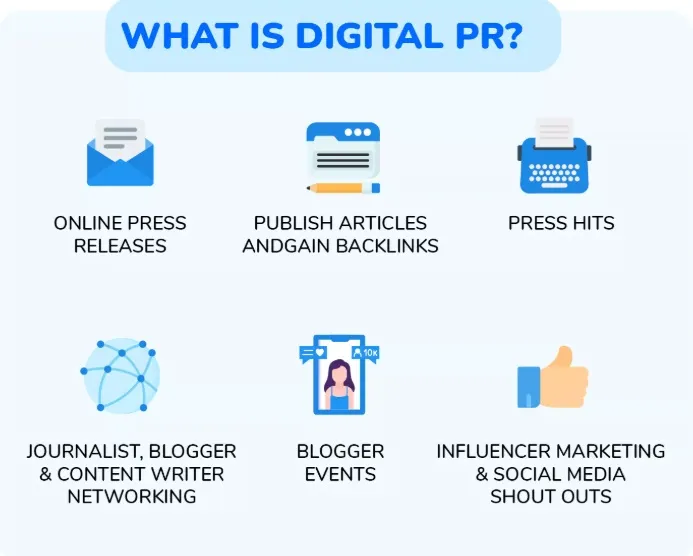
Image Credit: Serpzilla
Digital PR link building is a modern, relationship-focused approach that leverages publicity, media coverage, and engaging storytelling to earn high-authority backlinks. Unlike traditional link building, which often relies on direct link placement, digital PR focuses on creating content and campaigns.
These campaigns naturally attract attention from journalists, influencers, and authoritative websites. This method combines content marketing, outreach, and creativity to build both links and brand recognition.
Some standard methods include:
- Press Releases: Announcing launches, milestones, or industry updates can earn media coverage and backlinks. For GEO/AISEO, press releases work best when they are tied to a clear sector, location, or topical cluster.
- Influencer & Journalist Outreach: Working with relevant journalists, creators, and industry voices helps secure mentions, links, and referral traffic. The strongest value comes from niche relevance, not mass outreach.
- Content Campaigns: Research studies, infographics, tools, and original insights give publications a reason to cite your brand. When aligned with your core topic, they build both link equity and citation equity.
Digital PR link building is particularly effective for businesses looking to build authority and credibility online. While it can be more resource-intensive than traditional methods, the high-quality, authoritative backlinks it produces often have a much greater impact on both search rankings and brand visibility.
Pros and Cons of PR Link Building
| Pros | Cons |
| Links come from high-authority, trusted sources, which boost your website’s credibility. | Often more expensive than traditional link building due to outreach, content creation, and media placement costs. |
| Increases brand visibility and credibility by featuring your business in authoritative publications. | More challenging to scale quickly, as campaigns require careful planning and personalised outreach. |
| Can generate referral traffic alongside SEO benefits, bringing in real, engaged visitors. | Requires creativity and ongoing effort to craft compelling stories, press releases, or campaigns that journalists and influencers will want to share. |
| Enhances your reputation and positions your brand as a thought leader within your industry. | Media coverage is not guaranteed—success depends on timing, story angle, and relevance. |
| Opportunities to earn links naturally through viral or shareable content, reducing manual outreach over time. | Can be resource-intensive, requiring time, tools, and sometimes a dedicated PR team. |
Best Practices for GEO/AISEO:
- Target local media outlets and region-specific journalists.
- Craft geo-relevant stories and campaigns that resonate with the community.
- Use AI tools to discover trending topics and identify high-potential outreach targets.
Focus on local media and make sure your stories actually matter to your community. Use AI to spot what’s trending and find the right contacts. That way, you’ll earn links that boost both your SEO and your reputation where it counts.
Comparing Digital PR vs. Traditional Link Building for GEO/AISEO
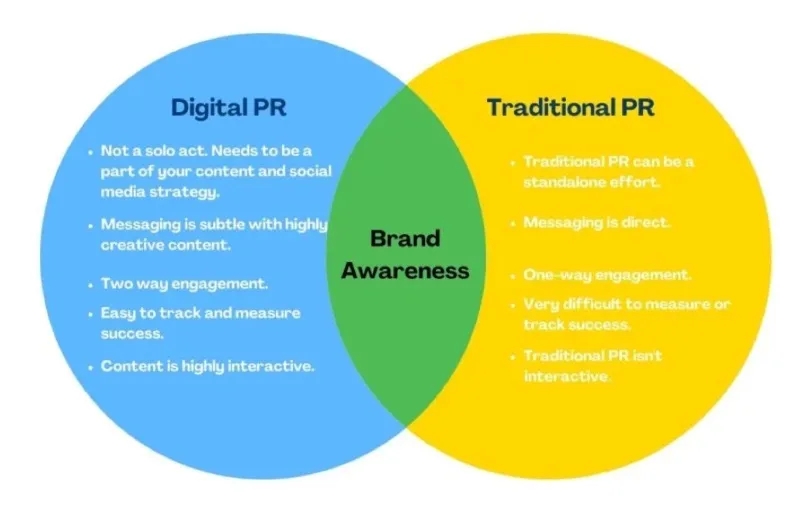
Image Credit: Serpzilla
Choosing the right link-building strategy for GEO/AISEO depends on your goals, budget, and timeline. Here’s a quick comparison:
| Factor | Traditional Link Building | Digital PR |
| Cost | Low-Medium | Medium-High |
| Authority | Medium | High |
| Scalability | High | Medium |
| Local Relevance | Moderate | High |
| AI Integration | Limited | Strong |
In traditional SEO services, link building helps you build up a steady stream of backlinks, while digital PR gets you those high-authority links and more brand exposure. For GEO/AISEO, the best results usually come from mixing both: use traditional tactics to build your base, and digital PR to land those big wins.
Implementing a GEO/AISEO Link Building Strategy
Successfully implementing a GEO/AISEO link-building strategy requires a structured approach that combines traditional and modern techniques, tailored to your target region. Here is a step-by-step breakdown of how we recommend approaching it.
1. Audit Existing Backlinks
Before you start chasing new links, take a close look at the backlinks you already have. Not every link helps. Some can even hurt your SEO if they come from spammy or unrelated sites, so the goal is to keep the strongest sources and clean out the rest.
Steps for an effective audit:
- Identify strong links: Use tools like Ahrefs, Semrush, or Moz to find backlinks from high-authority domains that are relevant to your business and location. These are your “keepers” and form the foundation of your GEO/AISEO strategy.
- Spot weak or toxic links: Look for links from low-quality sites, unrelated industries, or foreign regions if you’re targeting a specific locality. Consider disavowing these links to prevent them from negatively affecting your rankings.
- Analyse patterns: Understand what types of content and websites naturally link to you. This insight helps shape your future outreach and content creation strategies.
Local relevance is what matters most. If most of your backlinks are from global or unrelated sites, they probably aren’t helping your local SEO. Auditing your links shows you what’s working and what needs fixing.
2. Research High-Value GEO-Specific Sites
The next step is identifying authoritative, GEO-specific websites that are likely to link back to your content. These could include local news outlets, community blogs, regional business directories, or industry-specific local websites.
How to find them:
- Use AI-powered SEO tools to analyse competitors’ backlinks and uncover sites linking to businesses similar to yours within your target GEO.
- Filter results by domain authority, relevance, and location within your GEO.
- Look for sites that have previously linked to content in your niche; they are more likely to link to you.
Getting links from local or regional sites signals to search engines that your business is relevant in that specific GEO. That’s exactly what GEO/AISEO is all about—demonstrating local authority and relevance to boost search visibility in your target area.
3. Select a Balanced Approach
A hybrid strategy that combines traditional link building and digital PR is often the most effective. Each method has strengths and weaknesses, and together they cover both volume and authority:
Traditional link building:
Methods like guest posts, directory listings, or resource pages can provide steady, consistent backlinks. These are great for filling in the gaps and building a solid base of local links.
Digital PR:
Earns high-authority backlinks from media coverage, influencers, or viral campaigns. Boosts brand visibility, credibility, and referral traffic.
Mix the two approaches based on your budget and what you want to achieve. Start with traditional link building to lay the groundwork, then use digital PR to land the high-authority placements that shift your rankings and citation profile.
4. Develop GEO-Relevant Content
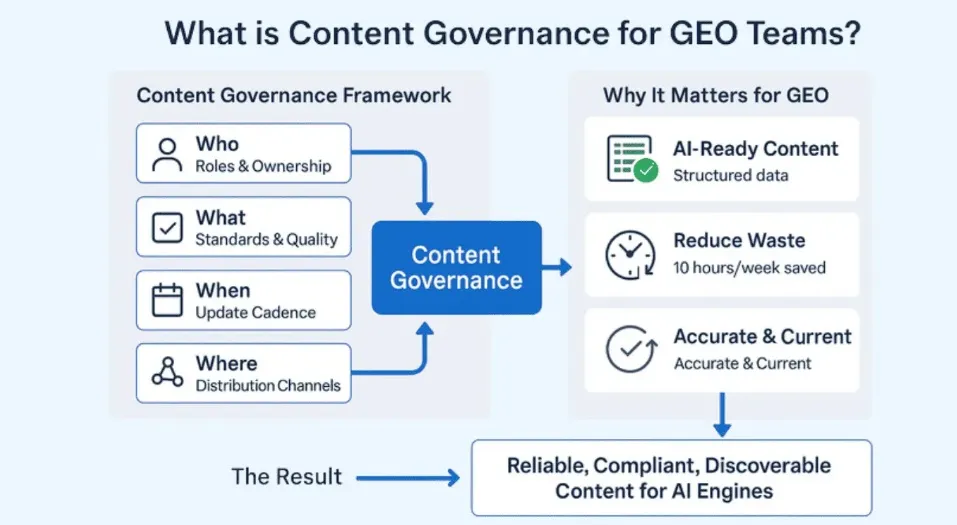
Image Credit: Wellows
Content is the key driver of links in both traditional link building and digital PR. For GEO/AISEO, your content needs a GEO-specific angle to resonate with your target audience and attract backlinks from relevant regional websites.
Examples of GEO-relevant content:
- Blog posts: Highlight local trends, events, or case studies. E.g., “Top 10 Strategies to Boost GEO/AISEO for Local Businesses” or “How Singapore Startups Are Adopting AI for Local SEO.”
- Infographics: Visual content featuring regional statistics or local consumer insights.
- Press releases: Share community initiatives, partnerships, or launches relevant to a specific GEO.
- Interactive tools or surveys: Provide localised data, rankings, or calculators that naturally attract links from GEO-specific sites.

Make sure your content is useful, shareable, and genuinely helpful to your audience. The more valuable and unique your content, the more likely it will earn backlinks naturally, boosting your GEO/AISEO performance.
5. Outreach and Relationship Building
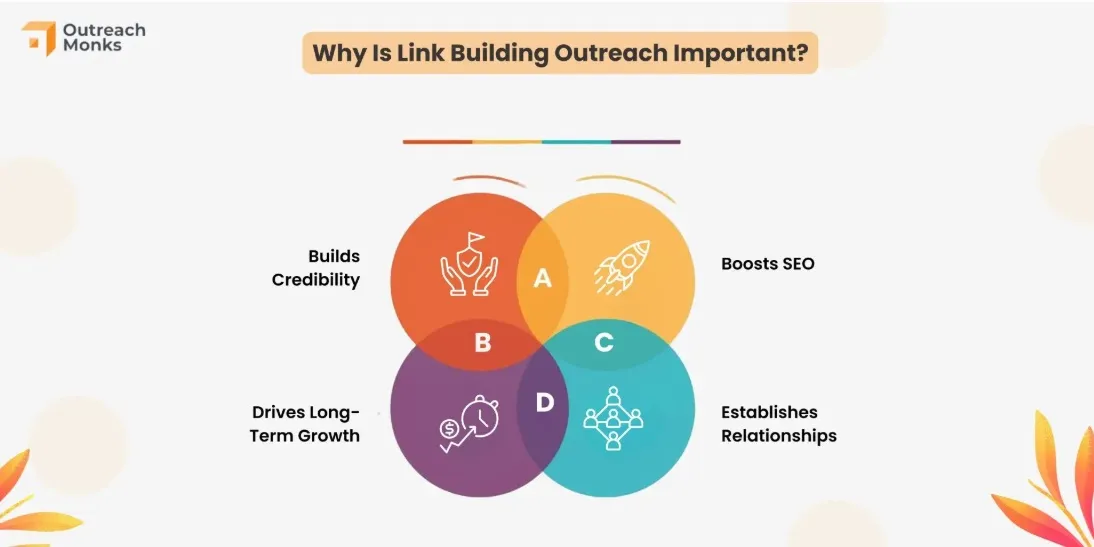
Image Credit: Outreach Monks
Once you have your content, you need to promote it actively. Outreach is a crucial step for both traditional link building and digital PR.
Effective outreach tactics:
- Personalise emails to journalists, bloggers, or web admins, highlighting why your content is relevant to their audience.
- Focus on regional publications for GEO/AISEO; local stories are more likely to be published.
- Use AI tools to identify the best contacts and predict which outreach campaigns are likely to succeed.
- Track responses and follow up politely.
You rarely get great backlinks by accident. Reaching out with a personal touch boosts your chances and helps you build relationships that keep generating links well after the first placement.
6. Monitor, Measure, and Refine
Link building isn’t something you do once and forget. You need to keep an eye on your results to see what’s working and what needs tweaking.
Key metrics to track:
- Backlink performance: Are the links driving traffic? Are they improving search rankings?
- Domain authority and page authority: Are your efforts strengthening the overall site authority?
- Local search rankings: Are your GEO-targeted pages ranking higher for local keywords?
- Referral traffic and engagement: Are visitors from backlinks interacting with your content?
Use what you learn to adjust your strategy. Double down on what’s working, improve content that isn’t getting links, and look for new ideas by checking out your competitors.
7. Utilise the Right Tools
Modern SEO and AI tools make GEO/AISEO link building more efficient and effective. Examples include:
- Ahrefs, Semrush, Moz: Track backlinks, analyse competitors, and discover high-authority regional sites.
- AI-driven tools: Identify trending topics, generate outreach lists, or even personalise outreach messaging.
- Local citation tools: Monitor local directories and ensure your NAP (Name, Address, Phone) is consistent across them.
When you combine smart strategy with AI insights, you can go after the right links at scale and still keep your focus on what matters locally.
8. Continuous Improvement
GEO/AISEO link building isn’t set-and-forget. Search engines, competitors, and local trends are always changing. Keep reviewing your backlinks, your content, and your outreach. Try new content ideas, test different outreach tactics, and use AI to spot opportunities your competitors have not picked up on yet.
Case Studies / Examples of Traditional and Digital PR Link Building
Seeing theory in action always makes the strategy clearer. Below, we walk through two real-world examples of traditional link building and digital PR campaigns, shaped by the same principles international agencies and Singapore’s SEO experts already work with.
Example 1: Traditional Link Building In Action — HubSpot’s Resource-Led Content Engine
HubSpot is a strong example of traditional link building done properly. Instead of chasing random backlinks, the brand builds linkable assets such as reports, statistics pages, templates, tools, guides, and resource hubs.
Its resource library includes 700+ free assets across templates, ebooks, tools, courses, and guides, while its marketing statistics page and 2026 State of Marketing Report give other websites useful data to reference.
This works because HubSpot’s assets sit inside clear topical clusters: marketing, sales, CRM, automation, content, and customer growth. For most businesses, the best results come from blending traditional link building with digital PR campaigns as part of a strong off-page AEO strategy, which is increasingly reshaping how GEO is affecting branding online.
For GEO/AISEO, the lesson is sharp: HubSpot is not winning because it appears everywhere. It wins because its backlinks and mentions repeatedly reinforce the same topical associations.
That level of topical saturation makes it easier for search engines and AI engines to understand what HubSpot should be trusted for.
Example 2: Digital PR Link Building — Expedia Group’s Unpack ’26 Travel Trends Report
Expedia Group’s Unpack ’26 is a strong digital PR example because it turns travel data into a media-ready trend report. Released in October 2025, Unpack ’26 highlights 2026 travel behaviours such as Set-Jetting, Hotel Hop, Farm Charm, Readaways, Fan Voyage, and Salvaged Stays. Expedia also states that the report is backed by first-party data and insights from 24,000 global travellers.
This campaign gives journalists and travel publishers a clear reason to cite Expedia: it provides timely, data-backed travel angles they can build stories around. Its travel trends were also picked up by publishers covering 2026 travel trend stories, reinforcing Expedia’s visibility around travel planning and traveller behaviour.
For GEO/AISEO, the lesson is direct: AI engines reward brands that are cited often within a relevant topical cluster. Expedia’s strength is not generic publicity. It is topical saturation around travel planning and consumer travel insights.
What You Should Choose for Your Business
Deciding between traditional link building and digital PR depends on your business goals, budget, and target audience. Here’s a guide to help you choose:
Traditional Link Building Might Be Right If:
- You want consistent, steady growth in backlinks over time.
- Your budget is moderate, and you can invest in ongoing outreach and content creation.
- You need geo-relevant links from local directories, blogs, or niche resource pages.
- You’re looking for a foundational strategy that strengthens SEO gradually and reliably.
Digital PR Might Be Right If:
- You want high-authority links that elevate your brand credibility quickly.
- Your business can invest in creative campaigns or media coverage.
- You’re aiming to generate buzz, social shares, and referral traffic alongside SEO benefits.
- Your goal is to position your brand as a thought leader in your industry or region.
The Smart Approach: Combine Both
For most businesses, the best results come from blending traditional link building with digital PR campaigns as part of a strong off-page AEO strategy.
Traditional tactics provide volume and local relevance, while digital PR delivers high-authority links and wider visibility. By using AI tools and data-driven insights, you can prioritise the most effective opportunities and maximise ROI for your GEO/AISEO strategy.
Always consider your business size, industry, and local competition when deciding the balance between traditional link building and digital PR. Smaller businesses may benefit from starting with local-focused link building, then scaling with digital PR campaigns as they grow.
How To Win At GEO/AISEO Link Building With Our GEO Agency
GEO/AISEO link building is no longer about collecting backlinks and calling it authority. Backlinks still pass link equity for traditional rankings, but AI engines reward citation equity: repeated mentions, references, and expert citations in the right topical context.
The brands that win AI search are the ones with the clearest citation footprint. A dental clinic needs dental publications. A fintech firm needs finance, regulatory, and business sources. Broad publicity may create noise, but topical saturation creates authority.
Set-and-forget link building is dead. GEO/AISEO visibility requires continuous mention velocity because stale citations lose weight over time.
We help brands build link and citation strategies that strengthen search rankings and improve visibility in AI-generated answers.
Stop wasting effort on links that AI ignores. Our GEO service maps your top topical clusters, pinpoints AI-trusted publications, and guides your link-and-citation strategy to boost both search rankings and AI-powered answers.
Request a GEO/AISEO citation audit with us today to uncover where your brand lacks link equity, citation equity, and mention velocity.
Frequently Asked Questions
Should every GEO/AISEO mention include a backlink?
No. A backlink is useful, but it is not the only win. In GEO/AISEO, an unlinked brand mention in a trusted, relevant publication can still build citation equity if it clearly connects the brand to its core service, industry, or expertise.
Does anchor text still matter for GEO/AISEO link building?
Yes, but forced anchor text is a liability. Exact-match anchors used repeatedly can look unnatural. The better approach is to use clean, natural anchors that fit the sentence while still helping search engines and AI engines understand the linked page.
How can a brand measure citation equity?
Track where the brand is mentioned, what topic it is mentioned beside, how authoritative the source is, and whether the mention reinforces the brand’s target category. A strong citation is not just a name drop. It proves the brand belongs in a specific topical cluster.
Are unlinked mentions worth pursuing?
Yes. Unlinked mentions are especially valuable when they appear in respected trade publications, industry roundups, expert interviews, research articles, or regulator-adjacent sources. For AI search, relevance and context matter more than whether every mention includes a clickable link.
What makes a source valuable for GEO/AISEO?
A valuable source has editorial trust, topical relevance, clean content structure, and a clear connection to the subject being discussed. For Singapore brands, a niche industry publication can be more powerful than a high-traffic lifestyle site if it strengthens the right semantic association.