
You don’t control what people write about your company on Glassdoor. What you do control is how you manage negative Glassdoor reviews and how those reviews reflect your leadership.


Ignore them, and they sit high in search results, quietly shaping the story for job seekers, clients, and even investors. Handle them well, and you turn criticism into proof that your company is accountable and professional.
Glassdoor matters because it has become a trusted research tool for candidates. A Glassdoor survey found that 86% of job seekers read company reviews before deciding where to apply.
In Singapore’s competitive job market—where industries like tech, banking, and healthcare rely on scarce talent—that statistic carries even more weight. A single comment about poor management or toxic culture can tip the balance, costing you the hire you’ve been chasing for months.
The risk extends beyond recruitment. Stakeholders, from partners to investors, also check what’s being said. If your page is dominated by unresolved complaints, it undermines confidence before you’ve even entered the room.
But here’s the opportunity: Negative Glassdoor reviews don’t have to define your employer branding. When you engage openly and act on the feedback, you send a powerful message about how you treat people. Done right, even harsh criticism becomes evidence that your company listens, adapts, and takes its culture seriously.
In this guide, you’ll learn seven practical strategies to manage negative Glassdoor reviews in Singapore:
- Understand the impact of negative reviews.
- Respond professionally instead of ignoring them.
- Encourage balanced feedback from employees.
- Analyse reviews to spot recurring issues.
- Take internal action to improve culture.
- Leverage positive reviews in recruitment.
- Know when to get professional help.
We’ll also look at common mistakes employers make, so you know what to avoid. By the end, you’ll have a clear roadmap for turning criticism into credibility.
Key Takeaways
- Managing negative Glassdoor reviews is critical in Singapore because they directly influence talent acquisition, employer branding, and even search visibility.
- The best way to handle criticism is by responding with professionalism, transparency, and empathy while using feedback to improve workplace culture.
- Businesses that monitor reviews consistently, avoid defensive reactions, and seek professional guidance when necessary are far more likely to protect their reputation and attract the right talent.
Why Glassdoor Reviews Matter for Singapore Businesses
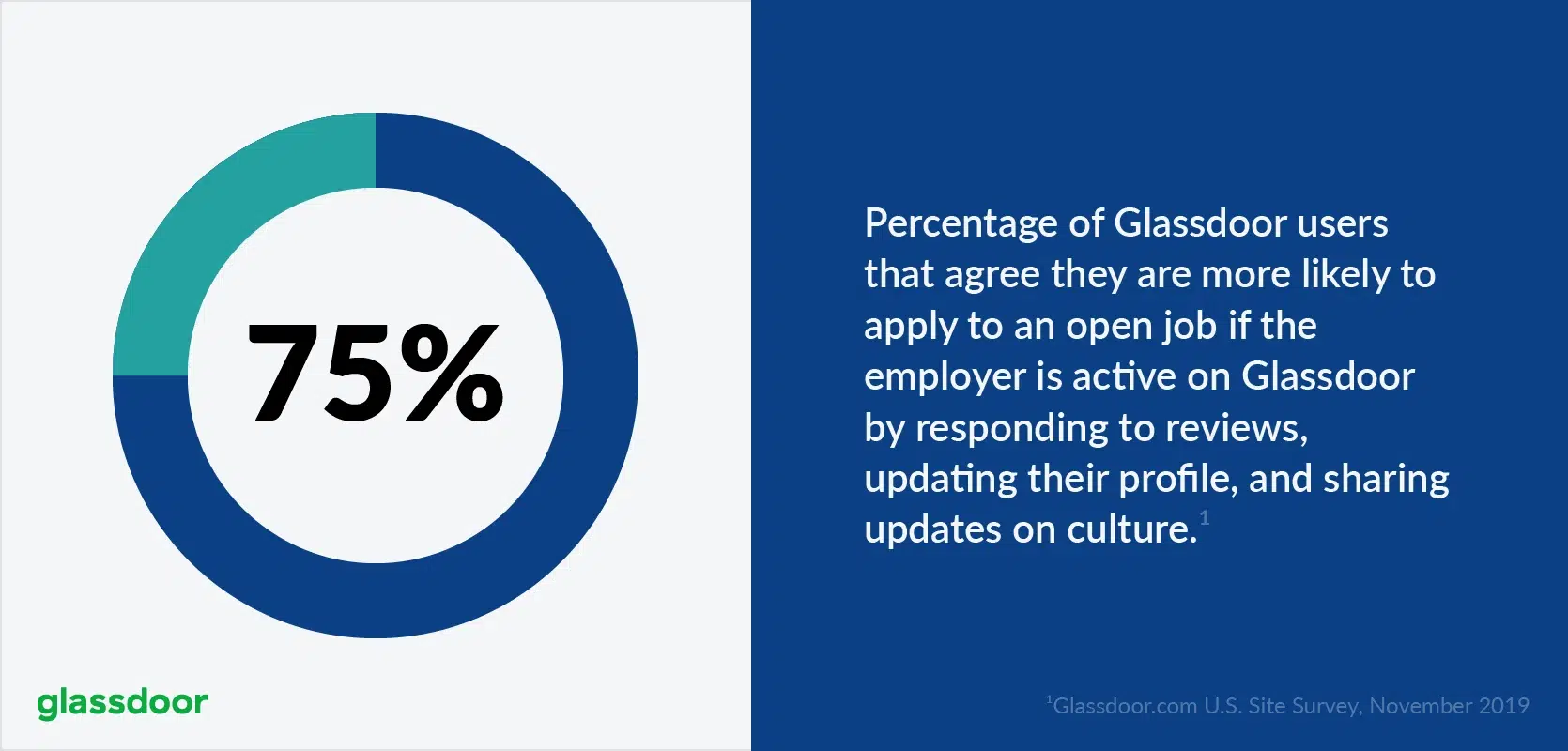
Image Credit: Glassdoor
Before you dive into how to manage negative Glassdoor reviews, it’s worth asking why they matter so much in the first place. For many companies in Singapore, the impact goes far beyond a few disgruntled comments—it affects talent acquisition, employer branding, and even search visibility.
Talent acquisition
If you’ve interviewed in Singapore recently, you already know the pattern: Candidates almost always research the company beforehand. Glassdoor is one of the first stops. A recent survey found that 86% of job seekers look at employer reviews before applying.
This means that long before you shake hands with a potential hire, they’ve already built an impression of your culture, management style, and career growth opportunities. A single unresolved review about poor leadership or unfair practices can quietly turn strong candidates away.
Employer branding
Reviews also shape your employer brand, which increasingly matters under Singapore’s evolving regulatory landscape. The Ministry of Manpower (MOM) has been pushing for fair employment practices and workplace transparency through initiatives like the Fair Consideration Framework and the upcoming Workplace Fairness Legislation.
When candidates see unresolved accusations of bias, overwork, or toxic culture on Glassdoor, it directly undermines the trust that MOM and industry bodies encourage employers to build.
Conversely, a profile with balanced feedback—both positive and critical—signals that you are open to accountability, which strengthens your online credibility in the eyes of both employees and regulators.
SEO and visibility
There’s also a technical angle: Search engine optimisation (SEO) and visibility – Glassdoor reviews rank well in Google search results. Type “[Your Company Name] jobs” into Google and chances are your Glassdoor profile will appear on page 1 of search results, often above your careers site.
That means candidates, clients, and even investors are likely to see your reviews before they see your official messaging. Left unmanaged, negative comments become the headline story of your employer brand.
The local reality
In a talent-scarce market like Singapore, where competition for skilled professionals is fierce, you can’t afford to dismiss this. A recent study showed that 95% of candidates consider a company’s reputation very influential in their decision to apply.
That influence cuts both ways: Positive reviews can help you close candidates faster, while negative ones can stall hiring and inflate recruitment costs.
Put simply: Glassdoor reviews are not just noise. For Singapore businesses, they’re a front-line factor in recruitment, brand reputation, and even compliance credibility. Treating them seriously isn’t optional—it’s a business necessity.
Now that you see why Glassdoor reviews carry so much weight in Singapore, let’s break down the specific ways negative reviews can hurt your business—and what you can do to counter them.
1. Understand the Impact of Negative Glassdoor Reviews
Before you react to a bad review, it’s important to recognise why it matters. Glassdoor is one of the most-visited employer review sites worldwide. Globally, the platform attracts more than 60 million monthly visitors. That means candidates in Singapore are likely Googling your company and reading employee feedback long before you ever meet them.
The impact goes beyond hiring. Negative reviews can:
- Drive away top talent. Skilled candidates often have multiple job offers. A poor rating could dissuade them from even applying.
- Increase recruitment costs. If your brand reputation suffers, you’ll need to spend more on job ads, headhunters, and employer branding campaigns to attract applicants.
- Affect client confidence. Prospective customers or partners searching your brand online may stumble upon Glassdoor and question whether to work with you.
- Hurt long-term growth. Employer reputation is increasingly tied to overall brand trust in Singapore’s business ecosystem.
Local Example:
In Singapore’s startup scene, reputation spreads fast. A fintech SME that received repeated complaints about “burnout culture” found its hiring pipeline dry up. Candidates who had previously shown interest started declining interviews, citing Glassdoor reviews they had read.
For SMEs and startups in Singapore, where word-of-mouth and online reputation carry significant weight, negative Glassdoor reviews can hit harder. Unlike global MNCs with established employer brands, smaller companies don’t always have a buffer of positive recognition. So instead of brushing them off, treat negative Glassdoor reviews as a critical part of your online reputation management strategy.
2. Do Not Ignore or Delete Glassdoor Reviews – Respond Professionally
The worst thing you can do? Stay silent. When a disgruntled ex-employee posts a scathing review, the temptation is to ignore it or—worse—try to get it deleted. But Glassdoor only removes reviews if they breach community guidelines (e.g., discriminatory or fake content). For everything else, the review stays.
That’s why your response matters. A professional, thoughtful reply shows potential hires that your company is willing to listen and improve. Many job seekers today believe that brand perception of a company improves when an employer responds to reviews.
Best Practices for Responding:
- Acknowledge the feedback. Even if you disagree, start by thanking the reviewer for sharing their thoughts.
- Stay calm and professional. Avoid defensive or emotional language. Never attack the reviewer.
- Clarify when necessary. If the review includes inaccurate information, politely correct it without sounding dismissive.
- Highlight improvements. Mention specific steps your company is taking to address concerns.
- Keep it short. Two to three paragraphs are enough—don’t write an essay.
Example (Singapore context):
Imagine a startup in the fintech sector gets a review claiming “long working hours with no career growth.” A good response might look like:
“Thank you for your feedback. We recognise that our fast-paced environment can be challenging, and we are actively reviewing our work-life balance policies. Recently, we’ve introduced flexible hybrid arrangements and expanded our learning & development programmes. We appreciate your input and remain committed to creating a workplace where employees can grow.”
This type of response tells job seekers: “Yes, we’ve heard the complaint—and here’s what we’re doing about it.”
3. Encourage Balanced Glassdoor Reviews from Employees
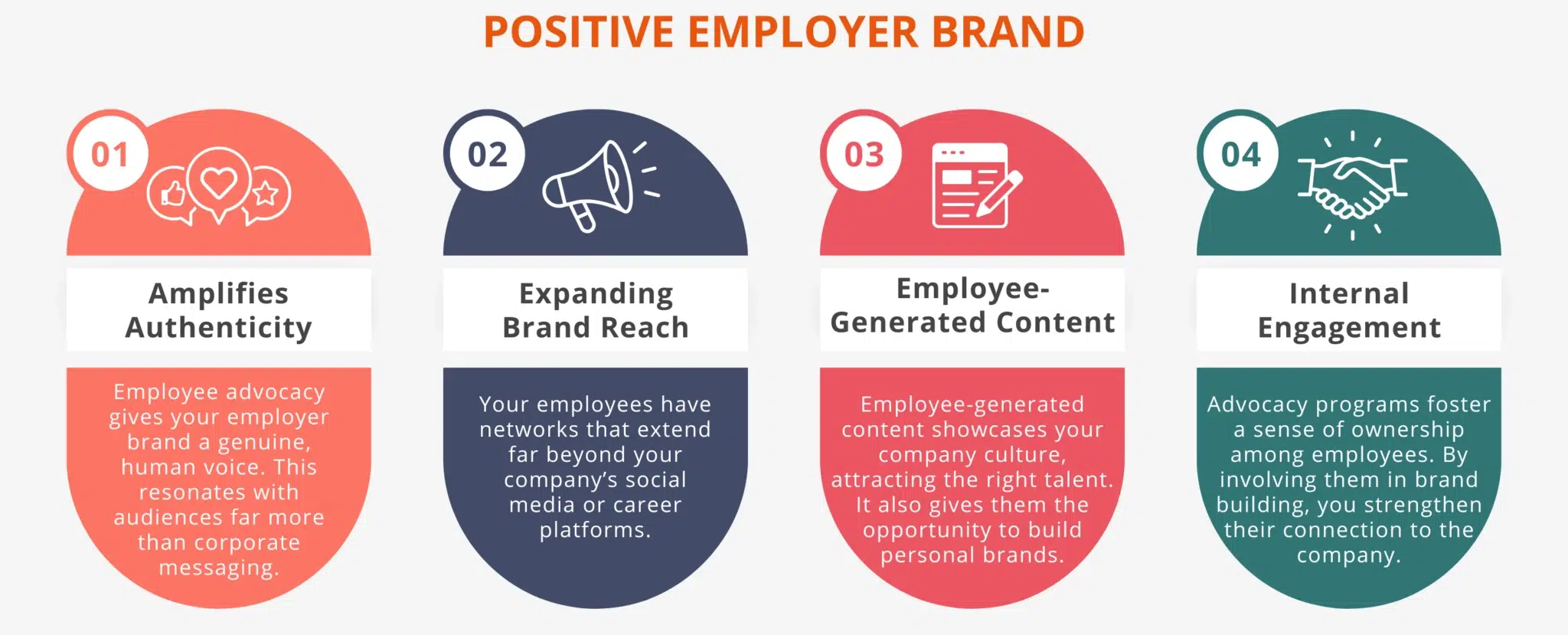
Image Credit: DSMN8
One or two negative reviews won’t sink your employer brand. The real problem arises when they dominate your profile due to a lack of positive feedback.
Encouraging happy employees to leave reviews helps paint a more balanced picture. Glassdoor’s algorithm naturally favours companies with consistent, updated reviews. A mix of positive and constructive reviews builds credibility and reduces the weight of occasional criticism.
How to Encourage Reviews Ethically:
- Timing matters. Ask employees after positive milestones—such as project completion, promotion, or training programme.
- Normalise feedback. Share openly that Glassdoor is one way the company gathers input to improve culture.
- Keep it voluntary. Never pressure or incentivise reviews. Instead, encourage honesty and transparency.
- Remind employees periodically. Quarterly HR newsletters or town halls are good touchpoints.
Singapore Example:
A local SME in the e-commerce sector introduced a quarterly HR campaign called “Share Your Experience”. Employees were reminded that their honest reviews help shape the company’s employer brand.
Over six months, the company’s Glassdoor rating improved from 2.8 to 4.0, thanks to a balanced influx of constructive and positive feedback. The key is volume and authenticity. Glassdoor users can usually spot fake or overly-scripted reviews. The goal isn’t to drown out criticism—it’s to create a fuller, fairer representation of your workplace.
4. Analyse the Feedback and Identify Patterns
Every negative review, no matter how harsh, carries a nugget of truth. The smartest employers in Singapore treat Glassdoor reviews as free employee sentiment surveys.
How to Analyse Reviews:
- Categorise complaints. Common themes often include pay, work-life balance, management style, or career progression.
- Spot recurring issues. If three different employees mention poor communication, it’s not a coincidence.
- Separate emotion from fact. Some reviews may exaggerate frustrations, but look for patterns instead of focusing on isolated rants.
- Cross-reference with exit interviews. Align Glassdoor feedback with what HR already hears internally.
Local Context:
Singapore’s Ministry of Manpower (MOM) encourages fair workplace practices under frameworks like the Fair Consideration Framework (FCF). Negative reviews highlighting discrimination or unfair treatment should be taken seriously—not just for reputation reasons, but also for compliance with Singapore labour laws.
Example:
If multiple reviews complain about “limited career advancement,” this might reflect a lack of clear progression paths. HR could respond by introducing structured training under SkillsFuture or offering mentorship programmes to address the gap. The reviews then become a blueprint for organisational improvement.
5. Take Internal Action to Improve Workplace Culture
Responding to reviews is only half the battle. The real solution lies in fixing the underlying issues. Negative reviews often point to recurring pain points: Poor leadership, lack of communication, long hours, or limited growth opportunities. If left unaddressed, these issues will continue to surface.
Steps to Improve Culture in Singapore SMEs:
- Work-life balance policies. Introduce hybrid work arrangements, flexible hours, or wellness benefits.
- Career development. Leverage SkillsFuture and WSQ courses to upskill employees.
- Diversity & inclusion. Ensure fair employment practices aligned with TAFEP guidelines.
- Transparent communication. Hold regular town halls where leadership addresses concerns openly.
Case study:
A local logistics company faced repeated Glassdoor complaints about “toxic management” and “zero career growth.” After acknowledging the feedback, the company rolled out a leadership training programme and implemented quarterly development reviews.
Within a year, their Glassdoor profile began reflecting improved morale, with employees mentioning better communication and clearer career paths.
Key learnings:
- Negative reviews aren’t just noise—they’re signals.
- Use them to guide genuine organisational change.
6. Leverage Positive Reviews in Recruitment Marketing
Once you’ve built a more balanced profile, don’t let those positive reviews sit idle. They can become powerful recruitment marketing assets.
Ways to Use Positive Reviews:
- On your careers page. Feature employee testimonials pulled from Glassdoor (with permission).
- In job ads. Highlight your Glassdoor rating alongside job descriptions.
- On LinkedIn. Share employee success stories and link back to Glassdoor.
- During interviews. HR can reference positive feedback to reassure candidates about workplace culture.
Case study:

A mid-sized tech firm in Singapore proudly displayed its “4.2 Glassdoor Rating” on job postings. During recruitment drives, they quoted reviews like “supportive management” and “great opportunities for growth.” This helped differentiate them from competitors in a crowded hiring market.
Glassdoor reviews are third-party validation—more authentic than branded content marketing efforts because they come from employees themselves. Leveraging them boosts credibility in a way no paid employer branding campaign can replicate.

7. Know When to Get Professional Help
Sometimes, despite your best efforts, negative reviews spiral out of control. This is when external expertise can make a difference. A professional online reputation management (ORM) agency can help:
- Suppress negative content in search results through SEO.
- Manage Glassdoor profiles with strategic responses.
- Run employer branding campaigns to highlight positive culture.
- Provide HR consultancy on improving internal practices.
In Singapore, SMEs often turn to a full-service marketing agency like MediaOne for reputation management services. These experts combine SEO, PR, and HR insights to ensure negative reviews don’t overshadow your brand online. If your Glassdoor rating has dipped significantly, or if negative reviews are affecting recruitment and sales, it’s worth seeking help.
Common Mistakes Employers Make (and How to Avoid Them)
Even with the best intentions, many companies handle Glassdoor reviews poorly. Avoid these pitfalls:
- Ignoring reviews altogether. Silence signals indifference, which deters job seekers.
- Posting fake positive reviews. Easily detected and damaging to credibility.
- Getting defensive. Public arguments with ex-employees never end well.
- Over-focusing on PR, not culture. Shiny responses won’t matter if workplace issues persist.
- Failing to monitor regularly. A negative review left unanswered for months sends the wrong message.
By steering clear of these mistakes, you’ll protect both your employer reputation and overall brand trust.
Develop a Strategy to Manage Negative Glassdoor Reviews
Image Credit: DSMN8
Negative Glassdoor reviews in Singapore can feel like a personal attack on your business. But the truth is, they’re manageable—and even valuable if approached strategically through strong online reputation management.
Here’s what we covered:
- Understand why negative reviews impact your employer brand.
- Respond professionally to showcase credibility.
- Encourage balanced reviews from employees.
- Analyse patterns to identify real workplace issues.
- Take internal action to improve culture.
- Leverage positive reviews as recruitment assets.
- Seek professional help when needed.
- Avoid common mistakes that damage credibility.
By applying these steps, you can turn criticism into an opportunity for growth. Instead of fearing Glassdoor, you’ll learn to use it as a tool for transparency, credibility, and employer branding.
Need help managing negative Glassdoor reviews in Singapore? MediaOne’s digital marketing and reputation management experts can help you protect your brand, attract top talent, and stay competitive. Call us today to start building a stronger employer reputation.
Frequently Asked Questions
How long do Glassdoor reviews stay online?
Reviews on Glassdoor typically remain visible for as long as the platform exists unless they are flagged and removed for guideline violations. This means both positive and negative reviews can influence your employer brand for years.
Can responding to a negative Glassdoor review backfire?
It can, if the response is defensive, dismissive, or condescending. A professional and empathetic reply, on the other hand, shows maturity and can soften the impact of the review.
Should small businesses worry about Glassdoor reviews?
Absolutely. Even SMEs with smaller teams can be affected because a handful of negative reviews may carry more weight proportionally. In a tight talent market like Singapore, every candidate interaction matters.
How many reviews does it take to affect a company’s Glassdoor rating?
Even a few negative reviews can noticeably impact your overall score, especially if your company has fewer total reviews. For SMEs in Singapore, one or two low ratings can significantly sway candidate perceptions.
Is it better to respond publicly or handle negative reviews privately?
A public response shows accountability and signals to future candidates that you take feedback seriously. However, sensitive issues can also be followed up privately with the reviewer if possible, to resolve matters in more detail.