
A social media advertising strategy is a step-by-step plan for running paid ad campaigns on platforms like Facebook, Instagram, LinkedIn, and TikTok. It involves setting clear goals, selecting the right platforms, targeting your ideal audience, budgeting wisely, and designing high-performing ad creatives.
In this guide, we’ll cover everything you need to build a winning social media advertising strategy in 2026—from defining your goals and choosing the right platforms to refining audience targeting, managing your budget, and crafting ads that truly perform.
Whether you’re a small business owner, a digital marketer, or part of a corporate growth team, working with a reliable social media marketing agency can help you run smarter campaigns and achieve real, measurable results.
Key Takeaways
- A structured social media advertising strategy, built on clear goals, targeting and creative testing, consistently delivers higher engagement, lower costs and better return on ad spend.
- Choosing the right platform based on your audience and objective is crucial. Facebook and Instagram work well for most, while TikTok, LinkedIn, or YouTube excel for niche goals.
- Tracking key metrics, such as CTR, ROAS and CPA, enables continuous refinement. Weekly analysis and monthly reporting help scale what works and cut what doesn’t.

Image Credit: Sprintzeal
A social media advertising strategy is a structured plan that outlines how a brand will use paid social media promotions to achieve specific business goals. Unlike general social media marketing, which includes both organic and paid efforts, a social media advertising strategy focuses exclusively on paid social campaigns, where budget, targeting and optimisation are critical.

Social media marketing is effective for long-term engagement naturally, but advertising gets results faster. Both matter, but a smart paid social strategy makes sure you’re not just spending money. You’re putting it to work.
A successful social media advertising strategy is built on several essential elements. The table below shows what to focus on and why each one matters for driving engagement:
| Component | Purpose |
| Goals | Define what success looks like (brand awareness, traffic, leads, or conversions). |
| Platforms | Choose where your audience spends time (Facebook for B2C, LinkedIn for B2B, TikTok for Gen Z). |
| Audience Targeting | Use interest-based, demographic, behavioural and lookalike targeting to refine ad reach. |
| Budgeting | Allocate daily or lifetime budget, set birds and optimise for ROI. |
| Ad Creatives | Design attention-grabbing visuals, copy and CTAs that align with your goals. |
| Performance Tracking | Measure key metrics, such as CPC, CTR, ROAS and conversion rate, to iterate effectively. |
If your business still treats social media as a “post-and-hope” channel, 2026 is the year to change that. The social landscape has shifted dramatically. Algorithms now prioritise paid content, attention spans are shorter and competition for visibility is fierce. To stay relevant and profitable, your brand needs a structured social media advertising strategy, not just sporadic ad boosts.
Pay-to-Play Algorithms are Rising

Image Credit: Eqvista
Pay-to-Play is a system where social media platforms limit organic reach, requiring brands to pay for ads if they want their content to reach a wider audience.
Organic reach continues to decline as platforms push businesses toward paid models. Meta, TikTok, LinkedIn and X (formerly Twitter) reward advertisers with enhanced reach, detailed targeting and greater visibility, but only if campaigns are properly strategised and optimised.
Is Organic Reach Dead? Yes and no. While organic content still builds trust and community, it can no longer carry your marketing alone. If you want to drive real growth, paid social is no longer optional; it’s foundational.
Attention Is More Competitive Than Ever
Consumers scroll through thousands of messages per day. Brands without a focused paid strategy are drowned out. You’re no longer just competing against industry peers; you’re competing against influencers, trending memes and viral content.
Good Strategies Lead To Higher ROI
Running ads without a plan often leads to high costs and low returns. A strategy ensures:
- You’re targeting the right audience at the right time.
- Your creativity aligns with business goals.
- The budget is optimised, not wasted.
- Metrics are tracked for continuous improvement.

Image Credit: Planly
Choosing the right social media platform is one of the biggest factors in whether your ads perform well or fall flat. Instead of trying to be everywhere at once, start by getting clear on a few essentials. Here are some questions to ask yourself:
- Who is your audience? (e.g., B2B vs. B2C, Gen Z vs. Boomers)
- What is your objective? (e.g., traffic, leads, sales, awareness)
- What’s your content strength? (e.g., video, visuals, copy)
- What’s your budget? (TikTok and YouTube may require more creative investment)
Start with one or two platforms, test your strategy and expand based on performance data. Don’t assume the platform with the most users is automatically the best fit. The best platform for social media advertising is the one where your audience is most likely to convert.
Selecting the best platform for social media advertising in 2026 isn’t about following trends. It’s about aligning with your business goals, target audience and creative capabilities.
Each platform offers unique strengths, ad formats and user demographics. The key is choosing the right mix to maximise ROI while minimising wasted spend.
- Best for: Broad targeting, e-commerce, lead generation
- Key ad formats: Image ads, carousel, video, lead ads, Messenger ads
- Demographics: 25 to 54; popular among professionals, parents and local consumers
- Tip: Use Facebook’s robust lookalike audience and retargeting tools to scale efficiently.
- Best for: Visual brands, influencers, fashion, beauty, lifestyle
- Key ad formats: Stories, Reels, in-feed carousel/video, shopping ads
- Demographics: 18–34; heavily skewed toward millennials and Gen Z
- Tip: Story ads with interactive elements (polls, swipe-ups) drive higher engagement.
TikTok
- Best for: Viral campaigns, entertainment, Gen Z-focused products
- Key ad formats: In-feed ads, TopView (splash screen), branded hashtag challenges, Spark Ads
- Demographics: 16–30; fast-growing among Gen Z and younger millennials
- Tip: Native, authentic content outperforms polished brand promos.
- Best for: B2B, lead generation, professional services, SaaS
- Key ad formats: Sponsored content, InMail, text ads, lead gen forms
- Demographics: 25–49; business owners, decision-makers, job seekers
- Tip: Utilise LinkedIn’s job title and industry filters for exact targeting.
YouTube
- Best for: Long-form video, how-to content, brand awareness, storytelling
- Key ad formats: Skippable and non-skippable in-stream ads, bumper ads, display ads
- Demographics: Broad appeal; 18 to 49 is the core audience
- Tip: Hook users within the first 5 seconds to prevent skipping.
Platform Comparison Table: Best Platform for Social Media Advertising
| Platform | Best For | Top Age Group | Ad Formats | Unique Strength |
| Local biz, e-commerce | 25-54 | Image, video, carousel, lead ads | Advanced audience targeting + retargeting | |
| Visual-first brands | 18-34 | Stories, Reels, shopping, carousels | High engagement and influencer integration | |
| TikTok | Youth-focused, viral | 16-30 | In-feed, TopView, Spark Ads, hashtag challenges | Native video virality & fast trend cycles |
| B2B, SaaS, recruiting | 25-49 | Sponsored content, InMail, text ads, lead forms | Professional targeting by job and industry | |
| YouTube | Storytelling and how-tos | 18-49 | In-stream, bumper, overlay, display | Video intent and long attention span |
Remember, the best platform depends on your audience, content type and campaign objectives. Testing is key to finding what works best for your brand.
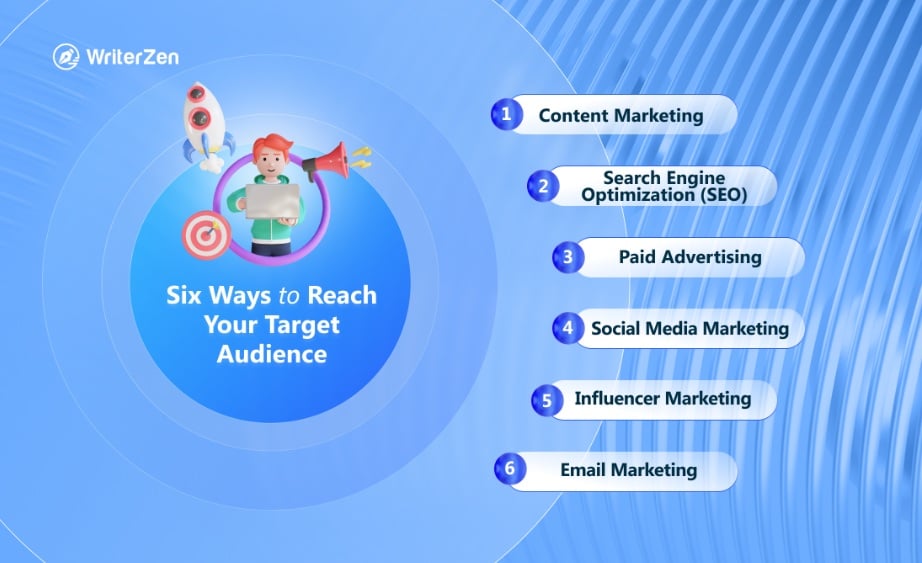
Image Credit: WriterZen
In social media advertising, success isn’t about reaching the most people, but about reaching the right people. Your ads perform better (and your budget stretches further) when your targeting is precise.
Modern social platforms offer powerful audience tools that help brands deliver ads to users who are more likely to engage, convert and eventually become loyal customers. Here are some types of audiences you may want to reach:
- Custom Audiences: Custom audiences are built using your own data, which are things like email lists, website traffic, or app activity. These audiences let you re-engage people who already know your brand, making your social media advertising more relevant and far more effective.
- Lookalike Audiences: Lookalike audiences expand your reach without sacrificing targeting quality. Platforms like Facebook, Instagram and TikTok analyse your best-performing audience segments and find new users who share similar behaviours, demographics and interests. It’s one of the most efficient ways to scale campaigns while maintaining strong performance.
- Interest Targeting: Interest targeting reaches people based on what they enjoy, follow and interact with online. A fitness brand, for example, might target users interested in wellness, gym memberships, nutrition, or specific fitness influencers. This approach helps your social media ads feel timely and relevant to people already aligned with your niche.
Find The Right Buyers Through Profiling and Retargeting
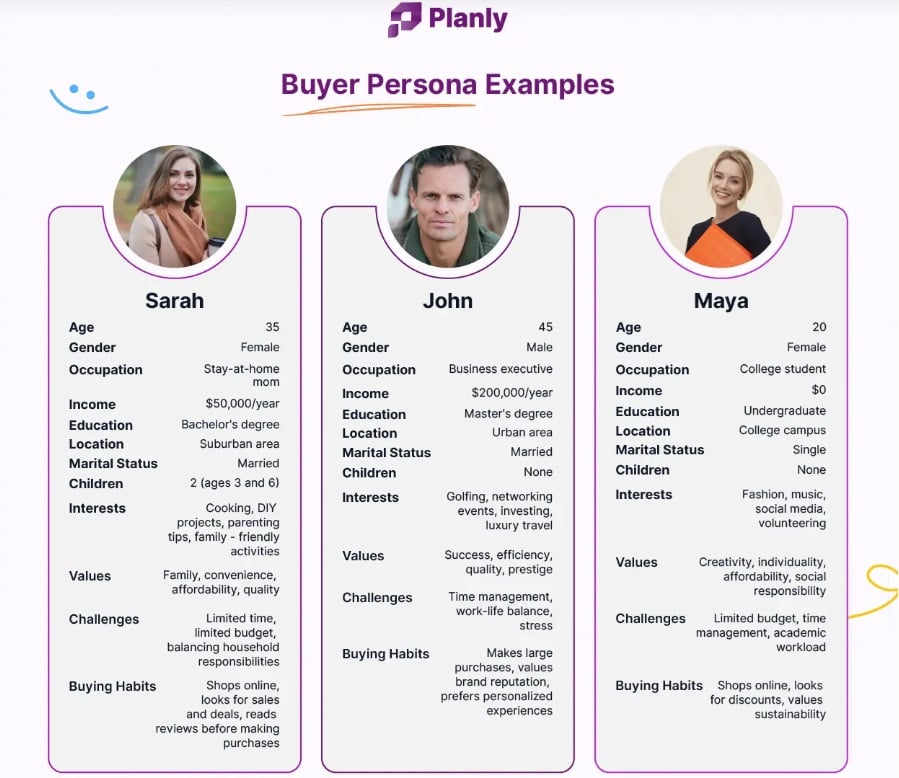
Image Credit: Planly
Understanding your audience is key to successful social media advertising. Buyer personas are detailed profiles of your ideal customers. They include demographics, pain points, motivations and preferred communication channels. Well-crafted personas help you refine targeting and create ad creatives that truly resonate. Without them, ads can feel generic and fail to engage the right people.
Retargeting allows you to reconnect with users who have already interacted with your brand but haven’t converted. Effective retargeting strategies include:
- Dynamic ads: Show users the exact products or services they viewed.
- Frequency capping: Avoid overexposure and ad fatigue.
- Sequential messaging: Guide users step-by-step through the buyer’s journey.
Remarketing goes a step further, nurturing warm leads and turning initial interest into meaningful actions, such as purchases, sign-ups, or repeat engagement. Together, profiling and retargeting make your social media advertising more precise, relevant and ROI-driven.

Image Credit: Fraud Blocker
A solid social media advertising cost strategy is essential for maximising your ad spend and driving consistent returns. Understanding how to set budgets and select bidding methods can significantly impact the success of your campaign.
1. Daily vs. Lifetime Budgets
Daily budgets give you steady pacing and predictable spend each day. They’re great for always-on campaigns that need regular visibility or continuous leads. Lifetime budgets, on the other hand, let the platform optimise your spend over the entire campaign period. This works well for short-term pushes, sales, or event-based campaigns where conversions often spike at certain hours or days.
The best choice depends on your campaign’s duration, goals and how hands-on you want to be with optimisation.
2. Choosing the Right Bidding Method
The way you bid determines how your budget is spent, which users see your ads and ultimately, how effectively your social media advertising drives results. Here are some strategies to choose from:

- CPC (Cost Per Click): Perfect for traffic-driven campaigns where you want users to actually visit your site.
- CPM (Cost Per Mille): Ideal when reach and visibility matter more than clicks, such as brand awareness campaigns.
- CPA (Cost Per Action): You only pay when someone completes a desired action (like a purchase or sign-up). It’s often the most efficient, but usually requires strong conversion tracking and a well-optimised funnel.
Your choice should align with your campaign objective: driving traffic, increasing awareness, or generating conversions.
3. Testing and Scaling Your Budget
Start small with test campaigns to measure which ads, audiences and bidding methods yield the best results. Use A/B testing to refine creatives and targeting. Once you identify winning combinations, gradually increase your budget, typically by 20-30% every few days, to scale results without disrupting the algorithm’s learning phase.
Tools for Budget Optimisation
Many ad platforms offer built-in tools like Facebook’s Campaign Budget Optimisation (CBO), which automatically distributes your budget across top-performing ad sets. Third-party tools such as:
- AdEspresso: Provides advanced analytics and A/B testing for smarter campaigns.
- Hootsuite Ads: Streamlines campaign management and optimises bids efficiently.
- Smartly.io: Automates bid adjustments and creative testing for scalable campaigns.
With a strategic approach to budgeting and bidding, your social media advertising cost strategy will drive efficient growth and maximise ROI while keeping costs under control.
Key Stats and Trends for 2026
Trends are always changing and it’s important for marketers to be updated. Here are some key trends for 2026:
- Organic reach on Facebook is on decline, averaging 1.2%.
- Global ad spend on social media is projected to hit $276.7 billion in 2026.
- Businesses with structured ad strategies report 2.5x higher ROAS than those without.
- 68% of businesses say paid social, particularly on Instagram, delivers positive ROI.
Investing in a social media advertising strategy helps your business stay ahead of the algorithm, cut through the noise and make every marketing dollar work harder.
Social media advertising is about connecting with the right people at the right time. From targeting the audience that actually matters to creating ads that grab attention, optimising your budget and retargeting warm leads, every step matters in turning interest into action.
The platforms may change, but the approach stays the same: plan smart, test often and tweak based on what works. With a clear strategy, your campaigns won’t just burn through your budget, your budget will drive real engagement, conversions and ROI.
Want to make your social media advertising work harder for your brand? MediaOne can help you craft campaigns that actually deliver results and keep you ahead of the competition. Contact us now!
Frequently Asked Questions
What is the best social media advertising strategy in 2026?
The top strategy in 2026 revolves around platform-specific targeting, video-first content and data-driven optimisation.
Focus on storytelling through short-form video formats like Instagram Reels and TikTok, leverage custom and lookalike audiences to reach high-potential users and continuously run A/B tests on creatives to see what resonates best.
The key is to create ads that are engaging, relevant and optimised for each platform’s audience.
How much should I spend on social media ads?
Ad spend varies based on your goals, industry and audience size. As a guideline:
- Small businesses: $500–$2,000/month
- Mid-sized brands: $2,000–$10,000/month
- Enterprises: $10,000+ per month
Start with a small test budget (e.g., $20/day), monitor performance metrics like ROAS and CPA and scale gradually once you identify high-performing ads and audiences.
Which platform gives the highest ROI for paid social?
Facebook and Instagram often provide the highest ROI for most businesses because of their precise targeting and flexible ad options. TikTok works well for reaching Gen Z and creating viral content, LinkedIn is ideal for B2B lead generation and YouTube is best for video-focused campaigns that need high attention.
The platform that delivers the best ROI can vary depending on your audience, content type and business goals, so it’s important to choose channels that fit your strategy and test what performs best.
What’s the difference between paid and organic strategies?
Paid social strategies use ads to reach specific audiences and drive measurable results quickly, such as clicks, leads, or conversions. Organic strategies, on the other hand, rely on free content to engage followers, build community and grow brand awareness over time.
In practice, combining both approaches works best: use organic content to nurture your audience and build trust, while paid social helps scale reach and achieve faster, measurable outcomes.
Can small businesses succeed with social media ads?
Yes, small businesses can succeed with social media ads. Even with a small budget, they can drive leads, sales and traffic by targeting the right audience, using simple or user-generated content, promoting key products or offers and tracking performance regularly. With a clear plan and ongoing optimisation, small brands can get strong results without spending a lot.